Summer Camp In Switzerland: What Makes It Worth The Investment
Swiss summer camps: Alpine adventure & multilingual immersion, certified staff, top safety and measurable language gains; book early.
Swiss Summer Camps — Young Explorers Club
Overview
We, at the Young Explorers Club, see Swiss summer camps pair an Alpine outdoor classroom—daily hikes, climbing, water sports and wildlife study—with genuine multilingual immersion. They deliver measurable language gains and practical outdoor skills in typical two- to three-week sessions. Families pay higher fees because they’re buying clear returns: strong safety and medical systems, trained instructors with low camper-to-staff ratios, high-quality accommodations and structured programs that build leadership and independence.
Key Takeaways
- Alpine setting plus multilingual daily life speeds language acquisition and provides adventure-based learning we rarely see elsewhere.
- Higher fees reflect safety and service: Swiss healthcare access, on-site medical teams, certified instructors and low camper-to-staff ratios cut risk and increase program flexibility.
- Budget realistically: day camps CHF 150–600/week; residential CHF 800–3,500/week (premium programs higher); expect deposits (10–50%) and extras for travel, insurance and premium activities.
- Typical formats: 1–4 week sessions (2–3 weeks most common) across age brackets (6–10, 11–14, 15–18) with measurable short-term gains in speaking confidence and leadership during expedition-style programs.
- Plan early and verify documentation: book 3–9 months ahead, confirm staff certifications, incident logs and child‑safeguarding policies, and secure visas plus travel and medical insurance.
Practical Steps before Booking
- Research dates and formats—decide between day, residential or expedition styles and choose session length.
- Budget—include tuition, deposits, travel, insurance and extras for optional activities.
- Verify safety—request staff certifications, medical staffing details and recent incident logs.
- Confirm paperwork—passports, visas (if needed), consent forms and medical records/insurance.
- Reserve early—most programs recommend booking 3–9 months in advance for best availability.
https://youtu.be/V0k0kCVlY_w
Why Switzerland Is Worth the Investment: Alpine Setting, Safety and What to Expect
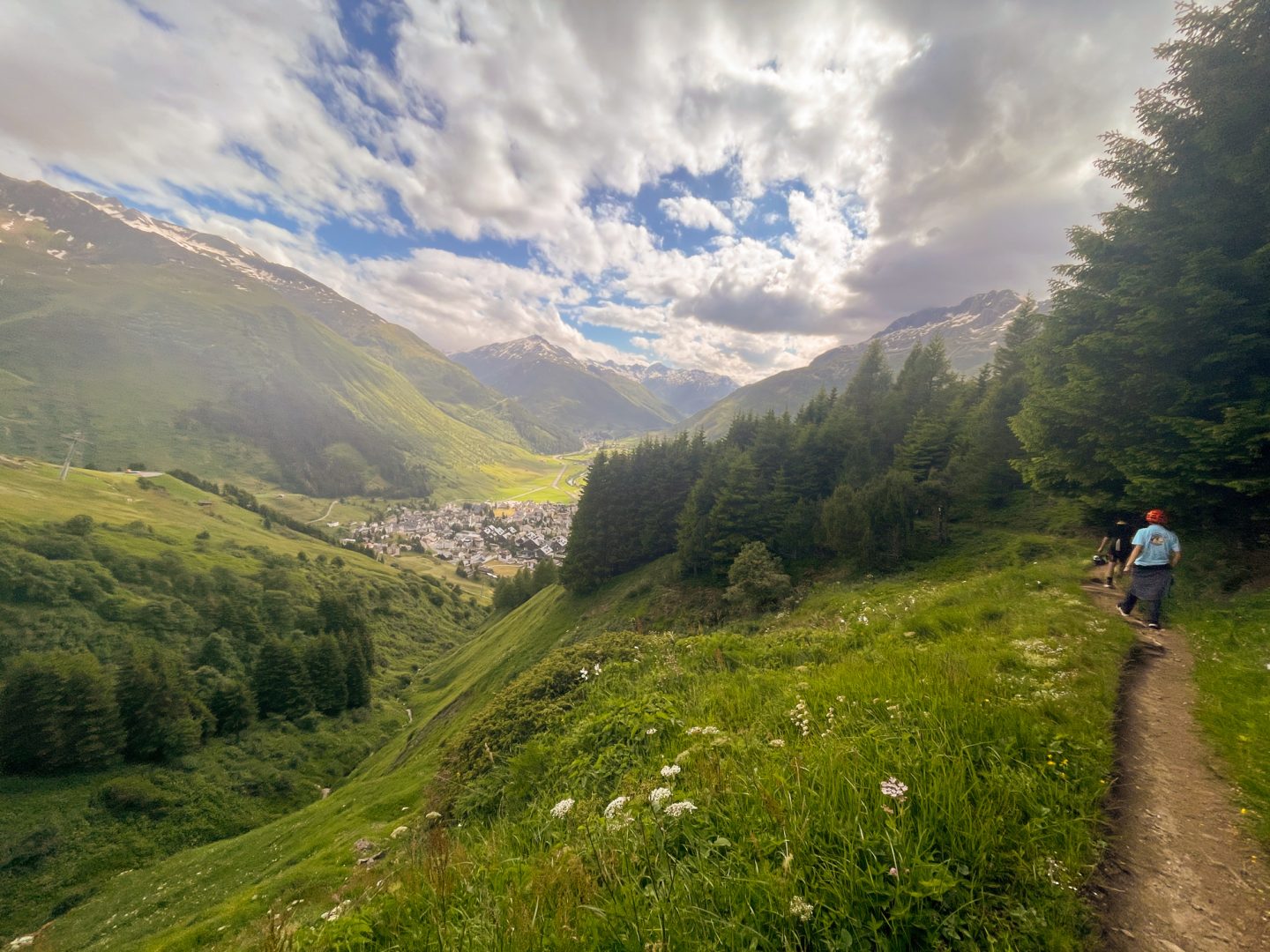
We, at the Young Explorers Club, choose Switzerland because its Alps and lakes deliver an outdoor classroom you won’t find elsewhere. The Alpine landscape creates daily chances for hiking, climbing, water sports and wildlife study. That setting pairs naturally with language exposure; German, French, Italian and English are commonly used, so a Swiss summer camp becomes real language immersion rather than a staged lesson. Learn more about what makes a Swiss summer camp distinct.
Safety and service here are exceptional. Swiss healthcare, transport and emergency response meet very high standards. We hire trained staff, keep low camper-to-staff ratios and maintain high-quality facilities. Parents pay a premium, and they get a measurable return: secure logistics, professional programming and reliable on-site medical care. For families focused on safety, see our notes on evaluating safety standards.
The price reflects more than scenery. Families invest in:
- consistent outdoor education in stable mountain environments,
- multilingual social exposure that accelerates language skills,
- reputable institutions with experienced staff and small groups,
- high-quality accommodations and supervised transport.
Session lengths and target ages
Below are the practical details families ask about most:
- Typical session lengths: 1–4 weeks, with most international programs clustering at 2-week and 3-week sessions.
- Age brackets: 6–10, 11–14, 15–18, each with distinct program groupings and activities.
- Comparison with other markets: American camps often run 1–8 weeks, so there’s overlap; Swiss offerings skew toward 2–3 week stays and a compact orientation period.
- Program focus by age: younger groups emphasize supervised exploration and basic skills; middle ages mix adventure and language; teens get leadership, challenge courses and independence-building.
We recommend families match session length to goals: language practice and cultural exposure fit well in two weeks; deeper skills or advanced camps justify three weeks. If you want help choosing, review our guide on how to choose the best camp for your child.

Cost, Return on Investment and How Switzerland Compares
Typical pricing, deposits and extras
We, at the young explorers club, present clear price bands so families can budget with confidence. Below are the common ranges and payment realities you’ll see in Switzerland.
- Day camps: CHF 150–600 per week.
- Residential / standard camps: CHF 800–3,500 per week.
- Premium / elite boarding programs: CHF 2,500–7,000+ per week.
- Typical deposit: 10–50% of the total fee; cancellation penalties are usually tiered by date.
- Typical extras families should budget for: international flights, travel insurance, medical insurance, activity supplements (via ferrata, paragliding, etc.), equipment rental, visa fees, pocket money and transfer fees.
- Currency conversion note: sample conversion at the time of drafting ≈ CHF 1 ≈ USD 1.10 / EUR 1.00 — verify live rates before booking.
If you want a deeper cost breakdown, our cost guide can help you plan more precisely.
Return on investment and international comparison
We evaluate value in three practical dimensions: safety and staffing, program quality, and unique Alpine access. Swiss camp fees reflect real operational costs — higher wages, strict safety and medical capacity, and facilities that withstand mountain weather. That means families are paying for certified instructors, low camper-to-staff ratios and on-site medical capability, which directly reduces risk and increases program flexibility.
We commonly see Swiss residential programs quoted around CHF 1,200–3,500 per week in many listings. That overlaps with U.K. and U.S. residential camp ranges, but Swiss pricing tends to run 10–50% higher on average because of higher living standards, instructor pay and Alpine logistics. Treat that 10–50% as a market-typical range rather than a fixed rule; you should verify specific provider pricing when booking.
We recommend weighing price against measurable benefits. Consider these value signals:
- Robust safety protocols and trained medical staff (see how to evaluate safety standards for specifics: safety standards).
- Low camper-to-staff ratios.
- Instructor credentials and certification.
- Breadth of Alpine activities that you typically won’t find elsewhere (learn what makes Swiss camps special: what makes Swiss camps unique).
We also point families to pages that explain wider benefits and help match priorities — from confidence and independence gains to curriculum fit: camp benefits and choose the best camp.
Practical booking advice we use with parents: confirm the deposit % (expect 10–50%), read the cancellation tiers, add a 10–20% buffer for extras (flights, insurance, activity supplements), and check scholarship or aid options if cost is a barrier: financial aid. These steps reduce surprises and improve the net return on your investment in a Swiss summer camp.
What Camp Life Looks Like: Activities, Accommodation and Logistics
We run a daily mix of skill sessions, language lessons and supervised free time so campers build confidence fast. Language immersion classes meet 3–5 times per week in our intensive programs, while I schedule 3–5 structured adventure activities per week to keep energy high and progress steady.
Mornings often start with language or STEM workshops; mid-morning and afternoon are for climbing, sailing or hikes; evenings bring cultural programs and relaxed free time.
Typical activities and how we structure them
Below are the core activities you’ll see most weeks at camp, grouped so you can plan abilities and gear accordingly:
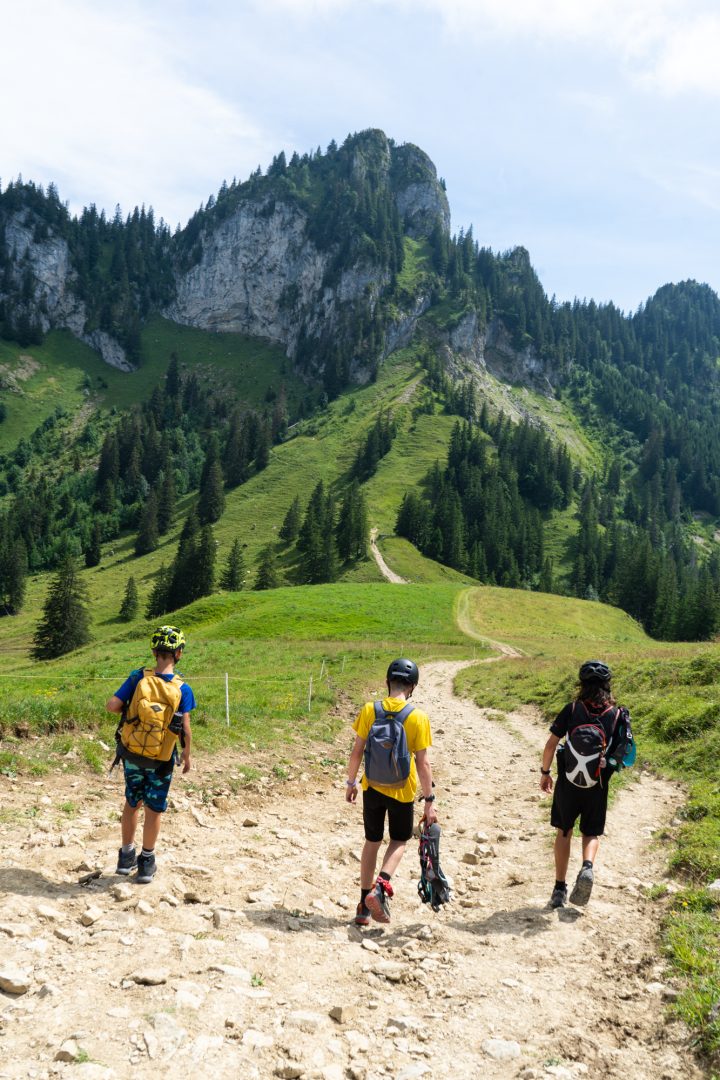
- Hiking and high-alpine treks (glacier access on advanced routes)
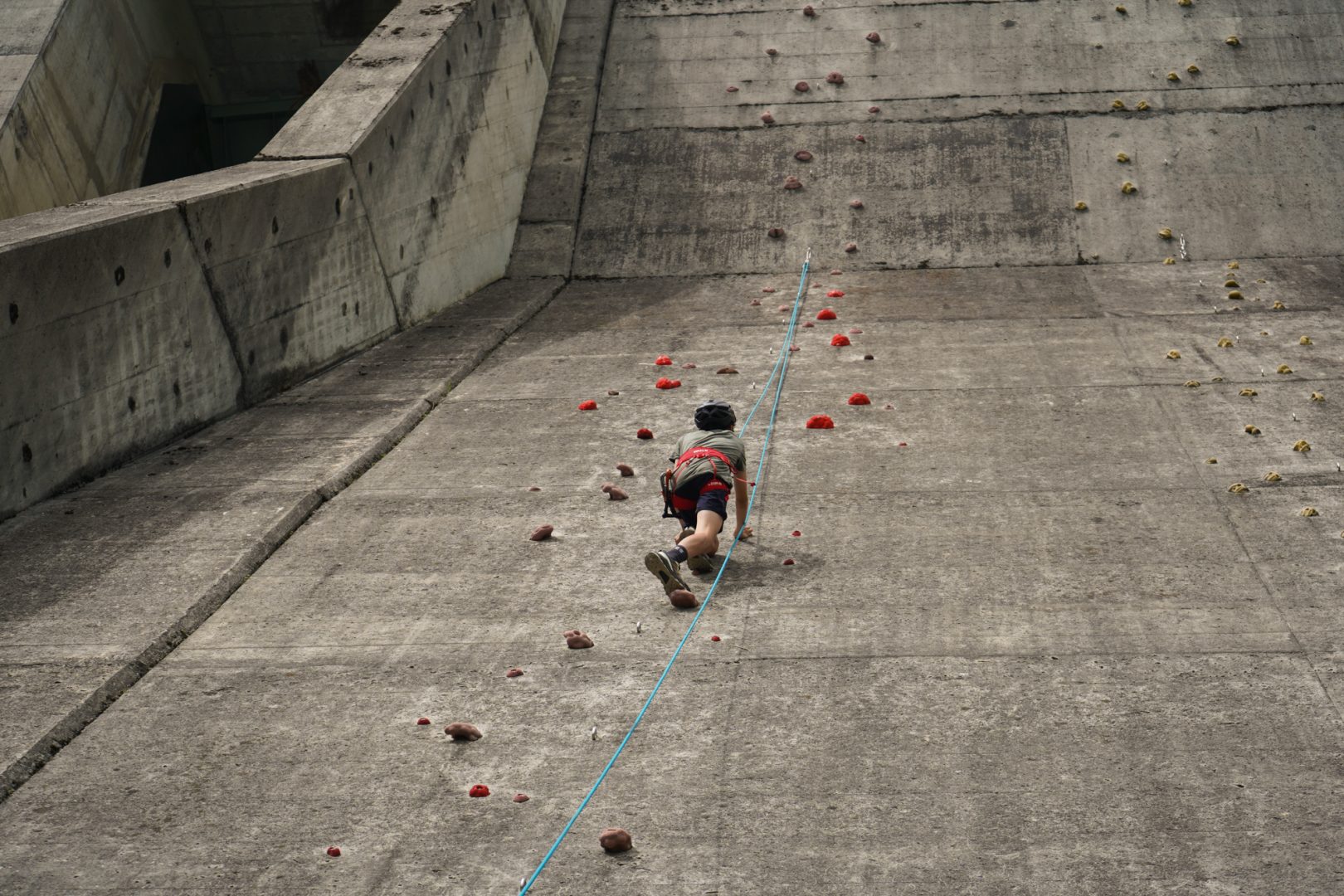
- Via ferrata and rock climbing (age/fitness prerequisites apply)
- Mountain biking and longer trail rides
- Paragliding — tandem flights and introductory training
- Lake sailing, windsurfing and kayaking on Lakes Geneva, Lucerne and Thun
- Ropes courses and leadership/expedition challenges
- Horse-riding and equestrian programs
- Language immersion (German, French or Italian) and cultural workshops
- STEM and outdoor education modules
Each activity comes with clear prerequisites. We require age and fitness minimums for via ferrata, advanced treks and certain climbs. Certified instructors run every adventure, and we supply standard safety equipment. Premium experiences like paragliding or private sailing sessions may carry extra fees.
Accommodation and services vary by site. Choices include campus boarding schools with dormitories, mountain chalets, lakeside centers and family homestays for language camps. Rooming options range from single and double rooms to 4–8 bed dorms. Routine laundry service is included at most centers. Wi‑Fi and mobile coverage are reliable in towns but can be patchier at remote chalets.
Transport logistics are straightforward thanks to Swiss infrastructure. Main arrival airports are Zurich, Geneva and Basel. Sample transfer times you can expect: Zurich ↔ Interlaken ~2–2.5 hours by train; Geneva ↔ Montreux ~1–1.5 hours. Swiss trains are reliable, but private transfers are often available for an extra charge.
I keep daily schedules predictable to help families plan. A typical day looks like this:
- Morning: language class or skills session
- Mid-morning: main activity (climbing, sailing, hike)
- Lunch and supervised rest
- Afternoon: second structured activity or workshop
- Evening: social program and free time
We run programs that blend high-adventure programming with formal language lessons—see how our Swiss camps make that work. Practical prep means checking prerequisites, budgeting for premium activities and choosing the accommodation level that fits your camper’s needs.

Safety, Medical Care, Staff Qualifications and International Mix
We, at the Young Explorers Club, treat safety as non-negotiable and build every program around clear medical and staffing standards. Swiss healthcare and emergency response are reliable, and many residential camps provide on-site first-aid staff with 24/7 medical access typical. That availability lets us focus on prevention as much as response.
I outline the medical and emergency basics I expect from any high-quality camp. Camps should require completed medical forms, up-to-date vaccination and allergy details, and signed emergency consent and contact information before arrival. I also verify formal arrangements with local hospitals or clinics and confirm on-call physicians for any overnight programs.
Staff-to-camper ratios are a measurable part of safety. Typical ranges I use when evaluating programs are:
- Ages 6–8: 1:4–1:6
- Ages 9–12: 1:6–1:10
- Teens: 1:8–1:15
Adventure activities usually adopt stricter ratios, commonly 1:4–1:8. Those numbers give me a quick sense of supervision intensity during high-risk activities.
Qualifications I demand from activity staff are specific and verifiable. Required credentials include:
- Standard first aid for all counselors
- Wilderness first aid for remote outings
- UIAA or equivalent climbing credentials for mountaineering instructors
- Recognized boating certifications for water sports
I also require documented background checks and routine staff training records. Staff CV summaries and certification lists should be available to parents on request.
Diversity in staffing improves both safety and learning. Camps often mix international English-speaking counselors with local Swiss instructors. Local instructors usually lead mountain sports and language classes. Certified activity specialists are common, and many camps host an international camper share that ranges from 30–70%, which enriches supervision approaches and cultural exchange. For details on how international groups boost independence, I point families to resources about international camps that highlight these benefits: international camps.
I always cross-check camp health protocols with official guidance. The Swiss Federal Office of Public Health guidance is my primary regulatory reference when verifying medical and public-health measures at camps. That guidance clarifies reporting requirements, hygiene standards, and infectious-disease policies I expect to be followed.
Practical checks I recommend to parents include verifying:
- Staff certification lists and CV summaries
- Child-protection and safeguarding policies
- Local hospital or clinic contact details and transfer procedures
- Sample activity risk assessments and emergency plans
You can learn more about how to evaluate those safety standards in context here: evaluate safety.
I also advise families to consider operational factors that affect safety and care: travel times to the nearest hospital, whether the camp is residential or day-based, and how language barriers are handled during emergencies. For residential programs specifically, look at the continuous medical presence and youth development focus described in resources about residential benefits: residential benefits.
If cost or financial aid is a concern, remember that higher fees often reflect stronger medical staffing and certified instructors. For budgeting and scholarship options, consult the camp costs and funding pages: cost guide and camp scholarships.
Documents parents should request
- Staff certification lists (first aid, wilderness first aid, UIAA/climbing, boating)
- Staff CV summaries and documented background-check policy
- Child-protection and safeguarding policy
- Local hospital/clinic contact and transfer procedures
- Sample activity risk assessments and emergency plans
- Required medical forms and emergency consent documentation
- Written vaccination and medication protocols
I encourage families to also look into program-specific features that affect care, such as language support, the mix of Swiss versus international campers (see how Swiss camps compare), and the camp’s track record with mountain and water activities. For help choosing a program that balances safety with growth, check our guide on how to choose a camp: choose a camp.
Educational and Developmental Returns: Language Gains, Leadership and Measuring ROI
We, at the Young Explorers Club, track clear educational returns from Swiss summer camps: language gains, leadership growth and practical outdoor skills. Immersion-driven programs routinely produce measurable improvements in speaking confidence and practical language use within 2–3 weeks, especially when daily conversation and activity-based learning are built into the schedule.
Expedition-style programs accelerate leadership and resilience by assigning real responsibilities, risk-managed decision points and team-based problem solving. Outdoor education also builds navigation, campcraft and environmental stewardship through hands-on tasks and reflective debriefs.
Short-term and long-term measurement approaches are straightforward and practical. Short-term indicators I ask for include before/after language self-assessments, quick conversational rubrics, camper satisfaction surveys (NPS) and parent/teacher feedback. Longer-term indicators worth requesting are repeat enrollment, shifts in formal test scores or observed classroom engagement, and any documented leadership recognitions that campers receive after participation. I always label safety figures as camp‑reported: incident/accident rates, staff turnover and staff certification lists give a clearer picture of program stability.
Benchmarks & metrics to request
- Pre/post language assessment (self-assessment plus a simple speaking rubric)
- Satisfaction NPS and brief camper feedback forms
- Incident log summary (camp‑reported) and staff certification lists
- Repeat booking rate and repeat‑enrollment percentage
- Staff turnover rate and staff-to-camper ratios
- Sample before/after classroom or test-score comparisons, if available
I use short testimonials paired with objective data to tell the story of impact. Example formats I share: Parent quote + objective measure (Parent: “Her speaking confidence jumped.” Objective: improved conversational rubric score between pre/post). Camper quote + leadership metric (Camper: “I led the hike.” Objective: count of team leadership roles assigned). Those pairings make outcomes credible and easy to compare across providers.
When evaluating ROI, ask camps for both outcome and safety data and insist on source documents or anonymized spreadsheets. Favor providers that can show repeat-enrollment percentage, low staff turnover and clear incident logs. Red flags include refusal to provide outcome metrics, vague incident reporting, missing staff certification lists or reliance solely on anecdote. We recommend you choose the best camp by prioritizing measurable outcomes and transparent safety reporting.

Practical Planning Checklist: Booking, Visas, Insurance, Paperwork and Providers to Research
Booking, deposits, visas and arrival logistics
We recommend booking 3–9 months ahead for peak July/August sessions; popular weeks fill fast. Deposit amounts commonly run between 10% and 50% of the fee, so confirm the camp’s cancellation policy before you pay. For a quick primer on timing and costs see our booking timeline guidance.
Non‑EU/EEA children may need a Schengen visa depending on nationality. Check the relevant consulate early — visa processing can take several weeks — and ensure passports have at least six months’ validity beyond travel dates. We always tell families to submit visa paperwork well before departure windows.
Use Zurich, Geneva or Basel as airport hubs. Camps usually offer paid private transfers or coach/train options; expect additional fees for private cars. Arrive within the camp’s specified transfer window and confirm pickup details in writing. We advise buying travel insurance that includes medical evacuation and activity coverage, and adding cancellation insurance if your plans could change.
Parent checklist and providers to research
Below is the essential pack of documents and items we expect every family to prepare before departure:
- Passport (valid 6+ months) and visa documents if required
- Signed parental consent/authorization forms the camp requests
- Completed medical and vaccination forms, plus any prescriptions labeled and accompanied by a copy of the prescription
- Travel and medical insurance policy copy (include emergency number and policy ID)
- Cancellation insurance evidence if purchased
- Emergency contacts, camp contact and local hospital details
- Some pocket money, plus a checklist of recommended gear and clothing
Research these sample providers as a starting point; verify current program pages and CHF pricing before booking:
- Aiglon College (summer programmes)
- Leysin American School (summer sessions)
- TASIS The American School in Switzerland (summer programs)
- Collège Alpin Beau Soleil (summer courses)
- Institut Montana Zugerberg (summer programmes)
- St. George’s International School (summer camps)
- Swiss youth hostels and regional outdoor providers
For help narrowing choices see our tips on How to choose the best camp.
We always ask camps for primary data when quoting statistics; label any figures as “camp‑reported” or “typical market range”. Finally, confirm live CHF pricing and current exchange rates before you finalize payment.

Sources
- Swiss Federal Statistical Office — Tourism (Statistics)
- Switzerland Tourism — Summer in Switzerland
- Federal Office of Public Health (FOPH/BAG) — Vaccinations
- EF Education First — EF English Proficiency Index: Switzerland
- Institute for Economics & Peace — Global Peace Index
- SBB CFF FFS — Timetable & Connections
- State Secretariat for Migration (SEM) — Visas (Schengen)
- Frontiers in Psychology — Effects of regular classes in outdoor education settings: A systematic review
- NCELA / ERIC — A national study of school effectiveness for language minority students’ long-term academic achievement
- Suva — Accident prevention and safety
- Swiss Alpine Club (SAC/CAS) — Safety and training in the mountains
- OECD — Education at a Glance