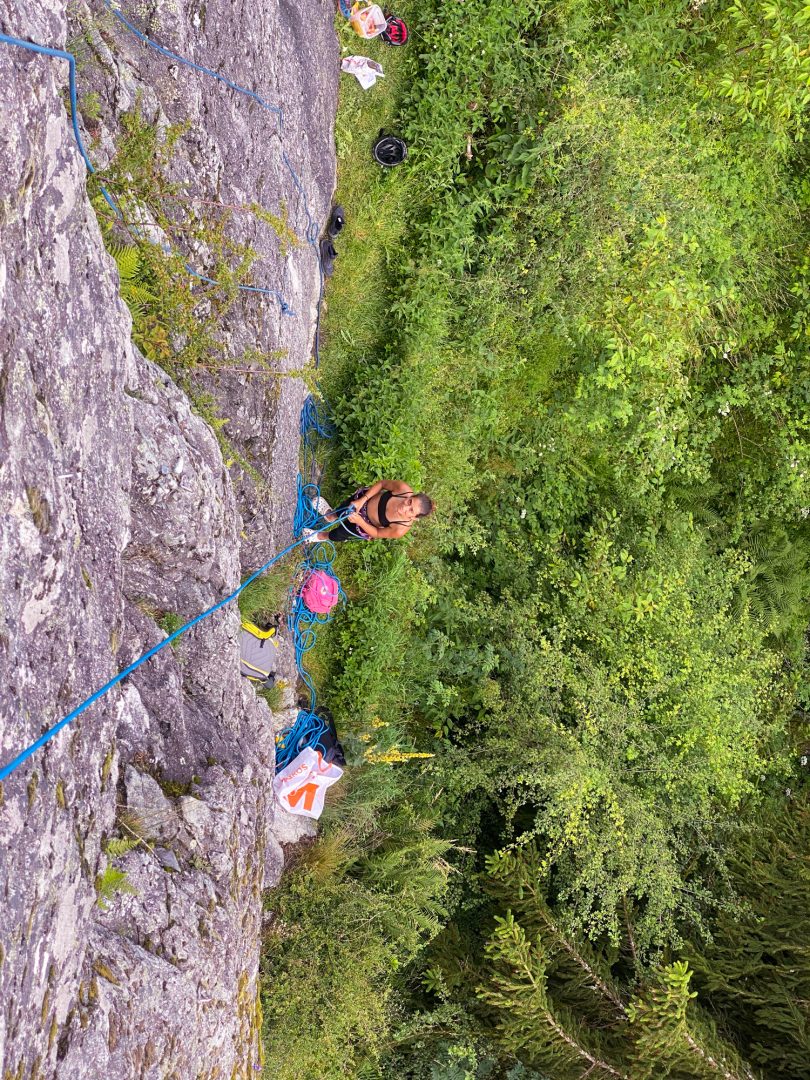
The Importance Of Proper Rain Gear In The Alps
Alpine weather flips fast—pack waterproof, breathable shells, insulating layers, spare socks and a waterproof pack cover to stay dry and safe.
Alpine Weather, Rain Kit, and Safety
Overview
We see Alpine weather flip fast because of orographic lift and local microclimates. Storms can form quickly and hit with intense convection. Heavy downpours can soak hikers within minutes on valley floors, treelines, ridgelines and summits. A good rain kit — waterproof, breathable shells with taped seams, helmet‑compatible hoods, and a layered pack system including an insulating spare, pack cover and a lightweight shelter — keeps insulation dry, lowers hypothermia risk and protects critical kit to prevent weather-related accidents.
Key Takeaways
- Expect rapid, localized weather changes in the Alps; routes cross multiple microclimates with different wind, temperature and precipitation.
- Rain gear performs three essential jobs: keep insulation dry, block wind and driving rain, and protect navigation/electronics/food.
- Select technical shells with appropriate hydrostatic head (10,000–20,000+ mm for active use), breathable membranes, fully taped seams, pit zips and a close-fitting/helmet-compatible hood.
- Layer and pack smart:
- Moisture-wicking base
- Insulating midlayer
- Waterproof shell
- Spare socks and waterproof pack cover/dry bags
- Packable synthetic puffy and a lightweight emergency bivvy
- Inadequate kit increases hypothermia, slippery-terrain and flood/avalanche risks; turn back if storms are forecast, visibility falls, you get wet through quickly, streams rise, or team members show hypothermia signs.
Why proper rain gear is essential in the Alps
We, at the Young Explorers Club, have watched a sunny valley turn into a windswept, sleet-filled summit in under two hours. A hiker in short sleeves can be soaked, chilled and blinded by driving rain long before the return path cools down.
Alpine weather flips fast because the mountains force air to rise, cool and dump moisture — a classic orographic precipitation effect. The Alps stretch roughly 1,200 km across eight countries, so you can hit very different conditions on a single day-hike. Summer thunderstorms and convective cells are common from June through September, and rapid, localized downpours exceeding 20 mm/hour (with local extremes well higher) can drench clothing in minutes (MeteoSwiss). Typical alpine routes cross multiple mountain microclimates: valley, tree line, exposed ridge and summit. Each zone brings different wind, temperature and precipitation, so you can face wet, windy and cold conditions even on a warm morning.
What rain gear actually protects you from
The gear you choose has three jobs, and each affects safety and comfort.
- Keeps your insulation dry so it retains warmth; wet insulation fails fast.
- Blocks driving wind and convective rain, reducing heat loss and hypothermia risk.
- Protects essential kit — maps, electronics and food — that you need for safe navigation and a calm descent.
Pick a waterproof shell with taped seams and a close-fitting hood. Combine it with a rain skirt or overpants to stop water wicking into your layers. Use a pack cover or waterproof pack liner so your spare clothing stays dry. Gloves with a waterproof outer and a thin insulating liner extend usable time when temperatures drop. Ventilation matters as much as waterproofing: breathable membranes plus pit zips prevent sweat build-up, which otherwise leaves you damp from the inside.
Practical tips for smarter packing and use
Always layer. Start with a moisture-wicking base, add an insulating mid-layer and finish with a waterproof shell. Stash a lightweight insulated jacket in your pack; it can double as an emergency shelter on exposed summits. Apply the following habits on trails:
- Test your hood and adjust it so you can see and turn your head without gaps.
- Close zips in heavy rain but open them when you’re climbing steep sections to dump heat.
- Change out of wet base layers during rests to avoid chill.
- Keep a small towel or microfibre cloth to dry inner collars and faces; that small bit of dryness preserves warmth.
Plan with local forecasts and storm statistics in mind; consult services like MeteoSwiss for Swiss sectors before you head out. If you want a quick checklist for packing and kid-focused safety, check our guide on what to pack for Switzerland — it covers rain essentials for families and summer camps.

Alpine precipitation and seasonal patterns (regional data)
We track Alpine precipitation because it shapes kit choices, route plans, and safety margins for families. Annual totals range from roughly 600 to more than 3,000 mm depending on exposure and elevation. Many windward summit sites — for example Zugspitze and similar peaks — commonly record about 1,500–2,500 mm per year (MeteoSwiss). Northern valley sites often sit nearer 800–1,200 mm annually (MeteoSwiss). Some exposed passes on windward flanks exceed 2,500–3,000 mm (MeteoSwiss).
Orographic lift explains the contrast in simple terms. Moist air is forced upward over the mountains, cools, and drops moisture on windward slopes. Air that descends on the leeward side warms and dries, producing rain-shadow valleys with much lower totals. Icing, persistent drizzle and heavy snowfall at altitude all follow from that same process.
Seasonal timing matters for kit selection and trip planning. Autumn and winter are dominated by frontal systems that bring longer, steadier precipitation — rain at low elevations and snow higher up. Summer shifts to convective activity: short-lived but intense thunderstorms and cells peak in July–August. Severe convective cells regularly produce rates above 20 mm per hour, and localized extremes can exceed 50 mm per hour. We treat those short, intense bursts as the biggest acute risk to gear and trail safety.
Regional breakdown — what to expect
Below are practical regional notes and approximate annual ranges to help choose rain gear and schedule hikes.
- Northern Alps: generally wet, with many locations in the 1,000–2,000 mm/year band. Expect frontal precipitation in autumn and winter and convective storms in summer.
- Central Alps: the highest precipitation concentrates on windward ridges; many peaks receive 1,500–2,500 mm/year. Ridge routes and col crossings can stay damp much of the year.
- Southern Alps / Dolomites: Mediterranean influence yields drier valleys (about 600–1,200 mm/year) but exposed slopes can see heavy convective orographic storms and local high totals.
When you need station-specific normals or recent extreme-event data, consult MeteoSwiss, DWD, ZAMG, or Météo‑France for precise figures and trends.
Practical implications for families and guides are straightforward. We recommend waterproof shells with high breathability for summer thunderstorm exposure and insulated, water-resistant layers for autumn/winter frontal events. Pack quick-drying mid-layers and always carry a lightweight emergency shelter for storms that dump 20–50+ mm/hr. For gear lists and child-focused safety tips see our guidance on what to bring on a family hike and compact advice about hiking safety. We also factor local exposure when advising on routes: windward ridges need more robust protection, while rain-shadow valleys allow lighter setups.

Risks of inadequate rain gear — health and safety impacts
Wet clothing accelerates heat loss dramatically. We watch core temperature fall fast once insulation and evaporative barriers fail. Hypothermia is a core temperature below 35 °C, and you can get into trouble even on mild days if you’re soaked and exposed. A dry 10 °C day can feel like 0–5 °C if you’re wet and exposed. Wet wind chill can reduce effective temperature by about 5–15 °C depending on wind speed and wetness, so conditions can shift from uncomfortable to dangerous within minutes.
We monitor wet clothing heat loss as a primary risk because it removes your safety margin. Wet fabrics conduct heat away from the body far quicker than dry layers. Wind strips the thin insulating layer of air next to skin and boosts evaporative cooling. That combo makes early-stage hypothermia common in alpine descent incidents.
Accident and rescue statistics reflect those mechanics. Weather-related incidents — falls on slippery terrain, exposure, and disorientation leading to getting lost — climb sharply during storms and low visibility. We recommend checking reports from the Swiss Alpine Club (SAC), ICAR, and national rescue services to see how callouts spike in poor weather. Mountain rescue response times and the number of complex evacuations rise when convective storms roll in.
Secondary hazards multiply the danger. Convective downpours exceeding 20–50 mm/hr can trigger flash floods and rapidly rising streams, washing out routes and trapping parties. Heavy, rapid precipitation also increases avalanche hazard by quick loading of slopes and weakening of layers. Route-flooding and sudden stream surges are common after intense summer storms.
I’ll paraphrase a rescue anecdote that illustrates the risk: a small party above the tree line in July was overtaken by a late-afternoon thunderstorm. They were soaked through within 20 minutes. One member developed early hypothermia. A timely decision to descend and call for help prevented a worse outcome; mountain rescue evacuated them before conditions deteriorated further.
Turn-back criteria we use (practical checklist)
When planning and on-route we follow clear turn-back triggers:
- Forecast shows convective storms or rapid temperature drops.
- Cloudbase will close in above planned route or visibility will fall.
- Wind increases and rain starts making you wet through within 15–30 minutes.
- Streams begin to rise or crossings become hazardous.
- Any team member shows shivering, confusion, or slowed responses (early hypothermia signs).
- You lack a waterproof layer, shelter, or a reliable means to call for help.
We also point participants to our hiking safety guide for packing and on-trail actions that reduce these risks. Carrying reliable waterproofs, quick-change dry layers, and a plan to descend fast saves lives.
Technical features of rain gear and essential accessories (jackets, pants, boots, gloves, packs)
We set HH (hydrostatic head) as the first filter when picking gear. The common scale runs roughly 5,000–30,000 mm; for day hikes we aim for 10,000–15,000 mm and for high‑output hiking, ski touring or mountaineering we go 20,000+ mm. HH is measured as millimetres of water column a fabric withstands before leaking (for example, 10,000 mm equals a 10 m water column), so higher HH matters under sustained pressure like sitting on wet rock or heavy continuous rain.
We use breathability metrics to match activity level. MVTR (g/m2/24h) and RET are the key numbers. For high exertion pick MVTR >10,000 g/m2/24h or RET <13. For relaxed hikes lower breathability will do and can save weight and cost.
Construction features to require
- Laminated membrane construction (2L, 2.5L or 3L) for durability and pack compatibility.
- Fully taped seams to prevent seam leakage.
- Waterproof zippers on critical pockets and main closure.
- Pit zips or other venting to dump heat during climbs.
- Helmet‑compatible hoods with a good brim that adjust easily.
- Articulated patterning for freedom of movement under layers.
- Durable water repellent (DWR) finish to shed initial water — reapply when water stops beading.
Footwear, gloves, packs and practical weights
We pick boots with waterproof‑breathable membranes (Gore‑Tex‑type) for most alpine use; treated leather boots remain a solid choice for durability and wet‑rock abrasion. Gaiters keep water and snow out during stream crossings or on patchy snow. For hand protection we carry a thin liner and a waterproof outer glove to keep dexterity and warmth. For packs we use a raincover or dry bags for electronics and sleeping bags; typical raincover weights sit around 100–300 g and an emergency bivvy runs roughly 80–150 g.
Membrane technologies like Gore‑Tex and eVent differ by construction and claimed breathability; many high‑end membranes balance high HH with strong moisture transfer. As a quick shopping note, modern 3L Gore‑Tex jackets such as the Arc’teryx Beta AR weigh in the ~450–600 g range, while lighter 3L options like the Patagonia Torrentshell sit near ~400 g. Many technical boots use membrane ratings comparable to jackets, and gaiters from mainstream brands commonly weigh 100–200 g.
We recommend checking detailed packing lists for families and kids so you don’t forget lightweight essentials — see our what to bring guide for suggested items and layering strategies.

Layering, packing and emergency kit for wet alpine conditions
We, at the Young Explorers Club, follow the shell-over-layer principle: base, mid, then waterproof shell. Base layers must move moisture away from skin; I recommend merino or synthetic fabrics. Midlayers provide insulation — fleece or synthetic works best. The outer shell should be waterproof and breathable.
Base layer guidance is simple. Avoid cotton. Choose a snug merino or synthetic top and bottoms for longer days.
For insulation, pick synthetic when wet conditions are likely: synthetic insulation retains more than 50% of its loft when wet and keeps usable warmth. Down traps heat superbly when dry, but loses most loft if it wets unless you keep it inside a dry shell or dry bag.
We pack with a clear rule of thumb. Carry at least one waterproof shell plus one insulating midlayer in an Alpine daypack. Add a spare pair of socks and a packable synthetic puffy around 200–300 g for emergency warmth. Stow that puffy in an easily reachable, waterproof pocket near the top of your pack for rapid access.
Two outfit templates I use in the Alps:
- Day-hike (summer, storm-prone): light merino base, thin fleece mid, breathable soft-shell or light mid, hard-shell with 10,000–20,000 mm HH depending on expected sweat levels, waterproof boots, gaiters optional.
- Ski-touring (spring): merino baselayer, insulating mid, high-HH hard shell 20,000+ mm, insulated waterproof gloves, helmet-compatible hood, waterproof boots compatible with crampons.
Minimum day-hike kit checklist and weights
When I prepare a wet-weather daypack I include the following items:
- Waterproof shell (hard or high-quality soft shell)
- Waterproof pants or packable rain skirt
- Spare socks (preferably synthetic)
- Emergency bivvy/foil blanket (≈80–150 g)
- Pack raincover (≈100–300 g)
- Packable synthetic puffy (≈200–400 g)
- Headlamp
- Waterproof map/navigation and compass
- Small first-aid kit
- Extra food and water
- Phone with power bank
Practice packing and waterproofing electronics before you leave. I test dry bags and zip-lock setups at home. Keep navigation and emergency items in waterproof pouches near the top for quick access. For family trips, consult our guide on what to bring so kids’ layers and extras get proper attention.

Maintenance, repair and sustainability of rain gear
We, at the young explorers club, treat rain gear like an investment—cleaning, repairing and reproofing extend life and cut environmental impact. Reapply DWR when water stops beading on the surface; that usually happens every 10–20 washes or seasonally depending on use. Test by sprinkling a little water on the jacket; if it soaks in rather than beading, it’s time to reproof.
Clean with technical detergents that preserve membrane breathability. I recommend Nikwax Tech Wash or Grangers for regular cleaning. Avoid regular laundry detergents and fabric softeners since they strip DWR and clog membranes. After washing, many garments regain DWR performance with a low tumble dry or brief heat activation if the manufacturer allows—follow those instructions precisely to protect the membrane.
I patch and repair before I replace. Key repairs that keep jackets serviceable:
- Re-taping seams and resealing seam tape.
- Replacing or repairing zipper sliders and pulls.
- Applying patches for small holes or abrasion using Tenacious Tape or patch kits.
Field fixes like Tenacious Tape or a folded piece of seam tape take minutes and prevent water entry until you do a proper repair.
Emergency repair kit (≈20–50 g)
Here are the lightweight items we carry so a small problem never becomes a trip-ender:
- Tenacious Tape sheet (≈5 g)
- Small needle and polyester thread (≈3 g)
- A few safety pins or mini zip ties (≈3 g)
- Spare zipper slider or pull (≈6–8 g)
- One adhesive seam-sealer sachet or mini tube (≈5 g)
Those items fit in a tiny zip bag and weigh roughly 20–50 g total, depending on what you include.
Buy durable gear and repair it. Many jackets with higher-quality membranes and DWR last 3–5 years or longer; that often yields a lower overall environmental impact than buying cheap PU-coated jackets every season. Brands largely phased out long-chain PFCs like PFOS and PFOA, and most now use short-chain or PFC-free DWR treatments. Regulatory pressure since the mid-to-late 2010s keeps pushing suppliers toward safer chemistries, so check labels and brand statements if you care about chemical safety.
Look for third-party assurances such as Bluesign, OEKO‑TEX, Textile Exchange and recycled nylon content when choosing gear. Those signals don’t guarantee perfection, but they show a brand is tracking hazardous-chemical use and material sourcing.
Practical rules we follow on trips:
- Reproof when beading fails.
- Wash with a technical cleaner.
- Carry a compact repair kit.
- Prioritize repair over replacement.
For packing and kit choices that match those practices, see what to pack for Switzerland to keep rain gear functional and light.

Sources
MeteoSwiss — Climate of Switzerland / Klimatologie
Deutscher Wetterdienst (DWD) — Climate Data Center (CDC)
Zentralanstalt für Meteorologie und Geodynamik (ZAMG) — Climate of Austria / Klima
Météo‑France — Climat et météo des Alpes françaises
World Meteorological Organization (WMO) — Mountain weather and climate guidance
International Commission for Alpine Rescue (ICAR) — ICAR Annual Report / Publications
Swiss Alpine Club (SAC) — Accident statistics / Unfallstatistik
European Climate Assessment & Dataset (ECA&D) — Regional climate normals and datasets
GORE‑TEX — GORE‑TEX Product Technology & care guidance
eVent Fabrics — eVent technology / breathability whitepaper
Nikwax — Tech Wash & reproofing guidance
bluesign® — What is bluesign®? (sustainability and chemical safety)
Textile Exchange — Sustainable materials and industry guidance