The Parent’s Guide To Active School Holidays In Switzerland
Plan active, car-free family school-holiday breaks in Switzerland: canton calendars, SBB/PostBus routes, Swiss Travel Pass tips, safety & packing
Young Explorers Club — Family School-Holiday Planning in Switzerland
At the Young Explorers Club, we help parents plan active school-holiday breaks across Switzerland. We explain how cantonal holiday variations, public-transport options and booking windows shape family itineraries, and we summarise season- and age-appropriate activities, pass and accommodation choices, safety and packing essentials, and practical money-saving tactics for multi-day, often car-free, trips.
Key Takeaways
- Don’t wait. Check canton school calendars early and book peak-week travel 3–9 months ahead to avoid clashes, crowds and sold-out options.
- Use public transport. Switzerland’s dense SBB and PostBus network, mountain lifts and regional guest cards let families travel multi-day without a car and cut lift fares.
- Match activities to season and age. Summer: hiking, e‑biking, lake play and rafting for older kids. Winter: family ski areas, cross-country, snowshoeing and indoor options.
- Prioritise safety and packing. Monitor mountain weather and avalanche bulletins. Carry a first-aid kit, warm layers and helmets. Save maps for offline use and buy travel insurance with mountain-rescue cover.
- Save money. Travel in staggered canton weeks or during shoulder periods, pick self-catering and use guest-card discounts. Compare the Swiss Travel Pass, Half Fare Card and point-to-point fares to find the best value.
Planning Around Canton School Calendars
Canton calendars vary widely across Switzerland. To avoid peak congestion and sold-out accommodation, check each canton’s official school-holiday dates well in advance. If you can be flexible, stagger your travel so you avoid the busiest weeks.
Booking timeline
- 3–9 months ahead: Book peak-week travel and popular family hotels or apartments.
- 6–12 weeks ahead: Finalise activities that have limited capacity (rafting, guided hikes, ski lessons).
- Last minute: Use regional guest cards and local transport offers if you need flexible, lower-cost options.
Transport Options for Car-Free Families
Switzerland’s public transport makes car-free family travel practical.
- SBB trains and PostBus routes connect towns and many mountain bases.
- Mountain lifts and cog railways reach alpine playgrounds — look for family discounts and combined tickets.
- Regional guest cards often include local lifts and buses, and can cut lift fares substantially.
Season- and Age-Appropriate Activities
Summer
Hiking on easy, signposted trails; e‑biking where rental and family-friendly routes exist; lake play and supervised swimming; rafting and canyoning for older children with professional guides.
Winter
Family ski areas with gentle slopes and ski-kindergartens, cross‑country trails, snowshoe walks and indoor play/swim options for rest days.
Passes, Accommodation and Booking Choices
Compare options to match your itinerary and budget:
- Swiss Travel Pass — good for extensive rail travel and museum access.
- Half Fare Card — reduces many fares by 50% for travellers who will make several point-to-point journeys.
- Point-to-point tickets — often best for tightly localised stays.
- Accommodation: self-catering apartments save money and offer flexibility; family rooms in mountain hotels can be convenient but book early.
Safety, Packing and Practical Essentials
Safety first: monitor mountain weather and official avalanche bulletins for winter trips. For mountain activities, carry helmets where appropriate and follow guide instructions.
- Packing essentials: first-aid kit, warm layers, waterproofs, comfortable walking shoes, helmets for biking/skiing, and sun protection.
- Navigation: save offline maps and routes to your phone; carry a paper map for remote areas.
- Insurance: buy travel insurance that includes mountain-rescue cover for activities above the tree line or off‑piste sports.
Money-Saving Tactics
Practical ways to cut costs without sacrificing fun:
- Travel in staggered canton weeks or shoulder periods to avoid peak prices.
- Choose self-catering or apartments with simple kitchens.
- Use guest-card discounts for lifts, museums and local transport.
- Compare passes (Swiss Travel Pass vs Half Fare vs point-to-point) based on the number of long-distance journeys.
Final Notes
Plan early, match activities to your children’s ages and the season, prioritise safety and public-transport options, and use guest-card and pass discounts to keep budgets manageable. If you’d like, we can help you draft a sample itinerary for a specific canton, age group and date range.
Essential Quick Facts: Why Switzerland Works for Active Family Holidays
Basics parents should know
- We note Switzerland has 26 cantons and four national languages — German, French, Italian and Romansh.
- We note the country’s compact geography plus high-quality trains and PostBus services make multi-day, car-free family travel realistic.
- We note a dense public transport network (SBB trains + PostBus) and many mountain lifts accept passes or individual tickets — ideal for families without a car.
- We note there are 65,000+ km of hiking trails and 9 Veloland national cycle routes that give families scalable outdoor options.
Public-transport advantages are straightforward and family-friendly. We rely on the dense rail and PostBus coverage for valley access and last-mile connections. Many mountain railways and lifts accept the Swiss Travel Pass or Half Fare Card and some offer special family rates, so we recommend checking lift policies before you go. We use SBB Mobile to plan combined train + PostBus + lift itineraries and to avoid surprises on tight schedules.
Practical reminders and quick-action tips follow so you can act fast. We always check canton school holidays early because dates vary widely and affect crowds and prices. We suggest considering regional guest cards; they often include free local transport and discounts on lifts and activities. We recommend booking peak-period travel well in advance — trains and family cabins fill up, especially during school holidays.
We, at the Young Explorers Club, highlight a few operational realities parents should keep in mind. Peak windows often mean earlier train reservations, so plan bookings around likely school-holiday dates. Weather can change fast in the mountains; pack layers and have flexible day plans rather than rigid itineraries. We also advise choosing routes with easy cut-outs (shorter options or cable-car exits) when traveling with younger children.
You’ll want to remember these key keywords and facts while planning: 26 cantons; 4 national languages; 65,000+ km hiking trails; 9 Veloland national cycle routes; canton school holidays; public transport network; family-friendly mountain lifts. We point families to our Parents’ Guide for holiday timing and activity ideas that match these facts.

School Holidays, Timing and Booking Strategy
We, at the Young Explorers Club, plan around cantonal calendars because each canton sets its own holiday dates. There is no single national calendar. Compare canton calendars whenever you book group trips, shared childcare or multi-family travel to avoid schedule clashes.
Typical holiday lengths — verify your canton calendar
Below are common durations to use when planning; always double-check the specific canton calendar before you commit:
- Summer holidays: typically 4–6 weeks (most cantons 5–6 weeks).
- Autumn (Herbstferien): commonly 1 week.
- Christmas/New Year: usually about 2 weeks.
- Winter / Sportferien: many cantons have a 1-week break (Feb/Mar).
- Spring/Easter: often 1–2 weeks around Easter.
Peak demand hits during summer and the winter ski season (Dec–Mar). Prices climb and availability tightens at those times. For summer travel I recommend booking 3–6 months ahead. For popular ski resorts and peak weeks book 6–9 months ahead. Use staggered cantonal holidays to travel in shoulder weeks; that saves money and avoids crowds.
Practical tools I use when coordinating families and groups:
- Keep a canton calendars checklist and cross-check each date against the canton education office pages.
- Maintain a simple downloadable table that maps each family’s canton against holiday blocks to highlight conflicts early.
When you’re choosing activity dates, remember these tips:
- Prioritize flexibility for families in multiple cantons.
- Lock accommodation and instructor bookings first; transports and extras follow.
- If you can shift by one or two weeks, aim for cantons with later or earlier breaks to find quieter windows.
For camp-specific timing and to see which weeks tend to fill first, consult our summer camps guide; it shows typical peaks and recommended booking lead times. We publish updated checklists and date-mapping tools to help planners sync group schedules quickly.

Where to Go and What to Do (Seasonal Regions + Age-Appropriate Activities)
Seasonal activity highlights
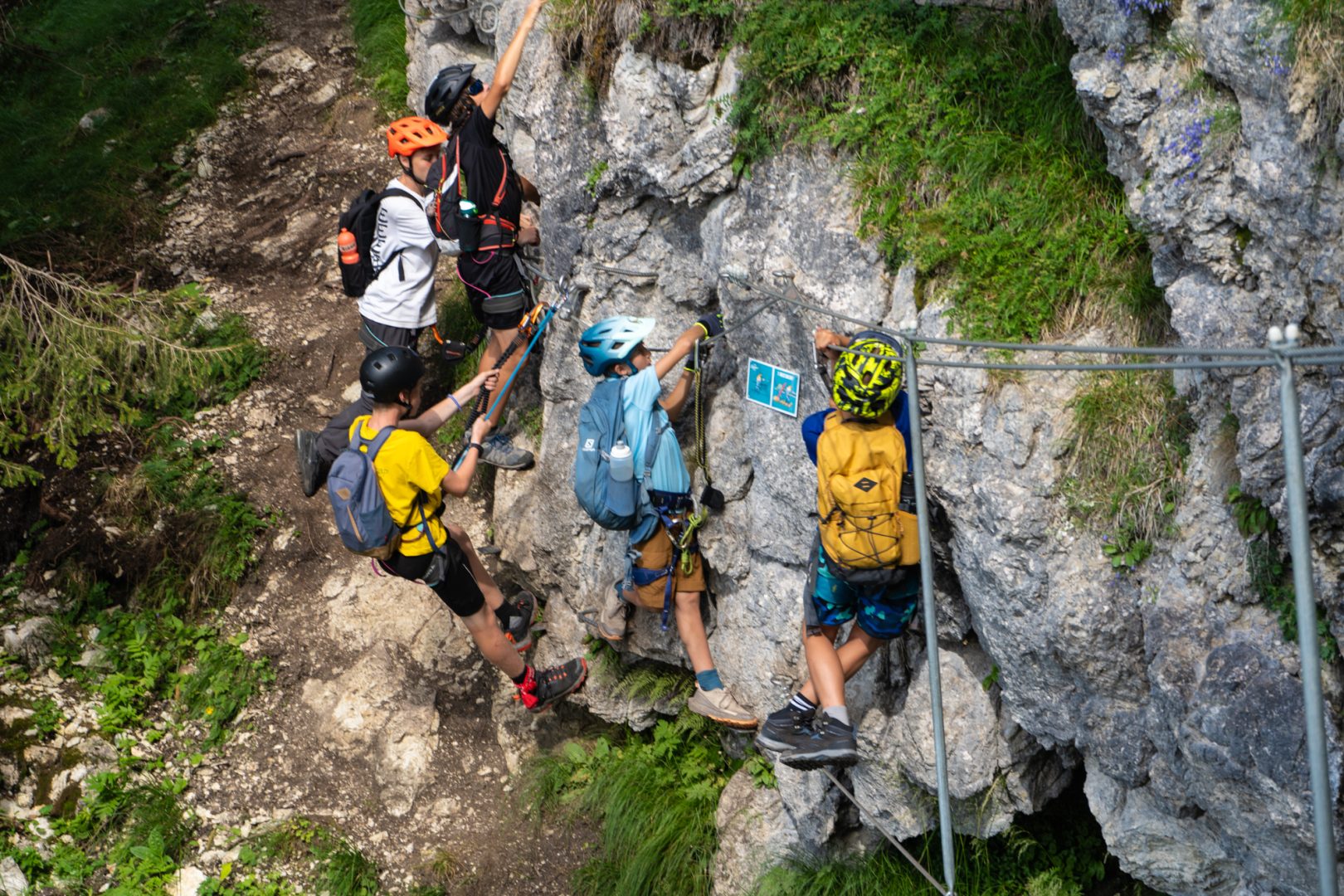
In summer (May–Oct) we focus on summer hiking and easy mountain railways, family cycling and e-biking, lake swimming and gentle water play. For older kids we add rafting and canyoning; teens can try via ferrata where age and height allow. Adventure parks and visits to family alpine farms round out calmer days.
In winter (Dec–Mar) we choose family ski areas with kids snow parks and beginner slopes, plus cross-country loops, snowshoe routes and toboggan runs. Indoor pools and recreation centers rescue shorter days or mixed-weather plans.
- Summer activities: family hiking, mountain railways, cycling/e-biking, lake swimming, rafting and canyoning (older kids), via ferrata (teens), adventure parks, family alpine farms.
- Winter activities: downhill skiing, kids snow parks, cross-country skiing, snowshoeing, toboggan runs, indoor pools and recreation centers.
Top destinations, age guidance and practical notes
We recommend regions by ease of access and family features. Grindelwald / Jungfrau Region offers short valley-to-peak railways and long summer activity programmes that suit toddlers and young children. Zermatt‘s car-free setting gives safe streets, glacier access in summer and family ski slopes with short transfers. Saas-Fee provides high-altitude glacier options in summer with family-friendly lifts. Laax / Flims specialises in kids snow parks and freestyle areas. Engadin / St. Moritz / Arosa Lenzerheide deliver extensive cross-country networks and family slopes. Interlaken and the Bernese Oberland act as our hub for rafting, canyoning and family hikes.
We use the SAC T1–T6 scale to match routes to ages. Toddlers (0–4) stick to SAC T1 paths — lakeside walks, playgrounds, valley cable cars and wildlife farms. Young children (5–9) are fine on T1–T2 hikes lasting 2–3 hours; they also enjoy beginner ski slopes, summer toboggan runs and flat family bike paths. Older children and teens (10+) can tackle T2–T3 hikes, via ferrata (age/height rules apply), rafting (check minimum age/weight) and multi-day bike routes or ski school progressions.
We pay attention to safety and suitability details. Check age, weight and booking limits for activity operators like rafting, via ferrata or alpine toboggans. Watch for altitude differences and prefer resorts with short valley-to-peak lift times to reduce acclimatisation concerns. We recommend checking specific operator rules and booking gear in advance.
Sample day itineraries we use as templates:
- Jungfrau family walk (Toddlers/Young children): 3.2 km round-trip, 150 m ascent, SAC T2 — allow 1.5–2 hours including breaks; reach trailhead by valley cable car and plan a picnic and playground stop.
- Zermatt glacier outlook (All ages): valley to mid-station lift, easy alpine plateau walk 2 km, SAC T1 — allow 1–2 hours including lift time and glacier viewpoint.
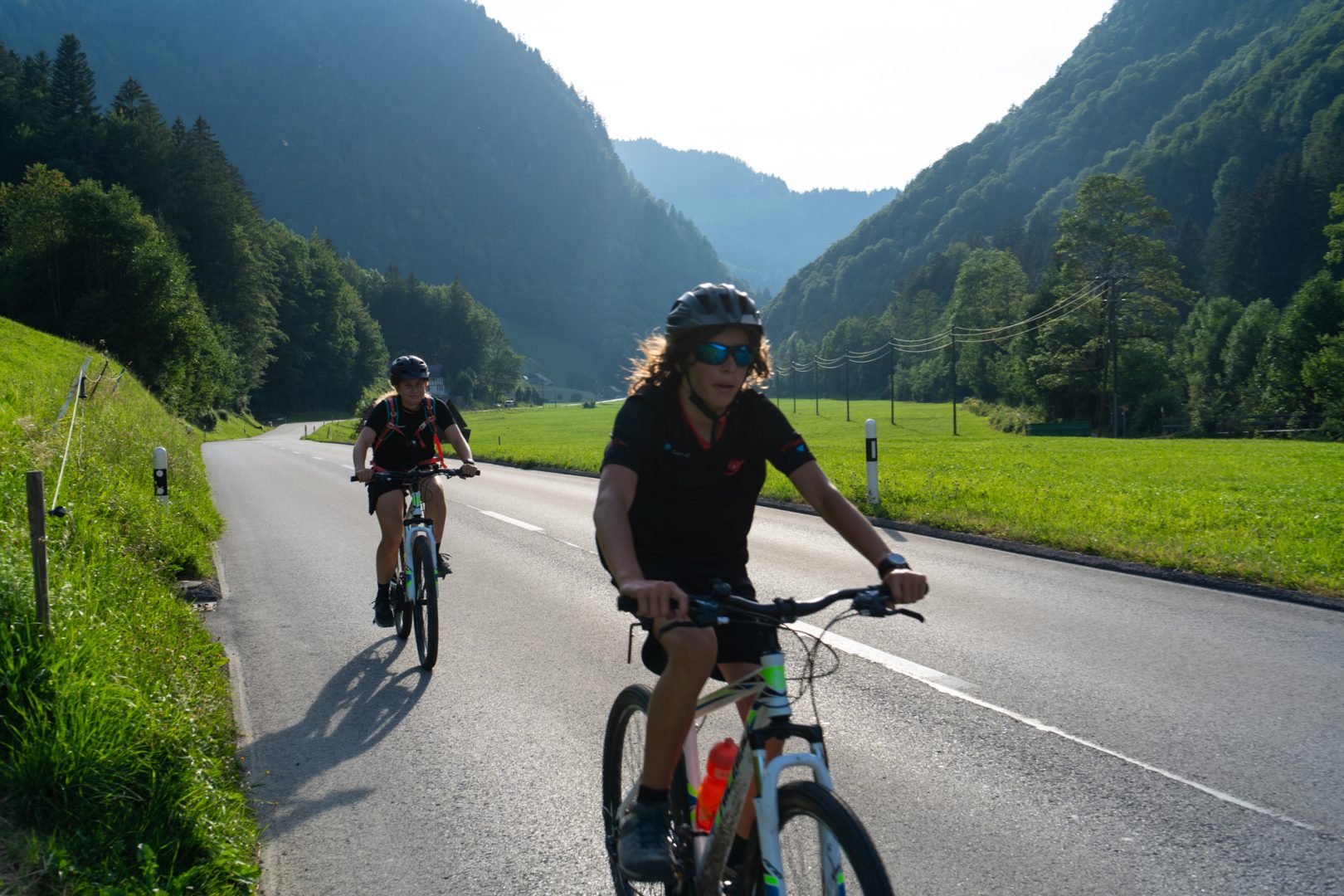
- Family e-bike loop (Older kids/teens): 18 km mixed trail, 350 m ascent, mostly paved/gravel (part of Veloland) — allow half to full day with stops.
For fuller summer planning and activity ideas we link to our parents guide at the Young Explorers Club.
Planning Practicalities: Transport, Passes, Accommodation and Costs
We prioritise clarity so families can plan with confidence. Below I break down transport and pass choices, accommodation options and cost anchors — all with practical tips and clear estimates.
Public transport and passes
The Swiss network makes family travel straightforward. Key products to consider are the Swiss Travel Pass 3/4/8/15 days, the Half Fare Card and regional guest cards (many resorts include free local transport and discounts). SBB trains cover valley-to-valley hops; PostBus fills last-mile rural connections. Many cable cars and lifts accept pass holders or give reduced fares with a regional guest card. For most families the Swiss Travel Pass 3/4/8/15 days is the most convenient if you plan heavy multi-day travel; the Half Fare Card can be cheaper when travel mixes long and short journeys; point-to-point tickets suit limited trips. All price examples given below are estimates.
Accommodation options and booking lead times
I recommend comparing family rooms in hotels, family apartments, self-catering chalets and alpine huts (for older kids who are comfortable with mountain conditions). Look for childcare, kids clubs, supervised activities and family meal options when you book. We advise you to book 3–6 months ahead for summer stays and 6–9 months ahead for popular ski weeks — these are practical booking windows (estimates).
Costs, budgeting estimates and money-saving moves
Below are compact cost anchors and actionable saving tips. All amounts are illustrative estimates — verify current prices before booking.
- Typical daily meal costs (estimates): casual meal per adult CHF 15–30; restaurant main course CHF 20–45 (estimate).
- Accommodation (estimates): family mid-range hotel per room per night CHF 120–350/night (estimate). Self-catering apartments and chalets often fall below the hotel range depending on size and season (estimate).
- Lift and pass pricing (estimates): ski day pass (adult) CHF 50–80/day (estimate); many child/youth passes are discounted (estimate). Mountain lift fares: plan CHF 10–60 per ride for many family lifts (estimate).
- Transport passes (estimates): compare the Swiss Travel Pass 3/4/8/15 days vs the Half Fare Card vs point-to-point tickets. For heavy inter-canton travel the Swiss Travel Pass often saves time and planning; for a mix of a few long trips plus local rides, the Half Fare Card can be cheaper (estimates).
Practical cost-comparison snapshot (estimates)
- Hotel vs self-catering: Hotel CHF 120–350/night (estimate) vs self-catering typically CHF 80–250/night depending on group size (estimate).
- Lift pass vs pay-per-ride: Full day ski pass CHF 50–80/day adult (estimate) vs pay-per-ride CHF 10–60 per notable lift (estimate). If you plan multiple lift rides or full-day skiing, a day pass usually wins on value.
Money-saving tactics I use
- Save with regional guest card: many resorts include free local buses and discounts on lifts and attractions — factor that into the math.
- Pack lunches or use self-catering to cut meal bills; mountain picnic lunches halve on-the-mountain food costs.
- Travel in shoulder weeks and use staggered canton holidays to find lower rates.
- Book transport tickets strategically: a Swiss Travel Pass is a time-saver for heavy itineraries; if your family will only ride key lines choose point-to-point or a Half Fare Card (estimates).
Compact school-holiday comparison by canton (illustrative)
Popular cantons (estimate ranges): Valais and Graubünden tend to be pricier for peak ski weeks; Bernese Oberland and Vaud offer mid-range options and strong regional guest cards; consider canton holiday calendars to stagger stays and save. These are directional estimates — check resort pages for exact offers.
For families who want program options and calendar-aware booking tips, see our summer camps for planning ideas and local connections.

Safety, Packing and On-Trip Tools
We, at the young explorers club, put safety first and packing second — both affect how freely your family can enjoy Swiss hills and valleys. Keep these emergency numbers handy:
- 112 (general)
- 144 (medical/ambulance)
- 117 (police)
- 118 (fire)
- REGA air rescue 1414
Store them in your phone and on a printed card in every daypack.
Check the avalanche bulletin in winter and mountain weather forecasts in summer. Mountain weather can change fast; watch for sudden storms and rockfall-prone slopes. UV climbs with altitude, with higher exposure above about 2,000 m, so I always pack broad-brim hats and high‑SPF sunscreen. Make sure travel insurance covers medical evacuation, mountain rescue and COVID‑related contingencies. EU visitors should carry EHIC/GHIC where appropriate and verify current rules before departure.
Packing and gear checklist
Pack these season- and age-specific essentials for active school holidays:
- Layering system (base, insulating, waterproof shell) and well‑fitting hiking boots — think Meindl, Lowa or Salewa for kids and adults.
- Helmets for cycling and skiing; ski goggles and merino/thermal base layers in winter.
- Child carrier for toddlers (Deuter or Osprey Poco), kids backpacks (Deuter, Osprey) and reusable water bottles.
- Compact first‑aid kit, insect repellent, whistle, headlamp and a small battery pack.
- Maps or GPS apps (download offline maps for remote trails), printed route notes and a paper copy of family medical info.
- Waterproofs from Mammut, The North Face or Patagonia if you expect rain.
- Consider renting bulky winter items like sleds/toboggans locally to save luggage space.
I recommend checking fit and comfort at home. Break in boots before long hikes. Test carriers and helmets with the child and load.
Apps, tools and practical safety
Use SBB Mobile to plan mixed transport legs and combine trains with PostBus connections. Bring SwissTopo or outdooractive/Komoot for detailed mapping, and MeteoSwiss for weather and avalanche updates. Keep the MySwitzerland and REGA info apps for local tips and rescue guidance. Download offline tiles and check roaming or buy a local eSIM for better connectivity in the mountains.
Carry a small kit with the essentials: first‑aid, whistle, headlamp, printed medical details and proof of insurance that explicitly lists mountain rescue. Know when to call mountain rescue — delays can worsen injuries — and remember that uninsured rescues may incur significant costs. For planning and family prep, refer to our parents guide to line up activities, gear and expectations.

Accessibility, Family Facilities, Environmental Rules and Pre-Trip Checklist
We, at the young explorers club, expect families to prioritise accessibility and on-site services when choosing where to stay. Many resorts and larger hotels advertise family-friendly facilities with childcare and kids’ clubs, but details matter. Always check age ranges, staff-to-child ratios and the language of instruction. Ask whether on-site staff are first-aid trained and whether evening babysitting or creche services are available.
Confirm physical access before you book. Valley stations and many modern lifts are wheelchair- and stroller-accessible, but higher alpine trails and some older lifts may not be. Consult resort accessibility statements for ramps, adapted toilets and step-free access. If you need specific adaptations, request photos or accessibility plans from the property.
When you call or email to book, use these practical questions: Do you offer childcare/creche? What is the age range? Are lifts and rooms stroller- or wheelchair-friendly? Are child meals or kids’ menus available? We also recommend asking about quiet areas for napping toddlers and on-site laundry for muddy kit.
Respecting local rules keeps trips smooth and sustainable. Follow Leave No Trace principles and the Swiss National Park rules, which require staying on marked trails, prohibit pets off-leash and ban camping or fires except where permitted. Expect village quiet hours—commonly around 22:00–07:00—and plan evening activities accordingly. Obey local recycling systems and grazing rules; cows and sheep graze freely in many areas, so keep dogs on a lead and close gates.
Adopt these green practices to make your stay lighter on the environment: choose public transport for transfers, refill water bottles at public taps, avoid single-use plastics and stick to marked trails to protect alpine vegetation. These small choices matter and help keep mountain communities welcoming.
Practical pre-trip checklist and timing
Below is a compact checklist to run through at three planning milestones. We advise you to book 3–9 months ahead for peak seasons and popular resorts.
- At booking (3–9 months ahead): Confirm canton holiday dates; reserve accommodation and check cancellation flexibility; book lessons and guided activities; opt for travel insurance with mountain rescue cover.
- 6 weeks before travel: Finalise rental equipment and lesson times; check passports and any entry requirements; verify medical cards and vaccination records; request accessible-room specifics if needed.
- 2 weeks before travel: Download offline maps and local apps; check lift season dates and avalanche bulletins; confirm guest-card arrangements and local transport timetables.
- 24–48 hours before travel: Reconfirm transfers and rental pick-ups; pack season-appropriate gear and mobility aids; check the weather forecast and route conditions.
Choose cancellation options that include weather-related closures. Flexibility saves stress if lifts close or mountain weather forces a change of plan.
For practical packing and activity expectations, we link to a full Parents’ guide that covers camps, gear and daily rhythms to make your family holiday easier.

Sources
Swiss Federal Statistical Office — Tourism statistics
Switzerland Tourism (MySwitzerland) — Family holidays in Switzerland
SBB Swiss Federal Railways — Timetables and tickets
Swiss Travel System — Swiss Travel Pass
SwitzerlandMobility — Hiking in Switzerland
Swiss Alpine Club (SAC) — Hiking scale T1–T6
MeteoSwiss — Weather and mountain forecasts
WSL Institute for Snow and Avalanche Research SLF — Avalanche bulletins
REGA Swiss Air-Rescue — Rescue services and advice
Swiss National Park — Rules and regulations
Veloland — Veloland national routes
Federal Office for the Environment (BAFU) — Protected areas and nature conservation
Swiss Conference of Cantonal Ministers of Education (EDK) — Education and cantonal information