Urban Adventures For Kids In Swiss Cities
Family-friendly Swiss cities: compact, multilingual hubs with punctual public transport, lakes, hands-on museums and Swiss Family Card savings.
Overview
We find Swiss cities compact and multilingual. They’re served by frequent, punctual public transport and plenty of green space. That mix makes short, safe urban day trips and multi-day routes easy for families with children. Top hubs—Zurich, Geneva, Basel, Bern, Lausanne, Lucerne and Lugano—offer hands-on museums, zoos, lakeside play and fast regional connections. Practical tools like the Swiss Family Card and stroller-accessible services back those options.
Top cities and highlights
- Zurich: zoo, Technorama (interactive science) and easy tram access to parks.
- Geneva: lakeside parks, family-friendly museums and CERN outreach programs for older kids.
- Lucerne: Swiss Museum of Transport, lakeside promenades and short mountain excursions.
- Lausanne: Olympic Museum and family-friendly waterfront activities.
- Lugano: Mediterranean feel, lakeside funiculars and playgrounds along the water.
- Bern and Basel: hands-on museums, zoos and compact old towns ideal for stroller routes.
Practical tools and tips
Before you travel
-
Check passes: consider the Swiss Family Card, Swiss Travel Pass or Half‑Fare Card to reduce fares for children under 16.
-
Learn basics: pick up basic local phrases and check timetables and platform info online or via transport apps.
-
Pack smart: carry a compact stroller, small first-aid kit and a swim kit for spontaneous lakeside stops.
On the move
-
Reserve family seats on longer trains when possible and use stroller-accessible services at major stations.
-
Use frequent local transport: trams and S‑Bahn services are punctual and make doorstep travel simple.
-
Plan short hops: most nature or mountain activities are 30–60 minutes from city centres, ideal for children’s attention spans.
Safety and pacing
-
Prioritise safety: check lifeguard hours at beaches, use lifejackets on boats and supervise water play.
-
Keep days light: limit to two structured activities per day for younger children to avoid overtiredness.
-
Carry essentials: snacks, sun protection and a small first-aid kit make quick stops and playground time smoother.
Key Takeaways
-
Swiss cities are very family-friendly: frequent trams and S‑Bahn, well-maintained playgrounds and easy access to lakes, hiking and cycling within about 30–60 minutes.
-
City highlights: Zurich (zoo, Technorama), Geneva (parks, CERN outreach), Lucerne (Swiss Museum of Transport), Lausanne (Olympic Museum) and Lugano (lakeside funiculars).
-
Use practical measures: learn basic local phrases, check timetables and platform info, reserve family seats on longer trains, and carry a compact stroller and swim kit.
-
Save on fares: the Swiss Family Card plus Swiss Travel Pass or Half‑Fare options can reduce fares and simplify regional travel for children under 16.
-
Prioritise safety and pacing: check lifeguard hours, use lifejackets on boats, carry a small first-aid kit and limit to two structured activities per day for younger children.
Scale, languages, safety and nature access
Switzerland has about 8.7 million people and roughly 14–15% are children aged 0–14, so urban family travel is common and well supported. City infrastructure, playgrounds and transport reflect that. We, at the Young Explorers Club, use short routes and public-transport links to plan easy day trips that fit nap and meal schedules.
Four national languages shape signage, menus and museum guides: German, French, Italian and Romansh. Major city varieties are Zurich German, Geneva French and Lugano Italian. Romansh shows up mainly in parts of Graubünden and on some bilingual signage. Museums, menus and public signs are often bilingual or trilingual in tourist zones, and many museums provide audio guides and family materials in English. For planning a practical outing or a longer stay, see our tips for a family trip in Switzerland.
Practical language tips by region
Use the short phrases below to make daily logistics smoother; locals appreciate the effort.
- Zurich / German-speaking areas: Hallo; Bitte; Danke; Wo ist die Toilette
- Geneva / French-speaking areas: Bonjour; S’il vous plait; Merci; Ou sont les toilettes
- Lugano / Italian-speaking areas: Ciao; Per favore; Grazie; Dov’e il bagno
Signpost reading tip: look for multilingual words for toilets (Toilette / Toilettes / Bagno) and exits (Ausgang / Sortie / Uscita). Museum staff often speak English; ask for family trails or audio guides.
Safety: Switzerland consistently ranks among the world’s safest and highest quality-of-life countries (Mercer; Global Peace Index). That safety makes it easier to let kids explore nearby parks and waterfronts while adults handle logistics. Still, I recommend basic precautions: carry a small first-aid kit, set clear meeting points, and register any children with a phone number on a wristband for crowded events.
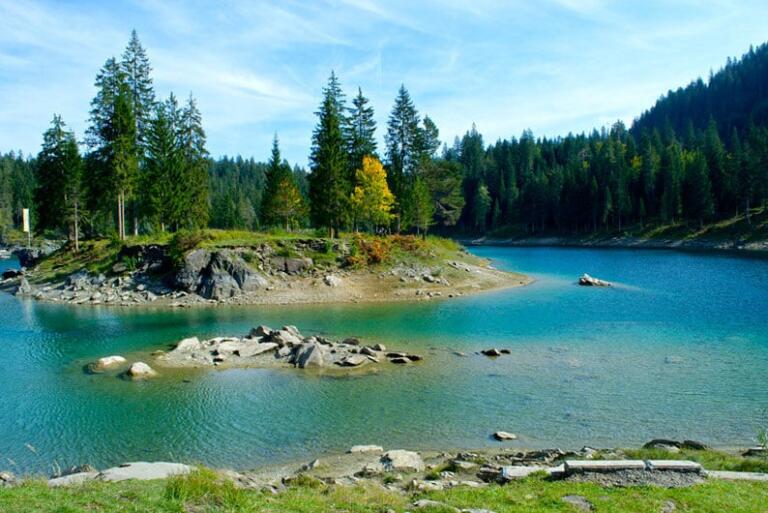
Nature is never far from city life. The country has roughly 1,500 named lakes and about 5,000 km of signposted cycle routes, so quick escapes are easy. In most Swiss cities kids can reach swimming, hiking and cycling within 30–60 minutes — lakes, rivers and bike routes sit unusually close compared with many European metros. We suggest packing a lightweight swim kit and a compact towel for spontaneous stops, and using bike-share systems or regional trains for family-friendly access to trailheads.
On logistics: check timetables and platform numbers on local apps, store a city map offline, and scout public-transport connections that accept bikes. For museum visits choose morning slots to avoid crowds and ask for family-focused trails at the desk. These small moves save time and keep kids engaged.
Top kid-friendly cities and must-do attractions
We, at the young explorers club, highlight the Swiss cities that deliver hands-on fun, green space and easy family movement. Below are compact, action-ready notes for each city — ages, must-sees and how long to plan.
City-by-city quick picks
-
Zurich — Population approx 430,000 (metro ~1.4–1.5M). Language: German. Best for: wildlife and hands-on science.
Must-dos:
- Zurich Zoo (about 380 species and over 4,000 animals).
- Technorama in nearby Winterthur (interactive science centre; great for ages 5+, best for 6–14).
- Lakeside play at Zurichhorn with Strandbad Mythenquai or Seebad Utoquai for summer swims and paddling.
Transport: ZVV trams and S‑Bahn run frequently (many corridors every 10–15 minutes). Visit time: Zoo 2–4 hours; Technorama 2–4 hours; lakeside play 1–3 hours.
-
Geneva — Population approx 200,000. Language: French. Best for: parks and outreach science.
Must-dos:
- Parc La Grange and Parc des Bastions for picnics and playgrounds.
- CERN outreach and Microcosm exhibits for older kids and teens.
- Natural History Museum Geneva with family activities.
Visit time: museums 1–3 hours; CERN sessions can be half-day for deeper programs.
-
Basel — Population approx 175,000. Language: German with French influence. Best for: bilingual culture and art workshops.
Must-dos:
- Basel Zoo (Zolli).
- Kannenfeldpark playgrounds.
- Kunstmuseum family workshops and seasonal Rhein swimming spots.
Visit time: Zoo 2–4 hours; museum workshop 1–2 hours.
-
Bern — Population approx 140–145,000. Language: Bernese German. Best for: history, animals and small-city charm.
Must-dos:
- Bear Park (BärenPark) in the centre.
- Guided Federal Palace tours for older children.
- Rosengarten for playgrounds and views.
Visit time: Bear Park 1–2 hours; city history walk 1–3 hours.
-
Lausanne — Population approx 140,000. Language: French. Best for: sports-curious kids and lakeside days.
Must-dos:
- Olympic Museum with highly interactive exhibits and child-friendly displays.
- Ouchy lakeside for paddleboats and promenades.
Visit time: Olympic Museum 1.5–3 hours; Ouchy half to full afternoon.
-
Lucerne — Population approx 82,000. Language: German. Best for: transport lovers and interactive exhibits.
Must-dos:
- Swiss Museum of Transport (Verkehrshaus) with hands-on zones for all ages.
- Family boat rides on Lake Lucerne.
Visit time: Verkehrshaus 2–4 hours; boat ride 1–2 hours.
-
Lugano — Population approx 63,000. Language: Italian. Best for: Mediterranean flair and relaxed lakeside days.
Must-dos:
- Lakeside promenades and playgrounds.
- Monte Brè funicular plus easy hikes.
- Family-friendly lidos for swimming.
Visit time: lakeside half day; funicular plus short hike 2–3 hours.
Practical tips for families
Plan visits by age and energy. For toddlers choose short outdoor stops and zoos. For school‑age kids pick interactive museums or Technorama-style science centres. Teens will engage most with CERN, extended museum programs and guided political tours.
Packing tip: pack swim gear for summer; many lakeside spots are perfect for an afternoon dip. We also suggest relying on local public transport — frequent trams and short S‑Bahn hops make day trips simple. For longer stays, build in downtime: playground sessions, a picnic in a city park and an easy boat ride reset the day.
When you want a broader itinerary for families, check our guide to planning a family trip in Switzerland for practical route ideas and timing suggestions.

Getting around with kids: passes, punctual transport and stroller access
The Swiss Family Card makes transit simple. Children under 16 travel free with a parent or guardian who holds a valid Swiss Travel Pass or Half-Fare Card. You can get the Family Card at SBB counters or any Swiss Travel System point-of-sale. Keep a child ID handy; staff may ask to see it.
City services run on a reliable rhythm. Major tram and bus corridors often operate every 10–15 minutes. S-Bahn and tram networks are dense and punctual, with historical on-time rates around 90–95%. Short waits make it easy to plan tight city itineraries and playground stops without wasting time.
Accessibility is practical for families. Most trams, buses and regional trains have low-floor access and dedicated stroller spaces. Elevators are common in stations, but check individual stops for guaranteed step-free access before you travel. Bring a compact stroller for busy platforms and narrow station passageways.
Ticketing and discounts reduce costs for families. Local single tickets for children are usually cheaper, and many museums or attractions offer free or reduced entry for kids (age cutoffs vary, often between 6 and 16). For intercity travel, reserve seats for family groups on longer trains; that gives you a contiguous row and space for prams or luggage.
Example savings for a short regional return trip show how the Family Card can add up:
- Zurich–Lucerne return (illustrative): without Family Card a round trip for two adults and one child might total CHF 80; with Family Card the child leg can be free, lowering the total to CHF 64 and saving roughly CHF 16. Note: numbers are illustrative; actual fares vary by route and ticket type. Always check prices and Family Card rules before travel.
Practical tips and quick checklist
Use the list below to streamline travel days and avoid common snags:
- Pack a foldable stroller for buses, trams and short hikes.
- Consider a bike trailer for older toddlers on mixed urban routes.
- Reserve family seats on long regional or intercity services when possible.
- Carry printed or screenshot copies of Family Card and child ID.
- Check station accessibility in advance for step-free transfers and working elevators.
- Look up attraction age cutoffs before buying tickets to avoid surprises.
- Time journeys for off-peak windows if you need extra space or quieter compartments.
Plan routes around short, frequent services and local playgrounds. For ideas on combining transit with kid-friendly stops, consult our family trip guide.
https://youtu.be/oBnHz4C4SfI
Parks, lakes and outdoor play (seasonal highlights and safety)
We, at the Young Explorers Club, treat Swiss cities as outdoor classrooms. Most urban areas host multiple large parks and provide easy access to lakes — Switzerland has roughly 1,500 named lakes — so water play and green spaces are never far away. Playgrounds are modern and well maintained. Many include splash areas, picnic facilities and public toilets. You’ll also find cafés or kiosks and shaded picnic spots right inside the parks.
Hit the classic lakeside spots for reliable family-friendly settings: Zurich’s Strandbad Mythenquai and Seebad Utoquai, Lausanne Ouchy and Geneva’s Bains des Pâquis.
Summer brings public lidos and supervised swimming areas at many locations. Lifeguard coverage varies by site, so parents must supervise children closely. Typical lowland summer lake surface temperatures sit around 18–24°C; alpine lakes stay much colder and feel sharp at first contact.
I recommend checking lifeguard hours before you arrive and treating marinas and steep drop-offs as high-risk zones. Small kids should wear lifejackets on boats and paddlecraft. Bring sun protection and quick-dry towels. Choose shoes with good grip for slippery stone piers and algae-covered steps. For ideas on kid-friendly aquatic choices and local spots, consult our guide to water adventures.
Winter urban options keep families active too. Many cities maintain temporary ice rinks and cleared sledging hills. You can find short, family-friendly winter hikes close to town that don’t require alpine gear. Those outings work great for kids who want fresh air without a long mountain transfer.
Seasonal safety checklist
- Check lifeguard hours and supervised zones at the lido or beach.
- Use lifejackets for young children on any boat, paddleboard or canoe.
- Watch marinas, boat ramps and steep drop-offs; kids can slip quickly.
- Assume alpine lakes are cold; limit swim time and warm up immediately.
- Pack sunblock, hats and a shade plan for long park days.
- Bring spare clothes, towels and a small first-aid kit.
- Note where public toilets and cafés sit so you can plan rests and snacks.
https://youtu.be/V0k0kCVlY_w
Indoor alternatives and rainy-day plans (interactive museums and play centres)
Top interactive museums and play venues
We, at the Young Explorers Club, recommend the following hands-on spots for rainy Swiss city days. Each offers active exhibits, easy transport links and family facilities.
- Swiss Museum of Transport (Verkehrshaus, Lucerne): expansive interactive exhibits that hook kids with vehicles, simulators and multimedia. Ideal for ages 3–12. Expect 2–4 hours. Stroller-friendly, with toilets and cafés.
- Technorama (Winterthur): a true hands-on science centre where kids press buttons and run experiments. Best for ages 5+, with peak appeal for 6–14. Expect 2–4 hours. Accessible and family-focused.
- Olympic Museum (Lausanne): interactive sports displays and family exhibits that engage sporty kids. Great for ages 6–14. Expect 1.5–3 hours.
- Conny-Land (seasonal): if rain is patchy or you want an amusement-park feel, Conny-Land mixes indoor and outdoor attractions for full-family days.
- Regional indoor play centres and family pools: cities often host centres that combine soft-play, climbing and splash zones; these are common in larger towns and work well for mixed-age groups.
We suggest planning visits by mixing a museum slot with a short café break. That keeps energy steady and gives parents a minute to regroup.
Rainy-day comparison (cost, age and logistics)
Below is a quick guide to match budgets and ages with likely travel time and indoor coverage.
- Low cost: city libraries with kids’ corners and community-centre indoor playgrounds. Mostly indoor. Ages 0–8. Near public transport in most cities.
- Medium cost: interactive city museums and indoor pools. Largely indoor. Ages 3–14. Usually easy to reach by tram or S-Bahn.
- Higher cost: large specialised attractions and seasonal parks like Conny-Land or full-day science-centre visits. Indoor/outdoor mix. Ages 5+.
Practical tips we use on busy weekends
- Pre-book timed-entry tickets in peak season to avoid queues.
- Check language options for audio guides so kids can follow exhibits in a familiar tongue.
- Confirm stroller access, baby-change facilities and nearby toilets before you go.
- Look for family tickets, free-child policies or discounted combos on venue pages.
- Consider arrival and departure windows that match nap or snack times. That reduces meltdowns and makes the visit smoother.
If you want a single resource for planning multi-day city outings, consult our guide for a well-paced family trip in Switzerland and adapt the daily rhythm to match your kids’ ages and attention spans.
Safety, health, budgeting and sample family itineraries
Safety and health essentials
We keep a short emergency sheet with us at all times: Police 117; Fire 118; Ambulance 144; European emergency 112 also works. Keep that printed and saved on every phone. Pharmacies are labelled Apotheke (German) or pharmacie (French) and are easy to find; many open during the day and some run rotating night/weekend on-call services.
We insist on travel insurance that covers medical repatriation and paediatric care. Carry prescriptions in their original, labelled packaging and a simple first-aid kit. Store digital copies of passports/IDs and insurance cards, and keep a paper copy in a separate bag.
Most public transport and major attractions are stroller-friendly and have toilets with changing tables. Expect cobbles and steps on older streets. We book stroller or car-seat rentals at larger airports when flying in, and ask hotels for cots in advance.
Budgeting, sample itineraries, pacing and packing checklist
Switzerland ranks among the most expensive countries in Europe. Typical costs look like this: a family meal at a mid-range restaurant CHF 60–120 for two adults and two children; museum entry per child CHF 0–20 depending on the venue (many museums offer free entry for children under certain ages); single adult city ticket CHF 2.50–4.50 depending on zone — children are discounted or free under Swiss Family Card rules for regional travel. We save by using the Swiss Family Card with Swiss Travel Pass options, buying day passes or city cards, and packing picnic lunches from supermarkets.
We suggest these sample timings:
- Half-day: a morning tram ride and short city-centre sightseeing, playground midday and lakeside ice cream — 2–3 hours total.
- Full-day: morning at an interactive museum 2–3 hours, picnic in a park for 1 hour, afternoon boat ride and lido swim 2–3 hours.
- Multi-day route: Zurich 2 days (zoo, Technorama day trip) → Lucerne 2 days (Verkehrshaus + lake) → Interlaken day trip for easy mountain exposure. Travel times: Zurich–Lucerne ~45 minutes; Lucerne–Interlaken ~2 hours. We often recommend a family trip in Switzerland that mixes city play with short nature escapes.
Aim for no more than two structured activities per day for children under 8. Build in free play, snack breaks and nap windows. That keeps moods good and exploration fun.
Use the packing checklist below for quick prep; we pack light but cover essentials:
- Passports/IDs for kids and copies
- Prescriptions in original labelled containers
- Child insurance card or photocopies
- Swiss Family Card if using a Swiss Travel Pass
- Sun protection, swimwear and hats for summer
- Waterproof layers and warm hat for colder months
- Compact foldable stroller and small travel first-aid kit
We check stroller and car-seat rental options before departure and confirm cot availability with accommodations.

Sources
Swiss Federal Statistical Office — Population and households
Swiss Travel System — Swiss Family Card
SBB (Swiss Federal Railways) — Performance and punctuality
Technorama Winterthur — Swiss Science Center
Swiss Museum of Transport (Verkehrshaus) — Museum & exhibitions
Musée Olympique — The Olympic Museum
Geneva Tourism — Parks & gardens
Lucerne Tourism — Lake Lucerne
Basel Tourism — Family activities
Bern Tourism — BärenPark (Bear Park)
Mercer — Quality of Living Rankings