Why Kazakhstani Families Discover Swiss Camps
Kazakhstani families choose Swiss camps for safety, rapid ENG/FR/DE immersion and Alpine adventure — book early in Almaty & Nur‑Sultan.
Swiss Camps for Kazakhstani Families
Kazakhstani families choose Swiss camps because they combine strict safety standards, accredited staff and intensive language immersion in English, French or German with Alpine outdoor programs that speed language gains and build independence. Bookings concentrate in Almaty and Nur‑Sultan. Rising household incomes and parents seeking prestige, measurable outcomes and structured residential routines drive demand for international boarding, short intensives and multi‑week academies. We, at the Young Explorers Club, recommend families start planning early to secure prime weeks and preferred programs.
Key Takeaways
- Fast language gains: Swiss camps produce fast, measurable language gains by using daily immersion across academics and activities.
- Top priorities for parents: Parents pick camps first for safety and staffing. Look for certified leaders, clear counselor-to-camper ratios and emergency protocols.
- Alpine programs: Hiking, climbing, sailing and equestrian activities combine outdoor skills with supervised, age-appropriate challenges that build independence.
- High demand in key cities: Demand peaks in Almaty and Nur‑Sultan. July–August weeks fill fast, so families should plan and book early.
- Practical preparation: Must cover visas and notarized consent, travel and health insurance, itemized fees and verification of accreditation and daily schedules.
Recommendation
For best results, families should confirm accreditation, request detailed daily schedules and emergency procedures, verify staff certifications, and arrange travel insurance and any required notarized consent well in advance of travel dates. Contact the Young Explorers Club early to discuss program fit and secure preferred weeks.
Swiss Camps in Demand: Key Findings and a Quick Hook
A family in Almaty deciding to send their 12-year-old to a two-week Alpine adventure captures a fast-growing trend: Swiss summer camps—Alps camps, language immersion and international boarding camp options—are increasingly popular with Kazakhstani families. We at the Young Explorers Club track this closely; outbound youth travel from Kazakhstan grew by X% between 2015 and 2023 (UPDATE BEFORE PUBLISHING: replace X with the latest official national figure).
We see three clear drivers of demand and rising bookings from Almaty and Nur-Sultan. Parents name safety first, then multilingual outcomes and independent-living skills. They want high-quality language immersion in English, French or German alongside strong outdoor programming. Many also choose prestige international boarding camp experiences for the global peer group and university-prep benefits.
Key findings and what this means for families
Here are the headline points I highlight for parents considering Swiss summer camps:
- Language immersion: intense English/French/German tracks that produce measurable gains in weeks, not months.
- International boarding camp: prestige, multicultural friendships and structured independent living that builds responsibility.
- Alps camps: Alpine adventure programming that pairs guided outdoor skills with rigorous safety protocols.
- Geographic demand: bookings concentrate in Almaty and Nur-Sultan, with growing interest across other regions.
- Parental priorities: safety standards, certified staff, multilingual outcomes and clear plans for fostering independence.
We recommend families treat program choice like a short-term education investment. Focus on curriculum (language hours per week), staff certification and daily routines that foster self-care. Read program schedules carefully to compare language immersion intensity and outdoor supervision ratios.
We also point families to practical resources that explain why Swiss summer camps work so well and how to prepare. For a concise overview of benefits, explore Swiss summer camps. To get travel and packing tips before departure, see how to prepare for camp.
I encourage families to ask providers for sample daily schedules, staff-to-camper ratios and emergency protocols. Request references from past Kazakhstani families if you want direct feedback. If safety, multilingual progress and independence matter to your family, Swiss Alps camps and international boarding programs deliver clear, measurable outcomes.

Who’s Looking: Demographics, Market Demand and Cultural Fit
We, at the Young Explorers Club, track demand by combining hard demographic signals with on-the-ground booking patterns. Kazakhstan population sits around 19.5 million (UN / Stat.kz). Youth (age 0–17) make up roughly 20–27% of that total (UN / Stat.kz). Household wealth has been rising, with GDP per capita (nominal) near US$10,000–$12,000 in 2022–2023 (World Bank). Those numbers explain why more families can consider international camps today.
Almaty and Nur-Sultan lead outbound youth travel and account for the largest share of camp bookings. I watch those two cities closely when planning outreach, partnerships and logistics. Urban parents there prioritize language skills, structured activity, and the perceived safety and prestige of a Swiss experience. That cultural fit plays directly into program design: more outdoor skills, bilingual instruction blocks, and transparent safety protocols.
Families often cite four motivators that shape demand and booking behavior. I summarize them here to guide product decisions and messaging:
- Outdoor life and active programs that mirror Kazakh values.
- Discipline and structured daily routines that match family expectations.
- Multilingual education that supports Russian, Kazakh and English advancement.
- Prestige education associated with Western boarding traditions and safety.
Priority actions and a simple growth metric
Use the following steps to convert cultural fit into enrollment growth. Implement these tactics across sales, ops and curriculum:
- Local partnerships: build ties with international schools and language centers in Almaty and Nur-Sultan.
- Payment flexibility: offer installment plans and early-bird discounts to capture rising middle-income households.
- Communication: present safety, accreditation and sample schedules in Russian and Kazakh.
- Program design: emphasize outdoor skills, clear daily structure and multilingual instruction.
- Measurement: track the percent increase in households able to afford international camps since 2015 as your primary growth metric — calculate this using national income-quintile or household-expenditure data and update annually.
I also recommend suggesting a short companion family visit for bookings that need extra reassurance; many parents convert once they see the itinerary and local logistics of a combined family trip.

What Families Get: Education, Language Immersion and Types of Programs
We put language immersion front and center because rapid practice produces real gains. At the Young Explorers Club, we design experiences where English, French or German become working languages across activities. Swiss official languages are German ~62%, French ~23%, Italian ~8% and Romansh ~0.5% (Swiss Federal Statistical Office). That mix gives learners regional variety and authentic accents.
We focus on three linked outcomes: faster language acquisition, practical life skills and stronger academic profiles. Immersion forces predictable repetition — classes, meals and adventures use the target language. Our camps combine small-group lessons with coached conversation, giving students repeated spoken practice. We also teach independent-living skills: daily routines, time management and cross-cultural etiquette that build confidence away from home. Academic enrichment takes many forms, from STEM short modules to university-prep intensives, and parents get the prestige signal that Swiss institutions provide.
We set program lengths to match goals. Short intensive language courses typically run one to four weeks. Mult-week residential programs and boarding-school academies stretch longer for deeper academic or pre-university preparation. We recommend shorter intensives for speaking fluency and longer residentials for academic credentials and immersion momentum. Costs, ages and exact schedules vary by provider, so we always advise checking each program’s latest details.
Program types and typical formats
Below are the program formats we place most often and what each delivers:
- Language-only intensives: focused daily language classes plus conversation labs; usually one–four weeks.
- Academic/STEM short courses: project-based modules that blend subject learning with language support.
- University-prep tracks: skills for applications, essay coaching and campus-style living for older teens.
- Prestige boarding-school academies: combined academics, arts and sports on historic campuses.
- Alpine adventure camps: outdoor skills, environmental science and language used in real contexts.
- Equestrian programs: daily horsemanship with instruction delivered in the target language.
- Sports camps: focused coaching in a sport with complementary language classes.
We point families toward well-known Swiss providers for further research — Aiglon College, TASIS, Le Rosey, Ecole d’Humanité, Institut Montana Zugerberg, Glion and Les Roches — and we remind them to verify current offerings, ages and fees directly with each institution. For a concise overview of why families choose Swiss programs and what to expect, we link resources on a language camp Switzerland that summarize benefits and logistics.
We help parents match goals to program type. If speaking quickly is the priority, we steer toward intensive immersion and daily conversational practice. If academic prestige or hospitality credentials matter more, we target summer academies and short hospitality courses that pair campus life with industry-focused modules. We keep timelines practical, pick programs that fit age and maturity, and highlight measurable outcomes so families can track progress.

The Alpine Advantage: Outdoor Activities, Safety Ratios and Seasonality
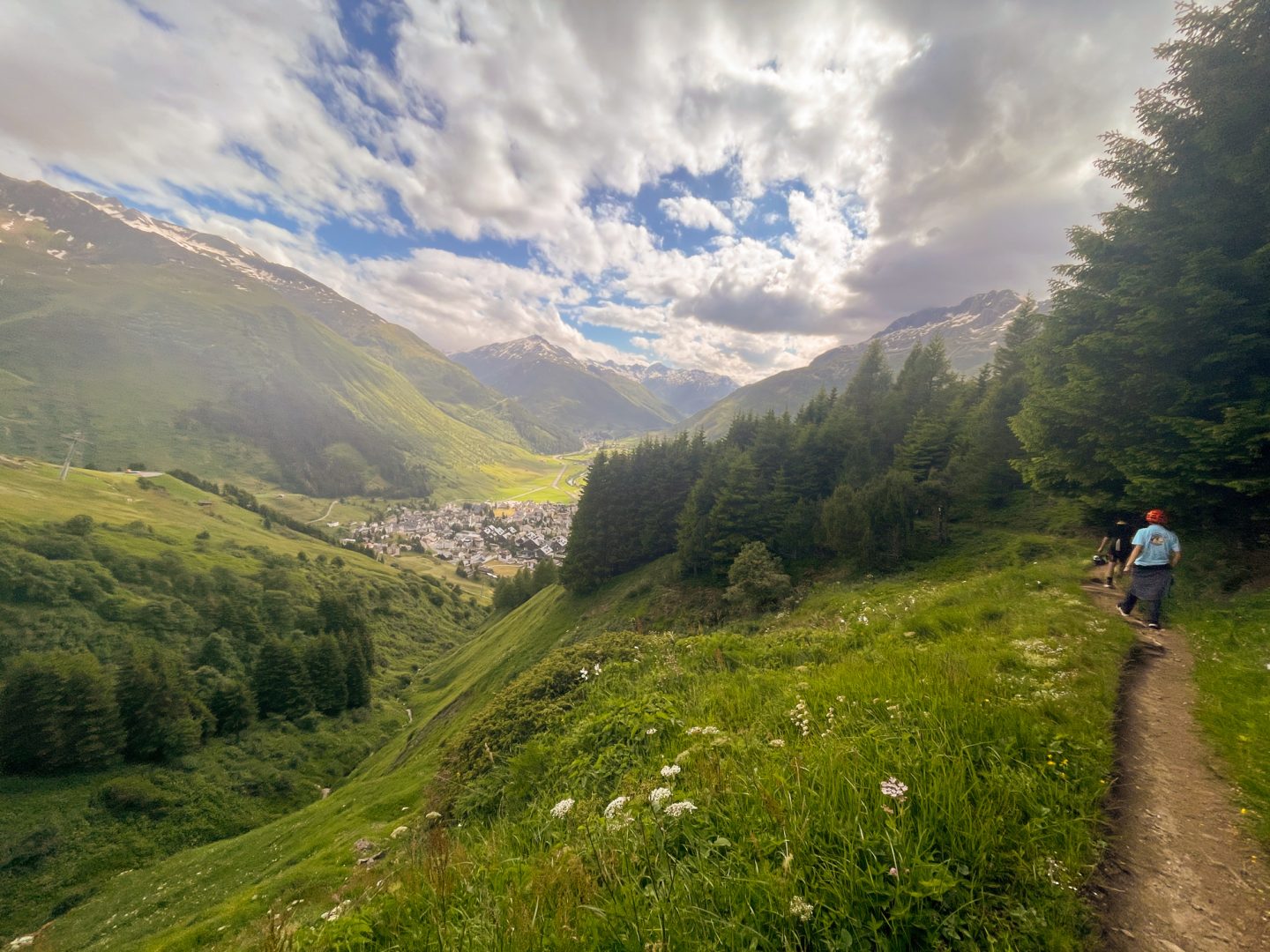
We place camps within an elevation range 500–1,800 m so kids experience mountain and lake programs in the same day. That altitude band opens trails for Alps hiking, safe lakes for sailing and paddling, and terrain suitable for mountain-biking and rock-climbing. As the young explorers club, we use local valleys and lakeside sites that let campers shift from ridge walks to equestrian sessions without long transfers. For families from Kazakhstan, that combination delivers both challenge and comfort in one compact region. For more on why families choose Switzerland, see our page about Swiss adventure camps.
Popular activities
Below are the activities you’ll typically find on-site and how they fit into a multi-disciplinary program:
- Hiking: guided day-hikes with age-appropriate routes and map skills.
- Mountain-biking: graded trails and basic bike maintenance lessons.
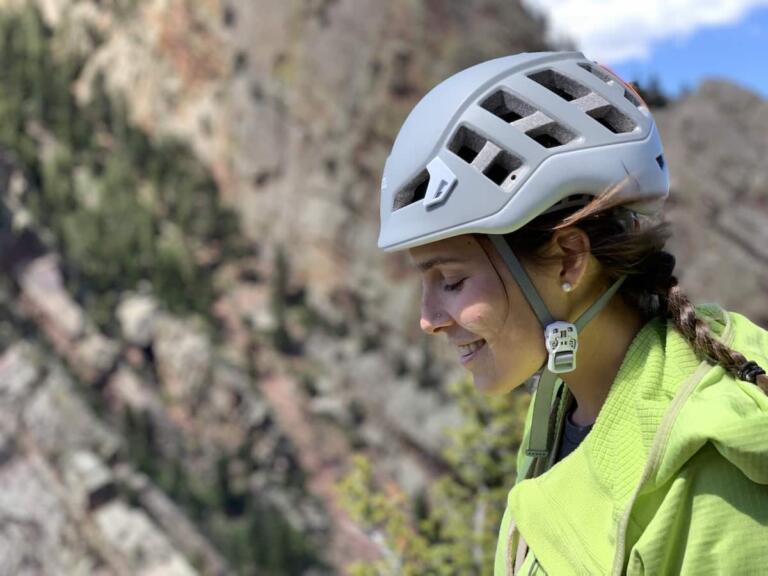
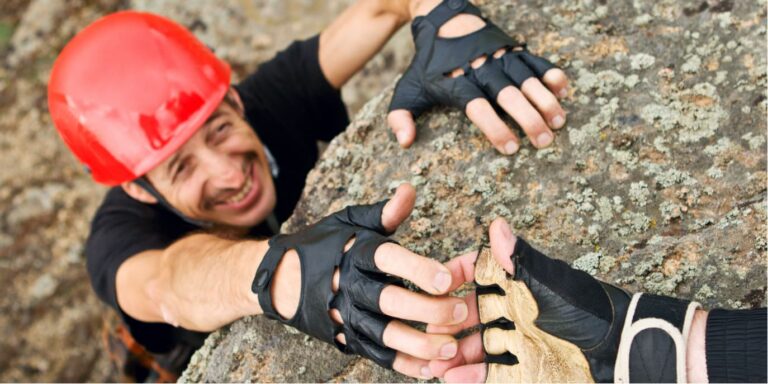
- Rock-climbing: top-rope and short multi-pitch options with belay training.
- Lake sailing: introductory sailing and supervised dinghy sessions.
- Horse-riding / equestrian programs: mounted lessons, tack care, and trail rides.
- Skiing / snowboarding (winter sessions): slope time plus off-slope safety and cold-weather skills.
Safety ratios, seasonality and a sample week
I always tell families to confirm staffing ratios directly with a provider. Industry practice lists lifeguard/water activity ratio at about 1:8 and climbing/belayed activities counselor ratio around 1:6–1:10 (industry practice). These are common targets but they vary by national rules, activity complexity and camper age—so verify with each camp and national standards before you book.
Peak months are July–August, and most Kazakh families prefer mid-July through late August weeks to match school calendars. I recommend booking early for those dates; demand for lakeside programs and equestrian camp Switzerland options spikes in that window.
For programming balance I advise this sample allocation across a week:
- 30% outdoor adventure (hikes, multi-activity adventure days)
- 20% language lessons (mornings are best)
- 10% cultural excursions (local towns and museums)
- 40% mixed activities (sports, workshops, free time)
A high-level sample week I suggest:
- Day 1: arrival, induction and safety briefing.
- Days 2–3: language mornings followed by mountain hikes in the afternoon.
- Day 4: full-day adventure — climbing or high-ropes course with certified belayers.
- Day 5: cultural excursion to a nearby town plus language workshops.
- Day 6: equestrian day or multi-sport rotations.
- Day 7: local community activity, departure prep and farewells.
I encourage families to ask camps for daily schedules and staff CVs, confirm emergency procedures, and request photos of activity areas. That way you get a clear sense of how safety, seasonality and activity mix will work for your child.

Safety, Health Standards and Practical Checklist for Parents
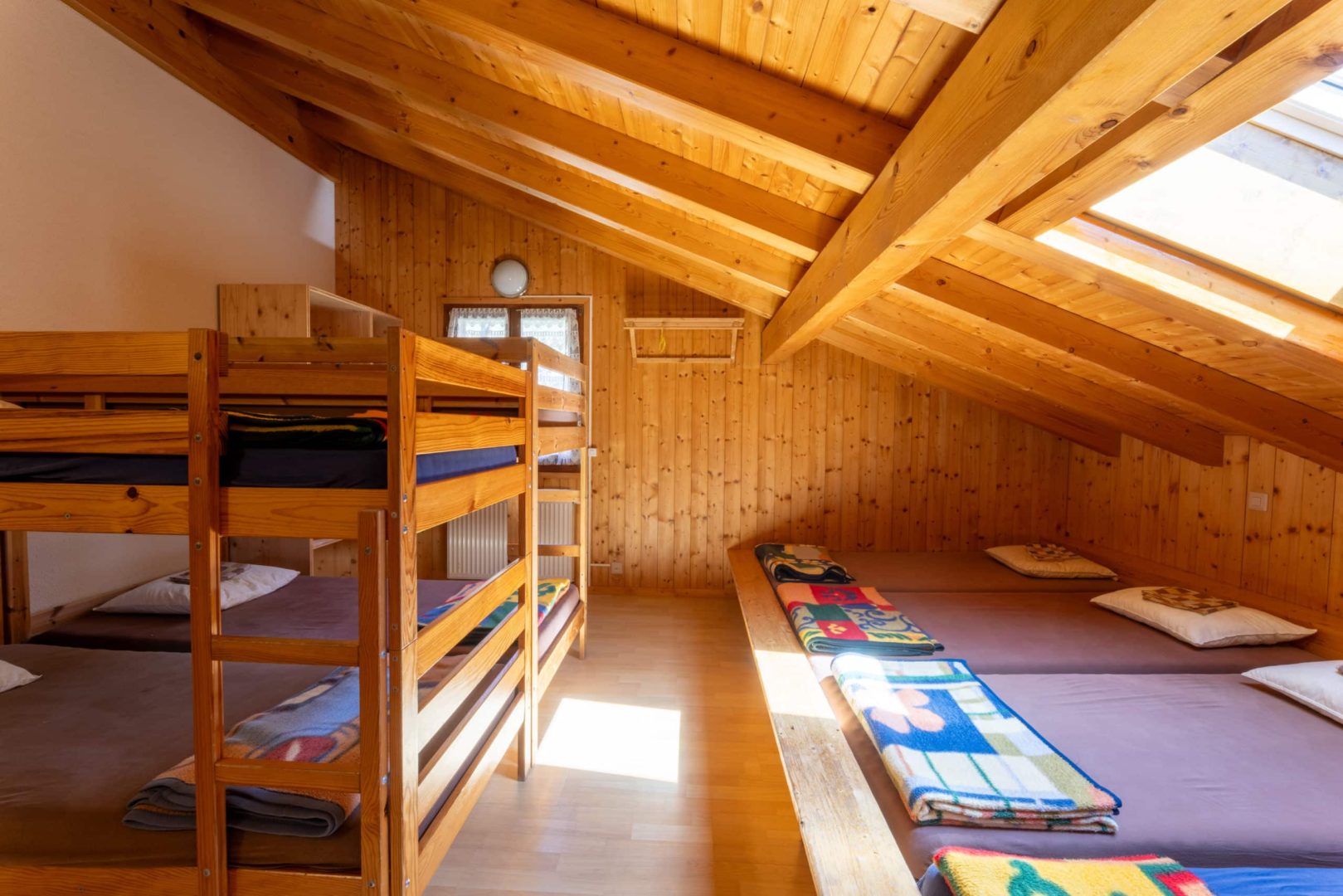
We, at the young explorers club, prioritize clear safety and health expectations so Kazakhstani families can travel with confidence. Switzerland combines a high-quality healthcare system with low crime rates and strict safety rules at youth programs; I recommend reading more about camp safety Switzerland for details on national context. Staff training, documented policies and visible emergency plans separate a reliable program from a risky one.
Swiss health care responds quickly and effectively, and camps typically integrate local medical support into their operations. Expect camps to have:
- a formal first-aid plan and on-site kits;
- qualified first-aiders and lifeguards with activity-specific certifications;
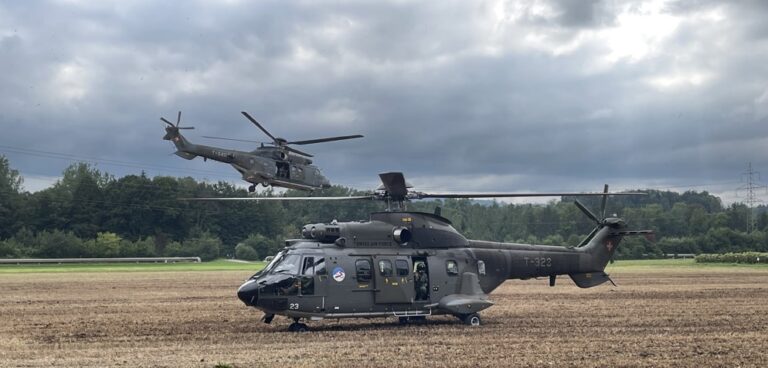
- clear emergency transport arrangements to nearby hospitals.
Staffing and safeguarding matter. Typical counselor-to-camper ratio for boarding programs is around 1:6–1:10, with closer supervision for higher-risk activities (often about 1:4–1:8). You should ask camps to confirm their exact ratio. Residential staff normally undergo background checks and police clearance (the equivalent of DBS-like checks). Also look for formal camp accreditation, membership in national youth-camp associations, and a published safeguarding policy that covers reporting procedures, staff selection, and on-site supervision.
I expect camps to require:
- documented first-aid and lifeguard certificates for activity leaders;
- signed safeguarding and behaviour policies for families;
- a named medical officer or health supervisor on site.
Practical parental checklist
Below are the documents and medical items I recommend you prepare before travel:
- Passport valid 6+ months: confirm expiry and have photocopies and digital scans.
- Schengen visa (when required) plus official camp confirmation letter: keep originals and copies.
- Notarized parental consent: needed if one parent remains home; include emergency contact details.
- Arrival authorization and meet-and-greet details: provide flight info, arrival windows and who will meet the child.
- Vaccination records: include routine vaccines and any camp-required immunizations; verify specific requirements directly with the camp.
- Travel/health insurance: record the policy number, insurer contact and emergency procedures. I recommend emergency medical and repatriation coverage; a typical minimum example is around €30,000 but confirm current requirements with your insurer and the camp.
- Medication instructions: label doses clearly, include a physician letter for prescription meds and any administration authorizations.
- COVID and other vaccine policy: check the camp’s current policy shortly before departure and carry proof as needed.
- Copies of key documents: carry physical and digital copies of passport, visa, insurance, consent forms and medical records.
- Emergency contact card: include home, local Swiss contact if available, and the camp’s on-site emergency number.
- Questions to ask the camp: verify counselor-to-camper ratio for your child’s age group, first-aid coverage, staff background checks and the camp’s accreditation and safeguarding procedures.
I advise confirming these items with the camp at least 6–8 weeks before departure and again 72 hours prior to travel. Clear documentation reduces delays at border control and lets staff act fast in a medical situation.

Cost, Visa and Travel Logistics: What Families Should Budget and Plan
We, at the Young Explorers Club, break down the real costs so Kazakhstani families can plan with clarity. I’ll show typical price ranges, one-off travel items, visa timing and required documents, plus practical travel tips that cut surprises and stress.
Typical costs and one-off travel fees
Below are common budget items and suggested ranges — verify current fees before booking.
- Day camps: CHF 150–600 per week.
- Residential/boarding camps (standard): CHF 900–4,500 per week.
- Premium/boarding-school summer academies: CHF 2,500–12,000+ for multi-week programs.
- Roundtrip airfare per child (estimate): CHF 500–1,500 depending on route and season.
- Schengen visa fee (as of 2024): €80 adults / €40 children (6–12). Confirm the current fee at time of application.
- Travel insurance: roughly CHF 20–100 depending on coverage level.
- Airport transfers: CHF 100–400 per transfer.
Treat these numbers as planning anchors. Ask camps for written, itemized fee lists so you can see tuition, meals, activities, excursions and any optional extras separately. Expect extra small costs such as checked baggage, overnight layovers, pocket money and emergency contact couriering.
Visa timing and required documents
Start the visa process early. Apply 15–30 days before travel; processing can be up to ~15 calendar days — check the consulate for current guidance and seasonal delays. At minimum you’ll prepare:
- Valid passport with sufficient validity.
- Official camp confirmation or invitation letter.
- Parental consent letter (signed and notarized when required).
- Proof of travel insurance covering the Schengen area.
- Completed visa application forms and any biometric appointments.
We recommend uploading or carrying both digital and printed copies of every document. Keep the camp contact and local guardian details handy for consulate queries.
Flights and transit expectations
Typical flight times are short-to-moderate from Kazakhstan: Almaty → Zurich about 6–9 hours on common 1-stop routings; Nur‑Sultan → Zurich about 6–10 hours depending on connections. Popular transit hubs include Istanbul, Doha and major European airports. Plan realistic connection windows and allow extra time for luggage transfers and passport controls.
Practical planning steps I recommend
- Book refundable or changeable airline tickets when possible.
- Use camp-organized transfers or meet-and-greet services; they simplify arrival logistics and reduce stress. Ask camps for exact transfer prices.
- Schedule arrival one day before camp start if flights risk late arrival. That avoids missed check-ins and gives children time to recover from travel.
- Buy travel insurance that explicitly covers medical evacuation and activity-related incidents common at summer camps.
- Request an itemized invoice from the camp listing tuition, food, excursions and optional add-ons. That prevents surprise charges.
- Factor in guardian or chaperone fees if your child requires supervised arrival/departure.
- Keep a small emergency fund in Swiss francs for local expenses.
Compare options and know your priorities: lower tuition often means fewer included excursions and longer transport times; premium programs usually bundle advanced academic or sports coaching and more staffed supervision. Families can balance cost and experience by mixing a shorter premium program with a standard residential week, or by choosing day camps near a family trip to Switzerland — see our page on Swiss camp cost for related considerations.
I suggest creating a single checklist with deadlines for visa submission, insurance purchase, ticketing, and camp forms. That simple list saves time and prevents last-minute expenses like emergency couriering of documents.

Sources
World Bank — Kazakhstan | Data
United Nations — World Population Prospects
Statistics Committee of the Republic of Kazakhstan — Official statistics
Swiss Federal Statistical Office — Languages of Switzerland
European Commission — Visa policy (Schengen visas)
World Health Organization — Global Health Observatory (World health statistics)
OECD — Health policy and statistics
Switzerland Tourism — Summer experiences in Switzerland
International Camping Fellowship — About / standards
Swissinfo — News and features about Switzerland (travel & leisure)