Why Norwegian Families Appreciate Swiss Mountain Culture
Norwegian families blend friluftsliv with Swiss Alpine ease: family-friendly trails, huts, cable cars and cultural cheese‑making for active kids.
Swiss mountains complement Norwegian friluftsliv
Overview
We’ve found Norwegian families value Swiss mountain culture. It pairs friluftsliv‘s child‑led, frequent outdoor habits with Alpine infrastructure. Extensive signed trails, family‑friendly huts and reliable cable cars make mixed‑ability, progressive hikes and hut nights accessible. Swiss resorts and transport add predictable logistics and safety features. Seasonal pastoral traditions—cheese‑making and transhumance—simplify family planning, boost children’s fitness through repeated short outings, and enrich outdoor learning.
Key Takeaways
- Swiss infrastructure complements friluftsliv: marked trails, huts and lifts make progressive, mixed‑ability family outings practical.
- We rely on family‑friendly services—ski schools, childcare, child‑safe lifts and plateau walks—to cut logistical stress and widen access for young children.
- Alpine cultural activities—cheese‑making and transhumance—provide hands‑on learning that echoes Norwegian pastoral traditions.
- Short transfers, scenic trains and punctual public transport simplify travel logistics. Book ski‑school slots and family rooms early.
- Repeated short outings in alpine settings boost children’s fitness and wellbeing. We suggest train travel and eco‑certified lodges to reduce environmental impact.
Practical notes
For families planning trips, prioritize short, frequent excursions and look for accommodations with family rooms and easy access to child‑friendly lifts. Reserve key services early (especially in peak season) and favor public transport or scenic trains to reduce stress and carbon footprint.
https://youtu.be/4yjhBlgkw1U
Shared outdoor values — “friluftsliv” meets Alpine life
We, at the young explorers club, see friluftsliv as a practical family habit: frequent short hikes, simple overnight stays in hytter or tents, and hands‑on nature lessons for children. Parents teach basic navigation, leave‑no‑trace stewardship, and free play in woods or along the coast. More than 70% of Norwegians engage in regular outdoor activities (Statistics Norway (SSB), 20XX), so these practices are widespread and often habitual.
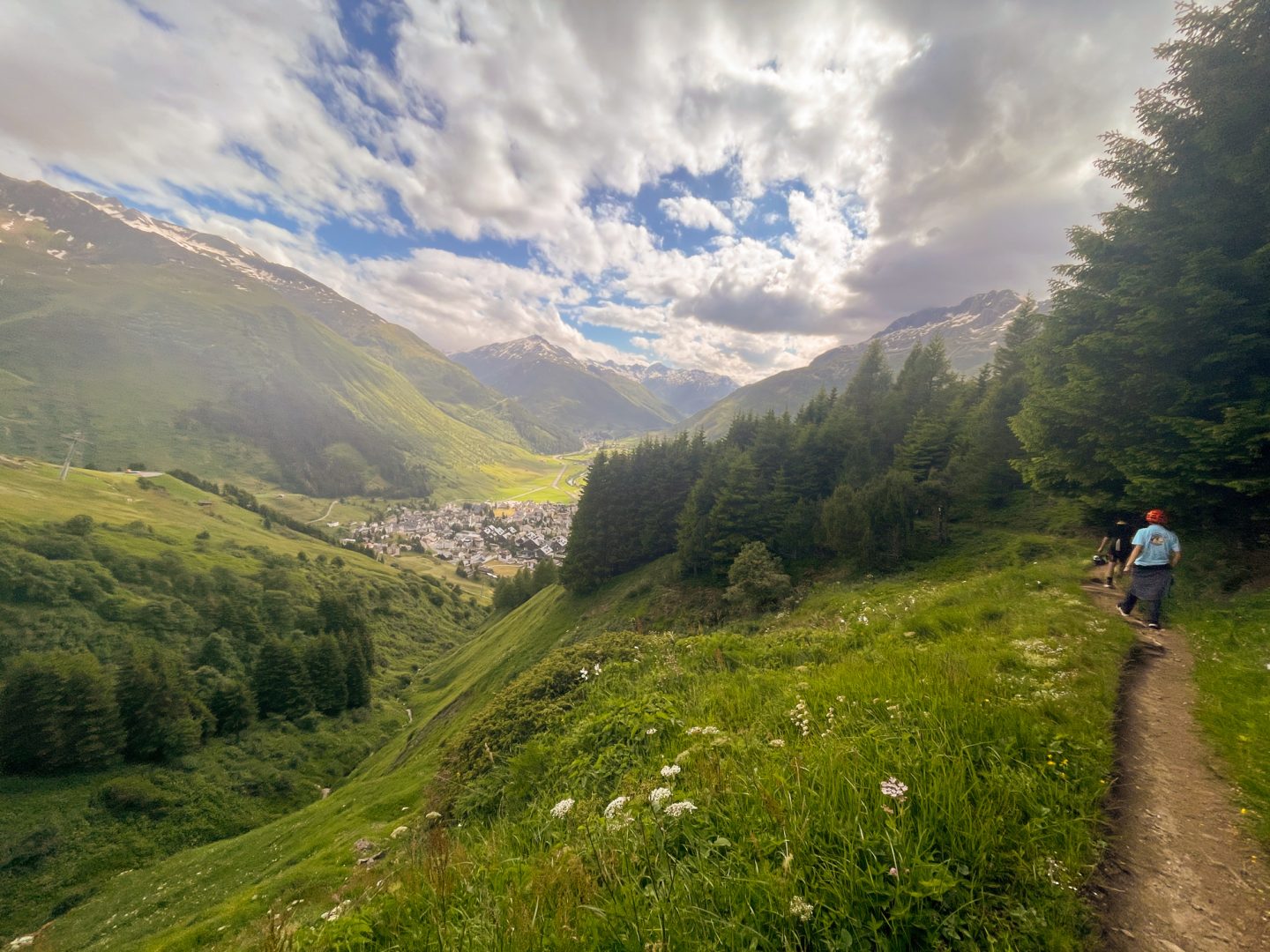
Switzerland complements that ethic with a denser Alpine framework. Trails are heavily signed and maintained, mountain huts accept families with varying comfort levels, and seasonal customs like alpine cheese‑making and transhumance give children living context for pastoral life. The marked trail network runs to roughly 65,000 km of routes (Swiss Federal Office / Swiss Alpine Club, 20XX), which makes planning progressive hikes and hut‑to‑hut legs straightforward. We point families to Swiss nature as an excellent outdoor classroom for mixed‑ability groups.
I describe the practical contrasts so you can plan trips that respect friluftsliv yet take advantage of Alpine infrastructure.
Typical family habits — a side‑by‑side look
- Norway (friluftsliv): daily or weekly short outings to local woods or coast; nature pedagogy integrated into play; minimalist overnight stays in cabins or tents; low‑gear exploration and child‑led discovery. We advise keeping kit simple and schedules flexible to mirror local practice.
- Switzerland (Alpine life): reliance on marked trails and signed routes; family‑friendly staffed and self‑catering huts; cable cars and plateaus that shorten approach time; seasonal activities like alp cheese‑making and transhumance that enrich cultural learning. We suggest using hut networks and cable lifts to tailor difficulty and comfort for mixed ages.
I recommend combining approaches on family trips: keep Norwegian rhythms of daily short outings and free play, then use Swiss trail networks and huts for longer, scenic days with cultural stops. Pack layered, simple gear, teach kids basic map skills before you go, and pick hut stages that match your group’s stamina. We arrange programs that blend friluftsliv values with Alpine accessibility so families get authentic outdoor education without unnecessary strain.

Winter sports and family skiing traditions
We at the Young Explorers Club see winter culture in Norway and Switzerland as complementary, not competing. Norway builds winter life around cross‑country skiing; kids join youth clubs, local teams and school programs from a very young age, which keeps participation broad and community driven (IOC data, 20XX). Swiss mountain culture, by contrast, orients families around alpine resorts with lift systems, ski schools and village services. That structure makes multi‑generation ski holidays easy and predictable. Swiss tourism data even report family ski schools and child nursery slopes in over 100 resorts (Swiss tourism / federation data, 20XX).
Swiss resorts Norwegians love
Below are popular Swiss resorts with a one‑line family note for each.
- Zermatt — car‑free village, gentle beginner slopes and the Gornergrat cogwheel for glacier views and family photos.
- Verbier — huge terrain with dedicated kids’ areas and easy family runs.
- Davos‑Klosters — broad beginner zones and family pistes, plus summer activities for off‑season planning.
- Engelberg — compact resort with friendly beginner slopes and Titlis excursions for kids.
- Grindelwald — pedestrian village layout, easy family runs and great toboggan options.
- Saas‑Fee — high altitude and reliable snow, with beginner areas made for children.
- St. Moritz — luxury family services, calm nursery slopes and plenty off‑slope activities.
- Laax — known for family snow parks and freestyle zones tailored to children.
For practical planning and logistics about bringing kids to Swiss mountains, see our family trip in Switzerland guide.
Cross‑country vs Alpine — practical contrasts and advice
Cross‑country skiing in Norway stays largely participatory. Clubs and schools keep costs lower and commitment community‑based. Alpine skiing in Switzerland focuses on resort infrastructure, commercial ski schools and services like ski kindergarten and nanny options. Participation and federation figures show this split in emphasis (federation/participation figures, 20XX).
I recommend these family strategies:
- Match the activity to your child’s temperament: choose cross‑country for social club vibes and steady skill building; pick an alpine resort for structured lessons and easy slope access.
- Book ski school places early: popular family programs fill fast in February and school breaks.
- Rent children’s equipment locally: to avoid baggage hassles; many resorts offer fitting and exchange policies.
- Check slope‑to‑village access: a resort where you step out of your door and onto nursery slopes saves time and stress.
- Look for integrated services: ski kindergarten, childcare and slope‑side medical support are essential when travelling with toddlers.
Cost examples (sample figures): adult day ski pass CHF 70, child day pass CHF 35 — Sample costs (example, 2022). Prices change by season and resort, so always verify current rates before you book.
We pair cultural insight with practical tips so families can choose an experience that fits their values: community participation and grassroots skiing, or resort comfort and structured alpine learning.
Child-friendly infrastructure, safety, and health benefits
We, at the Young Explorers Club, see Swiss mountains as a practical, safe playground for families. Swiss transport links are dense and reliable. Extensive cable cars and child-safe chairlifts make reaching high, scenic plateaus easy. Many resorts pair a short cable-car ride with a flat plateau walk, so families with strollers or very young children can enjoy alpine views without steep trails. Mountain restaurants welcome kids with high chairs and simple menus. Toboggan runs and gentle beginner slopes add playful options that adults can supervise closely.
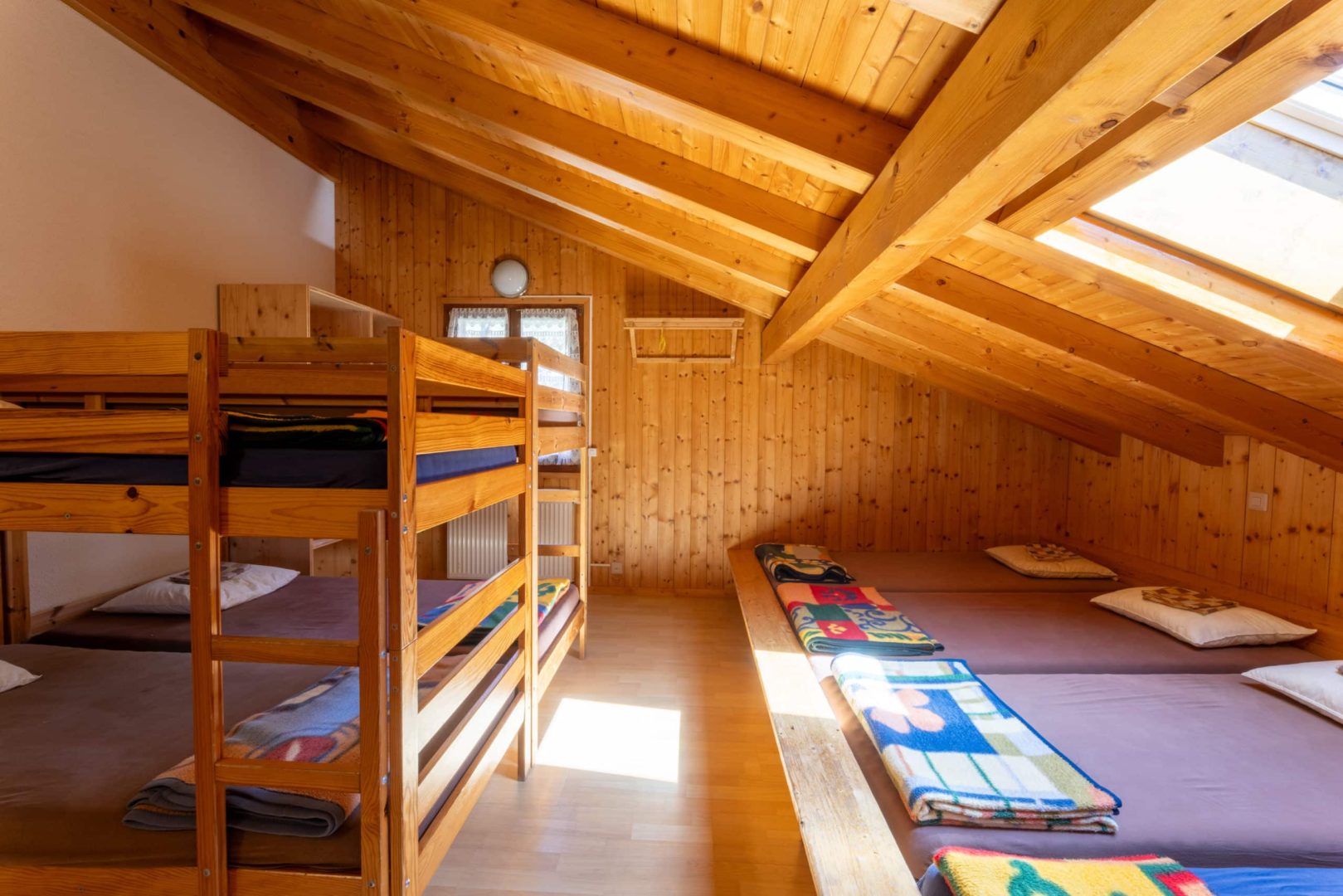
The Swiss Alpine Club operates a wide hut network that offers rustic overnights for families wanting a low-key mountain night. The network numbers around 150 huts (SAC, 20XX approximate), giving approachable options for first-time hut stays and short multi-day routes that don’t demand technical gear.
Outdoor time in mountains delivers measurable health gains for children. Regular family activity at altitude and fresh-air play is linked to better fitness and improved mental wellbeing in youth, according to OECD / public health research, 20XX. I recommend building short, frequent outings into your trip rather than one long hike; kids gain more from repeated activity and varied play.
I always advise checking conditions before you go. Pay attention to local weather and avalanche bulletins, and get altitude guidance if your children are very young or have health issues. Pack high-factor sunscreen, UV-blocking sunglasses, warm layers and secure footwear. Learn the local mountain-rescue number for the canton you’re visiting and save it in your phone.
Photo prompts that work well for family pages include child-friendly chairlifts with family seats, cable-car boarding with strollers folded, Alpine playgrounds and plateau picnic sites, and SAC hut family bunk rooms. For planning tips and regional ideas, see our family trip in Switzerland resource: family trip in Switzerland.
Safety data box
- Peace/safety ranking: Both Norway and Switzerland rank in the top 20 in global safety/peace indexes (Global Peace Index, 20XX).
- Practical safety tips: monitor weather/avalanche bulletins; use sunscreen and sunglasses; supervise children on slopes and near cliffs.
- Mountain‑rescue note: always check the local rescue number for the canton/region before heading out.
Accessibility, travel logistics and cost considerations
We, at the young explorers club, plan trips that balance fast transfers with family comfort. Typical air travel is short: Oslo–Zurich flights run around 2h15 (airline schedules, seasonal variations). Many major resorts sit roughly 2–4 hours from Zurich or Geneva by rail or road, so you can be on the mountain the same afternoon.
Scenic rail options are part of the appeal and work well with kids. The Glacier Express takes about eight hours between Zermatt and St. Moritz and makes a full-day adventure. Shorter family-friendly rides like the Bernina Express and the Gornergrat Railway give glacier views without tiring little legs.
I handle practical logistics with a few firm rules. Swiss trains are famously punctual, so plan tight connections but leave a buffer when carrying skis. Consider a Swiss Travel Pass for families; it simplifies transfers and often includes child discounts. Pack skis in airline-approved ski bags or use rail transfer services that accept equipment—some trains and carriers have special baggage rules, so check before you go. Book child ski school places early for peak weeks; slots fill fast.
I also set realistic cost expectations. Switzerland and Norway rank among Europe’s priciest countries (Mercer/Numbeo comparative indices, 20XX). Expect higher nightly rates and dining prices compared with many Alpine alternatives. Below I list a sample itinerary and give example budget items so families can compare.
For planning longer stays consult our family adventure travel guidance for packing lists, transfer options, and age-appropriate activity ideas.
Sample itinerary and mini cost-comparison (example, 20XX)
-
Sample itinerary (example):
- Fly Oslo → Zurich (≈2h15) (airline schedules, seasonal variations).
- Transfer by train to Zermatt (≈3.5 hours).
- Family-friendly first day: Gornergrat cogwheel up for glacier views and short plateau walks.
-
Mini cost-comparison (example, 20XX prices):
-
Norway mountain holiday (example, 20XX):
- Accommodation (family cabin) per night ≈ NOK X.
- Local lift or cross-country fees per day ≈ NOK Y.
- Equipment rental (family) per day ≈ NOK Z.
- Example — verify current rates.
-
Switzerland mountain holiday (example, 20XX):
- Accommodation (family apartment/chalet) per night ≈ CHF A.
- Ski pass adult/child per day ≈ CHF B.
- Equipment rental per person per day ≈ CHF C.
- Example — verify current rates.
-
Norway mountain holiday (example, 20XX):
Practical travel tips I recommend:
- Transport skis in approved bags or use station transfer services.
- Reserve child ski-school weeks well ahead for peak seasons.
- Use family discounts on Swiss rail where available.
- Factor a small contingency for transfers and equipment handling.

Hospitality, food, accommodation types and Alpine traditions
We, at the Young Explorers Club, match Norwegian families with accommodations that fit kids and comfort. Swiss stays range from cozy chalets and family apartments to hotels with family rooms and rustic mountain huts. Mountain huts remain an authentic option — Swiss Alpine Club (SAC) – approximately 150 huts — and they let families try simple overnight life without heavy gear.
Chalets usually have features families value:
- Self‑catering kitchen
- Fireplace
- Sled storage
- Nearby nursery slope
Apartments give space and a local feel. Hotels often add childcare-friendly services and ski storage. Huts are basic but unforgettable; bring slippers and headlamps and expect shared dorms.
I keep the culinary part short and practical. Swiss Alpine cheeses — Gruyère, Emmental and Appenzeller — form the backbone of alpine meals. Families bond over fondue and raclette; they’re social, simple and kid-friendly when you ask for milder blends. Seasonal alpine dairies (Alp / Alpage / Maiensäss) run summer pasture demonstrations that echo Norwegian pastoral traditions. Plan visits in June–September but verify local farm schedules before you go.
A typical family evening I recommend:
- Fondue night in a chalet, followed by village tobogganing and a short night walk to look for stars and listen to the mountain hush.
Kid-friendly Swiss dishes I suggest:
- Fondue (mild)
- Rösti
- Alpine soups
- Kaiserschmarrn for a sweet treat
Practical tips that keep trips smooth:
- Choose chalets with self‑catering kitchens if you have picky eaters.
- Reserve family rooms early in peak months.
- Try a hut night only if children handle communal sleeping and cold.
Packing checklist for families
Below are the essentials I tell parents to pack:
- Correct child ski boot sizes (measure feet, bring spare socks)
- Sled/toboggan with a brake or steering for safety
- Broad‑spectrum sunscreen and lip balm
- Warm layers, hats and waterproof gloves
- Slippers or camp shoes for hut stays
- Small first‑aid kit and any regular meds
Short family notes from forums add color: “Chalet nights and sledding were the highlight — kids slept soundly by the fire” (family travel forum, 2019). Another parent wrote, “Watching the alpine cows and cheese demo felt familiar and special” (mountain parents forum, 2020).
We lean on real family preferences and practical details. Use our family adventure travel experience to choose the mix of comfort and alpine tradition that fits you.

Practical travel tips, sustainability choices and family checklist
We plan family trips with realistic timing and simple safeguards. Recommended travel windows: Winter (Dec–Mar), Summer (Jun–Sep). Flight time Oslo–Zurich ≈ 2h15; many resorts are 2–4 hours from major Swiss airports. Bring altitude‑aware precautions for children and check local mountain‑rescue coverage.
Choose travel that reduces impact. Switzerland has electrified lifts and a highly integrated rail network (Swiss Travel System). The Swiss Alpine Club runs conservation efforts (SAC).
We recommend these family decisions:
- Take the train instead of flights or car legs whenever practical.
- Book eco‑certified lodges and family‑run guesthouses.
- Skip helicopter sightseeing; opt for panoramic trains and cable cars.
- Buy snacks and cheese from local dairies and choose seasonal produce.
Plan logistics early. Reserve ski kindergarten and family rooms in peak weeks. For inspiration and program details, we link planning resources on a family trip in Switzerland: family trip in Switzerland.
Family packing checklist
Pack the following essentials for a smooth family stay:
- Travel insurance with mountain rescue cover.
- Child‑appropriate sunscreen and sunglasses.
- Warm layers and waterproof outerwear.
- Sled / toboggan for easy slope fun.
- Lightweight daypack and snacks for hikes.
- Basic first aid kit.
- Child ski boots / properly sized footwear.
- Reusable water bottle and thermos.
- Small travel games / comfort items for children.
- Copies of medical and allergy information.
Keep documents and health details accessible. We also suggest photocopies of prescriptions and an emergency contact list saved offline.
Quick sustainability tips for families:
- Use public transport passes and regional family discounts (Swiss Travel System).
- Support local producers by buying at markets and dairy shops.
- Choose accommodations with clear eco policies and energy‑saving measures.
- Teach kids simple habits: carry bottles, pack waste out, respect trail boundaries.
Short FAQ — quick answers you can act on now
Are resorts child‑friendly? Yes — many offer ski kindergarten, nursery slopes and family activities; book in advance during peak periods.
Do restaurants accept children? Most family‑oriented restaurants welcome kids and offer children’s menus.
Are slopes suitable for beginners? Yes — many resorts have dedicated beginner areas, gentle nursery slopes and professional ski schools.
We keep recommendations practical and actionable so families can enjoy Swiss mountain culture with minimal fuss and a lighter footprint.

Sources
Statistics Norway — Participation in outdoor recreation (Friluftsliv)
Swiss Federal Statistical Office — Tourism statistics
Switzerland Tourism — Family holidays in Switzerland
Visit Norway — Friluftsliv (outdoor life)
Swiss Alpine Club (SAC) — Huts
International Olympic Committee — Olympic information (historical medal tables)
Vision of Humanity — Global Peace Index
World Bank — Norway country profile
World Bank — Switzerland country profile
Glacier Express — Glacier Express (Zermatt–St. Moritz scenic train)
Rhaetian Railway (RhB) — Bernina Express