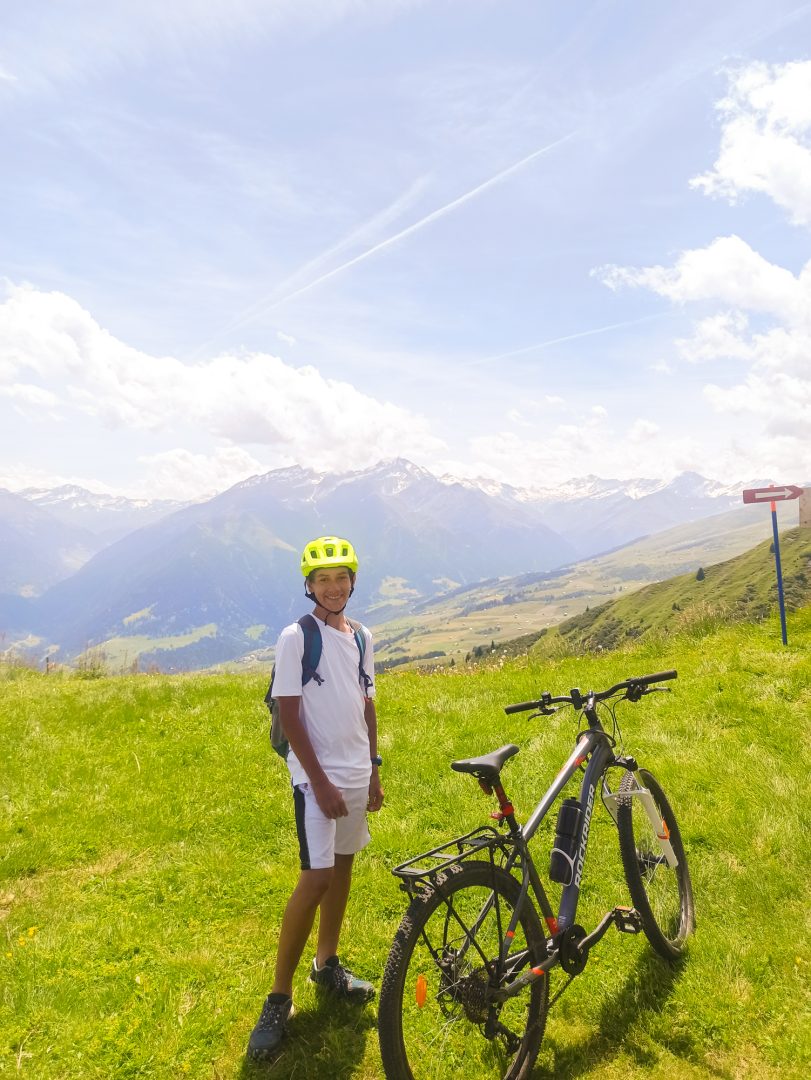
Anxiety Management Through Nature Exposure
Nature exposure reduces anxiety and stress. Aim for 120 min/week or 10-60 min sessions to lower cortisol, improve mood and self-regulation.
Nature exposure for anxiety: greenspace, blue space, forest bathing, and green exercise
Nature exposure — greenspace, blue space, forest bathing, and green exercise — offers a low-cost, widely accessible adjunct and preventive option for anxiety management. Epidemiological, experimental, and randomized studies show small-to-moderate anxiety reductions (effect sizes ~0.3–0.6), physiological benefits like ~10–16% cortisol drops and lower heart rate, and practical dosing targets such as 120 minutes per week or 10–60 minute sessions.
Key Takeaways
- Reliable effects: Nature exposure reliably reduces anxiety, lowers stress biomarkers, and eases mood problems and rumination.
- Fast-acting mechanisms: Physiological stress can fall within 20–60 minutes. Attention restoration then strengthens cognitive control and emotion regulation. Nature also raises parasympathetic tone and heart-rate variability.
- Practical dosing: Aim for at least 120 minutes per week (for example, 3×40 minutes or daily 15–20 minute breaks). Short 10–60 minute walks or seated nature sessions often produce measurable benefits.
- Evidence-based practices: Try a 10–15 minute grounding exercise (5/4/3/2/1) or a 30-minute mindful green walk. Sample prescriptions include 30-minute park walks four times weekly or twice-daily 15-minute green breaks.
- Safety and limits: Check weather and terrain, manage allergies, attend to personal security, bring companions if needed, and treat nature exposure as an adjunct. Seek clinical care when symptoms are severe or acute.
Mechanisms that reduce anxiety
Physiological change: Brief nature contact often reduces markers of stress (e.g., cortisol, heart rate) within 20–60 minutes, supporting rapid calming effects.
Attention restoration: Exposure to natural environments can replenish directed attention, which strengthens cognitive control and lowers susceptibility to worry and rumination.
Autonomic balance: Nature tends to increase parasympathetic activity and heart-rate variability, promoting relaxation and resilience to stress.
Practical dosing and formats
- Weekly target: Aim for at least 120 minutes per week in natural settings.
- Session length: Effective sessions commonly range from 10–60 minutes; even short walks or seated views can help.
- Frequency examples: Options include 3×40 minutes, daily 15–20 minute breaks, or brief twice-daily green pauses.
- Modalities: Walking, seated time, forest bathing, shoreline visits, or guided mindful green walks all work—choose what’s accessible and safe.
Simple, evidence-based practices
- 5/4/3/2/1 grounding (10–15 minutes): Notice and name 5 things you see, 4 you can touch, 3 you hear, 2 you smell, 1 you taste or feel. Use this while seated in a park or near plants.
- 30-minute mindful green walk: Walk slowly, focus on breath and senses, notice textures, colors, and sounds. Keep a gentle, nonjudgmental attention on experience.
- Micro-breaks (10–15 minutes): Step outside for short breaks during the day—stand, breathe, and scan the environment to interrupt rumination.
Safety, limitations, and clinical context
Common-sense safety: Check weather and terrain, manage allergies, stay hydrated, and attend to personal security. Bring companions or tell someone where you’re going if you feel unsafe.
Adjunctive role: Treat nature exposure as a complementary strategy rather than a replacement for evidence-based clinical care. For severe anxiety, panic, suicidal thoughts, or acute crises, seek professional help promptly.
Bottom line: Regular, intentional contact with natural environments is a low-cost, accessible way to reduce anxiety symptoms and physiological stress. Practical targets (for example, 120 minutes per week or brief daily green breaks) and simple exercises make this approach easy to adopt alongside formal treatments when needed.
Why this matters — anxiety prevalence and public-health context
Anxiety disorders rank among the most common mental-health conditions worldwide and drive a large share of years lived with disability, as reported in Depression and Other Common Mental Disorders: Global Health Estimates (WHO). We recognize that psychotherapy and medication work for many, but access gaps leave a large unmet need for low-cost, scalable preventive and adjunctive options. Nature exposure fits that gap: it’s broadly accessible, low-tech, and can be applied across ages and settings as a self-management tool alongside formal care.
Evidence and mechanisms
Multiple epidemiological, experimental, and randomized studies link greenspace, blue space, forest bathing, and green exercise to reduced anxiety, lower stress biomarkers, and improved mood. Population data indicate that spending at least 120 minutes per week in natural environments is associated with higher reported health and well-being (White et al., 2019). Meta-analyses report small-to-moderate effect sizes (roughly 0.3–0.6) for anxiety and positive affect.
Field studies of forest bathing commonly show salivary cortisol reductions and heart-rate decreases; cortisol drops often fall in the ~10–16% range and heart rate falls by several beats per minute. Neuroimaging and behavioral studies report reduced rumination and lower activity in brain regions linked to negative self-referential thought after nature walks.
Two complementary mechanisms explain these effects. Stress Reduction Theory predicts rapid downregulation of physiological stress markers within 20–60 minutes. Attention Restoration Theory explains improvements in cognitive control and emotion regulation after exposure to softly engaging natural stimuli. We also see increased parasympathetic tone and heart-rate variability, plus psychological mediators like reduced rumination, heightened positive affect, gentle physical activity, enhanced social connectedness, and moments of mindful presence.
What dose of nature works — practical prescriptions, session scripts, and safety
Below are evidence-based targets and simple scripts we use in programs and recommend to caregivers and clinicians.
- Weekly target: aim for 120 minutes per week in natural settings (White et al., 2019). Spread this across sessions (example: 3×40 minutes or daily 15–20 minute breaks).
- Short acute exposures: 10–60 minute walks or seated nature time often produce measurable mood and stress benefits.
- Typical modalities: green exercise (park walks), forest bathing (slow sensory-focused walks), gardening, blue-space visits, and indoor nature options (plants, views, natural sounds, or VR) when outdoor access is limited.
- Beginner grounding (10–15 minutes): identify five things you see, four you feel, three you hear, two you smell, and finish with one slow breath.
- 30-minute mindful green walk: 5 minutes orientation and breath, alternate 5 minutes sensory focus with 5 minutes quiet walking, repeat, then 5 minutes reflection.
- Sample prescription: 30-minute park walk ×4 per week or 15-minute green breaks twice daily.
Safety and clinical cautions we emphasize:
- Check weather, terrain, and allergy or insect risks. Choose familiar routes and daytime visits when safety is a concern. Bring a companion if being outdoors triggers anxiety.
- Treat nature exposure as adjunctive. Recommend prompt clinical care for severe panic, functional impairment, suicidal thoughts, or other acute psychiatric symptoms.
For practical tips on how to spend more time outdoors, we link readers to resources that show easy ways to increase weekly nature dose: more time outdoors.

Sources
World Health Organization – Depression and Other Common Mental Disorders: Global Health Estimates
Environmental Health and Preventive Medicine – The physiological effects of Shinrin-yoku (taking in the forest atmosphere or forest bathing): evidence from field experiments in 24 forests across Japan
Proceedings of the National Academy of Sciences (PNAS) – Nature experience reduces rumination and subgenual prefrontal cortex activation
Psychological Science – The cognitive benefits of interacting with nature
Science – View through a window may influence recovery from surgery
NHS (National Health Service) – How nature can boost your mental wellbeing
Public Health England / GOV.UK – Improving access to greenspace