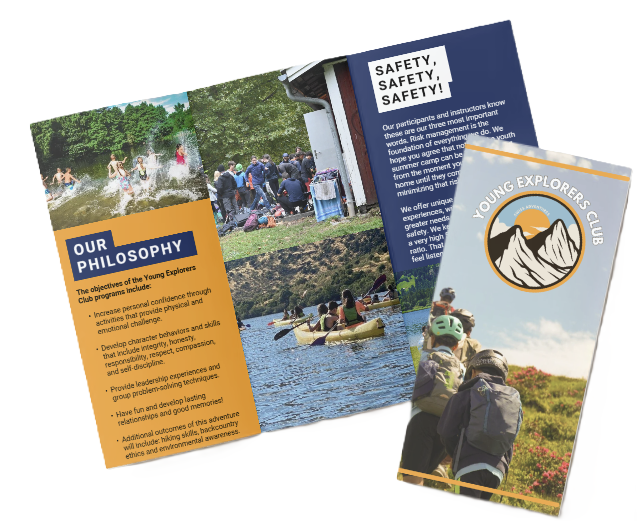
Day Camps Vs Overnight Camps: Which Is Right For Your Child?
Day vs overnight camp: weigh cost, age/readiness, and logistics—day camps suit younger kids; overnight builds independence. Try a short trial.
Choosing Day or Overnight Camp
Choosing between day and overnight camp trades lower cost and daily convenience for deeper immersion and greater independence. Day camps typically run about 6–9 hours per day and usually cost $150–$500 per week. They fit younger children and busy schedules. Overnight camps span one to four-plus weeks and typically cost $500–$1,500 or more per week. Those programs drive stronger social growth but demand emotional readiness and increase total expenses. Prioritize your family’s budget and logistics, evaluate your child’s sleepover history and ability to follow group rules, and confirm safety measures and staff qualifications. If you’re still unsure, try a short overnight trial.
Day camps
Day camps are best when you want daily pick-up and drop-off, continuity with family routines, and lower weekly cost. They work well for kids who benefit from going home each evening and for families with busy schedules. Consider additional fees for field trips, extended care, and supplies when calculating total cost.
Overnight camps
Overnight camps offer multi-day immersion that often accelerates independence, builds resilience, and sparks enduring friendships. They require readiness for longer separations, more gear, and possible travel expenses. Assess whether your child is comfortable with overnight stays, prior sleepovers, and following group rules for the best experience.
Key Takeaways
- Cost and format tradeoffs: Day camps cost less and fit daily routines; overnight camps cost more and deliver multi-day immersion. Include travel, gear, and extra fees in your total cost calculations.
- Age and readiness guidelines: Day camps typically serve ages about 4–12. Overnight programs often start at 7–8. Evaluate emotional independence, prior sleepovers, and rule-following ability.
- Developmental differences: Overnight stays speed independence, build resilience, and spark lasting friendships. Day camps strengthen routines, teamwork, and regular skill practice.
- Safety and logistics to confirm: Ask about accreditation, counselor-to-camper ratios, and on-site medical staff. Check background check policies and written emergency and homesickness plans. Confirm accommodation arrangements for special needs.
- Practical decision steps: Match the program to your child’s goals, rank cost, time, and growth priorities, and book tours and interviews. Consider a short session as a test and ask about financial aid and payment plans.
Safety and logistics to confirm
- Accreditation: Verify camp accreditation or membership in reputable organizations.
- Counselor-to-camper ratios: Lower ratios mean more supervision and individualized attention.
- Medical staff and policies: Confirm on-site medical coverage, medication protocols, and emergency plans.
- Background checks: Ask about staff hiring practices, background checks, and ongoing training.
- Homesickness and behavior plans: Request written procedures for homesickness, behavior management, and parent communication.
- Special needs accommodations: Ensure the camp can support any medical, dietary, or accessibility requirements in writing.
Practical decision steps
- List priorities: Rank what matters most—cost, time, independence, specific skills, or social growth.
- Check readiness: Review your child’s sleepover history, emotional independence, and ability to follow group rules.
- Inspect safety: Tour the camp, meet staff, and request written policies on safety and medical care.
- Test with a short session: Try a one- or two-night stay before committing to a multi-week program.
- Ask about aid: Inquire about financial aid, scholarships, and payment plans to manage cost.
- Book early: Popular camps fill quickly—reserve spot after interviews and tours to secure the best fit.
Quick reality check: how many kids go to camp and the core tradeoffs
We, at the Young Explorers Club, note that about 11 million children and adults attend camp in the U.S. each year (American Camp Association census). Check the latest American Camp Association census when publishing to confirm that figure.
Day camp: daily hours with return home each day.
Overnight (residential/sleepaway) camp: at least one overnight stay, often multi-day sessions.
Core tradeoffs to weigh
Here are the core tradeoffs we ask families to weigh:
- Cost — Day camps are generally less expensive per week. Overnight camps cost more but deliver a deeper, immersive experience that often includes meals, lodging, and evening programming. We recommend adding travel and gear costs into your total when comparing options.
- Duration — Day camps can run as single-day sessions, weekly blocks, or the whole summer. Overnight programs typically run 1–4 weeks, with some full-summer options. If you’re testing sleepaway for the first time, try a short session before committing to a longer stay.
- Age and independence — Day camps commonly serve ages 4–12; overnight options usually serve ages 7–16, though camps adjust by program. We look at emotional readiness more than age alone. Try incremental steps like extended sleepovers and consult our first summer camp guide for practical progression ideas.
- Parent logistics — Day camps demand daily drop-off and pick-up, which affects work schedules and transport. Overnight camps eliminate the daily commute but require travel days, multi-day packing, and a different kind of coordination for medications and homesickness plans. We advise clear communication with camp staff about check-ins, emergency contacts, and how they handle homesickness.
We encourage families to rank these tradeoffs by impact on their household: cost versus time, short-term convenience versus long-term growth, and a child’s emotional readiness. Use those priorities to pick the best match rather than searching for a one-size-fits-all option.
What day camps and overnight camps look like: hours, sessions, ages and program types
We, at the young explorers club, break camp formats into practical definitions so families can match fit and assess readiness.
Day camps generally run 6–9 hours per day, with drop-off in the morning and pick-up in the afternoon. Overnight camps run as residential sessions that commonly last 1–4 weeks; some programs also offer full-summer options. Sessions, daily rhythms and staff schedules differ substantially between the two formats.
Age guidance helps set expectations. Day camps most often serve children roughly 4–12 years old, while overnight camps typically enroll campers from about age 7 or 8 up through mid-teens. Program policies vary, so I recommend checking minimum-age rules for specialized activities like waterfront trips or high-adventure treks. If you’re unsure whether your child is ready for an overnight stay, consult our first summer camp for practical preparation tips.
Program types come in predictable buckets, and you can use them to match interest and learning goals. Common examples include:
- Traditional camps that focus on outdoor skills, sports, waterfront activities and classic campcraft.
- Specialty camps such as STEM, art, sports, music or theater that concentrate on one discipline.
- Expedition or adventure programs featuring backpacking, canoeing and multi-day wilderness travel.
- Service and leadership programs with community service projects and leadership development.
- Language-immersion camps that focus on language skills and cultural experiences.
At-a-glance comparison
Below are the core differences you’ll see when comparing day and overnight camps.
- Hours: Day camp 6–9 hrs/day; Overnight camp 24/7 during session.
- Session length: Day camp can be daily, weeklong blocks or full-summer options; Overnight camp typically 1–4 weeks (some full-summer).
- Supervision style: Day camp uses daily staff shifts with parent handoff at arrival and departure; Overnight camp has residential counselors on-site around the clock.
- Ideal age: Day camp suits younger children (4+); Overnight camp usually starts around 7–8 and up, depending on the program.
I advise matching program type to your child’s interests and maturity. Short day sessions let children build skills and social confidence without an overnight separation. Residential sessions accelerate independence and peer bonding but require emotional readiness and familiarity with group living. Use the age guidance and program descriptions above to narrow choices quickly.
Cost comparison and financial considerations
We compare prices so you can set a realistic budget and avoid surprises. Day camps typically run about $150–$500 per week, while overnight camps generally cost about $500–$1,500+ per week. Full-summer residential stays can reach several thousand dollars.
I suggest you do a total-cost calculation rather than focus solely on the weekly rate. Here are quick points to weigh:
- Multiply the advertised weekly rate by the number of weeks your child will attend.
- Add likely extras such as travel and activity fees early in the estimate.
- Ask about deposits, cancellation policies and refund windows before you book.
We often recommend parents consult our guide if they’re new to this process; see our article on your first summer camp for practical next steps.
Line-item costs to budget for
Consider these additional expenses that commonly push the final price above the headline rate:
- Transportation: bus fees, flights, or extra parent drop-offs and pick-ups.
- Extended care: before- or after-camp hours for working families.
- Activity/equipment fees: special outings, rentals, or certification courses.
- Uniforms and gear: branded shirts, field-trip clothing, sleeping-bag replacements.
- Registration/deposit fees: many camps require nonrefundable deposits.
- Camper insurance or medical fees: routine and emergency coverage.
Use this sample two-week comparison as a baseline for conversations with camp directors:
- Day camp example: $300/week × 2 = $600 + $100 activities = $700 total.
- Overnight camp example: $1,000/week × 2 = $2,000 + $200 travel = $2,200 total.
I advise you to ask camps directly about financial aid and payment plans. Many camps have sliding-scale fees, scholarship funds or installment options. Also check employer benefits: dependent care FSAs may cover some camp costs (confirm with your HR and IRS rules), and some employers provide camp subsidies.
Double-check local pricing and published consumer or industry reports before you finalize your budget. Get written estimates for all fees and keep copies of communications and invoices.
Logistics, safety and health: what parents should expect and ask
Drop-off, pickup, supervision and transportation
We, at the Young Explorers Club, tell parents to plan for very different rhythms between day and overnight programs. Day camps require daily drop-off and pickup. Many offer before- and after-care if you need extended hours. Overnight camps concentrate travel to session start and end, though some run mid-session travel days. Expect to pack for multi-day stays and to complete travel paperwork in advance.
Counselor-to-camper ratios vary by age and activity. Typical ranges are:
- Day camp: roughly 1:6 for younger kids; about 1:8–1:12 for older children.
- Overnight camp: often 1:4–1:8 depending on age and high-risk activities.
Many day programs run local bus routes. Overnight programs may use charter buses or coordinate flights and meet-and-greet hubs. Ask about late pickup fees, badge or sign-out procedures, and how staff verify authorized adults.
Health policies, accreditation, checklists and must-ask questions
When you evaluate health and safety, start with accreditation and staffing. Look for ACA accreditation — it covers 300+ health and safety standards (ACA). Confirm whether the camp requires a recent physical (typically within 12 months), which immunizations are mandatory, and whether they maintain on-site medical staff (RN/LPN/EMT) with set hours.
Common staff screening and preparedness items to confirm:
- Background checks, reference checks, and proof of CPR/first-aid training.
- Written emergency plans and parent communication protocols.
- Clear medication authorization and secure medication storage.
Use the following checklists to prepare and to ask during your call or visit.
Daily logistics checklist for parents:
-
Day camp:
- Sunscreen
- Labeled lunch
- Pickup permission notes
- Allergy/medication plan
- Change of clothes
-
Overnight camp:
- Official packing list
- Medication authorization
- Full medical forms
- Travel arrangements
- Written behavior and health policies
Recommended safety questions to ask camps:
- Are you ACA-accredited?
- What is the counselor-to-camper ratio by age group?
- What medical staff are on site and when are they available?
- What are your staff hiring, background check, and training policies?
- What are your current COVID and communicable disease protocols and communication plans?
We also suggest you read our practical guidance on how to prepare emotionally for overnight stays so you can match logistics to your child’s readiness.
Child development, outcomes, homesickness and special needs
Developmental and activity benefits
We see distinct strengths in both day and overnight formats. Overnight programs frequently produce gains in independence, self-reliance, problem solving, resilience, and long-term friendships because campers manage routines and peer dynamics away from home. Day camps reinforce social skills, provide a predictable daily routine, strengthen teamwork through repeated group practice, and boost self-esteem without full overnight separation.
Camps also move kids from unstructured summer time to scheduled, goal-oriented activity. Structured days increase time spent in moderate-to-vigorous activity compared with unstructured summer time, according to ACA/public health research. Specialty programs in STEM, arts, or language sustain interest and build skills over time; for program-specific outcome claims we rely on ACA youth outcomes research. Plan selection should be based on the skills you want your child to deepen — choose a STEM track for coding or a multi-sport day program if you want consistent physical activity.
Practical tips:
- Match the camp format to the goal: pick overnight for independence and long-term social bonds; pick day camp for routine, frequent practice, and easier transitions home.
- Look at staff credentials and daily schedules: review staff credentials and daily schedules. They tell you whether activity and enrichment are truly structured or just loosely supervised.
Homesickness, special needs, and a readiness rubric
Homesickness is common and normal. Overnight camps typically train staff in homesickness management and use gradual exposure strategies. We recommend parents prepare children before they leave and maintain a clear contact plan. Short trial stays or progressive sleepovers often reduce anxiety. For resources on emotional preparation, we point families to advice on how to prepare emotionally for overnight camps.
Many camps provide inclusion specialists or adapted programs. Verify training, camper-to-staff ratios, and specific accommodations before enrolling. Ask whether staff have experience with behavioral supports, medication administration, and individualized activity plans. Don’t assume every camp can meet complex needs; get written confirmation of supports and a plan for emergencies.
Use this quick rubric to judge readiness before you enroll:
- Emotional independence: Can the child manage brief separations from caregivers without prolonged distress?
- Ability to follow group rules: Does the child respond to staff directions in group settings?
- Sleepover history: Has the child successfully slept away from home for at least one night?
- Medical independence: Can the child self-manage basic medications or is reliable staff-administered care in place?
We often suggest trying a one-week overnight session as a first step for first-time residential campers. Short exposures let you assess adaptation, staff responsiveness, and whether the child grows in confidence and self-reliance.
Decision guide: which is right for your child? (profiles, checklist and key questions)
Parent profiles and 10-question checklist
Below are common parent-and-child profiles with the camp format that usually fits best, followed by a quick yes/no checklist to steer your decision.
- The Busy-Parent / Local-Kid: Day camp works best. It keeps routine, simplifies drop-off and pickup, and fits school-year schedules.
- The Independent Adventurer: Overnight camp fits. It builds independence, immersion, and outdoor skills through extended time on site.
- The Specialist: Choose specialty day or residential camps based on intensity. Short, focused day programs suit weekly skill-building; residential options suit multi-week, concentrated training.
- The Sensory / Medical Needs Child: Pick camps with trained staff and clear accommodations. Both day and overnight can work if the program documents medical staffing and individualized plans.
Answer these yes/no prompts and score toward day camp, a short overnight trial, or a longer overnight session:
- Can your child sleep away for one night?
- Has your child successfully slept away before?
- Do you want daily contact during camp?
- Is budget a primary constraint?
- Is full immersion a top priority?
- Does your child need specialized medical or sensory supports on site?
- Do you prefer a predictable daily commute?
- Will the child benefit from longer social integration time?
- Are you comfortable with reduced phone contact for multi-day sessions?
- Would a weekend or 1-week trial be acceptable as a test?
Use these scoring rules as a rough guide: mostly yes to sleep-away and immersion points toward overnight; mostly yes to daily contact or budget limits points toward day camp; mixed answers suggest a short overnight trial. We generally recommend considering overnight options from about ages 7–8, adjusted for each child.
Top questions to ask and immediate next steps
Prioritize concrete policies when comparing camps. Ask:
- Are you ACA-accredited?
- What is the counselor-to-camper ratio by age group?
- What medical staff are on site (RN/LPN/EMT)?
- What are your staff hiring and background check policies?
- Describe your homesickness protocol and any mental-health supports.
- Clarify what tuition covers and what costs extra.
- Request written cancellation and communicable-disease policies.
- For overnight programs, ask for a sample daily schedule, lights-out policy, and electronics/phone rules.
We recommend these immediate actions:
- Schedule tours and staff interviews and request written confirmations of policies.
- Try a short session — a 1-week overnight or a multi-day day camp — as a test-run.
- Ask about financial aid, scholarship deadlines, employer dependent care benefits, and FSAs.
- If you need tips on preparing kids emotionally for sleepaway experiences, see our guide on how to prepare emotionally for overnight camps.
Sources
American Camp Association — ACA Census Report
American Camp Association — Camps & Youth Outcomes Research
American Camp Association — Accreditation & Quality Standards
Care.com — How Much Does Summer Camp Cost?
Bankrate — How Much Do Summer Camps Cost?
U.S. News & World Report — How Much Do Summer Camps Cost?
Centers for Disease Control and Prevention — Guidance for Operating Youth and Summer Camps
American Academy of Pediatrics / HealthyChildren.org — Day Camp or Sleepaway Camp?
YMCA — Camping & Outdoor Education Programs
Statista — Summer Camps (topic page with attendance & market statistics)