Family Adventure Holidays In Switzerland: Planning Guide
Plan stress-free family adventures in Switzerland: stroller-friendly valleys, frequent trains, alpine activities, seasonal tips and passes.
Family travel in Switzerland — overview
Switzerland’s compact towns, frequent trains and high-quality mountain services make it ideal for family adventure trips. Short transfers work well with strollers and young children. Valley days stay stroller-friendly. Families get safe access to alpine activities for all ages. This planning guide helps you pick seasons, choose transport passes, plan age-appropriate itineraries, select accommodation and gear, and set booking and insurance timelines. We aim to help families plan flexible, low-stress trips.
Key Takeaways
- Base in a well-connected valley town and use frequent trains, cable cars and short day trips to cut car time and long transfers for kids.
- Pick the season that fits your family: June–September for hiking and lakes, December–March for skiing, and shoulder seasons for lower prices but reduced lift access.
- Compare Swiss Travel Pass, Half Fare Card and point-to-point tickets. Use the Travel Pass for heavy daily travel and the Half Fare Card if you only have a few expensive legs. Reserve panoramic trains early.
- Book accommodation, ski school and major mountain reservations 3–6 months ahead. Prefer self-catering for routines and better cost control on longer stays.
- Buy travel insurance that covers mountain rescue and helicopter evacuation. Pack layered clothing, SPF50+ sunscreen, UV400 sunglasses and a small first-aid kit.
Planning guide
Seasons & activities
Choose the season that matches your family’s interests and tolerance for weather variability. For easy-to-manage outdoor days and warm-water swimming, favor June–September. For snow sports and family ski lessons, pick December–March. Shoulder seasons (spring and autumn) can be quieter and cheaper but expect reduced lift access at higher altitudes.
Transport and passes
Trains and mountain lifts are frequent and punctual. For transport budgeting:
- Swiss Travel Pass — best for heavy daily travel and flexible hop-on/hop-off plans.
- Half Fare Card — cost-effective if you have only a few expensive legs or regional travel.
- Point-to-point tickets — useful for a tightly fixed itinerary with few transfers.
Reserve panoramic trains early (e.g., Glacier Express, Bernina Express) as they can require seat reservations even with passes.
Itineraries and base locations
Base in a valley town with good rail and cable-car links to minimize transfers. Plan short day trips from the base to keep days simple for children and maintain stroller access in valley activities. Build in one relaxed day between big mountain outings.
Accommodation & bookings
Book larger items like accommodation, ski school and major mountain reservations 3–6 months ahead, especially in peak season. For families, self-catering or apartment-style lodging often works best for stable routines, meal control and cost management on longer stays.
Packing, safety & insurance
Bring layered clothing for changing alpine weather and sun protection: SPF50+ sunscreen and UV400 sunglasses. Include a small first-aid kit, blister supplies and any child-specific medications. Purchase travel insurance that explicitly covers mountain rescue and helicopter evacuation—these can be costly without coverage.
Booking timeline & practical tips
- Make major bookings 3–6 months before travel; reserve any special mountain restaurants or panoramic train seats earlier if possible.
- Prefer trains and lifts on travel days to avoid long car transfers; keep luggage light for short connections.
- Carry a compact, foldable stroller for valley days and train travel; check lift/station access for pram routes.
- Plan flexible days and rest breaks to keep the trip low-stress for kids.
Final note
Switzerland is exceptionally family-friendly when you plan around short transfers, frequent public transport and mountain services. With the right season, passes and a relaxed itinerary, families can enjoy safe, memorable alpine experiences with minimal stress.
Switzerland at a glance: why it’s perfect for family adventures
Quick facts and scale
Here are the headline figures that show scale and why families feel at ease here:
- Population: ~8.7 million (2024) — big enough for world-class transport, healthcare and emergency services, yet small enough to feel intimate for kids.
- Mountains: 48 four-thousanders; highest point Dufourspitze (Monte Rosa) 4,634 m; iconic Matterhorn 4,478 m.
- Trails & water: approx. 65,000 km of waymarked hiking trails and 1,500+ lakes, including Lake Geneva (Lac Léman), Lake Constance and Lake Zurich.
- Safety & services: consistently ranks among the safest and highest-quality destinations, with reliable mountain rescue and hospital networks.
Why it works for families
We chose Switzerland for family holidays because the infrastructure makes life simple. Compact towns and frequent trains let us change scenery in an hour or less, so tired kids don’t need to endure long drives. We base ourselves in valley towns for stroller access and short transfers to playgrounds, lifts and lake promenades.
The outdoor variety keeps every age group engaged. Gentle lakeshore walks suit toddlers. Scenic cogwheel railways and cable cars get teenagers to high viewpoints without long ascents. Glacier platforms and easy alpine trails introduce kids to big-mountain perspectives safely. We use short, signposted trails and family-friendly routes so navigation stays stress-free.
Families need practical amenities; Switzerland delivers. We book family hotels with supervised kids’ programs, luggage transfers and child menus. Towns provide public toilets, play areas and clear trail signage. Emergency services reach alpine spots quickly, which lets us plan bolder experiences with confidence.
Simple choices make a trip smoother. We recommend:
- Base in a well-connected town and do day trips by train.
- Mix active days with low-effort options like lake swimming or a mountain railway ride.
- Confirm stroller access and child facilities at accommodation before booking.
- Pack layers and sun protection even for short hikes.
For inspiration on kid-friendly outings and logistics, we point families toward practical resources like our pages on family activities and what to pack — see our what to pack guide for essentials. We keep plans flexible, choose short travel legs and build in plenty of playtime so every family member comes home ready for the next adventure.

When to travel: seasons, school holidays and who benefits when
Season windows & what to expect
We break the year into clear windows to guide planning. Summer (June–September) brings warm valley days (roughly 20–28 °C), alpine meadows in bloom and most mountain lifts and many high routes open, so it’s the best overall window for family hiking, swimming and high-altitude day trips.
Winter (December–March) is the main ski season; snow reliability is highest across most resorts in Dec–Mar and high-altitude resorts often extend their runs — ideal for families focused on lessons and piste time.
Shoulder seasons (April–May, October–November) give you fewer crowds and lower prices, but expect some lifts and attractions to be closed; this works well if you accept limited access in exchange for savings.
School holidays vary by canton. Major summer breaks generally run from late June to mid‑August, and winter pauses cluster around Christmas–New Year and carnival/February weeks (timing differs by canton). Before you book a family trip in Switzerland, check the local canton holiday calendars to avoid peak-week price spikes and full ski-school rosters.
Practical timing tips you can act on:
- Aim for mid‑June if you want alpine wildflowers plus full lift operation and quieter lakeside villages.
- Target late January–February for peak ski‑school weeks and the most consistent group programming.
- Check current temperature figures and lift schedules with official resort pages before finalising dates.
Who benefits when (quick guide)
Use this short list to match your family to a season.
- Families with small children (toddlers/preschool): June–September — gentle weather, lakes for paddling, easy valley walks and stroller‑friendly towns make days simple and safe.
- Skiing families: December–March — busy ski weeks mean active ski schools, child-friendly runs and childcare options; choose high‑altitude resorts for longer seasons.
- Budget‑conscious families: April–May or October–November — lower rates and emptier trails if you’re happy with limited lift access and milder weather.
We recommend booking early for summer weeks and key winter weeks if you need ski lessons or family accommodation. We’ll help prioritise dates if you tell us the ages and aims for your trip.
https://youtu.be/CQ0P2d38mDM
Getting around: trains, scenic routes, passes and practical transport tips for families
The Swiss rail network is dense and highly integrated. SBB together with regional private operators run frequent, well-timed services and easy connections, so we can stitch towns and mountains into a single day without car hassles. Expect strong punctuality — recent figures show SBB on-time performance around 90–95% (SBB Annual Report) — but always allow slack for transfers and mountain-weather delays.
Scenic routes that work for families
I recommend picking at least one panoramic ride to make travel part of the holiday. Glacier Express offers an approximately eight-hour panoramic run (it crosses many bridges and tunnels) and suits older kids who can sit for long stretches. Bernina Express gives UNESCO-listed vistas that keep younger eyes glued to the window. For a short, exciting ascent with Matterhorn views, the Gornergrat Railway climbs to 3,089 m and works well as a highlight for children. For route ideas for a family trip, plan a mix of long panoramas and short, active hops.
Passes, cards and quick comparisons
- Swiss Travel Pass — offers consecutive 3, 4, 8 or 15-day options with unlimited travel on many networks and free or reduced entry to 500+ museums. It’s unbeatable for convenience on multi-day touring, though it has a higher upfront cost.
- Swiss Half Fare Card — cuts most fares roughly in half; it’s a good choice if you plan a few long, expensive legs but still want flexibility.
- Swiss Family Card (Swiss Travel System) — typically lets children travel free with a parent who has a valid pass; check age cut-off and issuance rules before buying.
How we choose between them: use the Swiss Travel Pass if daily travel is heavy and you want zero ticket fuss. Pick the Half Fare Card if you’ll make only a handful of pricey mountain or long-distance trips. Buy point-to-point tickets if you truly only need one or two short hops.
Worked example (rough estimates)
For a one-way chain Zurich → Zermatt → Interlaken → Lucerne a single adult fare sum can run roughly CHF 175–265. With a Half Fare Card expect about 50% off each leg; with a Swiss Travel Pass these routes are generally covered though some panoramic trains require a supplement. Compare your itinerary day-by-day before committing.
Practical family transport tips (short list)
- Reserve panoramic trains where reservation is recommended (Glacier Express reservations are advised) and book early for peak season.
- Pack a compact stroller for valleys; many trains and cable cars accept strollers but space can be tight — check dimensions in advance.
- Plan toilet and snack breaks for younger children on long journeys; stopover towns make great reset points.
- Bring or rent appropriate child seats for car travel: Swiss rules require suitable restraints for children under 12 years or under 150 cm — verify the current legal wording before travel.
- Confirm Swiss Family Card age limits and whether it’s issued free with each adult pass before purchase.

Top family destinations and age-tailored activities (with one-day family itineraries)
Top destinations and one-day itineraries
We, at the young explorers club, pick five bases that cover car-free high alpine drama, gentle valley days and warm lakeside summers. Each entry includes a compact one-day plan, stroller/access notes and a quick cost hint.
Zermatt & Matterhorn — Why go: car-free village, iconic Matterhorn views and year-round high-altitude snow play. Key attraction: Gornergrat Railway to 3,089 m. Sample day: arrive by train to Zermatt in the morning; mid-morning ride Gornergrat and take the short viewpoint walk (strollers aren’t suitable at the summit); lunch in the village; afternoon exploring the village, hitting the playground and visiting the Glacier Pavilion if energy allows. Accessibility: village streets are flat and stroller-friendly; the final stretch from Gornergrat station involves steps. Approx. costs: mountain railway return + viewpoints ~CHF 60–100 per adult.
Jungfrau Region (Grindelwald, Wengen, Mürren) — Why go: classic alpine valley terrain with easy valley walks and the Jungfraujoch “Top of Europe” at 3,454 m. Sample day: start with a gentle valley walk or a playtime at the local playground; midday take the train to Kleine Scheidegg and continue to Jungfraujoch if the family is acclimatised; afternoon back in the valley for sledging or an alpine playground session. Accessibility: valley routes are largely stroller-friendly; high platforms and icy areas at Jungfraujoch need extra care for toddlers.
Interlaken & Bernese Oberland — Why go: boat trips on Lake Thun and Lake Brienz plus a base for adventure options aimed at older kids. Sample day: morning boat ride on Lake Thun, lakeside picnic at midday and playground time; afternoon hop to a pretty village by boat or book an easy canyoning/zipline experience for teens.
Lucerne — Why go: the Swiss Museum of Transport is a top family museum, and lakeside boat trips lead to cogwheel or cableways up Pilatus and Rigi. Sample day: morning at the Transport Museum; lunchtime boat on Lake Lucerne; afternoon ascend Pilatus or Rigi (check stroller access at arrival points).
Ticino (southern Switzerland) — Why go: warmer climate, lakeside swimming, beaches and Italian-flavoured food — perfect for summer family breaks. Sample day: morning swim at a lake beach; lakeside lunch; afternoon pedalos or an easy shoreline walk.
At planning stage, treat each location as its own micro-adventure and check timetables, stroller access and seasonal opening hours. For broader trip ideas, we often point families to our guide for a full family trip in Switzerland.
Activities by age group and rainy-day backups
Below are practical, age-appropriate options and indoor fallbacks that keep the days flexible.
- Toddlers (0–4): lakeside promenades, short mountain railway rides, petting farms and playgrounds. Many ski schools accept toddlers from about age 3 for nursery slopes (confirm current age rules).
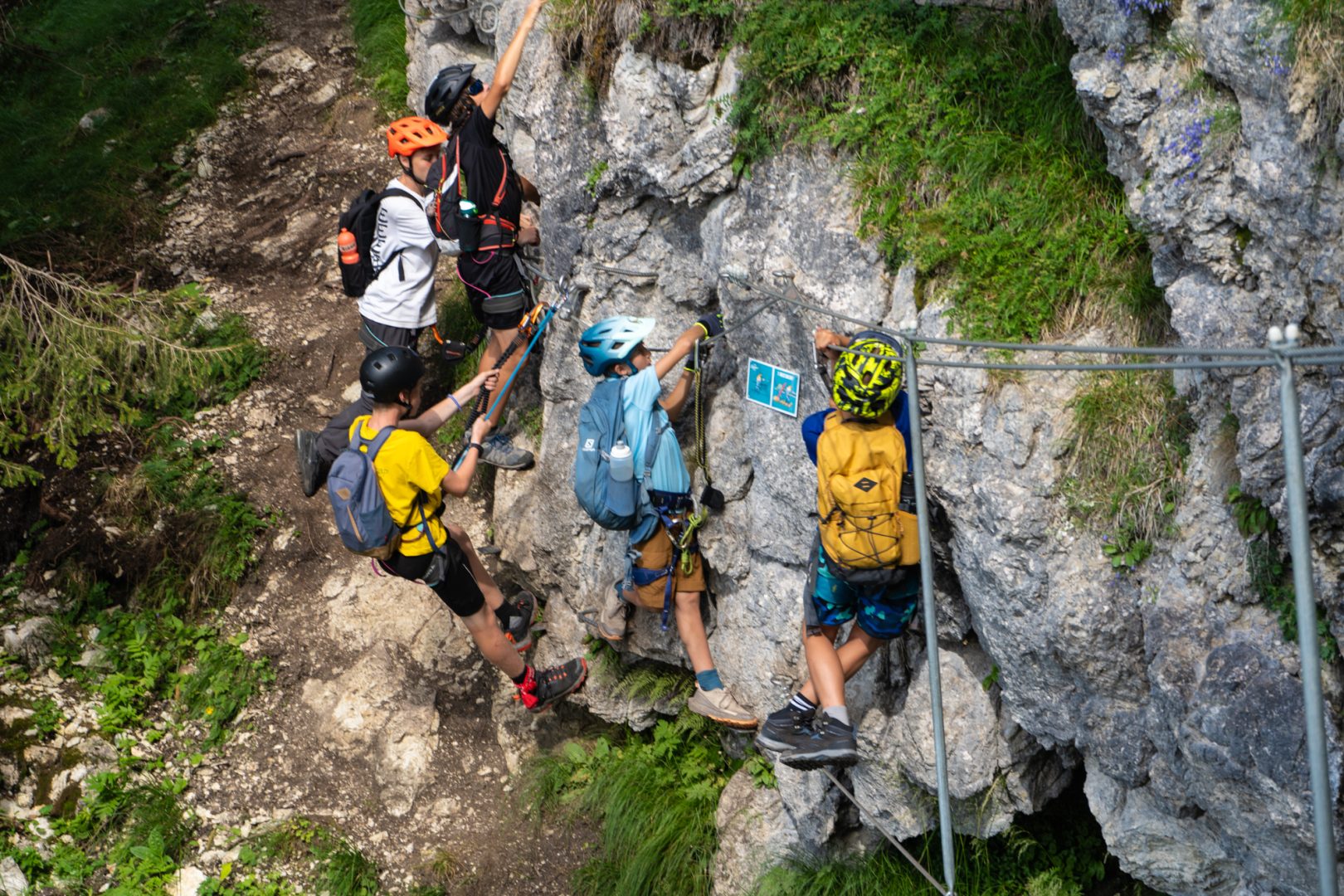
- Primary-age (5–11): beginner ski lessons, toboggan runs, interactive museums such as the Swiss Museum of Transport and chocolate workshops. For energetic days, consider easy via ferrata sections guided by professionals and a selection of local outdoor activities.
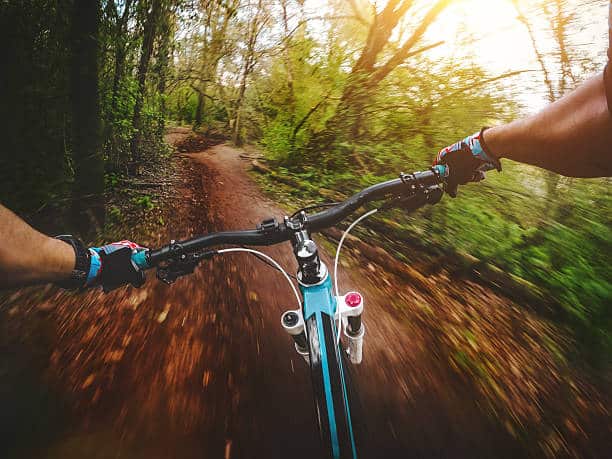
- Teens (12+): guided via ferrata, tandem paragliding, mountain biking and guided glacier hikes where appropriate. Book certified guides and age-appropriate equipment.
- Rainy-day backups and indoor options: the Swiss Museum of Transport (Lucerne) remains a standout, plus indoor pools, children’s museums and the 500+ museums referenced by the Swiss Travel Pass offer reliable alternatives. For packing tips that help families prepare for sudden weather shifts, see our notes on what to pack.
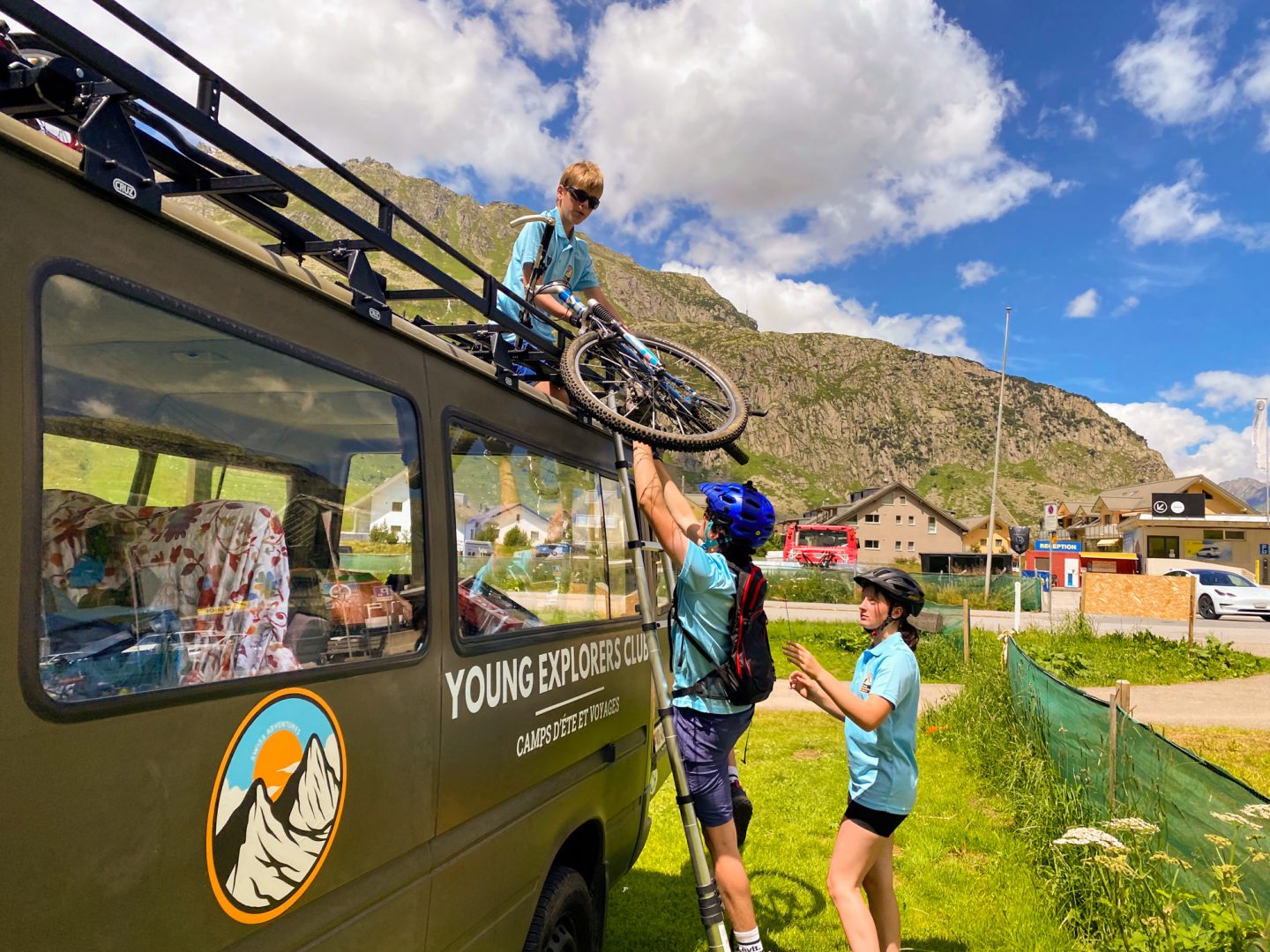
We recommend confirming attraction opening times, stroller access and ticket prices before departure, especially for high-altitude railways and Jungfraujoch visits. We at the young explorers club favour flexible day plans that let families swap a summit ride for lakeside time without losing the magic.

Where to stay, gear, costs and budgeting basics for families
Accommodation types & typical price ranges
We outline common options and very approximate nightly ranges so you can compare quickly. Confirm current prices before you book.
- Family hotels with kids’ clubs — comfortable rooms, on-site childcare and activity programs. Typical nightly range: CHF 150–350 per night.
- Self-catering apartments and chalets — full kitchen and more space for routines and snacks. Typical nightly range: CHF 150–350 per night.
- Bed & breakfasts — cosy, local character and often child-friendly hosts. Prices vary but often sit in the midrange.
- Budget hostels and simple apartments (off-peak) — compact options for families who prioritise savings. Typical nightly range: CHF 90–150 per night.
- Mountain huts (dorm-style) — an adventurous, rustic choice for older kids and teens. Typical per-person range: CHF 30–70 per night.
- Camping — tents or campervans are a low-cost outdoor option in summer; many sites have family facilities.
Illustrative cost-comparison for a family of four (7 nights) — use these to model your trip budget and add transport, food and activity costs:
- Option A (mixed stay): 2 nights city hotel at CHF 200/night + 5 nights mountain chalet at CHF 250/night = (2×200) + (5×250) = CHF 1,450 plus extras.
- Option B (single stay): 7 nights midrange family hotel at CHF 220/night = CHF 1,540 plus extras.
Meals, child gear, rentals, booking timing and quick budgeting rules
We budget food conservatively and make choices that keep the trip relaxed and affordable. Casual cafés and snack stops run roughly CHF 10–25 for a child and CHF 20–50 for an adult main. Expect a casual family dinner for four to land around CHF 60–120. Switzerland is pricier than many European countries, so we often use supermarkets like Migros or Coop and self-cater to control costs; consult our what to pack guide for kitchen and packing tips what to pack.
We bring only essential child gear and rent the rest locally. Pack medications, sun protection, a favourite comfort item and a small first-aid kit. Rentable items commonly include:
- Child ski sets
- Car seats from major hire firms
- Bikes or e-bikes from sports shops
Typical rental ballpark: child ski set ~CHF 10–25/day (illustrative). We check local providers for exact rates and reservation requirements. For activity planning with kids, we recommend browsing family-focused ideas on our family activities page family activities.
Booking advice: book accommodation and ski equipment 3–6 months ahead for summer and winter peak weeks. For longer stays, we prefer self-catering apartments to manage routines and food costs. Choose refundable options if dates might change. Add a contingency of 10–15% for extras like public transport, lifts, lessons and casual dining.
Budgeting, health, safety and the essential pre-departure checklist
I break down the budget by the big-ticket items first. Cable cars and mountain railways, high-season accommodation, ski lift passes and guided activities will eat the largest share of your budget. I recommend booking accommodation and peak-week activities well ahead; prices jump fast for popular valleys and family-friendly resorts. We compare Swiss Travel Pass vs Half Fare Card based on your exact route: choose the Swiss Travel Pass if you plan lots of long-distance trains, museums and regular transfers; pick the Half Fare Card if you only need discounts on a handful of mountain trips and regional rides.
Swiss healthcare is excellent and accessible, but you should never assume rescue or evacuation is covered by basic travel policies. Buy travel insurance that explicitly covers mountain rescue and helicopter evacuation. Evacuation costs can reach several thousand CHF and typical quoted ranges fall between CHF 3,000–15,000 depending on the situation. Children can react to altitude above roughly 2,500–3,000 m; plan at least one light day for acclimatization and avoid heavy exertion on arrival. Protect skin and eyes: use SPF 50+, sunglasses rated UV 400 and wide-brimmed hats for sunny alpine days.
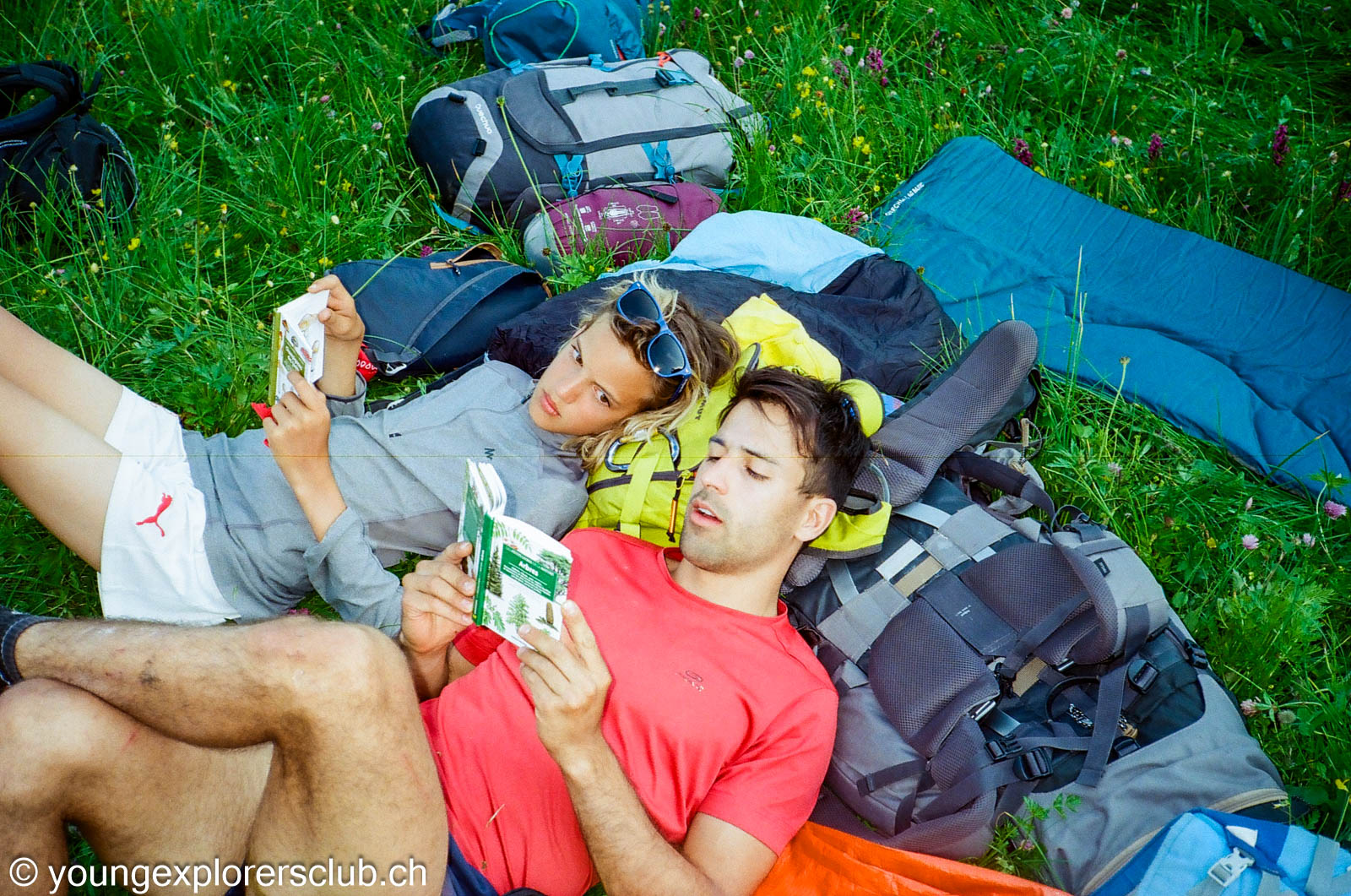
I pack practical items for family comfort and quick fixes. Bring layered clothing with waterproof outer layers, a good child carrier for steep trails, daypacks, refillable water bottles and a small first-aid kit. Include sunscreen SPF 50+, UV 400 sunglasses, basic meds and favorite comfort items for kids. Valley towns and main stations tend to be stroller-friendly. Many cable cars and trains accept strollers, but check size and carriage-space rules ahead of time. Baby-changing facilities are common in major stations.
Pre-departure checklist & timelines — print and use
Use this checklist as your planning spine; tick items off as you go.
-
3–6 months before travel:
Book flights and accommodation; reserve major mountain rail seats and ski-school slots for peak weeks; compare Swiss Travel Pass vs Half Fare Card and run cost scenarios for your itinerary.
-
1–3 months before travel:
Reserve rental equipment (skis, car seats, child carriers); confirm canton school holiday dates for your travel window; order any necessary adapters and travel supplies.
-
Immediate pre-trip (1–14 days):
Buy travel insurance that specifically covers mountain rescue and helicopter evacuation; pack SPF 50+, sunglasses UV 400, layered clothing and basic medications; prepare passports, EHIC/GHIC where applicable and consulate contact details.
-
Safety checks before departure:
Confirm emergency numbers (Switzerland/EU 112) in your phone; save your insurer’s emergency hotline and policy number; plan any guided glacier or exposed-route days with certified mountain guides and check children’s fitness for those routes.
-
Quick bookings and verifications:
Book ski school and equipment 3–6 months ahead; compare passes for savings; verify Swiss Family Card age limits and issuance rules before travel; ensure your insurance covers repatriation if needed.
I also recommend reading a short planning guide on family routing and activities; for practical ideas about what to do with kids on holiday, see our family trip page for inspiration and logistics tips.
Sources
Switzerland Tourism — About Switzerland (Facts & figures)
Swiss Federal Statistical Office — Population statistics
Swiss Travel System — Swiss Travel Pass (tickets & inclusions)
Swiss Travel System — Half Fare Card (tickets & discounts)
SBB (Swiss Federal Railways) — Annual Report & punctuality statistics
Glacier Express — Facts & figures (bridges, tunnels, route)
Jungfrau Railways — Jungfraujoch – Top of Europe (visitor information)
Swiss Museum of Transport — Museum & family programmes
Swiss Alpine Club (SAC) — Huts and routes / mountain safety
Federal Office of Public Health (FOPH/BAG) — Travel and health advice
Migros — Supermarket and everyday essentials (tips for self-catering)
Intersport Rent — Ski and bike rental services in Switzerland
Swissinfo — News and features on travel, costs and school holidays