International Camp Culture: Building Global Friendships
International camp culture fosters global friendships, teamwork, and language skills through shared experiences in Switzerland’s outdoor camps.
Every parent faces that moment when their child craves more than just a typical summer break. International camps give Swiss families a chance to nurture real independence while letting their children experience friendships with peers from Germany, Spain, Japan, and Canada. These immersive environments build cross-cultural connection, spark new language skills, and inspire confidence in ways schools rarely replicate. Discover how international camp culture transforms outdoor adventures into lifelong growth and genuine global understanding.
Table of Contents
- Defining International Camp Culture For Youth
- Types Of International Camps And Key Differences
- Core Values And Social Dynamics In Camps
- Personal Growth And Language Immersion Benefits
- Navigating Safety, Supervision, And Inclusivity
Key Takeaways
| Point | Details |
|---|---|
| International Camp Culture | It fosters cross-cultural connections, allowing youth to learn from peers with diverse backgrounds. |
| Types of Camps | Understanding camp types helps match experiences to children’s interests, whether for language immersion or adventure. |
| Core Values | Independence, cooperation, and appreciation for diversity are central to personal growth in camp settings. |
| Safety and Inclusivity | Quality camps prioritize safety and inclusivity, ensuring all campers feel valued and can fully participate. |
Defining International Camp Culture for Youth
International camp culture represents something distinct from typical domestic camp experiences. It’s the unique blend of values, traditions, languages, and perspectives that emerge when young people from different countries come together in a shared outdoor learning environment.
At its core, international camp culture centers on cross-cultural connection. Your child spends weeks living alongside peers from Germany, Spain, Japan, or Canada—not just visiting as tourists, but genuinely sharing daily routines, meals, campfire discussions, and adventure activities. This constant interaction shapes how campers think about the world.
Cultural immersion in camp settings goes beyond language learning. Your teenager doesn’t just hear Spanish words; they experience how Spanish-speaking campers approach problem-solving during team challenges, celebrate victories differently, or share stories about home. This builds real empathy and understanding.
The foundation of international camp culture rests on several key elements:
- Multilingual environments where English becomes the common thread, but other languages flow naturally
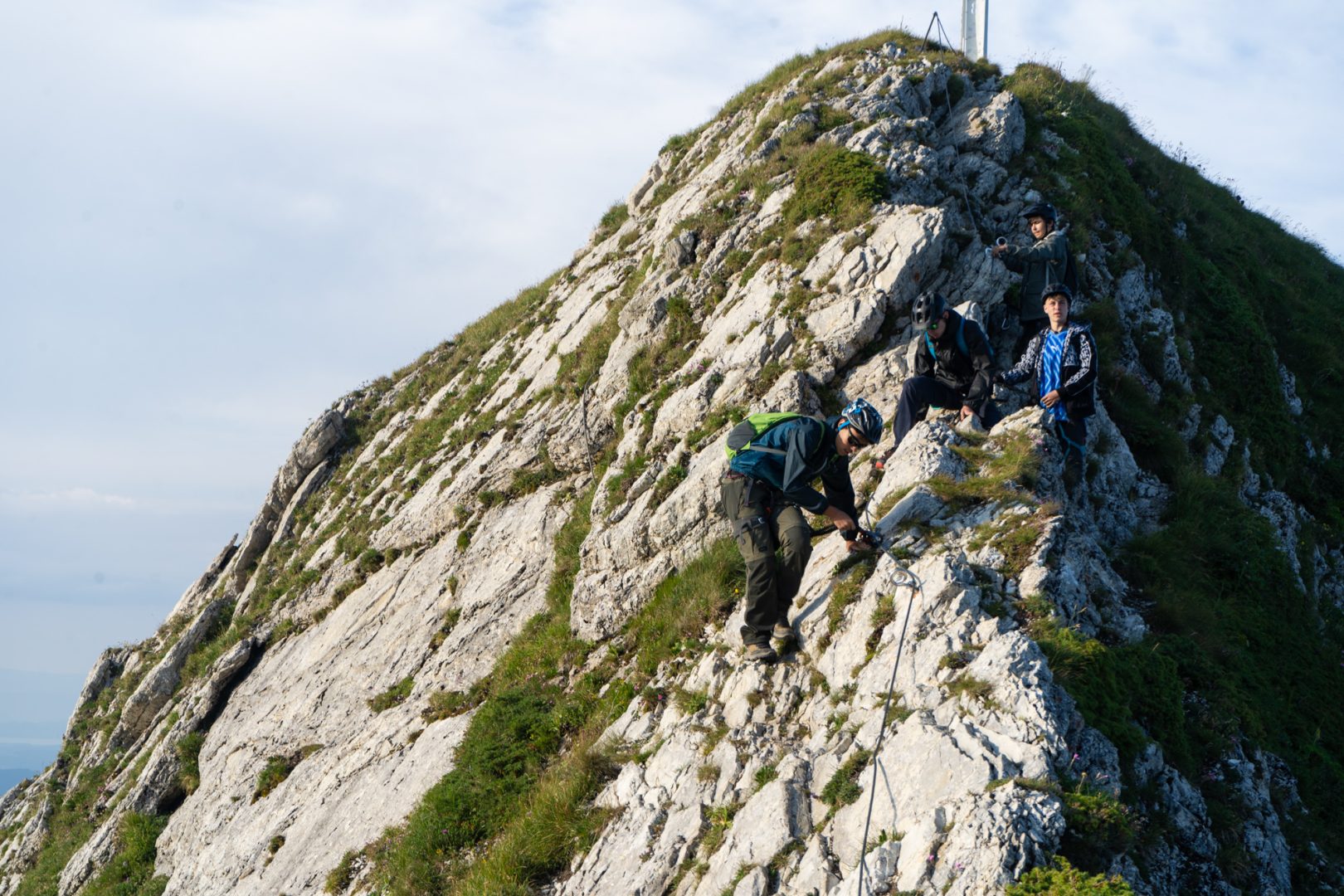
- Shared outdoor experiences that transcend cultural boundaries—everyone’s nervous on the climbing wall, everyone celebrates reaching the summit
- Intentional community building where respect for differences is practiced daily, not just discussed
- Diverse leadership that models cross-cultural collaboration and problem-solving
International camp culture teaches youth something schools often struggle to deliver: how to genuinely understand people who think, speak, and see the world differently.
Your child learns that a Swiss way of organizing a tent inspection differs from a British approach, which differs from an American one. Neither is better—they’re just different. This distinction between difference and deficit fundamentally changes how young people navigate our interconnected world.
Many Swiss parents choose international camps specifically because they understand this isn’t about exotic travel. It’s about your child learning to collaborate with a Russian climber, debate environmental issues with a French peer, and problem-solve with a Brazilian teammate. These aren’t tourism moments—they’re character-building experiences.
The camp setting amplifies this learning. When your 14-year-old is literally depending on an Italian roommate to help navigate a challenging group challenge, cultural appreciation becomes something lived rather than studied. The outdoor context—mountains, valleys, shared meals—creates an intensity that accelerates relationship-building and understanding.
Pro tip: Before camp, ask your child what specific things they want to learn about other countries or cultures. Having a personal research interest transforms casual friendships into deeper cross-cultural learning.
Types of International Camps and Key Differences
Not all international camps are created equal. Understanding the distinct types helps you choose the right experience for your child’s age, interests, and learning goals.
Residential camps keep campers on-site throughout the program. Your teenager lives in shared accommodations, eats communal meals, and participates in evening activities alongside international peers. This immersive approach creates the deepest cultural connections because there’s no escape to home routines. Residential camps typically run 2-4 weeks and attract students from over 30 countries, making them truly global learning environments.
Language-intensive camps combine classroom instruction with outdoor adventure. Language learning combined with cultural immersion happens simultaneously—your child studies Spanish in the morning, then practices it during afternoon rock climbing or team challenges. These camps often allow customization by language focus and destination, so you can select French instruction in the Swiss Alps or English immersion at an international site.
Multisport and adventure camps prioritize outdoor skills over academics. Your child might focus on mountain biking, climbing, kayaking, or survival techniques while naturally meeting international peers through shared activities. Language learning still happens informally through daily interaction and meals together.
Key differences across camp types include:
- Duration: Weekend programs (2-3 days) versus traditional camps (2-4 weeks) versus extended summer experiences
- Focus: Language-heavy, sports-focused, general cultural immersion, or specialized skills training
- Location: Based in Switzerland, regional Europe, or international destinations
- Age groups: Some camps separate younger children; others mix ages strategically
- Intensity level: Structured schedules with rigid programming versus flexible, exploratory approaches
The best camp type matches your child’s maturity level, interests, and what specific growth you hope they’ll achieve.
Young explorers benefit from understanding what each format offers. A 10-year-old might thrive at a two-week multisport camp with structured days and clear routines. A 16-year-old often prefers intensive language learning with more autonomy in choosing activities and social time.
Location matters significantly. Swiss-based camps offer familiar terrain and shorter travel time, reducing homesickness. International destination camps provide greater cultural contrast and adventure, attracting more experienced, confident campers.
Pro tip: Match camp type to your child’s primary motivation—if they love languages, choose language-intensive; if they crave adventure, prioritize multisport camps where friendships develop naturally through challenging activities.
Here’s how major types of international camps differ in experience and outcomes:
| Camp Type | Main Experience | Best For | Cultural Depth |
|---|---|---|---|
| Residential Camps | Immersive living with peers | Independence, adaptability | Deep, daily interaction |
| Language-Intensive Camps | Classes plus practical conversation | Language enthusiasts | High, in focused contexts |
| Multisport/Adventure Camps | Outdoor skills, informal socializing | Active explorers | Moderate, by activity |
Core Values and Social Dynamics in Camps
International camps operate on a foundation of shared values that shape how campers interact, learn, and grow together. These values create the social structure that turns strangers into lifelong friends.
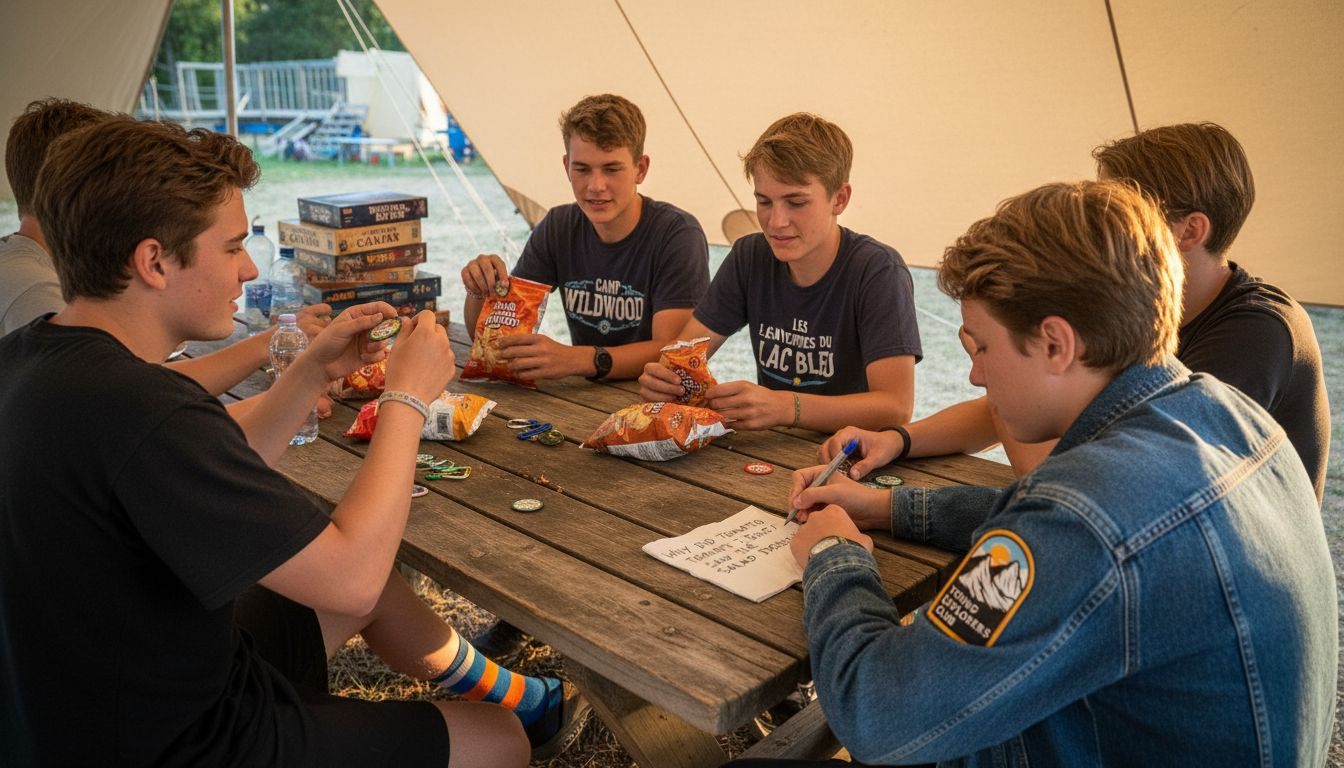
The Five Cs Model of positive youth development—competence, confidence, connection, character, and caring—serves as the backbone of most international camp programs. Your child develops competence through mastering new outdoor skills. Confidence grows from overcoming challenges alongside supportive peers. Connection happens naturally when living in close quarters with people from different backgrounds.
Character and compassion develop through daily choices. When your German roommate shares her snacks during a difficult hike, or a Brazilian teammate celebrates your small victory enthusiastically, empathy becomes something your child feels and practices, not just learns about.
Camps create social dynamics that schools rarely match. The shared challenges—sleeping in unfamiliar beds, navigating language barriers, depending on teammates during adventure activities—accelerate relationship building. This isn’t forced friendship; it’s genuine connection born from vulnerability and mutual support.
Key values embedded in camp culture include:
- Independence and responsibility through managing personal needs and contributing to group welfare
- Perseverance when facing challenging physical and social situations
- Appreciation for diversity developed through constant, genuine interaction with different perspectives
- Cooperation and resilience practiced daily in structured team activities and informal peer time
- Leisure skills and willingness to try new experiences without judgment from others
Camps teach young people that differences strengthen groups rather than divide them—a lesson no classroom can fully replicate.
Social dynamics shift naturally at camp. Hierarchies based on wealth or appearance matter less when everyone’s wearing the same hiking boots. Instead, respect grows for courage, kindness, humor, and reliability. Your shy child might emerge as the person who notices when someone’s struggling emotionally. Your confident child might learn patience while teaching a peer a new language.
Peer-to-peer interaction remains central. While trained staff provide guidance and safety, friendships deepen through unstructured time—meals together, evening conversations, shared jokes about camp quirks. This balance between structured activity and organic social time matters tremendously.
Pro tip: Watch for moments during family dinners when your child mentions specific peers by name or recalls inside jokes—these signals show genuine friendships forming, not just pleasant acquaintances.
Personal Growth and Language Immersion Benefits
International camps deliver a double benefit that transforms young people: genuine personal development combined with accelerated language skills. These outcomes happen simultaneously, each strengthening the other.
Language acquisition accelerates dramatically in immersive environments. Your child doesn’t study French in a classroom; they use it during breakfast conversations, team challenges, and evening activities. When survival depends on communicating with a peer who only speaks Spanish, motivation to learn skyrockets. Real communication beats textbook drills every time.
Bilingual immersion programs improve academic outcomes while building language proficiency and cross-cultural competencies. Your child returns home not just with new vocabulary, but with genuine confidence using another language spontaneously. They’ve practiced in real situations with actual consequences, not hypothetical exercises.
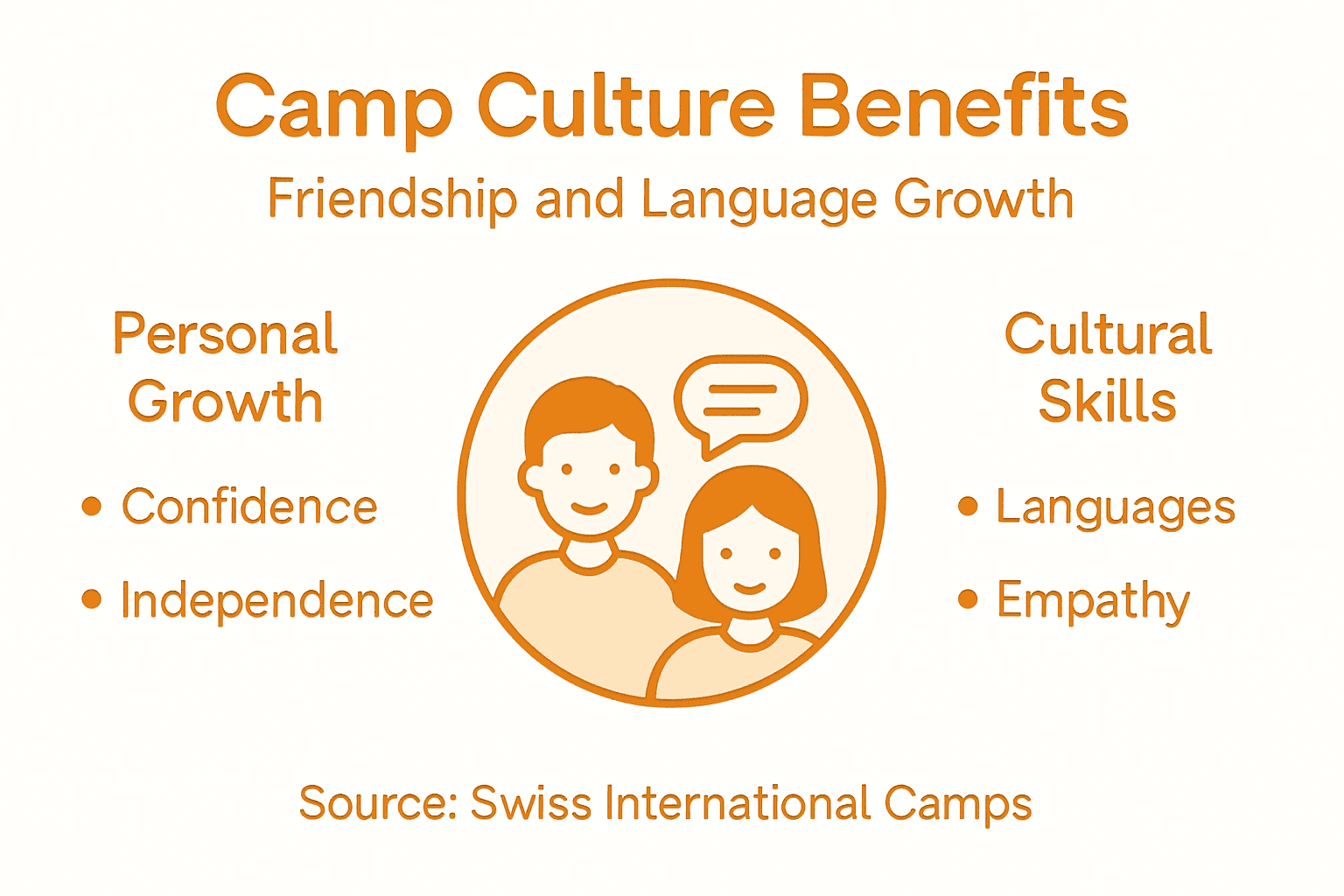
Cognitive flexibility develops through navigating multilingual environments. Switching between languages trains the brain differently than single-language learning. This mental agility extends beyond languages—your teenager develops better problem-solving skills and creative thinking across all areas.
Personal growth manifests in measurable ways:
- Self-confidence grows from succeeding in unfamiliar situations and earning respect from international peers
- Independence and resilience develop through managing challenges far from home
- Empathy and cultural sensitivity emerge from genuine friendships with people from different backgrounds
- Communication skills improve dramatically through constant practice with diverse speakers
- Adaptability strengthens when navigating different customs, foods, and social norms daily
The magic happens when language learning becomes a tool for deepening friendships rather than a classroom subject.
Campers often report that returning home creates unexpected growth moments. Your child realizes how much they’ve changed. They notice thinking differently about global issues. They maintain friendships with peers across continents, naturally practicing languages they learned.
The combination matters tremendously. Learning language alone doesn’t guarantee personal growth. But learning language while genuinely bonding with native speakers, facing outdoor challenges together, and managing independence creates lasting transformation. Young people don’t just learn a language—they become bilingual citizens of a wider world.
Many Swiss parents report that their children’s academic performance in language classes improves significantly after international camp experiences, despite the camps being adventure-focused rather than academically structured.
Pro tip: Encourage your child to maintain contact with international camp friends through video calls and messaging apps—continued language practice with genuine friends sustains skills much longer than formal classes.
Consider these direct benefits of international camp participation:
| Personal Growth Area | Real-World Expression | Lasting Impact |
|---|---|---|
| Self-Confidence | Leading team challenges | Increased risk-taking in school |
| Empathy | Supporting distressed peers | Deeper global friendships |
| Adaptability | Navigating unfamiliar routines | Comfort with new environments |
Navigating Safety, Supervision, and Inclusivity
Sending your child to an international camp means trusting the organization with their physical and emotional well-being. Reputable camps maintain rigorous safety protocols alongside genuine inclusivity practices that welcome every participant.
Safety infrastructure starts before camp begins. Quality programs conduct thorough staff preparation, implement comprehensive risk management protocols, and establish clear communication channels with parents. Your child receives medical screening, emergency contact information gets verified, and detailed activity plans address potential hazards.
On-site supervision combines structured leadership with attentive monitoring. Staff members aren’t distant authority figures—they’re actively present during activities, meals, and downtime. They know each camper’s needs, comfort levels, and any special considerations. This balance between guidance and appropriate independence teaches responsibility while maintaining safety.
Inclusivity means more than welcoming diverse campers. It requires intentional design ensuring equitable access and fair accommodation for all participants. Camps remove barriers to full participation by considering different abilities, backgrounds, and learning styles.
Inclusive practices include:
- Accessible facilities accommodating mobility challenges, dietary restrictions, and medical needs
- Cultural awareness training for staff to support diverse communication styles and backgrounds
- Peer support systems preventing isolation and fostering belonging among all campers
- Flexible activity options allowing participants to engage meaningfully regardless of physical ability
- Fair grievance procedures ensuring every voice matters and concerns get addressed promptly
Safety and inclusivity aren’t separate concerns—they’re interconnected. True safety includes emotional safety where every camper feels valued and respected.
Language barriers don’t equal safety risks at quality international camps. Staff use clear communication, visual demonstrations, and peer translators strategically. Your child with limited French still understands water safety protocols through repeated practice and careful explanation.
Before enrolling, ask specific questions. Request information about staff qualifications, emergency procedures, medical care access, and how the camp accommodates specific needs. Quality organizations answer thoroughly—that transparency itself signals trustworthiness.
Many Swiss camps leverage the country’s strong youth safety traditions alongside international best practices. Your child benefits from both Swiss organizational rigor and the welcoming global perspective international programs foster.
Pro tip: Request references from other Swiss families whose children attended the same camp—honest parent feedback reveals real details about safety culture and inclusivity that promotional materials sometimes miss.
Unlock Your Child’s Potential Through International Camp Culture
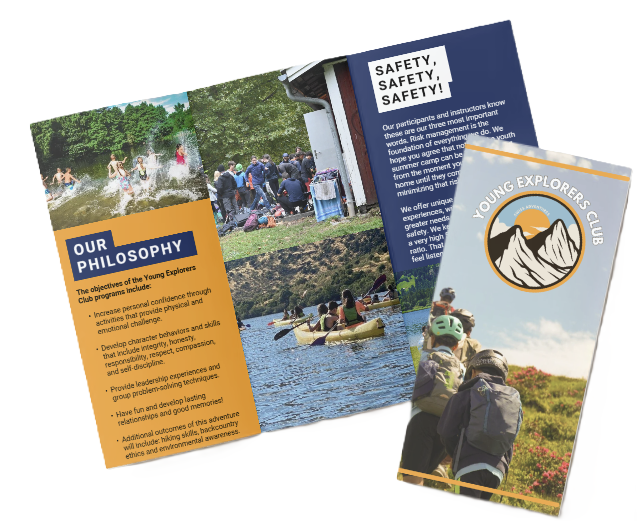
The challenge of fostering genuine global friendships and cultural empathy in young people is something many parents care deeply about. This article highlights how international camp culture builds personal growth, language immersion, and lasting social bonds by putting youth in meaningful, cross-cultural situations. If you want your child to experience these powerful transformations firsthand, the Young Explorers Club offers specialized summer camps in Switzerland designed to cultivate self-confidence, resilience, and teamwork within a bilingual and adventurous environment.
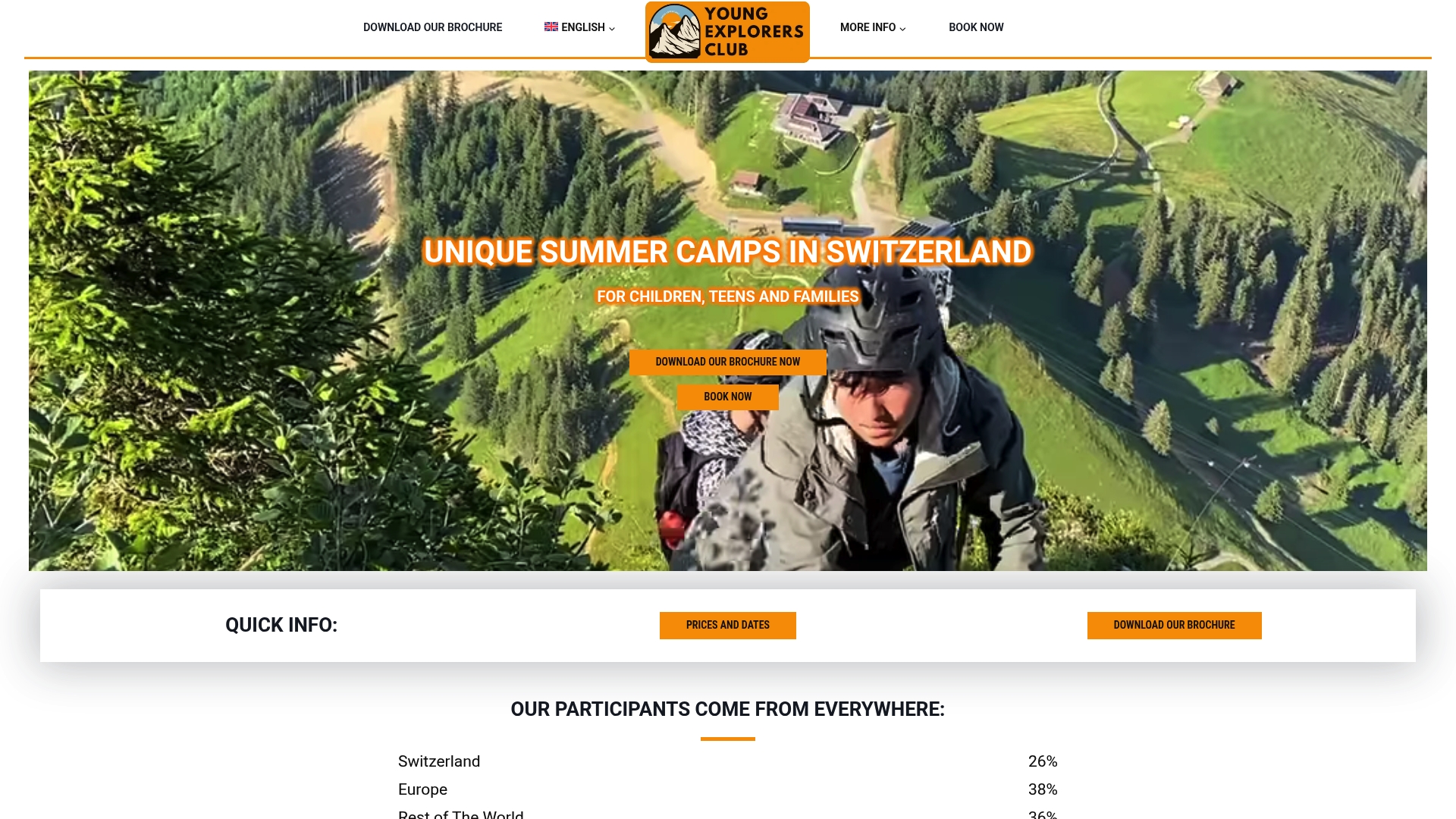
Give your child the chance to learn language through real friendship, embrace diversity, and develop independence through outdoor challenges. Explore our range of residential and language-intensive summer camps that create immersive cultural experiences. Act now to secure a spot and watch your child thrive as they join a global community of young explorers committed to growth and connection.
Frequently Asked Questions
What is international camp culture?
International camp culture refers to the unique blend of values, traditions, languages, and perspectives that emerge when young people from different countries come together in an outdoor learning environment. It emphasizes cross-cultural connections and genuine relationships.
How do international camps promote language learning?
International camps create immersive environments where campers use new languages in real-life situations, such as during meals, team challenges, and activities. This practical use of language accelerates language acquisition and builds confidence in communication.
What types of international camps are available for youth?
There are several types of international camps, including residential camps, language-intensive camps, and multisport/adventure camps. Each type offers different focuses and experiences, making it essential to choose one that aligns with your child’s interests and learning goals.
What are the benefits of attending an international camp?
Attending an international camp helps children develop personal growth in areas like self-confidence, empathy, and adaptability. They also gain valuable skills through cross-cultural interactions, making meaningful friendships that enhance their understanding of the world.
Recommended
- Ein Tag Im Leben Eines Young Explorers Club Camper | Young Explorers Club Switzerland
- How Multicultural Camps Shape Global Citizens | Young Explorers Club Switzerland
- Why Summer Camps In Switzerland Are The Ultimate Adventure Experience | Young Explorers Club Switzerland
- Um Dia Na Vida De Um Campista Do Young Explorers Club | Young Explorers Club Switzerland