
Why Summer Camps In Switzerland Are The Ultimate Adventure Experience
Discover Swiss Alps summer camps: adventure camp Switzerland with glacier walks, via ferrata, multilingual staff and strict safety.
Overview
I rely on Switzerland‘s compact alpine terrain for exceptional camp access. About 60% of the country sits in the Alps. More than 1,500 lakes and over 65,000 km of marked trails lie within reach. Camps run glacier walks, via ferrata, cable-car day trips and a broad range of mountain and water activities. Those activities support progressive skill development. Multilingual staff, strict safety and certification standards, predictable rail links and short transfers keep logistics reliable. I’ve come to trust Swiss summer camps to pair high-adventure programming with smooth operations and strong parental confidence.
Key Takeaways
- Unrivaled terrain access: glaciers, via ferrata, cable cars, mountain huts, lakes and 65,000+ km of marked trails for varied excursions.
- Efficient logistics: dense rail network and short transfers (commonly 10–90 minutes) for predictable daily operations.
- High safety and staffing standards: IFMGA/UIAGM guides on technical routes; staff-to-camper ratios about 1:6–1:10; core certifications in first aid, wilderness, lifeguard and ropes.
- Diverse programs with measurable outcomes: residential and day formats, language immersion, sports and expedition options for ages ~4–17; observed increases in confidence, independence and > 60 minutes of daily moderate-to-vigorous activity.
- Premium pricing and sustainability focus: all-inclusive residential rates ~CHF 800–3,500 per week; many camps follow Leave No Trace, source locally and track waste reduction; always confirm inclusions, evacuation and insurance terms.
Unrivaled terrain access
Swiss camps benefit from immediate proximity to glaciers, via ferrata routes, cable cars and mountain huts, plus abundant lakes and more than 65,000 km of marked trails. That geography enables varied half-day and full-day excursions tailored to skill level and progression.
Efficient logistics
The country’s dense rail network and typically short ground transfers (commonly 10–90 minutes) make scheduling reliable and keep daily transitions predictable for both staff and families.
High safety and staffing standards
On technical routes you often find IFMGA/UIAGM guides. Typical staff-to-camper ratios are around 1:6–1:10. Core staff certifications commonly include first aid, wilderness training, lifeguard qualifications and ropes or climbing instruction credentials.
Diverse programs with measurable outcomes
Camps run both residential and day formats, offer language immersion, sports and expedition options for roughly ages 4–17. Reported outcomes include increased confidence, greater independence and over 60 minutes per day of moderate-to-vigorous physical activity.
Premium pricing and sustainability focus
Expect all-inclusive residential rates in the ballpark of CHF 800–3,500 per week. Many camps follow Leave No Trace principles, prioritize local sourcing and track waste reduction. Always confirm what’s included and review evacuation and insurance terms before booking.
YOUTUBE VIDEO
Switzerland at a Glance — Why the Setting Matters
Key Switzerland facts — quick summary
Here are the headline figures that explain why the setting matters for outdoor programs and summer camps.
- Area: 41,285 km²
- Population: ~8.7 million
- Official languages: 4 (German, French, Italian, Romansh) — a clear advantage for multilingual Switzerland programming
- Alpine footprint: ~60% of the country lies within the Alpine region
- Highest peak: Dufourspitze — 4,634 m
- Lakes: over 1,500 — ideal for water-based activities and lake science sessions
- Hiking trail network: over 65,000 km of marked trails — core infrastructure for hiking trails Switzerland access
- UNESCO: more than 10 UNESCO World Heritage Sites in Switzerland
Map, hiking access, multilingual advantages and a quick country comparison
Visual suggestion for a compact map: show the Switzerland outline in two colors — shade the Alpine footprint (~60%) and leave lowlands in the other color. Caption that reads: “Alpine region (~60%) vs. lowlands (✓ lake districts, plateau, urban centers).”
I plan camps with the hiking trails Switzerland figure in mind: over 65,000 km of marked trails means most camps have easy access to day-hikes. In practice, campsite-to-trailhead transfers typically range from 10 to 45 minutes. That lets me run safe, supervised half-day hikes from the site itself, plus full-day ventures without long bus rides. I use this network to schedule progressive outings that build navigation and fitness while keeping logistics simple.
Multilingual Switzerland is a practical asset for programming. I staff camps with German, French and Italian speakers plus English; that mix supports language-immersion camps where kids learn German/French/Italian while climbing, canoeing or cooking outdoors. The multilingual setup also improves emergency communication and local coordination, and it lets me shift instructional language mid-activity to match group needs.
| Country | Area (km²) | Approx. % in Alpine region |
|---|---|---|
| Switzerland | 41,285 km² | ~60% |
| Austria | 83,879 km² | ~62% (approx.) |
| France | 551,695 km² | ~15% (approx. — French Alps in southeast) |
I often direct families to examples of well-run summer programs when I discuss these Switzerland facts. If you want to see specific options that exploit the Swiss Alps terrain and multilingual strengths, check a curated list of summer camps that I recommend for practical, adventure-led learning by following this link to summer camps.
Why Swiss Camps Deliver Unmatched Adventure: Activities, Settings, and Program Structures
I design programs that pair true alpine access with strict safety and clear skill progression. They combine glacier access, cable-car logistics, and a compact activity menu that you rarely find outside Switzerland. I recommend checking a curated list of top options if you want a quick comparison of offerings like these: adventure camp Switzerland.
Signature activities, alpine support, and sample programs
Below I list the primary activities most Swiss camps run and a practical program template you can use when planning or marketing a stay.
- Signature activities (core offerings)
- Hiking
- Via ferrata
- Rock climbing
- High ropes
- Zipline
- Mountain biking
- Paragliding (tandem for teens)
- Kayaking / canoeing
- Stand-up paddleboarding
- Glacier walks (with guide)
- Alpine infrastructure & technical support
- Mountain huts, cable cars, well-marked via ferrata routes, groomed MTB trails, and lake facilities are standard at or near camp sites.
- Technical access on glaciers and high routes requires IFMGA/UIAGM mountain guides or equivalent Swiss-certified guides, and camps follow those regulations.
- Transfer times are compact: many camps sit 30–90 minutes from trailheads or lakes; some are just 10–45 minutes away by drive, which keeps daily logistics efficient.
- Types of camps, typical demographics and logistics
- Camp types: residential overnight, day camps, language immersion (English/French/German/Italian), sports-focused (mountain biking, triathlon), STEM/outdoor education, leadership/adventure expeditions, and family camps.
- Ages and durations: primary target is 7–17, with day-based programs for 4–6. Most stays run 1–4 weeks; intensive expeditions can be 2–6 weeks.
- Group sizes: cabin or small-group sizes commonly 10–40 participants; whole-camp capacity ranges 50–300.
- Sample 2-week Teen Adventure schedule
- Days 1–4: arrival, acclimatization, progressive hikes, gear and safety workshops.
- Days 5–9: technical skills — climbing, via ferrata, mountain-biking skills; water day (kayak/SUP).
- Days 10–12: multi-day trek or expedition with overnight hut stay; navigation and leadership challenges.
- Day 13: return to base, reflection, presentations.
- Day 14: departure and celebration.
- Safety and age-appropriateness (short notes)
- Hiking: beginner-friendly 1–2 hour walks for ages 7+; longer alpine hikes phased in for teens with acclimatization.
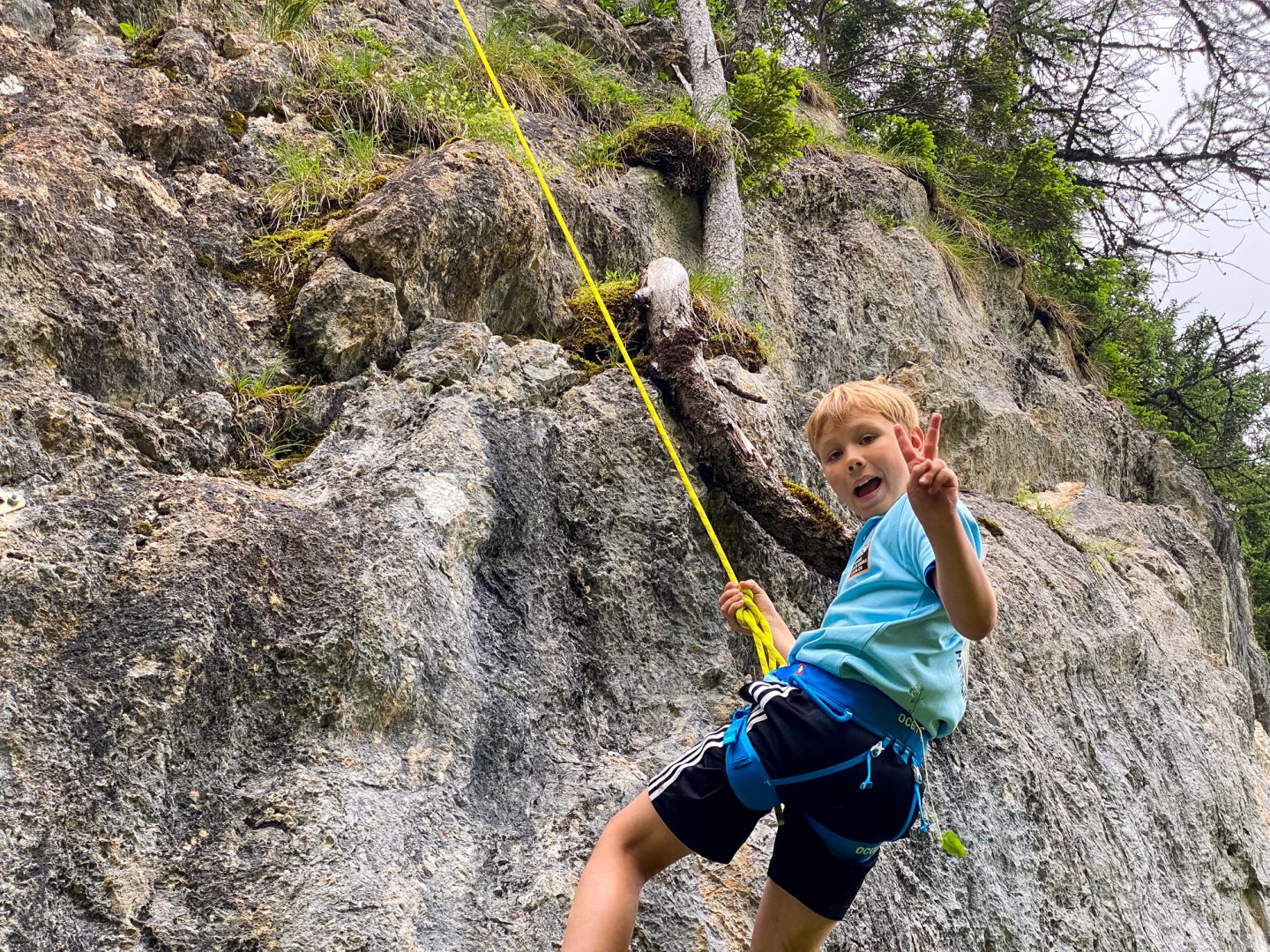
- Via ferrata: helmet, harness, via-ferrata lanyards mandatory; best for ages 10+ under direct supervision.
- Rock climbing: indoor/outdoor belay practice with certified instructors; ages 8+.
- High ropes / zipline: helmet and harness required; staff hold PHE or equivalent ropes-course certification; ages 8+ depending on course.
- Mountain biking: helmets, gloves, correct bike fit; trails selected by age/skill; ages 8+ for beginner routes.
- Paragliding (tandem): usually 12+ with parental consent; flights run by licensed local operators.
- Kayaking/canoeing: life jackets required; staff hold lifeguard or water-safety qualifications; ages 7+ for calm conditions.
- Glacier walks: mandatory IFMGA/UIAGM or Swiss mountain guide, crampons, rope teams; recommended 12+.
- Typical daily timelines (two examples)
- Ages 10–14
- 07:30 wake, 08:00 breakfast, 09:00 skills session, 12:00 lunch, 13:00 afternoon excursion (2–3 hrs), 16:30 free time or workshop, 18:30 dinner, 20:00 reflection, 21:30 lights out.
- Teens 15–17
- 07:00 quick conditioning, 07:30 breakfast, 08:30 technical morning, 12:30 lunch, 13:30 afternoon expedition segment, 17:30 skills debrief, 19:00 dinner, 20:30 presentations, 22:00 curfew.
- Ages 10–14
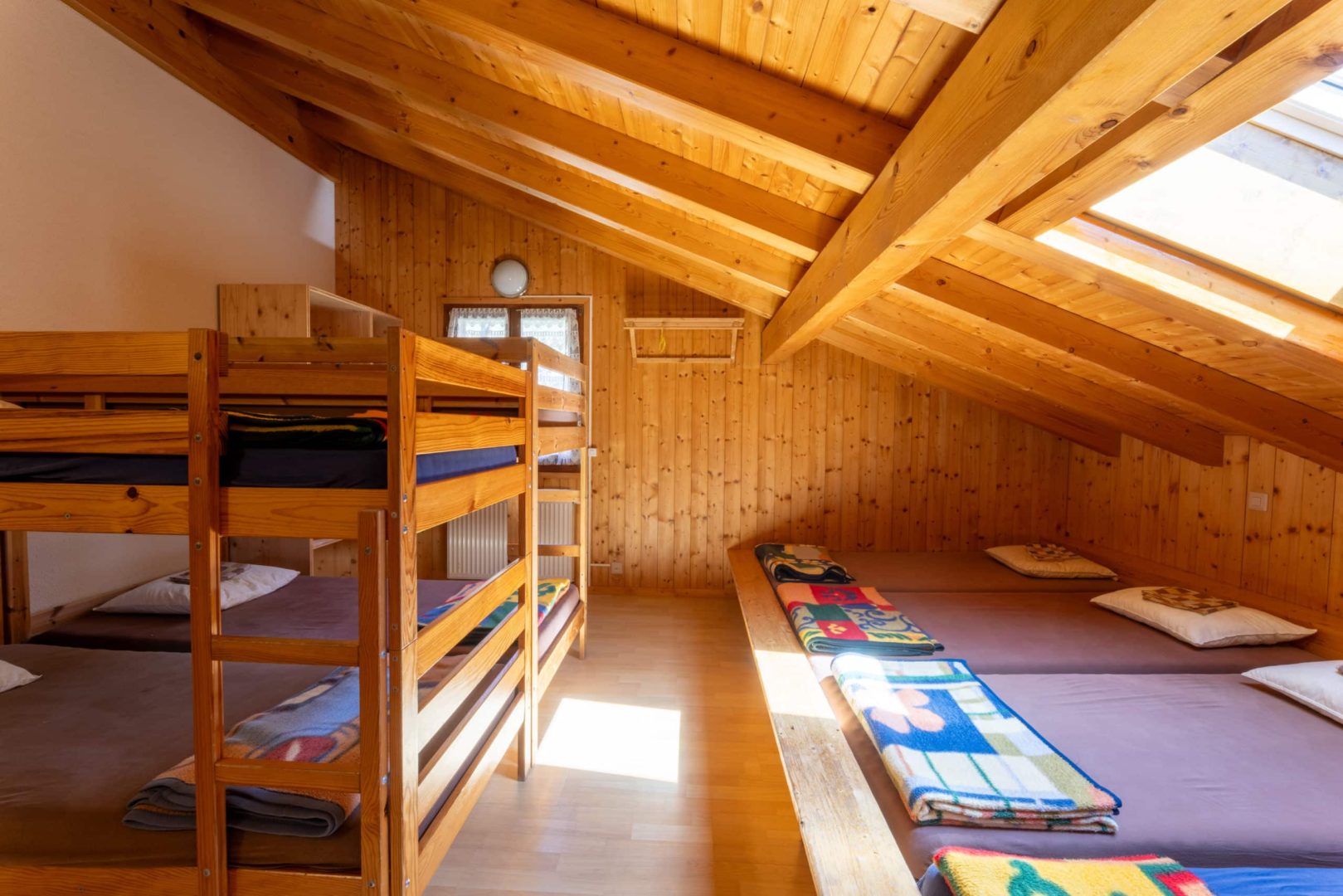
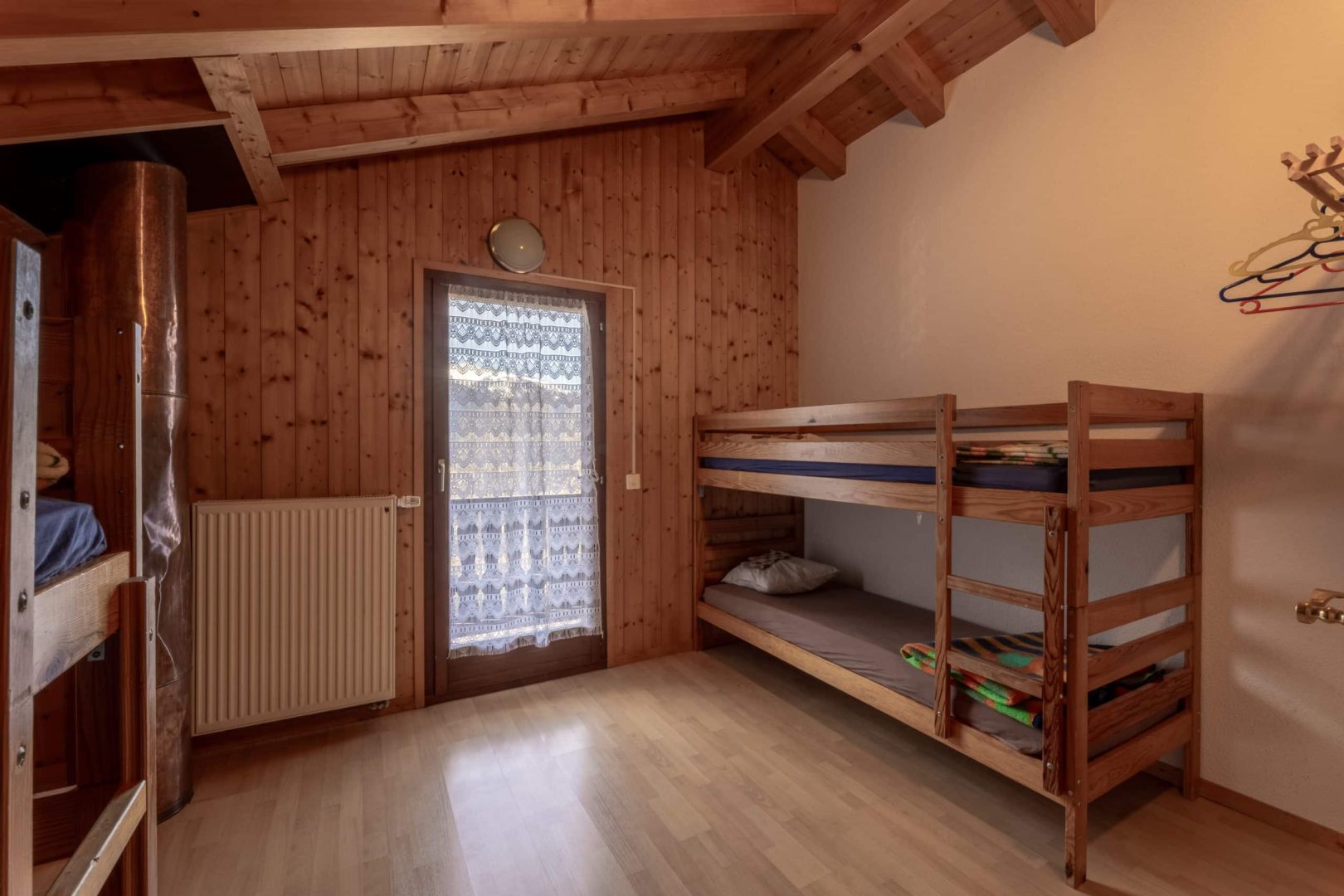
I prioritize clear visuals for marketing: show diverse groups wearing helmets, harnesses, and life jackets; include cabins and mountain huts; and capture weather variety from sun to light rain. Keep captions focused on safety, supervision, and the mix of alpine activities that make a residential camp Switzerland experience stand out.
Safety, Staff Qualifications & Accreditation — Why Parents Trust Switzerland
Switzerland‘s infrastructure and public services make adventure camps safer by design. I rely on the country’s dense rail network (>3,000 km) for predictable transfers (SBB). Zurich (ZRH), Geneva (GVA) and Basel (BSL) are the primary arrival points most camps coordinate with. That predictability cuts travel stress for families and operators.
I evaluate country-level risk by two factors: public safety and healthcare. Switzerland regularly ranks among the world’s safest nations, which shows in low-crime environments and reliable local authority response. The healthcare system is highly rated and provides easy access to emergency care and international clinics across popular camp regions. That combination reduces both day-to-day risks and the tail risks of serious incidents.
Staffing and certifications determine on-site safety. For adventure programs I expect staff-to-camper ratios to be in the 1:6–1:10 range, adjusted by activity intensity. I always look for these core credentials listed clearly on camp materials:
- First Aid & CPR (basic)
- Wilderness First Aid or Wilderness First Responder
- Lifeguard certification for water programs
- IFMGA/UIAGM mountain guide for technical glacier or high-mountain routes
- Ropes-course accreditation (PHE or equivalent)
- Background checks and child safeguarding training
Many camps follow cantonal regulations and invite external audits. I expect written emergency plans, on-call medical arrangements, and local hospital contacts on every program page. Camps that post these items demonstrate stronger accreditation and accountability.
Top 10 questions I tell parents to ask
- Can you provide a full list of staff qualifications and certifications, including guides?
- What are your staff-to-camper ratios by activity?
- What’s your background check policy for staff?
- Do you have on-site medical staff or medical-on-call arrangements?
- Can you show your emergency and evacuation plan, including helicopter or evacuation insurance for high-altitude programs?
- What’s your incident reporting and parent communication protocol?
- How do you handle equipment standards and maintenance schedules?
- What insurance coverage do you provide or require (medical, accident, evacuation)?
- Are you registered with the local cantonal authorities or accredited by an external body?
- What are your COVID/illness policies and procedures for medication handling and camp medical forms?
Arrival and transfers follow a simple, repeatable flow I recommend parents confirm with operators:
- Fly into ZRH/GVA/BSL
- Customs & baggage
- Transfer by public rail or private shuttle (many camps provide transfer windows)
- Camp check-in & medical screening
Typical transfer times are short in Swiss terms: Zurich to Interlaken ~2 hours by train, Geneva to Gruyères/Vaud lake areas ~1–2 hours, Basel to eastern regions 1–3 hours — always verify current schedules.
Emergency access is strong in most popular camp regions. Ambulance and hospital response times are reasonable by road and rail. I tell parents to confirm exact distances for remote or high-altitude programs and review camp evacuation insurance and procedures.
I prioritize listings that clearly show staff-to-camper ratios, list certifications like wilderness first aid and IFMGA mountain guide, and publish written emergency plans and local hospital contacts. If you want vetted program options and practical comparisons, start with this list of summer camps in Switzerland.
Costs, Inclusions, Sustainability & Practical Logistics
Typical all-inclusive residential adventure camps in Switzerland run roughly CHF 800–CHF 3,500 per week. Prices rise with activity intensity, accommodation standard, guide qualifications and camp reputation. I recommend verifying the week rate and what’s explicitly included before booking.
Most camps include accommodation, three meals per day, instruction and standard activity equipment such as helmets, harnesses and basic water gear. Local excursions and basic medical/accident insurance are often part of the package, but you should confirm coverage and evacuation terms for higher-altitude programs. As an example: a two-week residential program might list CHF 3,200 for full board and instruction; airfare is normally extra and is called out as such by camps.
Price composition is useful to unpack verbally rather than as a graphic. Expect tuition and instructor costs to vary with guide-to-student ratios and certifications. Travel to Switzerland (airfare) usually sits outside camp fees unless a transfer service is offered. Gear costs split into items provided by the camp and specialty kit that you’ll rent or bring. Insurance and emergency evacuation can be included, but you must check especially for alpine expeditions. Finally, allow a small budget for incidentals like souvenirs and optional activities.
Many camps offer financial help and booking incentives. I advise asking about partial scholarships, sibling discounts and early-bird rates; request application deadlines and clear eligibility criteria. Remember that camp fees in Switzerland tend to be higher than in many countries because of local living costs, specialist guides (including IFMGA-qualified instructors) and complex alpine logistics.
Switzerland’s environmental standards mean many operators build sustainability into their programs. Camps increasingly teach Leave No Trace principles, run recycling and composting compatible with local municipal systems, source local food and cut single-use plastics. I’d like camps to publish a short eco-checklist showing local sourcing percentage, on-site composting, renewable energy use, active eco-education modules and measurable waste reduction targets. A credible example statement a camp might use is: “Reduced single-use plastics by 70% in 2023 through reusable tableware and refill stations”—but ask camps for actual figures.
Travel and visa logistics follow a predictable flow: international flight to Zurich (ZRH), Geneva (GVA) or Basel (BSL) → airport transfer by private shuttle or SBB rail → camp check-in. Many programs offer scheduled transfer windows and supervised meeting points. Switzerland is in the Schengen area, so non-EU/EEA participants may need a Schengen short-stay visa; processing often takes about 15 calendar days, but I tell families to allow extra time and to check embassy guidance. For packing tips and fuller arrival guidance, I point families to a dependable summer camp guide.
Arrival checklist and packing
Follow this 3-step checklist about 6–8 weeks before arrival:
- Confirm passport validity and obtain a Schengen visa if required.
- Finalize flights and transfer details with the camp; book into the published transfer window.
- Submit medical forms, medication instructions and emergency contact details.
Pack with purpose. Mandatory items I always insist on:
- Passport/visa
- Signed medical forms
- Daily medications
- Sturdy hiking boots
- Waterproof shell
- Layered clothing
- Daypack
- Sun protection
- Closed-toe shoes
- Sleeping bag (if required)
Recommended extras to make the stay smoother:
- Personal helmet/harness if you prefer your own (check policy)
- Quick-dry clothing
- Refillable water bottle
- Small first-aid kit
- Insect repellent
- Headlamp

Outcomes, Testimonials & Measurable Impact
I track outcomes that parents and funders care about: increased self-confidence, stronger outdoor skills, higher daily physical activity, and better teamwork. I measure daily activity against a clear benchmark — camps typically deliver 60+ minutes of moderate-to-vigorous physical activity per day as part of programming — and I use short, repeatable instruments so results are trustworthy and comparable season to season.
I use a mix of evaluation methods that give both quick feedback and durable insight. I run pre-/post-program surveys for campers, a 3-month parent follow-up survey, direct skill assessments during sessions, and daily activity logs (wearable or self-reported). I publish key outcomes on a compact Outcome Dashboard so families can see impact at a glance. The dashboard should show:
- % of campers reporting increased confidence
- % reporting greater independence
- Average daily active minutes
- Expedition completion rate
- Parent satisfaction %
“In our 2023 post-camp survey, 87% of campers reported increased confidence.”
“In our 2023 survey, 92% of parents said their child returned more confident.”
Key metrics, reporting items and example schedules
Below are the concrete metrics I report and sample day schedules I publish for ages 10–14 and 15–17. I include these on promotional pages such as the camp day schedule to set clear expectations.
- Suggested metrics to report: % of campers reporting increased confidence; average daily active minutes; number of technical skills learned (for example, knots, belay); expedition completion rates; parent satisfaction %.
- Evaluation tools: short pre/post surveys with Likert scales, a 3‑month parent follow-up, on-site skill checks, daily activity logs, and leader checklists for expedition roles.
- Outcome Dashboard elements: % increased confidence; % report greater independence; average daily active minutes; expedition completion rate; parent satisfaction %.
-
Sample day schedule — Ages 10–14:
- 07:30 Breakfast
- 09:00 Skill workshop (1.5 hrs)
- 12:00 Lunch
- 13:30 Afternoon hike or lake activity (2–3 hrs)
- 16:30 Free/social time
- 18:30 Dinner
- 20:00 Reflection
-
Sample day schedule — Teens 15–17:
- 07:00 Fitness & prep
- 08:00 Breakfast
- 09:00 Technical morning (climb/via ferrata)
- 12:30 Lunch
- 13:30 Expedition segment / leadership tasks
- 18:00 Debrief
- 19:00 Dinner
- 20:30 Group reflection & presentations
- Mini case study (first-time camper arc): “Sara arrived apprehensive and quiet. By Day 5 she completed her first via ferrata, and by Day 12 she was leading a small navigation team during the expedition. Our post-camp survey found she gained self-confidence and leadership skills.”
I recommend publishing short, clear pre/post questions such as “On a scale of 1–5, how much did your confidence improve?” and “Which new technical skills did you learn?” Keep surveys under five minutes. I also suggest a one-page dashboard that updates each season and links to the full survey methodology so families can trust the numbers.
Comparison, Marketing & Practical Tools to Choose and Book a Camp
I break down what makes summer camps Switzerland distinct and how to sell and book them effectively. Terrain access, certification and program focus set Swiss offerings apart from typical US/UK camps.
Swiss terrain and program differentiation grab attention fast. Camps regularly include glacier access, extensive via ferrata networks and cable-car enabled day-expeditions. Staff often speak multiple languages and many programs double as a language immersion camp Switzerland. That combination supports true alpine skills plus cultural learning. Compare that to most US and UK sites, which lean toward lakes, forests and general adventure skills.
Certification and safety are big selling points. You’ll find IFMGA/UIAGM guides and Swiss-certified instructors on many alpine programs. That expertise drives higher operational costs, which explains why per-camper pricing tends to be higher. Note the scale difference: the United States has roughly 12,000 overnight camps (American Camp Association), so there’s more volume but less specialized alpine access.
I use these side-by-side attributes when advising parents and crafting landing pages:
- Terrain access: glaciers, via ferrata, alpine huts vs. more lakes/forests.
- Certification: IFMGA guides common vs. fewer IFMGA guides.
- Cost: premium pricing vs. lower averages.
- Program focus: alpine-specific with language immersion vs. broad generalist programs.
- Language options: DE/FR/IT/EN readily available vs. less common.
I recommend repeating exact keywords across pages to boost relevance for search. Use phrases such as summer camps Switzerland, adventure camp Switzerland and Swiss Alps summer camp in titles, H1s and meta tags. Pair them with long-tail queries like “1-week adventure camp Switzerland for teens” and “mountain biking summer camp Switzerland” in blog posts and FAQ content. Try headlines from the brief: “Why Summer Camps in Switzerland Are the Ultimate Adventure Experience” and “Language & Adventure Camps in Switzerland for Teens” to drive clicks.
Conversion tools, CTAs and parent resources
Use focused CTAs and downloadable assets to convert visitors:
- Clear CTAs: “View 2025 camp dates”, “Download packing checklist”, “Book a consultation call (30 minutes)”.
- Lead magnets: camp comparison PDF, scholarship/discount guide, email drip with sample itineraries.
- Capture fields: child age, preferred dates, camp type, phone, email to trigger tailored emails and a camp comparison chart.
- Promotions: limited-time discounts like “Save 10% if you book before February 1” with explicit dates and savings.
- Parent downloads: 10 must-ask questions, 10 must-pack items, region map and trail-length infographic (65,000 km of hiking trails), staff certification badges, 60–90s testimonial videos with captions and transcripts.
I link program pages directly from content to improve conversions; consider embedding a direct link to summer camps Switzerland for immediate exploration. Use consistent messaging like via ferrata camp Switzerland and language immersion camp Switzerland to keep SEO and ad campaigns aligned.
Sources:


