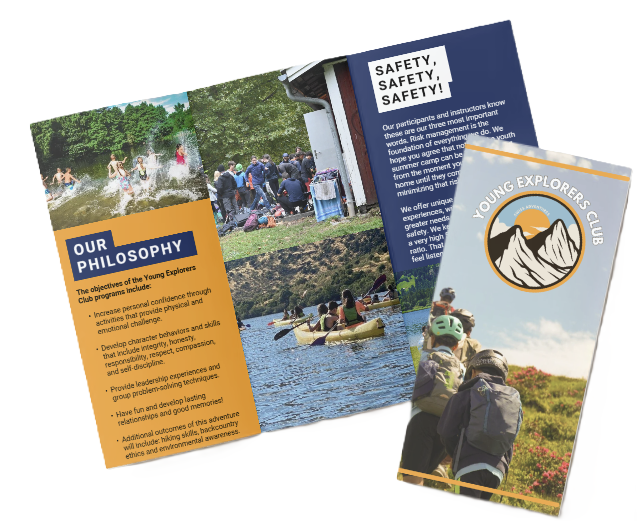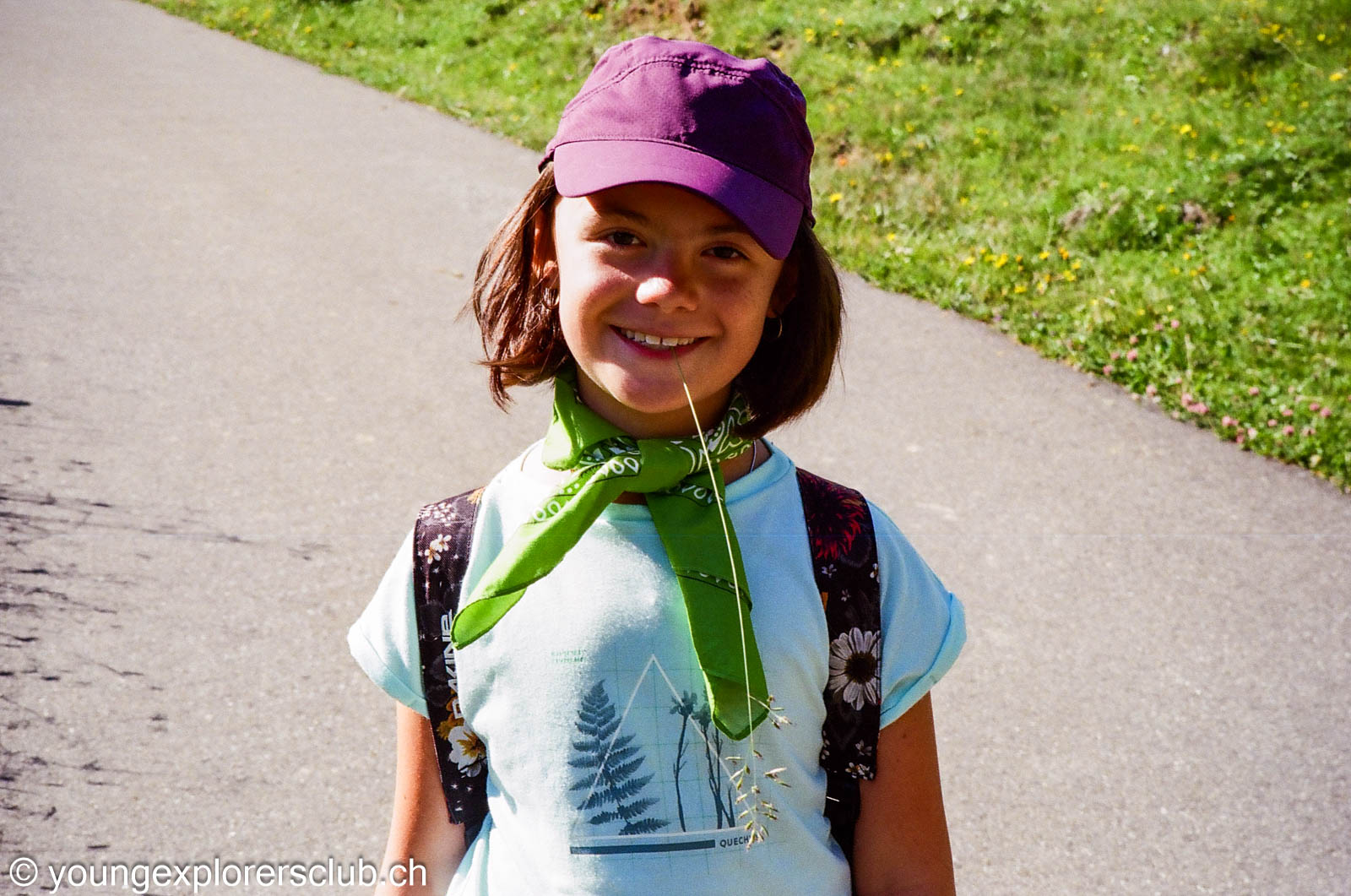
International Summer Camps In Switzerland: Global Community
Switzerland international summer camps: safe, multilingual alpine programs with language immersion, STEM and outdoor sports. Check accreditations
Switzerland: Camps Overview
Summary
We see Switzerland’s Alpine terrain, four official languages and top-tier transport links. Low crime and a strong education system draw diverse international groups. They create a reliable, high-safety base for multilingual outdoor and cultural programs. Camps range from small boutique offerings to large campus operations. They offer language immersion, STEM, arts and alpine sports. Programs demand measurable learning outcomes and formal accreditations. We’re seeing typical weekly costs at about CHF 200–600 for day camps and CHF 1,000–5,000 for residential stays. We’d recommend planning for extras like excursions, equipment and insurance.
Key Takeaways
- Strong safety and logistics: low crime, reliable rail and air links, and strong emergency and medical services keep transfers and alpine activities predictable.
- Multilingual, multicultural cohorts: German, French, Italian and Romansh sit alongside widespread English. This mix helps participants practice languages incidentally and speed intercultural skill growth.
- Program diversity with measurable outcomes: language immersion, STEM, arts, leadership and alpine sports include clear assessments. Providers use CEFR-aligned tests, skill rubrics, portfolios and certificates.
- Costs and drivers: day camps typically cost CHF 200–600/week; residential CHF 1,000–5,000/week (premium higher). Staff ratios, accommodation, specialist tuition, excursions and equipment drive the major costs.
- Verify safety and quality: request cantonal approvals, staff background checks and first-aid certificates, written emergency plans, insurance details, accommodation arrangements and documented assessment methods before booking.
Overview: Why Switzerland Is a Top Choice for International Summer Camps
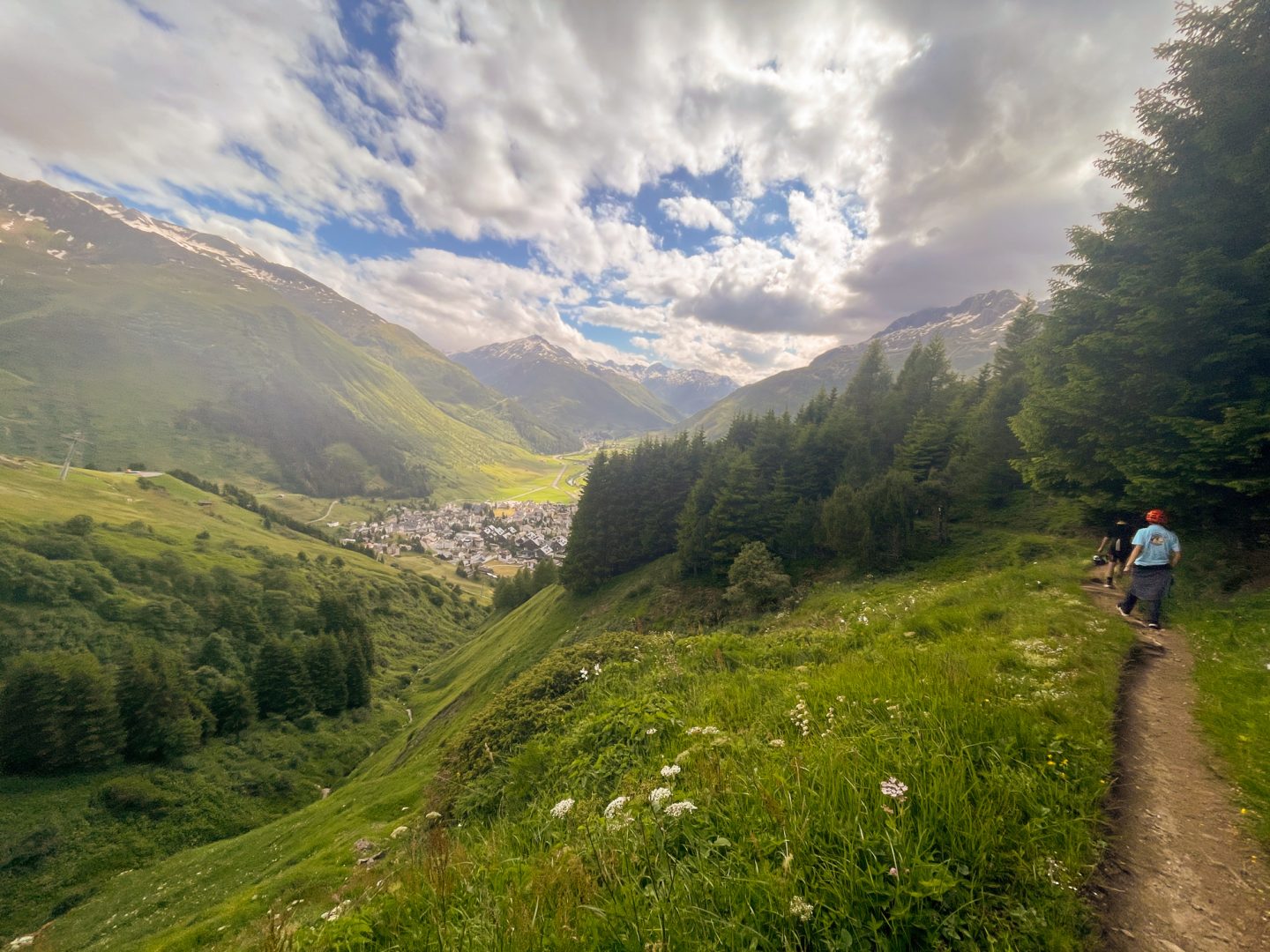
We, at the Young Explorers Club, pick Switzerland for its unique mix of geography, infrastructure and education credentials. The country has four official languages, covers roughly 41,285 km², counts about 8.8 million residents (2024 estimate) and the Alps make up around 60% of the territory. Those facts shape program design and daily logistics more than most families expect.
Switzerland’s reputation matters. It’s seen as very safe and politically stable, which lowers parental concerns and insurance complexity. The transport network is world-class: dense rail links, efficient regional airports and well-maintained roads make transfers and day trips predictable. The country also functions as an international education hub, so camps can tap multilingual staff and curricula that meet global expectations.
We emphasize practical benefits for families and organisers because they drive decisions quickly. The multilingual environment — German, French, Italian, Romansh plus widespread English — makes placement and staffing flexible and boosts appeal to international families. Parents appreciate quick transfers and clear contingency plans, and organisers value the local professionals who already know child-safety and alpine protocols.
Top practical advantages we rely on
Below are the concrete reasons we run more international programs in Switzerland:
- Consistent low-crime environment that reduces parental risk concerns and simplifies safeguarding.
- Predictable logistics thanks to the SBB rail system and dense airport/road links; day excursions become routine rather than risky.
- Multilingual staffing pools for German/French/Italian/Romansh and high English proficiency, so language-match and classroom grouping are straightforward.
- Direct access to alpine activities and mountain-safety expertise across regions, enabling progressive outdoor programming.
- Strong local education networks and international-school connections that help with accreditation and staff recruitment.
Switzerland’s positioning compares well with neighbors. Austria offers similar alpine infrastructure and mountain-safety know-how but is less nationally linguistically diverse. France delivers vast transport links and larger domestic tourism volumes yet usually presents fewer national language options. That combination of alpine access, multilingual staffing pools and international education credentials is what sets Switzerland apart and supports the kind of cross-cultural, high-safety camps we run, which is why many families view it as the safest destination for international programs.
Tourism data show strong international visitation (see Switzerland Tourism / Swiss Federal Statistical Office for the latest verified figures).
Market Size, Typical Camp Profiles and Costs
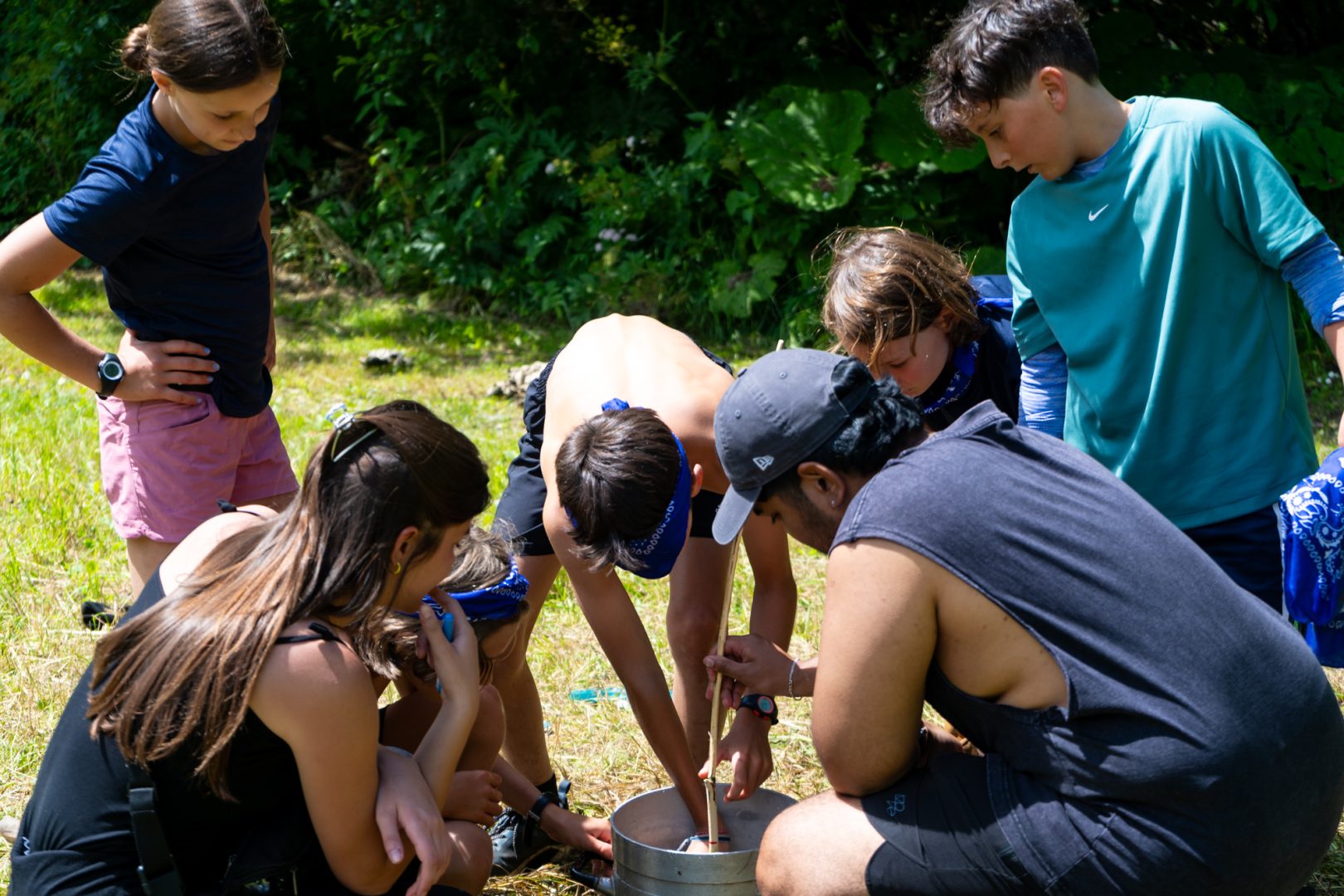
We, at the Young Explorers Club, monitor Swiss international camps across a wide spectrum of sizes and program types. Camps commonly fall into three buckets by capacity: boutique programs of about 30–80 campers, medium programs of roughly 80–250, and large campuses that exceed 250 participants. Session lengths run short to medium — typically 1–4 weeks — though a minority offer extended sessions of 6–8 weeks. Age ranges most often span 8–17, with leadership and teen-specific tracks targeted at 15–18. International mixes vary by program and season, commonly between about 20% and 70% international campers. Operational norms for supervision land between a 6:1 and 10:1 camper-to-staff ratio.
I state the typical cost bands below but flag them for verification against each camp’s published rates (VERIFY: check each camp’s published rates). Day camp pricing commonly appears in the CHF 200–600 per week range. Residential programs typically quote CHF 1,000–5,000 per week. Premium or elite offerings can start around CHF 3,000 and rise to CHF 8,000+ per week. These numbers should be checked locally before budgeting.
I recommend families compare three things first:
- Staff quality — recruitment standards, experience and ratios drive safety and outcomes.
- Accommodation — room standards and on-site facilities materially affect comfort and value.
- Specialist tuition — small-group coaching or bespoke instruction increases both cost and impact.
Excursions, lift passes, transport and specialist equipment rental (skis, bikes) add predictable extras. Insurance, compliance and background-check costs are typically baked into fees in Switzerland and influence the headline price.
Typical cost drivers and family extras
Below are the practical items I always outline for families budgeting for a Swiss international camp:
- Major cost drivers: staff ratios and recruitment costs; accommodation quality and on-site facilities; specialist coaches and small-group tuition; excursions, lift passes and transport; specialist equipment rental.
- Common mandatory extras: compulsory travel/medical insurance; deposit or booking fees; airport transfers.
- Frequent optional extras: optional excursions, rental gear for sports, and advanced private lessons.
- Travel-related costs: international flights and Schengen visa fees (if applicable).
- Verification note: all numerical ranges should be confirmed against each camp’s posted rates and Swiss statistics (VERIFY).
For practical help choosing, consult our guide to the best summer camps in Switzerland — it helps match budget to program profile so families pick the right balance of value and experience.

Types of Camps, Curricula, Learning Outcomes and Accreditation
We break programs into clear categories so families can match goals to curricula. We stress verification of session dates, class hours and enrollment caps directly on each provider’s program pages (TASIS Summer Programs, Aiglon College Summer, Le Rosey Summer Campus, International School of Geneva summer offerings and Institut Montana programs).
Core program types and typical offerings
Below are the common camp models you’ll find and what a typical week looks like:
- Language immersion — classroom instruction combined with activity-based practice; many programs advertise 15–20 hours/week of language lessons plus cultural excursions. We link families interested in language intensity to bilingual camps for deeper reading.
- Academic / STEM enrichment — small-group project work, maker-space or lab hours, and a public project showcase.
- Outdoor / adventure & alpine sports — guided hiking, climbing, mountain-biking and seasonal skiing; include avalanche awareness and Alpine safety briefings where terrain demands it.
- Performing arts — focused tracks in theatre, music or dance that end in a public showcase or recording.
- Leadership / boarding-school prep — study-skill modules, interview workshops and campus-life simulations.
- Multi-activity international camps — blended daily schedules mixing sports, languages, arts and excursions.
We advise checking each provider’s page for exact offerings and capacities before booking.
Measurable learning outcomes to request or expect
I expect camps to offer concrete, measurable claims and to back them with data or assessment methods. Ask for:
- Language gains tied to CEFR-aligned pre/post testing (do not accept unverified one-level claims without test evidence).
- Outdoor leadership competencies measured with rubrics (navigation, decision-making, risk assessment).
- Teamwork and resilience scored via behavior rubrics or coach evaluations.
- Demonstrable sports-skill levels with instructor assessments or grading.
- Creative output captured as portfolio pieces — recordings, videos, scored performances.
Assessment methods programs should use
Request specific assessment tools and documentation. Reliable camps will use:
- Pre/post-tests and CEFR-aligned evaluations for languages.
- Skill rubrics for outdoor and sports competencies.
- Student portfolios collecting work, recordings and project reports.
- Certificates of achievement with stated criteria.
- Public showcases or project demos as summative assessment.
Accreditation and quality indicators we check
I look for institutional links and strong staff qualifications that reduce risk and improve outcomes:
- Curriculum connections to IB or Cambridge/Edexcel where applicable.
- Cantonal approvals or certifications for youth programs in Switzerland.
- Recognized camp accreditations (ACA-equivalent or national bodies).
- Robust staff background checks plus certified instructor credentials: first aid/CPR, lifeguard, and where needed, alpine guide licences.
Short case-study idea to request from providers
Ask a camp to share a measurement-focused case: track a 14-year-old in a 3‑week intensive French immersion with CEFR-aligned pre/post tests and paired confidence metrics (vocabulary size, speaking fluency scores, self-rated confidence). We request these metrics before enrolling so claims are verifiable.

Languages, Cultural Exchange and Measuring Impact
We staff multilingual instructors and counsellors at the Young Explorers Club to mirror Switzerland’s four official languages—German, French, Italian and Romansh—alongside English. Camp life encourages incidental language practice: meal chats, activity briefings and cabin banter become short, low-pressure drills in real contexts. Switzerland’s strong English ability is reflected in the EF English Proficiency Index; the country is typically placed in the “Very High” band (see EF Education First for the latest ranking).
I often present an illustrative nationality mix to families so they know what a diverse cohort looks like: for example, 25% UK, 20% EU (non-UK), 20% MENA, 15% Asia and 20% others. That template is illustrative and should be replaced with camp-specific data or a camp-provided breakdown of top source countries (USA, UK, Germany, Italy, Russia, China) when available.
Benefits of cultural diversity
- Faster conversational practice in multiple languages through peer interaction.
- Greater intercultural competence and emotional agility when children solve small social puzzles.
- Improved resilience from adapting to different social norms and group rhythms.
- Stronger soft skills such as empathy, listening and cross-cultural communication.
- More peer-led learning moments that supplement formal instruction.
Measuring impact and what to request
I expect camps to publish measurable outcomes, not vague claims. The metrics I ask for before enrollment include:
- Language improvement using pre/post test scores.
- Alumni return rate.
- School admission pathways or articulation agreements.
- Participant satisfaction rate from surveys.
- Percent of campers meeting stated learning objectives.
Ask camps for raw numbers and the testing instruments they used. Request alumni testimonials and any validated outcome statistics; compare methods and sample sizes before you accept headline claims. If a camp references national or international rankings, ask them to name the source so you can verify.
For families wanting a deeper look at cultural outcomes, I recommend reading about how multicultural camps shape global citizens and asking camps to show their evidence.
Safety, Health, Regulatory Environment and Logistics
Safety is the primary planning criterion for every international summer camp in Switzerland. Swiss communities generally have low crime rates, fast emergency services and high medical standards. We, at the young explorers club, expect camp operators to meet or exceed local cantonal requirements and to be ready to document their compliance.
Emergency response and health infrastructure are strong across most cantons. The ambulance emergency number is 144 and police can be reached at 117. Many mountain camps are within 30–60 minutes of a hospital in several cantons, but that varies by location and should be verified with local health authorities. Rail connections via SBB rail are reliable and often make camps reachable by public transport; arrival transfers typically range from 1–3 hours depending on route and final destination (verify per-route). Primary arrival airports are Zurich (ZRH) and Geneva (GVA); camps in southern Valais or near the Italian border sometimes use Milan Malpensa (MXP) for convenience.
Regulatory and staffing points to verify with each camp and canton include clear documentation of:
- Cantonal approvals and the specific youth-programme regulations that apply to the camp.
- Background checks and disclosure requirements for all staff and volunteers.
- Mandatory first aid and CPR certifications for on-site staff.
- Formal child protection and safeguarding policies, including reporting procedures.
- Proof of mandatory insurance coverage for campers and staff.
Accommodation and on-site logistics vary by program. Typical lodging formats include on-campus dorms, boutique boarding houses, family homestays, mountain chalets and hotel-based camps. We advise confirming sleeping arrangements, staff supervision during night hours and any mixed-gender policies before booking.
Parent safety checklist and travel FAQ
Below are items I advise parents to request or confirm with a camp before enrollment. Use these as a practical checklist during your selection process.
- Accreditation and cantonal approvals: request copies of permits and the name of the issuing canton authority.
- Staff qualifications and background checks: ask for proof of criminal-record checks, references and relevant certificates.
- Camper-to-staff ratios: confirm daytime and overnight ratios and age-group breakdowns.
- Written emergency and evacuation plan: obtain the plan and a recent drill schedule.
- Medical and behavioural policies: request the camp’s medical protocols, medication administration rules and behaviour-management procedures.
- First aid/CPR certification: verify how many staff are certified and their on-site coverage hours.
- COVID/illness policy and isolation procedures: get explicit details on testing, isolation and parent-notification timelines.
- Insurance coverage specifics: confirm liability, accident and repatriation insurance limits and whether travel insurance is required separately.
- Nearest hospitals and typical transfer times: ask the camp to name the closest emergency facility and typical drive time.
- Nearest airports and transfer details: confirm whether the camp uses ZRH, GVA or sometimes MXP and typical arrival transfer durations.
- Airport pickup services and supervised transit: check if the camp provides supervised meet-and-greet and secure transfer.
- Visa documents and processing timelines: request a checklist for nationals requiring visas, and confirm any invitation letter the camp provides.
- Passport validity recommendation: follow the general guideline of passport validity extending six months beyond travel dates, but verify for your nationality.
- Transport options: confirm SBB rail connections, private coach schedules and meet-up points for supervised train transfers.
- Accommodation type and rooming: verify whether campers will be in dorms, homestays, chalets or hotels and any single-room upgrade options.
We, at the young explorers club, can point families to additional pages about local safety and programme choice — see our page on why Switzerland is the safest to learn more about regional protections and common practices.

Sustainability, Community Impact and Practical Tips for Parents
I expect camps in the Alps to protect fragile alpine flora and fauna, limit erosion on trails, and manage water and waste carefully. I press camps to have clear plans for reducing flight CO2 — either by offering carbon-offset options, promoting lower-carbon travel (train connections), or scheduling longer-stay options that reduce frequent travel. Recommended camp practices I look for include:
- local food sourcing
- on-campus green energy where feasible
- strict low-impact hiking ethics
- aggressive waste reduction and recycling routines
Ask whether the camp holds ISO 14001 or any recognised local eco-labels and request details about what those certifications cover.
Certifications, community impact and transparency
I urge parents to request hard numbers from camps: seasonal jobs created, percentage of staff hired locally versus internationally, and the share of procurement spent with local vendors. Camps that publish those figures show stronger community commitment.
Expect camps to create seasonal employment and generate tourism spending for local suppliers; many also partner with local schools for joint events, offer internships, or source catering from nearby businesses. For verification and context, consult:
- Swiss Federal Statistical Office
- Switzerland Tourism
- EF Education First (EF EPI)
- American Camp Association (ACA)
I recommend you ask camps for copies of their sustainability policies and any third‑party audit reports before you book.
Packing checklist and health & admin essentials
Use this checklist to prepare students and reduce last-minute purchases:
- Layers and thermal base-layers
- Waterproof rain jacket
- Sturdy hiking boots
- Sun protection: hat and high‑SPF sunscreen
- European plug adapter
- Small daypack and reusable water bottle
- Swimwear and appropriate sports clothing
- Basic laundry supplies and repair kit
I always tell families to secure comprehensive travel insurance that covers medical evacuation, repatriation, and activity-specific risks. Declare all medications with written dosage instructions and bring copies of prescriptions. Ask camps about on-site medical staff and mental-health supports.
Start visa applications several months ahead and finalise flights and transfers 2–4 weeks before arrival; submit medical and consent forms by the camp’s stated deadline. Verify dietary and allergy policies, kitchen certifications, special-needs communication plans, and emergency contact procedures directly with the camp.
If you want help comparing options or need guidance on how to choose, see our short guide to choose a camp for practical next steps.

Sources
Swiss Federal Statistical Office — Tourism statistics
Swiss Federal Statistical Office — Languages and population statistics
Swiss Federal Statistical Office — Hotels & overnight stays
Switzerland Tourism (MySwitzerland) — Annual report / tourism insights
EF Education First — EF English Proficiency Index (EPI)
American Camp Association (ACA) — Research & publications (State of the Field)
SBB (Swiss Federal Railways) — Facts & figures / network information
Federal Office of Public Health (BAG) — Swiss health system overview
ch.ch — Emergency numbers in Switzerland
UNWTO — Switzerland country tourism profile
Valais/Wallis Tourism — Regional tourism information (example alpine region)
ERIC — Academic resources search: international summer camps