Swiss Residential Camps: 24/7 Supervision & Growth Benefits
Discover what residential camp life in Switzerland truly involves, from 24/7 supervision and bilingual immersion to safety protocols and lasting developmental benefits for children aged 8-17.
Many parents picture summer camps as casual vacation experiences where children play and return home each evening. Swiss residential camps operate differently. These programs provide multi-week immersive environments where children aged 8 to 17 live on site, participate in structured bilingual education, and develop independence through continuous community engagement. This guide explains what residential camp life truly involves, from daily schedules and language immersion to safety protocols and long-term developmental benefits, helping you determine if this experience suits your child.
Table of Contents
- Residential Camp Life Defined
- Typical Daily Life and Programming
- Language Learning Integration
- Safety and Supervision
- Benefits of Residential Camp Life
- Common Misconceptions About Residential Camps
- Comparison: Residential vs. Day Camps
- Choosing the Right Residential Camp for Your Child
- Discover Swiss Residential Camps Tailored for Your Child
- Frequently Asked Questions About Residential Camp Life
Key Takeaways
| Point | Details |
|---|---|
| Immersive Living Experience | Residential camps provide overnight stays with 24/7 supervision, creating continuous learning environments beyond typical day programs. |
| Balanced Daily Programming | Mornings focus on language lessons while afternoons feature adventure sports, creating structured growth opportunities. |
| Rigorous Safety Standards | Low camper-to-staff ratios and qualified personnel ensure comprehensive supervision and emergency preparedness. |
| Long-Term Development | Children gain independence, resilience, social skills, and global friendships that extend beyond camp duration. |
| Clear Camp Distinctions | Residential camps differ fundamentally from day camps through overnight boarding, full meals, and community immersion. |
Residential Camp Life Defined
Residential camps create multi-week immersive experiences where children stay overnight throughout the program duration. Unlike day camps where participants return home each evening, residential camps differ from day camps primarily in providing a full immersive living experience including overnight stays and continuous engagement. These programs target children aged 8 to 17, emphasizing personal independence and social development.
The overnight structure fundamentally changes the camp dynamic. Children manage responsibilities like organizing belongings, navigating social relationships without parental intervention, and adapting to structured routines. This continuous community living creates opportunities for fostering growth at residential camps that daytime programs cannot replicate.
Key distinctions from day camps include:
- Complete accommodation with dormitory or cabin lodging
- Three daily meals plus snacks prepared on site
- 24/7 qualified supervision and mentorship
- Evening activities and reflection sessions
- Extended peer bonding through shared living spaces
The extended immersion allows children to step fully outside familiar environments. They practice decision making, conflict resolution, and self care without immediate family support. This separation, while initially challenging for some children, builds confidence and capability that translates to school and home life.
Pro tip: Assess whether your child demonstrates basic self care skills like managing personal hygiene independently and communicating needs to unfamiliar adults. These readiness indicators help determine if residential camp timing aligns with developmental stage.
Typical Daily Life and Programming
Residential camp days follow carefully structured schedules balancing educational enrichment with physical adventure and social connection. Typical daily schedule balances academic or language lessons with adventure and social activities, creating rhythm that keeps children engaged without overwhelming them. Understanding this flow helps parents set realistic expectations.
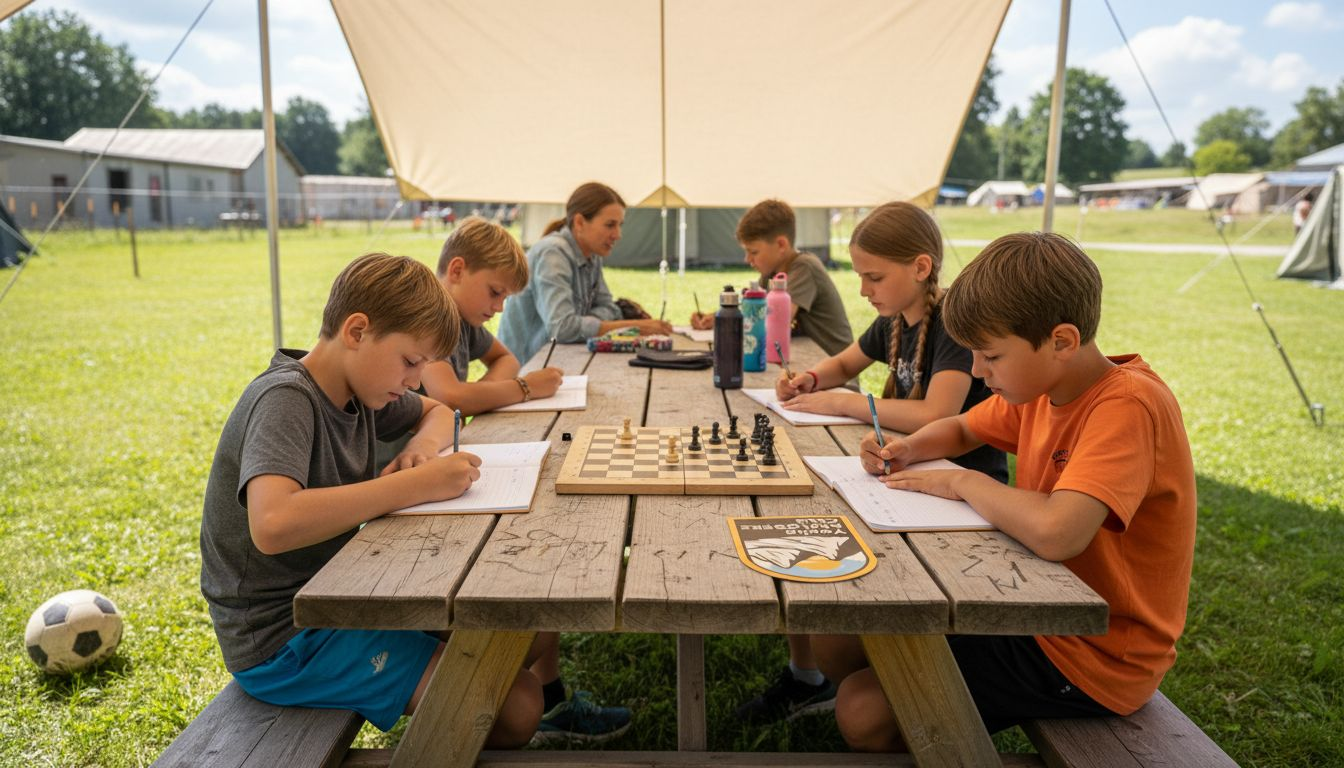
Mornings typically begin with breakfast followed by language or academic sessions. These structured lessons occur when children are most alert, maximizing learning retention. Swiss camps often provide bilingual instruction in English and French, with placement based on proficiency levels rather than age alone.
Afternoons shift to active programming:
- Mountain biking on Alpine trails
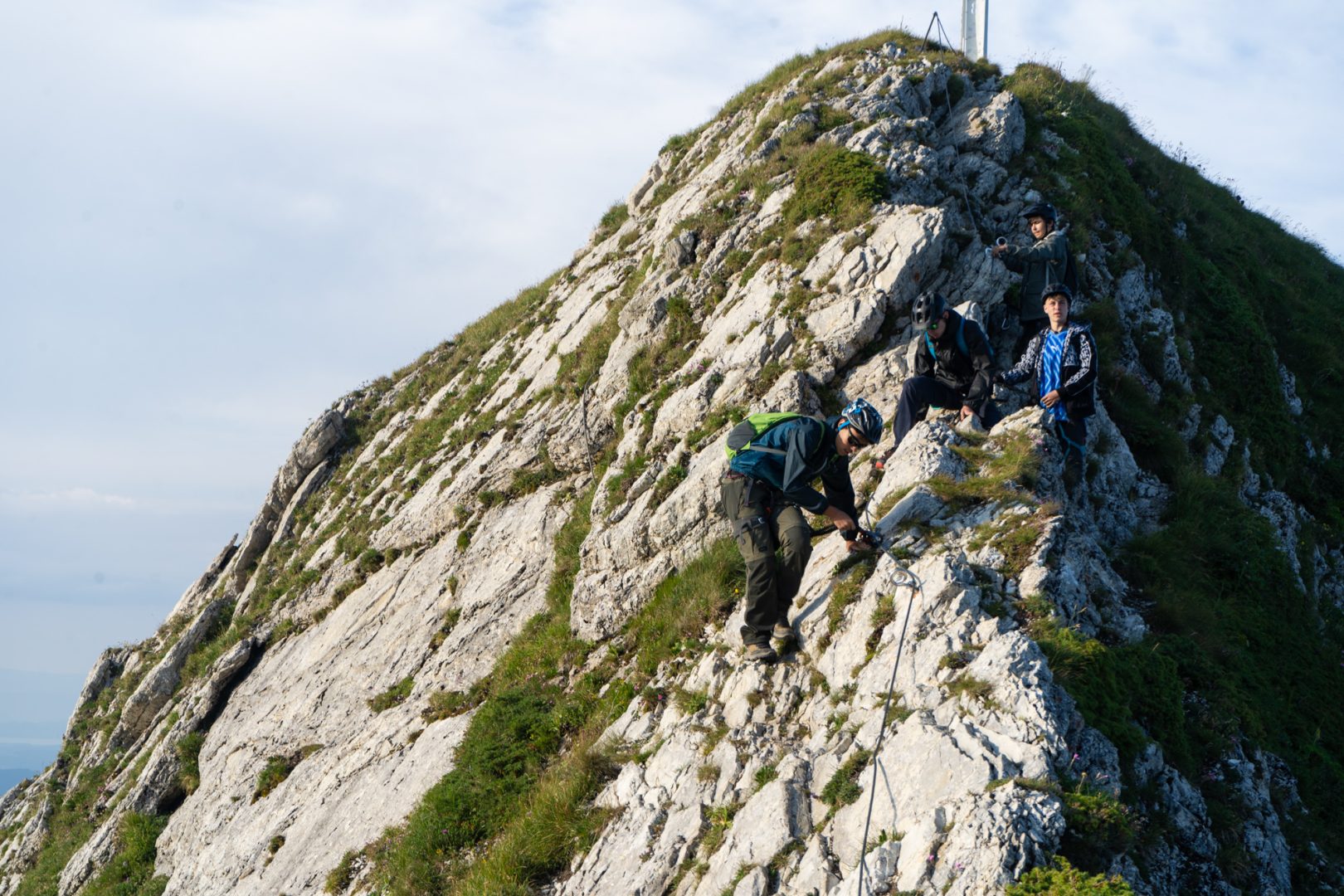
- Rock climbing with certified instructors
- Team sports like football and volleyball
- Water activities including kayaking or swimming
- Survival skills and outdoor navigation
This physical emphasis serves multiple purposes. Exercise releases energy, improves mood, and creates natural opportunities for teamwork. Children practice communication while navigating challenges together, building social bonds through shared accomplishment rather than forced interaction.
Evenings incorporate mentorship and reflection. Counselors lead small group discussions where campers process daily experiences, express concerns, and celebrate successes. This guided reflection strengthens emotional awareness and helps children recognize personal growth patterns. Daily programming at English camps integrates these elements seamlessly.
Social time allows unstructured interaction. Children play games, share stories, or simply relax together. These informal moments often produce the strongest friendships because relationships develop naturally rather than through assigned activities. Camp traditions like talent shows or campfire gatherings create shared memories that cement community bonds.
Pro tip: Evening reflection sessions teach children to identify emotions, recognize personal strengths, and articulate challenges constructively. These metacognitive skills enhance emotional intelligence and resilience long after camp ends.
Language Learning Integration
Swiss residential camps excel at creating bilingual environments where language acquisition occurs organically alongside structured instruction. The immersive setting accelerates learning because children use target languages throughout daily life rather than limiting practice to classroom hours. This integration distinguishes quality residential programs from standard language courses.
Most camps operate with bilingual camp environment frameworks featuring both English and French. Morning language lessons provide grammar foundations, vocabulary building, and pronunciation practice. Instructors assess proficiency levels during orientation, grouping children appropriately rather than by age alone. This placement ensures appropriate challenge without frustration.
The real learning happens during unstructured time. Children naturally practice language skills while:
- Ordering meals in dining halls
- Discussing strategies during team sports
- Making friends from different linguistic backgrounds
- Following activity instructions from multilingual staff
- Participating in evening social events
This constant exposure creates comfort with making mistakes, a critical factor in language confidence. Without parental presence to translate or intervene, children must communicate directly with peers and staff. The supportive environment encourages risk taking, transforming errors into learning opportunities rather than sources of embarrassment.
Language immersion in Swiss camps produces measurable gains in fluency, comprehension, and cultural awareness. Children return home with expanded vocabularies, improved accents, and genuine enthusiasm for continued language study. The social motivation of connecting with international friends provides intrinsic drive that classroom instruction rarely achieves.
Cultural understanding develops alongside linguistic skills. Children learn customs, humor, and social norms from peers representing different backgrounds. This exposure builds global competency and reduces ethnocentric thinking, preparing children for increasingly interconnected futures.
Safety and Supervision
Parental concerns about residential camp safety are natural and appropriate. Swiss camps maintain rigorous protocols ensuring child wellbeing through qualified staffing, comprehensive planning, and continuous oversight. Understanding these measures helps parents feel confident about sending children to overnight programs.
Qualified staff provide 24-hour supervision with specialized training in child development, emergency response, and activity-specific safety. Counselors hold certifications in first aid and CPR as minimum requirements. Activity instructors possess additional credentials for specialized pursuits like climbing or water sports. Camp safety in Switzerland reflects national standards exceeding many international equivalents.
Low camper-to-staff ratios enable personalized attention:
- Typical ratios range from 4:1 to 6:1 depending on age groups
- Younger children receive higher supervision levels
- Nighttime supervision includes staff sleeping in dormitories
- Activity-specific ratios adjust based on risk profiles
Comprehensive safety protocols cover all camp aspects. Accommodation facilities meet building codes with fire safety systems, secure access controls, and regular maintenance inspections. Meal preparation follows food safety standards with consideration for dietary restrictions and allergies. Medical staff or designated first responders handle health concerns, with protocols for contacting parents and accessing local medical facilities when needed.
Emergency preparedness includes documented procedures for various scenarios from minor injuries to severe weather events. Staff conduct regular drills ensuring everyone understands evacuation routes and assembly points. Safety standards in Swiss camps align with national regulations governing youth programs.
Communication systems keep parents informed through regular updates via email or dedicated portals. Some camps provide photo galleries showing daily activities. Emergency contact procedures ensure parents receive immediate notification of significant incidents requiring their awareness or involvement.
Pro tip: During camp research, specifically ask about staff-to-camper ratios, staff qualifications, emergency protocols, and parent communication systems. Quality programs provide transparent detailed answers demonstrating comprehensive safety planning.
Benefits of Residential Camp Life
The immersive residential experience produces developmental benefits extending far beyond summer duration. Research shows lasting improvements in social skills and resilience for youth attending multi-week residential camps. These outcomes justify the investment parents make in quality programs.
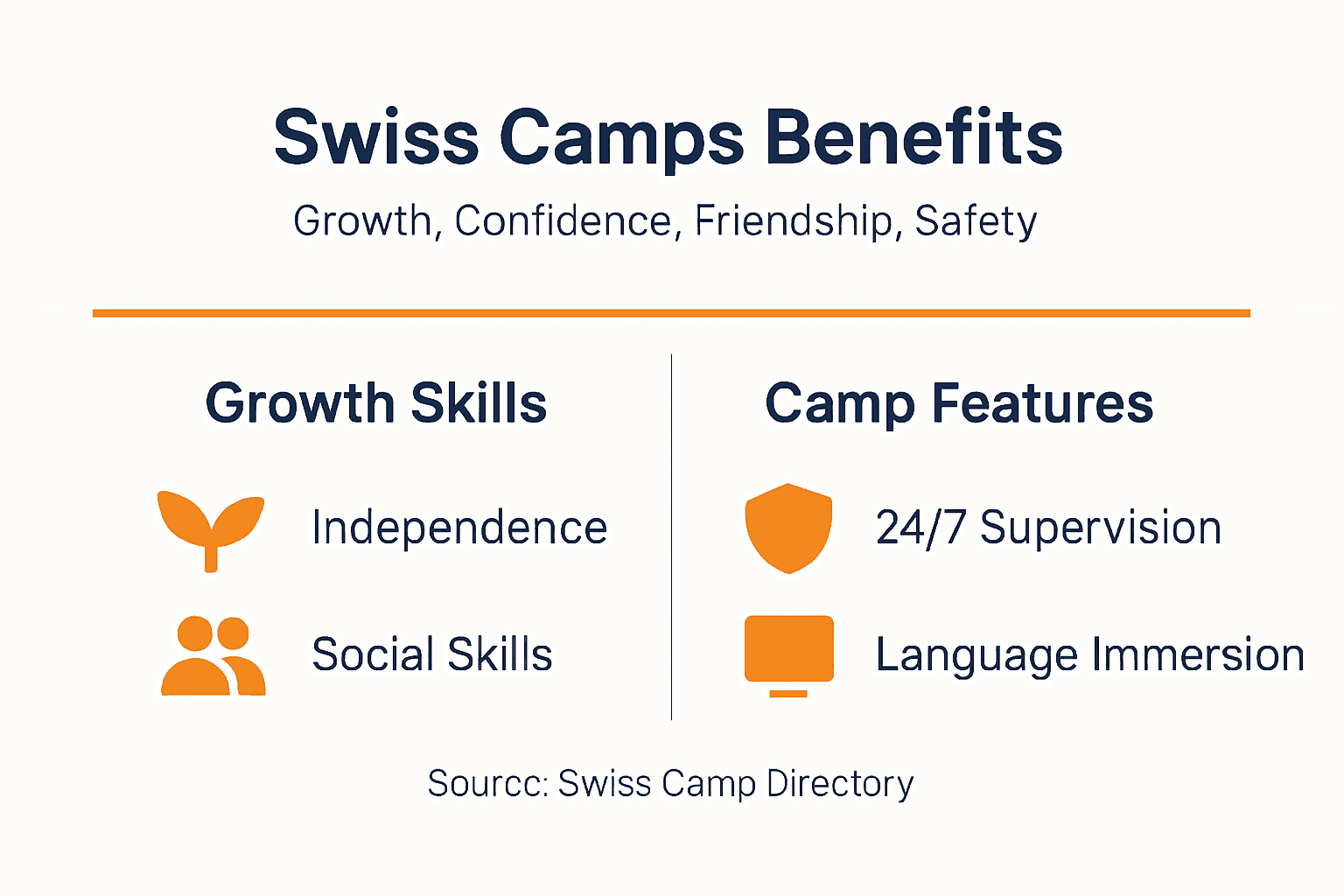
Social skill development accelerates through constant peer interaction. Children navigate diverse personalities, resolve conflicts independently, and practice empathy in real situations. Unlike structured playdates or supervised school environments, residential camp requires authentic social navigation. This responsibility builds competence in reading social cues, asserting boundaries respectfully, and collaborating toward common goals.
Independence grows as children manage personal responsibilities without parental oversight. They organize belongings, maintain hygiene routines, make activity choices, and advocate for needs with unfamiliar adults. These practical life skills translate directly to increased capability at home and school. Parents frequently report children returning more responsible and self-sufficient.
Confidence emerges from accomplishing challenges previously considered beyond capability. Whether mastering a climbing route, delivering a presentation in a second language, or simply managing homesickness, children discover internal resources they didn’t recognize before camp. This self-knowledge creates foundation for tackling future challenges with growth mindsets rather than fixed limitations.
Academic motivation often increases post-camp. The positive learning experiences in bilingual settings and outdoor education contexts refresh children’s perspectives on education itself. Developmental benefits of residential camp include renewed engagement with formal schooling because children recognize learning can be dynamic and personally relevant.
Global friendships formed at international camps create lasting connections across borders. Children maintain relationships through social media and messaging, often visiting friends in different countries. These relationships expand worldviews and reduce cultural stereotypes, preparing children for global citizenship.
Pro tip: Encourage your child to journal about camp challenges and how they overcame them. This reflection practice helps consolidate learning and demonstrates personal growth patterns they might not otherwise recognize.
Common Misconceptions About Residential Camps
Several persistent myths about residential camps create unnecessary hesitation among parents considering these programs. Addressing these misconceptions directly helps families make informed decisions based on reality rather than assumptions.
-
Camps are just extended playtime without educational value. Swiss residential camps integrate structured bilingual education, personal development curricula, and skill-building activities throughout programming. Children learn constantly through both formal lessons and experiential activities designed around specific developmental objectives.
-
Residential and day camps differ only in overnight stays. The continuous immersion of residential programs fundamentally changes the experience. Day camps cannot replicate the social learning, independence development, or community bonding that emerges from shared living over multiple weeks.
-
Camp safety cannot match home supervision quality. Professional camp staff bring specialized training in child development, emergency response, and activity-specific safety that most parents lack. Low camper-to-staff ratios with 24-hour qualified oversight often exceed supervision levels children receive at home, school, or typical recreational activities.
-
Children will feel abandoned or neglected without family contact. Quality camps balance independence with appropriate connection. Structured communication schedules, caring staff relationships, and engaging programming prevent loneliness while allowing children space to develop self-reliance and peer relationships.
-
Camps primarily serve as childcare while parents work. Residential camps function as intentional developmental experiences designed around specific growth objectives. The structured programming, qualified instruction, and comprehensive curricula distinguish camps from babysitting or casual recreational supervision.
Recognizing these distinctions helps parents evaluate residential camps appropriately rather than dismissing them based on inaccurate assumptions about their nature and quality.
Comparison: Residential vs. Day Camps
Understanding clear differences between residential and day camps helps parents select programs matching their child’s needs and developmental readiness. Residential camps operate 7+ days with overnight stays and continuous engagement; day camps involve daily arrival/departure with less immersion.
| Feature | Residential Camps | Day Camps |
|---|---|---|
| Duration | Multi-week programs with overnight stays | Daily attendance, return home each evening |
| Supervision | 24/7 qualified staff oversight including nighttime | Daytime supervision during program hours only |
| Language Exposure | Continuous bilingual immersion throughout all activities and social time | Limited to structured lesson periods |
| Activities | Balanced mix of education, adventure sports, and social development with evening programming | Primarily daytime activities, limited evening or social components |
| Community Building | Deep peer bonds through shared living, meals, and extended time together | Friendships limited by shorter daily interaction periods |
| Independence Development | Children manage personal care, belongings, and social navigation independently | Parental support remains available daily, less independence practice |
| Cost Structure | Higher investment reflecting accommodation, meals, 24-hour staffing | Lower cost for daytime-only programming |
Residential camps suit children ready for extended separation from family who would benefit from intensive independence practice and social immersion. The continuous environment accelerates personal growth and skill development because learning never pauses for daily transitions home.
Day camps work well for younger children, those new to structured programs, or families preferring gradual separation. They provide quality activities and learning without overnight responsibility. Some families use day camps as preparation for eventual residential experiences.
International summer camps in Switzerland offer both formats, allowing families to choose based on child readiness rather than program availability. Preparing for camp in Switzerland includes assessing which format aligns with developmental stage and family goals.
Pro tip: Consider your child’s previous overnight experiences like sleepovers, school trips, or family travel when evaluating residential camp readiness. Success with shorter separations indicates preparation for longer programs.
Choosing the Right Residential Camp for Your Child
Selecting an appropriate residential camp requires systematic evaluation of multiple factors ensuring program quality, safety standards, and alignment with your child’s interests and developmental needs. Thorough research prevents disappointment and maximizes positive outcomes.
-
Verify safety credentials and accreditations. Confirm camps hold relevant certifications from Swiss authorities governing youth programs. Request information about staff qualifications, training requirements, and background check procedures. Quality programs provide transparent detailed documentation.
-
Assess language immersion quality and balance. Examine how camps integrate bilingual education throughout daily life rather than isolating language study to classroom hours. Effective programs create natural practice opportunities during activities, meals, and social time.
-
Evaluate programming balance between structure and flexibility. Quality camps blend scheduled activities with unstructured social time. Overly rigid schedules exhaust children while excessive free time produces boredom. Appropriate balance maintains engagement without overwhelming participants.
-
Consider logistical factors matching family needs. Evaluate program duration, location accessibility, camper age ranges, and whether siblings can attend together if relevant. Practical considerations affect overall experience quality and family logistics.
-
Review camp philosophy and developmental objectives. Different programs emphasize varying aspects like competitive sports, creative arts, academic enrichment, or outdoor adventure. Preparing your child for camp includes selecting programs matching personality and growth areas you want to support.
-
Prepare your child emotionally and practically before departure. Discuss expectations openly, address concerns honestly, and practice relevant skills like packing independently or managing homesickness. Gradual preparation reduces anxiety and increases camp success likelihood.
Pro tip: Schedule conversations with camp directors or alumni families before committing. Direct discussion reveals program culture and values more accurately than marketing materials alone. Listen for how staff describe handling challenges and supporting individual campers.
Discover Swiss Residential Camps Tailored for Your Child
Now that you understand what residential camp life involves and how it benefits children’s development, consider exploring specialized programs designed around these principles. International summer camps in Switzerland combine bilingual immersion, adventure activities, and personal growth programming in secure Alpine settings.
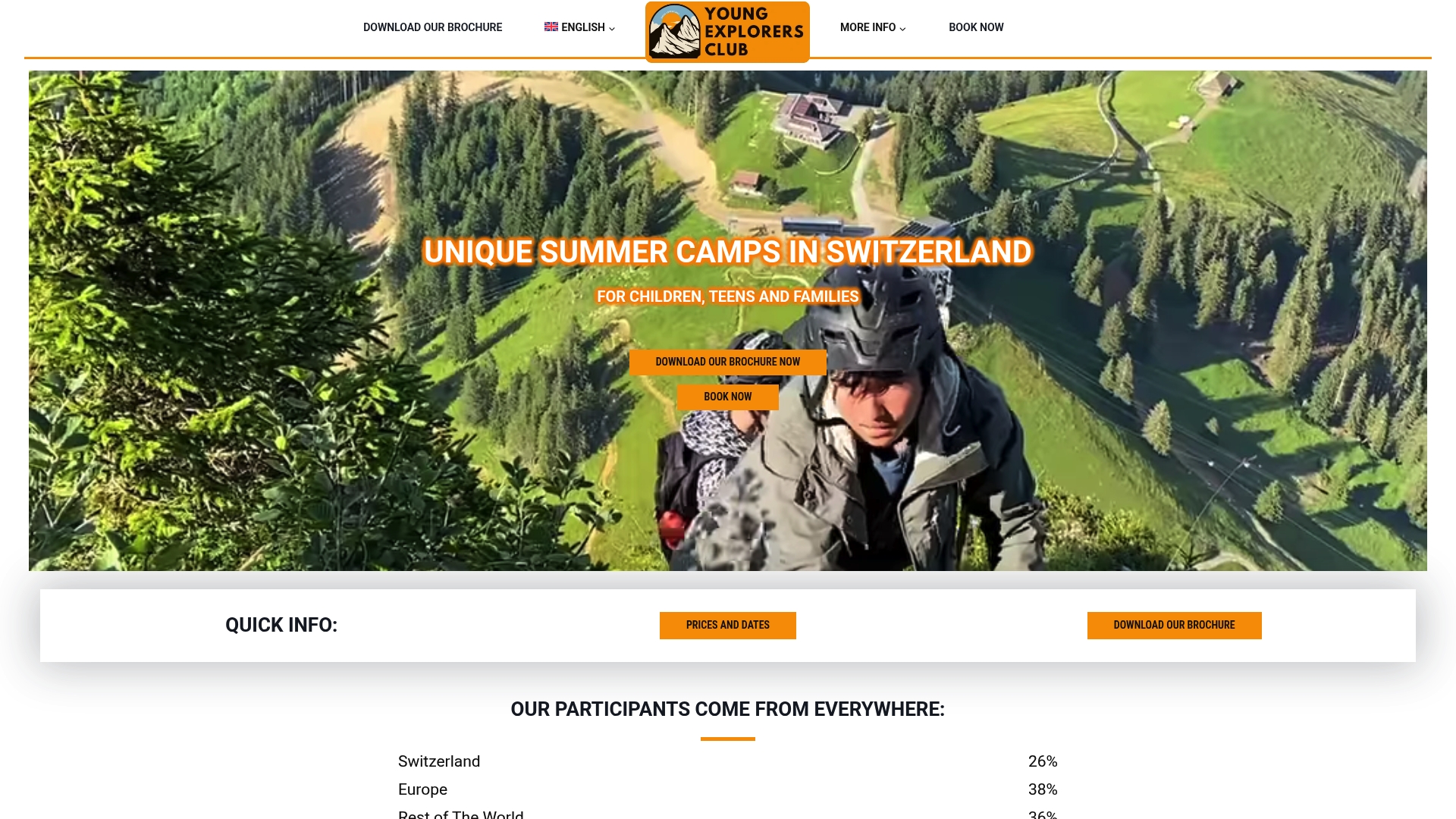
Quality residential camps balance structured language learning with outdoor challenges like mountain biking, climbing, and team sports. The continuous immersion environment accelerates independence, social skills, and global friendships while maintaining rigorous safety standards and qualified supervision. Preparation tips for Switzerland camps help families navigate logistics and emotional readiness. English language camps provide focused linguistic development within broader developmental frameworks. Explore available programs to find options matching your child’s interests and growth objectives.
Frequently Asked Questions About Residential Camp Life
What age works best for starting residential camp experiences?
Most children show readiness between ages 8 and 10, though individual maturity matters more than chronological age. Successful campers demonstrate basic self-care skills, communicate needs to unfamiliar adults, and have managed shorter separations like sleepovers successfully.
How do camps address homesickness when it occurs?
Camps employ trained staff who recognize homesickness signs and intervene with proven strategies like redirecting attention to engaging activities, facilitating peer connections, and providing private conversations. Structured communication with parents and consistent routines help children feel secure while adjusting.
Are campers supervised continuously throughout programs?
Yes, residential camps maintain 24-hour qualified supervision with staff sleeping in dormitories near children. Low camper-to-staff ratios ensure personalized attention, and activity-specific supervision adjusts based on risk profiles to maintain appropriate safety levels.
What language proficiency do children need before attending?
Most Swiss residential camps accept all proficiency levels from complete beginners to advanced speakers. Programs assess skills during orientation and group children appropriately, ensuring each participant receives suitable challenge without frustration or boredom.
How can parents maintain contact during camp sessions?
Camps establish communication schedules balancing connection with independence development. Many provide regular photo updates, email summaries, and designated times for brief calls or messages. Emergency contact systems ensure immediate parent notification for significant incidents requiring awareness or involvement.
Recommended
- How Camp Builds Self-esteem Through Achievement | Young Explorers Club Switzerland
- Residential Summer Camp: Fostering Growth For Youth
- Porque é Que A Suíça é O Destino Mais Seguro Para Os Campos De Férias | Young Explorers Club Switzerland
- The Benefits Of International Friendships Formed At Camp | Young Explorers Club Switzerland