Summer Camp In Switzerland Vs. Summer Camp In Austria: Which To Choose
Swiss vs Austrian camps: Switzerland—multilingual alpine/glacier trips, shorter transfers, higher cost. Austria—German immersion, lakes, cheaper.
Switzerland vs Austria: Summer Camp Comparison
Switzerland
Switzerland offers compact, multilingual camps with access to high‑alpine and glacier activities. You’ll generally see shorter transfers from major hubs like Zurich and Geneva, though weekly fees usually run higher. Camps typically meet strong safety and staffing standards and often carry clear accreditation with qualified leaders.
Austria
Austria delivers consistent German immersion and broad lake‑region and alpine programmes. Fees are commonly lower, and sites are more spread out, so transfers can take longer. Choose Austria if you prioritise single‑language learning or a budget option.
Key Takeaways
- Switzerland: multilingual immersion, high‑alpine/glacier access, shorter transfers from major hubs, higher cost.
- Austria: consistent German immersion, lake‑focused and budget‑friendly options, wider site variety and often longer transfers.
- Match country to priorities: budget or single‑language German → Austria; multilingual exposure or glacier trips → Switzerland.
- Plan logistics early: book camps in Jan–Mar, allow time for travel bookings and visas, and factor shuttle costs into totals.
- Verify safety and staffing: request accreditation, staff qualifications, activity risk assessments, and written staff‑to‑camper ratios before booking.
Recommended Booking Timeline
- Book camps: aim for January–March.
- Travel bookings: allow 6–12 weeks for arranging flights and transfers.
- Schengen visas: allow 8–12 weeks for application and processing.
- Budgeting: factor in shuttle costs and any additional activity fees.
If you’d like, I can help compare specific camp providers in each country, estimate total costs including transfers, or draft an accreditation checklist to request from organisers.
Quick Country Snapshot (Why country factors matter)
Key country stats at a glance
Below are the core facts you’ll use when comparing camp logistics, language options and travel time:
- Switzerland — Population ≈ 8.8 million (Swiss Federal Statistical Office); area ≈ 41,285 km² (Swiss Federal Statistical Office). Official languages: German, French, Italian, Romansh. Highest alpine context: Jungfrau region up to 4,158 m with extensive glacier zones. Major international airports: Zurich (ZRH), Geneva (GVA), Basel (BSL).
- Austria — Population ≈ 9.1 million (Statistics Austria); area ≈ 83,879 km² (Statistics Austria). Official language: German. Highest alpine context: Grossglockner 3,798 m and wide high-pass routes popular for outdoor programmes. Major international airports: Vienna (VIE), Salzburg (SZG), Innsbruck (INN).
How these factors change the camp decision
We, at the Young Explorers Club, use these country traits to shape practical recommendations. Language diversity in Switzerland creates more immersion options. Camps in French– or Italian-speaking cantons let kids learn while they explore. Austria’s single-language environment simplifies staffing and parent communications if you want German-only programming.
Geography affects activity menus and transfer times. Switzerland’s compact alpine corridors mean many camps sit closer to major hubs, so transfers are often shorter. Austria’s larger area spreads camps across lake districts and alpine valleys, which can mean longer transfers but also broader site variety.
Airport hubs matter for international families and charter logistics. Flights into Zürich or Geneva put campers within quick reach of central Swiss sites. Vienna or Salzburg routes place families near eastern alpine and lake regions in Austria. These routes influence typical pick-up times, shuttle costs, and whether same-day travel is realistic.
Population and area tell you about density and choice. Switzerland’s smaller area and high population clusters produce more camp concentration; you’ll often see several high-quality options within a short drive. Austria’s greater area means choices can feel more dispersed, and you may favour camps with on-site boarding over daily commutes.
Practical takeaways we recommend:
- If your priority is language immersion and short transfers, look to Swiss camps.
- If you want wide landscapes, lakes and less-centralised sites, Austrian camps are attractive.
- Factor airports into your itinerary early; pretend every extra connection adds a half-day to travel.
For guidance on narrowing options, see our short guide on how to choose the best camp.

Quick Comparative Verdict: Who Each Country Suits Best (Pros & Cons + Decision Checklist)
We, at the young explorers club, cut to the essentials so you can match priorities to place. Switzerland delivers extremely high safety standards, strong multilingual exposure and iconic high‑alpine terrain with glacier access. Transport is highly developed and reliable. Expect higher cost and a risk of language fragmentation if you want a single‑language immersion; Switzerland: high cost high safety multilingual.
Austria gives excellent lake and alpine access, a long tradition of youth camps and outdoor education, and cohesive German‑language immersion. Prices are often lower and you’ll find many budget‑friendly options. Some regions get busy in peak weeks, and language options are fewer if you want diversity; Austria: lower cost lakes German immersion.
Best for lines — quick picks:
- Best for high‑budget alpine expeditions: Switzerland.
- Best for lakes and budget‑friendly options: Austria.
Use this short mapping to decide by top priority:
- Budget‑focused: Austria.
- Single‑language (German) immersion: Austria.
- Multilingual exposure or French/Italian immersion: Switzerland (Geneva/Ticino).
- High‑alpine / glacier access: Switzerland (Valais, Bernese Oberland).
- Lake‑centred water sports: Austria (Salzkammergut, Carinthia) or Swiss lake regions.
Decision checklist (compact)
Here are the questions we ask families first; answer these to narrow choices quickly:
- Budget limit per week and total.
- Desired activity focus (alpine climbing, water sports, language classes).
- Language immersion target (German / French / Italian).
- Required supervision and qualifications (first aid, mountain guide).
- Travel and visa constraints.
- Dietary and medical needs.
- Group size and roommate preferences.
- Camp accreditation and insurance.
Refer to our guide on how to choose the best camp for more selection steps: choose the best camp.
Camp scorecard and quick method you can use
I recommend a weighted scorecard so you compare objectively. Use these weights: cost 30%, language 25%, activities 20%, travel 15%, safety 10%. Rate each criterion 1–10, multiply by weight (as decimals), then sum and normalize to a 10‑point scale.
Example scoring to illustrate:
Camp A (Swiss high‑alpine adventure) — cost 3/10, language 8/10, activities 9/10, travel 7/10, safety 9/10.
Weighted: cost 3 * 0.30 = 0.90; language 8 * 0.25 = 2.00; activities 9 * 0.20 = 1.80; travel 7 * 0.15 = 1.05; safety 9 * 0.10 = 0.90 = total = 6.65/10.
Camp B (Austrian lake & language camp) — cost 7/10, language 8/10, activities 7/10, travel 6/10, safety 8/10.
Weighted total ≈ 7.15/10.
Use these scores to compare programs against your priorities. If safety is non‑negotiable, weigh safety higher and re‑run the math. If cost is tight, increase the cost weight and the Austrian options will usually score better.
Practical recommendations and quick tips
- If you want guaranteed German immersion, focus on Austrian camps in German‑speaking regions.
- If you want multilingual exposure or French/Italian options, target Swiss locations like Geneva or Ticino.
- For glacier trips and high‑alpine routes choose Swiss valleys in Valais or the Bernese Oberland.
- For lake sports and lower cost per week, prioritise Austrian lake areas.
- Check instructor credentials and on‑site medical coverage early. We always verify staff qualifications and insurance before recommending programs.
- For families worried about safety, read our safety notes and research site inspections; Swiss centers often highlight their standards — see our piece on high safety.

Cost and Budget (how much parents should expect to pay)
We break costs into three parts: weekly tuition, extra fees, and travel/gear. Typical weekly tuition for Swiss camps runs CHF 700–3,500. Specialty or elite programs can reach CHF 4,000–6,000+ per week. Austria is generally less expensive, with typical weekly fees of €350–1,500 and high-end specialty camps up to €2,000+ per week. Swiss camps generally trend higher because of higher living costs, staffing and facility standards. For a deeper pricing breakdown, see Swiss camp costs.
Currency planning matters. Use the following approximate conversions for budgeting: CHF 1 ≈ €0.95 and €1 ≈ CHF 1.05. Rates fluctuate, so lock numbers close to booking.
Additional costs to budget
Below are the usual extras you should plan for when comparing Switzerland and Austria:
- Flights and travel / hub transfers: CHF/EUR 30–300 depending on distance and whether you use an airport transfer service.
- Insurance (medical, travel, cancellation): often €30–150 per week.
- Equipment rental or purchase (climbing boots, wetsuits, bikes): €20–150 total, depending on activities.
- Local transfers (camp pickup/drop-off): CHF/EUR 20–120 as a one-way or round-trip charge.
- Scholarships and discounts: partial scholarships exist; early-bird discounts commonly run 5–15%; sibling discounts usually 5–10%.
- Deposits and payment terms: deposits typically 20–30% at booking; final payment deadlines are often 6–8 weeks before start.
- Local VAT or tourist taxes: factor these into accommodations and some on-site services — they can add a modest percentage at checkout.
Sample 2-week budget scenarios (approximate)
Switzerland — mid-range 2-week sample
- Tuition/camp fees: CHF 1,800/week × 2 = CHF 3,600
- Flights (international): CHF 200
- Transfers (airport → camp): CHF 80
- Insurance: CHF 100
- Gear rental/purchases: CHF 100
Total ≈ CHF 4,080 (≈ €3,876 using CHF→EUR ≈ 0.95)
Austria — mid-range 2-week sample
- Tuition/camp fees: €800/week × 2 = €1,600
- Flights: €150
- Transfers: €60
- Insurance: €80
- Gear: €80
Total ≈ €1,970
Inevitably, choices change totals. Choosing on-site private transfers, premium cabins, or extra private lessons can push a Swiss budget toward the upper CHF ranges quickly. We recommend running two scenarios before you book: a conservative estimate (mid-range tuition, basic travel) and a comfort estimate (premium options plus contingencies). Book early to capture 5–15% early-bird savings and confirm deposit and cancellation policies so unexpected costs stay small.

Activities, Terrain, Climate & Best Regions (what campers will physically experience and where)
Terrain and signature activities
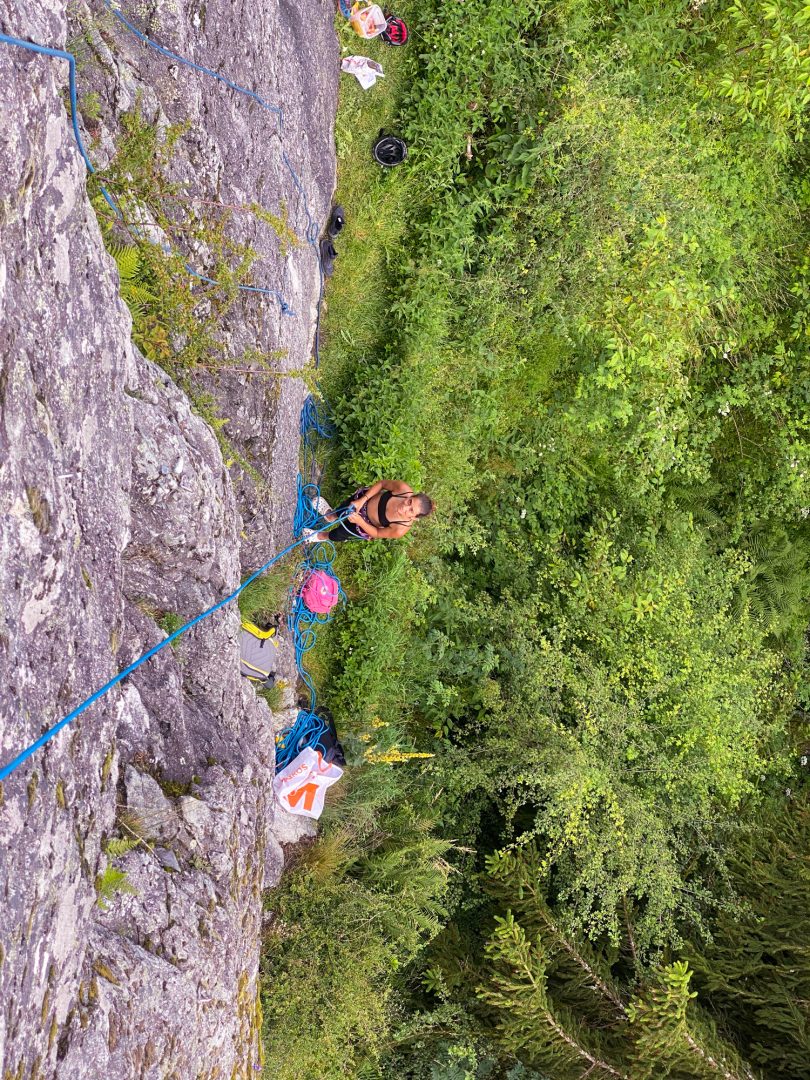
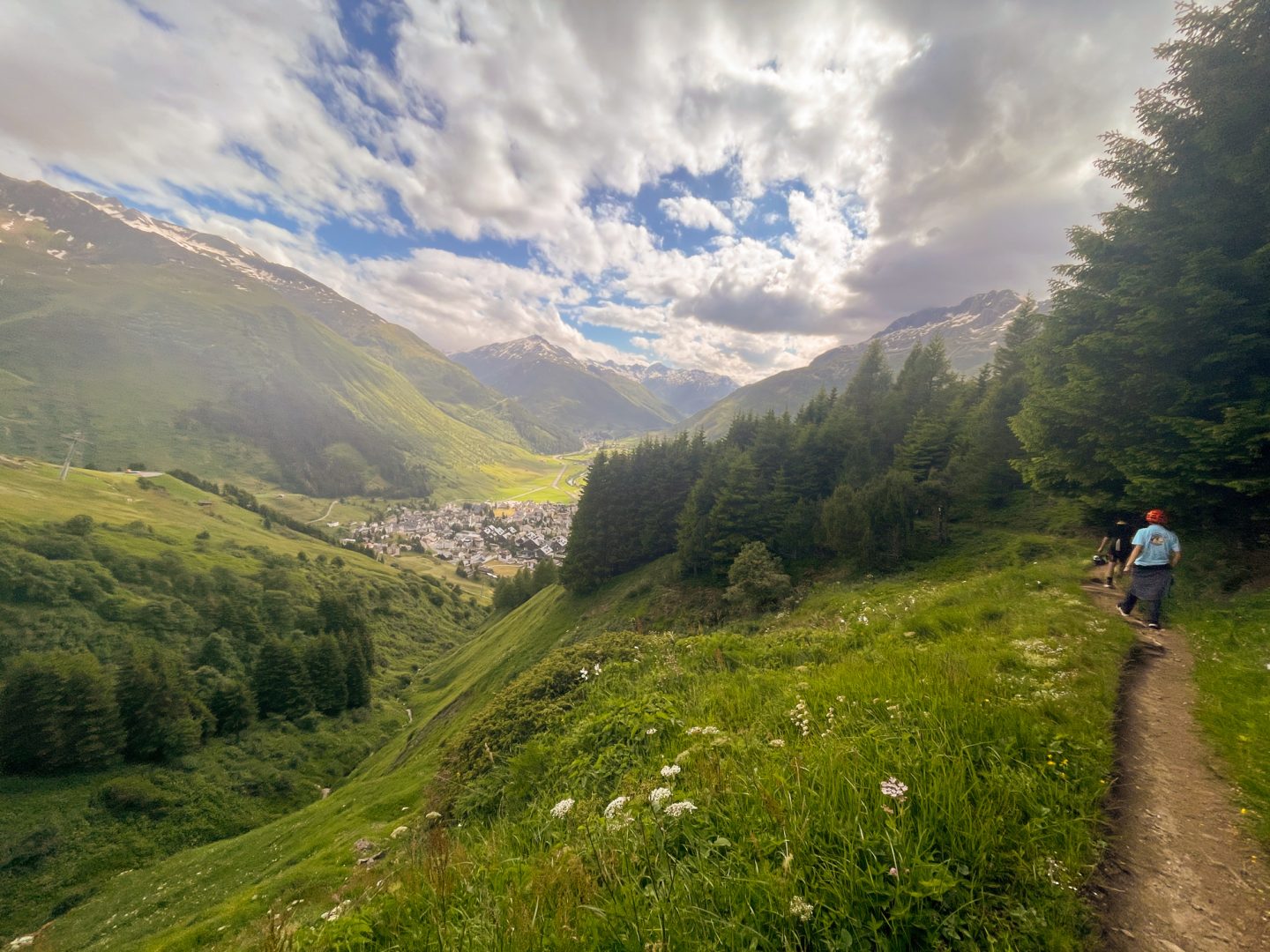
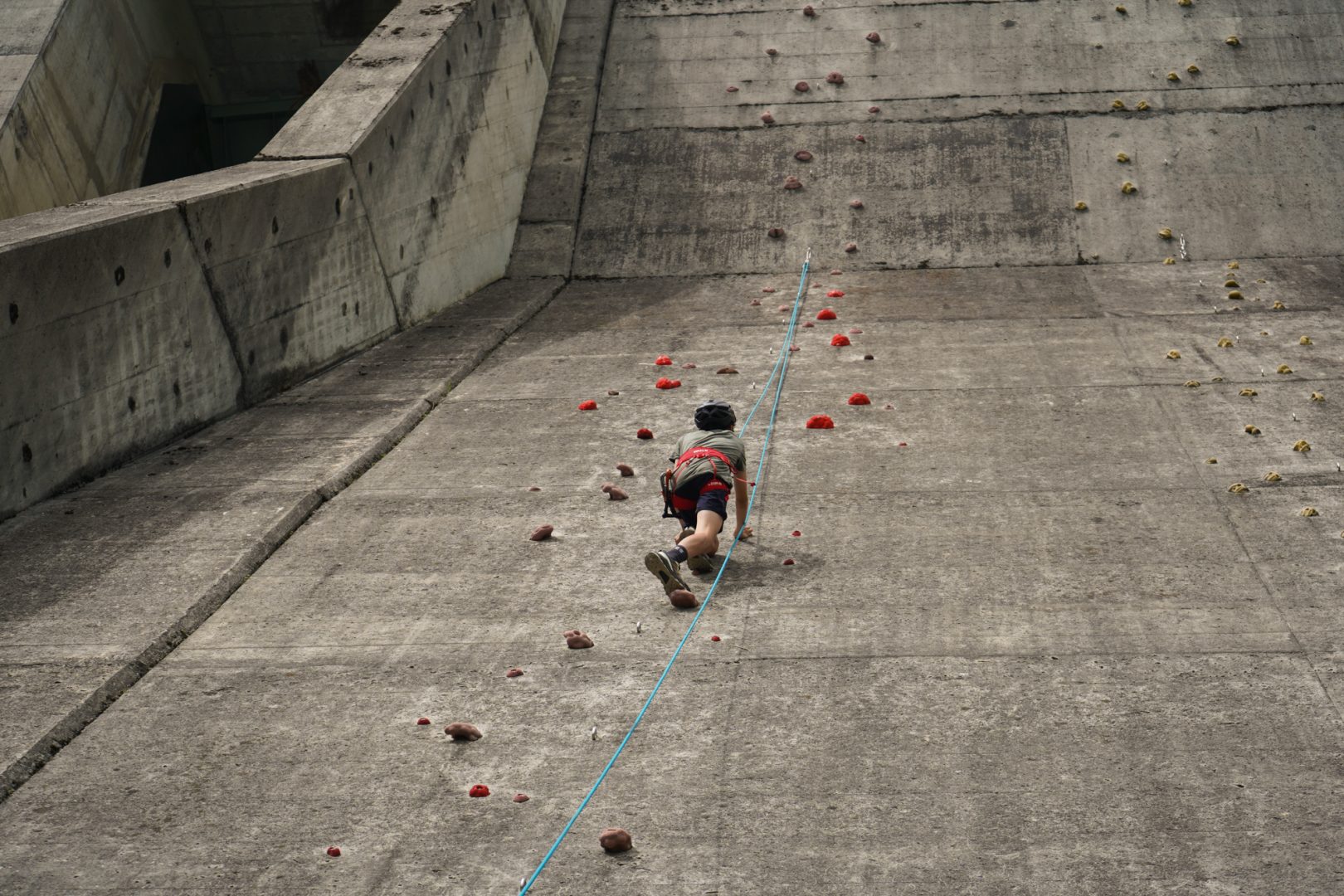
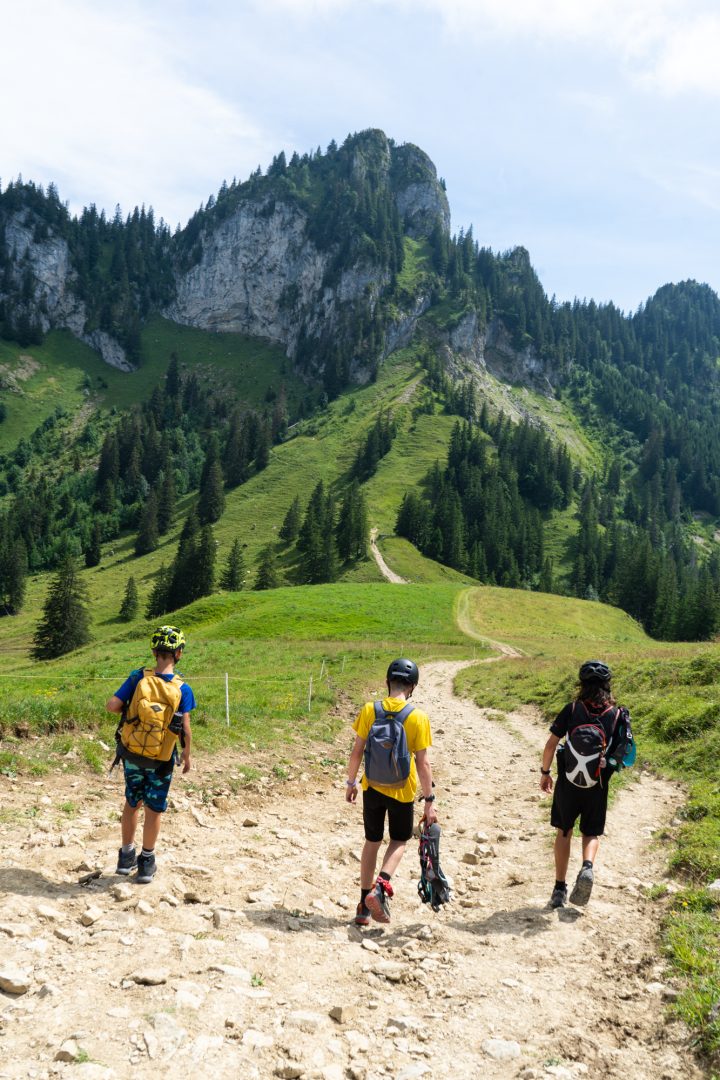
We see clear contrasts in terrain that shape activities. Switzerland offers high-alpine environments, glacial valleys and iconic lakes such as Lake Geneva and Lake Lucerne. Campers can expect alpine climbing, guided glacier trekking, via ferrata and lake-based water sports. Austria presents broad alpine ranges plus large lake districts (Salzkammergut, Carinthia) with a focus on extended hiking, lake water sports, climbing, horse riding and adventure parks.
Weather affects what you do: Swiss high-alpine trips often hit 0–15°C and change fast, while the Swiss Plateau stays around 18–25°C in July. Austrian lowlands are usually warmer, roughly 20–27°C in July, with alpine zones cooling to similar temperatures as Swiss peaks.
Guides run glacier trekking and technical routes; camps enforce minimum ages and skill prerequisites for safety. We, at the young explorers club, recommend assuming guided sessions and specialised kit (for example crampons, harnesses) will be required and frequently rented on site.
Best regions, sample itineraries and packing notes
Below are practical region picks and example itineraries to match interests — via ferrata, glacier trekking, climbing, hiking and water sports are integrated where they fit.
- Bernese Oberland (Interlaken) — Adventure and mountaineering base (towns ~560–1,200 m). Sample 1-week: day 1 acclimatise + safety brief and easy hike; day 2 via ferrata; day 3 white-water rafting; day 4 climbing and abseil; day 5 glacier approach training and return. Excursions can reach 2,500–4,000 m; glacier zones require guides.
- Valais (Zermatt, Saas-Fee) — High-alpine climbing and glacier access. Sample 2-week: week 1 technical climbing and rope skills; week 2 multi-day trek with mountain-hut nights and guided glacier crossings. Expect rapid weather shifts and enforced guide-led sections.
- Lake Geneva / Montreux — Watersports plus French language options; good for combined activity and language weeks. See our notes on picking a good summer camp in Switzerland.
- Ticino — Italian-language camps with mixed lakes and lower alpine trails.
- Tyrol (Innsbruck, Kitzbühel) — Via ferrata, climbing and mountain biking; base elevations 600–1,200 m with higher day trips.
- Salzburg & Salzkammergut — Lakeside family camps focused on canoeing, sailing and watersports; sample 1-week format: daily watersports with afternoon language or skills sessions.
- Carinthia — Warm lakes and family-friendly watersport camps.
Typical elevation ranges: valley towns 400–1,200 m; mountain-base camps 1,200–2,200 m; high alpine excursions 2,500–4,000 m. Check minimum ages and prerequisites in writing.
Pack layered clothing for variable mountain weather: waterproofs, sun protection, sturdy hiking boots, a warm mid-layer and hat. For glacier trekking or technical climbs plan for mandatory guide-led sessions and specialist kit; camps often supply or rent gear. If safety is a top priority for your family, consider locations and standards that brand themselves the safest destination. For families crossing borders, read why Austrian families choose Swiss options, and check access if you want camps near Zurich.

Travel, Timing & Logistics (accessibility, booking windows, visas, health & insurance)
We, at the Young Explorers Club, plan every arrival and transfer with families in mind. Typical rail transit times you should expect are short and reliable:
- Zurich Airport → Interlaken: ≈ 2 hours
- Geneva → Verbier: ≈ 2.5–3 hours
- Vienna → Salzburg: ≈ 2.5 hours
- Vienna → Tyrol (Innsbruck): ≈ 4–4.5 hours
Those times reflect standard schedules and smooth connections, but allow extra time for luggage and local shuttles.
Sample door-to-door itineraries give a realistic view of travel days:
- London → Interlaken: flight London→Zurich ~1h45 plus Zurich→Interlaken ~2h by train and transfers — allow 5–6 hours door-to-door.
- Paris → Verbier: Paris→Geneva by train/flight ~3–4h plus Geneva→Verbier 2.5–3h — allow 6–8 hours.
- Munich → Salzburg: regional train ~1.5–2h plus local transfer — expect ~2.5–3 hours total.
We always tell families to budget the longer estimate on travel day.
Ground infrastructure shapes arrival ease. Switzerland’s dense rail network, run by SBB, gives frequent trains and tight local transfers. Austria’s ÖBB network is strong too, with solid regional rail and bus links into the Alps. Expect slightly faster turnarounds and more frequent regional connections in Switzerland; Austria offers excellent rail comfort and competitive connections, especially from Vienna and Munich.
Booking windows and peak-season realities affect price and availability. Camps typically open bookings in winter (Nov–Mar) for the coming summer. Early-bird discounts are common through March–April. Peak season runs mid-June to end-August, with July usually the busiest. Deposit norms are standard: 20–30% at booking, with cancellation rules varying by provider. We advise locking in a spot early to avoid sold-out dates and higher late-season rates.
Visas, health requirements and insurance need clear lead times. Both Austria and Switzerland are in the Schengen area, so many non-EU campers may require a Schengen short-stay visa depending on nationality. Start visa applications 8–12 weeks before travel. Camps normally require up-to-date routine vaccinations and completed medical forms. COVID rules and public-health requirements can change, so check current guidance close to departure. We require proof of comprehensive travel insurance that covers medical evacuation and activity-related incidents; many camps insist on this as part of registration.
On-the-ground logistics are straightforward but vary by camp. Organized camp pickups are common and usually more affordable than private transfers. Families may also choose self drop-off. Transfer costs range widely depending on distance and vehicle type — expect CHF/EUR 30–300 for shared shuttles or private rides. We coordinate pickup windows and give families tight meeting times to reduce waiting and confusion.
Booking timeline & checklist
Follow this timeline to keep logistics tidy and stress low:
- Choose a camp by Jan–Mar and compare locations, activities and access — if you need guidance on Swiss options, use our page to choose the best camp.
- Secure a spot with a 20–30% deposit by Mar–Apr to access early-bird rates.
- Start any Schengen visa process 8–12 weeks before travel.
- Book flights and rail segments 6–12 weeks out for best fares.
- Purchase comprehensive travel insurance once travel is confirmed; ensure it covers rescue and high-risk activities.
- Complete medical forms and upload vaccination records 2–4 weeks before departure.
- Confirm pick-up details and local transfer arrangements 1–2 weeks before arrival; budget CHF/EUR 30–300 depending on transfer type.
We keep these timelines updated and communicate deadlines clearly so families can focus on packing and excitement rather than logistics.

Safety, Staffing, Accommodation, Food & Language Immersion
We, at the young explorers club, insist on clear staff qualifications and transparent supervision. Staff should hold first aid certification, national background checks (DBS or equivalent), and activity-specific credentials like mountain guide or lifeguard certificates. Typical staff-to-camper ratios run from 1:6 to 1:12 depending on age and activity; high-risk alpine work requires tighter ratios and additional qualified instructors. Residential camps normally provide 24/7 on-site supervision with specialist instructors joining excursions. Always ask camps to state ratios for climbing, water sports and backcountry activities in writing.
Practical safety-document checklist
Request these documents before you commit; they make comparisons simple and quick:
- Copy of camp accreditation and insurance certificates
- Staff vetting policy and sampled staff CVs
- Staff-to-camper ratios by age and activity
- Number of staff with wilderness first aid and mountain guide qualifications
- Emergency procedures and local hospital contact details
- Sample daily schedule and activity risk assessments
- Medical form template and required vaccinations
- Proof of required equipment and rental options
Accommodation, food and language immersion
Accommodation varies across Switzerland and Austria. Expect dormitory-style chalets, family-style cabins, mountain huts, tents or homestays. Sleeping groups typically hold 4–10 campers, with smaller family cabins common for younger kids. Camps serve three meals a day plus snacks and will usually handle vegetarian, vegan, halal or allergy needs with advance notice. I recommend confirming sample menus and cross-contamination policies before arrival.
Language immersion differs by country. Switzerland offers regional immersion in German, French or Italian; choose Geneva for French, Ticino for Italian, and Bern or Zurich for German. Austria delivers cohesive German immersion with local Austrian dialects. Formats include full-immersion, mixed-language classes with native teachers, and tandem or homestay options for daily practice. If pure German immersion is the goal, Austria gives a consistent environment; if you want multilingual exposure, Swiss camps let campers switch between languages.
I advise parents to request accreditation badges and specific staff qualifications for any camp under consideration, and to confirm in writing the supervision model for high-risk alpine activities. For help comparing options and picking a site, see our guide to summer camp in Switzerland for targeted advice on selection: summer camp in Switzerland
https://youtu.be/CQ0P2d38mDM
Sources
Swiss Federal Statistical Office — Population and area of Switzerland
Statistics Austria — Population and demography
Switzerland Tourism — Summer in Switzerland
Österreich Werbung — Summer in Austria
UNWTO — International tourism trends / Market intelligence
European Youth Portal — Working with children and youth: legal frameworks & safety
Swiss Alpine Club — Mountain safety and guide qualifications
Austrian Alpine Club (Alpenverein) — Mountain safety and alpine guidance
Swiss Federal Office of Public Health — Travel and vaccination guidance
SBB (Swiss Federal Railways) — Travel in Switzerland (timetables & connections)
ÖBB (Austrian Federal Railways) — Travel in Austria (timetables & connections)