Yoga Retreats For Families In Switzerland
Family yoga retreats in Switzerland—adult & kids’ yoga, supervised kids clubs, mindful activities for ages 3–16. Book 3–7 day stays.
Family yoga retreats in Switzerland
Family yoga retreats in Switzerland pair adult yoga and mindfulness with age-appropriate kids’ yoga and supervised play. Operators include the Young Explorers Club, and we, at the Young Explorers Club, run popular options. Programs suit children roughly 3–16 years old. Stays range from short weekends to full weeks, with common bookings of 3–7 days and some options up to 14 days.
Programs and age range
Retreats are designed for families with a mix of adult-only, family and child-specific programming. Typical offerings include:
- Age range: approximately 3–16 years.
- Formats: weekend, mid‑week or full‑week stays.
- Group sizes: commonly 8–40 participants; family rooms usually sleep 3–6.
- Operator examples: the Young Explorers Club and similar family-focused providers.
Typical daily schedule
Daily schedules blend classes, supervised childcare and family activities. A common structure is:
- Morning: adult class or family flow (60–90 minutes).
- Mid-morning: kids sessions (20–45 minutes) plus supervised kids club (1–6 hours).
- Afternoon: family activity such as a hike or lake time (1–3 hours).
- Evening: restorative practice (30–60 minutes), then free time.
Seasons and access
Switzerland offers a variety of settings — alpine meadows, clean lakes and well‑marked trails — and excellent transport via cable cars and a dense rail network, making many sites accessible. Recommended travel windows:
- Summer: June–September for hiking, swimming and warm-weather family programs.
- Winter: December–March for snow weeks that combine yoga with winter sports.
Safety and practical planning
Prioritize safety and clear logistics when choosing a retreat:
- Confirm staff:child ratios — aim for 1:6–1:8 for mixed-age groups.
- Check that staff have First Aid/CPR certification and background checks.
- Ask for written emergency plans and recommended mountain‑evacuation insurance.
- Review transport access, seasonality and on-site facilities (changing rooms, childcare spaces).
- Clarify what’s included in the price: meals, equipment, childcare hours and any extra activity fees.
Booking and costs
Booking and cost expectations:
- When to book: book 2–6 months ahead for peak weeks and school holidays.
- Typical adult rates: expect all‑inclusive prices around CHF 120–400/day, depending on accommodation and meals.
- Children’s fees: typically 30–70% of adult rates; verify childcare fees and what’s included.
- Cancellation and insurance: check cancellation terms and whether travel/mountain insurance is recommended.
Key takeaways
- Target families: children ~3–16; formats include weekend, mid‑week or full‑week (typical group sizes 8–40; family rooms sleep 3–6).
- Typical day: morning adult class or family flow (60–90 min), kids sessions (20–45 min) plus 1–6 hr supervised kids club, afternoon family activity (1–3 hr), and evening restorative (30–60 min).
- Switzerland’s strengths: alpine meadows, clean lakes, well‑marked trails, cable cars and a dense rail network; best travel windows are June–Sept for summer and Dec–Mar for snow weeks.
- Prioritize safety: confirm staff:child ratios (aim 1:6–1:8), First Aid/CPR, background checks, emergency plans and recommended mountain‑evacuation insurance.
- Booking: reserve 2–6 months ahead for peak weeks; expect adult all‑inclusive rates ~CHF 120–400/day with children typically 30–70% of adult rates — always verify what’s included and childcare fees.
https://youtu.be/seKxX3KbGYw
What a family yoga retreat in Switzerland looks like (snapshot and sample itineraries)
What to expect
We, at the Young Explorers Club, run multi-day programs that pair adult yoga and mindfulness with parallel or combined kids’ yoga and playful activities. Families with children aged roughly 3–16 get the most from these retreats. Retreat lengths range from short weekends to full weeks; common stays run 3–7 days, though 3–14 day options exist. Group sizes usually fall between 8 and 40 people. Accommodation is family-friendly, with rooms or cabins that sleep 3–6.
The daily rhythm stays simple and practical. Mornings often start with a family flow or an adult AM class that lasts 60–90 minutes. Kids’ sessions run 20–45 minutes and sit inside longer supervised blocks so parents can join workshops or take free time. Midday offers 1–6 hours of kids club or supervised activities; parents can opt for spa time, private coaching, or a short hike. Afternoons typically feature a family hike or lake activity lasting 1–3 hours, plus optional private sessions or creative workshops for children. Evenings wind down with a 30–60 minute restorative practice or guided meditation, followed by a relaxed family dinner and light programming.
I recommend planning one full-day family excursion during a longer stay to reset and bond; many families pair yoga with lake time or an alpine ride. For inspiration on activities and local highlights, see our posts on family trip planning and family activities in the Alps: family trip, family activities. If you want weekend ideas or eco-friendly travel tips, check our guides to top activities and eco travel. Practical packing advice and lake options are in these resources: what to pack, beautiful lakes. For mental-wellness benefits and outdoor time ideas, read how camps support and more time outdoors. If you want program-specific suggestions, explore discover Camp Montana and our list of best summer camps.
Sample itineraries
Below are three copy-ready itineraries you can adapt to family size and fitness level.
-
Weekend (3 days)
- Arrival: Friday evening — check-in and welcome circle.
- Saturday: Morning family flow (60 min); kids club (2 hrs); afternoon hike (1–2 hrs); evening restorative (30–45 min); family dinner.
- Sunday: Morning family yoga (45–60 min); late breakfast and mid-day checkout.
-
Mid-week (5 days)
- Arrival: the evening before Day 1; departure after Day 5 mid-day.
- Daily: AM adult class (75 min); kids club (3 hrs/day); daily family activity (short hikes or creative sessions).
- Highlights: One full-day family excursion (lake swim or mountain train); one evening meditation workshop; one free afternoon for spa or optional skiing.
-
Full week (7 days)
- Daily: AM yoga (60–90 min) and PM restorative (30–60 min).
- Kids club: 1–6 hrs/day with age blocks; half-day art/nature workshops; one full-day alpine adventure (cable car + picnic).
- Extras: Optional private family session and afternoon family activities each day.

Why Switzerland works: landscapes, seasons and getting there
Switzerland covers roughly 41,285 km², and about 60% of that is mountainous — the Alps and Jura shape most family retreat sites. The highest Swiss summit is Dufourspitze in the Monte Rosa massif at 4,634 m. Those elevations give us alpine meadows, clean lakes and a dense network of well-marked trails that suit families of mixed abilities. Cable cars and funiculars make high-altitude access simple even with children and luggage.
I value the country’s safety and air quality for family wellness weeks. Switzerland consistently ranks highly for public safety and environmental quality, so parents relax and kids play outside without the usual concerns.
Transport is a strength we use when planning itineraries. The rail network is dense and timed to connect with mountain transport. The Swiss Travel Pass (available for 3–15 days) simplifies multi-day trips and lets families hop between regions without juggling tickets. Zurich, Geneva and Basel are the main international gateways; most retreat sites sit about 1–3 hours from these airports by train or car. Geneva to many lake regions runs about 1–2 hours; Zurich to Lucerne is roughly 1 hour.
Seasons define the program style. June–September is prime for meadows, hiking and lake swimming. December–March is ideal for snow-based retreats that mix yoga with skiing or sledging. Shoulder seasons usually mean lower prices and fewer crowds. Remember that altitude changes the calendar: summer temps can range roughly 5–20°C depending on elevation, and winters go sub-zero at higher sites.
Key practical points and quick tips
Here are the facts we put front and center when organising family yoga retreats:
- Geography highlights: alpine meadows, lakes, and reliable marked trails that suit strollers to teen-level hikes.
- Safety and environment: strong public-safety record and high environmental standards for outdoor wellness.
- Transport tips: use the Swiss Travel Pass for flexible rail + mountain transport access. Buy passes early for families.
- Airport timing: expect 1–3 hours transfer from Zurich, Geneva or Basel to most popular retreat valleys.
- Seasonal planning: choose June–Sept for summer programs, Dec–Mar for snow weeks; consider shoulder months for quieter stays.
- Booking window: reserve 2–6 months ahead for peak family weeks and holiday periods.
- Packing nudge: check altitude layers and bring rainproof shells — see our family trip notes for more packing advice.
Who travels and when: family profiles and demand patterns
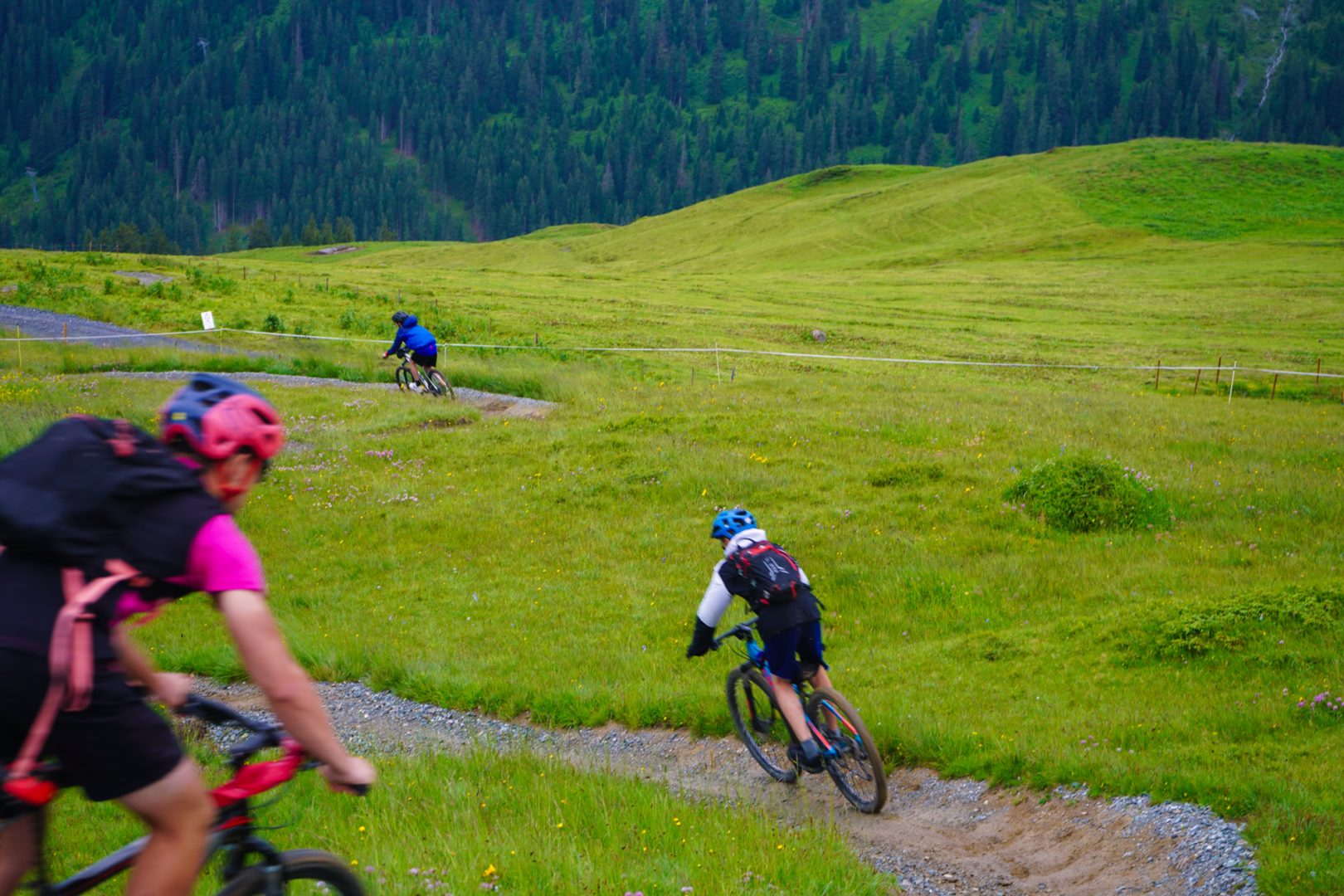
We, at the Young Explorers Club, see a consistent family profile arriving at yoga retreats in Switzerland. Parents tend to be aged 30–50 and travel with children aged 3–16. Households usually lean wellness-oriented, mid-to-high income, and want nature plus active experiences rather than pure relaxation. Many are motivated by health, screen-time reduction and quality outdoor time. I often describe them as family wellness travelers or wellness-focused families when advising partners and planners.
When families travel and booking patterns
Peak windows cluster around school breaks: June–September for summer and December–March for winter holidays. Demand spikes on public holidays and during the main school vacation weeks. Families typically book 2–6 months ahead for summer and holiday-season retreats, so I recommend opening family-focused inventory early and offering clear packages. Mid-week stays are quieter and usually easier to book; they also attract families who want lower prices and smaller groups. If we want to smooth occupancy, we promote short mid-week options and kid-friendly activities to draw those looking for value and calm.
Tailoring programs by child age
Design activities according to child development; here are practical program templates I use:
- Ages 3–6: Keep sessions short and play-based. Plan kids’ yoga of 20–45 minutes, guided sensory nature play, and supervised creative time. Parents value on-site childcare windows so they can join adult classes for 45–90 minutes.
- Ages 7–12: Offer longer kids’ classes and light adventure options. Supervised activity blocks of 1–6 hours/day work well — a morning nature trail and an afternoon craft or climbing session, for example. We schedule clear handover times to reassure parents.
- Teens (13–16): Give teens the option to join adult-style yoga or follow teen-focused workshops and excursions. Offer mixed classes and separate teen sessions so they can choose independence or family time.
Practical notes I give retreat coordinators and families when marketing summer family retreats:
- Emphasize flexible childcare windows, clearly listed class durations, and activity intensity by age.
- Use search terms like family wellness travelers, wellness-focused families and summer family retreats in listings to match intent.
- Promote quieter mid-week packages for families who prefer lower cost and smaller groups.
For practical travel and packing advice that complements retreat planning, I link families to our guide on a family trip in Switzerland, which helps set expectations and boosts bookings by reducing pre-trip uncertainty.

Formats, accommodation and daily programming (what to expect on-site)
We, at the young explorers club, offer clear options so you know what to expect on arrival. Retreat formats cluster into three main types: residential resort retreats (all-inclusive), boutique chalet or farmstay retreats, and day-retreats or weekend escapes. You can also book multi-family private stays for a more intimate group experience. Each format supports family resort yoga or family chalet yoga, and we often program family glamping Switzerland options for a different pace.
Accommodations cover a broad range. Expect family rooms and suites that sleep 3–6 people, self-catering chalets for flexible meals, standard hotel rooms for convenience, and glamping tents for an outdoor vibe. Meal plans normally come as full-board or half-board, with vegetarian or vegan choices and dedicated kids menus.
We keep children’s programming practical and predictable. Kids yoga sessions run 20–45 minutes to match attention spans. Supervised activity blocks range from 1–6 hours per day and mix short yoga, creative workshops, mindful movement games, and nature play. Parent programming includes Vinyasa/flow, Hatha and restorative classes; adult sessions usually run 60–90 minutes. You’ll also find daily family classes, optional private sessions or spa time, and combined activities like family hikes, group picnics and sunset family meditation.
Always ask about staffing and safety before you book. Typical staff-to-child ratios sit around 1:6–1:8. Verify staff qualifications and First Aid/CPR certification. Confirm emergency plans, child pick-up procedures and any background checks for carers.
Sample week plan (typical on-site timings)
Below is a representative daily schedule many families enjoy:
- 07:30 Morning family flow — 45 min
- 09:00 Kids club opens; supervised play & kids yoga 09:30–10:00
- 10:30 Parent workshop or adult class — 75–90 min
- 12:30 Lunch — family dining
- 13:30 Kids club or half-day kids workshop — 1–4 hrs
- 15:30 Afternoon family hike or lake time — 1–3 hrs
- 17:30 Free time / spa / optional private session
- 19:00 Family dinner
- 20:00 Evening restorative or family meditation — 30–60 min
We recommend families think about logistics up front: choose all-inclusive family yoga Switzerland packages for minimal planning, or select self-catering chalets if you want control of meals. When you want inspiration for a longer stay, check our family trip planning resources for tips on balancing adult practice and kids’ time.
Costs, budgeting and booking checklist for families
We typically see adult all‑inclusive rates between CHF 120–400 per person per day. Children usually cost a fraction of that, commonly 30–70% of the adult rate, while infants and toddlers are often free or heavily reduced. Expect common extras such as childcare at CHF 20–35 per hour, private yoga sessions CHF 80–150 per hour and spa treatments from CHF 60 to 200+.
We recommend factoring discounts into your math. Many operators offer family discounts of 10–30%, early‑bird savings of 10–20% and multi‑child concessions. Booking sooner often secures better room options and lower rates.
Use these sample budgets for a five‑day family retreat (2 adults + 2 children):
- Budget option: CHF 1,500–2,500 — self‑cater chalets or lower‑tier retreats with minimal extras.
- Mid‑range: CHF 3,000–5,000 — mid‑range retreat or resort with some inclusions and occasional childcare.
- Luxury: CHF 6,000+ — 5‑star packages with spa access, private instructors and flexible childcare.
Compare packages and confirm what’s actually included before you commit; a lower headline price can still add up once activities and meals are added. For a quick comparison and planning tips, see price family retreat Switzerland.
Booking checklist — must‑ask items
Ask these questions and get answers in writing before you pay a deposit:
- Confirm age ranges for kids’ programs.
- Verify staff:child ratio (request 1:6–1:8).
- Verify First Aid/CPR certification for all childcare staff.
- Confirm included meals, menu options and allergy handling.
- Understand the cancellation policy and refund terms fully.
- Confirm childcare hours & fees (typical childcare CHF 20–35/hr).
- Confirm transport, pick‑up options and typical transit times to nearby towns or airports.
- Confirm maximum family room occupancy and extra‑bed or cot fees.
- Request a detailed price breakdown and written confirmation of included activities, supervision and any optional paid extras.
We advise asking for sample daily schedules and staff CVs for peace of mind. Bring receipts for every promised inclusion and flag anything unclear before arrival. If you want help comparing options or negotiating family discounts, we, at the Young Explorers Club, can assist.

Sustainability, health and safety essentials for family retreats
We, at the young explorers club, expect retreat operators to spell out low-impact practices clearly. Look for local food sourcing, reduced single-use plastics, visible renewable-energy measures and links to regional sustainability programs.
Retreats that commit publicly to sustainability usually reference Switzerland Tourism initiatives such as Swisstainable. I recommend checking operator sustainability commitments and any regional eco-labels before you book. For practical reading on low-impact travel and choices for families, see our sustainable family yoga Switzerland guide.
I check health and safety details as a priority. Switzerland scores highly for public safety, but on-site child supervision varies. Confirm staff qualifications, DBS/background checks and staff:child ratios before you arrive. Typical staff:child ratios to request are 1:6–1:8 for mixed-age yoga and activity sessions. Use childcare safety standards as a filter when comparing programs.
Insurance is essential for alpine activities and cancellations. We advise families to carry comprehensive family travel insurance that covers medical evacuation and activity risks. EU residents should verify EHIC applicability; non-EU visitors must arrange private insurance that includes helicopter or mountain evacuation. Ask operators whether they recommend or facilitate specific mountain evacuation insurance policies.
COVID-19 and other infectious-disease protocols still change by canton. Check current local guidance and each retreat’s own health policies shortly before travel. Also verify on-site protocols for food handling, allergy management and chronic-medication storage.
Practical safety checklist — questions to ask operators
- What are your child-safety/staffing ratios? (Aim for 1:6–1:8 for mixed classes.)
- Do instructors hold certified child/youth yoga qualifications?
- Are staff First Aid and CPR certified? Please show certificates.
- Do you provide mountain evacuation insurance recommendations or support? Ask how claims are handled.
- What medical facilities are nearby and what’s the typical transfer time?
I recommend getting written answers to each question and storing contact details for local emergency services. We keep these checks as non-negotiable items on every family retreat booking.

Sources
Switzerland Tourism — Tourism Statistics
Swiss Federal Statistical Office — Tourism
Global Wellness Institute — Global Wellness Economy Monitor
Booking.com — Family Travel Trends
Statista — Family vacations (topic)
World Travel & Tourism Council (WTTC) — Economic Impact Research
UNESCO — World Heritage List: Switzerland
Swiss Travel System — Swiss Travel Pass
SBB Swiss Federal Railways — Swiss Travel Pass
Switzerland Tourism — Swisstainable (sustainable tourism)
World Health Organization (WHO) — Physical activity (fact sheet)