One-week Summer Camp In Switzerland: Short-term Programs
7-day Swiss summer camps in Interlaken, Zermatt & Lake Geneva: immersive language, adventure, alpine & STEAM for ages 6–18. CHF 150–5,000
One-week Swiss summer camps — concentrated, immersive tasters
One-week Swiss summer camps offer concentrated, immersive tasters. Programs typically run as residential stays (usually seven nights/seven days) or day camps. Common locations include Interlaken, Zermatt, Verbier, Lake Geneva and Lucerne. Tracks cover language, adventure, alpine sports, water sports, STEAM and arts. Camps suit children and teens, typically aged 6–18. Cohorts stay small, with activity groups and staff ratios near 1:6–1:12. Prices usually fall between CHF 150 and CHF 5,000 per week and vary with format, inclusions and optional extras.
Key takeaways
- Formats: Residential weeks (7 nights/7 days) and day-camp versions (often 5 weekdays) deliver intensive tasters or local day options. These formats suit families seeking a short, focused experience.
- Ages and groups: Typical age range is 6–18 with cohort sizes of 10–30 and activity groups of 8–15 to balance learning and safety. Small groups speed skill development and help staff maintain safety.
- Program types and outcomes: Offerings include language immersion, adventure/outdoor, alpine sports, water sports, STEAM, arts/music and pre-university tasters. Expect confidence and measurable skill gains rather than full certification in just one week.
- Pricing and drivers: One-week costs typically range between CHF 150–5,000. Higher fees reflect luxury lodging, small-group or one-to-one coaching, private transport and premium excursions.
- Safety and logistics: We, at the Young Explorers Club, recommend checking staff certifications (first aid, lifeguard, climbing guides), asking for detailed emergency and evacuation plans, confirming transfer arrangements and pick-up points, buying suitable travel and medical insurance, and sorting visa paperwork well before departure.
Practical notes
- Packing: Bring layered clothing for alpine weather, appropriate footwear, sun protection and any required personal kit for specific activities.
- Inclusions: Clarify what the fee covers—meals, accommodation, equipment, excursions and transfers—to compare offers accurately.
- Medical needs: Provide detailed medical information and emergency contacts in advance; confirm medication handling policies.
- Communication: Ask about daily schedules, parent updates, and on-site contact procedures.
Final recommendation
One-week camps are excellent for trying new activities, building confidence and testing out locations before committing to a longer stay. For peace of mind, verify staff qualifications, safety procedures and logistical details with providers well in advance.
What a one-week Swiss summer camp is
We, at the young explorers club, treat a one-week (7-day/7-night or 7-day day-camp equivalent) Swiss summer camp as a concentrated taster or intensive week in locations like Interlaken, Zermatt, Verbier, Lake Geneva and Lucerne. A short, immersive option, it gives children and teens a compact experience compared with standard 2–4 week courses. I’ll call attention to the practical format so families know what to expect immediately.
We describe the format plainly. Residential weeks run commonly as seven consecutive nights with seven full activity days (often listed as 7 nights / 8 calendar days). Day-camp versions usually compress to five weekdays, though some providers offer weekend or mixed schedules. You can review availability and dates if you’d like more planning details via our one-week summer camp link.
We clearly label structures so there’s no guesswork:
- Boarding (residential): Alpine resort towns such as Interlaken, Zermatt and Verbier frequently host residential weeks with on-site lodging and evening programs. These weeks suit kids who can cope with a full week away and benefit from a continuous program.
- Day camps: Lakeside or city-adjacent sites like Lake Geneva and Lucerne often run day-camp options or hybrid weeks, which suit local families who prefer daily drop-off and pick-up.
We set target ages and group sizes to balance learning and safety. Typical target ages are 8–17, with many providers offering mini-camps for ages 6–8 and teen-specific weeks for 13–17. Cohort sizes typically range from 10–30 participants, while activity groups commonly sit between 8–15. We staff according to risk and age: ratios usually run 1:6 to 1:12, with younger children and high-risk activities assigned the lower ratios.
We provide multi-language environments. English is commonly offered, alongside French, German and Italian. Camps reflect their local canton: German-speaking cantons host programs largely in German, Lake Geneva programs often use French, and Ticino programs commonly use Italian. We encourage families to check the language of instruction for each week if language practice is a goal.
Quick facts and formats
Here are the essential figures and options at a glance:
- Labels/keywords: one-week summer camp Switzerland; 7-day summer camp; short-term programs Swiss Alps
- Typical ages: 8–17 (mini-camps 6–8, teen weeks 13–17)
- Group size: 10–30 participants; activity groups 8–15
- Staff ratio: 1:6–1:12 depending on age and activity
- Residential format: 7 nights / 7 full days (8 calendar days listed at times)
- Day-camp format: often 5 weekdays; weekend or hybrid options exist
- Languages: English, French, German, Italian (local language varies by region)
We recommend families pick the format that matches their child’s stamina and social readiness. Short weeks let kids try intensive outdoor activities, sample language immersion and build confidence without a long commitment. For parents wanting practical prep, our registration and packing guides cover the next steps.

Types of one-week programs and typical costs
We, at the Young Explorers Club, offer focused one-week formats that let families choose intensity, skill focus and budget. Below are the common program categories, typical pricing bands and what is usually included. For a quick comparison of day options see our day summer camp page.
Program types, a sample week and suitability
-
Language immersion — Sample itinerary: mornings CEFR-based classes; afternoons cultural excursions and supervised language practice; evenings intercultural socials. Suitability: Suits ages 8–17, beginners to intermediate. (Related reading: ages and activities.)
-
Adventure/outdoor — Sample itinerary: Day 1 safety briefing; Day 2 half-day hike + technical skills; Day 3 full-day via ferrata or canyoning; evenings team debriefs and socials. Suitability: Suits ages 10–17, moderate fitness required. (See benefits of short adventure camps and options for weekend adventure camps.)
-
Alpine sports (mountain biking, climbing) — Sample itinerary: morning skills clinics, afternoon guided trail or crag session, evening equipment care and theory. Suitability: Suits ages 12–17, prior basic experience recommended. (Helpful: what to pack.)
-
Water sports — Sample itinerary: morning technique sessions, afternoon lake excursions, optional racing or leisure. Suitability: Suits ages 8–17, basic swimming recommended. (Pre-camp prep: how to prepare.)
-
STEAM/academic — Sample itinerary: morning workshops and labs, afternoon project time and local site visits, final showcase on Day 5. Suitability: Suits ages 11–17. (Registration help: how to register.)
-
Arts & music intensives — Sample itinerary: daily coached practice, ensemble work in afternoons, evening performances on the last night. Suitability: Suits ages 8–17.
-
Pre-university taster week — Sample itinerary: classes, campus-style workshops, university-entry advice and mock interviews. Suitability: Suits ages 15–18. (Also check residential options on residential camp life.)
Typical pricing (per 1-week stay, CHF)
-
Day camps: CHF 150–600.
-
Residential / mid-range: CHF 700–1,800.
-
Premium / specialist camps: CHF 1,800–5,000.
I quote CHF 150–CHF 5,000 per week as the overall market span; final cost depends on the extras listed below. For dates and availability consult our 2026 dates and prices.
Price drivers — common factors that raise fees
-
Luxury lodging such as chalets or private accommodation.
-
Very small group sizes or 1:1 coaching.
-
Included private transport (drivers or helicopter transfers).
-
Premium excursions with specialist guides.
-
Peak-season weeks and festival tie-ins.
Equipment and inclusion notes
-
Some camps include all basic equipment and entrance fees. Others charge extra for specialist gear or off-site trips.
-
Example extras often seen: climbing harness rental CHF 20–50/week; special excursion CHF 50–300. I advise families to check the inclusion list before booking. See our short checklist on what to pack.
Safety and skill prerequisites (by activity)
-
Mountain biking: prior experience recommended; provider supplies helmets; riders must show basic bike handling.
-
Climbing / via ferrata: fitness and no severe fear of heights recommended; harness and helmet sometimes included or rented.
-
Swimming / water sports: minimum swimming ability required; lifejackets for all water activities.
-
Hiking / canyoning: moderate fitness; suitable footwear; potential altitude-awareness briefing.
-
Language weeks: no prerequisites for beginners; placement tests may set groups.
-
STEAM and pre-university: basic subject knowledge recommended for advanced tracks.
-
Arts & music: instrument or portfolio requirements may apply for intensives.
For local logistics and a quick decision guide compare our pages on day vs overnight camps and how to register using the step-by-step instructions linked earlier.

Sample daily and weekly itineraries (language vs adventure)
We set a clear boarding-day rhythm so families know what to expect. Typical boarding-day template:
- 07:30 — breakfast
- 09:00–12:30 — morning workshops or language lessons
- 13:30–17:30 — afternoon outdoor activities or excursions
- 18:30 — dinner
- 20:00 — evening program and socials
Lights-out and adult curfew vary by age and are communicated at registration.
Language camp sample day — full times and structure
- 07:30 — breakfast
- 08:45 — registration and warm-up
- 09:00–12:30 — CEFR-based language classes (short breaks included)
- 12:30–13:30 — lunch
- 13:30–16:30 — cultural excursion or practical language activity (museum visit, city tour, conversation labs)
- 17:00 — free time or supervised study
- 18:30 — dinner
- 19:30 — intercultural evening games or a film in the target language
- 21:00 — quiet time for younger groups; 22:00 curfew for older teens
We design classes to be intensive but varied so learners stay engaged.
Adventure camp sample day — full times and safety focus
- 07:30 — breakfast
- 08:30 — gear check and safety briefing
- 09:00–12:30 — morning skills session (ropework, navigation)
- 12:30 — packed lunch
- 13:00–17:30 — guided alpine activity (hike, climbing or canyoning)
- 18:30 — dinner
- 19:30 — gear care and debrief
- 21:00 — lights-out for younger campers
We keep group sizes small for skill progression and safety, and we adjust activity intensity by ability.
One-week day-by-day breakdown
Below is a typical day-by-day layout for a one-week residential stay; we progress skills and build confidence each day.
- Day 1: Arrival, orientation, equipment checks, icebreakers and base-safety briefings.
- Day 2: Morning intensive block; afternoon practice session; short local excursion.
- Day 3: Skill development with progressive challenge; evening cultural or team event.
- Day 4: Mid-week full-day excursion or multi-hour field trip (strong emphasis on practice).
- Day 5: Applied skills, scenario-based challenges, or language immersion projects.
- Day 6: Final skills consolidation and rehearsal for showcase; group feedback sessions.
- Day 7: Final showcase, certificate ceremony and farewell evening (departure may be evening for day-camp models).
- Day 8: Departure morning for residential camps (or departure on Day 7 evening for day-camp participants).
We offer optional extras mid-week or at weekends; these special excursions typically cost CHF 50–300 depending on logistics and permits. For families deciding between formats, our guide on day camps vs overnight camps explains trade-offs. We also recommend parents review the what to pack checklist before arrival.
I suggest offering a downloadable PDF sample schedule on the website as a conversion tool. We use that PDF in booking emails and as a printable planning sheet for families.

Accommodation, meals, facilities and packing essentials
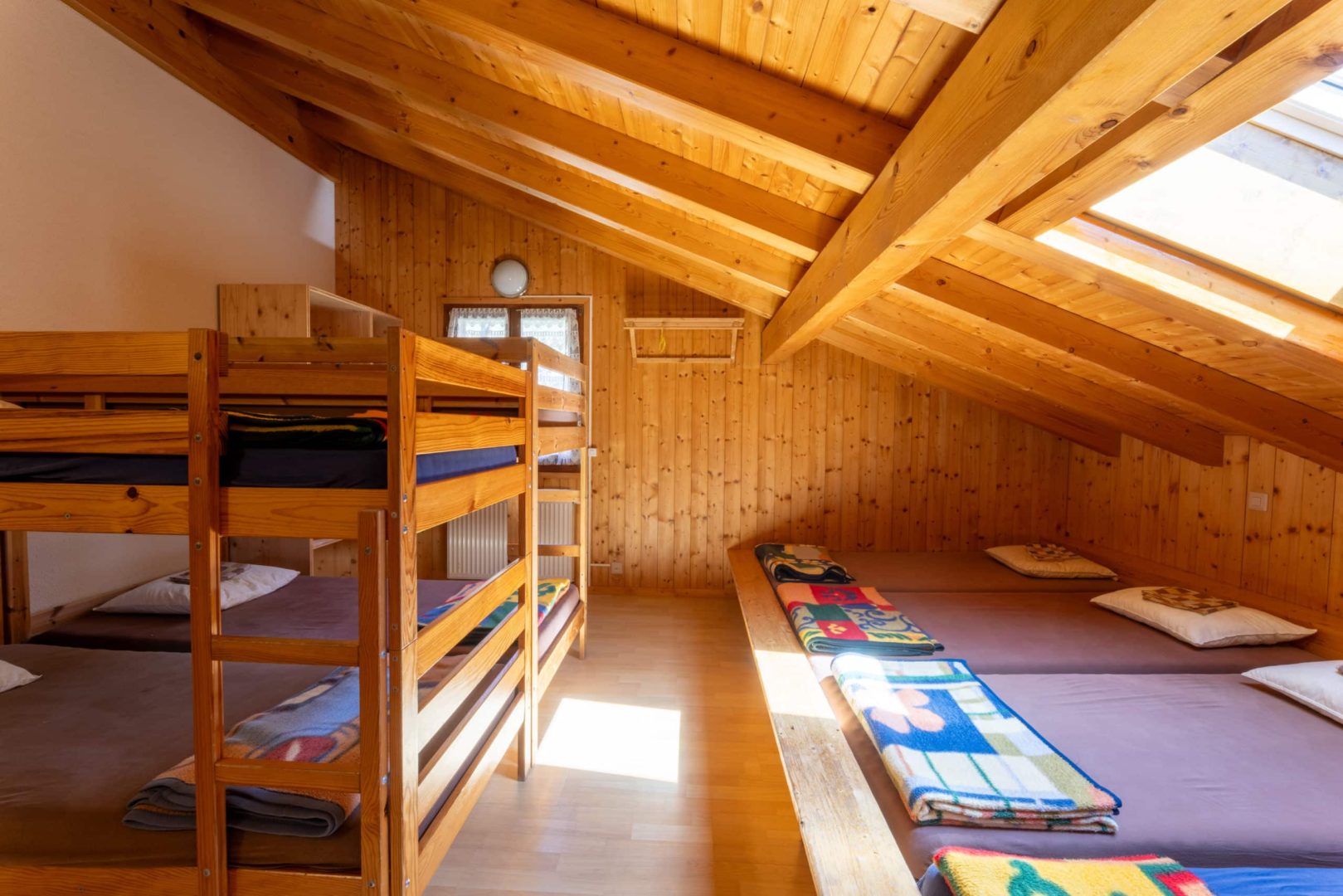
At the Young Explorers Club, we place accommodation choices front and center so families can pick what fits their child. Chalet and dormitory-style housing are standard. We also work with boarding schools, partner hotels and mountain refuges for a wider range of experiences. Room options typically include single, double and triple rooms. Groups or families can request same-sex or mixed arrangements; we confirm rooming at registration to match preferences.
We provide three meals a day plus snacks to keep energy high during activities. Our kitchen teams regularly accommodate allergies and common dietary preferences such as vegetarian, halal and lactose-free. We ask parents to declare allergens on the medical form so we can flag meals and avoid cross-contamination.
Facilities vary by site, but you can expect activity-ready spaces and high safety standards. Typical on-site amenities include classrooms and arts rooms, sports halls and climbing walls, lake access and marked mountain trails, certified pools with lifeguards, and music or STEAM labs for focused sessions. We staff each location with trained instructors, first-aid responders and site managers who run daily schedules and safety briefings.
Packing checklist and parent Q&A
Use the short packing checklist below and download our printable what to pack list for a tailored version by camp type.
- Passport and travel documents
- Medical insurance card and emergency contact details
- Prescribed medications with written instructions and dosage notes
- Layered clothing (alpine days often 15–25°C; nights 5–12°C)
- Waterproof jacket and a warm mid-layer
- Sturdy hiking shoes and trainers
- Swimwear and towel
- Sun protection: hat and SPF
- Small daypack and refillable water bottle
- Flashlight or headlamp with extra batteries
- Basic toiletries and a small first-aid kit (plasters, antiseptic)
- Travel plug adaptor if needed
- Label all belongings clearly with name and contact info
Short labeling and laundry note: label everything and list allergens on forms. Linens are usually provided; laundry service may be included for longer stays or available for a fee. We recommend a small repair kit and a few spare name tags in case labels peel off.
Quick parent Q&A — ask these at registration and keep a printed copy:
- Are linens provided? We usually include linens; we’ll confirm per session.
- Is laundry included or available? Laundry may be available for multi-week stays or for a small charge.
- Will students have lockers? Most sites offer lockers or secure cubbies for valuables.
- Are rooms same-sex? Rooms are arranged same-sex by default unless family or group requests mixed rooms.
- Is Wi‑Fi available? Wi‑Fi availability varies by site; we list connectivity on the session page.
- Any phone/device policy? We encourage limited use during program hours to boost engagement; each camp posts a clear device policy.
For activity-specific packing, we recommend a brief, tailored printable checklist for adventure, language or arts camps that highlights items like climbing harnesses, sketchbooks or bilingual dictionaries. We at the Young Explorers Club handle special requests proactively; tell us about mobility needs, strict dietary rules or unique medical requirements at sign-up so we can prepare.

Safety, staffing, health, travel logistics and legal requirements
Switzerland has a strong emergency-response network and strict public-health rules. Camps usually follow cantonal youth guidelines and local authority requirements. I deal with these standards every day and expect providers to be transparent about their policies.
Staffing, certifications and supervision
I expect staff to hold clear, verifiable certifications. Ask providers for these minimums:
- First Aid / CPR for all front-line staff.
- Lifeguard certification for any supervised swimming or water sports.
- Certified climbing instructor or UIAA/IFMGA equivalents for climbing activities.
- Qualified mountain guide for high-alpine routes and glacier travel.
- Teaching credentials for language instructors.
- Recent police background checks for all staff.
Typical staff-to-student ratios run between 1:6 and 1:12. I recommend 1:6 for younger children and for any high-risk activity. This ratio gives closer supervision and faster incident response. Ratios of 1:10–1:12 can work for older teens or low-risk sessions like classroom language lessons and easy day hikes. Ask for sample daily ratios for each activity, not just an overall average. I also look for clear role definitions (lead instructor, assistant, medic) and a written on-call medical or evacuation protocol.
Parent checklist of safety documents to request
Request these items from any camp and keep copies before travel:
- Full staff certification list and expiration dates.
- Background-check and vetting policy for employees.
- Written emergency plan and nearest hospital contact.
- Detailed evacuation and severe-weather procedure.
- Sample daily staffing ratios per age group and activity.
- Proof of local accident insurance the camp requires.
- Recommended travel insurance and repatriation cover amounts.
- Airport pickup policy, supervised-transfer options and fees.
- Visa invitation letter availability for non-EU participants.
- Standard parental consent and medical-authorisation forms.
- Unaccompanied-minor airline procedures the camp supports.
Travel logistics and typical transfer expectations
Major international gateways are Zurich (ZRH), Geneva (GVA) and Basel (BSL). Smaller airports such as Bern (BRN) and Lugano (LUG) serve regional routes. Typical transfer times by road or rail include:
- Geneva to Lake Geneva area: 30–60 minutes.
- Zurich to Interlaken/Grindelwald: about 2–2.5 hours.
- Geneva to Verbier/Valais: 1.5–3 hours.
Camps usually offer supervised train transfer, private shuttle or taxi options. Expect supervised transfer fees of roughly CHF 50–150 per direction, depending on distance. I always confirm whether the camp provides staff at the arrival platform or meets the child at the baggage claim. That small detail matters for first-time flyers.
Health, insurance and legal requirements
I strongly recommend travel insurance that covers medical costs, evacuation and repatriation. Many camps also ask for local accident insurance; verify whether the camp buys a group policy or expects parents to supply it. Get pre-travel vaccination and medication guidance from your family doctor and share the complete medication plan with camp medical staff.
Non-EU participants may need a short-stay Schengen visa. Ask the camp for an invitation letter and any documentation required by the consulate. Ensure parents sign explicit consent forms, provide emergency contacts and complete medical authorisations. Confirm airline rules for unaccompanied minors and the camp’s pick-up procedures before you book flights.
I include practical help for families on how to prepare their child and what the camp handles. For more details on child preparation and packing lists, see prepare your child.

Booking, pricing breakdown, expected outcomes, cancellation policies and practical resources
We, at the Young Explorers Club, price one-week programs around clear cost components: tuition/program fee; accommodation and meals; equipment rental; airport transfer; insurance; optional excursions; and visa support. Typical one-week ranges per child run from CHF 150–CHF 600 for day camps, CHF 700–CHF 1,800 for residential budget options, and CHF 1,800–CHF 5,000 for premium residential stays. Add international flights of roughly CHF 100–CHF 400 for short-haul European routes and CHF 600–CHF 1,500 for intercontinental travel.
I request a deposit of 20–30% at booking and require full payment 4–8 weeks before the program starts; those figures should appear clearly on every invoice. Cancellations made more than 8 weeks before arrival are often partially refundable minus an administration fee. Cancellations inside 4 weeks are typically non-refundable unless travel or cancellation insurance was purchased. I strongly recommend travel and cancellation insurance to protect against last-minute issues.
Age groups and expected outcomes follow common brackets: 6–8 (mini), 9–12 (juniors), 13–15 (mid‑teens), and 16–18 (seniors). Language classes are grouped by CEFR A1–C1. For one-week programs you should expect confidence and practice-focused gains rather than full CEFR jumps; one week is a taster that increases speaking confidence and practical vocabulary.
Benefits I emphasize include a safe alpine environment, multilingual exposure, small groups for high staff-to-child ratios, and measurable confidence-building. Families curious about shorter formats can review our day program options.
Practical extras that often affect final cost include climbing harness rental (CHF 20–50/week) and special guided excursions (CHF 50–300).
Quick practical lists: budgets, extras, CTAs and FAQs
Below are compact lists to use on booking pages and invoices.
Sample invoice breakdown (typical percentages):
- Tuition/program: 60–80%
- Accommodation & meals: 15–30%
- Travel/airport transfers: 5–10%
- Extras (equipment, excursions): 0–10%
Common extra fee examples:
- Climbing harness rental: CHF 20–50/week
- Special guided excursion: CHF 50–300
- Airport pickup (one-way): variable, usually included as a 5–10% line item
Recommended CTAs and downloadable resources to offer families:
- Download packing checklist
- Request a quote (show deposit 20–30%)
- Book airport transfer
- Ask for staff certifications
Short FAQ snippets to display on booking pages:
-
Medication handling:
Camps require written instructions and original prescriptions; use named containers.
-
Phone policy:
Many camps restrict use during activities and enforce curfews.
-
Homesickness:
Staff are trained in pastoral care; we use buddy systems and parent contact protocols.
-
Unaccompanied minors:
Confirm airline UM service and supervised handover to camp staff.
Include clear indicators on pages: deposit 20–30%, full payment 4–8 weeks prior, prices CHF 150–CHF 5,000 + flights CHF 100–1,500, ages 6–18, CEFR levels A1–C1.

Sources
MySwitzerland — Summer camps & activities for children
Swiss Federal Statistical Office (FSO) — Tourism and accommodation statistics
Institute for Economics & Peace — Global Peace Index
World Travel & Tourism Council (WTTC) — Economic impact of travel & tourism
EF Education First — Language travel & short courses
International Air Transport Association (IATA) — Unaccompanied Minors
IFMGA — International Federation of Mountain Guides Associations
Swiss Alpine Club (SAC) — Swiss Alpine Club
Federal Office of Public Health (FOPH/BAG) — Travel and health
State Secretariat for Migration (SEM) — Visas
SBB — Swiss Federal Railways (timetable & travel information)