

Residential Summer Camps in Switzerland — Summary
We summarise residential summer camps in Switzerland that include on-site sleeping and 24/7 staffed supervision. These programs combine alpine outdoor adventure, language immersion and personal-development activities for campers aged 7–17. Sessions run 1–4 weeks (commonly 7, 14, 21 or 28 days). Campers are grouped by age with counselor cohorts. Accommodation ranges from dorms and cabins to chalets and glamping. Certified staff and on-site medical coverage are standard. Typical costs sit between CHF 700 and 3,000 per week.
Key Takeaways
Program structure
Session lengths typically run from 1–4 weeks with common options of 7, 14, 21 or 28 days. Age cohorts are usually:
- Juniors: ages 7–11
- Middles: ages 11–14
- Seniors: ages 14–17
For first-timers we generally recommend a starter length of 7–14 days to build confidence and ease the transition into residential life.
Accommodation & meals
Room types include dorms, cabins, chalets and partner hotels with 2–8 beds per room depending on the camp. Camps provide three meals per day and can accommodate common dietary needs.
- Dietary requests: notify camps 2–4 weeks in advance to ensure proper arrangements.
- Sleeping arrangements: on-site sleeping with counselor supervision in most formats (dorms, cabins, chalets, glamping).
Safety & staffing
Staff typically include certified activity leaders and trained counselors. Standard safety features include an on-site medical room, documented emergency and evacuation plans, and backup communication protocols.
- Staff-to-camper ratios: commonly 1:6–1:12, with lower ratios for higher-risk activities.
- Certifications: camps employ certified instructors for technical activities (climbing, ropes, water sports) and trained first-aid personnel.
Daily life & activities
Daily schedules are designed to be predictable with a balance of structured and free time. Typical breakdowns are roughly 60% structured activities and 40% free time.
- Outdoor adventure: about 30–50% of activities (hiking, climbing, lake activities, etc.).
- Other programming: sports, creative arts, and language instruction.
- Language immersion: usually 10–20% of scheduled hours, depending on program focus.
Costs & logistics
Typical fees range from CHF 700 to 3,000 per week. Two-week examples commonly fall around CHF 1,400–4,500. Expect extra charges for transfers and specialist excursions.
- Paperwork: submit required forms and medical information 2–4 weeks before arrival.
- Travel booking: book flights and transfers 8–12 weeks ahead to secure the best options.
Contact each camp directly for exact session dates, up-to-date pricing, specific dietary capabilities and medical provisions, and any required documentation. These summaries describe common standards but individual camps may vary.
 Watch on YouTube
What a Residential Summer Camp in Switzerland Is: Quick Facts and Who It’s For
We, at the young explorers club, run immersive stays where campers sleep on-site in accommodation provided for the full session. Our model is a classic residential summer camp Switzerland experience: continuous on-camp living, staffed supervision 24/7, and a program that blends outdoor adventure with language and personal development. I recommend these programs for families wanting a true sleepaway camp Swiss Alps atmosphere with high safety and medical standards.
We schedule sessions to match readiness and goals. Short tasters help younger children try camp life with minimal separation. Longer sessions grow independence, deepen skills, and let friendships mature. I usually advise families to pick the shortest practical length for first-timers and to extend once a camper has settled in.
I value clear guidelines on who fits each session. Age range 7–17 covers most programs, split into three practical groups so activities and leaders match developmental needs. We also balance group sizes so social dynamics stay positive and supervision ratios remain strong.
At-a-glance facts and recommendations
Here are the core facts to scan quickly; use them to pick the right session and cohort.
- Session types and examples: 1-week taster, 2-week standard, 3–4-week intensive — overall camp session length 1–4 weeks.
- Typical session lengths available: 7, 14, 21, or 28 days; multi-week options common.
- Target ages and groupings: age range 7–17 with juniors 7–11, middles 11–14, seniors 14–17.
- Recommended session lengths by age: Juniors (7–11): 1–2 weeks; Middles (11–14): 2 weeks; Seniors (14–17): 2–4 weeks or multi-week programs.
- Typical group size: cohorts of 20–120 participants per session; whole-camp sizes range from 30 to 400 campers.
- Key attractions: alpine setting, multilingual exposure, high safety/medical standards, broad outdoor and adventure programming.
- Keywords to look for in brochures: residential summer camp Switzerland, sleepaway camp Swiss Alps, camp session length 1–4 weeks, age range 7–17, camp size 30–400.
I encourage parents to read daily routines so they understand supervision, meals, and medical care. For a closer look at how camp days flow and lodging feel, check our page on residential camp life.

Accommodation Options, Capacity and Meals: What Living On-Site Looks Like
We, at the young explorers club, run several on-site accommodation styles that balance comfort, cost and community. Assignments are by same-sex groupings and by age, and cabins or rooms get assigned to counselor groups. Typical room occupancy falls between 2–6 campers.
Accommodation formats and capacities
Here are the common layouts you’ll find on-site:
- Dormitories — dorms 4–8 beds, shared common area, higher social energy, basic insulation.
- Chalets / boarding-house rooms — chalets 2–4 beds, warmer rooms and more privacy (cost premium).
- Cabins — cabins 4–8, often clustered as a village with a meeting lodge.
- Mountain huts / glamping tents — 2–4 beds, rustic but scenic and quieter.
- Partner hotels — single/double rooms, private bathrooms, ideal for staff or families wanting extra comfort.
- Example profiles: Alpine chalet: 20 beds split into 6 rooms of 2–4 with shared bathroom; cabin village: 8 cabins × 6 beds each with separate meeting lodge.
Facilities, meals, health and practical trade-offs
Facilities commonly include shared bathroom, common rooms, dining hall, laundry and an on-site medical room. Some sites add extras like a pool, climbing wall or theater.
The dining routine is predictable: 3 meals + snacks each day, served buffet-style or family-style depending on the site. We accommodate dietary needs — vegetarian, vegan, gluten-free — and ask for advance notice of 2–4 weeks so kitchens can plan.
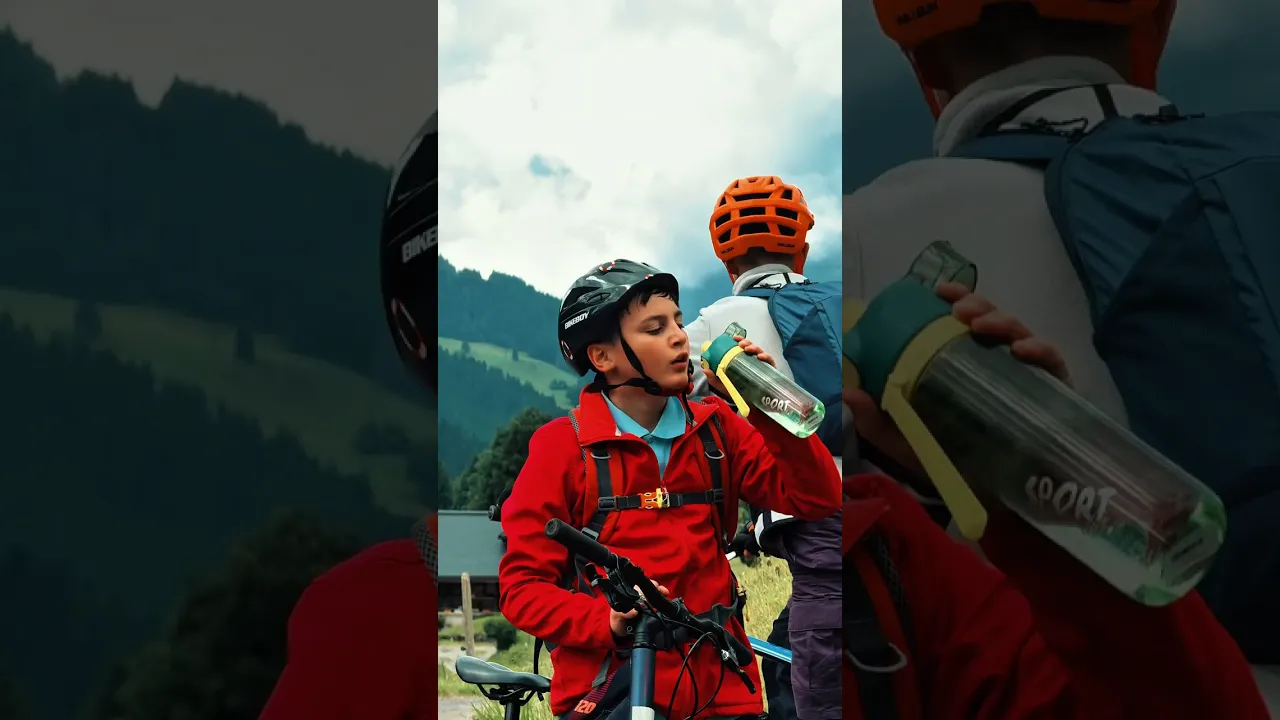
I recommend packing a reusable water bottle because camps supply refill stations and enforce hydration rules. We stress drinking frequently on hikes and at altitude; dehydration happens quickly when kids are active. Counselors track water breaks on treks and during outdoor games.
Pros and cons are clear and practical. Chalets and partner-hotel rooms give more privacy and warmth, which suits younger kids or families paying for comfort. Dorms and cabins foster rapid social bonding and team skills but can be noisier and colder overnight. Rooming by counselor groups keeps supervision tight and routines consistent. Expect shared bathroom use during peak times; staggered schedules reduce bottlenecks.
If you want a day-by-day feel of life on-site, read our snapshot of residential camp life to see how rooms, meals and activities flow during a typical session.

Typical Daily Schedule & Residential Routines
We, at the Young Explorers Club, keep days predictable but lively so campers settle fast and parents relax.
The week generally follows a balanced rhythm: structured:free time 60:40 across activity blocks, with adjustments by age and program focus.
Mornings run active programs; afternoons mix skill sessions and social time; evenings combine group challenges and quieter options.
Fixed routines in the mornings and evenings simplify logistics. Counselors lead wake-ups, breakfast lines and group briefings. We hold medicine distribution at set times each morning and evening. Laundry day appears once a week on the same weekday for each cabin. Every group uses a buddy system for hikes and off-site trips. We finish every evening with a short staff meeting to review safety and the next day’s plan.
Sample daily timeline
Below is a clear daily timeline you can expect — sample schedule 07:30–22:30:
- 07:30 — Wake-up and cabin tidy.
- 08:00 — Breakfast and medication pickup.
- 09:00–12:00 — Morning activities (skills, excursions, instruction).
- 12:30 — Lunch and free social time.
- 13:30 — Rest, quiet hour, or choice activities for older campers.
- 15:00–17:30 — Afternoon workshops and sports.
- 19:00–21:30 — Evening program (campfire, shows, small-group projects).
- Lights-out by age: ages 7–11 typically 21:30; older teens typically 22:00–22:30.
Counselor supervision and sleep arrangements follow age-based rules. We perform routine bed checks and curfew enforcement every night. Cabins house age-appropriate groups; younger campers get closer counselor proximity and extra checks. Teens enjoy greater independence and later curfews, but staff remain on call 24/7.
Practical routines we enforce day-to-day include:
- Buddy system for all outings and swim times.
- Evening briefings in each cabin so campers know morning schedules and any changes.
- Fixed medicine distribution windows to keep administration consistent and safe.
Two quick vignettes show how routines shift with age. A 9-year-old experiences more structured mornings, guided activity transitions, and earlier lights-out with regular checks. Staff stay physically nearby and lead most evening programs. A 15-year-old sees higher activity intensity and more unstructured social time in the afternoons and evenings, with a later curfew and delegated responsibilities like meal prep shifts or project leadership.
We encourage parents to read more about residential setups and daily life in our full description of residential camp life, which outlines supervision policies and sample days in detail.

Activities, Program Offerings and Language Immersion
Typical daily allocation and altitude considerations
We structure days to balance skill-building, play and recovery. Below I list the usual program slices we use to build a varied week; you’ll see how time is balanced between active and calmer sessions.
- Outdoor adventure 30–50% — hiking, via ferrata, climbing and canoeing; many routes sit at hiking 800–2,500 m.
- Sports 20–30% — football, tennis, mountain biking and games that boost fitness and teamwork.
- Creative / arts & theater 10–20% — drama, music and project-based art for downtime and expression.
- Language classes / enrichment 10–20% — formal sessions plus on-activity practice.
- Evening programs & excursions 10–15% — campfire socials, short night hikes and local visits.
We adjust intensity for altitude and weather. High-altitude days demand slower pacing and extra hydration. Temperatures can dip to 5–12°C at night even in July, so we layer and schedule heavier exertion mid-day. For a concrete daily rhythm, see A day in the life.
Safety, staffing, certifications and language immersion
We insist on certified staff and clear ratios. Technical activities require climbing instructors with climbing or alpine guide credentials. Water programs run only with staff holding water-safety or lifeguard certificates. For supervision we follow proven guidelines: activity staff ratios 1:6 ropes, 1:10 sports, and we increase staffing for mixed-age groups or difficult weather.
We require these certifications for activity leaders:
- Mountain leader / alpine guide (IFMGA or local equivalent)
- Lifeguard qualifications such as Swiss Lifesaving Society or equivalent
- First aid / CPR with wilderness modules where appropriate
- Child safeguarding training and background checks
We design language programs to be practical and immersive. Camps may be English-, German-, French-language or bilingual. Our model uses language immersion English/German/French 10–20% of scheduled time in formal lessons, plus consistent language use across activities. Dedicated language camps often deliver ~10–15 hours/week of instruction and focused practice. We aim to raise conversational confidence in a single session; full fluency takes sustained exposure over multiple stays.
We build every program with risk management and learning outcomes in mind. Staff briefings happen daily; equipment checks are routine. When weather or altitude limits options, we swap to technical-skill sessions or creative workshops so learning continues safely. We encourage parents to check supervision details and pre-camp health notes via our parent guide and packing checklist.

Safety, Medical Care and Staffing Standards
We, at the young explorers club, set clear, enforceable safety and staffing standards for residential camp life. I require staff-to-camper 1:6–1:12 across our groups and reduce ratios for higher-risk activities. You’ll find our approach pragmatic and child-focused, with systems that work in both urban-adjacent and remote mountain settings. For a sense of daily structure that reflects these standards, see our residential camp life overview.
Staffing, medical coverage and emergency procedures
I assign ratios by age and activity: general 1:6–1:8 for children under eight, and 1:8–1:12 for older kids. For high-risk elements like ropes courses and boating, I lower ratios to roughly 1:4–1:6 and add specialized supervisors. Every cabin group has at least one responsible adult on duty overnight and during excursions.
Medical provision is always on-site. I maintain a designated medical room and stock it for common camp injuries and allergic reactions. Medical staffing follows the remoteness of the site: I deploy a first aider 1 per 30–50 campers in remote settings, and ensure at least one qualified first aider per cabin unit where local access is quicker. I train staff in basic first aid and AED use, and I have one clinician on duty for larger sessions or high-altitude camps.
I plan for transfer times. Urban-adjacent camps typically reach a hospital in under 30 minutes; mountain camps can range from 30 to 90+ minutes. I stabilize serious cases on-site and transport according to those location-dependent timelines. For urgent calls we use Swiss emergency 144 112 and follow pre-agreed evacuation routes and ambulance rendezvous points. Camps carry comprehensive insurance and I confirm coverage for transport and treatment before campers arrive.
Child protection is non-negotiable. I run background checks and a safeguarding policy for all staff and volunteers. Every hire completes criminal-record checks, mandatory child-protection training, and a formal induction that covers reporting lines. I keep written safeguarding policies on file and explain them to parents at registration. Daily emails, clear emergency contact procedures, and an escalation chain give families direct lines to staff and senior leaders.
I document incident-response targets so parents know what to expect. Minor injuries are usually treated on-site within ~15–30 minutes. More serious incidents are stabilized immediately and transferred based on the nearest hospital time range. I log every incident and share outcomes with parents according to our communication protocol.
Parent checklist and expectations
Below I list the core items parents should confirm before arrival:
- Confirm staff-to-camper 1:6–1:12 for your child’s age group and specific activities.
- Verify presence of an on-site medical room and the level of medical staffing (first aider 1 per 30–50 campers or one per cabin).
- Ask for estimated hospital transfer times: urban-adjacent camps <30 min; mountain camps 30–90+ min.
- Request the camp’s evacuation plan and emergency-rendezvous procedures.
- Check the camp’s insurance requirements and what’s covered in transport and care.
- Review child protection materials: background checks, safeguarding policy, staff training certificates, and reporting lines.
- Confirm communication channels: daily emails, emergency contact procedures, and expected incident-response timelines (minor care within ~15–30 min; stabilization and transfer timelines if needed).
I keep records transparent and available. Parents who verify these items gain clarity and confidence before drop-off.

Costs, What’s Included and a Sample 2-Week Budget
We, at the Young Explorers Club, set fees based on location, accommodation level and activities. Typical fee ranges run CHF 700–3,000/week, so most 2-week stays sit between CHF 1,400–4,500. Swiss camps often land at the higher end because of local costs and alpine logistics, so always with each camp. For a deeper description of daily life, see our residential camp life page.
Fees usually cover the essentials. Expect accommodation, three meals per day plus snacks, basic activity materials, local excursions, and on-site staff and supervision. I explain what’s included in welcome packs and booking documents so families know what’s standard.
Extra costs are common and predictable. Typical extras include specialist excursions (via ferrata, helicopter rides), equipment rental, travel to camp (airport or train transfers) and insurance. We mention extra costs, insurance and travel clearly when confirming bookings to avoid surprises.
I recommend thinking in percentages when planning a budget. The following breakdown keeps finances simple and flexible.
Suggested budget breakdown and examples
- Recommended budget split:
- Tuition/activities: 50–60%
- Accommodation: 15–25%
- Meals: 10–15%
- Special activities/equipment: 5–10%
- Insurance/travel: 5–10%
- Price-point examples:
- Budget option: minimal extras, shared dorms, basic outdoor programs—best for cost-conscious families.
- Mid-range: chalet rooms, standard activity package included, some local excursions—balanced value.
- Premium: private rooms, specialist excursions included, higher staff-to-camper ratio—for families wanting more comfort.
- Sample 2-week cost example:
- Base fee: CHF 1,800
- Airport transfer (return): CHF 120
- One special excursion: CHF 200
- Recommended pocket money: CHF 50–150
- Estimated total: CHF 2,170–2,270 depending on pocket money and any added rentals.
We make costs transparent at booking and list what’s included in meals and activities so parents can compare offers. If you need a tailored quote, contact our admissions team and we’ll run the numbers with you.

Travel, Paperwork and Packing Essentials for Residential Campers
Arrival and transfers
We offer three arrival options: private drop-off, scheduled coach/transfer from the nearest train station, and supervised pick-up at major airports. For international guests we provide airport pickup; search for airport transfer Zurich Geneva Basel when arranging flights. Book any camp-arrival slots and internal transfers with us early so we can assign seats and supervisors.
Paperwork, visas and lead times
Non-EU/EFTA guests must do a Schengen visa check well ahead. We require documentation in advance: passport copy, medical form, insurance details and parental consent. Remember the passport, medical form and insurance are due 2–4 weeks before arrival. Book international travel at least 8–12 weeks out. Internal transfers and coach slots usually need booking with the camp at the same time.
Use this simple pre-departure timeline:
- 12 weeks: book flights and confirm transfer preferences.
- 4 weeks: submit all forms and dietary/medical info.
- 1 week: final packing, reconfirm transfer times and arrival window.
See a snapshot of daily life at camp for timing and drop-off notes at residential camp life.
Packing checklist and on-site rules
Pack name labels on the first layer of every item.
- Clothing: 2–3 casual outfits per week; 1–2 warm layers; lightweight sleepwear.
- Outerwear & footwear: waterproof coat; hiking boots; waterproof jacket; fleece for trail days; trainers for camp games.
- Swim and sun: swimwear; sunhat; SPF 30+ sunscreen recommended.
- Night gear: warm sleep layers—alpine nights can fall to 5–12°C even in July; bring a sleeping bag or pillow only if the camp asks.
- Essentials: reusable water bottle; small towel; laundry bag; spare socks and underwear.
- Health kit: insect repellent; small personal first-aid items; copies of prescriptions.
- Medications: medication in original packaging and the signed form for any prescribed drugs; we must receive the medication-administration form before arrival.
- Valuables & money: limit electronics—phones may be restricted; leave expensive items at home and bring a small allowance for tuck-shop and activities.
Health, medication and electronics
We supervise medication administration per the signed form and keep meds in their original packaging. Pack allergy details and emergency contacts on the medical form. We recommend SPF 30+ sunscreen and insect repellent for mountain hikes. Expect limited phone access; we advise families to brief campers about responsible use and agree on contact windows.
Final tips
- Label everything.
- Photograph passports and forms before you send them.
- Confirm arrival slot 48–72 hours before travel.
- We handle most logistics once paperwork and transfers are locked in.


