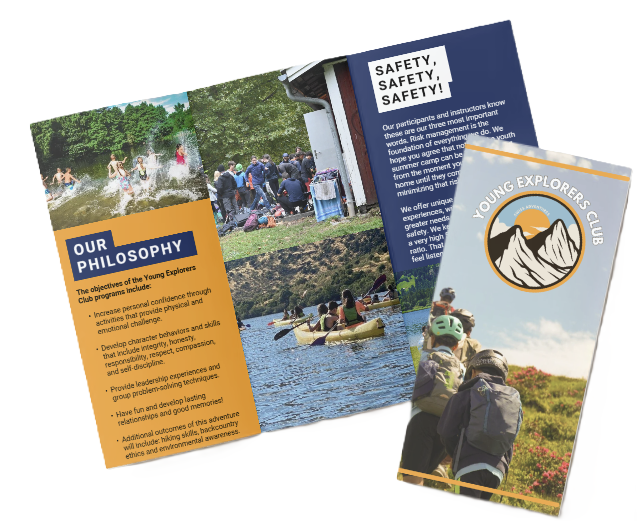
Summer Camp In Switzerland Vs. Summer Camp In Italy: Pros And Cons
Swiss alpine camps: higher fees, top safety and international mix. Italy: coastal camps, Italian immersion and lower costs.
Overview
Choosing between summer camps in Switzerland and Italy depends on your priorities. Switzerland focuses on alpine residential programs with an international mix and higher fees (CHF 1,200–3,500 per week). Those programs offer strong on-site medical care, reliable facilities and mostly mountain and adventure activities. Italy runs lower-cost coastal and cultural camps (around €350–1,200 per week). They offer warmer weather, stronger Italian-language immersion and a more regional camper mix.
Travel, weather and program quality also differ significantly. Swiss sites usually have excellent rail links, consistent safety standards and cooler, changeable mountain conditions, but transfers to remote locations tend to take longer. Italian routes often give faster city-to-city connections, hotter coastal climates that require heat-aware scheduling, and a wider spread in provider quality and emergency access.
Key Takeaways
-
Cost and value: Switzerland costs substantially more (CHF 1,200–3,500/week) than Italy (€350–1,200/week). Expect higher two‑week budgets and extra fees for transfers and insurance.
-
Program focus: Switzerland centers on mountain and adventure programs and specialist academies, with roughly 60% of activities in alpine settings. Italy focuses on beach and sea sports, cultural excursions and culinary or arts options.
-
Safety and staff: Switzerland generally shows stronger safety indicators, faster emergency response and consistent on-site medical care. You’re best off checking staff credentials and emergency access closely at Italian coastal and rural sites.
-
Language and camper mix: Swiss camps often run in English and attract a higher share of international campers (about 40–70%), offering broad multilingual exposure. Italian camps tend to favor Italian immersion and host more regional participants (roughly 10–40%).
-
Logistics and weather: Switzerland suits predictable rail connections and high-altitude programming. Plan for cooler, storm-prone days and longer transfers to mountain sites. Italy gives warmer coastal conditions and simpler city travel, though you’ll need to manage heat and accept greater variation in program quality and emergency access.
https://youtu.be/2po0j_UFi_I
Quick side-by-side snapshot: which country fits your priority
Key facts & formats at a glance
Here are the concise facts you need to decide quickly:
- Session length: 1–8 weeks (most international families choose 1–3 week intensives).
- Age range: 6–17 (typical groupings 7–12 and 13–17).
- Formats: residential vs day camps, language immersion, sports academies.
- Camper mix: Switzerland tends to host more international campers; Italy often draws more local and regional attendees.
- Cost tier: Switzerland CHF 1,200–3,500 per week (higher-end); Italy €350–1,200 per week (lower-cost).
- Safety and access: Switzerland scores for high safety and strong healthcare access; Italy scores for easier travel and warmer climate.
Country pros & cons
Switzerland
Purpose: mountain adventure and international residential programs. We, at the young explorers club, recommend Switzerland when the priority is alpine activity, high-quality facilities and an international camper mix.
Pros:
- Outstanding mountain and outdoor programs
- Reliable on-site facilities
- English-language options
- High standard of medical care and supervision
Cons:
- Higher costs (CHF 1,200–3,500 per week typical)
- Cooler, less predictable weather at altitude
- Longer transfers — several excellent camps sit far from major airports
Italy
Purpose: beach, culture and language immersion with many local providers. We suggest Italy when you want sun, food-focused cultural experiences and lower overall fees.
Pros:
- Lower average costs (€350–1,200 per week)
- Excellent coastal and cultural programs
- Warmer weather
- Strong culinary and Italian-language immersion
Cons:
- Fewer luxury, international boarding options
- Program quality varies more by provider
- Uneven emergency access or less staff specialization at some rural or coastal sites
We often point families toward Italian language camps when language immersion is the main goal.
Cost, value and sample budgets (day vs residential)
We compare typical price ranges so families can judge value quickly. Switzerland residential international camps typically range CHF 1,200–3,500 per week (common full‑board 2‑week sessions CHF 2,400–7,000) — typical ranges (2020–2024 industry estimates). Day camps in Switzerland run about CHF 200–500 per week. For details on regional pricing I recommend our camp costs in Switzerland.
Italy sits lower on the spectrum. Residential camps typically cost €350–1,200 per week and day camps €100–300 per week — typical ranges (2020–2024 industry estimates). Day camp pricing therefore overlaps but usually stays cheaper in Italy than in Switzerland.
GDP and living‑cost context explain much of the gap. Switzerland’s GDP per capita is roughly USD 80,000–85,000 while Italy’s is around USD 30,000–40,000, according to World Bank. Higher wages and service costs in Switzerland drive higher tuition and staff expenses, which you’ll see reflected in camp fees.
Additional fees and what to expect
Below are common extra charges families should budget for:
- Travel: round‑trip airport transfers or chaperone services can be CHF 150–600 in Switzerland or €50–300 in Italy.
- Insurance: mandatory travel and medical cover often runs CHF 50–200 or €30–120.
- Excursions and activities: day trips, ropes courses, or alpine guides add CHF/€50–300 per session, depending on intensity.
- Equipment rental: specialized gear for water sports or climbing is often charged separately.
- Deposits and admin fees: many camps require a non‑refundable deposit at booking.
- Visas and documentation: applicable for non‑EU/Schengen families and can add cost and lead time.
Sample 2‑week budgets (typical ranges)
Switzerland mid/high‑tier (2 weeks): tuition CHF 2,400–7,000 + round‑trip airport transfer CHF 150–600 + mandatory travel/medical insurance CHF 50–200 + gear/excursions CHF 50–300 = sample total approximately CHF 2,650–8,100 — typical ranges (2020–2024 industry estimates).
Italy mid‑tier (2 weeks): tuition €700–2,400 + round‑trip transfer €50–300 + mandatory insurance €30–120 + gear/excursions €30–200 = sample total approximately €810–3,020 — typical ranges (2020–2024 industry estimates).
We advise families to verify exact fees with each provider and check current exchange rates and provider policies before booking.
Activities, program focus and weather implications
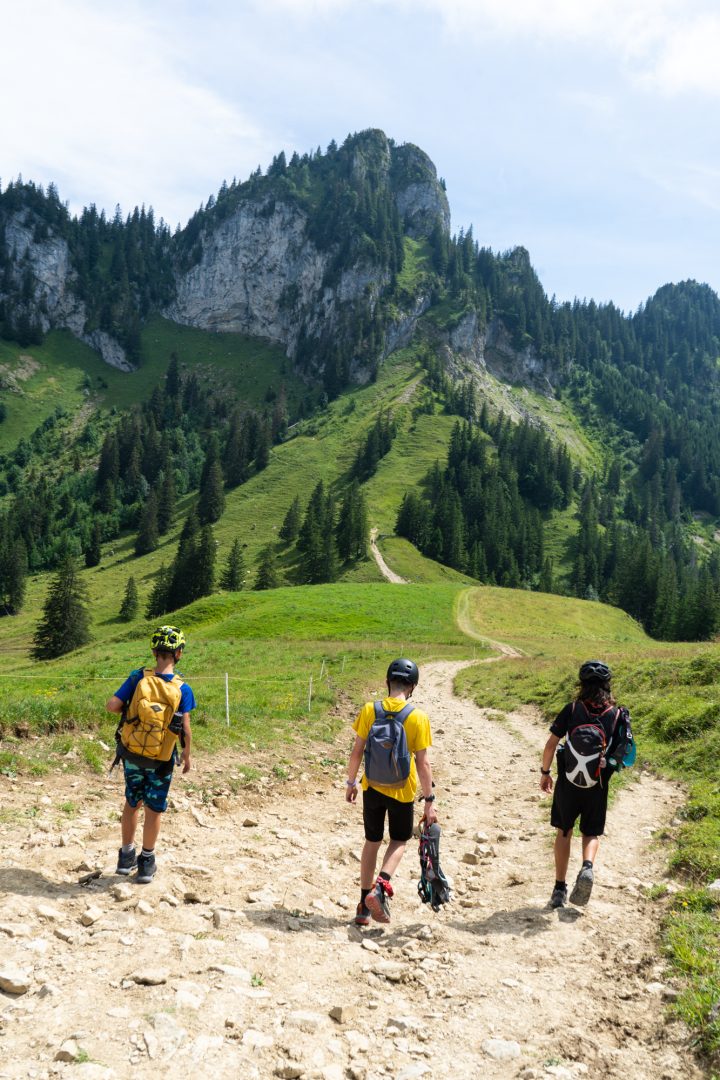
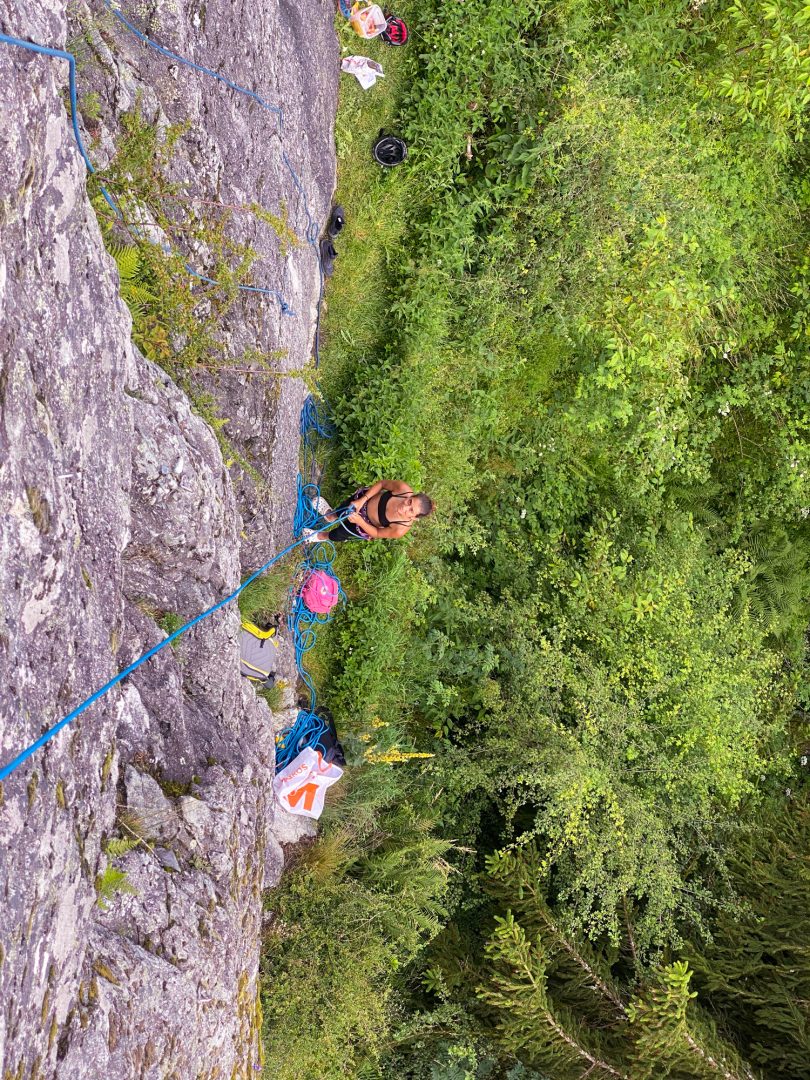
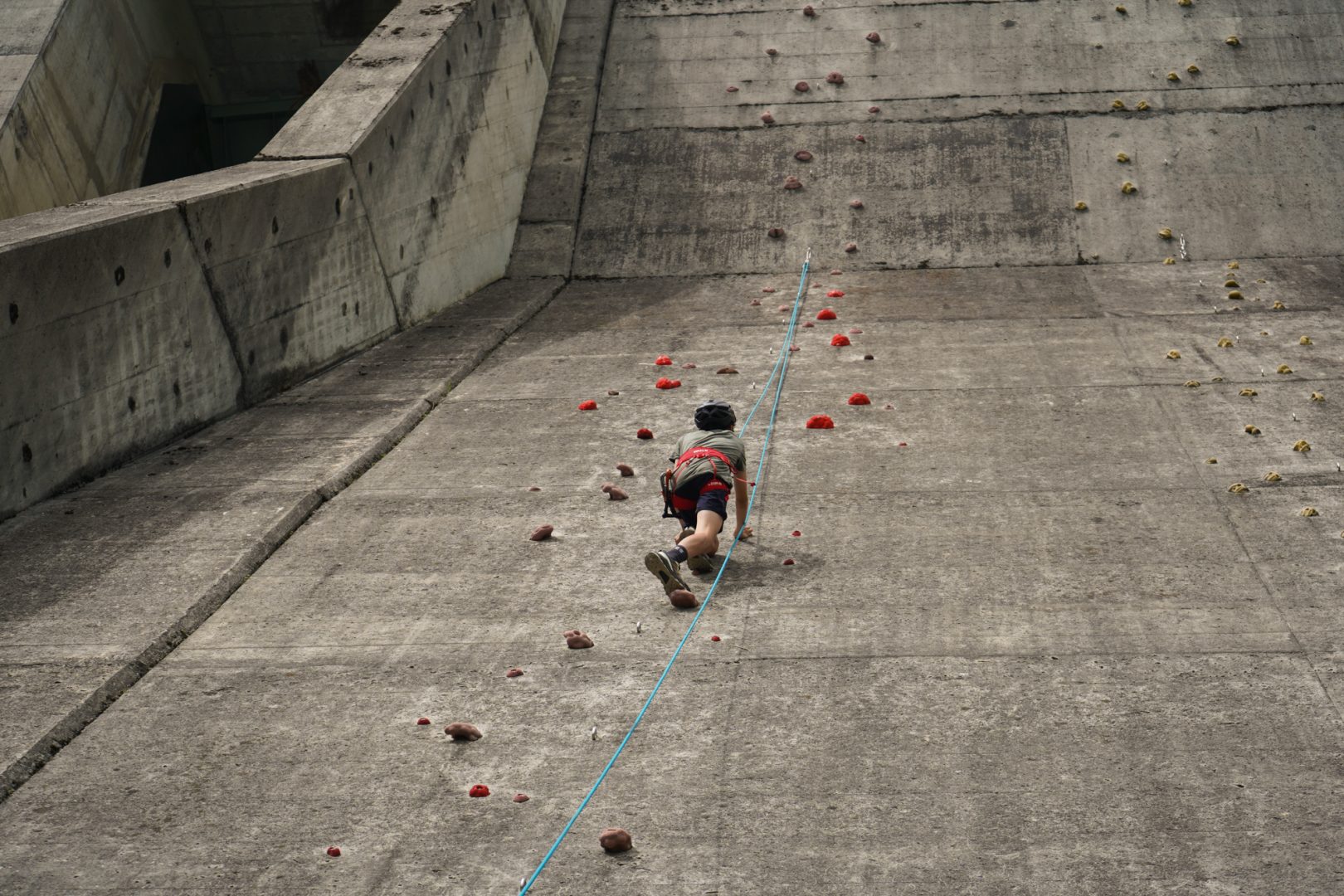
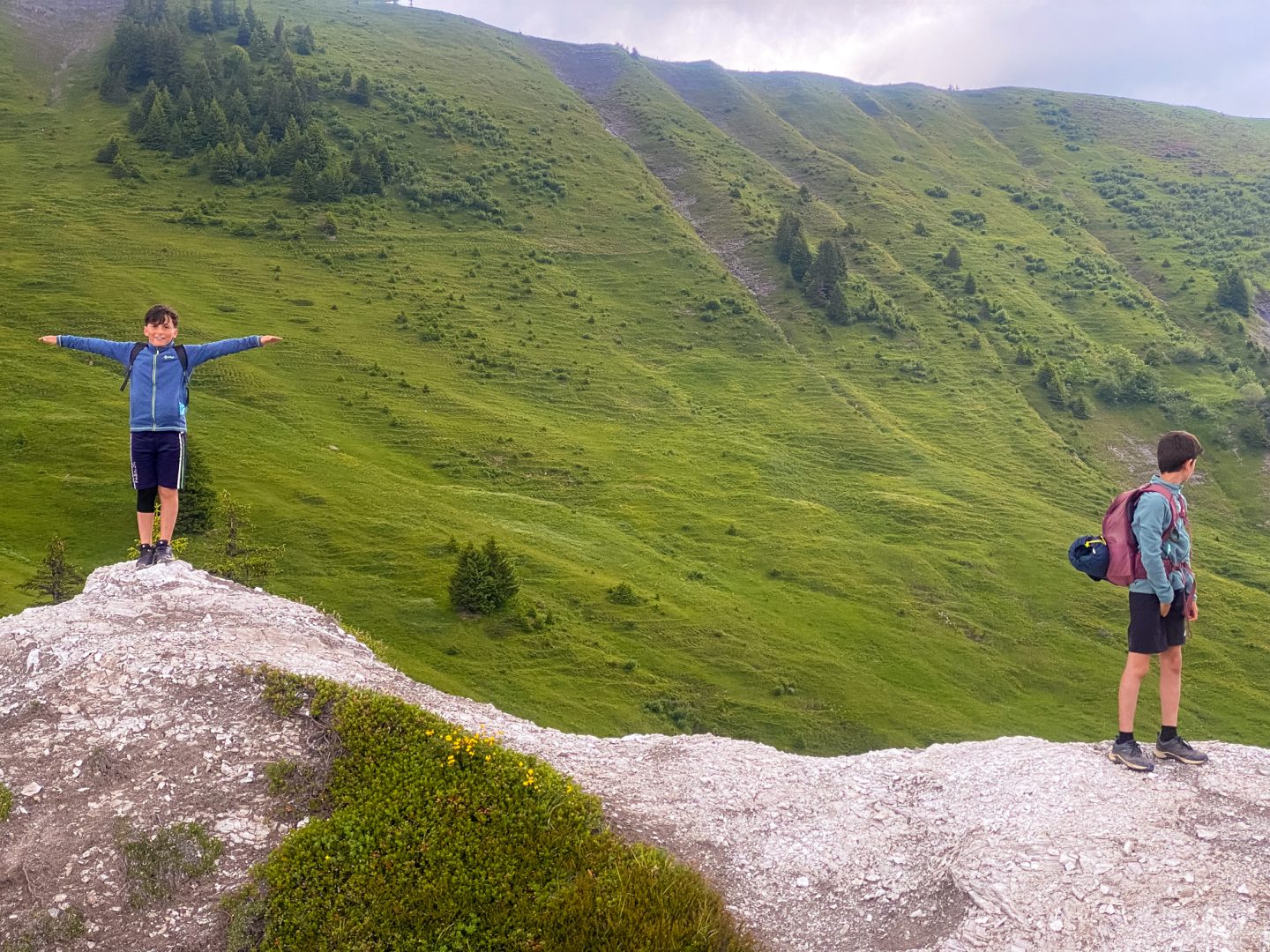
We, at the Young Explorers Club, design Swiss camps around high-altitude adventure and technical skill development. Swiss weeks emphasize mountain hiking, via ferrata, mountain biking, ropes courses and alpine survival. Camps also offer lake sports like sailing and kayaking, multi-sport days and specialist academies for elite athletics. I include English-language immersion across many programs, and some early-summer sessions add glacier/ski-prep modules.
We balance Italian camps toward coastal life, team sports and culture. Italy weeks focus on sailing, windsurfing, kayaking, beach and sea sports plus football academies. Cultural excursions, history and art visits, cooking classes and performing arts feature prominently. I promote Italian language immersion both on the beach and in town, and arts-focused options suit creative campers.
Typical weekly activity split (illustrative averages)
Here are representative weekly mixes you can expect at each country’s camps:
- Switzerland: ~60% mountain/adventure, 20% team sports, 20% cultural/free time.
- Italy: ~40% sea/beach, 30% cultural excursions, 30% sports/skills.
Hitting those balances matters for goals. If you want concentrated specialist academies and technical outdoor training, Swiss programs lean heavier on alpine skills and endurance. If you prefer coastal sports, cultural immersion and creative classes, Italy offers more sea-based days and town experiences. For combined language work, consider our language immersion options like this language immersion program in Ticino.
Weather and scheduling implications
The season runs mid-June to mid-August, and climate shifts change daily plans. Swiss lowlands in July average about 18–25°C, while alpine camps at 800–1,800 m usually sit around 10–20°C by day with colder nights; mountain nights can drop further. Afternoon storms are common; they may force route changes or short-notice sheltering. I plan hikes for mornings, keep contingency indoor skills (navigation, knots, rescue drills) and carry layered kit.
Italy sees warmer coastal conditions: July/August lowlands and coasts often hit 24–32°C; northern lakes and some coasts stay cooler at 20–28°C. Southern locations get hotter and drier, so I shift strenuous activities to mornings and evenings, add shaded rest periods and boost hydration breaks. Heat means more sunscreen, electrolyte options and adaptable lesson blocks.
Practical takeaways I recommend:
- Pack layers, waterproofs and sturdy boots for Swiss camps.
- Prioritize sun protection, light kits and swim gear for Italy.
- Expect schedule swaps; I design programs with backup activities so campers stay engaged regardless of weather.
Language, cultural immersion and international camper mix
Switzerland gives campers real multilingual exposure: German 62% / French 23% / Italian 8% (Swiss Federal Statistical Office recent data). I often point out that many Swiss camps operate in English as an international lingua franca, while canton-based programs will immerse campers in German, French or Italian depending on location. We find that choosing a camp in Ticino or a French-speaking canton changes daily language use dramatically.
Italy is more straightforward: Italian dominant (Italy). You’ll see plenty of bilingual camps that pair Italian with English, but locally focused programs lean hard into Italian immersion. Coastal and tourist regions draw more internationals, so those camps feel less local than inland options.
Expect different international mixes. Top-tier Swiss residential camps often report an international camper share around 40–70% (estimates). Italian camps tend to be more regional, with an international camper share typically 10–40% (estimates), though tourist-area coastal camps can attract higher numbers. Those percentages shape social dynamics, activity language and peer learning.
I recommend weighing three points when choosing between Swiss and Italian options: language immersion intensity, daily social language, and peer mix. Swiss camps can deliver simultaneous multilingual exposure and high international variety. Italian camps usually offer deeper Italian practice and stronger local culture.
How to evaluate immersion
When checking camps, look for these concrete indicators:
- Advertised “language hours per week”: compare claimed hours to similar programs and ask for specifics.
- Staff native-speaker ratios: request the percentage of staff who are native speakers in the target language.
- Marketing vs reality: ask for the list of staff languages and five recent staff bios to verify claims.
- Sample daily schedules: demand a typical week showing which activities run in which language.
- Camper nationality breakdown: request last-season stats to confirm the estimated international camper share.
- Activity language use: check whether sports, arts and free time are run in the target language or in English.
We at the young explorers club also point you to practical resources like our overview of Italian language camps when you want examples of strong regional immersion. Choose a program where the advertised language policy matches the daily schedule, and you’ll get authentic cultural and language gains.
Location, access, travel logistics and documentation
We, at the Young Explorers Club, place camps in clearly different settings that shape travel choices. Switzerland hosts alpine camps at elevation 800–1,800 m, usually clustered near the airports: Geneva, Zurich, Basel. Typical transfer times of 1–3 hours by car or train get families from the gateway to mountain hubs.
Italy offers coastal, lagoon and lake camps (Amalfi, Liguria, Tuscany, Lake Garda, Lake Como) and the Dolomites, reached via Milan, Rome, Venice; a transfer of 1–4 hours is common depending on region and traffic.
Rail, transfers and sample itineraries
Rail accessibility in Switzerland is exceptional. A dense, punctual rail network means regular regional trains to mountain towns and reliable timed connections. In Italy you’ll find high-speed rail between major cities and a mix of local services to camp regions; some rural stretches require a private transfer. Choose Switzerland for predictability and frequent connections. Pick Italy if you want faster city-to-city hops plus scenic local legs.
Typical trip examples you can plan around:
- London → Zurich: 1h40 flight + 1.5h transfer to an alpine camp.
- London → Milan: 2h flight + 1h transfer to a lakeside camp.
These illustrate how total door-to-door time often ends up similar, but the last-mile in Italy can add variability on busy summer weekends.
Documentation & timing
Prepare these documents and deadlines well ahead of arrival. I recommend following this checklist for every camper:
- Health/medical form (completed by a parent or guardian).
- Vaccination records.
- Parental consent form and emergency contact form.
- Copy of passport for the duration of the stay.
- Travel insurance proof and policy number.
Schengen visa covers short-stay travel for camps for nationals who require visas; apply 6–8 weeks in advance. Complete medical forms 2–4 weeks before travel and buy insurance before departure. Note that staff immigration and work permits differ for non‑EU staff, since Switzerland uses separate rules from the EU — confirm any staff paperwork well before summer. For health-related logistics and on-site protocols see our page on medical care.
Safety, health care, staff standards, accreditation and parent checklist
We, at the Young Explorers Club, judge safety and healthcare as primary differentiators between Swiss and Italian camps. Switzerland posts very high safety indicators and excellent healthcare infrastructure. You’ll see short emergency response times in most populated areas and a strict regulatory environment for youth programs. Italy is generally safe, with strong regional healthcare in cities and many coastal towns. Emergency response can be slower in remote islands or rural coastal stretches, so check local access before you book. I emphasize both healthcare quality and emergency response when assessing any program. For detailed on-site protocols, see our medical care page.
Travel paperwork, immunizations and insurance matter. Most camps insist on travel & medical insurance and expect up-to-date vaccination records before arrival. I recommend digital and paper copies of vaccination records and an emergency contact card for your child. Confirm whether the policy covers medical evacuation and sports-specific incidents.
Staff standards, accreditation and ratios determine on-the-ground safety. There’s no single EU-wide camp accreditation. Look for national licensing, recognized associations or international standards when comparing programs. Typical recommended staff-to-camper ratios are:
- 1:4–1:6 for ages 6–8
- 1:6–1:8 for ages 9–12
- 1:8–1:12 for teens
These ranges reflect industry estimates (2020–2024) and should be stated in writing by any reputable operator. Use the combined phrase staff-to-camper ratio 1:4–1:12 depending on age when requesting documentation.
Ask for specific staff credentials. I request written proof of:
- first-aid certification and CPR certification
- safeguarding training and background checks for staff
- criminal-background clearances or police checks
- teaching, coaching or activity-specific certifications
- name and availability of on-site nurse or doctor
Food policies affect daily comfort and safety. Swiss camps tend to offer central European menus with clear vegetarian, vegan and allergy-aware options. Italian programs favor a Mediterranean diet rich in fresh produce and local ingredients; most reputable camps will handle allergies with advance notice. Always confirm written allergy protocols and how substitutions are handled during multi-day excursions.
Parent checklist — request these items in writing
Below are the documents and confirmations I insist parents obtain before enrollment:
- Sample daily schedule showing supervision during transit and free time
- Staff-to-camper ratios by age group
- Evidence of staff background checks and first-aid certification
- Name of on-site medical personnel plus nearest hospital and distance
- Written proof that travel & medical insurance is satisfied and cancellation policy
- Detailed dietary/allergy protocols and menu examples
- Language of instruction and language-hours per week
- Exact list of included and excluded fees and optional extras
- Airport transfer details and late-arrival policy
- Examples of emergency plans and copies of liability/insurance certificates
Also request suggested verification items that strengthen confidence:
- staff CV summaries for key staff and group leaders
- written proof of liability insurance and national licensing or association membership
- examples of emergency response plans and evacuation procedures
- confirmation of food-allergy procedures and medication administration policies
We advise keeping copies of everything in your phone and a paper folder. Present these documents at drop-off and insist staff can answer them on-site.
Sources
Swiss Federal Statistical Office — Languages of Switzerland
World Bank — GDP per capita (current US$) — Switzerland, Italy
Institute for Economics & Peace — Global Peace Index
World Health Organization — Switzerland country profile
World Health Organization — Italy country profile
American Camp Association — Trends & Statistics
Switzerland Tourism — Family & youth activities
ENIT — Italian National Tourist Board
European Commission — Schengen visa policy