Summer Camp In Switzerland Vs. Summer Camp In Italy: Pros And Cons
Swiss vs Italian summer camps: Switzerland—mountain adventure, premium safety; Italy—beach, culture & language immersion at lower cost.
Switzerland vs Italy: Summer Camps — Quick Comparison
Overview
Switzerland runs mountain- and adventure-focused summer camps with a premium international profile. They maintain very high safety and healthcare standards. Residential weekly fees usually sit between CHF 1,200 and CHF 3,500. Italy prioritizes beach life, cultural and language immersion. You’ll find warmer weather and lower weekly costs of about €350–1,200.
When to choose each
Choose Switzerland for specialist alpine activities, higher staff-to-camper ratios and a larger international mix (≈40–70%). Expect cooler, changeable mountain weather and longer transfers. Pick Italy for coastal sports, culinary and cultural immersion and easier access at a lower price. Be aware that provider quality and emergency access vary more, with an international mix of roughly 10–40%.
Key Takeaways
- Core trade-off: Switzerland = mountain and adventure + premium cost; Italy = sea, culture and language + lower cost.
- Typical sessions: run 1–8 weeks for ages 6–17 in residential or day formats. Plan around your child’s main activity.
- Budgeting: plan on CHF ~2,400–7,000 for a two-week Swiss residential stay. In Italy expect about €700–2,400. Add transfers, insurance and extras.
- Safety and standards: Swiss camps usually provide stronger, more consistent healthcare and regulatory oversight. Italian camps remain safe, but quality and emergency access can vary by location.
- Logistics and atmosphere: Switzerland involves longer transfers to alpine sites and a dense rail network. Italy offers warmer coastal climates, easier city access and deeper local language immersion.
https://youtu.be/CQ0P2d38mDM
Quick side-by-side snapshot: which country fits your priority
Swiss camps are positioned as mountain- and adventure-first experiences with a premium, international profile. Typical session length runs 1–8 weeks (most families pick 1–3 week intensives). Age groups span 6–17, with residential and day formats. Weekly fees commonly sit between CHF 1,200–3,500. Pros include outstanding alpine outdoor programs, very high safety and healthcare standards, many English-friendly international options, and top-quality facilities. Drawbacks are the higher price, cooler or changeable mountain weather, and longer transfers to some remote sites. Prestige camps often draw a high international mix (roughly 40–70%), which suits families prioritizing cultural diversity and elite programming.
Italian camps are described as beach-, culture-, and language-focused, often more local and cost-conscious. Session lengths and age ranges mirror Switzerland (1–8 weeks; 6–17). Formats also include residential and day options. Typical weekly costs are lower, about €350–1,200. Benefits include lower average cost, warm coastal climates, strong cultural and culinary immersion, and easy access from many European cities. Limitations include fewer high-end international boarding choices, variable provider quality, and occasional uneven emergency access or staff specialization in rural/coastal areas. International mixes tend to be smaller (about 10–40%), though tourist-coast programs can attract more overseas campers. For families eyeing language immersion in Italian-speaking Switzerland or northern Italy, see Italian language camps.
At-a-glance quick facts and decision triggers
- Core purpose: Switzerland — mountain/adventure and high-end international; Italy — beach, culture, and language immersion.
- Typical session length: 1–8 weeks (most families choose 1–3 weeks).
- Age range and groupings: 6–17 (common splits 7–12 and 13–17).
- Formats available: residential, day camps, language immersion, sports academies.
- Cost tier (typical weekly): Switzerland CHF 1,200–3,500; Italy €350–1,200.
- International vs local campers: Switzerland ~40–70% international at prestige camps; Italy ~10–40% (coastal tourist camps higher).
- Pros to weigh: Switzerland — superior mountain programs, safety, facilities; Italy — lower cost, warmer weather, richer local culture and cuisine.
- Cons to weigh: Switzerland — higher fees, alpine weather, transfers; Italy — variable provider quality, fewer elite boarding options, occasional access limits.
- Decision factors we encourage parents to prioritize: adventure vs culture, budget vs international mix, and weather/transfer logistics.
If you want hands-on help to decide by priorities and age group, we can walk you through options and recommend specific sessions based on those trade-offs; for a structured selection process, visit our guide on how to choose the best camp.
https://youtu.be/5n7h0J-X1WI
Cost, value and sample budgets (day vs residential)
We break down typical price bands so you can compare value and plan realistically. For residential international camps in Switzerland you’ll commonly see CHF 1,200–3,500 per week (full-board two-week sessions often sit at CHF 2,400–7,000). In Italy typical residential pricing is €350–1,200 per week. Day camp ranges are lower: day camp CHF 200–500 / €100–300 per week. Expect additional fees: travel, insurance, excursions, equipment rental, deposits and optional activities; visas may apply for non-EU/Schengen travellers.
Camp pricing reflects local cost levels and wage structures. Switzerland’s GDP per capita is among the highest globally (roughly USD 80,000–85,000) while Italy’s GDP per capita is lower (around USD 30,000–40,000) (World Bank estimates). That gap helps explain why comparable programs in Switzerland often carry higher tuition and staffing costs.
I’ll call out practical value differences you can expect:
- Swiss residential camps usually include full boarding, higher staff-to-camper ratios, and wider activity insurance and safety overheads, which raises tuition.
- Italian camps often deliver excellent local culture and activity variety at a lower price, but mid- to high-tier residential programs can still reach premium levels.
- Day camps cut the accommodation premium, yet you’ll pay for extra local transport and fewer included meals or evening supervision.
Sample 2‑week example totals (tuition + transfers + mandatory insurance)
Below are typical ranges based on 2020–2024 industry estimates. I list totals so you can compare out-the-door costs.
- Switzerland sample: tuition 2-week CHF 2,400–7,000 + transfers CHF 100–300 + insurance CHF 50–150 = typical total CHF ~2,550–7,450.
- Italy sample: tuition 2-week €700–2,400 + transfers €50–200 + insurance €30–100 = typical total €780–2,700.
We recommend checking package inclusions closely before you book. A cheaper tuition can still leave you with high add-ons for excursions, gear rental or mandatory deposits. Verify whether transfers are shared or private, and whether insurance covers activity-specific risks.
For budgeting rhythms, keep these rules of thumb in mind:
- Add 5–15% on top of tuition for travel and transfers if your camper flies in.
- Set aside €50–150 or CHF 50–200 for on-site extras and gear, depending on the sport intensity.
- Confirm cancellation and medical insurance limits well in advance.
If you want help weighing cost versus program content, see our practical guidance on How to choose camps and compare inclusions line by line. Always verify current provider prices and live exchange rates before committing.
https://youtu.be/5n7h0J-X1WI
Activities, program focus and weather implications
We build programs that reflect geography and skill pathways. I’ll outline what each country emphasizes and how weather shapes daily planning.
Program emphases
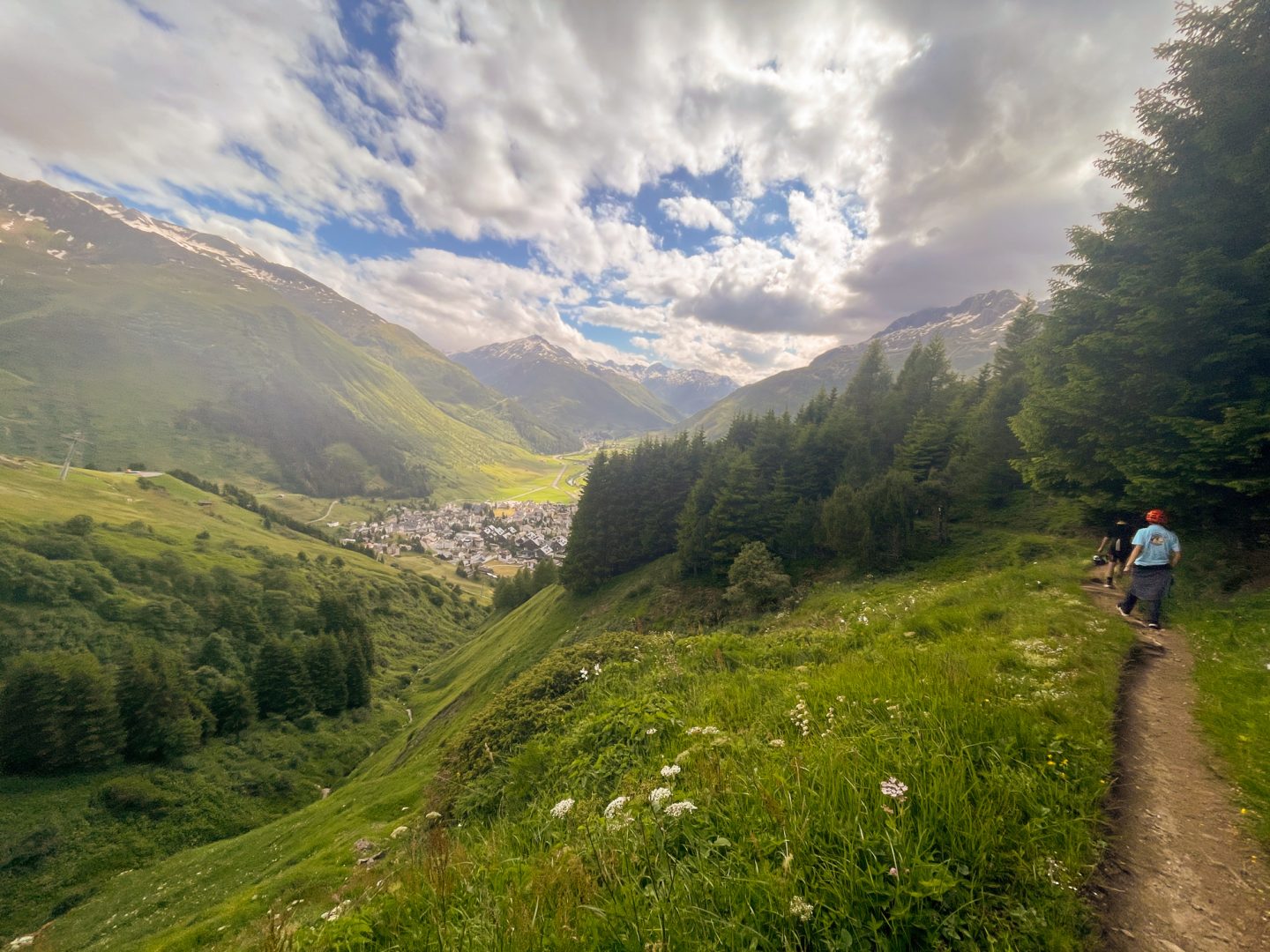
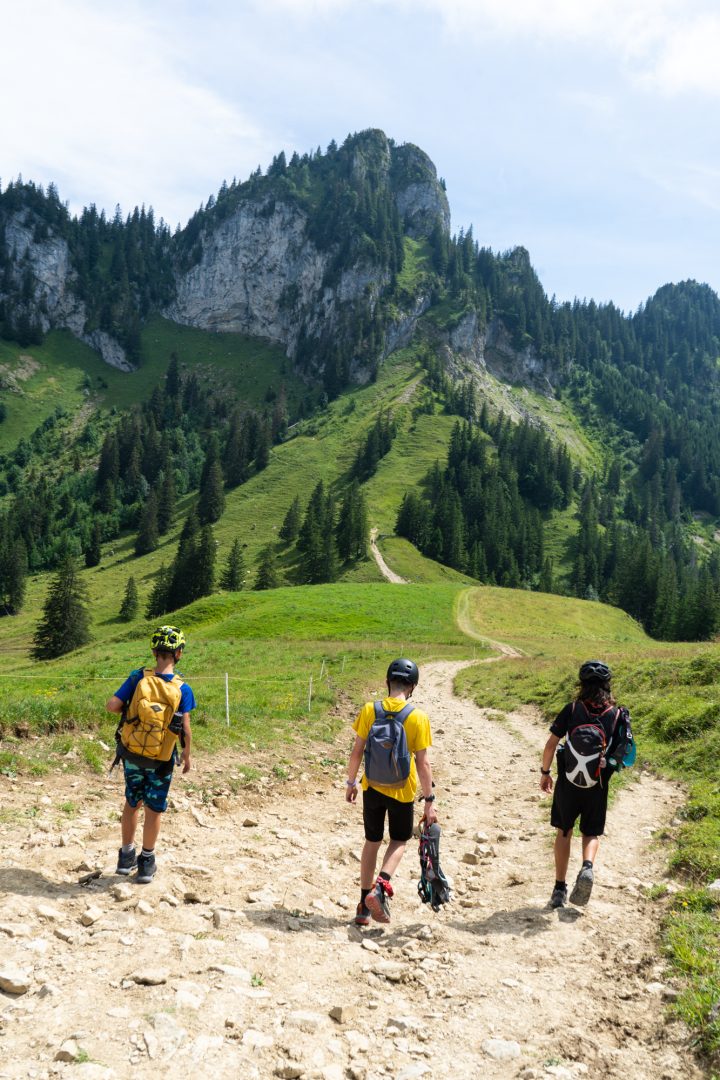
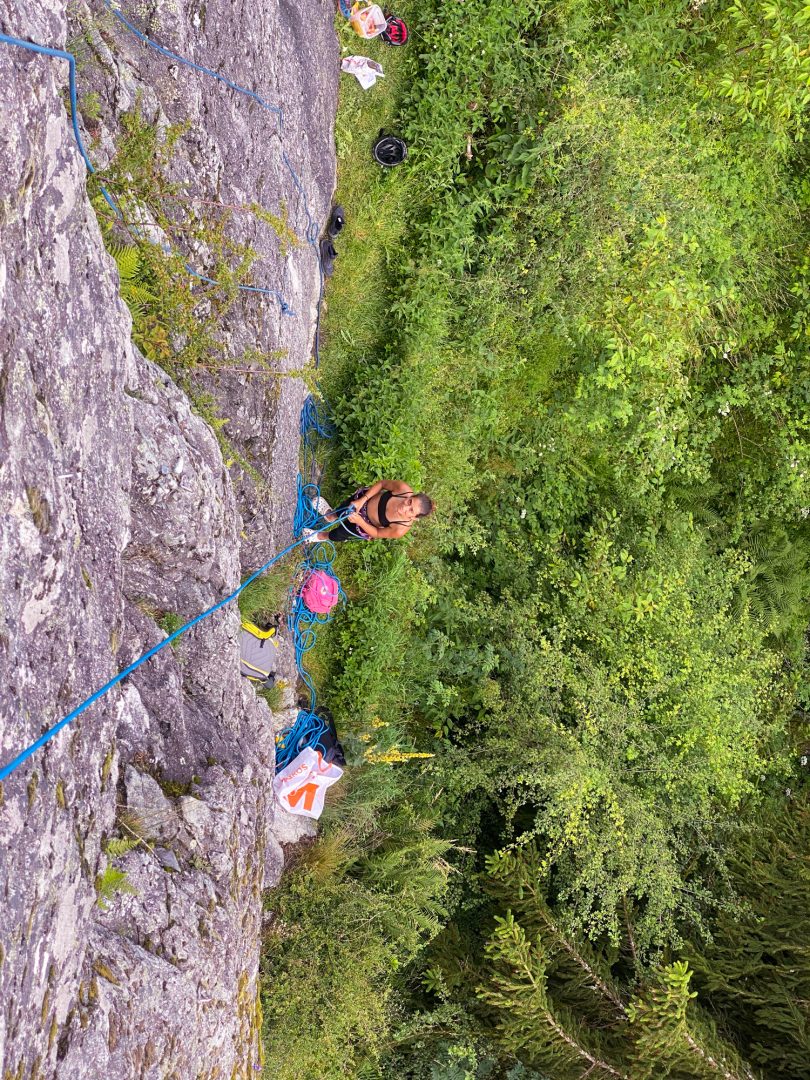
In Switzerland I focus camps on mountain hiking, via ferrata, mountain biking and lake & sea sports such as sailing and kayak. I include ropes courses, alpine survival training and multi-sport options. For families aiming high-performance, I offer specialist academies for elite sports and English-language immersion tracks. Some high-altitude programs even add glacier skills or early-season ski prep.
In Italy I concentrate on sailing, windsurfing, kayaking and coastal beach sports. I mix strong football/soccer academies with cultural excursions—history, art and cooking classes—and Italian language immersion. I also run arts and performing-arts weeks that appeal to creative campers. If you want an example of language-focused weeks, see our Italian language camps.
I recommend choosing by the primary activity your child will enjoy most. Pick Switzerland for mountain and adventure focus or specialized sports academies. Choose Italy if your priority is sea sports, culture, or intensive language and arts weeks.
Typical weekly split and weather implications
Here are illustrative averages for how a typical week breaks down and what the season means day-to-day:
- Switzerland — ~60% mountain/adventure, 20% team sports, 20% cultural/free time.
- Italy — ~40% sea/beach, 30% cultural excursions, 30% sports/skills.
Practical weather notes and scheduling adaptations I use:
- Switzerland — July 15–25°C (lowlands) / alpine 5–15°C nights. Daytime at 800–1,800 m usually sits between 10–20°C; nights get much colder. Afternoon storms are common. I plan hikes for mornings, keep layered clothing on every packing list, and build alternative activities (ropes, indoor skills) if storms roll in.
- Italy — July 24–32°C lowlands. Northern lakes and coasts cool to 20–28°C; southern regions run hotter and drier. My schedules shift heavy physical or sun-exposed sessions to mornings and late afternoons. I enforce midday shade, extra hydration breaks and heat-aware lesson plans.
- Season window is mid-June to mid-August for most programs. I advise booking early for alpine slots and peak coastal weeks.
Operational tips I apply on every camp day:
- Use flexible itineraries so I can swap a mountain hike for a ropes course the same afternoon.
- Pack lists stress layers for Swiss alpine nights and sun protection for Italian coasts.
- Train staff in heat protocols and thunderstorm contingency plans.
- When running specialist academies, I limit high-intensity sessions to cooler parts of the day and increase recovery time.
Choose based on activity priorities and climate tolerance. I stage programs so kids get focused skill time without overexposure to heat or altitude.
https://youtu.be/5n7h0J-X1WI
Language, cultural immersion and international camper mix
Language landscape and camper mix
We, at the Young Explorers Club, treat language and camper makeup as primary factors for choosing between Switzerland and Italy. Switzerland is multilingual: German 62% / French 23% / Italian 8% (Swiss Federal Statistical Office). Many Swiss camps run programs in English as an international lingua franca. The canton you pick will shape local-language immersion: a camp in Valais or Vaud leans French; a camp in Ticino leans Italian; German-speaking cantons lean German.
Italy is Italian dominant. You’ll find a wide range of bilingual Italian‑English camps, but locally focused programs offer stronger pure Italian immersion. Coastal and tourist-heavy regions in Italy tend to attract more international families, so those camps usually have higher foreign representation.
Expect different international mixes. Prestige Swiss residential camps often report a higher international share (estimate 40–70% international campers). Italian camps more often draw local and regional kids (estimate 10–40%), with exceptions in popular tourist zones. These differences change the camp culture: more internationals mean English as the daily lingua franca and a global social mix; more locals mean deeper exposure to the host language and local customs.
How to evaluate immersion
Use the following practical checks before you book — prioritize measurable indicators over marketing claims.
- Compare advertised language hours per week and ask for a sample weekly schedule.
- Check staff native‑speaker ratios and request staff language profiles.
- Verify that the camp marketing language matches the actual staff languages on site.
- Ask how free‑time language use is handled — is English encouraged or are children prompted to use the local tongue?
- Request recent camper nationality breakdowns to confirm international camper share.
- If you want strong Italian immersion, consider specific programs such as Italian language camps in Ticino for concentrated exposure.
We recommend prioritizing measurable indicators (hours, staff profiles, camper mix) over broad claims. That way you get the mix of language immersion and international culture you actually want.
https://youtu.be/H5dYnfoTd30
Location, access, travel logistics and documentation
We, at the young explorers club, break down the practical differences so you can plan with confidence.
Switzerland tends to place camps in alpine settings at elevation 800–1,800 m, with main gateways via Geneva, Zurich and Basel. Transfers from those airports to mountain camps typically take 1–3 hours by car or train.
Italy concentrates camps on coasts, lagoons and lakes (Amalfi, Liguria, Tuscany, Lake Garda, Lake Como) and in the Dolomites. Major Italian gateways are Milan, Rome and Venice, with transfers usually 1–4 hours depending on region.
Rail accessibility affects travel time and comfort. Switzerland offers a dense, punctual rail network with regular regional trains to mountain towns, so you’ll often combine a fast intercity ride with a scenic regional hop. Italy provides high-speed trains between big cities and local trains to camp regions; expect fast city-to-city links but slower, less frequent local connections in rural or mountain areas.
Typical itineraries you can use for planning:
- London → Zurich: ~1h40 flight + ~1.5h transfer to an alpine camp.
- London → Milan: ~2h flight + ~1h transfer to many lake/coastal camps.
I recommend booking transfers and rail reservations early in summer. We can arrange private transfers or advise on the best train connections depending on group size and luggage.
Documents and timing
Below is a quick checklist of commonly required documents and deadlines you should meet before travel.
- Schengen visa (if required) — apply 6–8 weeks before travel.
- Health/medical form — submit 2–4 weeks ahead.
- Vaccination records — keep a copy with staff and parents.
- Parental consent signed for minors.
- Travel insurance proof and policy number — purchase before travel.
- Copy of passport and emergency contact form.
Staff immigration and work permits differ between countries. Switzerland maintains separate immigration rules from the EU, so non‑EU/non‑Swiss staff often need distinct work permits. Italy follows EU procedures for permitted workers but still requires correct documentation for non‑EU employees. Check staff paperwork well before camp start dates to avoid last-minute issues.
For practical advice on selecting camps by location and logistics, see our guide on how to choose.
https://youtu.be/H5dYnfoTd30
Safety, health care, staff standards, accreditation and parent checklist
Safety & healthcare
We treat safety as non-negotiable. In Switzerland you’ll find very high safety indicators, strong healthcare quality and short emergency response times in populated areas. Camps operate inside a strict regulatory environment for youth programs, so you’ll often see clear procedures and quick access to hospitals.
In Italy camps are generally safe and supported by good regional hospitals, but emergency response times can vary more in remote coastal or island locations. Both countries typically require travel and medical insurance and ask for proof before arrival. We also expect up-to-date vaccination records as standard.
Staff standards, accreditation and parent checklist
There’s no single EU-wide camp accreditation. I recommend checking for national licensing, recognized associations or international standards. Confirm background checks for staff, first-aid certification and safeguarding training. Ask if an on-site nurse or doctor is available and whether staff carry valid CPR certificates. Typical staff-to-camper ratios to request are 1:4–1:6 for ages 6–8, 1:6–1:8 for ages 9–12, and 1:8–1:12 for teens (2020–2024 industry estimates). We look for staff CV summaries, teaching or coach certifications and clear criminal-background clearances.
Ask for the following items in writing and verify them before you commit:
- Sample daily schedule and the language of instruction
- Staff-to-camper ratios by age and staff CV summaries
- Proof of background checks for staff and copies of first-aid/CPR certificates
- Confirmation of on-site medical personnel and the nearest hospital name and distance
- Insurance requirements, cancellation policy and written proof of liability insurance
- Dietary and allergy protocols and how meals are handled (Swiss camps often offer central European menus and allergy-aware options; Italian camps emphasize fresh Mediterranean produce)
- Exact list of included and excluded fees, airport transfer details and late-arrival policy
- Emergency plan examples and legal/licensing documentation or association membership
If you want a short checklist that helps prioritise these items, see our guide on how to choose for practical steps and questions to ask camp directors.
https://youtu.be/H5dYnfoTd30
Sources
Swiss Federal Statistical Office — Languages of Switzerland
World Bank — GDP per capita (current US$) — Switzerland, Italy
Institute for Economics & Peace — Global Peace Index
World Health Organization — Switzerland country profile
World Health Organization — Italy country profile
American Camp Association — Trends & Statistics
Switzerland Tourism — Family & youth activities
ENIT — Italian National Tourist Board
European Commission — Schengen visa policy