

Why Europe Leads in International Youth Camps: 2026
Discover the reasons Europe is popular for international youth camps in 2026—cultural immersion, multilingual adventures, and growth opportunities await!
TL;DR:
- Europe’s unique blend of cultural diversity, multilingual environments, and outdoor adventure makes it the ideal destination for international youth camps. These programs emphasize community, language immersion, and outdoor challenge, fostering lasting developmental benefits for children aged 8–17. High-quality camps focus on cultural integration, small groups, and professional staff, with strong demand driving early registration.
Europe is the top destination for international youth camps because it combines cultural immersion, multilingual environments, and world-class outdoor adventure in a single experience. No other region offers children aged 8–17 the same density of languages, landscapes, and living history within a few hours of travel. The reasons Europe is popular for international youth camps come down to one core truth: the continent treats youth development as a public mission, not just a summer activity. Programs like Youngexplorersclub in Switzerland reflect this standard, drawing families from across the globe who want more than a supervised vacation.
1. why europe’s cultural heritage enriches every camp experience
Europe’s cultural diversity is the most immediate reason why international youth camps thrive here. A child can spend two weeks in Switzerland and encounter French, German, and Italian influences without crossing a border. That kind of exposure does not happen in a classroom.
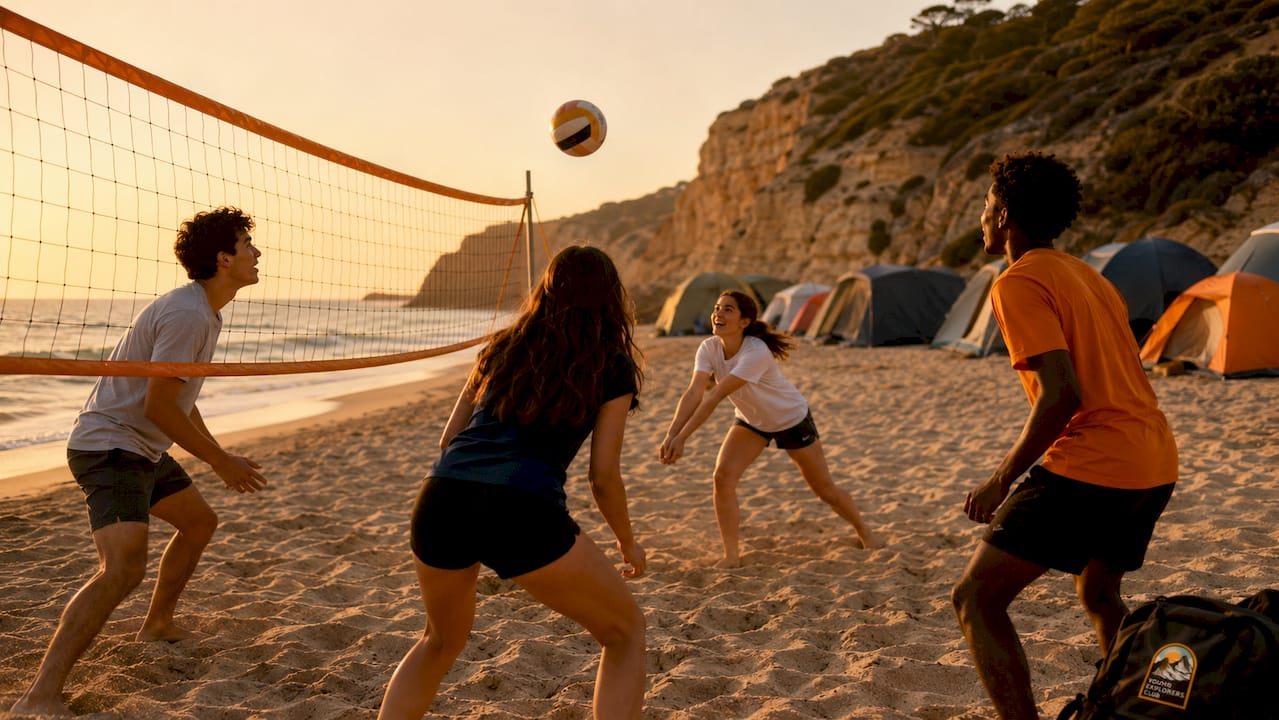
The best European camps integrate local culture directly into their programs rather than treating it as a backdrop. Campers cook regional dishes, visit historical landmarks, and participate in local traditions. These are not field trips. They are daily experiences that build cultural literacy in a way that sticks.
France’s camp tradition illustrates this well. French summer camps have treated group living and social independence as a public health goal for generations. The country frames camp attendance as a developmental milestone, not a luxury. That philosophy has spread across European camp culture broadly.
- Campers share meals, routines, and activities with peers from 10–20 different countries
- Regional heritage is woven into schedules, not added as an optional excursion
- Social skills built through cross-cultural daily life outlast any single activity
Pro Tip: When evaluating a European camp, ask specifically how local culture appears in the daily schedule. If the answer is “a day trip,” look elsewhere. Genuine cultural integration shows up in meals, language, and community rituals.
2. how language immersion sets european camps apart
Language learning is one of the clearest benefits of youth camps in Europe. The continent’s multilingual geography means children absorb new languages through conversation, not conjugation drills. That distinction matters enormously for retention and confidence.
Language camps boost confidence and cross-cultural communication skills in ways that classroom instruction rarely achieves. The reason is context. When a child needs French to order lunch or German to ask a counselor for help, the language becomes functional, not academic.
European camps offer three distinct language learning models:
- Full immersion programs where the target language is the only language spoken during activities
- Structured language courses paired with adventure activities, as offered by Youngexplorersclub in Switzerland
- Multilingual community camps where campers naturally switch between English, French, German, or Spanish depending on who they are talking to
Each model produces measurable gains in fluency and communication confidence. The immersion model produces the fastest results. The multilingual community model produces the broadest cultural awareness.
Switzerland is particularly well-positioned for this. A child at a Swiss camp can practice French in the morning, hear German at dinner, and use English with international peers all evening. That density of language contact is genuinely rare.
Pro Tip: If your child is a beginner in a second language, choose a camp that pairs structured daily lessons with social immersion. Pure immersion without instruction can frustrate younger children and slow progress.
3. europe’s outdoor landscapes drive adventure-based development
Europe’s natural environments are a core reason why outdoor youth camps here attract international families. The Alps, Pyrenees, Scandinavian fjords, and Atlantic coastlines offer terrain that simply cannot be replicated in a gym or urban park setting.
Structured nature-based camp programs significantly improve youth mental, emotional, and social health outcomes, with gains in self-esteem, resilience, and interpersonal communication confirmed across 21 peer-reviewed studies. That is not a marginal benefit. It is a documented developmental shift that parents can expect from a quality outdoor camp.
The activities that produce these outcomes include:
- Mountain biking and trail hiking in alpine terrain
- Rock climbing and ropes courses that require trust and problem-solving
- Kayaking and water-based navigation challenges
- Survival skills training that builds self-reliance
“The mountains don’t care about your comfort zone. That’s exactly the point.” This is the operating philosophy behind the best European outdoor camps, where challenge is the curriculum.
The mental health benefits of outdoor activities for children extend beyond the camp session. Research shows that resilience built in nature-based settings transfers to school performance, peer relationships, and stress management. Parents investing in a European outdoor camp are investing in skills their child will use for years.
4. the professional infrastructure behind european camps
European camp networks have placed over 2,500 university students from more than 25 countries as staff, reflecting 15 years of coordinated recruitment and training. That scale of professional infrastructure is what separates European camps from informal programs.
This matters to parents for one direct reason: trained staff produce better outcomes. A counselor who has completed child development coursework and safety certification handles a homesick 10-year-old differently than an untrained volunteer. The difference shows up in camper wellbeing and parent confidence.
| Infrastructure Feature | Why It Matters to Parents |
|---|---|
| International staff recruitment | Counselors reflect the multicultural community campers experience |
| Standardized safety protocols | Consistent risk management across activities and age groups |
| Small group sizes (capped near 15) | Individualized mentorship is achievable at this scale |
| Regulatory compliance | European child protection standards are among the strictest globally |
The small group model deserves specific attention. Groups capped around 15 campers allow counselors to track each child’s progress, adjust challenges to individual ability, and build genuine relationships over the camp session. Large residential programs rarely achieve this ratio.
5. the social mission built into european camp culture
European camps frame personal development as a public health effort, not a premium add-on. This philosophical foundation distinguishes European programs from camps in other regions that treat social development as secondary to activity programming.
YMCA Europe describes intentional camp design as a direct response to youth digital isolation. Camps build belonging and collaborative skills that counteract the social fragmentation many children experience through screen-heavy routines. That framing resonates with parents who are watching their children struggle to connect in person.
The social mission also shows up in how European camps handle conflict, inclusion, and community responsibility. Children are expected to contribute to the group, not just consume the program. That expectation builds maturity faster than any single activity.
6. which camp themes are most popular for international youth
The most popular international camps for teens in Europe fall into four clear categories. Each serves a different developmental priority, and the best programs combine two or more.
Language and Culture Camps remain the most requested by international families. Programs like Youngexplorersclub pair French or German language courses with outdoor adventure, creating a dual benefit that parents find hard to find elsewhere. The language courses and immersive adventure model is the most efficient use of a two-week camp session.
Outdoor Leadership Camps attract families who prioritize resilience and self-confidence. Activities like survival training, mountain navigation, and team challenges are structured to build outdoor leadership skills that transfer directly to school and social settings.
Multisport and Adventure Camps appeal to active children who want variety. A single week might include mountain biking, climbing, football, and kayaking. The variety keeps engagement high and exposes children to activities they would never try at home.
Music and Creative Arts Camps round out the European offering. Youngexplorersclub’s music camps in Switzerland combine creative skill-building with the same international community experience that defines all European camp formats.
| Camp Theme | Primary Benefit | Best Age Range |
|---|---|---|
| Language and Culture | Fluency, cross-cultural communication | 10–17 |
| Outdoor Leadership | Resilience, decision-making | 12–17 |
| Multisport Adventure | Physical confidence, teamwork | 8–15 |
| Music and Creative Arts | Self-expression, collaboration | 8–16 |
Waiting lists for top European programs exceeded 11,000 people for 2026. That number reflects genuine demand, not marketing. Parents who want a specific program should register months in advance.
Key takeaways
Europe’s combination of cultural depth, multilingual settings, and professional outdoor infrastructure makes it the most complete environment for international youth camp development.
| Point | Details |
|---|---|
| Cultural immersion is daily, not optional | The best European camps integrate local heritage into meals, language, and routines. |
| Language gains require functional context | Immersive multilingual environments produce faster fluency than classroom instruction alone. |
| Outdoor programs produce documented growth | Research across 21 studies confirms nature-based camps improve resilience and self-esteem. |
| Small group sizes define quality | Groups capped near 15 campers allow personalized mentorship that large programs cannot match. |
| Demand is at peak levels | Waiting lists exceeding 11,000 for 2026 programs mean early registration is critical. |
What i’ve learned after years watching european camps evolve
The thing most parents miss when comparing European camps to programs back home is the philosophy underneath the activities. American camps often lead with the activity menu. European camps lead with the developmental outcome. That difference shapes everything from staff training to how conflict between campers gets handled.
I’ve watched families send children to Switzerland expecting an adventure vacation and receive something closer to a confidence transformation. The mountains and the language exposure matter. But what really moves the needle is the intentional community design. When a child is responsible to a group of 12 peers from six different countries, they grow up fast in the best possible way.
My honest advice to parents: stop comparing activity lists and start comparing staff ratios and program philosophy. A camp with 15 campers per counselor and a clear social mission will outperform a larger program with a longer activity menu every time. Ask the camp director what happens when a child struggles. The answer tells you everything.
Families from Poland, Hungary, and Indonesia are increasingly choosing European programs specifically because the social and language outcomes are measurable. That is not a coincidence. It reflects a camp model that has been refined over decades with development, not entertainment, as the goal.
— Guillem
Experience the best of european camp culture at Youngexplorersclub
Youngexplorersclub runs international summer camps in Switzerland that bring together children from across the world for outdoor adventure, language immersion, and genuine cultural exchange. Programs include mountain biking, climbing, survival skills, and multisport adventures, all led by internationally trained staff in small groups designed for real mentorship.
Every session at Youngexplorersclub combines structured language learning in French, German, or English with the kind of outdoor challenge that builds lasting confidence. Safety standards are high, group sizes are small, and the international community your child joins is the real product. Explore the full program at Youngexplorersclub’s summer camp Switzerland and register early. Spots fill months ahead of each session.
FAQ
What age groups do european youth camps typically serve?
Most European international youth camps serve children aged 8–17, with programs divided into junior and teen groups. Youngexplorersclub in Switzerland structures activities and group dynamics specifically by age to match developmental needs.
How do language immersion camps in europe work?
Language immersion camps place children in environments where the target language is used throughout daily activities, meals, and social time. This functional exposure produces faster fluency gains than classroom instruction because the language becomes a tool, not a subject.
Are european camps safe for children traveling internationally?
European camps operate under strict child protection regulations and increasingly standardized safety protocols. Programs like those run through Camp Europe networks have placed over 2,500 trained staff from 25+ countries, reflecting a professional infrastructure built over 15 years.
How early should i register for a european summer camp?
Register at least 4–6 months before your preferred session. Waiting lists for top European programs exceeded 11,000 for 2026, meaning the most sought-after sessions fill well before spring.
What is the difference between a language camp and a multisport camp in europe?
A language camp prioritizes daily instruction and immersive conversation in a second language, often paired with light outdoor activities. A multisport camp centers on physical challenges like climbing, kayaking, and mountain biking, with cultural and social development as supporting outcomes. Many European programs, including Youngexplorersclub, combine both formats.
