Family Adventure Camp Guide: Plan and Enjoy Outdoor Fun
Follow this family adventure camp guide for a clear, step-by-step process to prepare, experience, and enjoy an unforgettable outdoor adventure with your family.
Every parent faces that moment when planning a summer camp means balancing everyone’s dreams with practical realities. For families across Europe and North America, choosing the ideal adventure camp is more than picking a destination, it is about creating a bilingual, growth-centered experience where children can challenge themselves, learn new skills, and make lasting memories. This guide walks you through key steps for preparing, selecting, and making the most of an outdoor camp that truly matches your family’s unique interests and talents.
Table of Contents
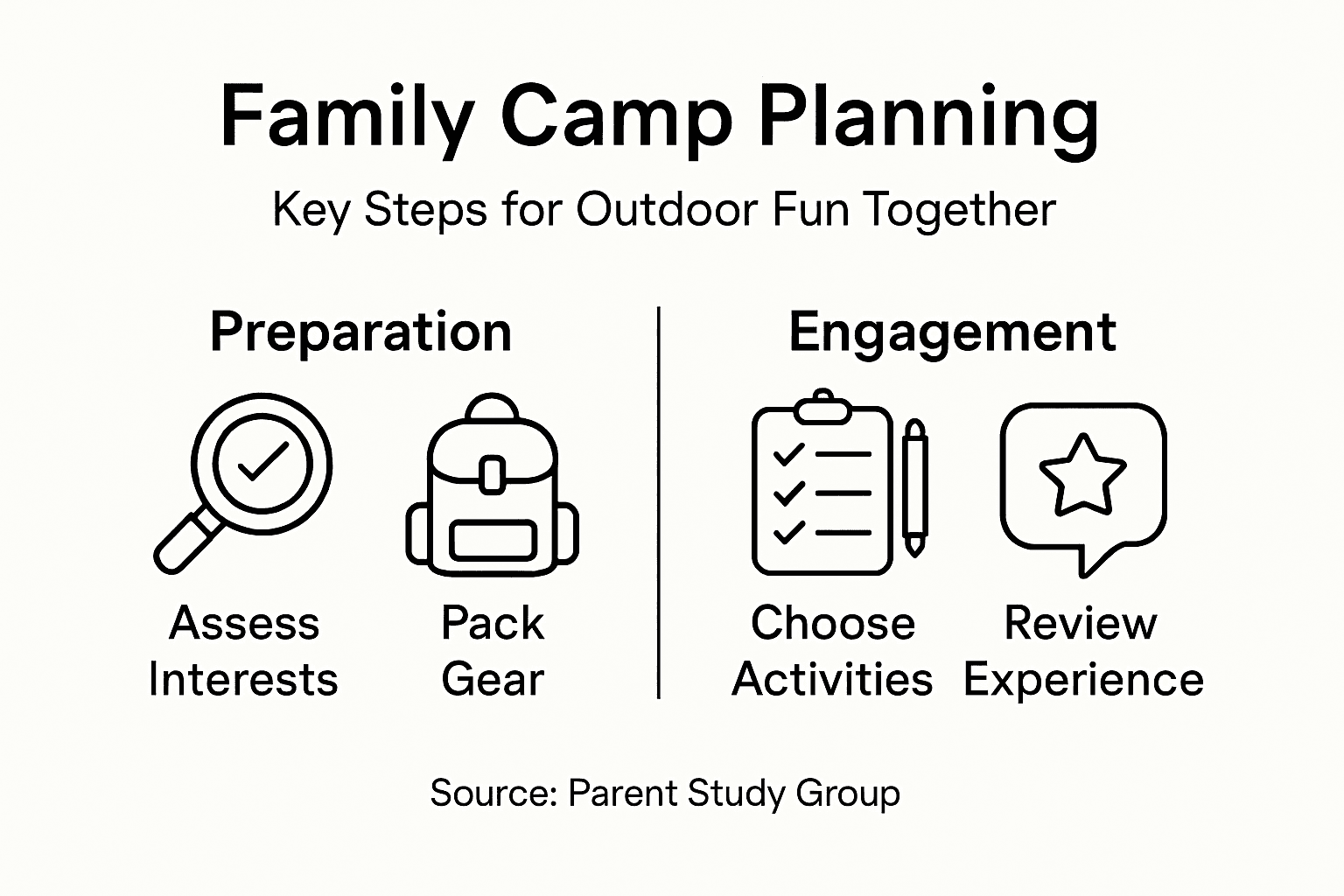
- Step 1: Assess Family Interests And Needs
- Step 2: Select The Ideal Adventure Camp Program
- Step 3: Prepare Gear And Complete Registration
- Step 4: Engage In Bilingual Outdoor Activities
- Step 5: Review Experiences And Celebrate Growth
Quick Summary
| Key Insight | Explanation |
|---|---|
| 1. Collaboratively assess family interests | Host a family discussion to gather preferences and discover common interests for the adventure. |
| 2. Choose a camp that promotes growth | Select a program prioritizing safety, well-qualified staff, and diverse activities for all ages. |
| 3. Prepare thoroughly for the camp experience | Create a detailed gear checklist and complete registrations well in advance to minimize stress. |
| 4. Integrate bilingual activities | Use outdoor play to enhance language skills through interactive and fun activities for family engagement. |
| 5. Reflect on the experience post-camp | Schedule discussions to share insights and celebrate personal growth and shared memories after the adventure. |
Step 1: Assess Family Interests and Needs
Planning the perfect family adventure camp starts with understanding what each family member truly wants and needs. Think of this step as creating a personalized roadmap for an unforgettable outdoor experience that keeps everyone engaged and excited.
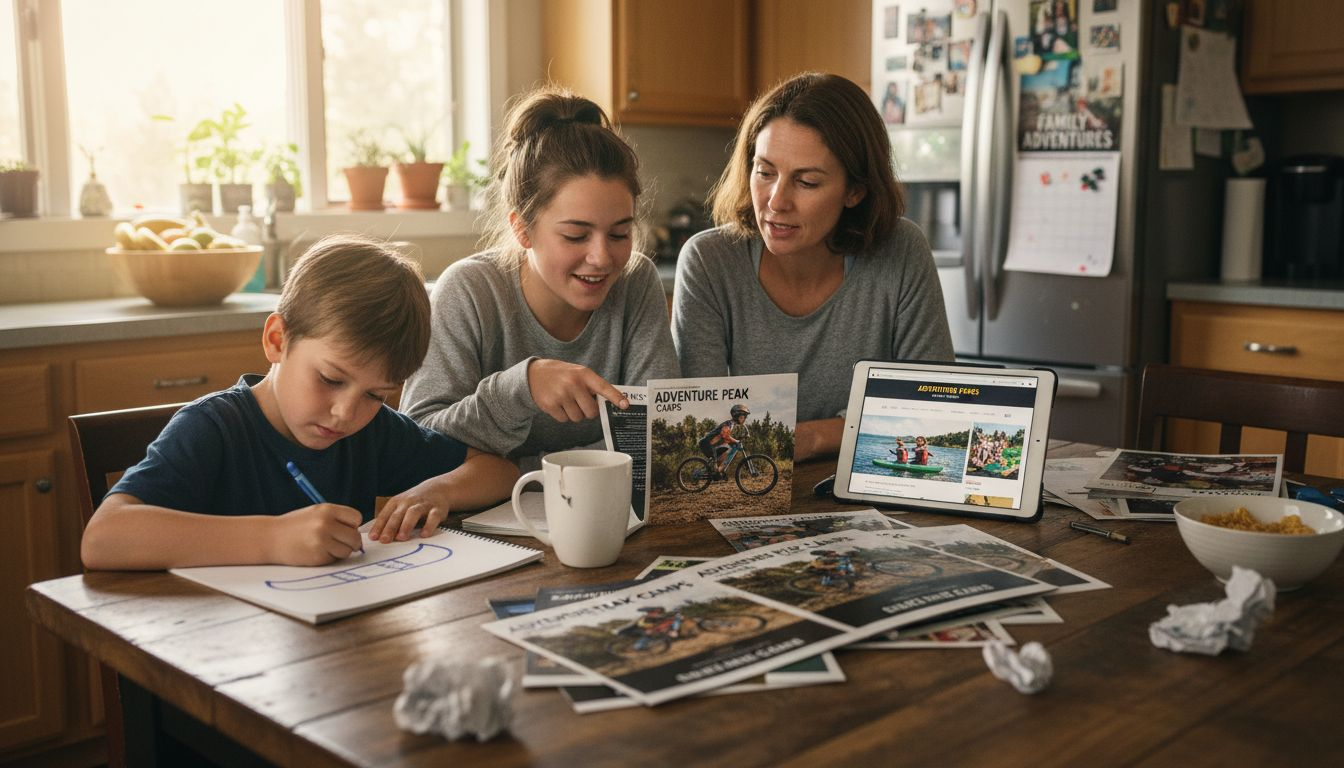
To effectively assess your family’s interests, begin with a collaborative group discussion. Sit down together and create an open environment where everyone feels comfortable sharing their preferences. Consider using a simple survey or interactive conversation to capture insights. The goal is to uncover individual desires while finding common ground. Key areas to explore include:
- Physical activity levels and comfort with outdoor challenges
- Age-appropriate adventure interests
- Skill development preferences
- Time availability and scheduling constraints
- Budget considerations
Utilize community needs assessment tools to guide your discovery process. These resources can help you systematically gather feedback and understand each family member’s unique perspective. Create a shared spreadsheet or visual chart that allows everyone to see and compare their interests.
By taking a collaborative approach, you transform camp planning from a potential source of conflict into an exciting family bonding experience. Each person feels heard and invested in the upcoming adventure, increasing the likelihood of a memorable and enjoyable camp experience.
Pro tip: Schedule your family interest assessment meeting during a relaxed time, like a weekend breakfast, to encourage open and honest communication.
Step 2: Select the Ideal Adventure Camp Program
Choosing the right adventure camp is about finding a program that perfectly balances safety, learning, and excitement for every family member. Your goal is to identify a camp that challenges and nurtures each participant while providing a memorable outdoor experience.
Begin by evaluating camps through a comprehensive lens. Adventure-based learning programs should offer more than just activities – they must provide transformative experiences that promote personal growth. Look for programs that incorporate these critical elements:
- Structured learning environments
- Appropriate challenge levels for different ages
- Professional staff with relevant qualifications
- Safe and supportive group dynamics
- Opportunities for skill development
Carefully review the camp’s accreditation standards. Camps certified by the American Camp Association standards demonstrate a commitment to quality, safety, and developmentally appropriate programming. Pay special attention to supervision ratios, staff training protocols, and the range of activities offered.
The right adventure camp transforms challenges into opportunities for personal growth and learning.
Consider your family’s specific interests and capabilities. Some camps specialize in specific activities like mountain biking, rock climbing, or wilderness skills. Others offer multisport programs that provide a broader range of experiences. Match the camp’s focus with your family’s adventure goals and comfort levels.
Pro tip: Request detailed program itineraries and staff qualification documents before making a final decision to ensure the camp meets your family’s expectations.
Here’s a summary of essential factors for evaluating adventure camp programs:
| Consideration | Impact on Experience | Why It Matters |
|---|---|---|
| Accreditation | Ensures safety standards | Guarantees program quality |
| Staff Qualifications | Enhances skill learning | Supports participant confidence |
| Activity Diversity | Broadens skill exposure | Increases family engagement |
| Supervision Ratio | Improves child safety | Reduces risk during activities |
Step 3: Prepare Gear and Complete Registration
Preparing for your family adventure camp requires careful planning and attention to detail. Your mission is to ensure everyone is equipped, registered, and ready for an incredible outdoor experience that combines safety, comfort, and excitement.
Start by consulting the camp’s official packing guidelines and creating a comprehensive gear checklist. Focus on essential items that match the specific activities and environment of your camp. Key considerations include:
- Appropriate clothing layers for changing weather
- Durable and comfortable hiking shoes
- Personal protective equipment
- Sleeping gear and compact bedding
- Weather-appropriate accessories
Next, tackle the registration process with thoroughness. Camp preparation resources recommend gathering all necessary documentation well in advance. This includes medical forms, emergency contact information, medication details, and any required waivers.
Comprehensive preparation transforms potential stress into anticipation and excitement.
Encourage each family member to personally review and pack their gear. This not only ensures they have everything needed but also builds personal responsibility and excitement for the upcoming adventure. Double-check that all items are labeled, functional, and appropriate for the camp’s specific activities.
Pro tip: Create a digital backup of all important registration documents and store them securely online for easy access during your trip.
Step 4: Engage in Bilingual Outdoor Activities
Bilingual outdoor experiences offer an incredible opportunity to combine language learning with adventure, creating memorable and educational moments for the entire family. Your goal is to transform outdoor activities into dynamic, interactive language experiences that feel more like play than structured learning.
Start by exploring language learning through outdoor play strategies that make communication engaging and natural. Incorporate activities that encourage spontaneous language use and interaction, such as:
- Multilingual scavenger hunts
- Nature storytelling in both languages
- Cooperative problem-solving challenges
- Interactive map reading and navigation
- Team-building games with bilingual instructions
Design immersive language experiences that feel like exciting adventures rather than formal lessons. Encourage participants to switch between languages during activities, creating a fluid and dynamic communication environment. This approach helps reduce language anxiety and makes learning feel effortless and enjoyable.
Language learning is most powerful when it happens through genuine, meaningful interactions.
Pay attention to each participant’s comfort level and language skills. Create inclusive activities that allow everyone to contribute and learn at their own pace. Celebrate linguistic creativity and effort, emphasizing communication over perfect grammar.
Pro tip: Rotate language leadership roles during activities, allowing different family members to guide conversations and instructions in alternating languages.
Compare bilingual outdoor activities by their benefits and engagement level:
| Activity Type | Language Benefits | Engagement Level |
|---|---|---|
| Scavenger Hunt | Vocabulary practice | Highly interactive |
| Nature Storytelling | Listening and expression | Creative and social |
| Map Navigation | Instruction comprehension | Problem-solving |
| Team-building Games | Speaking confidence | Collaborative action |
Step 5: Review Experiences and Celebrate Growth
The final stage of your family adventure camp journey is about reflection, recognition, and celebrating the transformative experiences you’ve shared together. This crucial step helps solidify the personal and collective growth achieved during your outdoor adventure.
Utilize outdoor learning research to guide your reflection process. Create a supportive environment where each family member can share their unique perspectives and insights. Structured review activities might include:
- Individual storytelling sessions
- Group discussion of memorable moments
- Identifying personal challenges overcome
- Sharing unexpected learnings
- Mapping individual and collective achievements
Encourage honest and supportive dialogue about the experience. Recognize that growth isn’t just about achievements, but also about the journey, challenges faced, and lessons learned. Pay special attention to personal transformations, whether they’re small moments of courage or significant skill developments.
Reflection transforms experiences from mere activities into profound learning opportunities.
Consider creating a tangible memory artifact like a shared photo album, journal, or digital presentation that captures the essence of your adventure. This not only celebrates your experiences but also provides a lasting reminder of your family’s shared growth and connection.
Pro tip: Schedule a follow-up family meeting a few weeks after the camp to discuss long-term impacts and how the experience continues to influence your perspectives and relationships.
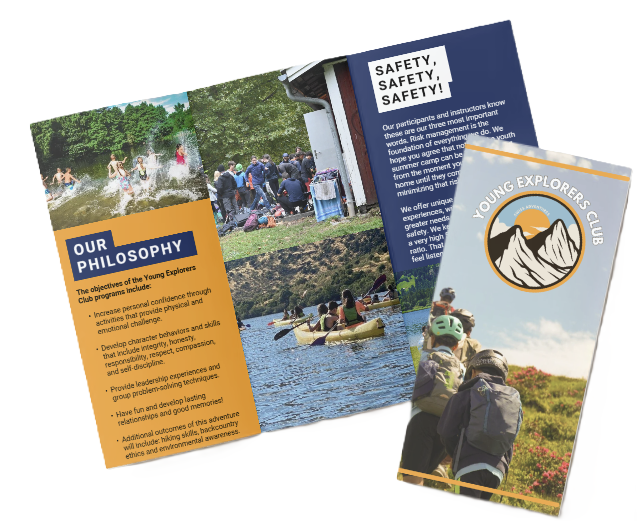
Make Your Family Adventure Camp Dreams a Reality with Young Explorers Club
Planning a family adventure camp can feel overwhelming when trying to balance safety, learning, and fun for every member. You want a program that respects diverse interests, encourages personal growth, and creates lasting memories. The challenge of finding a camp that offers adventure, bilingual experiences, and expert guidance is exactly where the Young Explorers Club shines. Our Swiss-based international summer camps specialize in outdoor activities like mountain biking, climbing, and survival skills designed to boost confidence, teamwork, and resilience in a supportive, bilingual environment.
Don’t let uncertainty hold you back from an unforgettable family journey. Discover the adventure programs tailored to your family’s goals and prepare confidently with detailed resources and expert staff. Explore our official website to access registration, program details, and testimonials that showcase how Young Explorers Club transforms challenges into growth. Take the first step now by visiting Young Explorers Club and start planning your family’s perfect outdoor adventure experience today.
Frequently Asked Questions
How do I assess my family’s interests for the adventure camp?
To assess your family’s interests, hold a group discussion where everyone can share their preferences. Consider using a survey or a chart to gather insights about physical activity levels, skill preferences, and availability.
What should I look for when selecting an adventure camp program?
When selecting an adventure camp, look for programs that balance safety, learning, and excitement. Evaluate the camp’s accreditation, staff qualifications, and the variety of activities offered to ensure it aligns with your family’s interests and safety needs.
How can I prepare the necessary gear for our family adventure camp?
Start by reviewing the camp’s packing guidelines and create a checklist of essential items based on planned activities. Ensure that everyone packs appropriate clothing, sleeping gear, and personal protective equipment well in advance.
What are some engaging bilingual outdoor activities for our family?
Consider organizing multilingual scavenger hunts, nature storytelling, and team-building games that encourage language use naturally. These activities can make language learning feel fun and interactive while enjoying the outdoors together.
How should we reflect on our experiences after the adventure camp?
After the camp, schedule a family meeting to share memorable moments and personal growth achieved during the adventure. Use structured activities like storytelling sessions to encourage honest dialogue about the overall experience, allowing everyone to appreciate the journey.