Resilience Building Programs For Children
School-based SEL, targeted CBT and measurement-driven resilience programs prevent childhood mental disorders via early intervention.
Preventing and Treating Childhood Mental Disorders in Schools and Communities
Childhood mental disorders are rising, and many begin early. Schools and community resilience programs now serve as key platforms for prevention and early-intervention. Strong evidence shows that structured, scalable approaches boost coping and reduce symptoms by combining universal social-emotional learning with targeted CBT and measurement-based stepped care for symptomatic youth. Programs deliver the best results when they offer adequate dose, high fidelity, and routine outcome measurement. We’ll support adoption by sharing practical implementation steps and measurement tools.
Key Takeaways
Urgent population need
About 10–20% of children have diagnosable mental disorders. Half of these conditions begin by age 14. Early prevention lowers new-onset rates and reduces suicide risk.
Three-tier prevention model
The model uses progressively intensive supports to meet population needs:
- Universal: School-based social-emotional learning, delivered as short, regular modules to all students.
- Selective: Small-group programs for at-risk youth that combine mentoring and booster sessions.
- Indicated: Brief CBT with measurement-based stepped care for symptomatic children.
Core components for effectiveness
Effective programs include frequent, structured skills training in emotion regulation, problem solving, and basic CBT techniques. Active social support and parent involvement improve outcomes. Programs should incorporate trauma-informed safety practices, fidelity monitoring, and appropriately trained facilitators.
Evidence and moderators
Meta-analyses and randomized controlled trials show small-to-moderate psychosocial effects (d ≈ 0.2–0.5) and measurable academic gains. Effect sizes increase with higher fidelity, adequate dose, and careful targeting. Targeted CBT produces larger symptom reduction per child.
Implementation essentials
Adopt programs through deliberate, data-driven steps to maximize impact:
- Start small: Begin with pilot projects and phased rollouts to test feasibility.
- Build capacity: Use train-the-trainer models and regular supervision to maintain quality.
- Measure routinely: Use standardized outcome measures and track engagement and academic indicators.
- Data schedule: Collect baseline, post, and 3-, 6-, and 12-month follow-ups to guide program adjustments.
- Use data for decisions: Use outcome data to inform supervision, set referral triggers, and drive continuous improvement.
Recommended routine outcome measures include:
- CYRM (Child and Youth Resilience Measure)
- CD-RISC (Connor–Davidson Resilience Scale)
- SDQ (Strengths and Difficulties Questionnaire)
- RCADS (Revised Child Anxiety and Depression Scale)
We can provide tools and templates to speed adoption, including fidelity checklists, measurement dashboards, and facilitator guides. If you’d like, I can share practical implementation templates, sample measurement protocols, and a suggested training curriculum.
Why resilience programs for children matter (overview and urgency)
The numbers demand action. 10–20% of children and adolescents experience mental disorders, and about 1 in 6 U.S. children face a mental, emotional, or behavioral disorder in a given year. Half of mental health conditions begin by age 14, and suicide is the second leading cause of death for ages 15–29. These facts show a large, early-onset population need and create urgency for early intervention.
We, at the young explorers club, respond by prioritizing preventive work that strengthens protective skills before problems escalate. I focus on practical, scalable approaches that improve emotion regulation, problem solving, and social connectedness. Programs that build these capacities reduce new-onset disorders and lower demand for specialist mental health services over time. For examples of activity-based approaches that boost growth, see our note on resilience.
Prevention levels and practical actions
Below are the three prevention levels resilience programs should cover, with concrete actions we use for each.
-
Universal prevention (whole-population): Deliver classroom- or school-based curricula that teach coping skills, emotional literacy, and peer support routines. Implement short, regular modules a few times per week rather than one-off workshops. Train teachers to coach skills during routine lessons and use simple pre/post checklists to track changes in class-wide coping.
-
Selective interventions (at-risk groups): Identify groups exposed to stressors (e.g., bereavement, displacement, bullying). Run targeted group programs that combine skills practice with mentoring and family check-ins. Keep group sizes small and offer booster sessions at 3–6 months to sustain gains.
-
Indicated interventions (symptomatic youth): Provide brief, evidence-informed skills training and stepped care referrals for youth showing clear symptoms. Use measurement-based care (symptom tracking every 2–4 weeks) to guide intensity and escalate to specialist services only when needed.
I recommend integrating routine measurement and continuous improvement across all levels. Track proximal protective factors—emotion regulation, problem solving, and connectedness—alongside symptom measures. That approach helps demonstrate reduced incidence of new-onset disorders and decreased referrals to specialist care, while keeping programs efficient and focused on real-world outcomes.

What the research shows: evidence of effectiveness
We, at the Young Explorers Club, report clear, reproducible patterns in the evidence. Meta-analyses of school-based social-emotional and resilience programs show small-to-moderate effects (d ≈ 0.2–0.5) on psychosocial outcomes such as social-emotional skills, symptom levels, and school behavior. These group-level effects translate to measurable gains in coping and symptom reduction for participating children.
Classic SEL meta-analyses also show academic spillover: average achievement gains roughly equivalent to 10–11 percentile points. That shift matters in classrooms; modest effect sizes can move many children from struggling to meeting expectations. Cognitive‑behavioral-based resilience programs — for example FRIENDS and the Penn Resilience Program — consistently reduce anxiety and depressive symptoms in trials, and some randomized controlled trials (RCTs) report lower incidence of new-onset depression and anxiety, indicating a preventive effect.
Study designs that drive confidence in these findings are mostly meta-analysis and RCT trials. Effect magnitudes and real-world impact vary by three practical moderators: fidelity (how closely a program is delivered as intended), dose (session number and duration), and the target population (universal versus indicated). Universal SEL yields broader reach and delivers population-level prevention across classrooms or whole schools. Targeted or indicated CBT interventions produce larger per-child effects for symptomatic youth, so they’re the better option when we need rapid symptom reduction.
Implementation priorities and what to expect
Below are the key practical takeaways I recommend we follow to get the effects reported in the literature:
- Prioritize fidelity: train facilitators, use manuals, and monitor delivery so the program resembles the RCT model.
- Optimize dose: stick to the session count and length that produced positive results; truncated curricula usually dilute impact.
- Match strategy to need: deploy universal SEL for whole-school prevention; reserve CBT-based indicated programs like FRIENDS for children already showing anxiety or depression.
- Combine approaches: layer universal SEL with targeted CBT when resources allow — that increases reach while delivering stronger effects for symptomatic kids.
- Measure outcomes: track social-emotional skills, symptoms, and academic indicators to verify whether expected effect sizes appear in your setting.
I also link practical activity to broader wellbeing; see how camp builds self-esteem for an example of programming that amplifies skills learned in school-based interventions.
The evidence base is robust but conditional: you can expect consistent, meaningful benefits if you select evidence-based curricula, invest in training and dose fidelity, and choose the right delivery model for your population.

Types of resilience programs and evidence-based examples (who they’re for and where they’re delivered)
We offer a mix of universal, targeted and family-focused programs that fit classroom, clinic and online delivery. I outline core program types, who benefits, typical doses and where they work best. I also connect practical delivery choices to program intent and evidence.
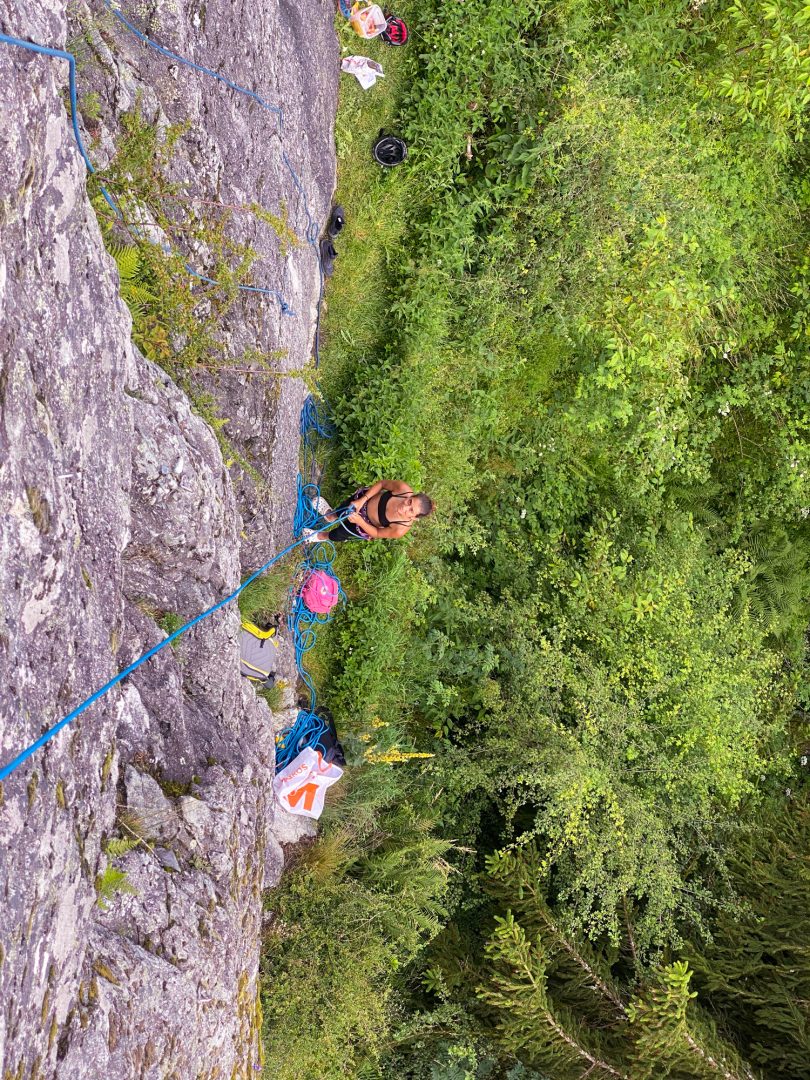
I recommend pairing curriculum work with active experiences; for example we link curricular learning to outdoor practice so children can apply skills as they grow — see how mountain sports help kids build resilience.
Quick reference: programs, targets and delivery
- PATHS (Promoting Alternative THinking Strategies) — preschool/elementary; classroom universal SEL; weekly 30–60 minute lessons across a term; evidence for social-emotional gains.
- CASEL-endorsed SEL programs — K–12; whole-class or grade-level rollout; broad evidence base supporting social skills and academic-linked outcomes.
- FRIENDS for Life — primary/early secondary; anxiety prevention in school small groups or clinic; adaptable to in-person or online delivery.
- Penn Resilience Program (PRP) — middle/secondary; targeted depression prevention in groups; school or community clinic formats.
- Coping Cat — children with anxiety; individual clinic or group sessions, CBT-focused with clear skill practice.
- TF-CBT (Trauma-Focused CBT) — trauma-exposed children; clinical setting; typically 12–20 sessions with caregiver involvement.
- Triple P (Positive Parenting Program) — parents of children across ages; multi-level delivery via groups, brief consultations or online; evidence for behavior change and cost-effectiveness.
- Incredible Years — parent training for preschool/elementary behavior and social skills; delivered in parent groups or community centers.
- Sources of Strength — school-wide, peer-led suicide prevention; fits high schools and secondary settings for climate and help-seeking shifts.
- Bounce Back — trauma-informed school program; classroom and small-group formats to support students after stressful events.
- SPARX — gamified CBT for adolescent depression; online delivery suited to schools or home use.
- BRAVE-Online / BRAVE Self-Help — CBT for anxiety delivered online; self-guided or clinician-supported options.
- MoodGYM — internet CBT; school or home use for skill-building and prevention.
- FRIENDS online adaptations — digital versions of the FRIENDS program for remote or blended delivery.
- Headspace for Kids — mindfulness app; supplementary support in classrooms or at home.
I prioritize fit over fidelity alone. Schools often schedule weekly 30–60 minute sessions for 8–16 weeks for universal curricula. Parents usually attend 8–12 sessions for structured parent programs. Trauma work commonly runs 12–20 sessions. I advise matching setting to need: universal programs in classrooms, targeted CBT in clinics or small groups, parent programs in community centers or online, and digital tools for scalable access.

Core components of effective resilience programs, plus practical implementation guidance (dosage, staffing, fidelity)
We, at the young explorers club, build programs around five core components that drive measurable change. Each element pairs a clear skill goal with simple delivery methods so teachers and clinicians can run them with confidence.
Core components
-
Structured skills training: Teach emotion regulation, cognitive restructuring (positive thinking), problem solving, and stress management. Use short, concrete drills—labeling feelings, breathing and grounding exercises, and clinician-led role play—to make skills tangible. Keep practice frequent and scaffolded so skills move from guided to independent use.
-
Examples: labeling emotions, 3–4 minute breathing drills, brief grounding sequences, and structured role-play scripts.
-
-
Social support and connectedness: Create stable peer-support formats, designate adult allies, and involve family in regular check-ins. This social scaffolding increases retention and helps children generalize skills across settings. We link group practice to activities that also support mental well-being to strengthen bonds and normalize help-seeking.
-
Parent/caregiver involvement: Include parent training modules; these sessions boost program effect sizes and improve skill generalization at home. Aim for practical homework and short demonstrations rather than long lectures.
-
Trauma-informed elements: Build predictability and safety into every session. Provide simple psychoeducation about stress responses, set clear routines, and maintain visible referral pathways for higher‑need cases.
-
Fidelity and quality monitoring: Track delivery with session checklists, facilitator observations, routine supervision, and outcome monitoring. Use benchmarks to keep quality high.
Implementation guidance: dosage, staffing, fidelity
Follow these practical recommendations when you plan rollout and scale-up.
Dosage and delivery
-
School-based SEL: weekly 30–60 minute sessions for 8–16 weeks.
-
Parent programs: typically 8–12 sessions with homework between meetings.
-
Trauma-focused CBT (TF‑CBT): commonly 12–20 sessions depending on symptom severity.
-
Sequencing: start with short skill lessons, then move to longer consolidation blocks that emphasize practice and peer coaching.
Staffing and training
-
Ideal facilitators: trained school counselors, mental health clinicians, trained teachers, and trained peer leaders for peer programs.
-
Training intensity: ranges from brief 1‑day overviews for general school staff to multi‑day certification for clinician-led tracks.
-
Supervision: build routine supervision and competency checks into schedules; use video or live observation and structured feedback forms.
Fidelity benchmarks and monitoring
-
Use adherence checklists for each session and require routine supervisor review.
-
Aim to deliver more than 80% of planned sessions with documented adherence.
-
Track outcomes at baseline, midline, and post; tie data back into supervision to drive improvements.
Scalability tips
-
Pilot: run for one year in 1–2 classes and train 2–3 core staff before expanding.
-
Rollout model: use a phased rollout and a train‑the‑trainer approach to grow internal capacity.
-
Digital supplements: combine blended tools—short practice apps, video demonstrations, and printable checklists—to reduce staffing burden and increase consistency.
Measuring impact: outcomes, instruments and evaluation timing
We, at the Young Explorers Club, focus on measurable change in resilience and related domains. I list clear outcomes, link each to practical instruments, and set a realistic timing and analysis plan you can implement or scale.
Key outcomes and recommended instruments
Below are the core outcomes we track and the tools we use to measure them:
- Protective factors / resilience: CYRM (Child and Youth Resilience Measure) — captures individual, relational and contextual strengths.
- Global resilience: CD-RISC (youth) — useful for short, comparable resilience scores.
- Behavioral screening: SDQ (Strengths and Difficulties Questionnaire) — teacher and parent forms flag conduct, peer, and emotional problems.
- Anxiety & depression symptoms: RCADS (Revised Children’s Anxiety and Depression Scale) — sensitive to symptom change in school-aged youth.
- School outcomes: attendance, grades, and referrals — use administrative records for objective trends.
- Behavior incidents and discipline: school referral logs and teacher ratings — track frequency and severity.
- Mental-health service use: referrals to counseling or external providers — capture timing and type of referral.
Evaluation timing, design and analysis
Timing: Collect a baseline before the program starts. Run an immediate post-intervention assessment to document short-term change. Schedule follow-ups at 3, 6, and 12 months to assess persistence.
In practice we:
- Administer SDQ and RCADS at baseline and immediate post-test to detect symptom shifts quickly.
- Measure CYRM at baseline and 6 months to allow protective-factor change to emerge.
- Pull attendance, grades, and discipline records continuously from school systems and summarize by the same time points.
- Add teacher and parent rating forms at post-test to triangulate findings.
Analysis: Use pre-post change scores for quick summaries and paired tests. Prefer repeated-measures models (mixed-effects or growth curve) for longitudinal precision and to handle missing data. Strengthen causal claims by including comparison groups or using a stepped-wedge/staggered implementation if randomization isn’t feasible. We always recommend consulting an external evaluator or statistician to calculate minimum sample sizes and power for RCTs or scaled evaluations.
I integrate findings into program cycles: actionable dashboards for staff, referral triggers for counselors, and a scoreboard for school partners. For related program-level guidance on supporting emotional health see mental well-being.
Special considerations: age tailoring, trauma, equity, cultural adaptation, digital delivery, safety and data privacy
We, at the Young Explorers Club, build programs that match developmental stage, clinical needs, culture, and technology realities. Below I outline practical choices you can make at each step so programs remain safe, effective, and inclusive.
Developmental tailoring
I structure activities by age and keep language concrete. Key program formats I use include:
-
Preschool: play-based routines with caregiver-focused emotion coaching. Caregivers learn simple labeling, calming strategies, and predictable transitions to reduce dysregulation.
-
Elementary: role-play, story-based problem solving, and concrete skills training (breathing, problem trees, social scripts). I use short sessions and visual cues to keep engagement high.
-
Adolescents: CBT-based cognitive reframing, structured peer support, and goal-setting. I include journaling, challenge tasks, and skills for managing rumination.
I adapt materials to reading level and attention span, and I test vocabulary with sample children before rolling out activities. I also train facilitators to shift prompts and scaffolds as children progress.
Trauma, equity, digital delivery, and safety
Trauma and clinical needs: I always use trauma-informed curricula and integrate evidence-based clinical approaches like TF-CBT for youth with trauma exposure. I do not rely on single-session screening without clear referral pathways. Instead, I set up pre-enrollment contact procedures that explain screening, consent, and who will follow up if risk emerges. For high clinical needs, I arrange direct referral to licensed providers and document those pathways in advance.
Equity and cultural adaptation: I translate materials and co-create content with families and community stakeholders. I pilot-test modules for cultural relevance and adjust examples, metaphors, and delivery styles based on feedback. I remove practical barriers by subsidizing transport, offering materials in multiple languages, and providing offline options for families with limited connectivity. I prioritize outreach to high-need communities and build partnerships with local organizations to increase trust and uptake. These steps also support broader goals like improved mental well-being in camp and program settings (mental well-being).
Digital delivery: I include evidence-based tools such as SPARX, BRAVE-Online, MoodGYM, FRIENDS Online, and Headspace for Kids as part of a blended model. Digital modules give scalability and flexible access, but they have limits: the digital divide, engagement drop-off, and variable evidence across age groups. I recommend hybrid delivery—short in-person or live facilitator sessions combined with digital modules—to boost completion and retain human support. I monitor engagement metrics such as:
- logins
- time on task
- module completion
I set automatic flags for low engagement so facilitators can re-engage participants quickly.
Safety, ethics, and data privacy: I obtain parental consent and child assent as appropriate before any data collection or screening. I implement clear safeguarding protocols for identifying and responding to risk, including immediate escalation steps and referral contacts for suicidal ideation, self-harm, or abuse. I ensure staff know the exact phone numbers and steps to use, and I rehearse these procedures during training.
For digital vendors I require:
- Evidence of secure data storage and encryption
- Child-privacy compliance and documented adherence to COPPA (U.S.) or local equivalents
- Data minimization practices and clear retention schedules
- Written breach notification procedures
I also make referral pathways and contact procedures visible to families before screening or enrollment. That transparency reduces harm and builds trust.

Below are suggested authoritative sources related to resilience-building programs for children. Each link shows the organization followed by the article or page title (in the title’s language).
Sources
- World Health Organization — Adolescent mental health (fact sheet)
- Centers for Disease Control and Prevention — Data and statistics on children’s mental health
- Durlak, J.A., Weissberg, R.P., Dymnicki, A.B., Taylor, R.D., & Schellinger, K.B. — The impact of enhancing students’ social and emotional learning: A meta‑analysis of school‑based universal interventions
- Collaborative for Academic, Social, and Emotional Learning (CASEL) — CASEL Guide: Effective social and emotional learning programs
- National Child Traumatic Stress Network (NCTSN) — Trauma-Focused Cognitive Behavioral Therapy (TF‑CBT)
- Penn Positive Psychology Center — Penn Resilience Program (PRP)
- Merry, S.N., Stasiak, K., Shepherd, M., Frampton, C., Fleming, T., & Lucassen, M.F. — The SPARX randomized controlled trial (computerised CBT for adolescent depression)
- Triple P International — Triple P (Positive Parenting Program)
- The Incredible Years — The Incredible Years programme
- PATHS Program — Promoting Alternative Thinking Strategies (PATHS)
- National Institute for Health and Care Excellence (NICE) — Depression in children and young people: identification and management (NG134)
- UNICEF — Mental health and psychosocial support for children
- American Academy of Pediatrics (AAP) — Mental health initiatives and resources for children and adolescents
- Sources of Strength — Sources of Strength suicide prevention program
- moodGYM — Online cognitive behavioural therapy (moodGYM)