Switzerland With Toddlers: Travel Tips
Travel Switzerland with toddlers: expect 20-40% higher costs. Base in Lucerne/Interlaken, book trains & car seats; pack stroller.
Travel in Switzerland with toddlers
Travel in Switzerland with toddlers takes planning. Daily costs run about 20–40% higher than many EU neighbours. The country uses several languages, so signage and staff may differ by region. Operators enforce specific rules, so book family-friendly lodging, car seats and scenic-train reservations early to control costs and secure facilities. We’re relying on punctual Swiss rail and pick hubs like Lucerne or Interlaken to cut transfers. Don’t plan long travel segments. We’ll aim for 1–2 main activities per day and schedule naps. Watch altitude and avoid keeping toddlers above about 2,500 m for long periods. Pack a compact stroller, a structured carrier, a pediatric first-aid kit and your insurance documents. We, at the Young Explorers Club, recommend confirming stroller and car-seat policies with each operator.
Key Takeaways
- Budget 20–40% more for daily costs; choose apartments with a kitchen and washing machine and book 2–3 months ahead for peak season.
- Rely on trains whenever possible. Children 0–5 usually travel free on most public transport. Reserve seats on scenic routes and confirm stroller and car-seat policies with each operator.
- Plan short, flexible days: 1–2 main activities, regular nap or break stops every 60–90 minutes, and base yourself in hubs (Lucerne, Interlaken) to cut transfers.
- Avoid prolonged time above ~2,500 m for toddlers; pick family-friendly mountains like Rigi or Pilatus and bring a carrier for moderate terrain.
- Carry emergency numbers (ambulance 144, police 117, fire 118, EU backup 112), your EHIC/GHIC or travel insurance details, scanned travel documents and a pediatric first-aid kit.
Planning and booking
Accommodation and timing
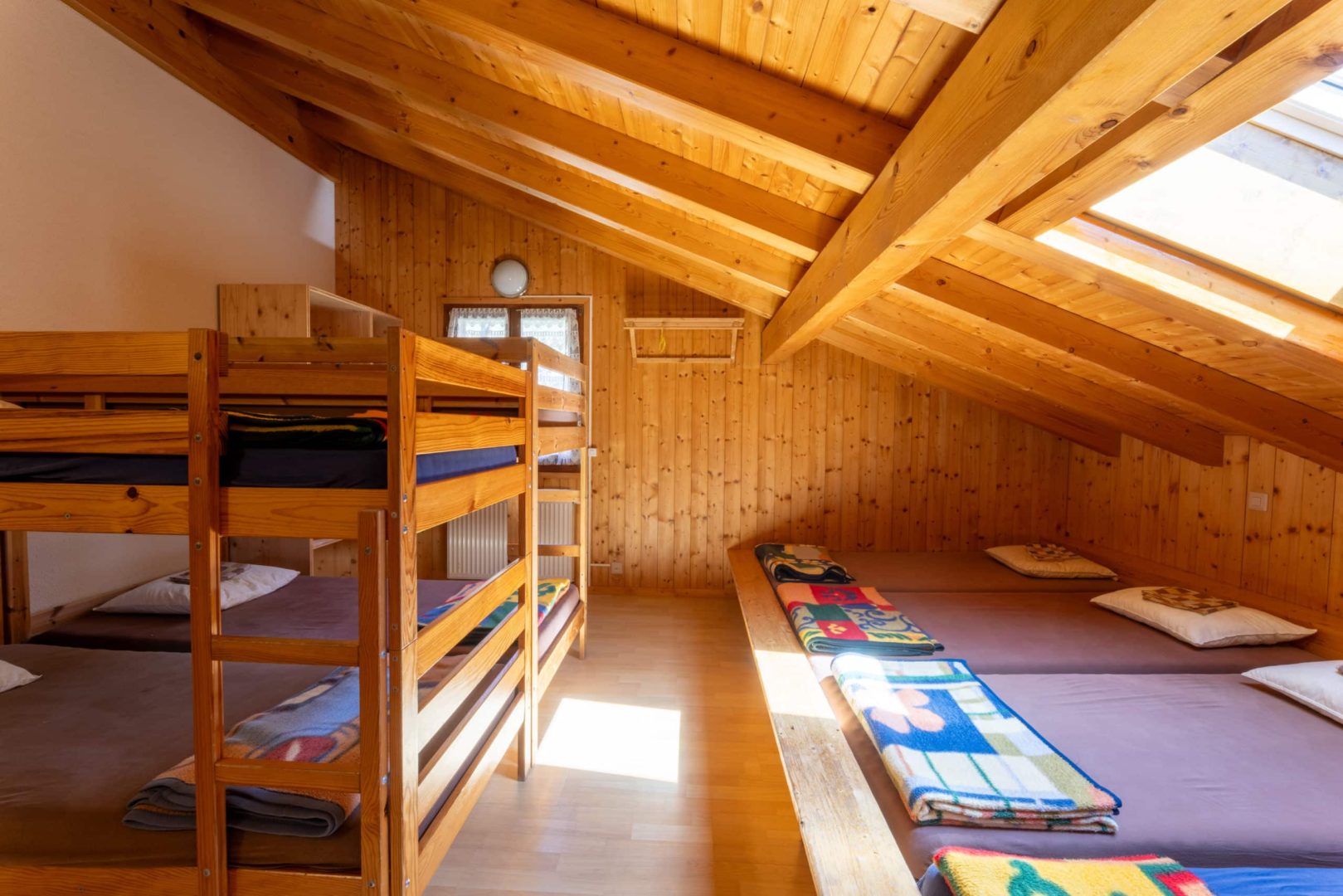
Book family-friendly lodging early—especially in summer—aiming to reserve 2–3 months ahead for peak season. Apartments with a kitchen and washing machine help reduce daily costs and make routines easier with toddlers.
Operators and policies
Many operators have specific rules about strollers, car seats and reserved spaces on scenic trains and cable cars. Confirm policies directly with each operator before travel to avoid surprises and possible extra fees.
Transport and hubs
Trains and local travel
Rely on Swiss rail where possible—it’s punctual and well connected. Children 0–5 usually travel free on most public transport, but check local rules and whether you need to reserve a seat on scenic routes.
Hubs and minimizing transfers
Pick central bases such as Lucerne or Interlaken to limit transfer time. Avoid long travel segments; instead plan short hops and return to your base each day when possible.
Daily schedule and pacing
Keep days short and flexible. Aim for 1–2 main activities per day, with planned nap or break stops every 60–90 minutes. This reduces meltdowns and keeps toddlers comfortable and rested.
Altitude and mountain choices
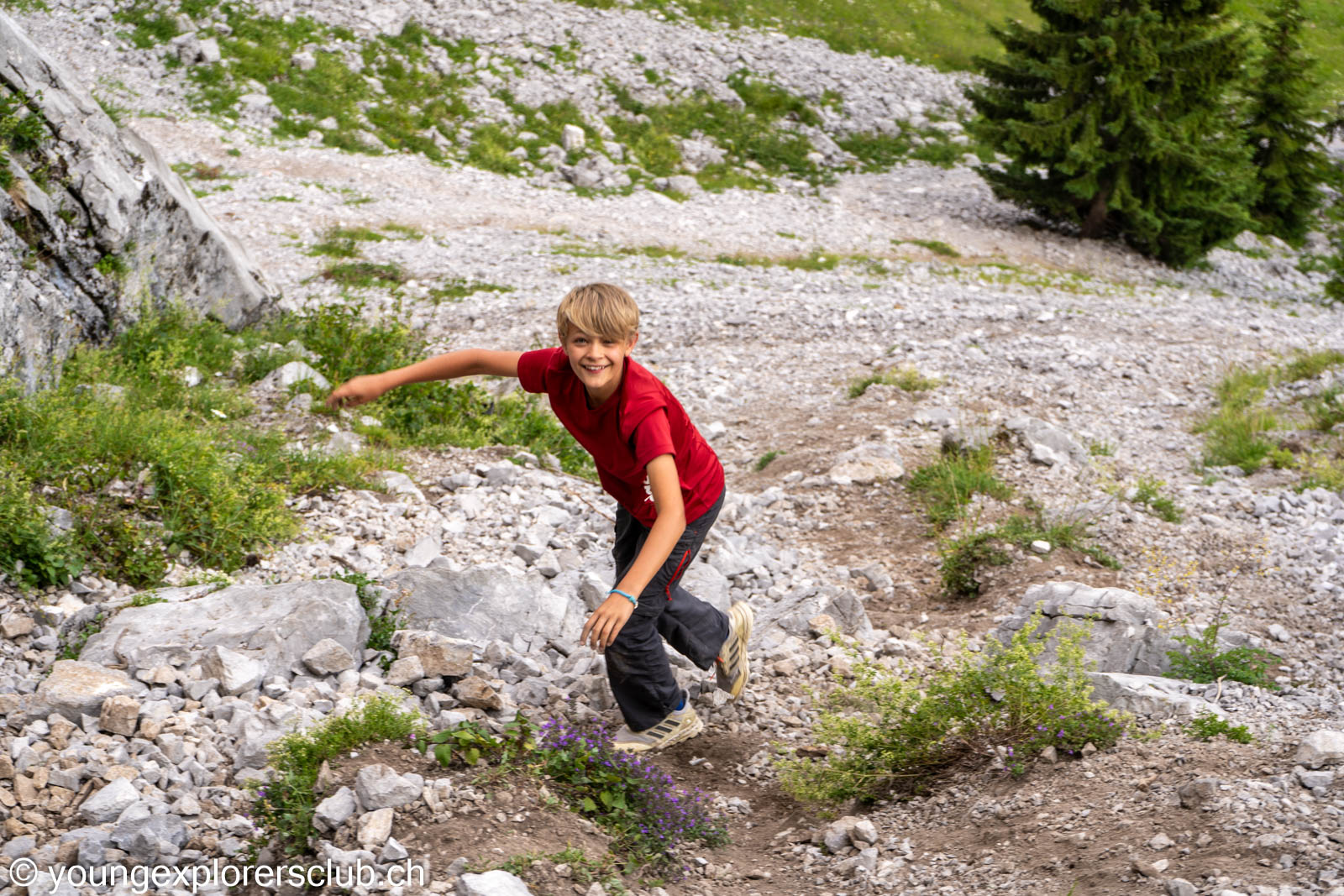
Watch altitude—avoid keeping toddlers above about 2,500 m for long periods. Choose family-friendly mountains such as Rigi or Pilatus, which offer easier access and gentler trails. Bring a structured carrier for moderate terrain and shorter excursions.
Packing and safety essentials
- Compact stroller suited for cobbled streets and trains.
- Structured carrier for hikes and uneven trails.
- Pediatric first-aid kit with basics and any prescription meds.
- Insurance documents and scanned travel documents stored securely.
- Emergency numbers written down and accessible: ambulance 144, police 117, fire 118, EU backup 112.
Final practical tips
Confirm stroller and car-seat policies with trains, cable cars and car-rental companies. Reserve scenic-train seats when possible. Keep days light, base yourself in a hub, and prioritize routines to enjoy Switzerland with your little ones.
https://youtu.be/oBnHz4C4SfI
Quick essentials — country snapshot, costs and safety
Switzerland covers about 41,285 km² and has a population near 8.7 million (2023). The currency is the Swiss franc (CHF). Official languages are German, French, Italian and Romansh. We, at the young explorers club, treat those four languages as part of trip planning for toddlers — signs, menus and regional etiquette change quickly.
Expect Switzerland to be pricier. Typical prices run roughly 20–40% higher than many EU neighbours. Daily costs for food and accommodation tend to be 20–40% higher than Spain or Portugal. Factor that into your budget and book accommodations and transport early to lock better prices.
Safety is a strong selling point. Violent crime rates are very low. Healthcare standards are high and widely accessible. Public transport is punctual, clean and family-friendly, though some local carriers enforce stroller and baggage rules. Emergency numbers you need to know are ambulance 144, police 117 and fire 118; 112 also works across Europe.
We recommend checking travel documents before you leave. EU and UK travellers should carry any EHIC/GHIC cards and confirm current acceptance rules. Non-EU visitors should have travel insurance that covers medical evacuation and hospital care. Confirm local legal and operator rules — car-seat laws, ticketing, reservation policies and stroller allowances can differ by canton and carrier.
Quick checklist before you book or board
Use this list to prep fast:
- Keep these emergency numbers handy: 144 (ambulance), 117 (police), 118 (fire), 112 (EU-wide backup).
- Carry EHIC/GHIC if eligible and verify its acceptance before travel.
- Buy travel insurance for non-EU visitors; include medical and trip interruption cover.
- Confirm car-seat laws for your rental or transport provider and bring or reserve one if needed.
- Check ticketing and reservation rules for trains, cable cars and ferries — some require seat reservations for strollers.
- Budget 20–40% above typical EU prices for daily expenses.
- Pack adaptable clothing and a compact stroller; see our family trip notes for toddler-friendly routes.
I recommend you double-check operator terms (baggage limits, stroller fees) before final payment. Small pre-trip confirmations save stress on the road.
Getting there and getting around with toddlers
We plan travel around three main airports: Zurich (ZRH), Geneva (GVA) and Basel (BSL). We use them as hubs for onward train or car transfers and expect family facilities, easy taxi access and frequent connections to major stations. For itinerary inspiration, we at the young explorers club point parents to our family trip in Switzerland guide.
Airports, trains and tickets
We pick trains whenever possible because Swiss rail is fast and calm with predictable schedules.
- Zurich–Geneva ≈ 2h40
- Zurich–Lucerne ≈ 45 min
- Zurich–Bern ≈ 1h
- Zurich–Zermatt ≈ 3–3.5h (SBB)
Children aged 0–5 travel free on most Swiss public transport when accompanied by an adult. The Swiss Family Card lets children under 16 travel free when accompanying a parent who holds a Swiss Travel Pass — check current terms before you travel.
Scenic trains are memorable but need planning. The Glacier Express runs about eight hours and crosses hundreds of bridges and tunnels; both the Glacier Express and Bernina Express require seat reservations. Expect reservation fees in the range of CHF 10–CHF 33 depending on operator and season. We always reserve seats early on routes with panoramic cars if we want uninterrupted views and easy stroller storage.
Practical checklist for family travel
Here are the items we always sort before departure:
- Reserve adjoining seats or family compartments well in advance to keep toddlers next to caregivers.
- Book stroller space where operators allow it, and confirm dimensions.
- Fold strollers during peak-hour boarding on busy platforms and trains to ease movement.
- Note elevator availability at major stations; plan extra time for transfers at small mountain stations with limited lift access.
- Confirm each operator’s rules on luggage, strollers and infant seats before you book; rules vary by train, bus and local lift.
- Pre-book seat reservations on Glacier Express or Bernina Express to avoid sold-out reservation slots and to secure panoramic seating.
- Pack a compact travel blanket and familiar snacks to smooth long journeys and nap transitions.

Budgeting and family-friendly accommodation
At the young explorers club, we focus on keeping costs predictable and routines intact when traveling with toddlers. Accommodation price tiers in Switzerland typically fall into three bands:
- Budget: family room or apartment CHF 120–180/night
- Mid-range: family hotel CHF 180–300/night
- Higher-end: properties CHF 300+/night
I choose apartments or aparthotels whenever possible because a kitchen and a washing machine cut stress and costs. Confirm crib availability and any extra-child fees before you book.
Food and groceries are straightforward to estimate. Typical items:
- Coffee: CHF 4–5; restaurant main course: CHF 15–35; children’s menu: CHF 7–12
- Milk: CHF 1.50–1.80 per litre; a loaf of bread: ~CHF 2–3; bottled water (1.5L): ~CHF 1–3
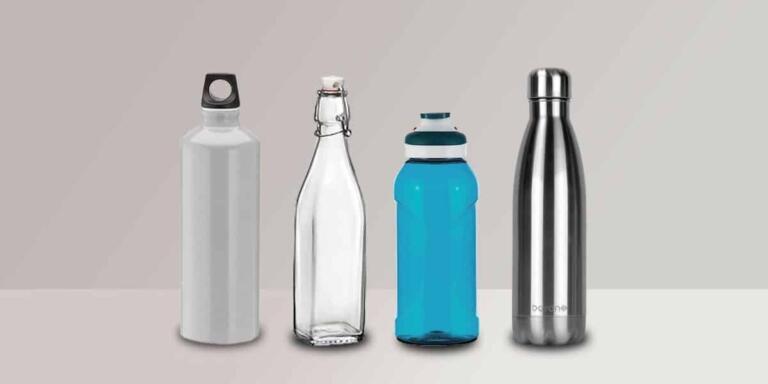
Migros and Coop are widespread and practical for self-catering. Tap water is safe, so refillable bottles save money and waste. Self-catering tends to reduce food spend by about 30% or more versus eating out. To illustrate: two nights eating out (main courses + coffees) can cost significantly more than two nights cooking in an apartment.
Local transport fares vary by city and zone. Expect single tram or bus fares of roughly CHF 2.50–4.50. Regional day passes can be better value for families who plan multiple trips.
Sample daily budgets I use when planning:
- Budget family day CHF 100–150 — self-catered meals, public transport, free playgrounds
- Mid-range day CHF 200–350 — a restaurant meal, entry to a paid attraction, local travel
- Premium day CHF 400+ — higher-end dining, guided activities, private transfers
Season affects price. Ski season and high summer push rates up. I usually book 2–3 months ahead for travel with toddlers in peak periods to secure family rooms, cots, and kid-friendly apartments.
Quick budgeting checklist
- Pick an apartment with kitchen + washing machine to lower food and laundry costs.
- Check crib and extra-child fee policies before paying.
- Shop at Migros or Coop for basics; use tap water to refill bottles.
- Factor local fares (CHF 2.50–4.50 per ride) or buy family passes.
- Compare two-nights eating out vs. self-catering to see savings of ~30% or more.
- Book 2–3 months ahead for ski season or high-summer travel with toddlers.
Plan with these points and you’ll balance comfort, routine, and budget without compromising on family time. For a practical itinerary that pairs child-friendly stays with activities, see our guide to planning a family trip in Switzerland.
Daily planning, family-friendly activities and sample itineraries
We at the Young Explorers Club plan 1–2 major activities per day and build naps or quiet time into the schedule. We keep travel segments to about 2–3 hours on moving days and schedule a rest or play stop every 60–90 minutes.
Daily rhythm and transit tips
I recommend a simple daily rhythm that keeps toddlers happy and parents sane. Start with one big outing mid-morning after breakfast. Reserve afternoons for naps, playground time or a short indoor attraction. Limit transfers: aim for 2–3 hours of total driving or train time on travel days. Choose two hubs for a week-long trip instead of changing hotels every night. We prefer Lucerne and Interlaken as central bases because they cut transit to nearby mountains and museums.
Keep excursions short and flexible. For long scenic trips, take a segment rather than the full route—many families ride part of the Glacier Express rather than its full eight-hour run. Watch altitude: Jungfraujoch reaches 3,454 m, so I advise caution with toddlers and to ascend slowly. The Matterhorn summit is 4,478 m, but family activities and transport in Zermatt happen at lower, child-friendly stations. Choose Rigi (1,797 m) and Pilatus (2,132 m) for shorter mountain outings and cogwheel-train thrills.
Attraction practical checklist and short notes
Run through these checks before you leave the hotel; they cut surprises and speed up decision-making.
- Verify stroller access on main floors and ramps before arrival (Verkehrshaus Lucerne).
- Confirm toilets, changing tables and parent rooms at attractions (Zurich Zoo).
- Check hands-on areas and age-appropriate exhibits for little ones (Technorama (Winterthur)).
- Look for compact, stroller-friendly layouts when time is tight (Swissminiatur).
- Assess food options: ask if baby food or microwave facilities are available on site.
- Plan short segments for long trains; toddlers cope better with 1–2 hour rides than full-day journeys (Glacier Express).
- Monitor altitude effects and allow extra rest on high excursions (Jungfraujoch) and choose lower-altitude alternatives when needed (Matterhorn).
- Schedule bathroom and snack breaks roughly every 60–90 minutes in the car or on the trail.
Sample timings for popular stops: Verkehrshaus visits run 2–4 hours with interactive exhibits and main-area stroller access. Zurich Zoo fits a 2–3 hour window and has family facilities and changing tables. Technorama typically takes 2–3 hours for hands-on science. Swissminiatur is compact and works well in 1–2 hours with a stroller.
Sample itineraries — short, doable and toddler-friendly
- Half-day: Zurich — Spend 2–3 hours at the zoo, then take a short, slow stroll through the Old Town for an easy finale (Zurich Zoo).
- Full-day: Lucerne — Visit the transport museum for 2–4 hours, break for a lakeside picnic, then take a gentle paddleboat trip with frequent stops (Verkehrshaus Lucerne).
- Three-day hub plan (base in Lucerne or Interlaken):
- Day 1: Zurich — Zoo morning, Old Town after lunch (Zurich Zoo).
- Day 2: Lucerne — Transport Museum in the morning, lake paddle and playground in the afternoon (Verkehrshaus Lucerne).
- Day 3: Rigi — Take the cogwheel railway, enjoy a short summit walk and return by midday (Rigi).
We also suggest consulting our guide to family activities for extra ideas and seasonal specifics; refer to our family activities page for curated options and packing reminders.
Hiking, altitude, safety and health precautions
We, at the Young Explorers Club, treat mountain days with respect and practical planning. Altitude becomes a real risk above about 2,500 m; Jungfraujoch sits at 3,454 m, so I avoid sustained exposure to those heights for very young children. Short visits with slow pacing may be OK, but I never keep toddlers at high summit stations for long.
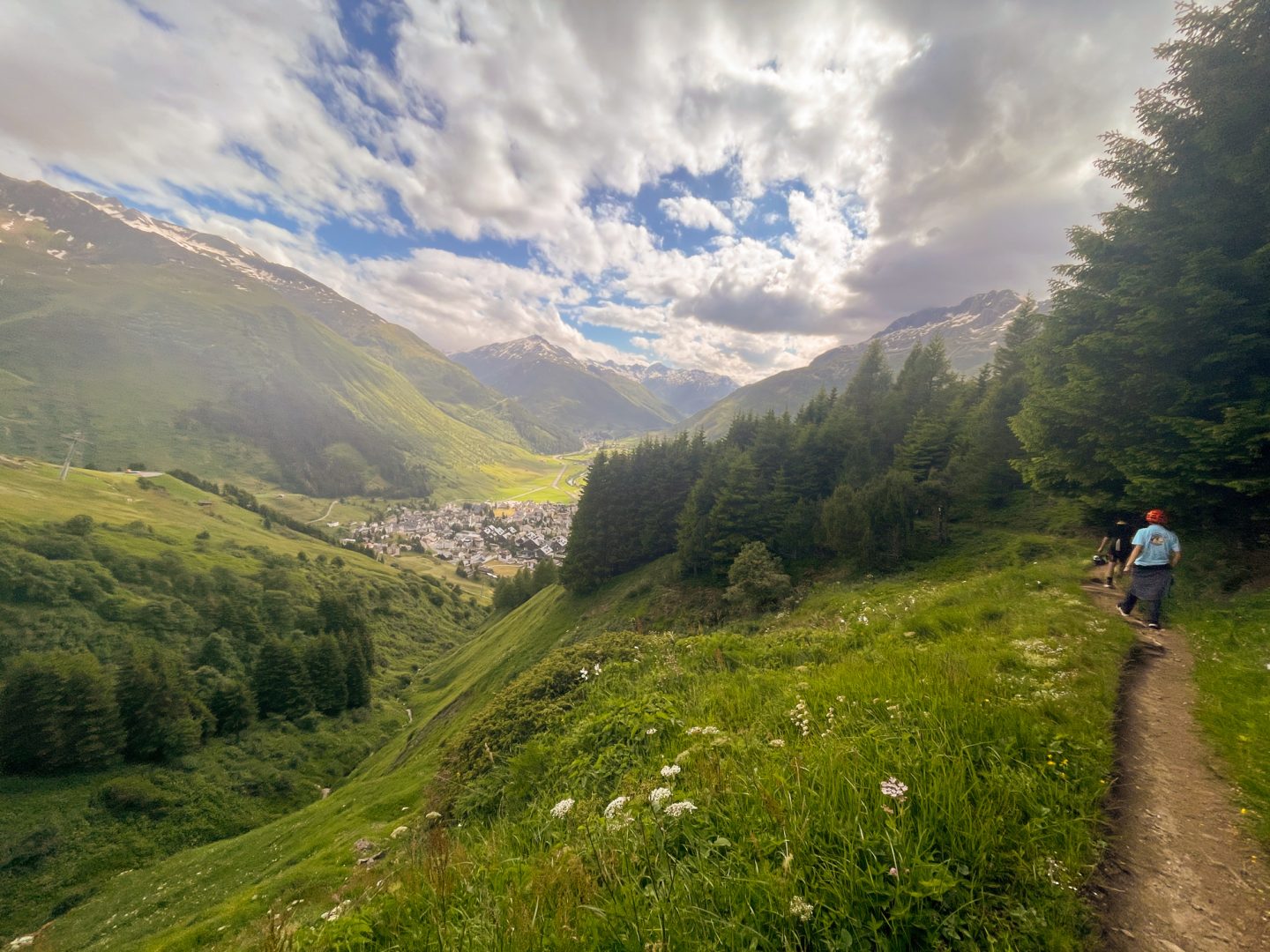
I pick family-friendly mountains first. Rigi (1,797 m) and Pilatus (2,132 m) both offer summit facilities, short stroller-friendly walks and easy transport options that reduce physical strain on little ones. For inspiration and route ideas I point families to our family trip in Switzerland page.
Know the trail grading before you go. Trails labelled easy are usually flat and stroller-friendly. Moderate routes include rocky sections and steps; plan to use a carrier there. Difficult routes are steep or exposed and are inappropriate with toddlers unless you use an experienced porter or have strong mountain experience yourself. I recommend a framed carrier for uphill stretches and a compact umbrella stroller for flat, groomed paths.
Practical precautions
Below I list the key actions and items I expect on any toddler hike in Switzerland.
- Trail selection and gear: choose routes rated easy for toddlers; bring a carrier for moderate terrain; pack waterproof layers and warm hats even on sunny mornings.
- Altitude and exposure rules of thumb: avoid climbs that spend long periods above 2,500 m with toddlers; limit time at very high stations like Jungfraujoch to short visits and watch for early signs of altitude effects (irritability, poor eating, vomiting).
- Water and currents: supervise children continuously near lakes and rivers. Alpine streams can have strong currents even where water looks calm.
- Ticks and insects: use insect repellent appropriate for toddlers and choose long clothing during tick season; check kids for bites immediately after hikes.
- Sun and weather: UV intensity grows with altitude. Apply high-SPF sunscreen, use wide-brim hats and sunglasses. Expect fast weather changes and be ready to turn back if clouds or thunderstorms build.
- Health and emergency basics: carry a pediatric first-aid kit and a small digital thermometer. Know that the ambulance number is 144 for urgent response. For non-urgent issues, pharmacies (Apotheke) are widespread and many cities offer on-call night pharmacies.
- Documentation and communications: scan and store digital copies of passports, vaccination records and insurance cards, and keep your pediatrician’s contact details easily available on your phone.
- Insurance and EHIC/GHIC: European health cards like EHIC/GHIC are generally accepted, but check current rules before travel and carry private insurance info too.
I watch for red flags that need prompt care: sustained fever, trouble breathing, persistent vomiting, severe dehydration or altered consciousness. For any of those I advise calling emergency services immediately.
I rely on short check routines: a quick clothing and gear check before departure, a hydration and snack schedule during the hike, and a post-hike body check for ticks and abrasions. These small rituals prevent most problems and keep the day fun for kids and caregivers alike.

Essential gear and packing checklist for toddlers
We pick gear that keeps travel smooth and lets the family stay mobile. For strollers I focus on size, weight, suspension and how airlines treat them.
- Babyzen Yoyo2 — the go-to cabin stroller for flights because it folds extremely small and stays light; it handles airport aisles easily but has less suspension on rough cobbles (estimate ~CHF 450–550).
- Bugaboo Bee5 — works best in cities and for everyday use thanks to better suspension and a comfortable seat.
- Thule Urban Glide — recommended as an all-terrain jogging option for trails and mixed terrain (estimate ~CHF 400–600).
- UPPAbaby Minu and Vista — give you extra room and modularity for growing families; pick them when you want a more flexible setup.
Carriers and slings earn their keep on hikes and mountain transport. Models like Ergobaby Omni 360, BabyBjörn and Tula cover most carry styles and age ranges. We check weight limits, breathability and how easy they are to put on solo. For steep paths or long ascents, prefer a structured carrier with a supportive hip belt.
Car seats demand special attention. The Maxi‑Cosi Pebble fits infants; the Maxi‑Cosi Pearl meets i‑Size standards for toddlers. Models like the Cybex Aton and Britax Römer Dualfix offer rotation or extended rear-facing use. We always reserve car seats with rental companies when driving, and we lean toward i‑Size-compatible models or ISOFIX options for easier and safer installation. Confirm operator rules before you arrive.
Pack these travel accessories to solve common hotel and transit problems:
- Portable blackout blind for light rooms
- Travel washing bag for quick laundry
- Compact first-aid kit
- Tick-targeted insect repellent
- Wide-brim sunhat plus high-SPF sunscreen for altitude exposure
- Compact thermos and spill-proof snack containers
Short packing checklist for hikes and daily outings
Use this quick list as a grab-and-go reminder before any day trip:
- Water bottle for both adult and child
- High-energy snacks in sealed containers
- Sun hat and sunscreen (reapply frequently at altitude)
- Lightweight layers and a windproof shell
- Spare clothes and a waterproof bag for wet items
- Small digital thermometer or forehead strip for fever checks
- Carrier for steep/hiking sections
- Compact life jacket if you’ll play on lakes or boats
We, at the young explorers club, double-check prices and stock before buying any major item. Always check each transport operator’s stroller and car-seat limits, and confirm whether the stroller can travel as cabin luggage or needs gate check. If you want a full packing overview, see our what to pack guide for Switzerland for a perfect trip.

Sources
Swiss Federal Statistical Office — Population
Swiss Federal Railways (SBB) — Travelling with children
Swiss Travel System — Swiss Family Card
Glacier Express — Facts & figures
MySwitzerland — Family holidays in Switzerland
Federal Office of Public Health (FOPH) — Travel and health
Federal Roads Office (ASTRA) — Children in the car
Swiss Museum of Transport (Verkehrshaus) — Visitor information
Migros — Baby & child products
Coop — Baby, children & maternity