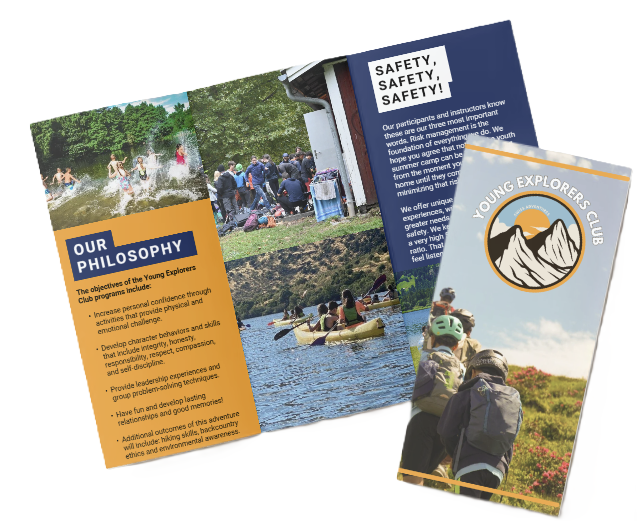
Why Summer Camps Are Fun?
Discover how summer camps build friendship, confidence and skills—60–90 mins of daily activity, less screen time, hands-on STEM and leadership.
Summer Camps: Fast Social Bonding and Development
Summer camps spark rapid social bonding through routines, rituals and small-group living. About 70–75% of campers report making new friends, and over 60% say they feel more comfortable with unfamiliar peers. Camps typically combine 60–90 minutes of daily active play, large reductions in screen time, repeated leadership chances and hands-on projects, all of which build confidence, skills and lasting memories.
Key Takeaways
Friendship and Social Skills
Shared routines, rituals and cabin-style group living create repeated practice in perspective-taking, conflict resolution and conversational skills. These structures help campers form attachments quickly—roughly 70–75% of campers make new friends and more than 60% report increased comfort with unfamiliar peers.
Leadership and Independence
Short, repeated leadership roles—such as leading activities, participating in talent nights or handling weekly tasks—produce clear gains in confidence and independence. Many programs report 65–80% of campers show improvement from these roles.
Daily Activity and Screen Time
Camp daily programming emphasizes physical activity and reduced device use. Campers typically get 60–90 minutes of moderate-to-vigorous activity and experience a 70–90% drop in screen time, which supports better fitness, sleep and mood.
Project-Based, Hands-On Learning
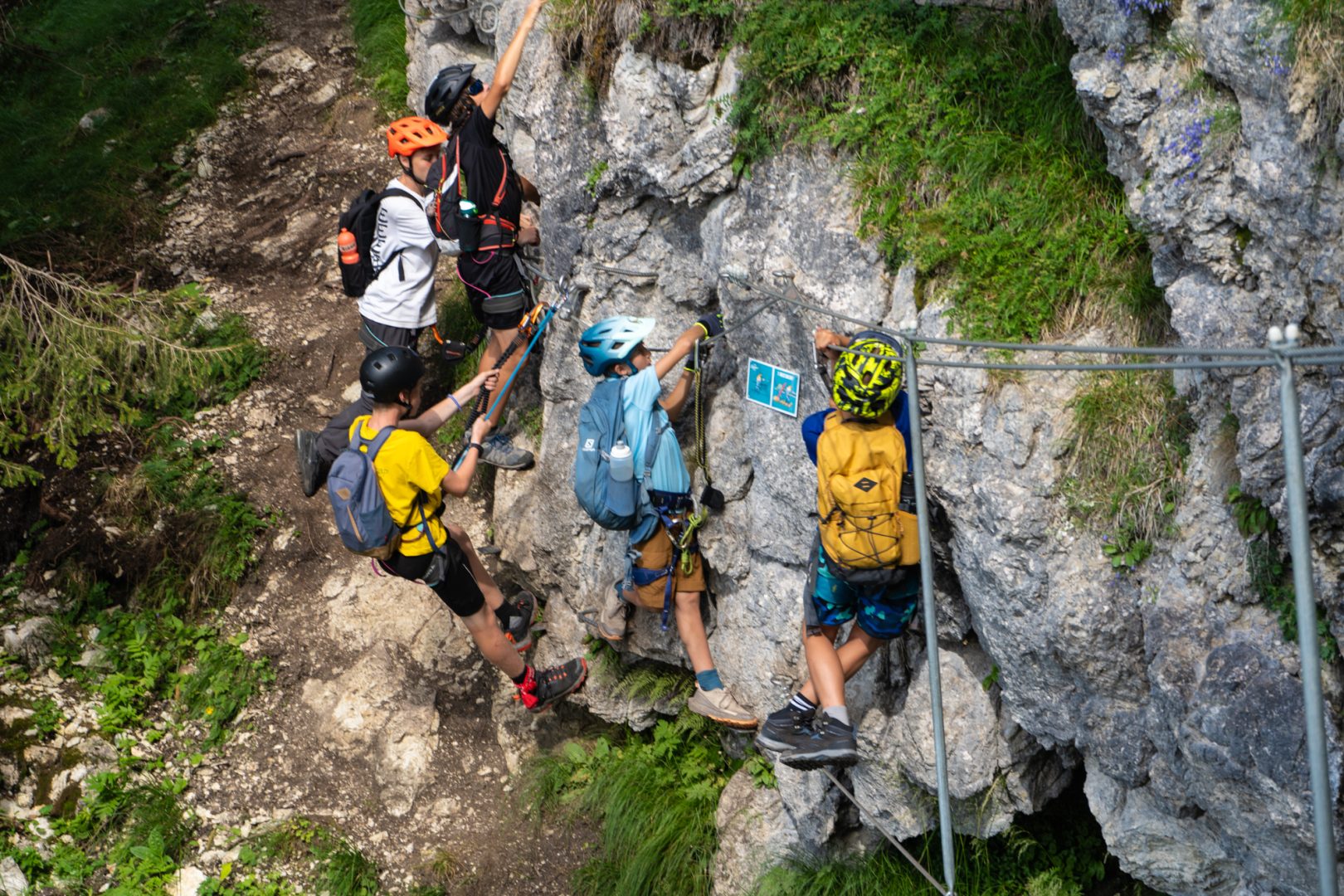
Project-based activities (STEM projects, ropes courses, watercraft builds) slow summer learning loss and deepen skills through iteration and public showcases. These learning formats promote problem-solving, teamwork and a sense of accomplishment.
Choosing and Verifying a Camp
Match camp type to a child’s goals and verify safety. We recommend checking:
- Accreditation and organizational affiliations.
- Staff training and required certifications (first aid, lifeguard, background checks).
- Staff-to-camper ratios appropriate for age and activities.
- Clear health and medication protocols, emergency plans and communication policies.
Summary
In short, camps combine structured social environments, frequent leadership opportunities, daily physical activity and immersive projects to produce measurable gains in social skills, confidence and well-being. Verifying safety and aligning a camp’s focus with your child’s goals helps ensure those benefits are realized.
Friendship, Confidence and Camp Traditions: The Social Heart of Summer Camps
A shy child arrives clutching a backpack and leaves trading contact info with new friends — that’s the classic camp transformation we see every session. We watch that change unfold through shared routines, small leadership chances, and rituals that stick in memory.
Social outcomes are measurable. Roughly 70–75% of campers report making new friends and trying new social activities, and over 60% say they feel more comfortable interacting with peers they didn’t know before. Group living accelerates that growth. Typical cabin sizes are 8–12 campers. Staff-to-camper ratios run about 1:6–1:10 for day camps and 1:4–1:8 for overnight camps. Those numbers create constant low-stakes interactions: shared chores, mealtimes, games and team challenges. We design those moments so kids practice perspective-taking, conflict resolution and conversational skills without pressure.
Confidence and leadership build step by step. Between 65–80% of campers report improved confidence or independence after camp. We assign campers small responsibilities — leading warm-ups, running a game rotation or handling cabin tasks — so they lead 1–3 activities per week and get repeated, measurable practice in public speaking and planning. Concrete milestones we track include:
- leading an activity
- performing in talent night
- managing independent hygiene and packing
- completing weekly leadership tasks
Rituals form identity. Flag-raising, skits, canoe races, color wars and closing campfire songs become shared memories that bind cohorts. Alumni often keep those bonds into adulthood and organize reunions decades later. We encourage parents to expect emotional milestones: a child coming home more confident or already planning a reunion with cabin friends is common.
I offer practical ways parents and staff can help that social growth:
- Let children accept small, age-appropriate responsibilities before camp so they step into leadership more easily.
- Reinforce reflection after activities — ask what went well and what they’d do differently to support ongoing learning.
- Celebrate rituals and encourage participation; traditions are the social glue.
Top 10 Memorable Camp Moments
Below are the moments that most consistently create belonging and lifelong memories:
- First-night campfire and name game
- Cabin song/skit night
- Flag-raising and flag-lowering ceremonies
- Talent night
- Color-war or team competition
- Overnight canoe or hike milestone
- Big-river or waterfront race
- Award or recognition ceremony
- All-camp carnival or fair
- Closing-day handshake/hug line
Suggested parent testimonial template: “My child came home more confident and already planning a reunion with cabin friends.”
Suggested staff testimonial: “I watched a camper lead a game for the first time and take pride in guiding younger kids — that moment showed real growth.”
We also point parents to resources that explain how camps build healthy social skills and what to expect before enrollment: build healthy social skills.
Outdoor Play, Physical Health and Reduced Screen Time
Activity levels and the play mix
We structure days so kids move a lot — typically they hit 60–90 minutes or more of sustained moderate-to-vigorous physical activity (MVPA) daily (CDC/WHO Physical Activity Guidelines). That core MVPA is woven into longer blocks of incidental movement across the day: walking trails, carrying gear, running between activity stations. Camps often report a 70–90% drop in camper screen time during sessions, which shifts those sedentary hours into active, social, and restorative outdoor time.
I balance structured sports and skill sessions with open, child-led play. Organized options like swimming lessons, soccer, archery and team games build cardiovascular fitness and gross motor skills. Free play — nature hikes, unstructured waterfront time and imaginative games — sharpens attention, spatial awareness and problem-solving. Research has also linked nature exposure to reductions in stress markers and cortisol levels, and I see those benefits in calmer evenings and quicker recovery after exertion. For extra reading on how camp supports emotional benefits, check our piece on mental well-being.
Typical program components that support health
I design daily rhythms that combine predictable active blocks with flexible play windows. Core components include:
- Daily active-skill blocks: focused 30–60 minute sessions (games, swim lessons, skill clinics) that emphasize MVPA and measurable progress.
- Morning and evening free-play windows: 30–90 minute stretches where campers self-direct activity, improving motor planning and social negotiation.
- Multi-hour waterfront or trail sessions: extended outdoor exposure increases incidental movement and vitamin D while offering low-level endurance work.
- Small-group rotations: keep intensity consistent and reduce idle time between activities.
- Limited-device policies: deliberate reduction of screens to encourage in-person engagement and social play.
I also schedule rest and hydration breaks, and vary intensity so kids practice both aerobic endurance and short, high-effort bursts. That mix supports heart health, coordination, and better sleep patterns.
Practical talking points for parents
I tell families that camp replaces many sedentary screen hours with structured MVPA plus all-day incidental movement. Expect 60–90 minutes of targeted activity, plus frequent movement between activities and long stretches outdoors that improve mood and sleep rhythms. Camps that enforce limited-device policies create a stronger habit shift; kids return home more active, less wired and often sleeping earlier. We encourage parents to ask about daily activity blocks, device rules and typical free-play windows when choosing a program.
Learning, Skill-Building and STEM: Camps as Enrichment and Academic Support
We, at the young explorers club, structure activities as hands-on, project-based experiences where mentors guide curiosity rather than lecturing. Campers learn by doing — canoe builds teach buoyancy and teamwork, ropes courses train problem-solving under stress, archery sharpens focus, and coding and robotics turn abstract concepts into working prototypes. These projects force iterations, failure, and redesign, which is how deep learning takes hold.
Short, focused lab time and inquiry-based projects amplify retention. Students can lose approximately one month of reading and up to 2–3 months of math over the summer, so specialty camps that concentrate on STEM concepts help reduce that slide. STEM camps also boost interest considerably; many programs report increases of 50–70% in participant interest (program-dependent). I structure project milestones so kids see progress: concept, prototype, test, improve, then present.
I separate day camps and specialty STEM camps by purpose and intensity. Day camps give mixed-activity exposure and convenience for families. Specialty STEM or academic camps offer concentrated lab time, mentor-led inquiry, and final showcases or competitions that demand portfolio-ready outcomes. Both formats matter; pick the one that matches your child’s goals for growth, practice, or exploration.
Practical projects and assessment — examples and recommendations
Below are practical project types and simple assessment approaches I recommend for parents and program planners:
- Robotics challenge: iterative design with coding milestones and a final race or task to demonstrate function.
- Coding a game: curriculum broken into modules with pre/post skill checks and a demo day presentation.
- Wilderness shelter build: apply physics and materials science, then test for durability; document with photos.
- Watercraft engineering: build, test, and race a craft; use failure analysis to teach design thinking.
- Assessment tools to use: pre/post interest surveys, coding milestone checklists, project completion rubrics, portfolios, and public showcases.
I advise program planners to list local examples and capture measurable outcomes such as change in interest, skill checkpoints, and completed projects. Parents should request pre/post surveys or a portfolio so learning gains are visible. For an overview of why camps ignite engagement, see why camps are fun and how they support social and creative growth.
There’s a Camp for Everyone: Types of Camps and Who They’re Best For
We, at the Young Explorers Club, see two clear participation patterns: day camps serve the largest numbers by attendance, while overnight camps deliver deeper immersion and social growth. Day camps fit busy families and younger kids. Overnight camps build independence and friendships that last. If you want a quick sense of daily rhythm, read a day in the life.
Below is a concise breakdown of common camp types and what each typically emphasizes. Use this to match a camper’s age, readiness and family logistics to the right program.
- Traditional overnight / residential camps: community living, cabins, all-day activity rotations and evening rituals — extended independence, cabin responsibility and multi-day projects.
- Day camps: convenience-focused drop-off/pick-up routines, concentrated daily blocks and wide attendance from preschool through teens.
- STEM specialty camps: labs, mentor-led projects, showcases and friendly competitions; strong for curious kids who want portfolio pieces.
- Sports camps: skill drills, clinics, conditioning and competitive scrimmages focused on athletic development.
- Arts camps: rehearsal time, performances, portfolio development and critique sessions for performing and visual artists.
- Adventure and wilderness programs: guided treks, leave-no-trace training and basic survival skills for outdoors-ready campers.
- Equestrian camps: riding lessons combined with barn care, grooming and horse-safety routines.
- Culinary camps: kitchen labs, recipe development and nutrition lessons; good for hands-on learners who enjoy food science and technique.
- Leadership and college-prep camps: workshops, public-speaking practice and team projects tailored to older teens.
- Therapeutic / intensive-needs camps: specialized staff, adapted activities and clinical supports with small staff-to-camper ratios.
Top program features and audience-fit
Here are concise feature sets and best-fit age/readiness notes for each camp type:
- Traditional overnight: cabins, all-day rotations, evening programs — best for ages 8+; first-timers try a short session.
- Day camps: drop-off/pick-up, focused daily blocks — ideal for preschool–teens and families seeking flexibility.
- STEM specialty: labs, mentors, project showcases, assessments — fits curious 9+; pair with portfolio pieces for older teens.
- Sports camps: skill drills, conditioning, scrimmages — suited to ages 6+; choose skill-level clinics for concentrated improvement.
- Arts camps: rehearsals, performance nights, portfolio work — great for ages 7+; intensive tracks for high-school portfolios.
- Adventure/wilderness: guided treks, LNT training, survival skills — recommended for confident 10+ campers; start with day trips if new to overnight.
- Equestrian: riding lessons, barn care, safety routines — best for ages 6+ with progressive skill levels.
- Culinary: kitchen labs, nutrition lessons, recipe development — fits ages 8+; build a summer recipe portfolio.
- Leadership / college-prep: workshops, public-speaking, team projects — tailored for teens (14+).
- Therapeutic / intensive-needs: trained clinical staff, adapted activities, small ratios — match camper needs to staff qualifications.
Visuals: Feature chart and enrollment snapshot
Feature chart (bullet-style summary — useful for quick comparisons):
- Day camps — convenience, daily structure, large attendance.
- Overnight camps — immersion, cabin life, extended projects.
- STEM — project-based learning, mentorship, showcases.
- Sports — skill development, competition, conditioning.
- Arts — rehearsal time, public performance, portfolio work.
- Adventure — outdoor skills, LNT, guided expeditions.
- Equestrian — riding + barn management, safety training.
- Culinary — hands-on cooking, nutrition, recipe creation.
- Leadership / college-prep — workshops, speaking, team projects.
- Therapeutic — clinical supports, adapted programming, low ratios.
Enrollment snapshot (pie-chart-style): the graphic below is an editable example showing day camps as the largest slice. I don’t have access to your local enrollment numbers — please provide your local data if you want an accurate, customized chart. The example uses placeholder percentages (Day 50%, Overnight 25%, STEM 10%, Sports 8%, Arts 5%, Therapeutic 2%).
Next steps to get an accurate local chart:
- Provide enrollment counts (or % shares) by camp type from your local data — e.g., number of day-camp seats filled, overnight enrollments, STEM, sports, arts, etc.
- I will regenerate the pie chart with exact percentages, color labels and a downloadable SVG/PNG for reports or presentations.
- If you’d like alternative breakdowns (by age group, session length, or geography), tell me which dimensions to include.
If you’d like, paste your local enrollment numbers here (just a simple list like “Day: 420, Overnight: 210, STEM: 80, Sports: 65, Arts: 40, Therapeutic: 15”) and I’ll produce an updated chart and a short summary of key takeaways. Happy to customize the colors, labels and the exact legend to match your branding.
Safety, Staff Training, Cost, Accessibility and Parent Benefits
We, at the Young Explorers Club, treat safety as non-negotiable. Many reputable camps follow the American Camp Association (ACA) standards — the ACA accredits camps and sets 300+ standards for health, safety, and program quality. That accreditation signals a baseline of policies, record-keeping and facility checks you can trust.
Staff training and certifications matter. I look for staff who hold First Aid and CPR certifications, lifeguard credentials where water is involved, and training in emergency procedures and behavior management. Camps often require background checks and specialized skill certifications for activities like ropes or archery. I also confirm ongoing in-season drills and refresher courses so training stays current.
Incidents at accredited camps are relatively rare, but exact figures change over time. I recommend verifying ACA and local incident data for up-to-date numbers before making decisions. Typical staff-to-camper ratios you should expect vary by program and activity: day camps commonly run about 1:6–1:10, while overnight camps often range from 1:4–1:8, and some high-supervision activities may be closer to 1:4.
We emphasize transparent health policies. That includes clear medication protocols, secure storage, trained medication administrators, and written plans for allergies or chronic conditions. Emergency plans should be easy to access and explained during orientation. Ask how the camp handles transport, hospital access, and parent notification.
Questions parents should ask (quick checklist)
Use these items to compare programs and start conversations with camp directors:
- Accreditation: Is the camp accredited by the American Camp Association (ACA)?
- Staff training: What certifications do staff have and how often are trainings repeated?
- Background checks: What level of screening is required for hires and volunteers?
- Camper-to-staff ratio: What ratio applies to my child’s age group and activities?
- Health and medication protocols: Who handles meds and how are medical issues recorded?
- Emergency plans: Are emergency and evacuation procedures documented and practiced?
- Hours and drop-off windows: What are daily start/end times and late-pickup policies?
- Extended care options: Is before- or after-care available and at what cost?
- Daily schedule and menus: Can you see a sample day and food plan before enrolling?
I also include one quick example for families who want a real feel of camp life: see a why summer camps are fun snapshot to help imagine a typical day.
Cost, financial aid and budgeting require planning. Typical U.S. ranges vary by region and services: day camps might run roughly $150–$500 per week, while overnight programs often start around $500 and can exceed $2,000 per week depending on length and facilities. Many camps offer sliding-scale fees, scholarships, subsidized spots or work-exchange options. I advise checking ACA and state associations for local offerings and the percentage of camps that provide aid.
Payment strategies can reduce sticker shock. Ask about early-bird, multi-week and sibling discounts. Compare cost-per-day to other options like babysitting or private lessons. Consider payment plans or partial scholarships if available. Also verify cancellation and refund policies so you won’t face surprise charges.
Parents gain concrete benefits from a reliable camp placement. Predictable daily schedules support work routines. Dependable childcare frees time for work and self-care. Kids return with stronger social skills, new routines and practical abilities that reduce daily parental load.
Visuals, SEO, Practical Next Steps and Shareable Elements
Did you know up to 75% of campers say they made new friends at camp (ACA)? Use that stat up front in a hero image or shareable stat card to grab attention. I keep primary keywords — summer camp, why summer camps are fun, and benefits of summer camp — in the title tag, H1, and first paragraph. Long-tail phrases like best summer camps for kids and day camp vs overnight camp belong in subheads and FAQ markup.
Visuals and shareables to include
Below are the visual elements I always create for article pages; they make the content scannable and highly shareable.
- Infographic: “Top 5 Reasons Camps Are Fun” with percent bars showing 70–75% make new friends; 60–90 minutes daily MVPA; 65–80% confidence gains; 70–90% screen-time reduction. Cite ACA, CDC, NWEA/RAND nearby.
- Chart: camp-type enrollment share (pie or bar) so parents can compare day vs overnight.
- Packing checklist graphic: printable, icon-driven, and mobile-friendly.
- Shareable stat images and quote cards using the quotes below for social posts.
- Short video: 30–45 seconds of a typical day montage (use captions and closed captions for SEO).
I add these quotes into the layout as pull-quotes or cards:
- Parent: “Camp helped my shy kid find a group of friends and try new things.”
- Parent: “We saw better sleep and more energy after a week at camp.”
- Camper: “I led a game for my cabin for the first time — it felt awesome.”
- Staff: “Weekly camper-led activities show real growth in responsibility and teamwork.”
SEO elements, CTAs, and quick editorial checklist
Keep the on-page SEO tight and conversion-focused. Use descriptive meta descriptions with one primary keyword and one long-tail. Add schema: Article, Organization, Event (if camp dates are listed), and FAQ. Optimize images with meaningful filenames and alt text (e.g., summer-camp-day-activities.jpg). Include internal linking to related content such as why summer camps are fun to boost topic authority.
Recommended CTAs and downloadable assets to place above the fold and at article end:
- ACA camp locator (text CTA)
- Downloadable packing checklist (lead magnet)
- Sample day schedule (PDF)
- “Top 10 Memorable Camp Moments” shareable list
For editors: flag any numeric claims for verification against ACA, CDC, and NWEA/RAND before publishing. I also recommend A/B testing hero CTAs and saving the infographic as both PNG and SVG for faster social sharing.
Sources
American Camp Association — The Benefits of Camp
American Camp Association — ACA Research & Reports
Centers for Disease Control and Prevention — How Much Physical Activity Do Children Need?
World Health Organization — Physical Activity Fact Sheet
National Wildlife Federation — Environmental Education & Children and Nature Resources
Children & Nature Network — Why It Matters / Research on Children and Nature
NWEA — Understanding Summer Skill Loss (blog)
RAND Corporation — Summer Learning Loss (topic overview)
Journal of Adventure Education and Outdoor Learning — Journal homepage
Journal of Youth and Adolescence — Journal homepage
American Academy of Pediatrics / HealthyChildren.org — Summer Camps: Safety & Health Tips