6 Key Benefits of Adventure Camps for Kids and Teens
Discover 6 educational and personal development benefits of adventure camps for kids and teens, including outdoor skills, teamwork, confidence, and language learning.
Sending your teenager to an international summer camp is a bold decision, and you want to be sure it pays off in real ways. The challenge is knowing what benefits your child will actually return with after a week or two away from home. Packing a suitcase is easy—building confidence, resilience, and life skills is another story.
Here’s the good news. Research shows that adventure camps offer more than just fun in the sun. These programs are designed to stretch personal boundaries while supporting growth in teamwork, survival skills, and independence. Your child gains practical experience that can shape how they approach future challenges—both outdoors and in life.
Get ready to discover how an adventure-filled camp experience in a bilingual, international setting sparks real transformation. The following list highlights the specific outcomes your teenager could achieve, giving you a clear picture of the value behind the memories.
Table of Contents
- 1. Building Self-Confidence Through Outdoor Challenges
- 2. Enhancing Teamwork and Social Skills
- 3. Learning Practical Survival and Safety Techniques
- 4. Boosting Language Skills in a Bilingual Environment
- 5. Encouraging Physical Fitness and Healthy Habits
- 6. Fostering Independence and Personal Growth
Quick Summary
| Takeaway | Explanation |
|---|---|
| 1. Outdoor challenges build self-confidence. | Teens develop a strong sense of self-belief through accomplishment in outdoor activities like climbing and hiking. |
| 2. Teamwork fosters collaboration and social skills. | Adventure camps encourage genuine teamwork, improving communication and leadership abilities through shared challenges. |
| 3. Survival skills boost confidence and safety awareness. | Practical survival training teaches teens essential skills for decision-making and navigating nature, enhancing their comfort outdoors. |
| 4. Immersion in a bilingual environment enhances language skills. | Engaging in real conversations at camp accelerates language acquisition and builds confidence in using English. |
| 5. Active experiences promote lifelong healthy habits. | Adventure camp replaces sedentary activities with physical pursuits, establishing a positive relationship with fitness and nutrition. |
1. Building Self-Confidence Through Outdoor Challenges
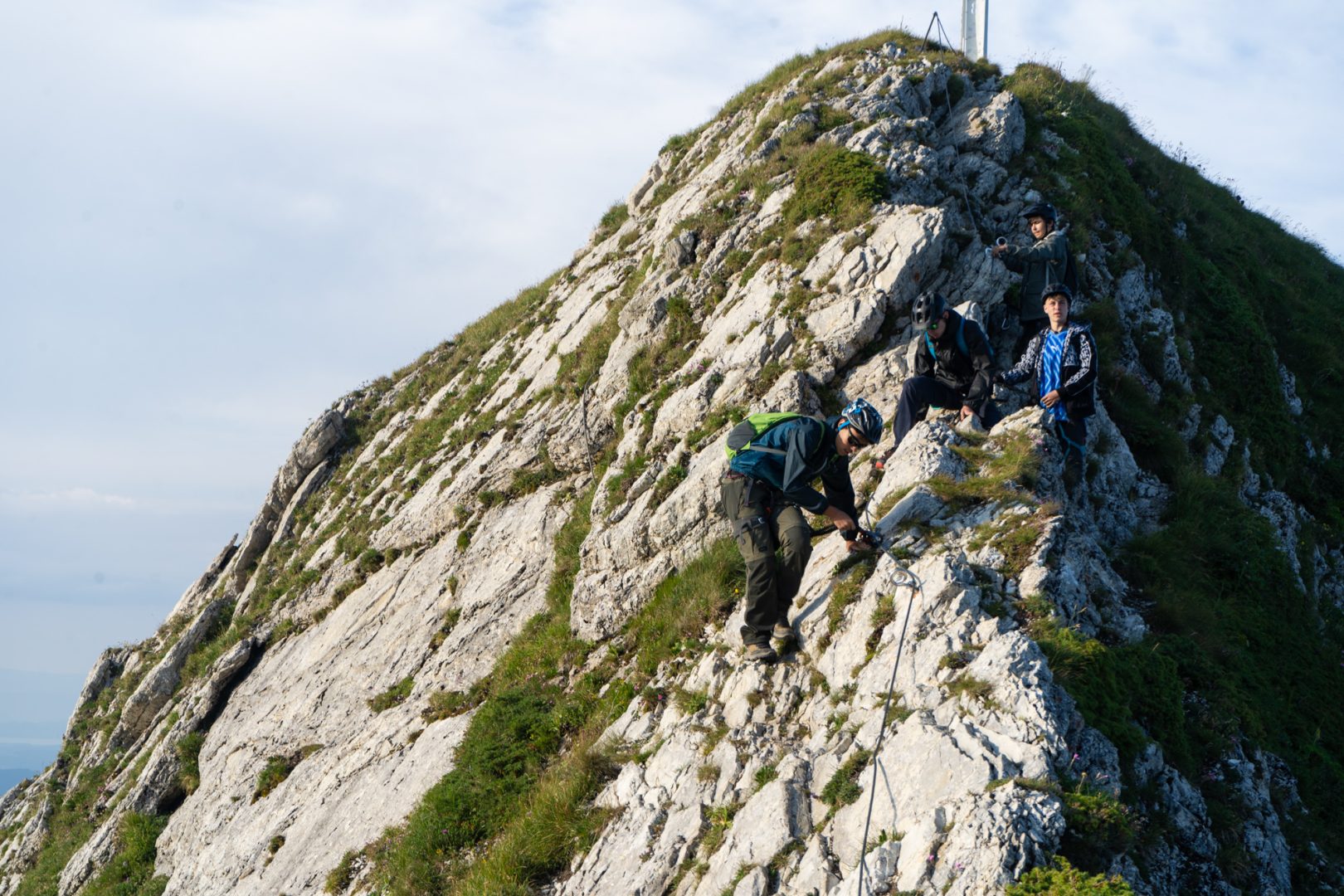
Outdoor challenges are confidence builders disguised as fun activities. When your child tackles a climbing wall, navigates a ropes course, or completes a multi-day hike, they’re not just having an adventure—they’re constructing a stronger sense of self-belief.
Confidence doesn’t grow from sitting safely at home. It develops when young people push beyond what they thought was possible. Outdoor challenges help kids overcome fear while learning that discomfort leads to growth, not danger.
Here’s what happens when your teen faces a real outdoor obstacle:
- They discover they’re capable of more than they imagined
- They experience the mental toughness that comes from conquering something difficult
- They build a track record of achievement they can reference later
- They learn that fear is temporary but accomplishment is lasting
Research shows that adventure camps challenge participants to push personal boundaries in supportive environments. Your child isn’t alone on that climbing wall—trained instructors, supportive peers, and careful safety measures surround them.
This matters because confidence built through genuine achievement is different from praise-based confidence. When your daughter completes a challenging mountain bike trail, she doesn’t just feel good. She knows, with certainty, that she can handle difficulty.
Conquering real challenges like ropes courses or multi-day hikes builds a sense of achievement and mental toughness that lasts beyond camp.
The structure of adventure camps creates the ideal conditions for this growth. Activities are challenging enough to feel meaningful, but supported enough that success is achievable. Your child stretches without breaking.
Think about your own experiences. The moments you’re proudest of weren’t the easy ones—they were the ones where you questioned whether you could do something, then did it anyway. That’s exactly what we want for our teenagers.
Pro tip: Ask your child specific questions about what challenged them at camp and how they overcame it—this reinforces the confidence they built and helps them recognize their own resilience.
2. Enhancing Teamwork and Social Skills
Your teenager doesn’t learn teamwork in a classroom—they learn it when their success depends on others. Adventure camps create situations where individual effort matters far less than collective collaboration.
When a group tackles a climbing challenge, solves a navigational problem, or completes a multi-day trek together, something shifts. They stop thinking as individuals and start thinking as a unit. This isn’t forced team-building; it’s genuine cooperation born from shared purpose.
Adventure camps provide valuable opportunities for social development as campers work closely with peers to communicate effectively, solve problems together, and practice real leadership roles. These experiences build lasting friendships in diverse settings where your child meets people from different backgrounds and countries.
Here’s what your child actually gains through camp teamwork:
- Trust in their teammates through shared challenges and mutual support
- Communication skills tested in real situations, not role-play exercises
- Leadership experience by taking turns leading and following
- Conflict resolution abilities when group dynamics get tested
- Genuine friendships based on shared accomplishment, not proximity
Consider how a rock climbing experience works. One person climbs while others belay, manage safety, and offer encouragement. Everyone has a critical role. Leadership and teamwork development means participants serve in varied roles, fostering cooperation and teaching trust and communication skills essential for group success.
Your child learns that their voice matters. They discover they can lead when needed and support others when that’s what’s required. This flexibility is exactly what modern workplaces demand.
Adventure camps create environments where teamwork isn’t optional—it’s the foundation of every activity and achievement.
The diversity at international camps adds another layer. Your teenager works alongside peers from different cultures, languages, and perspectives. This naturally expands their worldview and teaches them to communicate across differences.
These aren’t skills that fade when camp ends. Social confidence and teamwork become part of who they are, showing up in school friendships, future workplaces, and how they navigate the world.
Pro tip: Encourage your child to reflect on which teammates they worked best with and why—this helps them recognize their own teamwork strengths and understand the kinds of people they collaborate well with.
3. Learning Practical Survival and Safety Techniques
Survival skills sound dramatic, but they’re really just practical knowledge that keeps your child safe in outdoor environments. Adventure camps teach these skills not to prepare for disaster, but to build confidence and competence in nature.
Your teenager learns what actually matters when things go wrong. Not Hollywood survival, but real techniques that increase safety and improve outcomes. These lessons stick with them far beyond camp.
The fundamentals matter most. Wilderness survival emphasizes staying calm, signaling for help, carrying essential supplies, and using landmarks for navigation. Camp instructors teach these as practical habits, not scary scenarios.
Here’s what your child gains from survival training:
- Calm decision-making under pressure instead of panic
- Navigation awareness using terrain, sun position, and landmarks
- Essential gear knowledge about what actually matters to carry
- Signal techniques to get attention if separated from a group
- Problem-solving mindset that applies beyond outdoor situations
Consider a simple skill like making a signal fire or using a whistle. Your child learns why three of anything signals distress, how sound travels differently than voice, and why staying put is smarter than wandering. These aren’t complex, but they’re genuinely useful.
The psychological benefit matters too. Knowing you have skills reduces anxiety in outdoor settings. Your teenager stops feeling helpless because they actually know what to do. This confidence changes how they approach challenges generally.
Safety training at quality camps isn’t separate from adventure—it’s woven throughout. Rock climbing teaches safety systems. Hiking teaches navigation. Mountain biking teaches terrain awareness and recovery from falls. Skills develop naturally through activities.
Your child learns that preparation and knowledge transform uncertainty into manageable adventure.
European adventure camps emphasize these skills especially well. Switzerland’s terrain teaches real respect for nature’s power. Your child learns what preparation actually looks like in an environment where weather changes quickly and mistakes have consequences.
These aren’t fears to cultivate. They’re realities to understand. The difference shapes capable, confident young people.
Pro tip: Ask your child to teach you one survival skill they learned—this reinforces their knowledge and helps you understand exactly what they gained from camp.
4. Boosting Language Skills in a Bilingual Environment
Language learning happens fastest when your child needs to communicate in real situations. A bilingual adventure camp removes the classroom walls and creates authentic reasons to speak English every single day.
Your teenager isn’t sitting through grammar lessons. They’re ordering food in English, negotiating team strategies during climbing challenges, and making friends from around the world who speak English as a common language. This is how language actually sticks.
English adventure camps in immersive residential settings promote language learning through outdoor activities, fostering real motivation to communicate in English. The environment provides genuine opportunities to practice language skills in a supportive, global community rather than through textbook exercises.
Here’s what makes bilingual camp different from language classes:
- Real-world communication where English serves an actual purpose
- Peer motivation from international friends, not just teachers
- Confidence building through successful conversations outside the classroom
- Vocabulary expansion from activities like climbing, hiking, and sports
- Natural accent development through daily immersion with native speakers
Research shows that bilingual children develop language skills at the same pace as monolingual peers and gain cognitive and social-emotional benefits. Strong foundations in the home language actually support second language acquisition. Your child isn’t losing their native language while gaining English—they’re building on it.
Swiss adventure camps offer something special. Your child learns English while surrounded by Swiss culture, French-speaking peers, and instructors who understand multilingual development. They’re not in an English-only bubble; they’re in a genuinely bilingual environment where languages naturally coexist.
Consider what happens during a mountain biking trip. Your teenager communicates with guides, teammates, and international friends entirely in English. They learn directional vocabulary, safety terms, and outdoor language organically. By evening, they’re using those words naturally in casual conversations.
Immersive environments create language learning that sticks because communication serves real purposes beyond passing tests.
The social element accelerates progress too. Making friends motivates language use far more than any curriculum. Your child speaks English because they want to share experiences with peers, not because they’re required to.
Parents often worry about language levels. Quality camps group participants by proficiency and provide support, ensuring everyone participates meaningfully regardless of current skills.
Pro tip: Before camp, ask your child to keep a simple English journal about their daily experiences—this reinforces learning and gives you insight into their developing English confidence.
5. Encouraging Physical Fitness and Healthy Habits
Your teenager probably gets enough screen time at home. Adventure camp replaces those hours with genuine physical activity that feels like play, not exercise. The difference is everything.
When your child mountain bikes down Swiss trails, climbs rock faces, or hikes for hours exploring new terrain, they’re building fitness without thinking about fitness. They’re chasing adventure, not checking off workout requirements. That shift in mindset creates lasting healthy habits.
Regular physical activity offers immediate and long-term health benefits including improved brain function, weight management, and better mental health. Creating access to safe, supportive spaces for activity encourages youth to adopt and maintain healthy exercise routines long after camp ends.
Here’s what happens during a typical camp week:
- Multiple hours of active outdoor pursuits daily without sedentary breaks
- Natural sleep patterns return as bodies experience real physical exertion
- Improved appetite regulation from sustained activity in fresh air
- Stronger cardiovascular fitness built through varied terrain and elevation changes
- Muscular development from climbing, hiking, biking, and sports activities
Consider the cumulative effect. A single week at camp might include 20 to 30 hours of genuine physical activity. That’s activity motivated by fun and social connection, not obligation.
Your teenager also builds something deeper than fitness. They discover what their body can do. They experience the satisfaction of physical accomplishment. That feeling often translates into continued exercise after camp because they’ve tasted what real capability feels like.
The Swiss environment itself encourages activity. Mountains aren’t optional scenery—they’re the context for everything camp offers. Your child doesn’t have to convince themselves to exercise because the activities naturally demand physical engagement.
Physical activity becomes a natural part of daily life when it’s woven into meaningful adventures rather than presented as a health obligation.
Your child also learns about nutrition through camp. They eat differently when they’re physically active. They understand, viscerally, why their body needs fuel. This awareness often leads to more conscious eating choices once they’re home.
Most importantly, camp creates positive associations with physical activity. Your teenager doesn’t dread exercise—they associate it with freedom, friendship, and achievement. That’s the foundation for lifelong healthy habits.
Pro tip: Ask your child about their favorite physical activities from camp and help them continue at least one at home—this maintains momentum and reinforces the confidence they built during the program.
6. Fostering Independence and Personal Growth
Independence isn’t something you can lecture into your teenager. It develops through experiences where they make decisions, face consequences, and discover their own capability. Adventure camp provides exactly those experiences.
Your child arrives at camp and suddenly manages their own schedule, makes choices about social interactions, and solves problems without parental intervention. These aren’t small things. They’re the building blocks of genuine autonomy.
Outdoor adventure camps foster independence by encouraging children to solve problems, take risks, and express themselves freely in structured but supportive settings. These experiences build confidence and autonomy, essential traits for long-term personal development and success in life.
Here’s what independence at camp actually looks like:
- Making decisions about group activities and personal time management
- Problem-solving when challenges arise without immediately asking adults for help
- Self-advocacy to express needs and preferences within group dynamics
- Responsibility for personal belongings and daily routines
- Risk-taking in controlled environments where failure leads to learning, not punishment
Consider a practical example. Your teenager decides to attempt a challenging climb. They experience doubt. They decide to try anyway. They fail initially. They adjust their approach. They succeed. That entire arc builds something no amount of encouragement at home can replicate.
Adventure camps challenge participants to step outside comfort zones, promoting personal growth through overcoming fears and self-doubt. Campers develop resilience and a sense of identity by engaging in activities that prepare them for challenges beyond camp.
The supportive structure matters. Your child isn’t abandoned to figure everything out alone. Instructors guide without hovering. Peers offer support without solving problems for them. This balance teaches real independence, not recklessness.
Your teenager also discovers aspects of themselves they might not see at home. Away from family dynamics, they often become more confident, more talkative, more willing to try new things. They return home with an expanded sense of who they are.
Personal growth happens when young people experience autonomy within safe boundaries where their choices matter and their voice counts.
This independence carries home. Your teenager who managed a week away from family, made new friends, and conquered physical challenges approaches home challenges differently. They believe in their own capability.
They also develop resilience. They’ve experienced discomfort, handled it, and emerged stronger. That knowledge transforms how they face future obstacles.
Pro tip: Resist the urge to solve all problems when your child returns—instead, ask them how they handled difficult situations at camp and what they learned, reinforcing their growing confidence in their own judgment.
Below is a comprehensive table summarizing key points and benefits of outdoor adventure camps as described in the article.
| Theme | Description | Benefits |
|---|---|---|
| Building Self-Confidence | Activities such as climbing walls and ropes courses encourage teens to overcome fear and realize their capabilities. | Enhances mental toughness, fosters a sense of achievement, and constructs lasting self-belief. |
| Enhancing Teamwork | Collaborative challenges promote communication and leadership while building trust among teammates. | Develops conflict resolution skills, strengthens social bonds, and teaches effective teamwork. |
| Learning Survival Techniques | Practical lessons include navigation, signaling, and resource management to increase outdoor competence. | Builds calm problem-solving skills and a sense of safety in wilderness environments. |
| Boosting Language Skills | Immersive bilingual environments provide opportunities for practicing English through meaningful communication. | Expands vocabulary, boosts confidence, and fosters global connections. |
| Encouraging Physical Fitness | Outdoor activities like hiking and biking engage participants in enjoyable physical exercise. | Promotes healthy habits, improves physical fitness, and supports overall well-being. |
| Fostering Independence | Camp environments encourage decision-making, self-advocacy, and resilience through structured autonomy. | Strengthens problem-solving skills, instills a sense of responsibility, and nurtures personal growth. |
Discover How Adventure Camps Can Transform Your Child’s Growth Today
Is your child ready to boost their self-confidence, master teamwork, and develop real survival skills through unforgettable outdoor challenges Adventure camps offer more than just fun They build mental toughness and independence while creating a bilingual environment that naturally enhances language skills At The Young Explorers Club, our specialized summer camp program in Switzerland provides all of these benefits in a safe and supportive setting designed for children and teens
Join a community where your teenager can engage in thrilling mountain biking, climbing, and multisport adventures while strengthening lifelong healthy habits and social skills Don’t wait for the perfect moment to encourage your child’s personal growth Take the next step now and explore detailed program options on our official landing page to secure your child’s place for an international outdoor experience that truly prepares them for life beyond the classroom
Frequently Asked Questions
What are the main benefits of adventure camps for kids?
Adventure camps provide several key benefits, including building self-confidence, enhancing teamwork skills, and teaching practical survival techniques. These experiences help kids grow personally and socially, equipping them with valuable life skills.
How do adventure camps help improve my child’s teamwork and social skills?
Adventure camps facilitate real situations where teamwork is essential for success, allowing children to collaborate, communicate, and build friendships. Ensure that your child engages in group activities to enhance their ability to work well with others.
What kind of survival skills will my child learn at an adventure camp?
Your child will learn essential survival skills such as navigation using landmarks, decision-making under pressure, and signaling for help. Encourage your child to apply these skills during camp to build their confidence in outdoor settings.
How do adventure camps contribute to my child’s physical fitness?
Adventure camps promote fitness by encouraging physical activities that feel like play, such as hiking, biking, and climbing. Consider participating in at least one outdoor activity a week after camp to maintain the fitness habits your child has developed.
Is language learning a benefit of adventure camps for kids?
Yes, adventure camps often provide a bilingual environment where children are motivated to communicate in real situations, improving their language skills substantially. Have your child keep a journal of their experiences in English to reinforce their language learning once camp is over.
How does attending an adventure camp foster independence in teens?
Adventure camps encourage teenagers to make their own decisions and handle challenges without parental intervention, promoting genuine autonomy. Talk to your child about the decisions they made during camp to reinforce their growing independence.