Eco-lodges In Switzerland Perfect For Kids
Swiss eco-lodges for families: low-impact stays with hands-on nature education, short train transfers and verified sustainability.
Swiss eco-lodges pair low-impact design and local sourcing with on-site nature education
Swiss eco-lodges combine low-impact design and local sourcing with on-site nature education. They create hands-on outdoor classrooms that boost children’s motor skills, curiosity and environmental awareness.
When we pick a kid-friendly eco-lodge, we prioritise canton and primary language tags, short public-transport transfers, verifiable sustainability credentials and clear family services plus safety protocols.
Key Takeaways
- Eco‑lodges act as hands-on outdoor classrooms. They run supervised nature walks, farm‑to‑table activities and child-focused programmes. These sessions sharpen motor skills, spark curiosity and strengthen family bonds.
- Tag each lodge by canton and primary language. Confirm transfer times and family services like baby beds, kids’ menus and packed lunches. Check stroller access and logistics for very young children.
- Ask for clear safety and health information. Require supervision ratios, age limits, lifejackets for water play, altitude guidance, nearest medical facility, staff first‑aid qualifications and emergency procedures.
- Confirm sustainability claims with certificates such as Swisstainable, Green Key or GSTC. Look for renewable energy, heat pumps, local sourcing, water‑saving fixtures and thorough waste separation.
- Plan train‑first travel with short transfers. Budget CHF 150–600 per night for typical family rooms. Book 3–6 months ahead for peak seasons. Ask lodges about family packages and zero‑emission transfer options.
Quick national overview for family travellers
We, at the young explorers club, keep this overview short and practical so families can pick eco‑lodges with confidence. Switzerland covers 41,285 km² (“Switzerland area 41,285 km²”), with a population of about 8.7 million (~8.7 million). Mountain terrain dominates: the Alps make up roughly 60% of the country (“Alps ~60% of territory”). Freshwater is abundant, with more than 1,500 lakes (“>1,500 lakes”).
Protected areas are reliable anchors for kid‑friendly outdoor programming. The Swiss National Park 1914 offers early-established trails and clear rules for wildlife viewing (Swiss National Park 1914). For glacier and alpine science experiences, the Jungfrau‑Aletsch UNESCO 2001 region provides dramatic glacier landscapes and visitor centres that make glaciers approachable for older kids (Jungfrau-Aletsch UNESCO 2001).
Language planning makes a real difference for family comfort. Switzerland has four official languages: German, French, Italian and Romansh. I recommend tagging every lodge entry with the canton and the primary local language so parents know what to expect for signage and menus. Typical expectations are:
- German‑speaking areas: signage and menus in German.
- French‑speaking areas: signage and menus in French.
- Italian‑speaking areas: signage and menus in Italian.
- Romansh areas: Romansh and Swiss‑German bilingual materials are common.
We also link each eco‑lodge listing to its language region so families can plan for language needs at restaurants, trailheads and tourist offices.
Families benefit from Switzerland’s compactness. Distances are short, public transport is frequent and integrated, and you’ll often find mountains, lakes and meadows within short transfers of one another. Trails built for families include waymarked paths, easy elevation profiles and interpretive panels that bring nature concepts to life for kids. Protected areas provide safer wildlife‑viewing windows and structured education programmes — great for combining lodge stays with ranger walks or junior naturalist activities. For a practical read on outdoor classroom options that work with kids, see our take on Swiss nature.
Operational tips we always follow before recommending an eco‑lodge:
- Check the canton it’s in and tag it clearly with the primary language.
- Verify transfer times by public transport for stroller or small‑child logistics.
- Confirm family services: baby beds, kids’ menus, packed lunches for hikes.
- Ask the lodge how they work with nearby protected areas for guided walks or educational programmes.
Infographic idea (single visual)
Create one map-based visual that compares size, population and alpine coverage — include these three captioned stats:
- “Switzerland area 41,285 km² (≈ same size as the Netherlands ~41,543 km²)”
- population ~8.7 million
- “Alps ~60% of territory” (visual shading to show alpine coverage)
Design the graphic so the map highlights canton boundaries and language regions; that way authors can use it beside each lodge entry to remind readers which language to expect.

Why eco-lodges are perfect for kids (benefits and measurable impacts)
We see eco-lodges as active classrooms where children play, learn and connect. Time outside increases unstructured play, which boosts motor skills, creativity and risk assessment. Short, supervised forays into meadows, ponds and forests give kids hands-on nature education that sticks far better than a screen-based lesson. Our nature leader says: “Kids learn fastest by touching — last summer every child planted a seed and watched it sprout.”
Eating local matters for learning and for the planet. Children exposed to farm‑to‑table activities learn food systems by doing — milking, feeding animals and preparing simple dishes. Local sourcing also cuts food miles dramatically; typical local sourcing can reduce average produce travel from hundreds of kilometres to under 50 km, so meals taste fresher and families help cut emissions. Water savings are measurable too: low‑flow aerators and showerheads can save roughly 30–50% of water compared with older fixtures. Energy switches have big wins as well: heat pumps often deliver 2–3× the efficiency of old oil boilers, which translates to sizeable heating‑related CO₂ reductions depending on the electricity mix.
Practical family benefits are immediate. Fewer screens mean more conversation and stronger family bonds during hikes, mealtimes and evening nature games. Lodges designed for families often fold educational moments into routine activities, turning downtime into discovery. For planning ideas, see our family trip guide for Swiss stays and activities — it’s full of kid-friendly suggestions.
Two hands-on activity examples I recommend for listings:
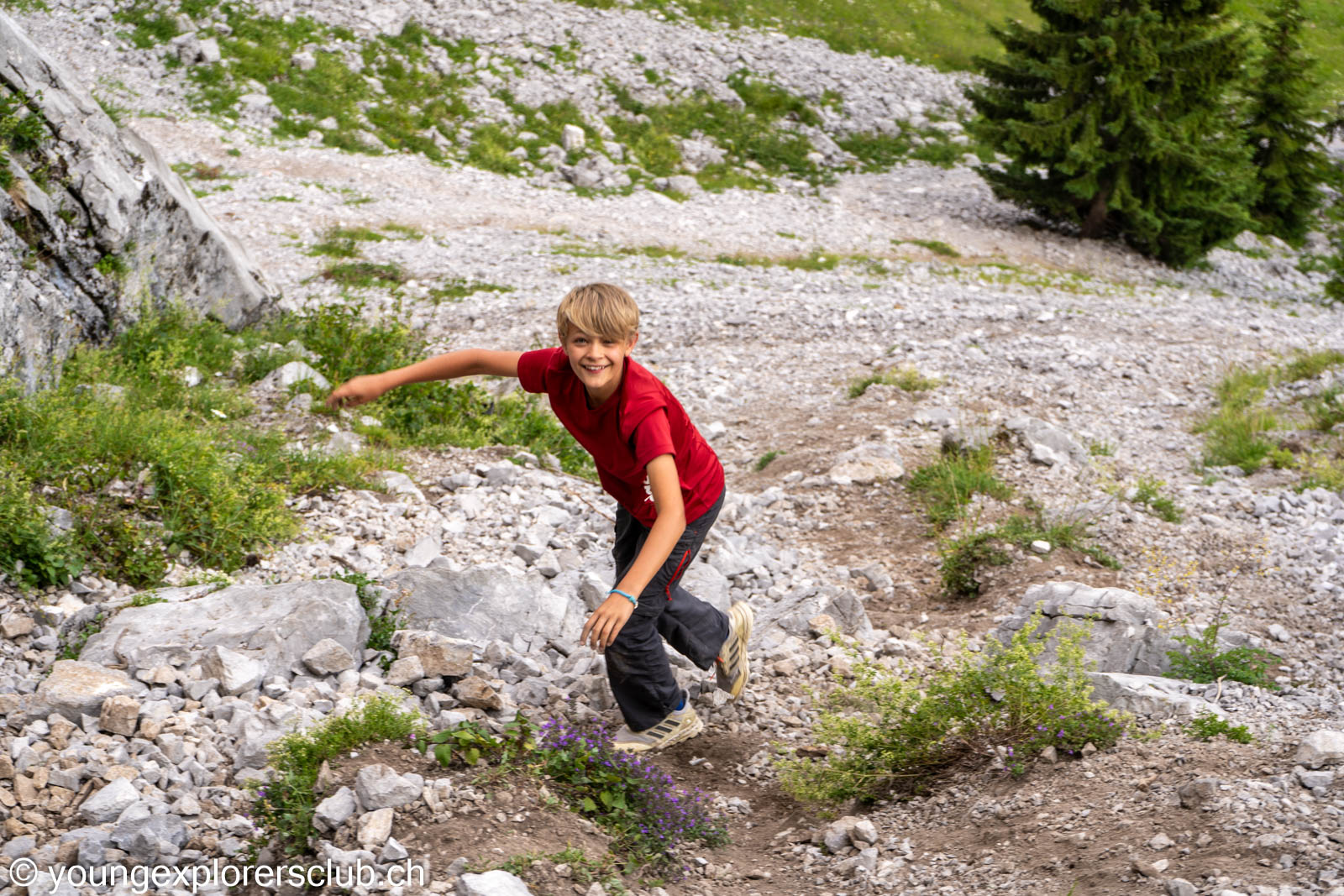
- Family nature walk + species list: 1–2 km loop, ~45 minutes. Checklist: marmot, ibex, chamois, and common alpine wildflowers. Easy elevation, can be shortened for toddlers.
- Kids’ cooking class using local dairy/cheese: 1.5 hours, ages 5+. Hands-on recipe work, tasting, and a take-home card with the farm story.
Typical kid offerings and safety measures
Below are common child-focused amenities and the safety steps I expect lodges to follow.
Typical offerings you’ll see:
- Nature workshops and guided family hikes
- Farm visits with milking/feeding experiences
- Wildlife spotting and simple citizen‑science checklists
- Ponds or safe wading areas with lifeguard policies
- Children’s menus featuring local ingredients
- Indoor nature play corners with books and tactile displays
- Kids’ cooking classes and seed‑to‑plate activities
Essential child-safety measures:
- Supervision ratios: 1:6 for preschoolers; 1:8–10 for older kids during guided programs
- Clear age limits for hikes and activities, with alternative options for younger children
- Lifejackets provided and enforced for lake or wading activities
- Insect and sun protection briefings; SPF 30+ advised at altitude
- Parental waiver templates and on-site emergency protocols
- Helmet use required for bikes and scooters
- Acclimatisation guidance: monitor children closely at higher altitudes and follow lodge recommendations
Offer a short staff quote on listings to build trust. A simple line from activity staff reduces hesitation and increases bookings.
https://youtu.be/TxzJUThsDGE
What is an eco-lodge? Swiss sustainability credentials families care about
We, at the Young Explorers Club, define an eco-lodge as a small-scale place to stay that cuts environmental impact through low-impact design, local sourcing, renewable energy, waste minimisation and guest environmental education — including nature education for children. I look for properties that prioritize a hands-on link to the outdoors and limit guest numbers so kids have room to explore safely.
Certifications matter because they make claims verifiable. Check for the Swisstainable label and international marks such as Green Key, Green Globe, Travelife or GSTC. Regional or park-specific certifications can be just as meaningful for on-site conservation work. When lodges claim climate actions, verify phrases like “climate-neutral” or carbon offsetting and ask which programme they use — many Swiss properties work with myclimate.
Families care about concrete practices more than marketing language. I pay attention to renewable energy (PV arrays and clear % of electric use), the heat source (heat pump or district heating rather than oil or gas), organic/local food or farm-to-table menus, robust waste separation and composting, low-flow fixtures and star-friendly lighting to cut light pollution. On-site environmental education programmes for kids make a real difference in trip quality and learning.
Where to verify claims: I check official registries and programme pages — Switzerland Tourism programme pages, the Swisstainable registry, the Green Key registry, GSTC lists and the lodge’s certificate pages. Those sources usually show the scope and expiry date of each certificate and help me compare options objectively.
I often recommend an eco-lodge for a family trip because smaller scale, on-site nature connection and local menus create richer learning moments and lower guest density for safer play.
Parent-friendly verification checklist
Use this short list when profiling lodges before booking:
- Certification present (Swisstainable, Green Key, GSTC, Travelife or Green Globe)
- Evidence of renewable energy (PV capacity or % of electric use)
- Heating type listed (heat pump or district heating vs oil/gas)
- On-site children’s nature programmes / nature education for children
- Organic/local food / farm-to-table offerings
- Water-saving fixtures and active waste management & composting
- Emergency & safety info (first-aid, nearest medical facilities)
I also compare an eco-lodge to a standard hotel on a few quick points: eco-lodges generally mean fewer guests, stronger links to outdoor activities and local food sourcing; standard hotels often run larger facilities with higher baseline energy use for lifts, laundries and central kitchens.

Top family-friendly eco-lodge features and safety & health considerations
We, at the young explorers club, expect eco-lodges to present clear, child-focused details so families can plan with confidence. We look first at accommodation: list the number of family rooms or connecting rooms, multi-bed cabins, and explicit cot/extra‑bed policies. We want room layouts and maximum child occupancy stated up front.
We insist on child-focused facilities and operational details. Kids’ clubs should list ages covered and supervision ratios. Play spaces must specify indoor family rooms with games, supervised activity schedules, and available baby equipment such as cots, high-chairs, and baby monitors. We recommend including hours and staffing qualifications for supervised programs.
We require full food and diet transparency. Menus should note organic or local ingredients and whether a children’s menu exists. Allergy procedures must be stated, plus meal times and early-dining options for young children. We encourage lodges to offer sample child menu items and clear labeling for allergens.
We expect precise nature access and activity data. Distance-to-trailhead should be given in meters (0–500 m = doorstep; 500–5,000 m = short transfer). Recommended family loops need distance, duration, and elevation gain. We prefer trails marked as stroller-friendly and named public-transport connections with shuttle minutes.
We take safety and health seriously. Altitude must be listed exactly in meters. Lodges should name the nearest medical facility and give travel time. Staff first-aid qualifications and emergency contact protocols should appear in every profile. We also list explicit safety guidance: acclimatization is recommended for children at elevations above 2,000 m — consult a pediatrician before arrival. Swiss emergency numbers to use are 112 and 144. We warn parents about sudden weather shifts and stronger UV at altitude; advise SPF 30+ and layered clothing.
We also look for clear sustainability credentials and guest-facing practices. Certifications such as Swisstainable or Green Key are useful to include. Parking and public-transport policies (station name and shuttle minutes) should be easy to find.
Essential profile fields to include
- Accommodation: number of family rooms, connecting rooms, multi‑bed cabins, cot/extra‑bed rules.
- Child facilities: kids’ club ages and supervision ratio, play area, indoor family room, baby equipment inventory.
- Food & diet: children’s menu (yes/no + sample), organic/local note, allergy procedures, early dining options.
- Nature access: distance to nearest trailhead (meters), recommended family loops (distance, duration, elevation gain), stroller-friendly status.
- Accessibility: public transport station and shuttle minutes, parking policies.
- Health & safety: altitude (meters), nearest medical facility and travel time (minutes), staff first‑aid qualifications, emergency contacts (112 / 144).
- Sustainability: certifications such as Swisstainable or Green Key.
We link practical ideas for child outings with our guide to family activities to help choose lodges that match your family’s pace and safety needs.

Activities for kids — specific options, distances, durations and seasonal notes
We, at the young explorers club, pick eco-lodges with easy access to kid-friendly trails, lakes and farm visits. Below are concrete activity options with ages, distances, durations and surface notes you can use when planning.
Quick activity listings
-
Family hike — suggested ages: 3+; distance: 1–3 km; duration: 30–90 min; elevation: +0–200 m.
Surface: easy meadow paths or compacted gravel. Footwear: sturdy trainers for toddlers, light hiking shoes for older kids. Shorter loops work for toddlers. -
Wildlife safari (guided) — suggested ages: 5+; duration: 1–2 hours; terrain: gentle.
Typical sightings: marmot, ibex, chamois. Footwear: hiking shoes; bring binoculars and layers. -
Lake paddling/wading — suggested ages: 0+ (supervised); approach: typically 0–200 m from lodge; session: 20–60 min.
Water temps: alpine lakes 10–18°C in early summer. Surface: sandy or pebbled shore. Footwear: water shoes. -
Family bike trails — suggested ages: 3+ (with child seat/trailer); distance: 5–15 km mostly gravel and flat; duration: 30–90 min.
Surface: packed gravel; helmets: required. Bring a repair kit and child seats. -
Farm visits — suggested ages: 2+; session: 30–60 min for milking/feeding.
Surface: barn floor and grass paddocks. Footwear: boots or non-slip trainers; wash hands after. -
Sled run (winter) — suggested ages: 3+; distance: 1–3 km; time: varies by run.
Options: family sleds or lift-served sledding. Surface: groomed snow; bring helmets for steeper sections. -
Snowshoe loop (winter) — suggested ages: 4+; distance: 1–3 km; duration: 30–90 min.
Surface: packed snow; use snowshoes or sturdy winter boots. Flat approaches recommended for toddlers. -
Beginner ski areas and children’s ski school — suggested ages: 3+ (verify by resort); lessons: half- or full-day.
Surface: nursery slopes with magic carpets. Gear: fitted helmets and ski boots. -
Guided nature workshop — suggested ages: 4+; duration: 1–2 hours; insect and plant ID, simple species checklists.
Surface: mixed meadow and forest; bring notebooks and pencils. -
Night-sky session — suggested ages: 6+; duration: 45–90 min; best at minimal-light-pollution lodges.
Surface: flat meadow or lodge terrace; bring warm layers and a red flashlight.
Mini seasonal activity guide by age group (quick reference)
- Ages 0–3: short meadow walks (10–30 min); supervised pond wading; farm petting (15–45 min).
- Ages 4–7: family hikes 1–3 km / 30–90 min; short bike loops 3–8 km; basic farm chores 30–60 min.
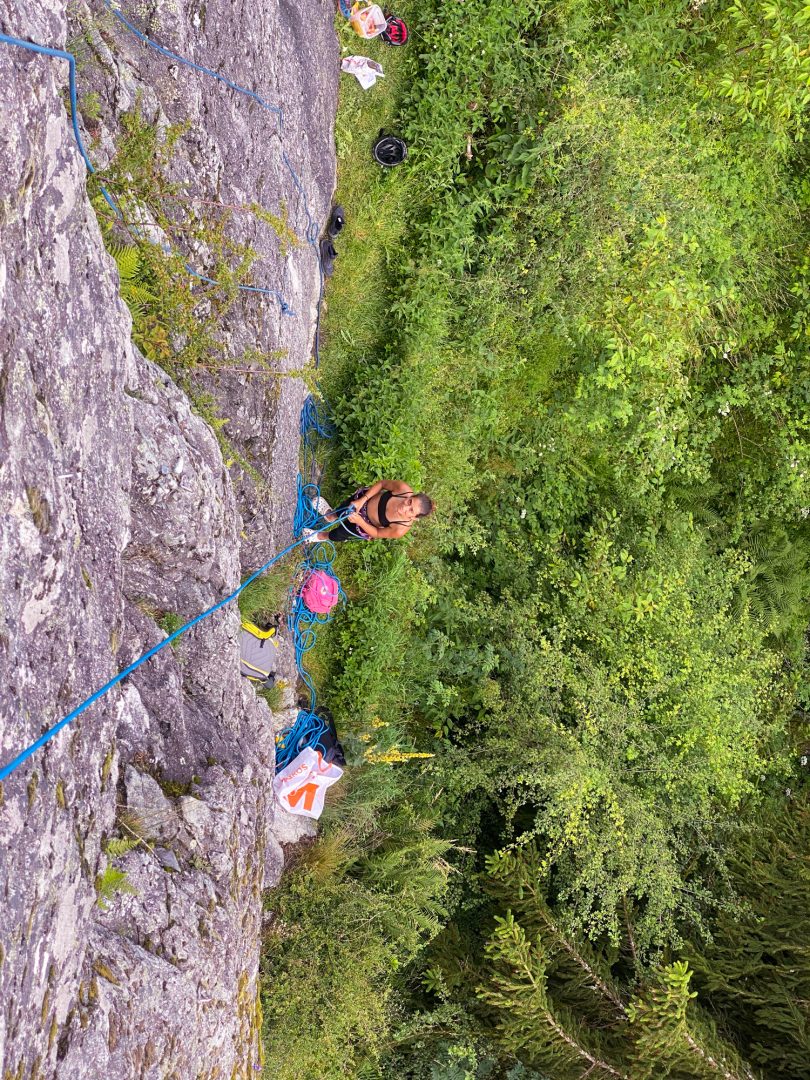
- Ages 8–12: longer hikes 3–8 km; wildlife spotting 1–3 hours; beginner rock/rope skills with supervision.
Safety and seasonal notes
Check trail surfaces before you head out — rocky sections need grippy shoes, compacted paths can do with trainers. We recommend layers for alpine weather and quick-dry clothing for lake play. Early-summer lake temperatures can be chilly (10–18°C); limit time in cold water and bring neoprene booties for sensitive kids.
In winter, avoid unguided high-altitude routes and consult local avalanche information or rescue services. Verify ski school age limits with the resort before booking. For extra ideas on trips and activities, see our family activities.

Getting there, costs and booking tips for families
We, at the young explorers club, always push for train-first journeys with short transfers. Trains are easier with luggage, kinder on the planet, and often simpler with kids than driving. Use the Swiss Travel Pass for long legs and ask your lodge if regional tourist cards are included with your stay.
Plan around fare rules: children under 6 travel free (verify with SBB). Confirm seat reservations and connection times before you leave. A clear sample itinerary looks like this: Zurich HB -> Interlaken Ost -> regional bus -> eco-lodge — total time about 2h45 (example). Prefer lodges with short electric shuttles or a short walk from the station; ask specifically about zero-emission transfer options.
Costs and timing are predictable once you map dates. Typical nightly price ranges are CHF 150–600 per night for mid-range family rooms. High-end eco-lodges or full chalet buyouts start at CHF 600+. High season runs July–Aug and Dec–Mar; book 3–6 months ahead for summer and winter school holidays. If you need peak-weekend flexibility, book earlier.
I give this sample family budget so you can plan quickly:
- Accommodation: CHF 200/night for a family room × 3 nights = CHF 600
- Meals: CHF 25/person/meal × 2 meals × 4 people × 3 days ≈ CHF 600 (breakfast often included)
- Activities/transfers: guided walks, farm visit, local bus ≈ CHF 150
- Local transport: regional cards/shuttles ≈ CHF 50
Total ≈ CHF 1,400 (adjust for lodge pricing, season and included packages).
I recommend these booking tactics:
- Ask for family package inclusions (meals, kids’ activities, transport).
- Check crib and extra-bed policies.
- Request early dining slots if your children need them.
- Confirm exact station name and minutes of shuttle transfer.
- Always verify timetables on the day.
Practical booking checklist
- Family options: Ask about family package / family room / chalet buyout options.
- Public-transport connections: Confirm station name, arrival time, shuttle minutes.
- Zero-emission transfers: Request options such as electric shuttles.
- Child policies: Verify child policies and the rule that children under 6 travel free (check with SBB).
- Included items: Request included items like breakfast, kids’ club, guided family activities.
- Booking window: Book summer and winter holiday dates 3–6 months ahead for the best availability.
For inspiration on planning the route and activities for a family trip, see our family trip guide which highlights kid-friendly, train-accessible stays and local transport tips.

Sources
Switzerland Tourism — Swisstainable (Sustainable tourism in Switzerland)
Swiss Federal Statistical Office — Population and household statistics
Swiss Federal Office for the Environment (FOEN) — Environment in Switzerland
SBB (Swiss Federal Railways) — Swiss Travel Pass (travelcards and offers)
Swiss National Park — Visitor information and wildlife
UNESCO World Heritage Centre — Swiss Alps Jungfrau‑Aletsch (World Heritage listing)
Global Sustainable Tourism Council (GSTC) — Standards and certification information
Green Key — Green Key international sustainability programme
Green Globe — Certification and criteria for sustainable tourism
Travelife — Sustainability certification for accommodation and tour operators
myclimate — Carbon offsetting and climate education programmes
Swiss Alpine Club (SAC) — Huts, refuges and family resources