

Guide to planning a camp trip: stress-free steps for families
Discover our ultimate guide to planning a camp trip! Get stress-free tips for families to ensure a memorable outdoor adventure together.
TL;DR:
- Planning a Swiss family camp trip requires involving all members in goal setting, roles, and expectations to foster ownership and smooth execution. Proper preparation involves detailed checklists, weather awareness, and site safety routines, ensuring adaptability to rapid alpine weather changes and terrain challenges. Hands-on collaboration and verification of conditions build lasting skills and memories, surpassing the benefits of automated planning tools.
Planning an outdoor adventure trip for your family sounds exciting until you realize you’re juggling flight bookings, gear lists, weather forecasts, language barriers, and a ten-year-old who insists on packing only video games. Switzerland raises the stakes even higher: alpine weather shifts fast, camp programs often run in multiple languages, and the gap between a memorable experience and a stressful one comes down almost entirely to how well you prepare. This guide walks you through every stage of the process, from setting shared family goals to troubleshooting on the fly, so you arrive at camp ready to focus on the adventure itself.
Table of Contents
- Set clear goals and include the whole family
- Essential checklists, gear, and weather prep
- Site selection, set-up, and safety routines
- Troubleshooting, real-world adjustments, and follow-through
- Why real-world planning beats automation for memorable camp trips
- Next steps: camp experiences that inspire growth
- Frequently asked questions
Key Takeaways
| Point | Details |
|---|---|
| Involve the whole family | Let children help choose activities and take roles for a more engaged and enjoyable camp experience. |
| Pack with checklists | Structure packing by category, prioritize sleep comfort, and prepare for weather and bugs. |
| Prioritize safety at camp | Complete hazard checks, track tent assignments, and have clear emergency and night routines in place. |
| Adapt and verify plans | Be ready to adjust for unexpected changes and always confirm information with official sources. |
| Hands-on beats automated | Real-world, family-led planning fosters growth, skills, and lasting memories better than automated tools. |
Set clear goals and include the whole family
With the need for structure established, it’s time to engage the whole family in the planning process.
The single biggest mistake families make when planning a camp trip is treating it as an adult-only logistics exercise. When kids are left out of the planning conversation, they arrive at camp with mismatched expectations, low motivation, and a tendency to check out during group activities. Involving them from the start changes everything.
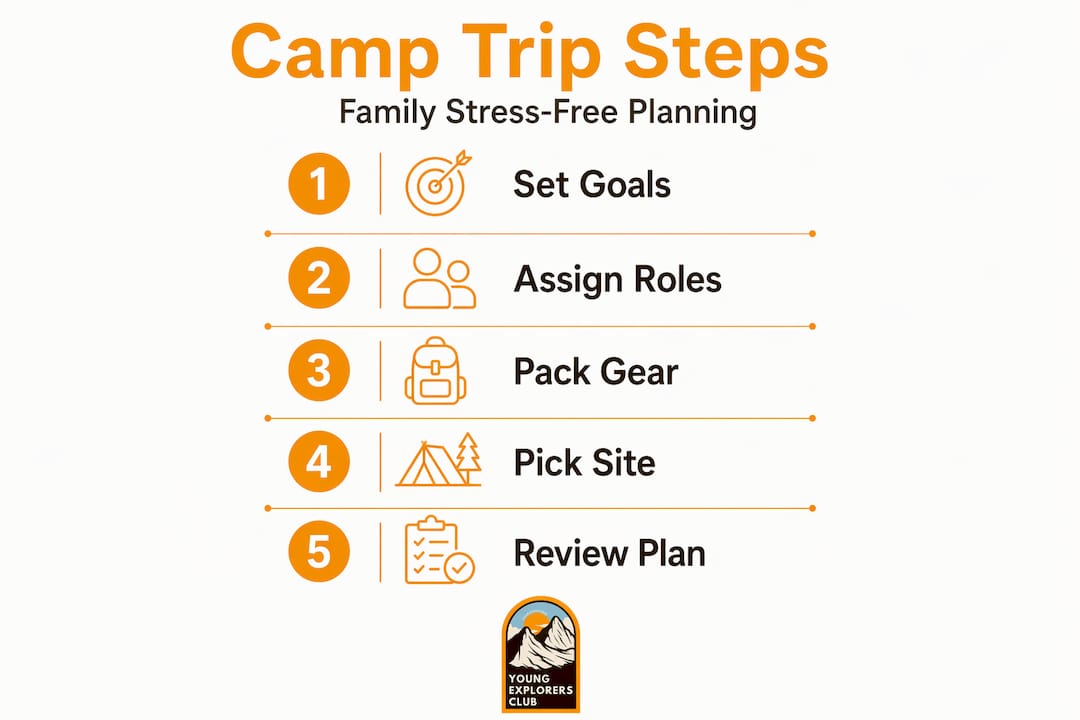
Start with a simple family meeting where each person lists two or three activities they most want to experience. At a Swiss adventure camp, those options might include mountain biking, rock climbing, survival skills, evening campfires, or French language workshops. Once everyone’s ideas are on the table, rank them together as a group. This process alone generates excitement and gives younger children a genuine sense of ownership over the trip.
From there, assign specific roles to each family member or camper. Older teens can take charge of researching weather forecasts or translating camp schedules. Younger kids can be responsible for packing their own sleeping gear from a parent-approved checklist. Roles like “navigator,” “gear checker,” or “activity coordinator” create a sense of responsibility and, in a multilingual environment, offer a natural way to practice a second language. Studying international camp culture beforehand can also help kids know what to expect from group dynamics and shared spaces.
A collaborative planning approach where kids select and order activities while being assigned clear roles keeps participation high and manages expectations before you ever leave home. Adults should retain full control over logistics, safety decisions, and emergency protocols. That balance, children with input and ownership, adults with final authority, is what makes camp trips run smoothly.
Pro Tip: If your family plans multiple camp trips across the summer, rotate roles each time. A child who was “gear checker” on the first trip becomes “schedule coordinator” on the next. This builds a wider range of skills and keeps the planning process fresh.
The role of evening camp activities in building group cohesion is often underestimated, so make sure your kids know those exist and get to look forward to them specifically.
Here is a simple numbered approach to get your family started:
- Hold a 30-minute family planning meeting at least six weeks before departure.
- Each person lists their top three camp activity preferences.
- Vote or rank the options together as a group.
- Assign each family member or older child a specific planning role.
- Adults finalize all logistics, safety, and emergency plans independently.
- Review the full plan together one week before departure.
Essential checklists, gear, and weather prep
Once the family agrees on goals and roles, create an organized preparation checklist for smooth execution.
Packing for a Swiss camp trip is not the same as packing for a beach vacation. Alpine microclimates mean you can experience sunshine, rain, and near-freezing temperatures within a single afternoon. Underpack and your child is miserable. Overpack and no one can carry their own gear. A structured, category-based checklist approach solves both problems.
The most effective methodology for kids’ camp packing focuses on functional categories: sleep system first, then clothing layers, then first aid and medications. The “sleep first” rule is powerful because poor sleep derails everything else. A child who sleeps cold or on an uncomfortable surface will struggle with every activity the next day, regardless of how well-planned the schedule is.
Swiss mountains also bring insects in summer, particularly at lower elevations near lakes and rivers. Bug repellent is not optional. Neither is rain gear, even if the forecast looks clear.
Here is a category-by-category packing breakdown:
| Category | Key items | Why it matters |
|---|---|---|
| Sleep system | Sleeping bag rated to 5°C, sleeping pad, earplugs | Core comfort; poor sleep affects everything |
| Clothing layers | Base layer, fleece mid-layer, waterproof shell, extra socks | Swiss weather shifts rapidly |
| Footwear | Hiking boots (broken in), camp sandals, waterproof gaiters | Blisters ruin activity days |
| First aid and meds | Blister pads, antihistamines, any prescriptions, sunscreen | Prevention is faster than treatment |
| Activity gear | Bike helmet, gloves, hydration pack | Safety for specific activities |
| Miscellaneous | Headlamp, reusable water bottle, snacks, small daypack | Daily convenience and energy |
For first aid specifics, check this camping first aid kit guide to ensure nothing critical gets overlooked.
You can also review packing list details tailored specifically to Swiss camp programs to cross-reference your own checklist.
Pro Tip: Always pack one complete backup outfit per child in a waterproof dry bag. Wet jeans on day two of a five-day trip are not just uncomfortable; they become a safety issue in cold mountain conditions. Rain gear goes in the top of the pack, not at the bottom.
Key bullet reminders for weather prep:
- Check the seven-day forecast for your specific Swiss region, not just the nearest city.
- Bring insect repellent even if you don’t think you’ll need it.
- Layer clothing so kids can add or remove pieces independently.
- Mark all gear with your child’s name before departure.
Site selection, set-up, and safety routines
With your gear checked and packed, attention shifts to the crucial decisions at your chosen camp location.
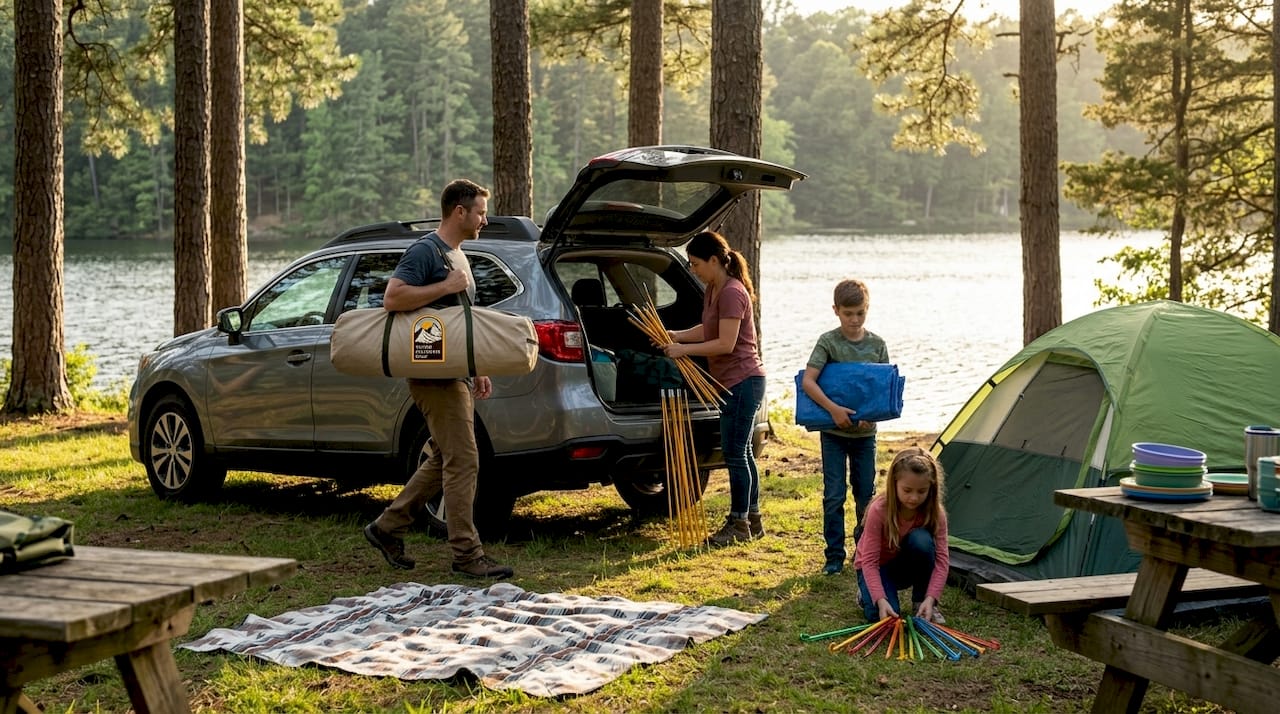
Not all campsites are equal, and in Switzerland, the difference between a family-appropriate setup and an advanced terrain site can be dramatic. Choosing the right site type is as important as any piece of gear you pack.
| Feature | Family-friendly site | Advanced camp site |
|---|---|---|
| Terrain | Flat, grassy, near facilities | Uneven, remote, minimal infrastructure |
| Bathroom access | Within 100 meters | May require hiking |
| Emergency access | Road-accessible | Limited or foot-traffic only |
| Weather shelter | Covered common area nearby | Self-reliant shelter setup required |
| Supervision | On-site staff available | Independent group management |
Once you’ve selected your site, follow a structured set-up routine. Best practices for youth tent camping include checking for environmental hazards around the tent area, particularly overhead branches or unstable ground, tracking which camper is assigned to which tent, confirming that every child knows the location of the nearest bathroom, and establishing clear inclement-weather procedures before nightfall.
For the step-by-step set-up process, work through this sequence:
- Walk the entire site perimeter before unloading gear. Look for overhead hazards, uneven terrain, and water drainage patterns.
- Assign tents by group or age, and confirm assignments verbally with every camper.
- Point out the bathroom, the first-aid station, and the nearest covered shelter.
- Brief every family member or group on what to do if weather turns suddenly.
- Establish a check-in time for each evening so no one goes unaccounted for overnight.
- Document emergency contacts and share them with at least two adults in the group.
Risk management for outdoor camps works best when organized as a structured risk-assessment-and-supervision workflow: identify hazards, assess their likelihood and severity, define control measures, and document response plans. This is not bureaucratic overreach; it is the single most effective way to prevent emergencies from escalating.
“Having a documented response plan and clearly appointed emergency contacts is not just good practice; it is the difference between a manageable incident and a crisis. Every adult at camp should know their role before anything goes wrong.”
For a practical visual guide, this campsite setup guide breaks down the process clearly for families new to outdoor camping.
If you are organizing a larger group trip, exploring custom camp logistics can help you scale these safety protocols efficiently across multiple families or school groups.
Troubleshooting, real-world adjustments, and follow-through
Even the best plans require flexibility; here’s how to adjust smoothly once your adventure is underway.
You can plan every detail and still face a sudden thunderstorm on day one, a child who refuses to participate in a group activity, or a tent pole that snaps during setup. These are not failures. They are the real curriculum of a camp trip, and how you handle them sets the tone for everything that follows.
Start by revisiting your plan 48 hours before departure. Weather forecasts, road conditions, and camp staff availability can all shift in the final days. What looked like clear skies two weeks ago may now show an afternoon storm window. Adjust your activity schedule accordingly, and communicate any changes to the whole group, including the kids.
AI tools can generate ideas for a camping plan, but reputable guidance is clear that real-world conditions, especially weather and site-specific risks, require verification through official sources. An app-generated packing list cannot account for the specific microclimate of the Jura mountains or the particular terrain of a Swiss alpine valley.
Here is a practical list of on-the-fly adjustments that work well for families:
- Swap outdoor activities to morning slots if afternoon storms are forecast.
- Reassign tent groups if personality conflicts arise on the first night.
- Prepare two backup meal options in case of dietary surprises or food aversions.
- Create a quiet corner or low-stimulation activity option for kids who become overwhelmed in large groups.
- Use spontaneous moments (a found insect, an unexpected view, a language sign) as mini learning opportunities.
For multilingual camps, unexpected language barriers can feel frustrating initially. Reframe them as problem-solving practice. A child who has to ask for directions in French and actually gets understood has just built real confidence, more than any classroom exercise could deliver. Encourage kids to lean into those moments rather than retreat from them. Exploring creative camp problem-solving strategies can help your family prepare for those pivotal moments before they happen.
Pro Tip: Keep a short camp trip log, even just a few bullet points per day. After the trip, review it together as a family. What went well? What would you change? This habit turns a single trip into a multi-year improvement cycle, and kids love seeing their own growth documented across seasons.
Why real-world planning beats automation for memorable camp trips
Technology has genuinely improved some parts of trip planning. Apps can surface campsite reviews, weather windows, and gear comparisons faster than any guidebook. Used well, these tools save time. The problem arises when families mistake planning convenience for actual preparation.
Automated camping plans require verification against official resources because real-world weather and conditions are unpredictable. That verification step is not a minor footnote; it is the entire point. An algorithm cannot tell you that the trail to your Swiss campsite flooded last week, or that the evening activity your child is most excited about requires footwear they forgot to pack.
More importantly, the process of hands-on, collaborative family planning builds skills that no app can replicate. When a twelve-year-old researches weather patterns for their upcoming Swiss camp, they are practicing data interpretation, regional geography, and decision-making simultaneously. When a teenager packs their own gear from a checklist they helped create, they are building executive function and self-reliance.
In a bilingual camp environment, the planning phase is also where language learning begins. Reviewing a French-language trail map, translating camp rules, or practicing activity vocabulary before arrival gives kids a meaningful context for language use that purely academic study rarely provides. Exploring adventure education for families shows why this kind of immersive, experiential approach produces deeper and more lasting development outcomes.
The families that carry the best memories from Swiss camp trips are almost never the ones with the most expensive gear or the most detailed itineraries. They are the ones who planned together, adapted together, and solved problems together. That shared process is the foundation of the experience, not just the logistics surrounding it.
Next steps: camp experiences that inspire growth
If this planning guide resonates with you, explore how structured camp programs can further your family’s journey.
The Young Explorers Club offers teen summer camp programs designed around the exact principles this guide covers: collaborative participation, experiential learning, and real-world safety structures built into every activity. For families focused on language development alongside adventure, the language immersion camps combine outdoor challenges with genuine bilingual practice in English, French, and German. Our camp staff are trained in risk management, group dynamics, and multilingual facilitation, so the safety frameworks described in this guide are already embedded into every session. Browse the full range of Swiss camp options to find the program that fits your family’s adventure goals and your child’s development stage.
Frequently asked questions
How far in advance should I reserve a family campsite in Switzerland?
Book three to six months ahead for popular Swiss destinations, especially during peak summer season or for organized international camp programs, which tend to fill quickly.
What are the top safety checks for tent camping with kids?
Youth tent camping best practices include checking for overhead hazards around the tent, assigning tent groups clearly, confirming bathroom location with every child, and establishing a storm plan before nightfall.
How can I help my child adjust to group camp activities in a new language?
Pre-trip role assignments and collaborative planning give children a familiar structure to rely on, which lowers anxiety and encourages them to participate even when the language around them is new.
Is it better to automate planning or to use hands-on family methods?
Hands-on family planning builds adaptability and real-world skills, but always verify conditions with official sources because weather and on-site realities cannot be predicted by any automated tool alone.
