How Swiss Camps Foster Curiosity And Wonder
Young Explorers: hands-on science camps in Switzerland: Alps, lakes, glaciers. Multilingual outdoor learning that builds stewardship.
Program Overview
We use Switzerland’s varied, compact landscape—Alps, forests and over 1,500 lakes—as a living classroom. The country’s close-packed terrain lets us run multiple, repeatable field labs within short travel times.
Glacier margins, lakeshores and alpine meadows act as repeatable field labs where students practice observation and measurement on consistent sites over time.
We pair inquiry-led, project-based modules—including glacier studies, lake testing, phenology and maker projects—with multilingual cultural immersion. Programs follow standardised safety protocols at every step.
Our camps build scientific habits, language skills and stewardship in practical, measurable ways through repeated practice, data collection and reflection.
Key Takeaways
- The Swiss landscape provides a ready-made living classroom, enabling repeatable field labs across alpine, forest and lake environments.
- Short, hands-on modules plus standardised protocols teach observational rigor, data habits and practical field skills that transfer to school and home.
- Multilingual, place-based activities fold language learning into real tasks, boosting functional vocabulary and cognitive flexibility.
- Protected-area anchors and long-term monitoring modules connect campers to conservation science and professional datasets.
- Compact geography, clear logistics and strict safety standards—transit limits, staff ratios, equipment checklists—make diverse, accessible programs practical.
https://youtu.be/TxzJUThsDGE
Country snapshot
We, at the Young Explorers Club, run camps across Switzerland and use the landscape itself as a teaching tool. Switzerland 41,285 km²; population 8.8 million (Federal Statistical Office). The Alps cover ~60% of the surface, forests occupy ~31% and there are more than 1,500 lakes. That variety lets us turn every site into a living classroom for hands-on science, navigation and creative problem solving.
These natural features shape how we approach outdoor education in Switzerland: short activities scale to week-long expeditions, language diversity becomes a learning asset, and watershed, forest and alpine habitats provide repeatable field labs.
Fast facts
- area 41,285 km²
- population ≈ 8.8 million (Federal Statistical Office)
- 4 official languages
- Alps cover ~60% of the surface
- forest cover ~31%
- more than 1,500 lakes
Landscape that creates a natural learning lab
We, at the Young Explorers Club, use Switzerland’s varied terrain as a classroom. The Alps cover 60% of Switzerland’s surface area, forest cover accounts for 31% and there are more than 1,500 lakes, giving us layered, hands-on study zones. Lakes (for example, Lake Geneva, Lake Zurich and Lake Lucerne) serve as immediate examples for freshwater ecology and human–environment studies.
High alpine zones reveal glaciers, visible margin dynamics and fresh moraine deposits that record recent glacial retreat. Meadows host seasonal alpine wildflowers and rich insect life, ideal for phenology and pollinator studies. Lowland riparian corridors and agricultural plots contrast mountain systems and let campers compare nutrient flows, erosion and habitat change. Iconic fauna like ibex, chamois, typical alpine birds and many aquatic macroinvertebrates appear repeatedly in field notes and make lessons memorable.
We connect each landscape hook to concrete learning goals and practical skills. Campers learn to read topography, map moraine features, collect simple water samples and run basic field tests. Safety and minimal-impact sampling come first; we teach routes, weather checks and Leave No Trace tactics before heading out. Small groups work best for steep terrain and sensitive flower zones. The icing on the cake: kids leave with field notebooks, simple maps and repeatable protocols that they can use back home or in school.
We design modules that inspire curiosity and fit each site’s rhythms, from glacier melt pulses to lake stratification cycles. inspire curiosity
Field modules and study sites
Below are modules I run regularly and what campers gain from each:
- Glacier margin studies — Observe ice fronts, note seasonal retreat and measure simple stakes for melt rate. Teaches observational rigor, basic surveying and climate signal interpretation.
- Moraine mapping — Trace lateral and terminal moraines, sketch sediment textures and compare particle sizes. Builds skills in geomorphology, map reading and recording field evidence.
- Alpine plant phenology — Monitor flowering times, set up permanent quadrats and log insect visitors. Encourages long-term data thinking and species identification.
- Lake water testing — Measure temperature, dissolved oxygen, pH and turbidity at multiple depths. Introduces sampling technique, data plotting and freshwater ecology concepts.
- Riparian transects and lowland plots — Assess bank stability, vegetation gradients and agricultural impacts. Connects classroom nutrient cycles to observable field signs.
- Insect and macroinvertebrate surveys — Kick-sampling and timed net sweeps in streams and meadows. Trains taxonomy basics, abundance estimates and indicator species use.
Each module pairs clear learning outcomes with practical tips. Recommended gear and methods include:
- Foldable rulers and simple measuring tools
- Portable test kits for water chemistry
- Waterproof field guides and identification keys
- Simple GPS apps for mapping and wayfinding
- Extra gloves, sampling jars and basic first-aid supplies
We keep sessions short in altitude gain, repeat key methods across sites and encourage campers to compare results between alpine, forest and lake environments. This approach turns the Swiss landscape into a living lab that cultivates observation, curiosity and real scientific habit.
https://youtu.be/9np4fAZwE5Y
Cultural context that shapes camps
We, at the Young Explorers Club, build programs around Switzerland’s 4 official languages so language learning happens naturally. Camps become multilingual classrooms where kids pick up vocabulary while they cook, climb, or join a village fête. That mix makes multilingual camps Switzerland both practical and immersive.
We frame every day as a chance for language practice embedded in cultural activities. Children learn food words at a market stand, sing regional songs at a festival, and follow trail names in the local tongue on a hike. Those moments turn language into a tool for doing, not just memorizing. We run language immersion camp Switzerland options that balance guided lessons with hands-on projects. We also offer bilingual camp Switzerland tracks for families who want a steadier mix of two languages.
I integrate local history and landscape interpretation so words carry context. Place names, old maps, and stories from elders become prompts for conversation. That approach deepens comprehension and builds cross-cultural awareness. Camps act as laboratories where children compare dialects, taste regional dishes, and handle traditional materials — all while using new phrases.
Typical activities that fuse language and culture
- Market and kitchen sessions where kids learn ingredient names, recipes and polite phrases.
- Festival workshops that teach songs, dances and the vocabulary tied to local celebrations.
- Craft stations focused on region-specific techniques and the terms that describe them.
- Guided landscape walks that introduce toponyms, geology words and historical anecdotes.
- Paired activities that mix native speakers with learners to encourage natural conversation.
I make choices that keep learning active and social. We rotate languages by region so participants encounter authentic accents and customs. Swiss nature often provides the classroom backdrop; campers connect words to sights and sounds. For more on the outdoor angle, see our piece on Swiss nature and how it supports language learning.
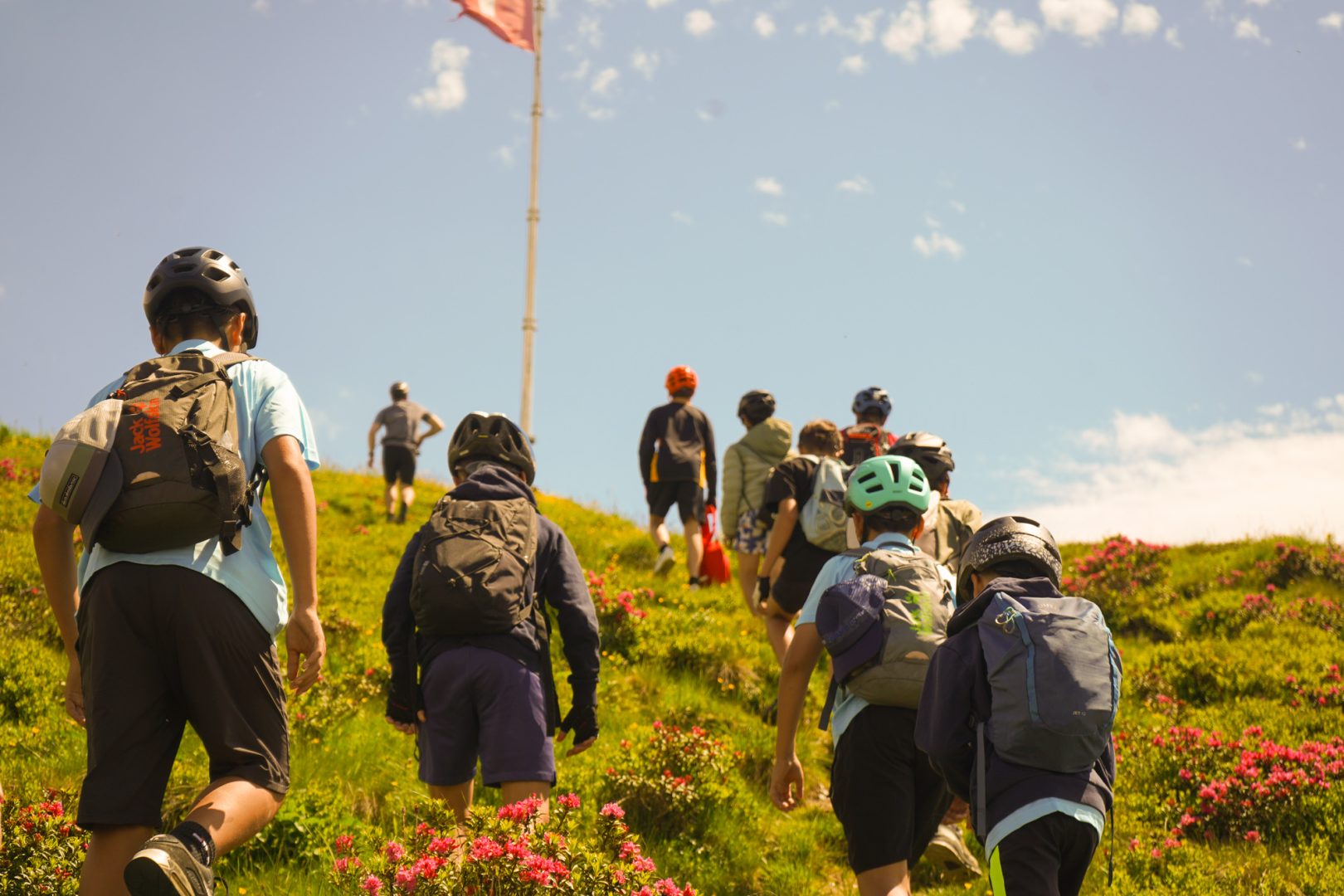
Protected-area anchor
We place the Swiss National Park 1914 at the centre of our long-term conservation learning. As Switzerland’s oldest protected-area (founded 1914), it gives campers a living baseline for biodiversity, phenology and policy lessons. We use the park to show how decades of protection change species lists, habitat structure and human access rules — and we make those changes tangible for kids.
We link fieldwork back to local context with resources about Swiss nature, so learners see how national policy and landscape combine to shape outcomes. Practical comparisons between park data and nearby sites teach the value of reference areas when you want reliable long-term conservation measurements.
Long-term monitoring modules (how we run them)
Below are the core modules I deploy in camp, with short notes on methods and learning goals.
- Baseline biodiversity surveys — we train small teams to do timed species lists and repeat surveys. Use smartphones for photos, simple ID keys, and consistent effort so future comparisons are valid. I emphasize repeatability over perfection.
- Phenology plots — we mark and revisit permanent plots to record leaf-out, flowering and fruiting. Schedule visits at fixed intervals and log dates; this gives clear signals of seasonal shifts across years.
- Camera-trap transects — kids help set non-intrusive cameras and analyze images for mammals and birds. Focus on placement, metadata and ethical checks; anonymize sensitive locations when sharing results.
- Soil and water sampling — basic pH, conductivity and turbidity tests teach links between abiotic conditions and species presence. Calibrate kits together and keep a lab-style notebook for long-term records.
- Historical policy timeline — we map key legal milestones since 1914 and discuss how protection status changed land use. This module connects ecology to governance and shows why protected-area decisions matter.
- Citizen-science data integration — campers submit vetted records to shared databases so their work contributes to broader monitoring efforts. Teach quality control and clear metadata habits.
I recommend the following operational rules for durability and teaching impact:
- Standardize protocols before camp starts so year-to-year comparisons remain meaningful.
- Keep datasets simple, well-labeled and backed up; small teams can manage spreadsheets and photos easily.
- Train campers in ethical field behaviour and local permit requirements to protect the park’s values.
- Use story-based reporting: have kids produce short field bulletins that highlight one finding and one question for the next year.
We frame every activity as both science and stewardship. That dual focus helps campers appreciate why long-term conservation matters and how a single protected-area like the Swiss National Park 1914 can anchor decades of learning and policy discussion.

Quick comparison to signal accessibility
We, at the Young Explorers Club, emphasize accessibility as a program design advantage. In many parts of Switzerland a 2–3 hour drive can take participants from lowland lake to high alpine glacier, and we use that range to build rich, day-trip-capable curricula. I verify travel times for the specific camp locations we list, and we plan routes so learning stays local and logistically simple.
We design sessions that exploit short transit windows. A morning spent on a lakeshore can feed into afternoon glacier science or alpine flora hikes the same day. That contrast—lowland lake to high alpine glacier—gives kids immediate, tangible lessons on elevation, temperature gradients, and habitat shifts without overnight logistics.
We prioritize practical details so access equals usable curriculum:
- Transit time: We keep transit under 3 hours to maximize outdoor time and reduce fatigue.
- Packing: We pack for rapid elevation change: layers, sunscreen, and sturdy footwear.
- Scheduling: We schedule buffer time for weather shifts and altitude adjustment.
- Local coordination: We coordinate with local guides and transport providers to keep routes reliable.
Side-by-side usability points
Below are clear comparisons that show how compact geography supports diverse programming; use these as templates when assessing a site.
- Typical day-trip structure: 90–180 minutes total driving, split into two field sites. This keeps travel within a single day and supports themed expeditions.
- Learning diversity in one day: Shoreline ecology in the morning, glacier observation and simple geology in the afternoon. Students experience rapid environment change.
- Gear and safety differences: Lakeshores need water-safe gear and nets; alpine sites require layers, crampon awareness for late-spring snow patches, and radio/contact plans.
- Staffing and ratios: We keep smaller groups on alpine excursions and pair each group with an instructor who has mountain experience.
- Curriculum flexibility: Short drives let us swap activities if weather alters one site; the program remains accessible and educational.
- Transport planning: We recommend charter vans or coordinated parent carpools to keep schedules tight and predictable.
We tie these logistics back to program goals. Compact distances mean we can run mixed-elevation modules that would be impractical in wider countries. That accessibility lets us offer repeated, hands-on comparisons of ecosystems at different altitudes within a single camp session. We also link practical learning with deeper inquiry by using local field guides and labs to process observations the same day, keeping curiosity active and lessons immediate.
We lean on the compact Swiss landscape to turn travel time into teaching time, and we make choices that keep programs safe, simple, and inspiring.
Visual/data suggestion (sidebar)
Compact stat block
We, at the Young Explorers Club, include area / population / languages / percent alpine in a compact sidebar for quick reference.
- Switzerland — Area: 41,285 km² | Population: ≈ 8.8 million (FSO) | Official languages: 4 | Percent alpine: ~60% (FSO)
Micro-stats for visual clarity:
- Lakes: >1,500
- Forest cover: 31%
- Swiss National Park: established 1914
For context on how this landscape supports outdoor learning, see Swiss nature.

Types of Swiss camps and what they cultivate
We at the Young Explorers Club map the main camp types you’ll find in Switzerland and what each cultivates in kids. I’ll outline practical age ranges, concrete activities, supervision norms and ballpark pricing so you can match a child to the right experience.
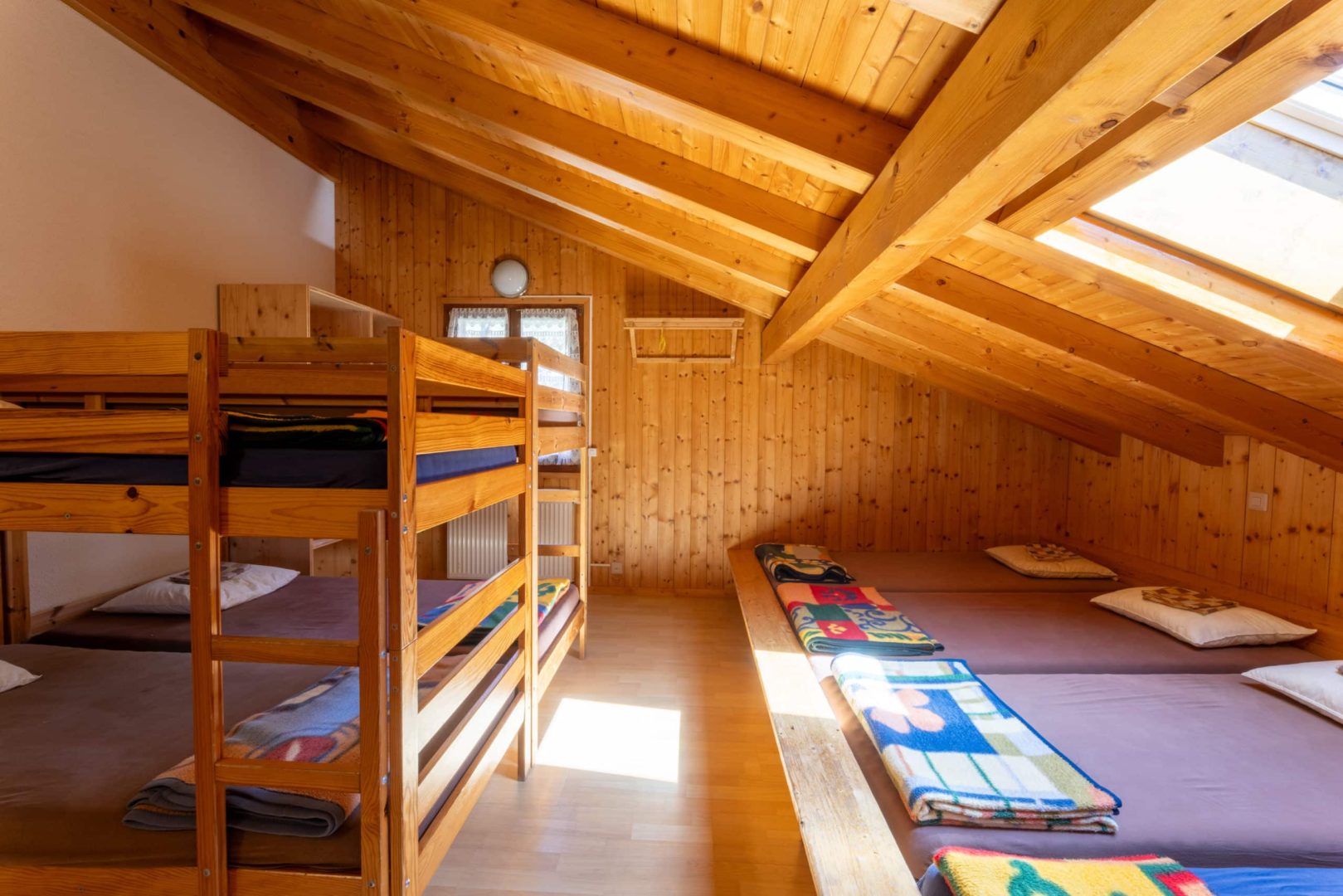
Day camps and residential formats differ in rhythm and supervision. Day camps usually run daily sessions of 4–8 hours or multi-day weekly programs. Residential camp stays of 5–14 days are the common range for overnight programs. Expect a staff-to-child ratio of 1:6–1:12 for day formats and roughly 1:6–1:8 for residential programs. Typical market prices run about CHF 200–600 per week for day camps and CHF 700–2,000 per week for residential stays; verify exact fees with each provider.
Camp categories, sample activities and ages
Below are the primary camp types, what they focus on, and concrete activities with typical age ranges.
-
Nature / outdoor education camps (nature camps Switzerland)
- Focus: forest ecology, lake science, species ID and habitat restoration.
-
Sample activities:
- forest ecology modules (age 6+);
- macroinvertebrate sampling in lakes (age 8+);
- plant phenology surveys (age 7+).
- Outcome: kids gain observation skills, simple field methods and a sense of stewardship. Read more about our approach to camps that inspire curiosity.
-
Adventure camps (adventure camp Switzerland)
- Focus: mountain skills, confidence-building, route planning with certified guides.
-
Sample activities:
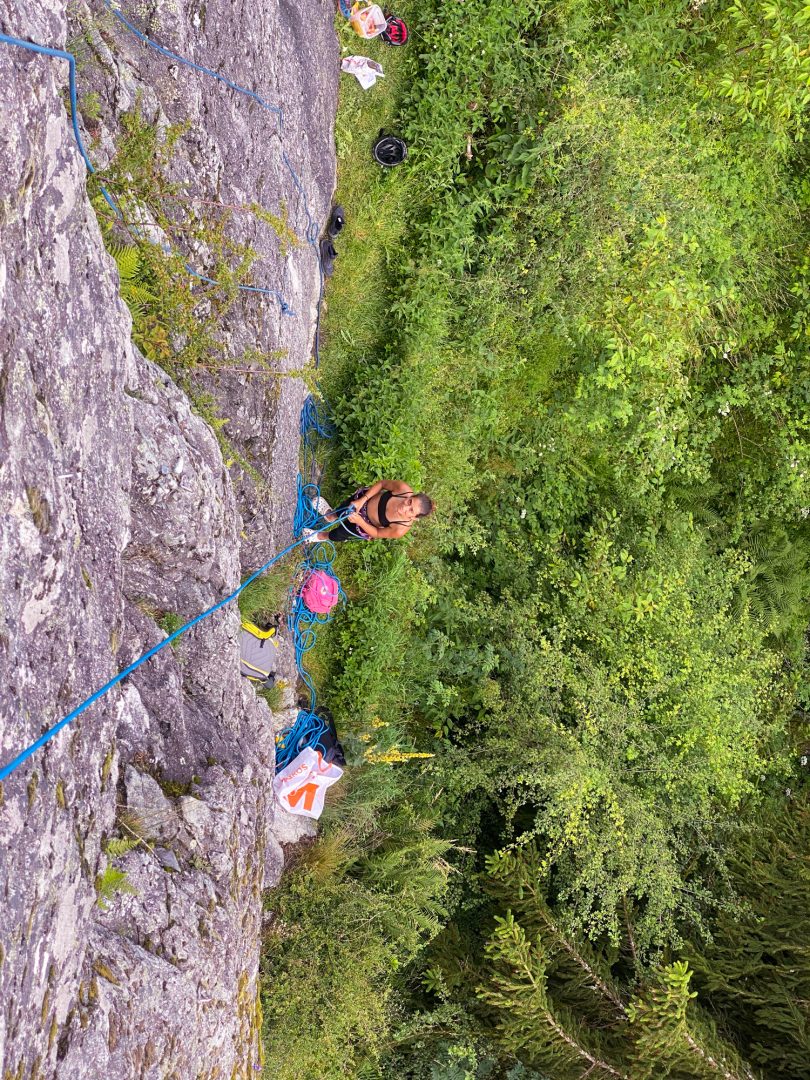
- guided glacier walks with certified mountain guides (age 12+);
- via ferrata and climbing (age 10+);
- multi-day hut treks (age 12+).
- Outcome: campers build risk-awareness, navigation skills and endurance.
-
Science / STEM camps (STEM camp Switzerland)
- Focus: hands-on maker work, sensors and data tied to field questions.
-
Sample activities:
- build a waterproof temperature logger (age 10+);
- citizen-science water-quality sensors (age 12+);
- data-logging and basic coding (age 9+).
- Outcome: kids learn experimental design, hardware basics and how to turn measurements into meaning.
-
Language-immersion / bilingual camps (language immersion camp Switzerland)
- Focus: daily practice in DE/FR/IT, real-life language use and creative expression.
-
Sample activities:
- bilingual theater workshops (age 8+);
- guided hikes with language prompts (age 6+);
- conversation circles (age 7+).
- Outcome: campers improve fluency, cultural confidence and practical vocabulary.
-
Arts & cultural camps
- Focus: outdoor installations, nature journaling and local food traditions.
-
Sample activities:
- landscape sketching and installations (age 6+);
- alpine cheese workshop (age 10+);
- food-culture trail (age 8+).
- Outcome: children develop creative observation, craft skills and regional cultural knowledge.
Use these pointers when choosing a program: match activity intensity to age, confirm certification for mountain or water activities, and check the advertised staff-to-child ratio 1:6–1:12 for the session. If you want program ideas or a closer look at nature-focused curricula, see our piece on camps that inspire curiosity.
https://youtu.be/LjKCu4dq0Zs
Nature as curriculum — how the Swiss landscape fosters wonder
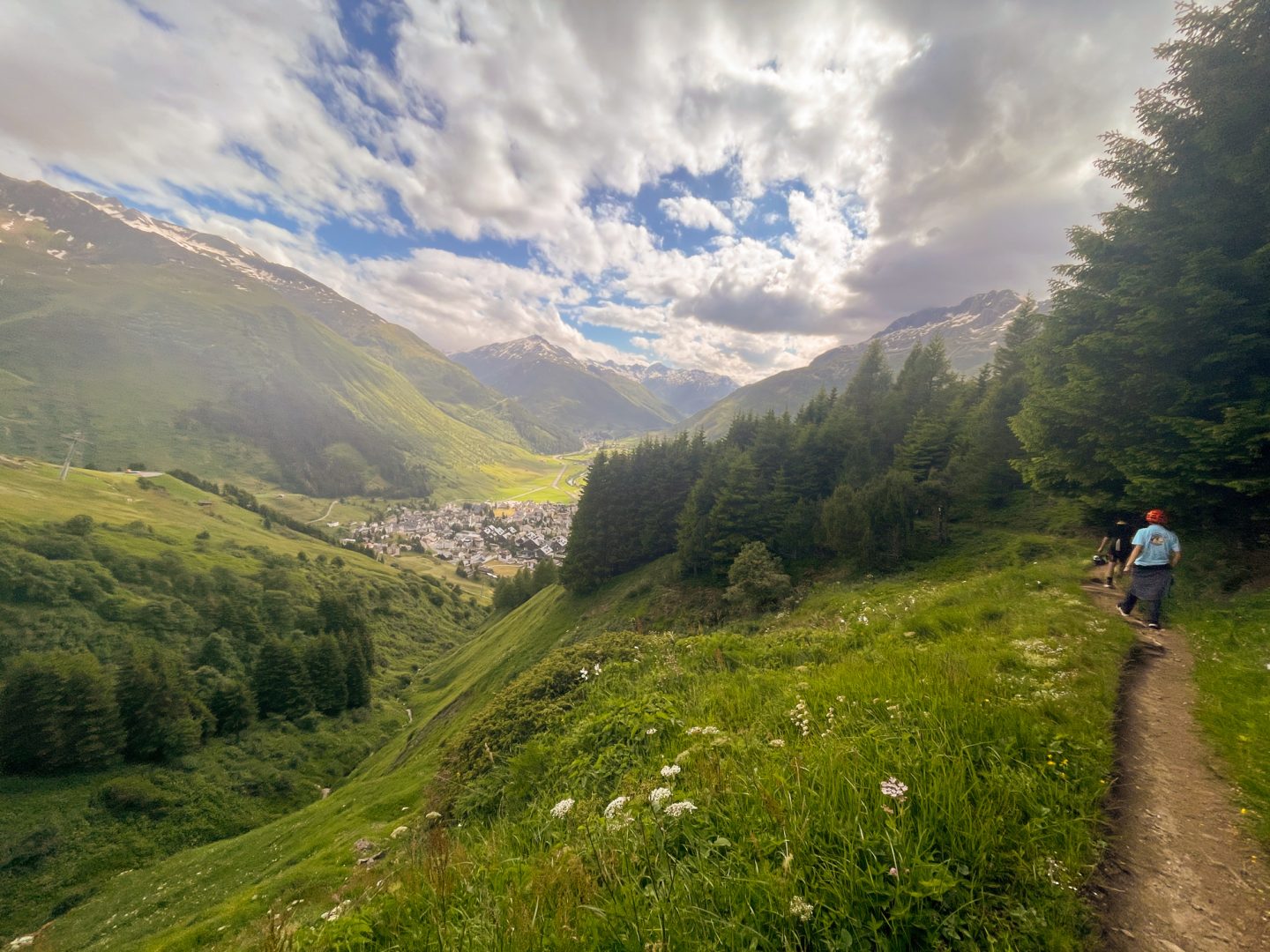
We position the landscape as the primary teacher. With the Alps covering about 60% of the country, mountain ridges, glaciers and lakes form daily prompts for observation, measurement and questions. Alpine zones and glaciers provide clear lessons in scale: moraine features and melt lines become timelines children can read. Iconic fauna like ibex and chamois turn tracking into inquiry. Primary lakes — Lake Geneva, Lake Zurich and Lake Lucerne — let kids sample water, map currents and study habitat gradients. Seasonal alpine wildflowers and insect life offer fast feedback loops for experiments in phenology and pollination.
Nature-based learning benefits show up quickly. Time outside sharpens attention, lowers stress and increases activity — findings supported by Rickinson et al. 2004. We also tie field notes to regional science. For glacier work we compare observations with glacier monitoring MeteoSwiss to ground student hypotheses in real datasets. That link to professional monitoring makes the science feel immediate and serious.
Glacier detective — an example module
The compact, data-rich module we call Glacier detective focuses on hands-on observation, measurement and data comparison. Activities include:
- Measure historical melt lines on a moraine and mark them on a field sketch.
- Sketch the glacier margin, noting debris bands and meltwater channels.
- Record daily temperature and snowline; graph seasonal change back at base.
- Compare on-site notes to glacier monitoring MeteoSwiss and discuss trends and drivers.
Daily structure and practical timing
We recommend programs commit to at least 3+ hours outdoor learning per day. A clear daily rhythm helps students engage and produce usable data.
Sample daily breakdowns to achieve 3+ hours outdoor learning/day
- Morning fieldwork (2–3 hrs): transects, species ID, glacier margin mapping.
- Midday reflection (30–45 mins): journals, quick data entry, sketch reviews.
- Afternoon project/lab (1–2 hrs): data plotting, hypothesis testing, mini-experiments.
Tips for implementation
Practical approaches that keep learning manageable and rigorous:
- Rotate microhabitats each day so campers compare alpine scree with lakeshore and meadow.
- Use simple tools — thermometers, hand lenses, transect tapes — and teach data hygiene early: consistent units, labeled notebooks, photo logs.
- Small group rotations keep attention high and let leaders scaffold complexity.
Vignettes from the field
Leaders often report a “sense of scale” moment: “Standing on a moraine above a valley, campers suddenly ask how long this glacier took to form.” Another leader notes, “That view sparks both scientific questions and big-picture thinking about climate and time.” Those moments convert curiosity into sustained inquiry.
We frame local wildlife encounters as research opportunities rather than spectacles and encourage teachers to explore the campus-style approach in our Swiss nature classroom to deepen program planning.

Pedagogy and measurable learning outcomes that foster curiosity
We use a handful of pedagogical approaches that intentionally spark curiosity. These methods are practical and measurable in Swiss camp settings and link directly to curricular goals.
I employ inquiry-based learning (Swiss models) that start with learners’ questions and scaffold scientific habits. Project-based fieldwork places kids in real contexts where hypotheses meet data. Play-based exploration keeps motivation high and supports early experimentation. Guided discovery gives structure when skills or safety require adult direction. Place-based education leverages local Swiss landscapes to make learning concrete; we at the Young Explorers Club link this hands-on work to local resources like nature trails and museums via camps that inspire curiosity.
Curriculum alignment opportunities
I map activities to Leitbilds in Lehrplan 21 and PER (Plan d’études romand) by focusing on cross-curricular competencies: problem-solving, collaboration, languages and scientific literacy. Practical mapping examples:
- Inquiry tasks → Science & Technology competencies in Lehrplan 21 / PER.
- Project presentations → Oral language and media competencies.
- Fieldwork data collection → Numeracy and statistical reasoning.
Use short learning outcomes that teachers can drop into reporting templates. That keeps camps audit-ready and attractive to schools.
Ready-to-publish lesson plan: “Pond Detectives” (Age 9–11)
Materials and core info:
- Objectives: practice scientific observation, measure water quality variables, communicate findings.
- Materials: pH strips, turbidity tube, nets, ID keys, data sheets, clipboards, pencils.
- Duration: total ~135 min.
Activity flow:
- Question (15 min) — pose hypotheses about pond health and note expectations.
- Exploration (60 min) — collect water samples, measure pH and turbidity, survey macroinvertebrates with nets and ID keys.
- Recording (30 min) — enter data on sheets, sketch the site, categorize organisms by family/group.
- Reflection (30 min) — compare results to hypotheses, calculate basic stats, present findings to peers.
Measuring curiosity and learning
I recommend validated instruments and practical measures: CEI-II to quantify curiosity shifts in older children, SDQ for wellbeing monitoring, and PedsQL for broader quality-of-life outcomes. Track physical activity with accelerometers or pedometers. Measure language gains with brief pre/post functional phrase tests tied to curriculum goals.
Reporting results and interpretation
Report quantitative outcomes as mean ± standard deviation, include sample size (n) and pre/post evaluation % change for each key indicator. For example: mean CEI-II score 3.4 ± 0.6 (n=25), pre/post evaluation % change +18%. For small cohorts supplement numbers with qualitative vignettes and representative quotes. Present simple visual summaries (bar charts of mean ± SD) in teacher reports to aid uptake by schools.
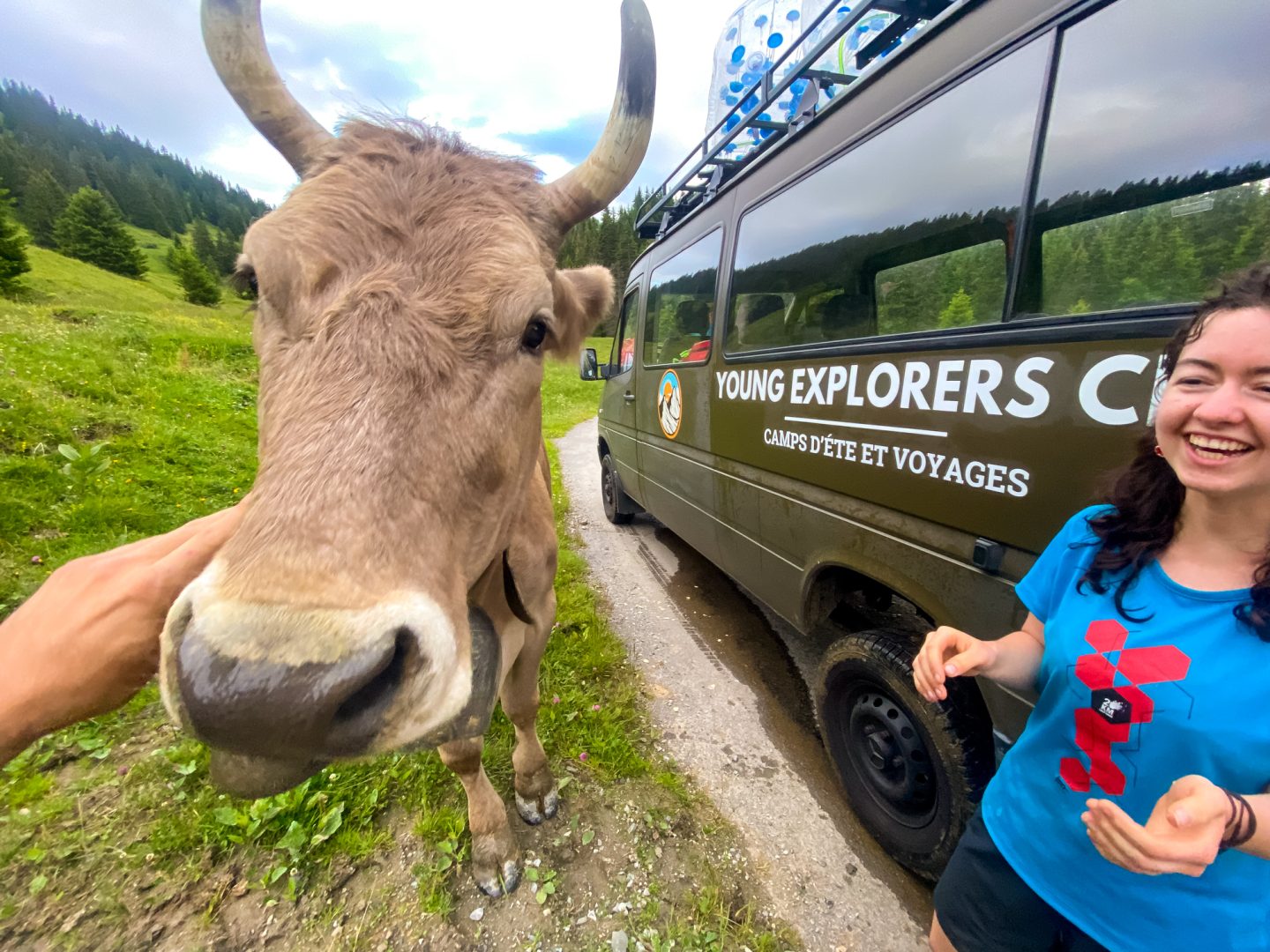
Multilingual and cultural immersion — sparking curiosity through language and place
We, at the Young Explorers Club, design programs that use Switzerland’s 4 official languages as active learning tools rather than optional extras. Our bilingual camp Switzerland tracks mix scheduled language blocks with immersive prompts on hikes, activity-based practice in cooking and theatre, and field-journal tasks in the target language. Our goal is to make language a way to explore place and culture, not just a classroom subject. We also integrate short, situational prompts — for example, a German-only trail riddle or a French-market role play — so campers meet vocabulary in context and repeat it through play.
We know bilingual exposure supports cognitive flexibility and executive function, so we build activities that challenge attention shifting and problem solving in another tongue. Our sessions keep cognitive load manageable: we start with high-frequency functional phrases, then scaffold to simple conversational tasks and collaborative projects. We pair mixed-ability groups so stronger speakers model language use and novices practice without pressure. We use local cultural touchpoints — songs, recipes, regional wildlife terms — to strengthen memory through meaning. We also use reflection prompts in campers’ field journals to cement learning and observation skills.
We embed measurable outcomes into every program. We quantify language exposure during the camp day and test functional gains with short, practical assessments. We report changes as percent change in functional phrase scores and include sample-size-based confidence statements so readers can interpret effect sizes responsibly. We also collect at least one camper quote that captures a language “wow” moment to bring the results to life.
Recommended metrics and author checklist
- Percentage of camp activities conducted in the target language (daily average and overall program percentage).
- Pre/post functional phrase test: simple recognition and production tasks scored as percent correct.
- Percent change in functional phrase scores between pre and post tests, with n = sample size and a confidence statement tied to sample size (for example, “X% improvement; n = Z campers; results consistent with a small/medium effect size given sample”).
- Description of immersion intensity (e.g., bilingual tracks, language-specific days, or activity-based practice like cooking/theatre).
- A short camper quote about a language “wow” moment and consent to publish.
- A note on assessment methods (who administered tests, time between pre/post, and criteria for scoring).
We recommend aiming for a clear immersion threshold (for example, stating that 60–80% of core activities are in the target language for a true immersive track). We also ask authors to request explicit measurement methods from providers before publishing and to confirm permissions for any quoted material.
Mini wordlist and morning greetings used at camp (sample):
- German: Guten Morgen! Wie geht’s? (Good morning! How are you?)
- French: Bonjour! Ça va? (Good morning! How are you?)
- Simple phrases we practice quickly: Danke / Merci (Thanks); Ich heiße… / Je m’appelle… (My name is…); Wo ist die Toilette? / Où sont les toilettes? (Where is the bathroom?)
Case-example template to collect from providers:
- “A 7‑day bilingual camp (ages 8–11) — reported X% improvement in basic conversational phrases (pre/post functional phrase test), Y% of activities in target language, n = Z campers.” We ask camps to fill X, Y and Z with real numbers and to confirm written consent before publication.
We integrate one practical resource for readers who want to see how language ties into exploration: language immersion. We also make sure copy includes the keywords that help discoverability: multilingual camps Switzerland, language immersion, 4 official languages, bilingual camp Switzerland, cognitive flexibility language exposure.

Activities that ignite curiosity — practical elements, safety and access
Hands-on activities: age targets, objectives, gear and safety
I structure activities by age so curiosity grows with competence. For early primary (6–8) I focus on simple identification and guided discovery. For upper primary (9–12) I add tools and small-team projects. For teens (13+) I push toward independent investigation and data collection.
Hiking & geology walks
- Objective — map moraines, identify common rock types, learn compass basics.
- Equipment — field guides, compasses, hand-lenses, durable boots.
- Safety — pre-planned routes, group check-ins, route cards for older groups and first-aid certified staff on every hike.
Note: I reference the idea behind our field days in pieces like camps that inspire curiosity and give participants clear, achievable goals.
Night-sky astronomy
- Objective — teach constellation recognition, basic telescope use and observational logs.
- Equipment — binoculars or small telescopes, star charts, red headlamps.
- Safety — cold-weather layers, headlamp rules (red light only during sessions), strict buddy systems and shore-based warm-up zones after observing.
I tie this into our programs on astronomy Switzerland to help campers connect sky science to local mountain horizons.
Water ecology & lake testing
- Objective — basic limnology skills, simple data collection and interpretation.
- Equipment — pH strips (typical lake pH 6.5–8.5), turbidity tubes, nets for macroinvertebrates, sample jars.
- Safety — lifejackets near water, shore-based testing protocols, adult supervision at all times.
I pair these sessions with guided science experiments so results feel meaningful and repeatable.
Wildlife tracking & camera-trap projects
- Objective — learn sign ID, set and monitor trail cameras, analyze activity patterns.
- Equipment — trail cameras, tracking guides, GPS markers.
- Safety — maintain safe distances, never feed animals, get written permissions for camera placement and follow privacy rules.
Our notes on exploring Swiss wildlife help frame respectful approaches to sensitive habitats.
Maker and robotics for environmental sensing
- Objective — build simple environmental sensors and loggers, link coding to real readings.
- Equipment — microcontrollers, low-cost sensors, waterproof housings and portable batteries.
- Safety — dry/lab areas for electronics, electrical-safety oversight, supervised soldering or assembly.
I map these modules to themes used in maker camp Switzerland and encourage incremental difficulty so learners see tangible results.
Nature journaling & outdoor art
- Objective — improve observation, reflection and aesthetic connection to place.
- Equipment — sketchbooks, waterproof pens, portable field chairs.
- Safety — sun protection, safe use of scissors and craft knives when needed.
I suggest pairing pages with nearby interactive exhibits so campers compare field sketches with museum displays (interactive exhibits).
Food, cultural and outdoor cooking workshops
- Objective — connect local food heritage to landscape and seasons.
- Equipment — basic cookware, hygiene kits, clearly labeled ingredients.
- Safety — dietary labeling, allergy protocols, secure permits for open-fire cooking.
We follow cantonal regulations for any open-flame work and document all dietary needs before arrival.
I integrate short reading or follow-up modules that encourage participants to discover new interests and encourage creativity. Practical tools like low-commitment experiments and repeatable observation sessions build confidence and curiosity.
Safety, regulation, access, costs and parent checklist
I keep administrative duties transparent so parents trust the program. Camps operate under cantonal regulations and many staff hold BASPO or equivalent certifications. Standard provisions include first-aid certified staff, emergency response plans, background checks and insurance. Typical staffing expectations we communicate are staff-to-child 1:6–1:12 for day camps and 1:6–1:8 for residential programs; verify specific ratios with providers and for activity types.
I advise organizers to publish clear cost templates and participation data. Typical camp cost CHF ranges we use for planning are:
- Day camps: CHF 200–600/week
- Residential: CHF 700–2,000/week
We point families toward scholarships Pro Juventute and cantonal or local foundations to widen access. Camps should report participant demographics (ages, canton of origin, % first-time campers) and simple outcome metrics like “30 campers; 80% reported increased interest” to show impact.
Use this case-study template when collecting stories (obtain permissions):
- Camp name + location
- Program length
- Age group
- Three activities that sparked curiosity
- Measurable outcome (e.g., “30 campers; 80% reported increased interest”)
- One camper quote and one staff quote
Parents should verify the following before enrollment:
- Up-to-date immunizations
- Travel & health insurance
- Dietary/allergy accommodations clearly documented
- Staff qualifications and background checks
- First-aid and emergency-response plans
- Required packing list (weather-ready clothing, sun protection, water bottle)
- Registration timelines (many camps open registration in winter/early spring)
For resources and deeper reading I link to our guides on outdoor learning, science experiments and program design so organizers can shape sequences that actually stick: outdoor learning, science experiments, discover new interests, camps that inspire curiosity, encourage creativity, Swiss nature classroom, outdoor play matters, astronomy Switzerland, exploring Swiss wildlife, interactive exhibits, encourage creativity.
Recommendation: I recommend providers publish a simple accessibility and cost statement using the tag “camp cost CHF” and list available scholarships Pro Juventute to make participation decisions easier.
https://youtu.be/CQ0P2d38mDM
Sources
Swiss Federal Statistical Office — Population
Swiss Federal Statistical Office — Environment, land use and forests
MeteoSwiss — Glaciers and permafrost
Swiss National Park — Facts and history
Federal Office of Sport (BASPO) — Home / Leistungen
Pro Juventute — Services for children and families
Plan d’études romand (PER) — Plan d’études romand
Kashdan, T. B., et al. — Curiosity and Exploration Inventory-II (CEI‑II)
SDQinfo — Strengths and Difficulties Questionnaire (SDQ)
European Environment Agency — Links between green space and health
Hostelling International Switzerland — Youth hostels & youth programmes