Teen Summer Camp In Switzerland: Independence And Growth
Swiss teen summer camps in the Alps boost independence, leadership and language skills with strict safety—best in 2-3 week sessions.
Swiss teen summer camps
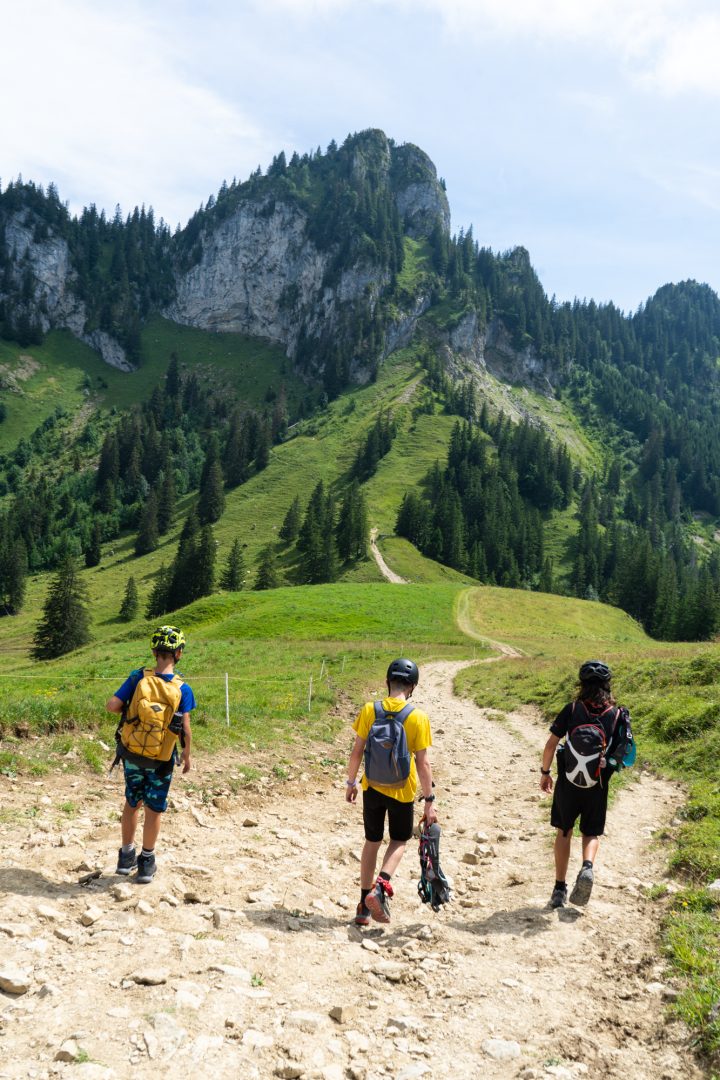
Swiss teen summer camps pair daily chores, planned outdoor challenges, and language immersion to boost independence, leadership, and social confidence. Set high in the Alps, camps host multilingual cohorts. Staff follow strict medical and safety protocols. Sessions run 1–4 weeks; we recommend 2–3 weeks for meaningful gains. Programs balance adventure, language practice, and the logistical details parents must check.
Key Takeaways
- Daily responsibilities (laundry, budgeting, meal prep, leading small groups) and progressive challenges develop practical autonomy and resilience.
- Camper surveys and staff assessments often report large gains in confidence and independence. Language tracks can deliver modest CEFR progress over a few weeks. Always verify program claims.
- Switzerland offers high safety standards, mountain access, and natural multilingual immersion. Confirm staff-to-camper ratios, certifications, and emergency plans.
- Typical programs run 1–4 weeks (we recommend 2–3 weeks). They provide about 6–8 activity hours per day. Expect extra charges for specialist guides or equipment.
- Before booking, check passport and visa rules, travel insurance, medical forms, staff background checks, and detailed cost, deposit, and refund policies.
https://youtu.be/
How Swiss Teen Camps Build Independence and Growth
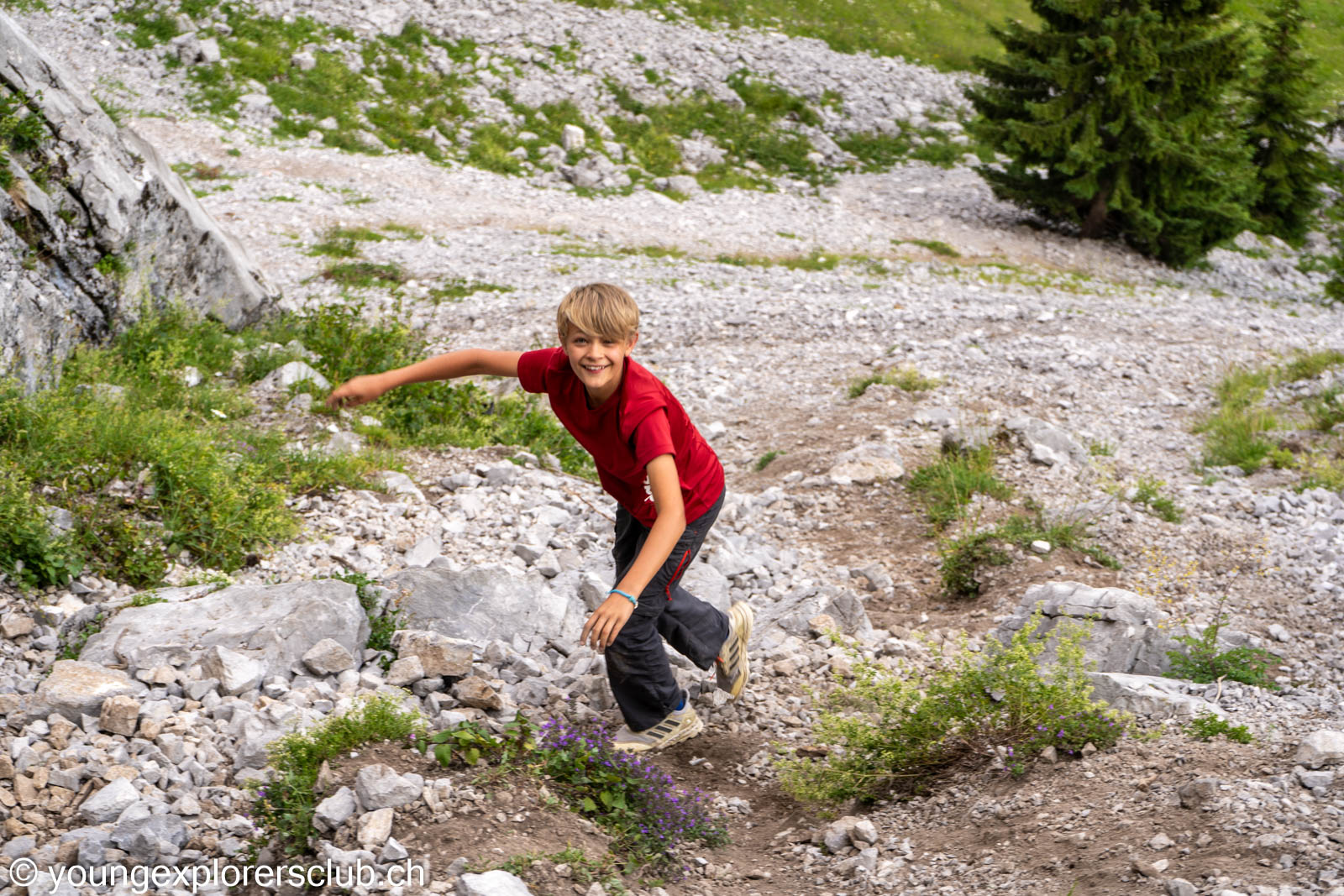
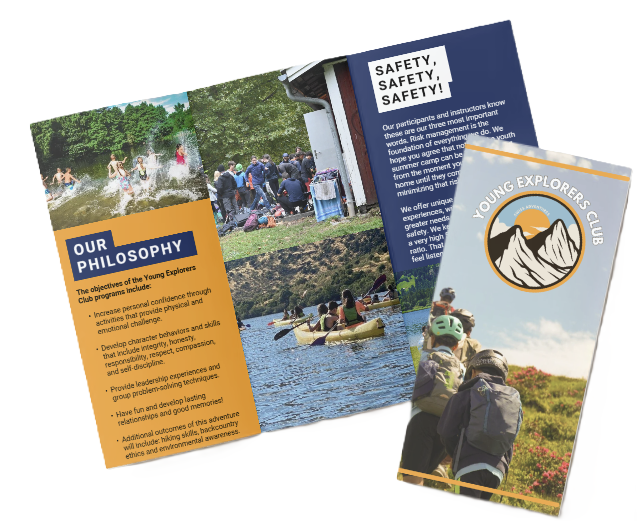
We, at the Young Explorers Club, run programs that push teens out of their comfort zones and into practical independence. Our camps pair everyday responsibilities with structured challenges so growth happens while they’re busy having fun. I focus on clear skills and measurable outcomes.
Daily responsibilities that build autonomy
Teens gain independence by handling routine tasks and small responsibilities every day. Below are the typical activities that produce durable life skills:
- Managing laundry and personal gear without reminders.
- Following a daily schedule and coordinating transport to activities.
- Packing for hikes and checking safety equipment.
- Preparing basic meals or choosing healthy options at mealtimes.
- Keeping a simple budget for snacks and souvenirs.
- Leading a small group on an excursion or camp project.
Social, emotional and measurable gains
International cohorts force teens to communicate across cultures. We put them in teams where conflict resolution, language practice and leadership rotate naturally. That repeated experience raises social skills and confidence. Empirical evaluations back this up: ACA — The Value of Camp (ACA, 2018) reports that a majority of campers note increased confidence and willingness to try new things. ACA and related camp research also show many studies with >50–70% of campers reporting gains in independence and self-assurance.
Reduced screen time at camp accelerates these changes. With fewer digital distractions, teens develop resilience and better coping strategies. We see improved self-efficacy when participants solve logistical problems or lead peers through a challenge. Programs that include language instruction sometimes advertise gains of 1–2 CEFR sublevels in 2–4 weeks; treat that as an example and verify progress claims with each program.
I also encourage parents to check program evaluations and ask about pre/post assessments. Measurable examples to request:
- Camper self-assessment surveys before and after camp.
- Staff observations on leadership and teamwork.
- Language-placement tests for programs claiming CEFR gains.
“I went from hesitating to lead a group to planning and running a day-hike for my peers — I feel so much more capable.” — former camper, 16
“Our daughter returned more independent, making her own schedule and trying new activities without us having to push.” — parent of a 14-year-old camper
We integrate these outcomes into every session and recommend families read more about our approach on our teen summer camps page.

Why Switzerland: Safety, Mountains, and Multilingual Immersion
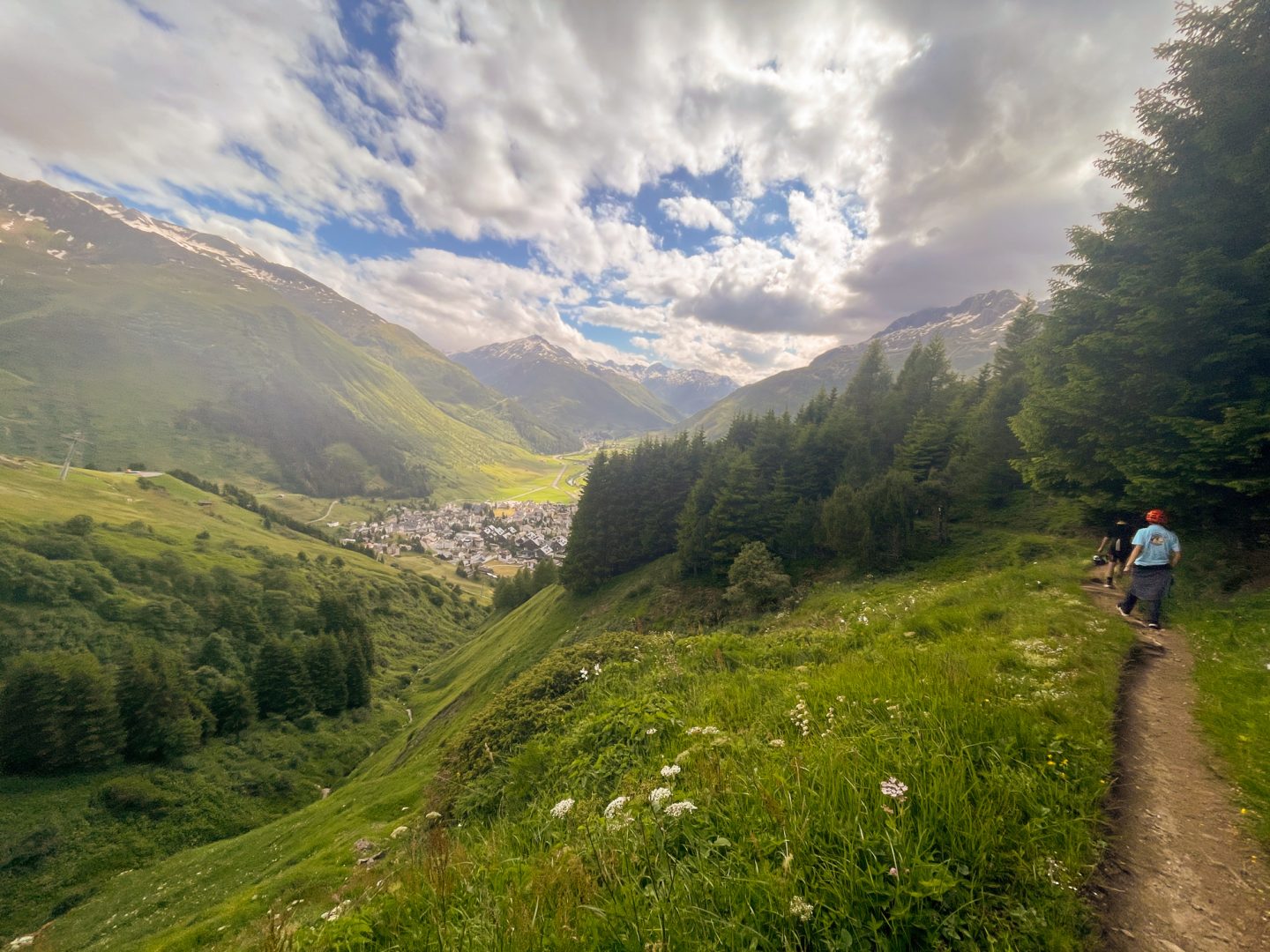
We, at the Young Explorers Club, choose Switzerland because it combines premium service with genuine outdoor access. Parents pay more, and they get more: consistently high safety standards, clean infrastructure, and mountain skills taught by experienced international providers. The Alps are at the doorstep, with well-maintained trails, lifts, and rescue services that let teens push personal limits without unnecessary risk. Camps here commonly run multilingual programs; German, French and Italian meet English in many international cohorts, so language practice happens naturally in activities and free time.
We emphasize practical choices for parents and teens. Look for camps that publish staff-to-camper ratios, medical protocols, and mountain safety plans. Expect one-week to four-week session lengths, with 2-week and 3-week options very common and usually the best balance for skill growth and homesickness management. Full-summer residential stays are less common for international attendees, so plan travel and visas accordingly.
Geographic highlights and one-line activities
Here are key regions and the short activities that define them:
- Valais (Zermatt, Verbier): high-alpine hiking, glacier excursions, ski and high-altitude clinics.
- Bernese Oberland / Bern (Interlaken, Grindelwald): canyoning, tandem paragliding, mountain biking.
- Vaud (Montreux, Lausanne) / Lake Geneva: lakesports, cultural day trips, museum visits.
- Ticino: Italian-language immersion and Mediterranean-style outdoor days.
Audience, session lengths and language exposure
Ages typically range 12–18, with some programs listing 13–17 — always verify each camp’s bracket before booking. Session length options run 1–4 weeks, though we recommend prioritizing 2-week or 3-week stays for meaningful progress and social bonding. Look for camps that explicitly offer English plus regional language opportunities. Bilingual tracks or English-only international cohorts work best. They let less fluent teens join safely while still exposing them to German, French or Italian during excursions and cabin life.
We advise parents to weigh cost against alpine access and services. Switzerland’s strong safety record and mountain infrastructure set it apart from Mediterranean beach camps and many U.S. wilderness offerings. If alpine adventure and reliable support matter most, Switzerland is hard to beat. For planning details and program comparisons, see our guide to teen summer camps.

Programs and Activities: Adventure, Language, Leadership and Arts
Program types and typical activities
We, at the Young Explorers Club, run a mix of focused and multi-activity international programs so teens build skills and confidence fast. Our main program types include the following:
- Adventure / Outdoor
- Language immersion
- Academic & STEM
- Arts & Performance
- Leadership & Service
- Multi-activity international tracks
For parents and campers who want the full overview, I recommend our teen summer camps link for program details.
Typical activities you’ll see on a weekly rotation include:
- Hiking, high-altitude treks and glacier visits (may need medical clearance)
- Via ferrata (route planning, rope/harness use; waiver & medical clearance)
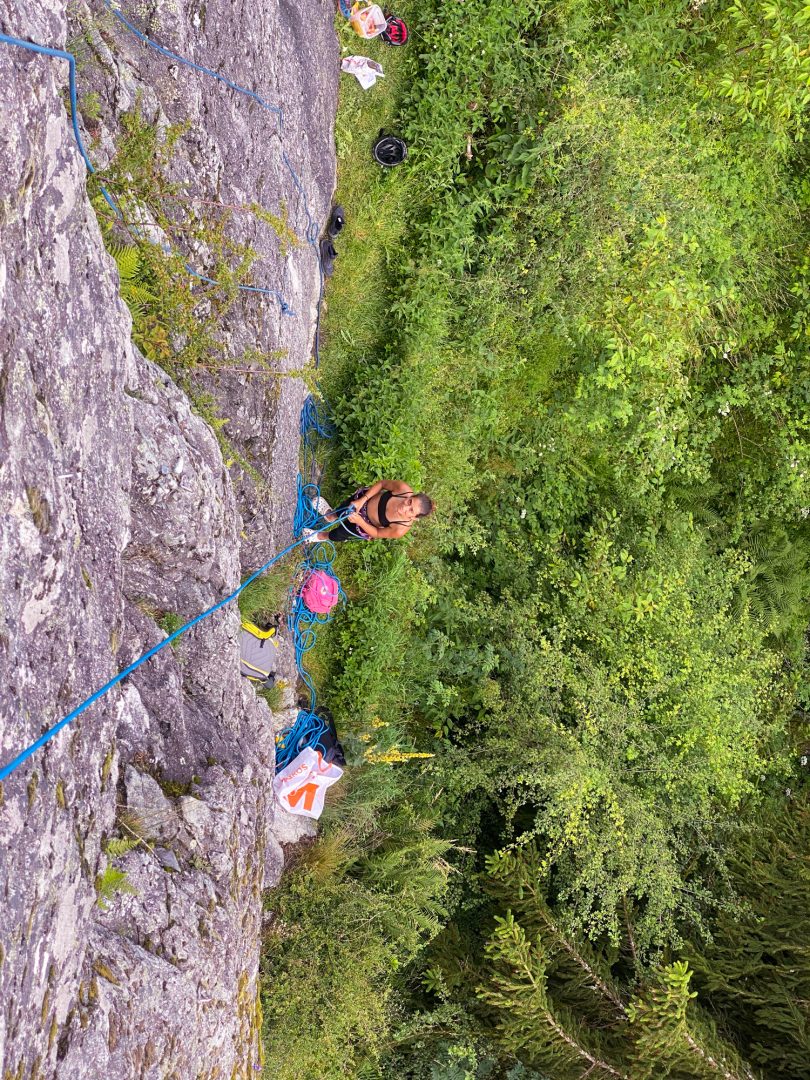
- Rock climbing and outdoor climbing (belaying, knotwork; certified instructors)
- Mountain biking and trail clinics (helmet & protective gear required)
- Paragliding tandem flights (weather awareness; age/weight limits, certified pilot, extra cost)
- Canoeing/kayaking and stand-up paddleboarding (SUP) (lifejackets, swim test)
- Ropes courses and team challenges (higher staff supervision)
- Ski/snowboard glacier programs (special equipment, medical sign-off)
- Cultural excursions to Geneva, Zurich, Lucerne and museum visits
- Leadership workshops, community service projects and arts/performance sessions
Skills, safety, staffing, schedule and costs
I design each activity to teach concrete skills while keeping safety the top priority. Examples include via ferrata skills such as route planning, harness use and exposure management; paragliding focuses on weather interpretation and basic ground handling; rock climbing emphasizes belaying, knotwork and route reading; paddlesports build paddling technique and water safety. We require helmets, harnesses and certified guides for high-risk activities, and we often need signed waivers, physician clearance or age/weight minimums.
Staffing adapts to risk. Typical staff-to-camper ratios range from 1:6–1:12 depending on activity intensity, with lower ratios for climbing, paragliding and glacier work. Daily programming runs about 6–8 activity hours, mixing structured instruction and free time. A sample week looks like this:
- Monday morning language class or skills clinic (2 hrs), midday adventure session (3–4 hrs), afternoon electives (2 hrs) and an evening cultural or social program (1–2 hrs)
- Tuesday–Friday rotate specialty sessions
- Weekend brings either a full-day excursion or a lighter cultural day
Expect some add-on costs for specialist guides, equipment rental or tandem flights. We’ll always flag activities that need waivers, age/weight minimums, medical clearance, or extra fees so families can plan ahead. For how Swiss camps balance independence and safety, see our page on how we foster independence.

Logistics: Cost, Accommodation, Staff, Safety and Travel
We, at the Young Explorers Club, present clear practical details so families can compare options and decide quickly.
Costs
Costs vary by camp model and inclusions: day camps typically run CHF 200–600 per week; residential programs with boarding and activities usually range CHF 1,000–4,000 per week; elite or private-school multi-week programs can run CHF 6,000–15,000+ for 2–4 weeks. Always request a full cost breakdown so you know whether meals, insurance, excursions, equipment rental and transfers are included.
Accommodation options
Accommodation options generally fall into predictable categories:
- Campus or boarding-school dorms provide structured supervision and shared common spaces.
- Chalet-style shared rooms feel more intimate and are common in mountain programs.
- Homestays are rare but available in select language or cultural programs.
- Family-run hostels and hotel-based luxury programs appear for higher-end offerings.
Staff composition and safety practices
Staff composition and safety practices are non-negotiable. A typical team includes:
- International counselors
- Activity specialists (mountain guides, water-sports instructors)
- Medical staff (on-site nurse or first-aid-trained staff)
- Overall director
Camps should perform criminal-record checks, provide safeguarding training and publish clear emergency plans. Typical staff-to-camper ratios sit between 1:6 and 1:12, with tighter supervision for high-risk activities like climbing or white-water sports. I check staff credentials and request child-protection training details before we confirm placements.
Medical and safety protocols
Medical and safety protocols are standard across quality Swiss programs. Many require up-to-date vaccinations, a completed health form, emergency contact details and proof of insurance. Camps normally provide 24/7 supervision and should state their on-site medical capability clearly (first aider, nurse, or doctor on call). Swiss emergency services and hospitals have high standards; camps should give an emergency plan and the nearest hospital contact.
Travel logistics
Travel logistics concentrate on a few arrival hubs and supervised transfers. Main international airports are Geneva (GVA) and Zurich (ZRH). Rail plus local transfers are common, and many camps offer airport pick-up and supervised group transfers on set arrival and departure dates. Local train stations can be used for supervised rail arrivals. I recommend confirming exact transfer times and whether a staff member meets arriving teens.
Essential travel checklist
Below is a compact list to verify before travel:
- Passport validity: at least six months beyond travel dates.
- Visa: Schengen rules for non-EU visitors; confirm early.
- Travel insurance: include medical evacuation and activity cover.
- Health paperwork: completed form, vaccination records, and medication instructions.
- Parental consent: signed forms if teen crosses borders or travels unsupervised.
- Transfers: airport pick-up or supervised rail arrival confirmed in writing.
- Staff checks: written proof of background checks and safeguarding training.
- Emergency info: camp emergency plan and nearest hospital details.
For programme specifics and dates see our teen summer camps.

Choosing the Right Camp: Comparison Criteria, Providers and Checklist
We focus on practical, measurable criteria so families can compare options quickly. We expect camps to meet clear standards in every area that affects a teen’s safety and growth.
Start by confirming age fit and cohort makeup. Camps should group teens by narrow age bands so activities and social dynamics match developmental needs. Ask whether international or single-nationality cohorts dominate each session.
Check staff training and ratios closely. We want to see minimum qualifications, ongoing training, and clear ratios for routine activities and high-risk outings. Request explicit numbers for day programs, overnight hikes and specialized instruction.
Verify safety certifications and medical coverage. Look for Swiss canton supervision or recognised international accreditations. Confirm on-site medical personnel, evacuation plans and the scope of insurance included. We insist on written medical policies that spell out medication management and emergency protocols.
Compare activity portfolios and language instruction side by side. Quality programs balance adventure, leadership challenges and structured language classes. For language-focused sessions, ask for proficiency targets and teacher qualifications. If you value independence-building, choose programs with progressive challenge ladders and instructor-led reflection.
Inspect accommodation standards and logistical support. Dorm-style rooms, single or shared cabins, and bathroom arrangements matter for comfort and privacy. Evaluate travel logistics: supervised airport transfers, arrival protocols and staff meet-and-greet plans. We usually point families to our overview of teen summer camps for examples of structured arrival procedures.
Demand cost transparency and clear deposit/refund terms. Providers should list tuition, extras, exam or certification fees, and optional excursions. Typical deposits run 10–30% of the program fee; get cancellation policies in writing and verify timelines for refunds. Ask about mandatory insurance and whether you can add third-party medical cover.
Confirm accreditation or affiliation. Look for applicable ACA-style accreditation when programs are international, Swiss canton oversight for local operations, and independent school accreditations for school-run programs. We also recommend checking independent reviews and references to validate claims.
Decision checklist
Copy or print this checklist for enrollment conversations and site visits:
- Age fit
- Session length
- Included services (meals, laundry, transfers)
- Medical policy
- Past inspection or accreditation
- References & reviews
- Deposit & refund policy
Questions to ask and Swiss providers to research
Ask direct, operational questions and record the exact responses. Sample questions we always recommend parents pose:
- What is your staff-to-camper ratio for overnight hikes?
- Can you provide sample menus and allergy policies?
- Do you provide supervised airport transfers on our travel day?
- What percentage of staff are trained in Wilderness First Aid or hold national mountain-guide certifications?
Research these representative Swiss providers to match programme focus and session length. Keep session lengths and age ranges in mind when comparing:
- Les Elfes International — multi-activity international camp with an English focus; typical sessions 1–3 weeks for ages 8–17.
- Aiglon College — boarding leadership and academic summer programmes with an emphasis on character development.
- TASIS The American School in Switzerland — summer school with language and arts options and academic tracks.
- Institut auf dem Rosenberg — elite leadership and skills programmes for high-achieving teens.
- St. George’s International School — activity camps combining sports and outdoor skills.
- EF (Education First) — language and activity summer programmes aimed at rapid language gains.
Confirm deposit norms and discount practices during enrollment. Ask whether early-bird or sibling discounts apply; common ranges are 5–10%. Verify eligibility, blackout dates and payment deadlines.
We at the young explorers club flag any vague or evasive answers immediately. Clear, written policies and specific staff qualifications tell you a camp takes teen independence and safety seriously. For how Swiss camps balance independence with safety, check our notes on how they foster independence.
Practical Daily Routines, Packing Essentials and Parent Prep
We, at the young explorers club, run programs that balance challenge and safety; a typical residential day follows a steady rhythm.
- 07:30 — wake up and breakfast.
- 09:00 — morning language class or skills clinic (1.5–2 hrs).
- 11:30 — adventure session with safety briefing (hike, climbing) (3–4 hrs).
- 16:00 — workshops, electives or free time (1–2 hrs).
- 19:00 — dinner.
- 20:00 — evening program (games, cultural night, reflection) (1–2 hrs).
- 22:00 — lights-out (teens typically 21:30–22:30).
Daily active programming usually totals 6–8 hours; we schedule rest and social time around those blocks.
Packing essentials
Pack smart and light. Bring the following items and keep duplicates of critical documents in a separate place:
- Passport + photocopies, travel insurance card, and completed health form.
- All medications in original packaging with clear instructions.
- Layered outdoor clothing: base layers, fleece, waterproof shell.
- Sturdy hiking boots and trainers.
- Daypack, reusable water bottle, hat, sunglasses, sunscreen.
- Swimwear, towel, casual evening clothes, rain gear.
- Personal toiletries, any required power adapters, small flashlight or headlamp.
- Optional: notebook or journal, camera, and small spending money.
Parent and teen prep, electronics and travel checklist
We train teens in practical independence before arrival. Have them do laundry, pack their bag, and manage a small budget at home. Run a short emergency drill so they know procedures and whom to contact. Confirm vaccinations and keep medical forms current. Agree on phone rules and daily check-in windows before travel; many camps restrict device use, so confirm device policies with us. Expect mountain temperatures to swing 10–15°C between day and night even in summer and pack layers accordingly.
We recommend teens set two personal goals plus one social goal for the session. Talk through homesickness strategies and set realistic expectations about daily routines.
Copy and paste travel checklist reminders:
- Passport validity: recommend at least six months.
- Schengen visa requirements for non‑EU nationals.
- Travel insurance that includes medical evacuation coverage.
- Signed parental consent if crossing borders without both guardians.
- Copies of emergency contacts and health information.
Find practical program details and age-specific guidance on our teen summer camps page and contact us with any last-minute questions.
Sources
American Camp Association — The Value of Camp (white paper)
Swiss Federal Statistical Office — Tourism statistics
Federal Office of Public Health (Switzerland) — Travel and health guidance
Federal Department of Foreign Affairs (FDFA) — Travel advice and consular information
European Commission — Visa policy (Schengen)
Council of Europe — Common European Framework of Reference for Languages (CEFR)
International Federation of Mountain Guides Associations (IFMGA) — IFMGA / UIAGM overview
Swiss Federal Railways (SBB) — Travel and connections in Switzerland
World Health Organization — Travel and health
Frontiers in Psychology — Nature exposure and mental health: A review