The Best Summer Camp In Switzerland For Mountain Biking
Compare the best mountain bike camps in Switzerland: trails, certified coaching, safety and value—ideal youth MTB camps and adult weeks.
The best summer camp in Switzerland for mountain biking
The best summer camp in Switzerland for mountain biking balances trails, coaching, safety, accommodation/logistics and value. Our approach uses measurable trade-offs, not hype — we compare camps by objective thresholds. Look for clear data on trail access, coach credentials and safety inclusions.
Key Takeaways
Five pillars to judge camps
- Best camps balance five pillars: trail variety, coaching quality, safety, accommodation/logistics, and overall value. We value programs that score consistently across all five.
Trail standards to look for
- Minimum access: ≥50 km of accessible trail or a bike park with ≥3 varied downhill lines.
- Daily riding volume: look for daily verticals of about ~400–1,200 m — these numbers indicate how much riding you’ll actually get.
Coaching benchmarks
- Prefer camps that publish coach credentials such as Swiss Cycling–certified coaches and BFU/first-aid training.
- Coach-to-rider ratios: aim for ≤6:1 for youth and ≤8:1 for adults.
- Coaching time: expect 10–20+ coaching hours/week by level — prioritize camps that publish these figures.
Non-negotiable safety and logistics
- On-site first aid and AED.
- Clear evacuation plans and documented emergency procedures.
- Lift-pass or shuttle access for consistent uplift; secure bike storage and supervised windows for kids.
- Verify these items before you book.
Price and planning
- Typical range: week-long camps usually cost CHF 400–2,500. Normalize by price per riding hour to compare value.
- Booking recommendation: we at the Young Explorers Club recommend booking 3–6 months ahead for peak summer weeks.
Quick Take
We, at the Young Explorers Club, assert the single best summer camp in Switzerland for mountain biking balances trails, coaching, safety, accommodation, logistics and value. I focus on measurable trade-offs so you get a clear recommendation rather than hype.
Fast facts
Here are the baseline figures you’ll see across top programs:
- Typical duration: 3–7 days (week-long most common).
- Target ages: youth camps 8–17; adult camps 18+.
- Common price range: CHF 400–2,500 per week — ranges reflect inclusions like coaching, lift pass, bike rental, accommodation, meals and transfers; premium packages may add multi-day guiding and high-end gear.
- Booking lead time: book 3–6 months ahead for July/August.
-
Core evaluation metrics I use:
- trail variety
- coach-to-rider ratio
- safety protocols
- accommodation quality
- logistical ease
- overall value
What this guide does
We deliver a JSON-formatted article that helps you pick the single best camp for your needs by comparing measurable criteria and representative camp profiles using objective metrics and example profiles for “summer camp Switzerland mountain biking“, “best mountain bike camp Switzerland” and “youth MTB camp Switzerland“.
I’ll show scorecards for trail difficulty, coaching quality, safety systems, accommodation standards and cost-per-value, so you can easily compare options based on the metrics that matter.
If you’re focused on younger riders, check our youth MTB camp breakdown for sample itineraries, competency progression and recommended gear lists.

How We Define “Best”: measurable criteria and a comparison checklist
We, at the young explorers club, grade camps by hard numbers and operational practice. Each camp must meet objective thresholds so families know what they’re booking.
Trail access and profile matter most. I expect a trail network of ≥50 km or access to a bike park with at least three varied downhill lines. Daily ride choices should provide a vertical drop of 400–1,200 m so riders can progress from flow trails to serious descents. Variety must include cross-country loops, technical singletrack, and purpose-built skills areas.
Coaching determines improvement and safety. We require coach-to-rider ratio targets of ≤6:1 for youth and ≤8:1 for adults, with a practical aim of a 6:1 ratio in youth groups. Coaches should hold recognized credentials such as Swiss Cycling certification and current BFU first aid. Program intensity should hit 10–20 hours coaching/week: roughly 10 hrs for beginners, ~15 hrs for intermediates, and 20+ hrs for advanced tracks.
Safety and logistics are non-negotiable.
- On-site first aid and AEDs, with clear evacuation plans.
- Lift-access or shuttle service included or bookable.
- Daily child supervision windows outside riding hours for kids’ programs.
I prefer camps that include lift-pass options to maximize vertical descent and training time.
Accommodation, value and access influence the rating. I evaluate accommodation standard against price, clarify bike rental options and costs, and confirm transport links to the nearest station or airport. Sustainability practices — trail stewardship, waste reduction, and local hiring — factor into the overall score.
Use measurable thresholds when you compare options. We score each camp against these pillars and weight trail access, coach quality, and safety highest.
Comparison checklist (data to collect)
Collect these items for each camp and populate your comparison table:
- Trail km
- Maximum vertical descent (m)
- Number of downhill runs
- Coach qualifications (e.g., Swiss Cycling-certified, BFU first aid)
- Exact coach-to-rider ratio
- Hours of instruction per week
- Lift-pass inclusion or shuttle service
- Child supervision hours
- Accommodation type and standard
- Bike rental options and costs
Also use these recommended table columns to present results clearly:
- Location
- Age range
- Price/week (CHF)
- Trail km
- Max vertical drop (m)
- Coach ratio 1:6
- Lift access
For more on how we audit camps and coaching hours, see our mountain biking camp guide for parents.
Top destinations and representative camp profiles to highlight
We map the key Swiss MTB hubs by elevation and then profile representative camps so you can compare style, coaching and price. For quick background read our mountain biking camp guide for parents.
Representative camp mini-profiles
-
Verbier bike camp — Verbier 1,500 m (Verbier Bike School / Verbier Youth MTB Camps)
- Who it’s for: intermediate to advanced riders seeking lift-access enduro.
- Typical camp dates: July–August weeks.
- Price/week: CHF 800–1,800 (coaching + lift options).
- Age groups: youth 10–17, adults 18+.
- Coach qualifications: Swiss Cycling-certified, BFU/first aid.
- Accommodation style: chalet or shared apartment.
- Sample daily itinerary: 2–3 hrs guided morning, 1–2 hrs skills clinic, 2–3 hrs afternoon descents, evening bike maintenance/downtime.
- Bike rental: hardtail/full-suspension options; e-MTB sometimes available at extra cost.
- One-line verdict: excellent for serious all-mountain riders.
-
Lenzerheide bikecamp — Lenzerheide 1,240 m (Lenzerheide Bikepark / Lenzerheide Bike Camp)
- Who it’s for: families and mixed-ability groups.
- Typical camp dates: July–August weeks.
- Price/week: CHF 700–1,500.
- Age groups: youth 8–17, family weeks available.
- Coach qualifications: Swiss Cycling or park-specific coaches, first-aid trained.
- Accommodation style: hotel 3–4* or shared apartments.
- Sample daily itinerary: morning guided loops (2 hrs), midday skills clinics (1–2 hrs), afternoon park sessions (2–3 hrs), evening downtime.
- Bike rental: full range from hardtail to e-MTB; rental usually extra.
- One-line verdict: balanced resort with strong youth programs.
-
Davos MTB camp — Davos 1,560 m (Davos Klosters Bike School / Davos MTB Camps)
- Who it’s for: XC and enduro mix.
- Typical camp dates: July–August.
- Price/week: CHF 700–1,600.
- Age groups: youth 10–17, adults 18+.
- Coach qualifications: Swiss Cycling-certified, wilderness first aid.
- Accommodation style: hotels or hostel-style shared rooms.
- Sample daily itinerary: morning endurance rides (2–3 hrs), afternoon technical sessions (1–2 hrs), shuttle descents (2 hrs).
- Bike rental: hardtail and full-suspension; e-MTB options on request.
- One-line verdict: versatile mix for riders who want both fitness and tech work.
-
Flims Laax bikepark camp — Flims 1,100 m (Flims Laax Bikepark / Flims-Laax Summer Camps)
- Who it’s for: park-focused riders and progression clinics.
- Typical camp dates: July–August weeks.
- Price/week: CHF 600–1,500.
- Age groups: youth 8–17, progression tracks for teens.
- Coach qualifications: park-certified coaches, skills instructors.
- Accommodation style: shared apartments or local hotels.
- Sample daily itinerary: skills clinic morning (2 hrs), jump/flow sessions afternoon (3 hrs), film review/evening maintenance.
- Bike rental: park-tuned full-suspension and freeride models; rental usually extra.
- One-line verdict: ideal for focused skill progression weeks.
-
Crans-Montana / Zermatt / Saas-Fee — Valais high-altitude hubs (Crans-Montana; Zermatt 1,600 m; Saas-Fee)
- Who they’re for: riders who want long, high-altitude descents and glacier scenery.
- Typical camp dates: July–September.
- Price/week: CHF 800–2,500 (premium camps at higher end).
- Age groups: youth 10–17, adults 18+.
- Coach qualifications: Swiss Cycling, mountain rescue-aware guides.
- Accommodation style: hotels 3–4*, chalets.
- Sample daily itinerary: alpine transfers, morning technical drills (1–2 hrs), long downhill stages (3–4 hrs), evening bike care.
- Bike rental: full-suspension and e-MTB popular; premium rental at extra cost.
- One-line verdict: high-altitude thrills with spectacular views.
We at the Young Explorers Club recommend matching elevation, coach credentials and daily ride hours to your rider’s fitness and goals, and we link to practical resources like Mountain biking adventures for kid-focused options.
Typical daily itineraries, coaching structure and measurable skills progression
Daily schedule and sample itineraries
We, at the young explorers club, build days around a focused morning skills block, a mid-morning guided ride and afternoon descent sessions so riders get technique and volume. A typical moderate day runs 09:00–17:00 and combines a 1–2 hours skills session with a 2–3 hours guided ride in the morning and lift- or shuttle-assisted descents later. I pick trails from our local list — see Top Swiss trails — to match the group’s level.
Sample 1-day itinerary (moderate)
- 08:45 helmet and kit check
- 09:00–10:30 skills clinic (1–2 hours skills session: cornering and braking drills)
- 10:45–13:00 guided technical loop (2–3 hours guided ride)
- 13:00 lunch
- 14:00–16:30 lift-assisted descents (2–3 runs; typical 10–30 km shuttle days with 600–1,500 m descent/day potential)
- 16:30–17:00 basic bike maintenance and debrief
I grade daily physical demand so parents know what to expect. Cross-country days typically cover 15–40 km with 300–1,200 m elevation gain. Shuttle/downhill days usually range 10–30 km with high descent totals.
Coaching, certifications and measurable progression
We staff all groups with Swiss Cycling-certified coaches and BFU/first aid trained staff, and we keep an IMBA/Trail Care approach plus direct mountain rescue liaison for higher-exposure days. I maintain conservative coach-to-rider ratios: 6:1 for kids and no more than 8:1 for adults. Minimum coaching hours follow rider level: Beginner ~10 hrs/week, Intermediate ~15 hrs/week, Advanced 20+ hrs/week.
Skills progression is concrete and measurable. I use progression levels (novice / intermediate / advanced) and set targets riders can hit within sessions. Expected outcomes:
- After ~5 structured sessions riders should be comfortable dropping 30–60 cm and cornering at 15–20 km/h on graded singletrack.
- Measurable skills:
- Cornering
- Braking
- Line choice
- Small drops
- Bunny hops
- Drop technique
- Fitness/skill windows: Novice — 5–10 km forest singletrack; Intermediate — 15–25 km with 300–800 m climbs; Advanced — technical descents totaling > 1,000 m vertical.
I design 3-day progressions to build confidence and exposure: Day 1 focuses on foundational skills and easy trails; Day 2 moves to intermediate lines, controlled drops and shuttle laps; Day 3 links longer descents with endurance. I track progress with short video reviews, timed technical laps and skill checklists so improvement is visible and safe.

Logistics, accommodation, gear, rentals and price breakdown
Getting there and local transport
We, at the Young Explorers Club, plan routes from major hubs to minimize travel time and stress. From Zurich to Davos ~2.5 hours by train or car, and Zurich to Lenzerheide ~2.5–3 hours. From Geneva to Verbier ~2.5 hours and Geneva to Crans-Montana ~2–3 hours. Seasonal regional flights to Sion can shave off time for southern resorts. Swiss public transport works well for bikes: SBB train connections link to regional buses and lifts, and many resorts integrate schedules. Camps often provide transfers from the nearest rail station; confirm that your operator lists a station pickup.
I check SBB timetables for every departure and I always verify the luggage and bike reservation rules. Bikes may require a reservation or an extra fee on some routes. Airlines restrict lithium batteries — I advise carrying e‑bike batteries in hand luggage and checking watt‑hour limits with the airline well before departure. For planning advice and packing tips for kids’ rides, see our guide on a multi-day bike trip.
Accommodation, meals and on-site amenities
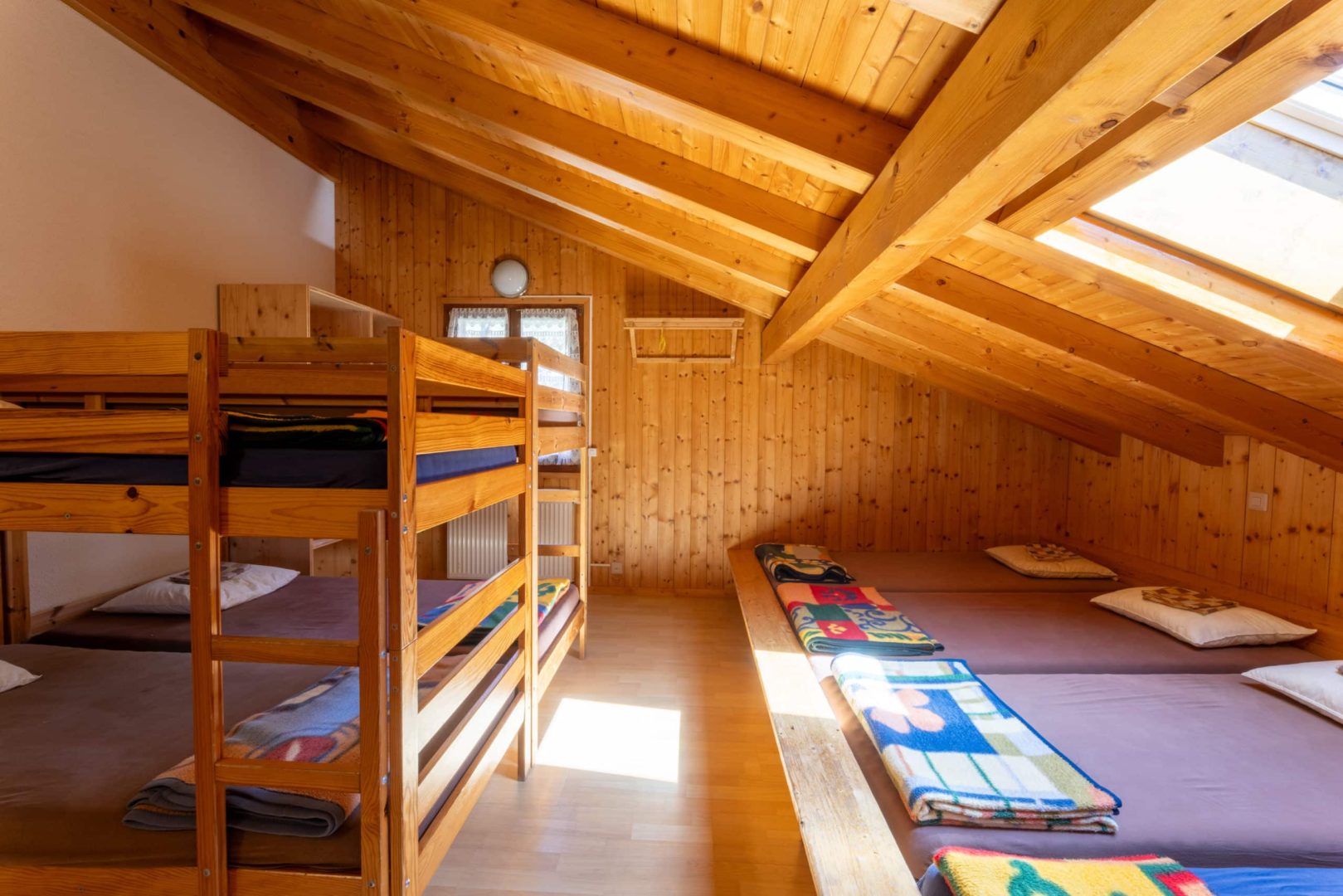
Choose from hotels (3–4*), mountain chalets, shared apartments or on-site dorms. We offer full board (breakfast, packed lunch, dinner) on many camps, while some run half board. Special diets — vegetarian or gluten-free — are commonly catered. Typical on-site amenities I prioritize are:
- Wi‑Fi
- Drying room for kit
- On-site mechanic or tool station
- Secure bike storage
- Lift-pass desk or ticket pickup
We publish which stays include a lift pass. Look for options that state lift pass included if you want to avoid extra daily costs. If you’re comparing family-focused stays, check the section about mountain biking adventures for kids.
Gear, rentals and e‑MTB rules
Rental costs vary by bike class; the market range is clear: rental costs CHF 30–150/day. Expect hardtail CHF 30–50/day, full‑suspension enduro CHF 50–90/day and e‑MTB CHF 80–150/day. Many operators add e‑MTB rental +CHF 20–50/day compared with non‑e bikes. Trail rules differ regionally; some areas restrict e‑bike use to specific routes, so confirm local signage before you ride.
I recommend bike travel setups by discipline:
- Cross‑country: 100–120 mm travel
- Enduro/all‑mountain: 140–170 mm
- Downhill: 200 mm
Typical example models we use in camps include Trek Slash, Specialized Turbo Levo and Haibike. Essential protective gear I require for participants:
- Full‑face helmet for downhill
- Open‑face trail helmet for XC
- Knee pads
- Elbow pads
- Body armour
- Gloves
Price breakdown, inclusions and normalization
Camp pricing spans a wide bracket: Day camps/clinics CHF 60–200/day and week-long youth camps CHF 600–1,200/week (shared/basic). Premium week-long adult camps run CHF 1,200–2,500/week. Deposits are normally 20–50% and cancellation policies vary by operator.
Included vs Optional extras — compare camps using a simple checklist:
Included:
- Coaching
- Accommodation
- Meals
- Select bike rental options
- Some lift passes
Optional extras:
- Airport transfers
- Full‑suspension or e‑bike rental
- Video analysis
- Private coaching
- Advanced lift passes
I normalize value by calculating price per riding hour: total price ÷ coach-led riding hours. That gives a fairer comparison between CHF 60–200/day offerings and week-long packages. Use this metric to judge whether lift pass included or additional rental costs shift a camp from good to great value.
Operational notes I always check before booking:
- Confirm whether lift pass included or charged separately.
- Ask exact bike models and battery policies for e‑MTBs.
- Verify deposit 20–50% and the operator’s cancellation window.
- Compare rental costs CHF 30–150/day and note the e‑MTB surcharge +CHF 20–50/day.
For parents evaluating options, our mountain biking camp guide explains what to expect. For route choices and kid-friendly stages, consult our top Swiss trails and top outdoor activities pages. If you want a sports‑heavy week, see our sports camp options or the adventure camp listings. For an overall comparison of offerings, browse best summer camps or mountain adventure camps and the kid-focused mountain biking adventures.

Safety, medical coverage, insurance, sustainability, and who should attend
We, at the young explorers club, require strict on-site safety measures. Helmet mandatory is enforced on every ride; I also recommend body armour for downhill sessions. Daily bike checks are standard. Riders sign waivers and follow helmet cam rules set by the operator.
All staff are expected to be first aid trained staff — BFU-style first aid is common in Switzerland. Camps usually list how many first-aid-trained staff are present; collect that number when comparing programs. I look for clear staff-to-rider ratios and at least one senior instructor with wilderness first-aid experience.
Camps should publish mountain rescue proximity and an emergency action plan. I expect clear evacuation procedures and a named emergency contact. If the camp publishes an average ambulance/rescue response time for the resort, use that when assessing risk. Always ask how remote rides are handled and what transport is available for injury evacuation.
Buy international travel insurance that explicitly covers downhill MTB, e‑bike use, personal injury and repatriation. Keep physical and digital proof of insurance on you at all times. I always confirm policy exclusions before departure and recommend policies that cover rescue and helicopter evacuation.
Respect for trails matters. Swiss regions enforce trail closures and forbid riding on some footpaths—check local trail closures before you pack. Practice Leave No Trace and look for camps that run trail stewardship days or partner with IMBA/Swiss trail stewardship. For program details and what kids actually ride, see our mountain biking adventures page.
Who should attend and prep
I recommend these profiles:
- Youth fundamentals (8–17): ideal for core skill building and confidence on singletrack.
- Intermediates: focused on improving cornering, small drops and longer rides.
- Advanced: lift-access enduro/DH riders looking for technical descent practice.
Fitness and skill prerequisites reflect real trail demands and are useful when checking registration:
- Novice: able to ride 5–10 km on forest singletrack.
- Intermediate: comfortable on 15–25 km with 300–800 m climbs.
- Advanced: comfortable riding technical descents with >1,000 m vertical.
Checklists and quick FAQ
Respect-the-mountains checklist — follow these points on every ride:
- Obey posted trail rules and seasonal trail closures.
- Stay on designated MTB trails; avoid footpaths where banned.
- Yield to hikers where required and announce passes.
- Carry out all waste and respect grazing animals.
- Attend any trail-briefing at camp start.
Parent checklist & FAQs — concise answers to common concerns:
- Booking: book 3–6 months ahead for July/August.
- Proof of insurance: bring it and a copy for instructors.
- Dry rooms & bike storage: most camps provide secure storage and drying space.
- Do I need my own bike?: not always — rentals are commonly available.
- Are e‑bikes allowed?: check the camp and local trail rules.
- Novice/intermediate/advanced skill criteria: use the fitness and skill bullets above when deciding placement.
https://youtu.be/P6xxnGEblvE
Sources
Possible authoritative sources and background reading (official resorts, governing bodies, weather, transport and trail databases). None are commercial summer-camp operators.
- Switzerland Tourism — Mountain biking in Switzerland
- Bikepark Lenzerheide — Bikepark Lenzerheide
- LAAX — Bikepark LAAX
- Crans-Montana — Bike Park Crans-Montana
- Davos Klosters — Bikepark Davos Klosters
- Zermatt Tourism — Mountain biking in Zermatt
- Swiss Cycling — Mountainbike
- IMBA Europe — Trail care & mountain biking guidance
- MeteoSwiss — Climate of Switzerland
- SBB — Travelling with bikes on Swiss trains
- Trailforks — Region: Switzerland