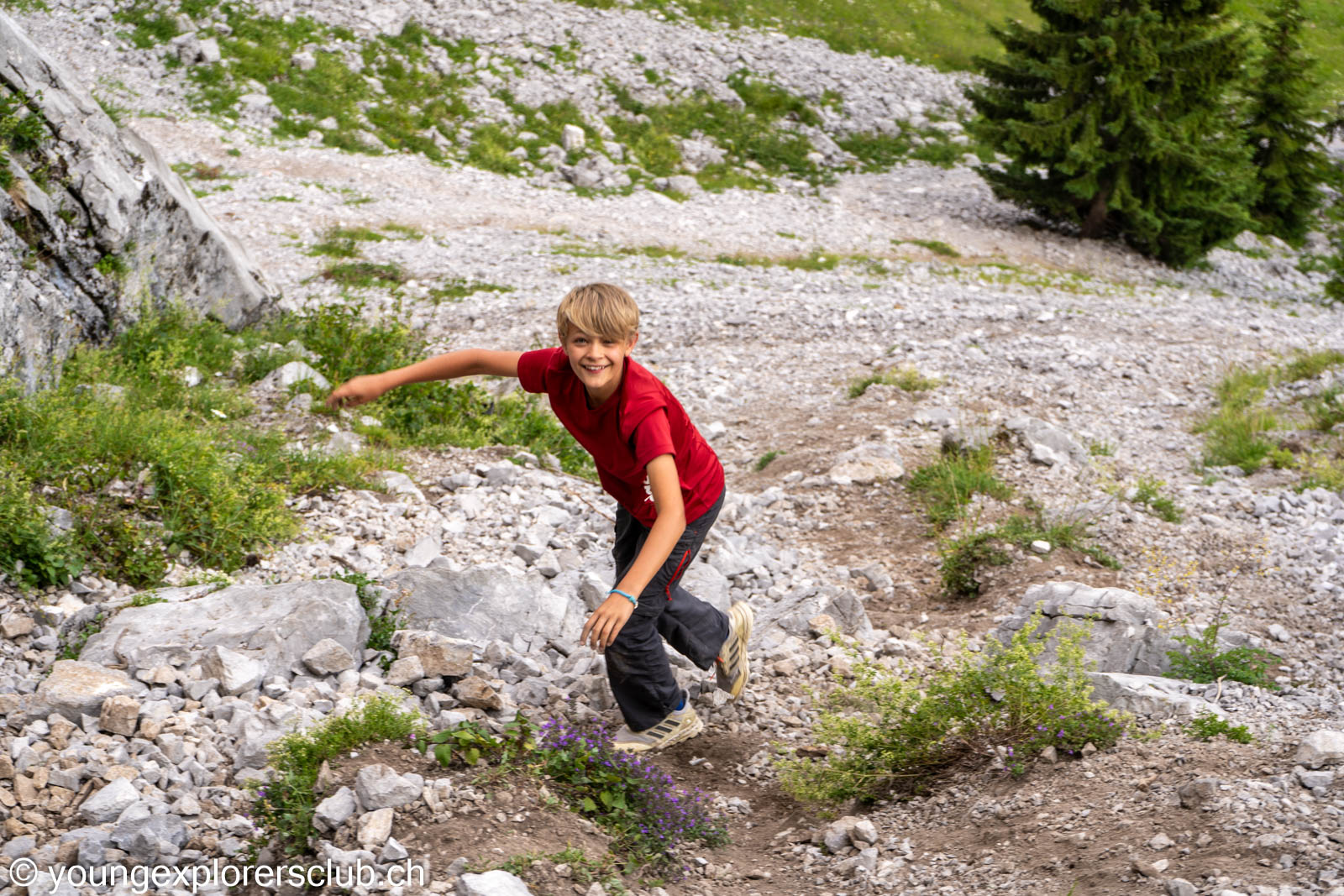
The Importance Of Growth Mindset Before Camp
Pre-camp growth-mindset micro-lessons boost campers’ persistence, skills, and friendships—start 2–6 weeks before camp.
Pre-Camp Growth-Mindset Programming for Camps
About 14 million children attend camp each year. Introducing a growth mindset before camp boosts willingness to try new activities, persistence after setbacks, and peer bonding. Small attitude shifts can translate into larger gains in skills, resilience, and friendships. Brief pre-camp interventions—10–30 minute micro-lessons plus 30–60 minute parent and counselor orientations—run 2–6 weeks before arrival. They produce modest average effects (meta-analytic d ≈ 0.05–0.30, often ~0.2) and give bigger benefits for lower-performing or vulnerable campers when teams track delivery and simple pre/post measures.
Key Takeaways
- Pre-camp growth-mindset programming uses camps’ scale to increase persistence, encourage new-skill learning, and strengthen social bonds.
- Research finds modest average effects (d ≈ 0.05–0.30; typically ~0.2). Vulnerable or lower-performing campers tend to gain more.
- Core components: brief brain-growth lessons; process-praise training for parents and counselors; growth-goal worksheets; mistake-reflection journals; and social-skill role-plays.
- Timing and dosage: begin 2–6 weeks before camp. Deliver 10–30 minute micro-lessons and 30–60 minute adult orientation sessions.
- Measure and log fidelity: record lesson delivery, parent and counselor attendance, pre/post mindset and self-efficacy measures, and simple behavioral benchmarks to interpret impact.
Why this matters
Pre-camp interventions leverage a concentrated period when campers and families are preparing to start. A brief mindset primer increases willingness to try and persistence after setbacks, which in turn supports faster skill acquisition and stronger social connections once camp begins. Because camps already reach large numbers, small average effects can scale into meaningful aggregate gains.
Core components
- Brain-growth micro-lessons (10–30 minutes): short activities that teach how effort and strategy change the brain.
- Adult process-praise training (30–60 minutes): orient parents and counselors to praise effort, strategies, and improvement rather than fixed traits.
- Growth-goal worksheets: simple planning tools for campers to set effort-based goals they can try at camp.
- Mistake-reflection journals: brief prompts for campers to reflect on setbacks and what they learned.
- Social-skill role-plays: practice giving and receiving feedback, asking for help, and joining new groups.
Timing and dosage
Begin delivery 2–6 weeks before arrival. A recommended schedule:
- Week 4–6 before camp: 30–60 minute orientation for parents and counselors.
- Week 2–3 before camp: 10–30 minute micro-lesson for campers (in person or virtual).
- Ongoing: short booster reminders (email or text) and a short reflection on arrival day.
Measuring impact and fidelity
To interpret effects, record simple process and outcome data:
- Delivery logs: who received lessons and when.
- Attendance: parent and counselor participation in orientations.
- Pre/post measures: short mindset and self-efficacy scales for campers.
- Behavioral benchmarks: observable indicators such as number of new activities tried, persistence on a challenge task, or counselor ratings.
Implementation steps (recommended)
- Plan: identify staff leads, timelines, and measurement items.
- Prepare materials: 10–30 minute micro-lesson script, parent/counselor slide set, worksheets, and reflection journals.
- Train adults: deliver the 30–60 minute orientation focused on process praise and supporting growth goals.
- Deliver micro-lessons: run lessons with campers 2–6 weeks before arrival and send parent-facing guidance.
- Track fidelity: log delivery, attendance, and collect brief pre/post responses.
- Evaluate: compare pre/post mindset and simple behavioral benchmarks to interpret impact and adjust for next year.
When teams track delivery and use brief measures, these modestly effective, low-cost pre-camp interventions can produce larger benefits for campers who need them most, improving persistence, skill learning, and social connection at camp.
The Importance of Growth Mindset Before Camp
We, at the Young Explorers Club, see scale as leverage: 14 million children attend camp annually (ACA), so small shifts in attitudes about learning and effort can scale into big impacts on skill-building, camp resilience, and peer connection. Introducing a growth mindset before camp raises a camper’s willingness to try new activities, persist after setbacks, and form friendships. Framing this as “growth mindset before camp” and “camp readiness” makes the case practical for program staff and families. For related evidence on social and confidence effects, see our page on camp resilience.
What the research actually shows: Carol Dweck’s Mindset framework distinguishes fixed from growth beliefs about intelligence and skill. Meta-analytic reviews report variable but generally small average gains from mindset interventions; growth mindset intervention effect sizes typically range ~0.05–0.30 (meta-analytic range). Brief modules—often 20–45 minutes, sometimes a single 20–30 minute online lesson—can shift beliefs modestly. A practical translation: an effect of d = 0.2 moves an average camper from the 50th to roughly the 58th percentile. Effects tend to be larger for lower-performing or more vulnerable youth, so pre-camp programming can be especially meaningful for at-risk campers.
Core components, sample scripts, and ready activities
Include these program elements before camp to support persistence, new-skill uptake, and social risk-taking.
Core components to deliver:
- Brief lesson on brain & effort (neuroplasticity / brain growth).
- Process-praise training for parents and counselors.
- Goal-setting with growth steps (growth-goal worksheet).
- Failure-reframe exercises (Mistake Reflection journal).
- Social-skill role plays and peer-feedback protocol.
Process-praise script examples (copy-ready):
- “I noticed you kept trying to solve that canoe knot — your strategy of trying different wraps showed great persistence.”
- “You worked really hard on that—your strategy helped you improve.”
- “I liked how you asked for feedback and adjusted your approach — that made a big difference.”
- “Great effort on that climb; deciding to break it into smaller moves helped you succeed.”
- “You tried a new way and it helped — that willingness to experiment is exactly how skills grow.”
Mistake Reflection journal template (5 questions):
- What went wrong?
- What did I try?
- What will I try next?
- Who can help me?
- One small step for tomorrow.
Ready activities and durations:
- Brain Growth: 5-minute video + 10-minute discussion (materials: short animated clip + handout).
- Process-Praise Role-Play: 10–15 minutes (pairs practice using scenarios).
- Mistake Reflection Journal: daily or every-other-day, 5 minutes.
- Challenge Jar: 5-minute intro; daily enactment varies.
- Growth-goal worksheet: 10–15 minutes.
- Peer-feedback protocol (“What I liked / What I’d try next”): 5–10 minutes.
Fidelity measurement: track number of lessons delivered, parent attendance, and counselor use of process praise via simple checklists.
Timing, measurement, testing, and implementation checklist
Timing: Pre-camp is a teachable moment. Campers face new social and skill challenges they’ll encounter immediately, which makes pre-camp growth language high-impact. Start 2–6 weeks before arrival. Short micro-lessons work: 10–30 minutes each, with parent/counselor orientation sessions of 30–60 minutes.
Measurement and expected outcomes: use pre/post metrics like a brief growth-mindset belief scale (4–8 items), a 5–8 item self-efficacy scale, social competence self-report, a short persistence challenge, homesickness levels, and camper satisfaction. Measure pre (1–2 weeks), post (end), and follow-up (3 months). Benchmarks to consider: 10–25% increase on mindset items and a 10–30% rise in new-activity attempts as illustrative goals; expect variability and larger gains for at-risk campers.
Sample-size rough rules:
- d = 0.2 → ~390 per group
- d = 0.3 → ~175 per group
- d = 0.5 → ~64 per group
A/B test guidance: randomize at registration (individual or cabin-level); collect a baseline survey 1–2 weeks pre-camp; deliver materials to treatment only; run post-survey at end-of-camp; report percent-point differences with N and Cohen’s d. Log fidelity metrics and monitor attrition.
Common barriers and quick responses:
- Myth: “Mindset is a fad.” Acknowledge small average effects but note larger impacts for vulnerable campers and the low cost of brief interventions.
- Myth: “We lack time/resources.” Point out the scalability: roughly 10–30 minutes per camper pre-camp and a 30–60 minute counselor orientation.
Implementation checklist (week-by-week actions and responsibilities):
- 6 weeks out: send parent orientation email + growth-mindset primer (responsible: camp director/parent coordinator). Log email sent, open rate, primer views.
- 4 weeks out: run counselor training 30–60 minutes and distribute process-praise cheat sheet (responsible: program director). Log attendance and completion.
- 2 weeks out: deliver camper micro-lesson 1 (10–20 minutes) via counselors/parents. Log lesson completion counts and camper attendance.
- 1 week out: deliver micro-lesson 2 and growth-goal worksheet (responsible: counselors). Log worksheet completion rate.
- First two camp days: run daily 5-minute “mistake reflection” check-ins and issue challenge invitations; cabin leaders track new-activity attempts. Log daily check-ins and counts.
- End-of-camp: run a short post-survey and hold recognition of effort (responsible: evaluation lead). Log post-survey response rate and recognition events.
Administrative tracking recommendation: Track parent/counselor session attendance, lesson completion counts, and pre/post survey response rates. Log basic fidelity metrics (percent of campers who completed lessons, percent of counselors trained) to interpret outcomes and scale what works.
Sources
American Camp Association — Resource library: research
Penguin Random House — Mindset: The New Psychology of Success
Stanford University — Dweck Lab
Nature — A national experiment reveals where a growth mindset improves achievement
PERTS — Research and publications on growth mindset
Mindset Works — The science behind growth mindset
Freie Universität Berlin — General Self‑Efficacy Scale (Schwarzer & Jerusalem)
American Psychological Association — Mindsets that promote resilience