
The Ultimate Guide To Summer Camp In Switzerland For International Families
Switzerland summer camps for international families: language immersion, safety, visas, transfers and budgeting tips for day & residential stays.
Switzerland Summer Camps — Young Explorers Club Guide
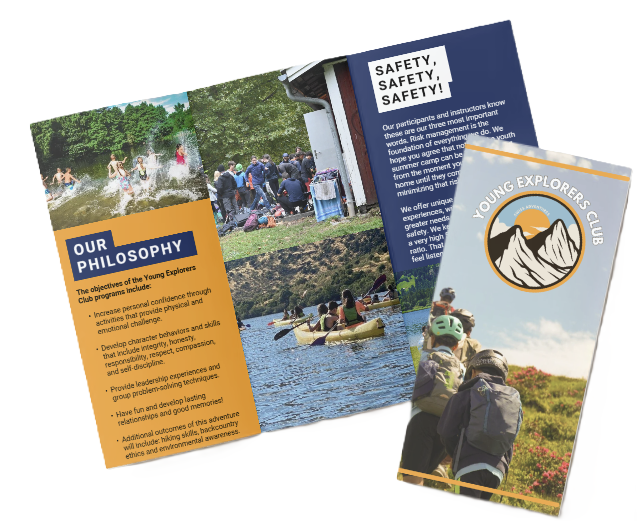
We’re the Young Explorers Club and see Switzerland as an excellent base for international summer camps. Its compact alpine terrain, 1,500+ lakes and four official languages make it well suited to language immersion, outdoor programmes and cultural trips. The country offers strong safety and healthcare systems that support families. This guide helps international families pick the right camp format, plan transfers and visas, verify medical and safety cover, and set realistic budgets for residential and day programmes.
Key Takeaways
- Region & language: Choose a region that matches language goals (German, French, Italian, Romansh). Pick a camp format: day, residential, language, adventure, arts/STEM or leadership.
- Plan early: Start planning 6–12 months ahead for residential camps. Prepare notarised consent, meet Schengen visa rules and buy travel medical insurance that covers at least €30,000.
- Transport & location: Prioritise camps close to major transport hubs for easier international transfers and arrivals.
- Safety checks: Verify staff-to-child ratios, check staff certifications and confirm on-site medical cover plus written emergency-evacuation plans.
- Budgeting: Expect day camps to cost CHF 150–600 per week. Plan CHF 700–3,000+ per week for residential programmes. Add flights, transfers, insurance and gear. Factor a 5–10% contingency.
- Packing & policies: Pack for variable mountain weather—layers, waterproofs, sturdy hiking shoes and swimwear. Arrange activity-specific insurance and kit. Get written policies on allergies, medication and cancellation/refund terms.
Choosing a Region and Camp Format
Match the region to your goals. If you want German immersion, choose camps in central or eastern Switzerland; for French, western cantons; for Italian, the Ticino region. Romansh is niche and found in parts of Graubünden. Decide on the camp format early:
- Day camps: Local base, no overnight stay, good for shorter stays and lower budgets.
- Residential camps: Full boarding, immersive experience, best for language and leadership development.
- Language camps: Structured lessons plus activities with native instructors.
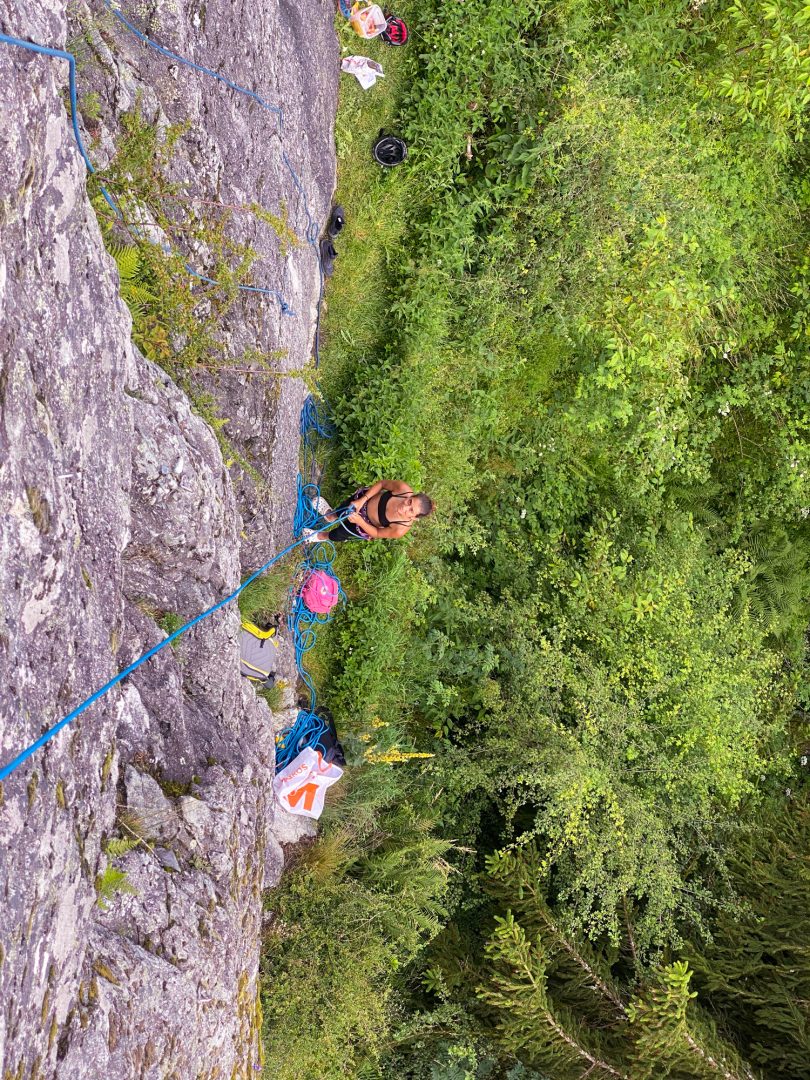
- Adventure/outdoor: Hiking, climbing, water sports—strong emphasis on safety and kit.
- Arts/STEM or leadership: Specialist programmes with targeted curricula and project work.
Planning Timeline, Visas and Documentation
Start early. Residential programmes often fill fast and require more paperwork for minors traveling internationally.
- 6–12 months before: Research camps, confirm dates and reserve spots.
- 3–6 months before: Gather documents: notarised parental consent (if applicable), medical forms, vaccination records and any school permissions.
- Schengen visa: Check visa requirements well in advance. Provide invitation/booking letters and proof of accommodation when applying.
- Insurance: Buy travel medical insurance that covers at least €30,000 for medical emergencies and evacuation, plus cancellation insurance if needed.
- Transfers: Book flights and arrange reliable transfers or meet-and-greet services at Swiss transport hubs.
Safety, Medical and Staff Verification
Verify safety credentials. Ask camps for written policies and proof of compliance.
- Staff-to-child ratios: Confirm the ratio for your child’s age group and ask about supervision during off-site activities.
- Staff certifications: Check background checks, first-aid/CPR qualifications and specialist instructor licences (e.g., climbing or water-safety).
- On-site medical cover: Ensure there is a qualified nurse/first-aid responder on site and a documented plan for emergencies.
- Evacuation plans: Request written emergency-evacuation and communication procedures.
- Allergies & medication: Get written procedures for handling allergies and administering medication; provide clear written instructions and emergency contacts.
Budgeting and Extra Costs
Be realistic about total costs. Factor in programme fees plus travel and extras.
- Day camps: Expect roughly CHF 150–600 per week depending on activities and location.
- Residential camps: Expect roughly CHF 700–3,000+ per week depending on length, specialist tuition and accommodation standard.
- Additional costs: Flights, airport transfers, travel insurance, special equipment, activity permits and spending money.
- Contingency: Add a 5–10% contingency for unexpected expenses or currency fluctuation.
Packing, Kit and Policies
Pack for mountain weather and activities. Provide clear written instructions to the camp about any special needs.
- Clothing: Layers, thermal base layers, fleece, waterproof jacket and trousers.
- Footwear: Sturdy hiking shoes or boots plus trainers and sandals for water activities.
- Swimwear & sun protection: Swimwear, sun hat and high-SPF sunscreen.
- Activity-specific kit: If required, confirm whether the camp supplies climbing harnesses, wetsuits or bikes, or whether you must bring them.
- Medication & documents: Clearly labelled medication with written instructions, photocopies of passports and health insurance cards.
- Cancellation & refund: Get the camp’s cancellation and refund policy in writing, and consider trip-cancellation insurance if non-refundable costs are significant.
Final Practical Tips
Choose camps near major transport hubs to simplify transfers, ask for references from other international families, and confirm language support for non-native speakers if needed. For residential stays, arrange a pre-camp video call with staff if possible to introduce your child and review expectations.
If you’d like, we can help shortlist camps by region and budget, or prepare a checklist tailored to your child’s age and language goals. Tell us the child’s age, preferred dates and language preference and we’ll create a short list.
Switzerland at a Glance — Why It’s Ideal for Summer Camp
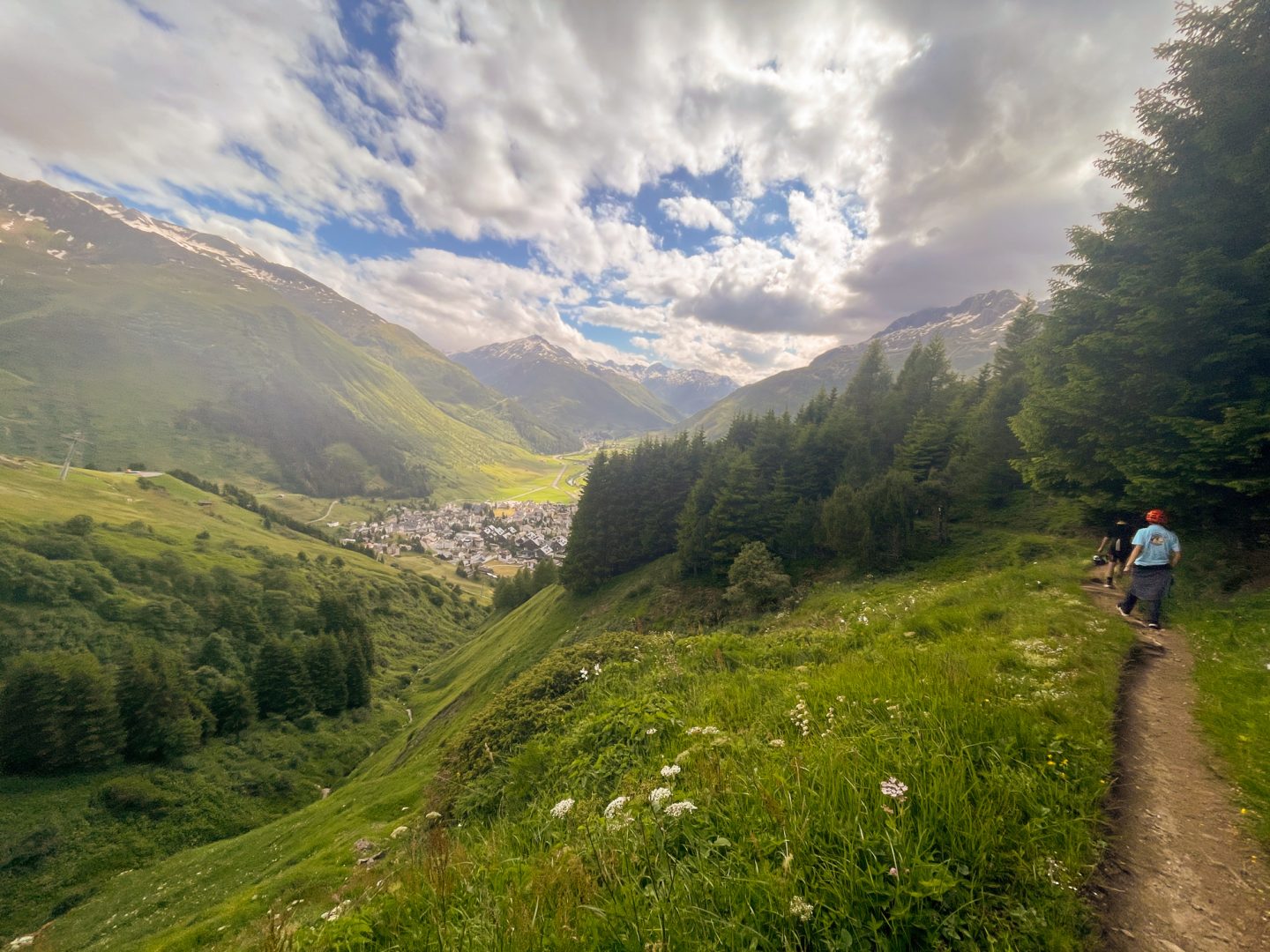
We, at the young explorers club, choose Switzerland because it packs huge geographic and cultural variety into a compact country. The land area is roughly 41,285 km² and the population sits near 8.8 million (2023) — both figures are estimates as of 2024; always confirm exact numbers with camps and local authorities. The country’s four official languages — German, French, Italian and Romansh — give genuine immersion options. Terrain is heavily alpine: about 60% mountainous, with 1,500+ lakes that make outdoor and watersport programmes easy to build. Switzerland also lists 12 UNESCO World Heritage Sites that work well for cultural day trips. Safety-wise, Switzerland consistently ranks among the world’s safest countries (see Global Peace Index) and benefits from high-quality healthcare and transport networks, which reassures many international families.
Quick facts to keep on your checklist
Below are the headline figures and features you’ll reference when planning or evaluating camps.
- Area: ~41,285 km² (estimate as of 2024)
- Population: ~8.8 million (2023 figure; estimate as of 2024)
- Size comparison: roughly the size of Maryland (USA) — useful for visualising travel times
- Official languages: German, French, Italian, Romansh — excellent for immersion
- Landscape: ~60% mountainous; 1,500+ lakes — ideal for hiking, climbing and watersports
- Cultural sites: 12 UNESCO World Heritage Sites — perfect for curriculum-linked excursions
- Safety & services: high scores on the Global Peace Index and strong healthcare/transport infrastructure
How these facts shape great camp programmes
We design programmes that lean on Swiss strengths. Language immersion works because camps operate regionally; pick a German-speaking canton for intensive German, a French one for French, and so on. Mountainous terrain gives us day hikes, via ferrata, climbing and alpine skills; lakes let us run canoeing, paddleboarding and open-water swims. Cultural trips to UNESCO sites add local history and science content with minimal travel.
We also advise families to match activities to logistics. Choose camps near major transport hubs for simpler transfers. Prioritise camps that publish on-site medical provision and emergency procedures; Switzerland’s healthcare is excellent, but each camp’s setup differs. For practical planning, timing and capacity matter — we suggest you choose the best summer camp based on language goals, activity focus and proximity to medical services.
We recommend you confirm all time-sensitive figures and specific camp capabilities directly with providers and local authorities before booking.

What Camps Offer: Types, Typical Schedules, Ages, Staff Ratios and Activities
We organise and describe the main camp types so you can match a family’s goals to the right format. Below are the common formats and what to expect from each.
- Day camps: run single-day or 1–2 week options for local or commuting kids.
- Residential (overnight) camps: typically last 1–3 weeks, with specialist leadership programmes stretching to 4 weeks.
- Language immersion camps: focus on daily language lessons combined with activities to build fluency.
- Adventure camps: centre on hiking, climbing, mountain biking and watersports with an emphasis on outdoor skills and safety.
- Arts & STEM camps: mix creative and technical workshops, from drama and music to maker sessions and labs.
- Academic and boarding-school summer programmes: offer focused study blocks alongside a taste of campus life.
- Leadership and outdoor education programmes: emphasise team challenges, risk management and practical leadership experience.
Typical schedules, ages and staff ratios
We group campers by age to keep programming appropriate and safe. Many camps accept ages 4–17 and cluster cohorts into roughly 4–7, 8–12 and 13–17.
Day-to-day structure usually follows a reliable pattern: morning lessons or skill sessions, a midday break for lunch and rest, afternoon outdoor or specialist activities, then evening group events or free time. Expect day camps to run shorter, more modular schedules; residential camps fill evenings with cultural sessions and leadership tasks.
We set supervision expectations with local regulations in mind. For young children (ages 4–7) ratios commonly run about 1:6–1:8. Older children typically see 1:8–1:12. You should check each camp’s published ratios and staff qualifications. We always advise confirming instructor certification, rescue and evacuation plans and activity-specific safety measures; our page on safety standards covers the key checks.
Activities you’ll find
Camps in Switzerland pack an unusually broad activity list; common options include:
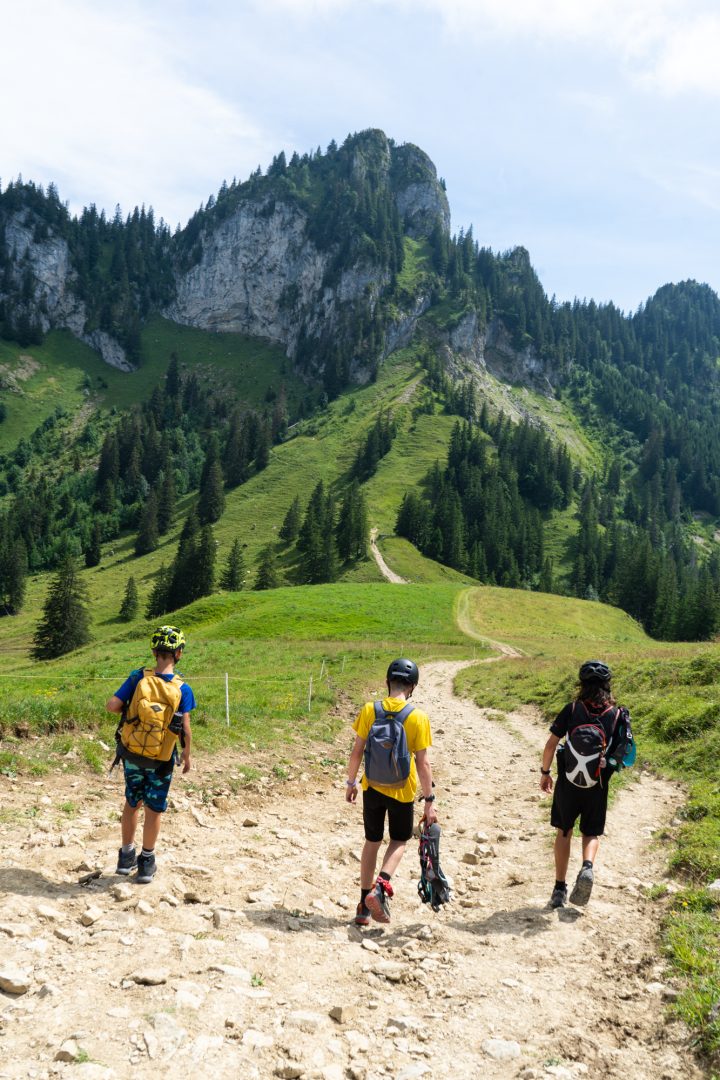
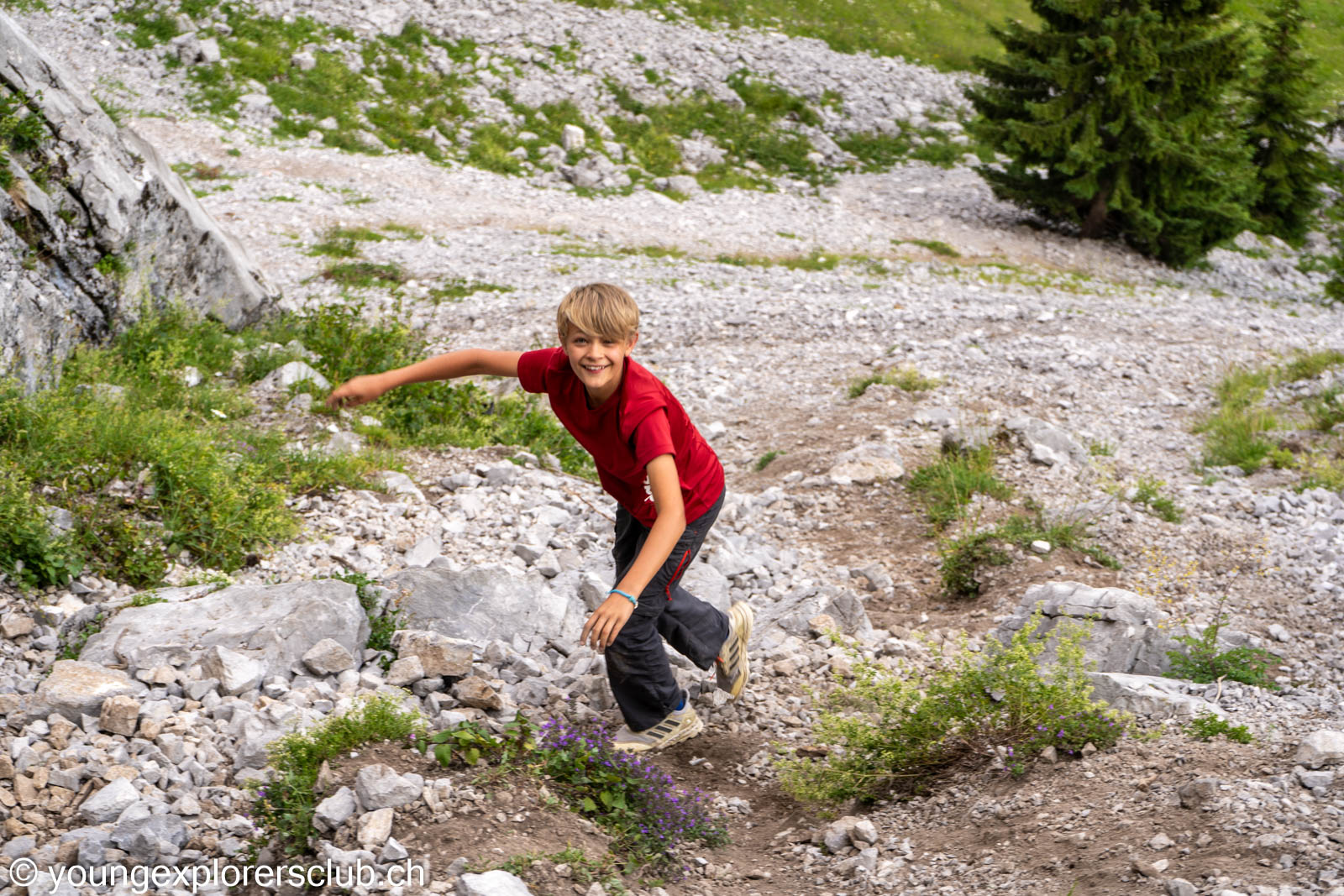
- Hiking and alpine treks, often above 1,500–2,000 m.
- Climbing, via ferrata and ropes courses with belay systems.
- Mountain biking on marked trails.
- Canoeing, kayaking and sailing on lakes.
- Zip-lines and high-ropes challenges.
- Alpine survival skills and navigation.
- Arts, drama and music workshops.
- STEM labs and hands-on maker sessions.
- Cultural excursions to local towns and UNESCO World Heritage Sites.
Many programmes run in mountain settings where altitude and weather matter. Valleys warm to around 20–30°C in summer; higher-altitude daytime temps often sit between 5–18°C, and afternoon thunderstorms are common. We recommend packing layers, planning for rapid weather changes and verifying activity-specific safety equipment and instructor credentials before booking.

Practicalities for International Families: Booking Timeline, Visas, Guardianship and Transfers
We, at the Young Explorers Club, advise families to start early. Popular camps fill fast; non-residential programs may be booked 3–12 months ahead, but we recommend targeting 6–12 months for residential camps and the related transfer and visa paperwork. For a clear schedule, consult our registration timeline and set calendar reminders for deposit deadlines.
Peak weeks run from mid-July through mid-August and are the busiest. School-holiday timing varies by canton, though summers typically span 5–7 weeks between late June and mid-August. We suggest avoiding peak weeks if you want quieter activities or aim to book those weeks as soon as spots open.
Most camps require a deposit, commonly 10–30%. We insist you request the camp’s written cancellation and refund policy before paying. Keep digital and printed copies of every receipt, contract and confirmation. If you’re waitlisted, confirm your position and ask for a deadline by which they’ll notify you.
Visa and permit essentials demand attention. Many non-EU/EEA nationals need a Schengen C visa; check the relevant consulate early. Schengen visas require travel medical insurance with minimum coverage of €30,000. We recommend buying insurance that explicitly states it meets Schengen requirements and printing the certificate for consulate appointments.
We handle arrivals and guardianship details proactively. For unaccompanied children, consulates commonly expect:
Visa & arrival checklist
- Notarised parental consent letter permitting travel and camp stay.
- Proof of guardianship or legal authorization if another adult will receive the child.
- Formal camp invitation or confirmation letter showing dates, accommodation and camp contact details.
- Passport valid for the required period and copies of the biodata page.
- Flight itinerary and reserved transfer details for the outbound and return journeys.
- Travel medical insurance certificate meeting the €30,000 Schengen minimum.
- Emergency contact list including camp director and on-site medical staff.
- Any required medication with prescriptions and administration instructions.
Major international airports—Zurich (ZRH), Geneva (GVA) and Basel (BSL)—and SBB/train stations serve as common pickup points. Camps frequently offer paid meeting-point shuttles. We advise requesting camp-arranged airport transfers rather than relying on public taxis. Ask the camp to confirm pickup time, meeting point, driver contact and a backup plan if flights are delayed.
We recommend scanning and emailing all visa and travel documents to both the camp and your family’s emergency contact. Keep originals in hand for border checks and hand a copy to the designated guardian at arrival.
Costs, Budgeting and Sample Week Budgets with Tips to Save
Typical programme fees vary widely in Switzerland. Day camps usually run CHF 150–600 per week depending on city versus mountain location and activity intensity. Residential programmes span CHF 700–3,000+ per week, with basic options at the low end and premium international boarding-style or specialist programmes toward the high end. Elite specialist tracks — equestrian, performance arts or private boarding-school options — can exceed CHF 3,000 per week.
Plan for several additional line items beyond tuition. International return flights and Swiss domestic trains are often the largest extras. Travel medical insurance and any activity-specific coverage (climbing, white-water, horse riding) are commonly required. Gear costs include rental or purchase of mountain bikes, climbing harnesses, wet suits or specialist kit, plus uniforms if the camp requires them. Optional excursions, visa processing fees and local transfers can add up fast. We, at the young explorers club, recommend factoring a contingency of 5–10% of the total budget for small, unexpected charges.
For a deeper breakdown of typical price components, see our camp costs guide.
Sample one-week budgets and practical saving tips
Below are clear examples and straightforward ways to cut costs. Use these as templates and adjust numbers for your family’s travel style.
-
Sample international-family residential week (mid-range):
- Tuition: CHF 1,200
- Return flights: CHF 700–1,400
- Domestic train/transfers: CHF 50–200
- Travel & activity insurance: CHF 30–100
- Gear (rental or one-off purchase): CHF 50–200
- Total range: CHF 2,030–3,100
-
Sample urban day-camp week (local international family):
- Tuition: CHF 300
- Local transport: CHF 20–80
- Insurance/additional activity fee: CHF 20–50
- Optional extras (meals, excursions): CHF 30–100
- Total range: CHF 370–530
Quick cost checklist to add into your planner:
- Flights
- Domestic train fares
- Insurance
- Activity fees
- Equipment rental
- Uniforms/special kit
- Visa fees
- Emergency contingency
Money-saving actions that actually work:
- Book early to catch early-bird discounts and secure popular sessions.
- Ask about sibling or multi-week discounts and how they’re applied.
- Share accommodation where camps allow families to split housing or choose local host families.
- Bring your own gear when safe and permitted — helmets, hiking boots, wetsuits can cut rental fees.
- Request an itemised fee sheet before you pay any deposit so you see what’s included and what’s optional.
- Confirm the refund and cancellation policy in writing; pick flexible options if your travel plans are uncertain.
Recommendation: lock in travel once the camp confirms places, but hold insurance until after final itineraries are set. If budget is tight, focus spend on safety items first — insurance, certified helmets, proper footwear — then pare optional extras.
https://youtu.be/9np4fAZwE5Y
Health, Safety, Insurance and What to Ask Before You Book
Emergency contacts and medical setup
We, at the young explorers club, insist on having every family and camp team know the emergency numbers by heart: 144 (ambulance), 117 (police), 118 (fire). Keep 112 as a backup — it works EU-wide. Switzerland has high-quality medical facilities, so confirm the nearest hospital and transfer times from camp. I recommend getting comprehensive travel medical insurance and adding medical-evacuation/repatriation cover for international families. Make sure your travel medical insurance meets the Schengen minimum of €30,000 and that it explicitly covers the adventure sports your child will do — climbing, mountain biking, high-altitude trekking, and watersports are commonly excluded unless stated. Ask if the camp has on-site medical staff, an AED, a clear emergency-evacuation plan, and written agreements with local clinics.
Questions to ask before you book
Ask these specific items and demand written answers before you pay a deposit. Below are the essentials to verify with every camp:
- Staff medical and first-aid qualifications, including who is trained to administer injections and EpiPens.
- Exact nearest hospital name and typical ambulance transfer time.
- On-site medical arrangements: hours, medication storage, and whether a nurse or doctor is present overnight.
- AED availability and location, plus a drill schedule for emergency use.
- Written emergency-evacuation procedure and a recent example of when it was used.
- Staff hiring process, proof of criminal background checks, and references for key staff.
- Child safeguarding policy with named safeguarding lead and complaint procedure.
- Exact staff-to-child ratios for each age group and activity.
- Clear insurance and liability statements, including what the camp’s insurer covers versus what families must insure.
- Allergy management and food-safety procedures (HACCP compliance), meal labeling, and cross-contact controls.
- Protocol for declaring allergies: require written disclosure, provide labelled emergency medication (for example, an EpiPen) and include administration instructions signed by a parent or guardian.
- Whether the camp permits outside medications and how they handle controlled drugs or inhalers.
- Coverage for high-risk activities and whether you need activity-specific insurance riders.
For more on safety standards and what to expect from reputable providers, read our guidance on camp safety.
We push camps for transparency. If a camp hesitates to provide documents or clear answers, treat that as a red flag and keep looking.

Travel, Local Logistics, Language & Choosing the Right Camp
Airports serving international families include Zurich (ZRH), Geneva (GVA) and Basel (BSL). We recommend the SBB network for efficient onward travel; Zurich–Geneva takes roughly 3 hours and Zurich–Interlaken about 2 hours. Trains run often and are punctual, so plan connections with realistic buffer time for children and luggage.
Buy a Swiss Travel Pass if you expect multiple rail journeys or day trips; it covers most public transport for set days and can be cost-effective for families. Check whether the camp provides meet-and-greet transfers. If transfers are included, a Travel Pass may be unnecessary.
Handle sports equipment and bulky luggage early. Airlines vary on gear allowances and fees, so confirm rules before booking. For remote mountain camps, arrange an advance transfer or courier service; we, at the Young Explorers Club, book private transfers for younger groups to avoid long station walks.
Language and cultural notes are practical and simple. Many international camps operate in English while offering regional immersion in German, French or Italian. Ask whether staff are bilingual and if native-language instructors lead language activities. Small daily phrases from local languages boost confidence, so encourage kids to practice simple greetings before arrival. To compare options across camps, we recommend you choose the best camp that matches your language goals.
Camp checklist and packing essentials
Use the checklist below when evaluating a camp and preparing children for departure.
- Staff qualifications & safety
- Verify criminal background checks and certifications.
- Confirm staff:child ratios and that multiple staff are first-aid trained.
- Ask for written emergency protocols and evacuation plans.
- Medical & insurance
- Confirm on-site medical provisions and local hospital access.
- Check insurance requirements and refund/cancellation policies before paying.
- Program quality
- Request accreditation or affiliations and sample activity schedules.
- Ask for references or testimonials from past international families.
- Verify language of instruction and the extent of immersion.
- Food & dietary needs
- Check that common allergies and vegetarian/halal/kosher options are accommodated.
- Get dietary agreements in writing and confirm how cross-contamination is handled.
- Practical admin
- Confirm arrival and departure transfer details, luggage limits, and local emergency contacts.
Pack these practical essentials for Swiss weather and camp life.
- Layered clothing (for variable mountain weather).
- Waterproof jacket and warm mid-layer.
- Sturdy hiking shoes and comfortable trainers.
- Sun protection with high SPF and a brimmed hat.
- Swimwear and quick-dry towel.
- Insect repellent and basic personal meds (with prescriptions).
- Swiss plug Type C / J (230 V) adapter and a small amount of CHF cash for shops.
Apply a simple scoring rubric (0–5 each) to compare camps quickly: safety, staff quality, activities, language exposure, and value for money. Weight safety and staff quality more heavily for younger children; for teenagers, treat language exposure and activities as higher-weighted factors. We usually suggest multiplying safety and staff scores by 1.5 in your final tally to reflect that priority.

Sources
Swiss Federal Statistical Office — Population and households
Switzerland Tourism — Facts & Figures
UNESCO World Heritage Centre — World Heritage List — Switzerland
Institute for Economics & Peace / Vision of Humanity — Global Peace Index
European Commission — Schengen visa policy
State Secretariat for Migration (SEM) — Visa
Federal Office of Public Health (FOPH) — Travel health
SBB Swiss Federal Railways — Timetables and travel information
Swiss Travel System — Swiss Travel Pass
ch.ch (Swiss government) — School holidays in Switzerland
ch.ch (Swiss government) — Emergency numbers in Switzerland
Council of International Schools (CIS) — Council of International Schools