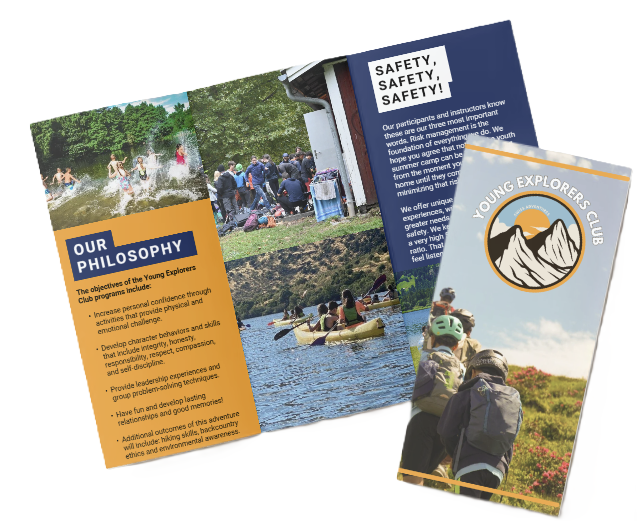
Why Summer Camps Are Fun?
Discover summer camps mixing outdoor activity, STEM & arts to boost skills, confidence and curb summer learning loss. Compare day vs residential.
Why I Value Summer Camps
I value summer camps for mixing high-energy activities—swimming, hiking, sports, arts, and hands-on STEM—with a steady daily rhythm. That rhythm gives kids repeated chances to learn new skills and score small, confidence-building wins. Camps create immersive social settings and offer leadership roles through communal living or team rotations. They cut screen time, boost physical activity, and lift mood. Programs with focused enrichment will also reinforce learning.
Key Takeaways
Activity & Routine
Varied, scheduled activity blocks plus free play supply steady exercise, clear skill gains, and outdoor mood benefits.
Social Growth & Leadership
Structured social settings and rotating roles speed up confidence, teamwork, independence, and leadership.
Specialty Tracks & Academic Reinforcement
Specialty tracks like STEM or reading curb summer learning loss when they use frequent practice and timely feedback.
Day Camps vs Residential Camps
Day camps give flexibility and convenience; residential camps boost immersion and speed social growth. I choose by energy, interest, and cost.
Safety & Logistics
I’ll prioritize safety and logistics. Practical steps include:
- Verify staff training and appropriate ratios.
- Confirm accreditation and written policies.
- Pack labeled essentials so items aren’t lost.
- Apply early for financial aid when available.
YOUTUBE VIDEO
Lead — Statistics and quick takeaways
Quick statistics and what I want you to remember
I highlight three key phrases: “14 million children”, “camp attendance”, and “economic impact roughly $25–$30 billion” (American Camp Association state-of-industry report). About 14 million children attend day and overnight camps annually in the U.S. (American Camp Association state-of-industry report). The camp industry contributes roughly $25–$30 billion to the U.S. economy when you count direct and indirect effects (American Camp Association state-of-industry report). That scale matters because camp programs shape summer routines for a large slice of the roughly 50–51 million school-age population (NCES/Census estimates). I also watch health and learning metrics: the CDC recommends about 60 minutes of daily physical activity for kids, and research shows typical summer learning loss is roughly one month in reading and up to two months in math.
I keep practical links handy for parents and program leaders. If you’re preparing a child, read my notes on your first summer camp. For planning a full season, consult the summer camp 2024 guide. To compare options, review my best summer camps roundup. If you’re exploring international options, see the list of best summer camps in Switzerland and the deeper dive on European summer camps. Parents in Vaud can jump straight to guidance on choosing the best summer camp Vaud.
Day camps vs Residential camps — quick comparison
Below I list the main differences so you can match a child’s needs to the right format:
- Day camps: widely available in urban and suburban areas; shorter daily hours; lower overnight independence since parents are home each night; often more flexible week-to-week scheduling.
- Residential camps: fewer slots and often regionally concentrated; higher independence with overnight stays; longer activity blocks and communal living that accelerate social growth.
- Practical tip: choose day camp for incremental exposure and family convenience; pick residential when you want immersive skill-building and independence.
What makes camps fun: activities, daily rhythm, and camp types
Camps are fun because they mix active days, new skills and social moments. Below I break down what you’ll find on the schedule, the common activities, and the kinds of camps you can pick.
I often see these core activities:
- Swimming
- Hiking
- Canoeing
- Archery
- Ropes courses
- Arts & crafts
- Drama
- Music
- Team sports
- STEM/robotics
- Coding
- Horseback riding
Each activity gives kids a different win — confidence from a swim stroke, teamwork on a ropes course, or creative pride from a craft they made.
Camps usually balance structured activities and unstructured play so kids get skill time and downtime. Most programs schedule 4–6 scheduled activities per day and still keep pockets for free play. A concise sample daily schedule looks like this:
- Breakfast
- Morning activity 1 (swim)
- Morning activity 2 (archery)
- Lunch
- Afternoon activity 1 (canoeing)
- Afternoon activity 2 (arts & crafts)
- Evening program (campfire or drama)
- Lights out for residential or camper pickup for day camps
Day camps tend to emphasize sequential hourly activities; residential camps often build larger blocks — think multi-hour skill sessions or overnight canoe trips.
Camp types and examples
- Day camp — Daytime-only programs focused on local activities and routines; example activity: sequential hourly team sports.
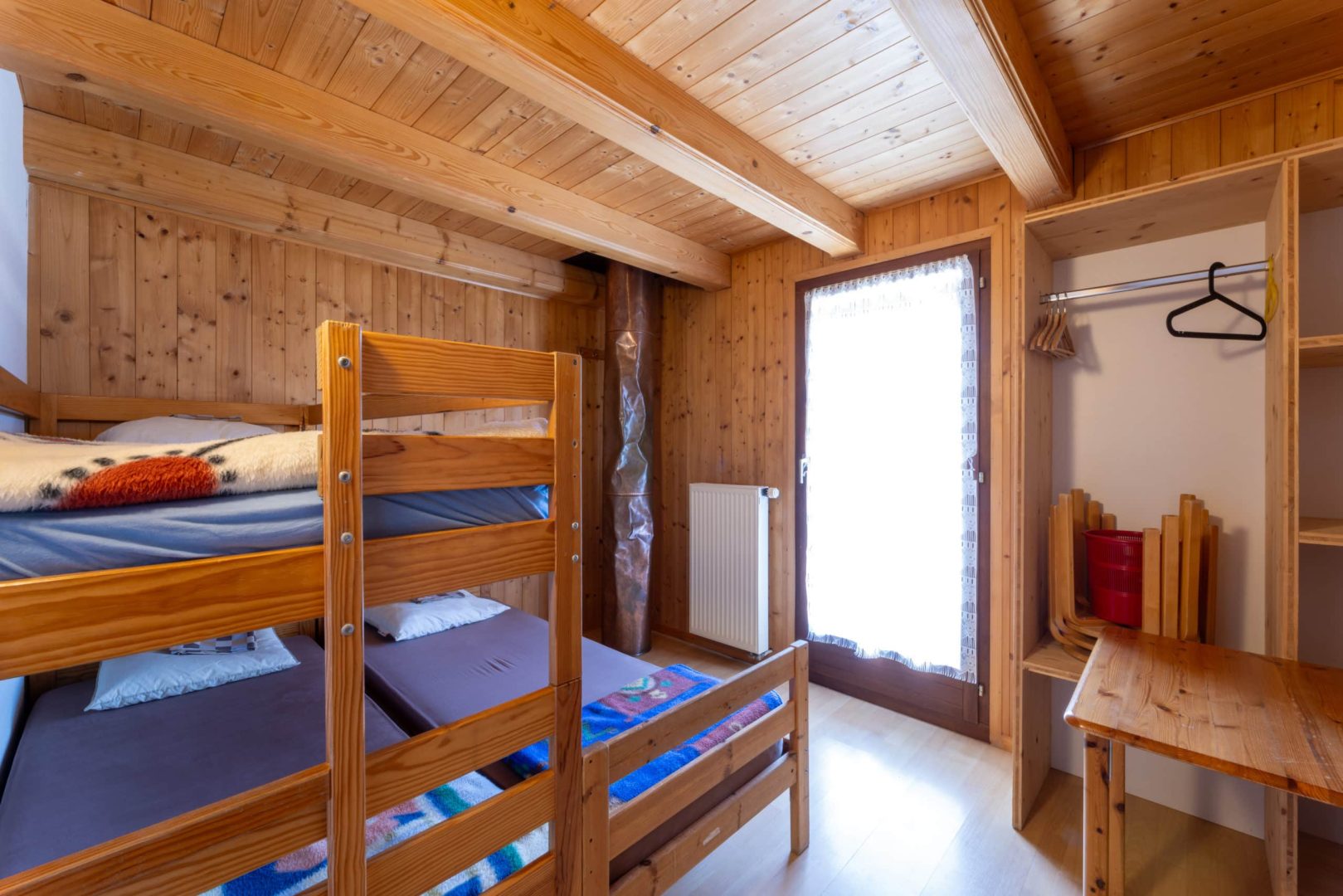
- Residential (overnight) camp — Campers stay on-site for multiple days or weeks with communal living and evening programs; example activity: overnight canoe trip.
- Specialty camp — Focused curricula on a single area of interest with targeted skill development; example activity: STEM/robotics challenge.
- Traditional/overnight summer camp — Classic mix of outdoor skills, games and community living across multiple activity areas; example activity: ropes course.
- Travel/adventure camp — Programs centered on travel and expedition-style experiences; example activity: multi-day hiking expedition.
- Faith-based/religious camp — Programs integrating spiritual or religious education with typical camp activities; example activity: service project plus worship activities.
- Therapeutic/adaptive camp — Designed to serve children with medical, physical or emotional needs with specialized staff and equipment; example activity: adaptive swimming.
- Virtual/hybrid camp — Online or mixed online/in-person programming for remote or blended experiences; example activity: virtual coding workshops.
I recommend choosing a type that matches the child’s energy and interests. Parents who want focused learning can look for a STEM camp, sports camp, or arts camp. Families seeking a classic social experience usually pick a Traditional/overnight summer camp or a Residential option.
Packing checklist and practical tips
Label everything — loss happens fast. I suggest packing the following essentials:
- Water bottle (insulated)
- Sunscreen SPF 30+
- Insect repellent (EPA-registered)
- Closed-toe shoes (hiking/sneakers)
- Swimsuit
- Quick-dry towel
- Rain jacket
- Headlamp
- Small backpack
- Name-labeled clothing
Quick practical tips: pack clothing in layers for variable weather, put medications in original containers with clear instructions, and add an extra set of labeled socks and underwear. If you’re preparing a child for their first experience, check resources like your first summer camp for age-specific advice and expectations.
Social, emotional and leadership benefits
I watch campers grow fast in short spans. Surveys by camp organizations report that about 80–90% of campers/parents report gains in confidence, independence and making new friends (American Camp Association and camp outcomes research). I use that finding as a baseline when I design activities that push social boundaries without forcing anyone.
I also point to leadership gains as a measurable outcome: many camp outcome studies report 70–90% of campers show improvement in leadership, cooperation and independence (ACA/outcomes research). I plan small leadership roles every day so kids practice leading and following in safe settings. I often direct families to a basic summer camp primer when they ask what to expect.
Key benefits I prioritize
- Social skills: structured mixers and low-stakes games speed up friend-making.
- Making friends: rotating groups and partner activities break initial cliques.
- Teamwork: shared goals — like building a raft or winning a match — teach cooperation.
- Independence: overnight stays and self-care tasks give kids ownership.
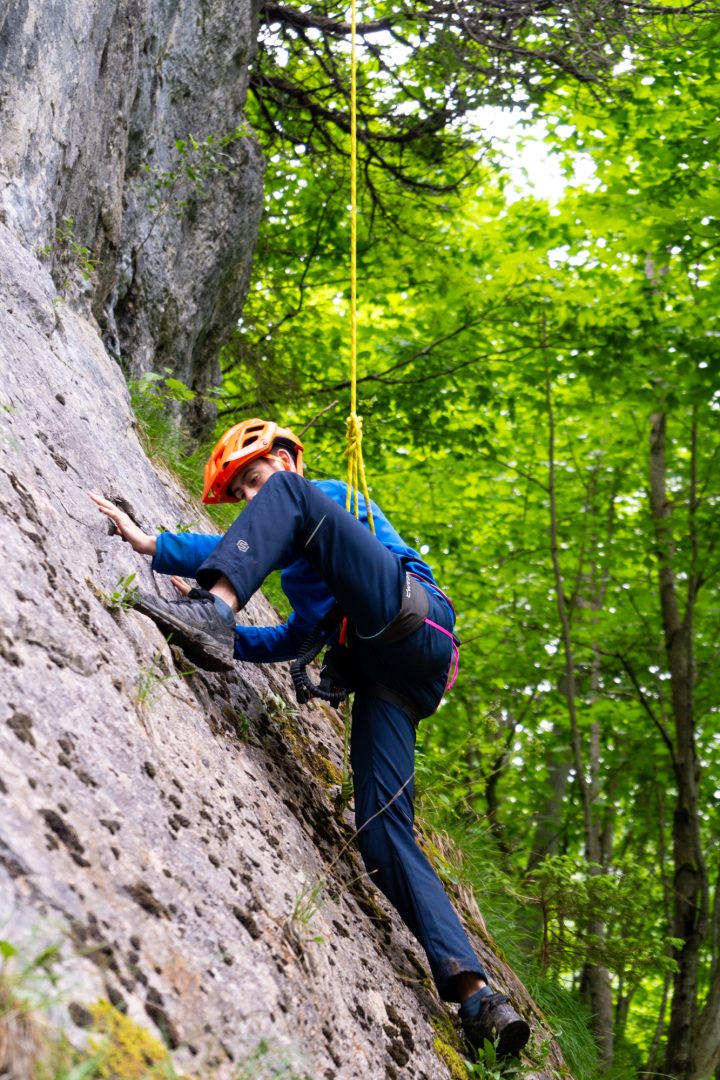
- Leadership development: role rotations let shy kids try being a coach or captain.
- Reduced screen-time: unplugged days increase face-to-face interaction and curiosity.
- Increased resilience: trial-and-error activities normalize setbacks and recovery.
- Self-esteem gains: small wins compound into visible confidence boosts.
Illustrative scenarios and quick proof
During a weeklong soccer unit, I rotate kids through roles — goalie, striker, coach — and challenge each group to create a short strategy. They learn to resolve on-field disagreements through a five-minute coach-led reflection after every scrimmage. That repeated cycle turns momentary tension into practical teamwork.
In cabin life, I intervene lightly when chores spark conflict. I coach active listening and then have cabinmates negotiate a chore rota that balances tasks and free time. They leave with a functioning schedule and the ability to compromise.
“I learned to try new things and made friends I still talk to” — Camper, age 11.
“Watching a shy camper lead a group activity was the best part of my summer” — Counselor/Parent.
Physical health, outdoor time, and activity levels
I focus on how camps move kids and why that matters for health. Children and adolescents should get at least 60 minutes of moderate-to-vigorous physical activity per day (CDC).
Camps make that target realistic by scheduling several activity blocks across the day. Many programs report multiple daily activity blocks of 45–120 minutes (varies by program and activity). I watch for schedules that mix intensity and recovery so kids hit the 60-minute goal without burnout. Typical sequencing — a morning swim, a mid-day team sport, an afternoon hike or canoe, and evening games — keeps activity fresh and cumulative.
Typical activity blocks I look for
Below are common daily blocks that show how a camp stacks movement into a day:
- Morning swim — 45–90 minutes
- Skills stations / team sport — 45–75 minutes
- Afternoon hike or canoe — 60–120 minutes
- Evening games — 30–60 minutes
Outdoor time delivers benefits beyond steps and heart rate. I see nature exposure boost mood and reduce stress, and sun exposure helps Vitamin D production. Camps give regular outdoor exposure that supports physical fitness and mental recovery. I also recommend checking how much of each block is truly active versus downtime.
At-home summer days tend to drift toward long periods of sedentary behavior and increased recreational screen time, according to surveys and media-research data. Camps truncate that pattern by replacing multi-hour passive screen sessions with structured movement and social play. If you’re planning a first camp, I suggest reading Your first summer camp to compare schedules and pick programs that prioritize varied, outdoor activity.
Learning, enrichment, and preventing summer learning loss
I follow the research so I know the stakes. “Summer learning loss: students typically lose about one month of reading achievement and up to two months of math achievement over the summer.” (Cooper et al., 1996 and summer learning literature summaries)
Camps reduce that drift by giving kids structured, engaging practice instead of long stretches with no academic input. Enrichment and specialty camps — like reading-focused weeks or STEM tracks — layer short, frequent lessons into play. I favor programs that blend fun with clear learning goals: daily hands-on STEM projects, guided reading circles, and academic-day camps that deliver targeted literacy instruction all keep skills active. Use the phrase summer learning loss in planning conversations so everyone stays focused on measurable retention.
STEM camps help close gaps because they provide repeated, applied practice in specific skills. I watch kids reinforce math concepts while building robots or strengthen scientific reasoning through iterative experiments. That hands-on cycle turns passive forgetting into active reinforcement. Academic retention improves when practice is frequent, varied, and tied to immediate feedback.
Efficacy varies by program. A 4-week literacy camp meeting five days per week can offset 80–100% of expected summer reading loss — but only when evaluation data supports that claim. I insist on programs that publish or share outcome data. If a camp can’t point to evaluations, treat their efficacy numbers as hopeful, not definitive.
I recommend checking practical guides as you choose a program; this short guide to your first summer camp helps identify camps that prioritize learning alongside play.
Examples of camp formats and activities that protect learning
Below are common formats I recommend looking for when the goal is academic retention:
- Daily hands-on STEM projects that require math and critical thinking practice.
- Reading circles and paired reading that build fluency and comprehension.
- Academic-day camps with targeted literacy instruction and small-group tutoring.
- Integrated enrichment (art, nature, coding) that reinforces vocabulary and problem-solving.
- Frequent short assessments and feedback loops so instructors can adjust focus quickly.
Choosing a camp and practical logistics for parents
I focus on safety and staffing first. I always scan a camp’s materials for these phrases: American Camp Association accreditation, background checks, First Aid/CPR training, and clear staff-to-camper ratios.
Look for accreditation from the American Camp Association (ACA) and ask camps to explain their background-check process and First Aid/CPR requirements. I want a written policy on hiring, supervision, and ongoing training. Typical staffing guidance helps me compare programs: day camps often run 1:6 to 1:10 staff-to-camper ratios depending on age and activity, while residential camp ratios vary by activity and age. Costs also vary widely; expect day camps often $100–$400 per week and residential camps often $500–$1,500+ per week, with many programs outside those ranges.
Six questions I make every parent ask
- Can I visit the camp or take a virtual tour before signing up?
- What specific staff training do you require and how often is it refreshed?
- What are your health and medication policies, and how are medications stored and administered?
- What is the staff-to-camper ratio for my child’s age group and planned activities?
- What emergency and evacuation plans do you have, and how will families be notified?
- Are all staff subject to background checks, and do you hold ACA accreditation or equivalent?
I press for written answers to each question and keep a copy in my files. If a camp hesitates or gives vague responses, I move on.
I also check accessibility and funding options early. Many camps run scholarships, camperships, and adaptive programs for kids with disabilities. Typical funding routes include YMCA scholarships, local non-profits, and donor-funded camperships. I apply for those as soon as registration opens; many funds are first-come, first-served.
Many popular camps fill up months in advance; book or inquire 3–6 months before summer for best availability. I follow that exact timetable and set calendar reminders.
Practical steps I always take
- Find accredited camps and compare day versus residential options based on independence and cost. I often point families to an introductory resource for a child’s first experience with camp: first summer camp.
- Apply for camperships or scholarships early and keep copies of application confirmations.
- Download or create a packing checklist and a sample daily schedule so your child knows what to expect. I also recommend reviewing the camp’s behavior policy and emergency contact procedures in writing.
I double-check medical and travel logistics before the session starts. Confirm immunization and health policies, document any medication routines, and get a clear description of how staff will store and administer prescriptions. Plan transportation in advance—whether the camp runs bus routes, requires parent drop-off, or offers shuttle services. Finally, I save emergency contact information, written behavior policies, and the camp’s written emergency plan in my phone and print a hard copy to give to any additional caregivers.