Why Summer Camps Are Fun?
Summer camps boost confidence, friendship and fitness with outdoor activities, STEM, sports and immersive day or overnight options.
Summer Camps: Energizing Experience
Observations
I’ve found summer camps energizing. They mix hands-on activities—swimming, hiking, arts, ropes courses, STEM and team sports—with a steady daily rhythm. That rhythm balances structured instruction and free play. It keeps days active and social. The variety, extra outdoor time, reduced screen exposure and immersive group routines build confidence, friendship, leadership and physical fitness fast. Those gains make the experience engaging and rewarding.
Key Takeaways
- Diverse, rotating activity blocks plus unstructured time create fast social bonding and sustained engagement.
- Camps produce measurable social and emotional gains: confidence, independence, teamwork and leadership.
- Daily schedules often exceed the recommended 60 minutes of moderate-to-vigorous activity and boost outdoor time.
- Day camps provide local convenience and schedule flexibility; residential camps deliver deeper immersion, independence and peer bonding.
- I choose programs with clear safety practices, trained staff, transparent ratios and published schedules to maximize fun and outcomes.
YOUTUBE VIDEO
Lead statistics and quick takeaways
I focus on the numbers that explain why camps matter. About 14 million children attend day and overnight camps in the U.S. each year (American Camp Association state-of-industry report). That’s a substantial portion of the roughly 50 million school-age population — almost three in ten young people spend at least part of their year at camp. The camp sector also contributes roughly $25–$30 billion annually to the U.S. economy (American Camp Association state-of-industry report), which underscores camps’ role in local jobs and seasonal services.
I track three practical implications of these figures. First, scale means choice: families can usually find local day camps or regional residential options. Second, economic impact translates into continual investment in facilities, staff training, and program development. Third, the presence of millions of campers creates shared benchmarks for safety, activity, and learning that operators and parents can compare.
Day and residential camps serve different needs and outcomes, so I break that down clearly.
Day camps vs Residential camps — quick comparison
Here are the main differences I use when advising families and planners:
- Availability: Day camps often have greater daily availability in local communities and fit work schedules better. Residential camps have fewer slots and draw from wider regions.
- Independence: Day programs usually mean less overnight independence. Residential stays give kids extended independence, responsibility for cabins and routines, and stronger peer bonding.
- Immersion: Residential camps deliver immersive programming across multiple days; day camps focus on concentrated daily activities and shorter commitments.
- Practical trade-offs: Day camps can be more flexible and lower cost per week; residential camps require travel and higher fees but deliver deeper social growth and outdoor skills.
Quick stats and actionable takeaways
I keep these headline facts front of mind for program design and family choice:
- 14 million campers nationwide (American Camp Association state-of-industry report).
- Aim for at least 60 minutes of moderate-to-vigorous activity daily to meet healthy development goals (CDC physical activity recommendation).
- Typical summer learning loss runs about one month in reading and up to two months in math if kids aren’t engaged over the break.
I recommend using these stats to set clear goals: choose camps that promise daily physical activity, pair summer programs with reading plans, and weigh the social gains of residential immersion against the convenience of day programs. If you’re getting started with planning, I point families toward a practical primer on picking a camp; consider reading my guide to your first summer camp for a step-by-step checklist.
What makes camps fun: activities, daily rhythm, and camp types
Activities and offerings
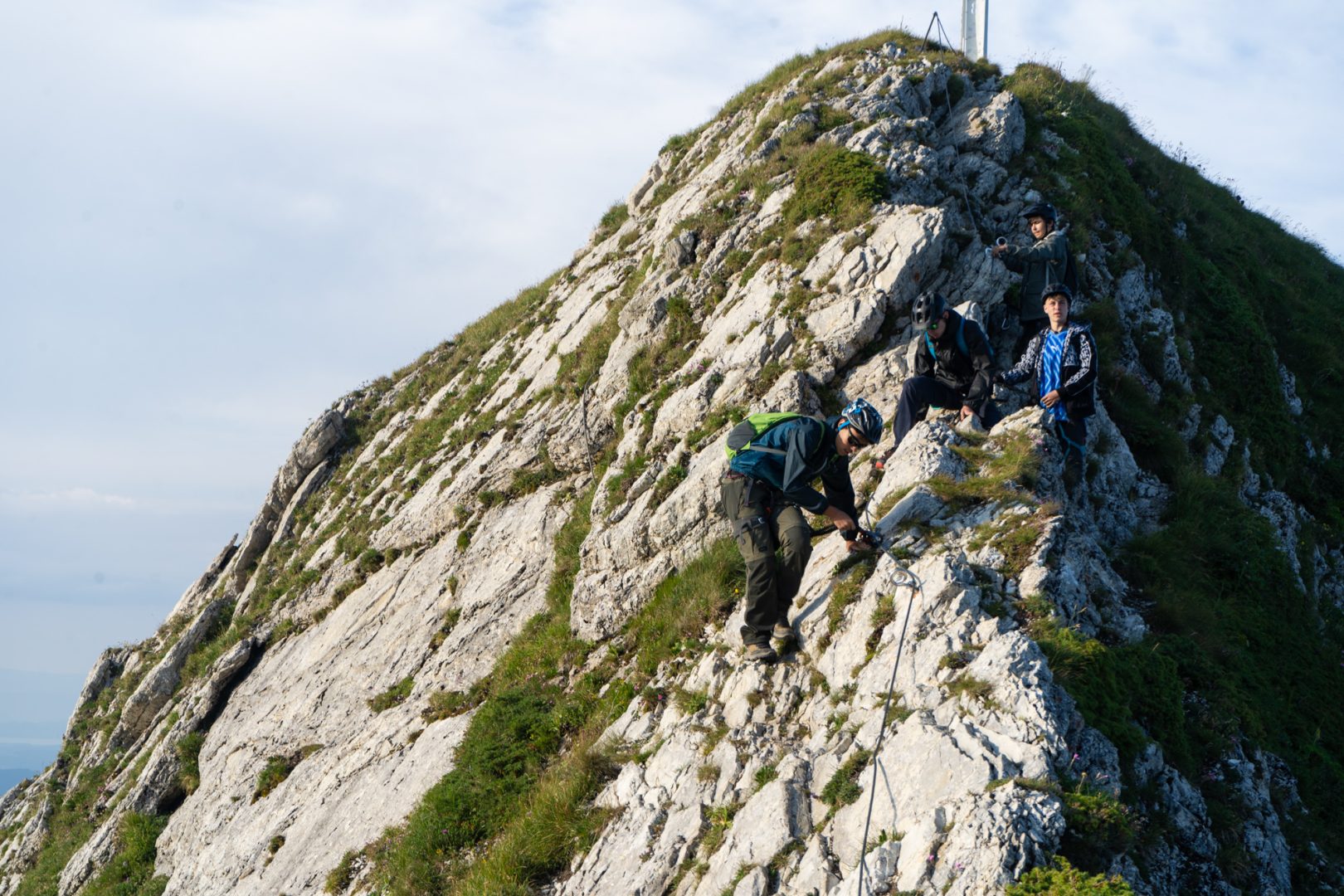
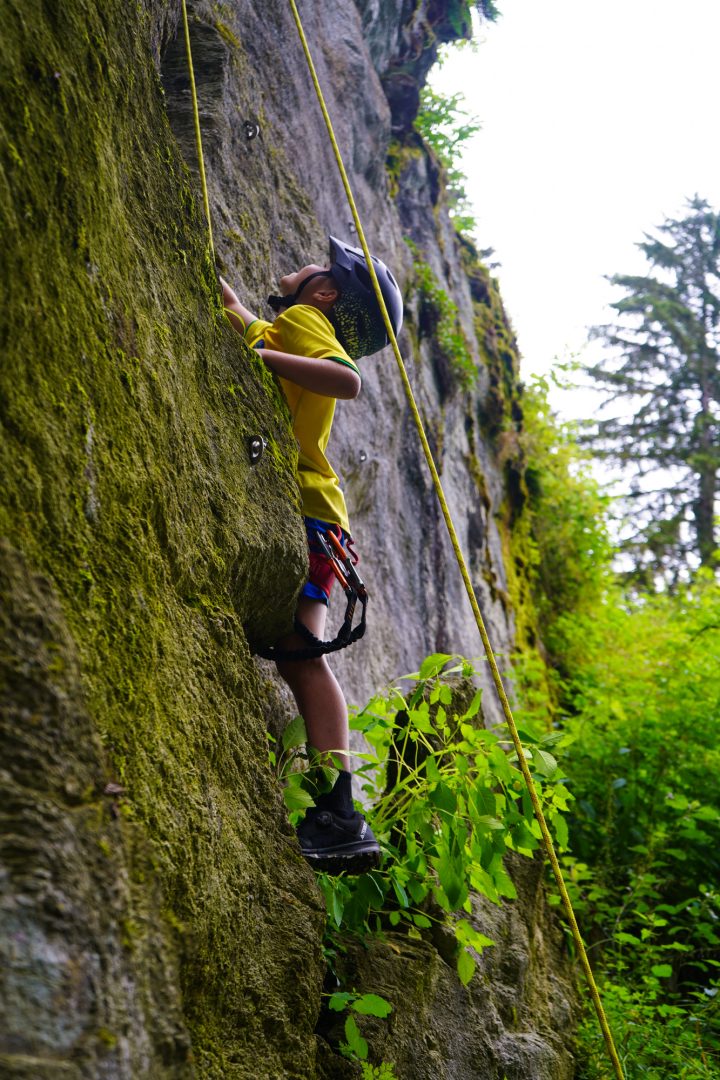
Camps pack a wide range of activities that combine play, skill-building, and social connection. Core offerings include swimming, hiking, canoeing, archery, ropes courses, arts and crafts, drama, music, team sports, STEM/robotics, coding, and horseback riding. I look for programs that balance physical challenges with creative and cognitive options so kids can try new things and follow passions.
Daily rhythm
Most programs mix scheduled instruction with open play. A typical camp day blends 4–6 scheduled activities with pockets of free time for socializing, rest, and informal discovery. Structured blocks teach technique and safety, while free-play windows let kids practice skills, invent games, or decompress.
A sample daily rhythm often looks like:
- Breakfast
- Morning block: two activities such as swim and a STEM project
- Lunch
- Afternoon block: two activities such as a hike and an arts session
- Evening program: campfire, drama performance, or another group activity
Day camps usually move in hourly rotations; residential camps build longer blocks and can include multi-hour or overnight experiences like canoe trips. I recommend asking how much unstructured time is built into each schedule — that’s where friendships form.
Camp types
Camp types, what they emphasize, and a quick example of an activity:
- Day camp — Local, daytime program with daily drop-off and pick-up. Example: team sports sessions that rotate every hour.
- Residential (overnight) camp — Immersive, multi-day stays with on-site lodging and community living. Example: an overnight canoe trip.
- Specialty camp — Focused, intensive instruction in one area. Example: a robotics workshop.
- Traditional overnight camp — Classic multi-activity programs balancing skill work and community rituals. Example: ropes courses and group challenges.
- Travel/adventure camp — Off-site expeditions and expeditionary learning. Example: multi-day backpacking.
- Faith-based camp — Programs that blend values or religious instruction with activities. Example: worship services and service projects.
- Therapeutic/adaptive camp — Designed for campers with medical, physical, or developmental needs, with adapted equipment and staffing. Example: adaptive swimming.
- Virtual/hybrid camp — Online or mixed programming that supports remote participation. Example: live virtual STEM challenges.
Packing checklist essentials
Below are the items I always advise families to include in a child’s pack:
- Insulated water bottle
- Sunscreen SPF 30+ and insect repellent (EPA-registered)
- Closed-toe shoes (hiking or sneakers)
- Swimsuit and quick-dry towel
- Rain jacket and small backpack
- Headlamp and name-labeled clothing
I often suggest parents review the camp’s specific list and label gear clearly before arrival. first summer camp
Social, emotional and leadership benefits
Camps deliver clear, measurable social and emotional growth. Surveys by camp organizations report that about 80–90% of campers and parents notice gains in confidence, independence and making new friends (American Camp Association / outcomes research). Many camp outcome studies also show 70–90% of campers improve in leadership, cooperation and independence (American Camp Association / outcomes research). I see these figures reflected in day-to-day activities and in the longer arcs of returning campers.
I watch teamwork and leadership emerge in simple moments. A coed soccer team, for example, learns to assign positions and communicate under pressure. Players adjust roles, call for support and accept shared responsibility. Those short drills build cooperation and on-field leadership that transfer to group projects and school settings. In the cabin, a chore-schedule disagreement often becomes a lesson in conflict resolution. I coach a counselor-guided restorative conversation and cabinmates work out a fair plan. That process develops communication, negotiation and problem-solving skills.
“I tried archery for the first time and felt proud when I hit the target.” — Camper, age 11.
“Watching shy kids lead a campfire song shows real growth in confidence.” — Counselor/Parent.
I also emphasize reduced screen-time as a concrete benefit. With screens out of the daily routine, campers practice face-to-face interaction, build resilience through hands-on challenges, and gain self-esteem from real accomplishments. Those breaks from devices let friendships form faster and deeper.
Core outcomes I track
Below are the outcomes I focus on and how they show up in camp life:
- Social skills — practicing turn-taking, listening and empathy during group activities.
- Making friends — shared tasks and free play speed up bonding.
- Teamwork — sports, ropes courses and projects force people to coordinate under pressure.
- Independence — simple responsibilities like packing gear or managing personal time build autonomy.
- Leadership development — rotating roles (team captain, activity lead) let shy kids try leading with low risk.
- Reduced screen-time — more in-person interaction and unstructured play.
- Increased resilience — coping with minor setbacks, weather changes or mistakes in skills.
- Self-esteem gains — visible progress in activities like archery or swimming.
I recommend parents and counselors look for programs that balance structured challenges with free time. If you’re planning a first summer camp, I suggest considering program size and counselor training; first summer camp resources can help you decide. Small, consistent teams and trained facilitators accelerate leadership growth.
Physical health, outdoor time, and activity levels
I count daily movement as the single most reliable health win for kids during summer. Children and adolescents should get at least 60 minutes of moderate-to-vigorous physical activity per day (CDC). Camps make that simple by building movement into the schedule instead of leaving it to chance.
I see camp days packed with multiple activity blocks that add up quickly. Programs commonly schedule morning swim sessions, mid-day hikes, afternoon skill activities, and evening games. Camps often report activity blocks that run between 45 and 120 minutes each, so a single day can deliver well beyond the 60-minute recommendation. That structure reduces sedentary time and keeps children moving from morning to dusk.
Outdoor time delivers measurable benefits. Time in nature increases Vitamin D exposure, improves cardiovascular fitness, and boosts balance, coordination, and stamina. It also lifts mood and lowers stress in ways that indoor passive activities rarely do. I emphasize outdoor, unstructured play alongside coached activities because both build different physical and social skills.
Typical at-home summer days often include multiple hours of recreational screen time—commonly reported at roughly 3–4+ hours per day—so camps represent a clear contrast. Camp routines replace long stretches of sitting with repeated movement windows. Kids burn more energy, sleep better, and return home fitter and more resilient.
I recommend looking for camps that explicitly list daily activity blocks and outdoor time. If you want a quick primer on what to expect at camp, check this first summer camp guide.
Common camp activity blocks
Typical daily blocks you’ll find at a quality program include:
- Morning swim session — 45–90 minutes of laps, lessons, and free play in the pool or lake.
- Mid-day hike or nature trek — 45–120 minutes of walking, terrain play, and exploration.
- Afternoon skill activities — 60–90 minutes for sports, ropes course, archery, or team challenges.
- Evening group games — 45–60 minutes of captures, relays, or social play that extend daily activity.
I advise choosing a camp with a mix of continuous and intermittent activities. Continuous activities build endurance; intermittent play sharpens agility and coordination. Both cut sedentary time and support long-term physical health.
Learning, enrichment, and preventing summer learning loss
I track research that shows students typically lose about one month of reading achievement and up to two months of math achievement over the summer (Cooper et al., 1996). That slide shows up fast. Left unaddressed, it widens achievement gaps and forces teachers to reteach material in the fall.
Camps that include academic enrichment reduce that drift by keeping skills active and adding motivation. I recommend programs that combine structured instruction with hands-on, interest-driven activities. That mix helps students practice core skills while staying engaged.
What effective academic camps include
Below are common program elements that consistently show promise in limiting summer learning loss:
- Daily hands-on STEM projects that require measurement, hypothesis testing, and iteration.
- Small-group reading circles that build fluency, vocabulary, and discussion skills.
- Short, focused skill sessions (20–40 minutes) for math procedures and reading comprehension.
- Academic-day models that alternate direct instruction with active learning and outdoor application.
- Ongoing informal assessment and brief progress checks to adjust instruction week to week.
Program features I value most are daily contact, small groups, and an authentic project to apply skills. I prefer sessions that run several weeks rather than one-off workshops, because repetition builds retention.
Efficacy varies across programs. Some evaluations report that intensive literacy camps of multiple weeks can offset much of the expected reading loss, but the outcomes depend on curriculum, instructor quality, dosage, and participant selection. I avoid claiming specific effect sizes unless a direct program evaluation is cited.
When choosing or designing a camp, look for these practical signs of quality:
- Aligned learning objectives
- Trained instructors
- Measurable goals
- A balance of instruction plus applied activities
If you’re new to camp selection, see this guide for planning your child’s first experience: Your first summer camp. I also recommend asking providers for student progress reports and examples of classroom assessments before you enroll.
Choosing a camp and practical logistics for parents
I focus on safety and transparency first. Look for ACA accreditation (American Camp Association), clear background-check policies, staff trained in First Aid and CPR, and published staff-to-camper ratios.
Pay attention to ratios and staffing. Day camps commonly run 1:6 to 1:10 depending on age and activity; residential camp ratios will vary more by activity and camper age. Ask how the camp manages high-risk activities and whether senior staff supervise those sessions directly.
Costs vary widely, so plan a realistic budget. Typical ranges are:
- Day camps: often $100–$400 per week.
- Residential camps: often $500–$1,500+ per week.
Confirm what’s included (meals, transport, special equipment, insurance, extraneous fees) before committing.
Ask these six questions before you book
Use these prompts when you call or visit the camp:
- Can I visit the site and meet key staff in person?
- What formal training and ongoing supervision do staff receive?
- How do you handle health care and medication administration?
- What are your staff-to-camper ratios for my child’s age and activities?
- What emergency plans and communication protocols are in place?
- Do you require background checks and First Aid/CPR certification, and are you ACA-accredited?
I press camps for clear, written answers to each question and compare them side by side.
Ask about accessibility and financial aid early. Many programs offer scholarships, camperships, or sliding scales. Typical funding routes include YMCA scholarships, local non-profits, and donor-funded camperships. If cost is a barrier, I encourage applying to multiple aid sources and asking the camp about deadlines and required documentation.
Booking timing matters. Popular camps fill months ahead; I suggest contacting camps 3–6 months before summer for the best availability and early-bird pricing. If you want to explore program types, I found a useful starter guide for a child’s first summer camp that outlines options and timelines.
Practical next steps I follow with parents:
- Find ACA-accredited options and compare day versus residential formats.
- Apply for camperships early and follow up on award timelines.
- Request sample daily schedules and dietary/medical forms.
- Download or print a packing checklist and trial-run it at home so kids know what to expect.
Check cancellation and refund policies before paying and keep digital copies of all health forms, emergency contacts, and insurance details for quick access.

American Camp Association — state-of-industry report
American Camp Association — outcomes research / camp outcome studies (referenced for 70–90% and 80–90% findings)
Centers for Disease Control and Prevention (CDC) — physical activity recommendation (“Children and adolescents should get at least 60 minutes of moderate-to-vigorous physical activity per day”)
Cooper et al. (1996) — summer learning loss finding (“Summer learning loss: students typically lose about one month of reading achievement and up to two months of math achievement over the summer.”)