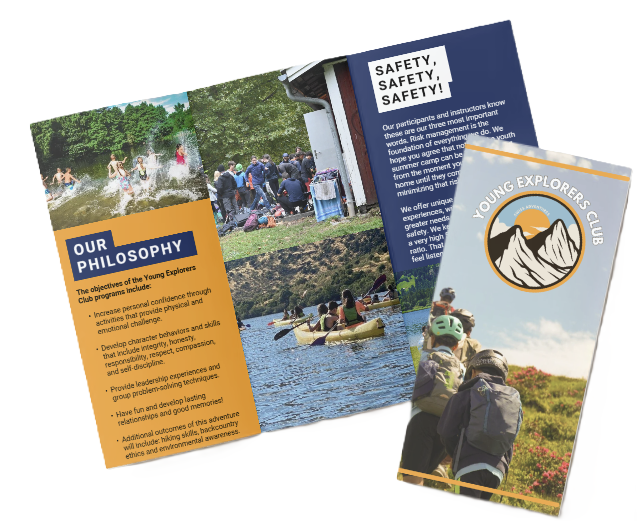
Adventure camp activities list for kids: 2026 guide
Discover the best adventure camp activities for kids aged 8-17. Compare options, benefits, and expert selection criteria to choose the perfect growth experience for 2026.
Choosing the right adventure camp for your child can feel overwhelming. With so many programs offering different activities, how do you know which ones will deliver the perfect blend of fun, education, and personal growth? This guide cuts through the confusion by presenting a structured approach to evaluating adventure camp activities. You’ll discover how building confidence through adventure happens through carefully selected experiences that challenge kids while keeping them safe. We’ll walk you through selection criteria, showcase top activities, and help you match options to your child’s unique needs and interests.
Table of Contents
- Choosing The Right Adventure Camp Activities: Key Criteria
- Top Adventure Camp Activities That Foster Growth And Teamwork
- Comparing Popular Adventure Camp Activities: Benefits And Considerations
- Choosing The Best Adventure Camp Activities For Your Child’s Growth
- Experience The Best International Adventure Camps With Young Explorers Club
Key takeaways
| Point | Details |
|---|---|
| Balance fun and learning | Activities should entertain while teaching valuable life skills and building character |
| Prioritize team building | Group challenges develop cooperation, communication, and leadership abilities |
| Match activities to interests | Diverse options ensure every child finds experiences that excite and motivate them |
| Safety comes first | Qualified supervision and proper risk management protect children during adventures |
Choosing the right adventure camp activities: key criteria
Selecting adventure camp activities requires more than picking what sounds exciting. You need a framework that evaluates how each experience contributes to your child’s development while ensuring they have an amazing time.
Start by identifying activities that combine enjoyment with genuine learning outcomes. The best experiences teach resilience, problem solving, and self reliance without feeling like classroom lessons. Adventure camps support growth through confidence, teamwork, and new skills that transfer to everyday life.
Teamwork and social skill development should rank high on your criteria list. Look for activities that require collaboration, communication, and mutual support. These experiences help children learn to trust others, contribute to group success, and navigate social dynamics in healthy ways.
Age appropriateness matters significantly. An activity perfect for a 15 year old might overwhelm an 8 year old or bore a 17 year old. Verify that the camp tailors challenges to developmental stages and skill levels.
Personal challenge creates growth, but excessive risk creates anxiety. The sweet spot lies in activities that stretch comfort zones while maintaining physical and emotional safety. Qualified instructors know how to calibrate difficulty so each child experiences accomplishment rather than defeat.
International and cultural exchange elements add tremendous value. When children interact with peers from different backgrounds, they develop global awareness and cultural sensitivity that serves them throughout life.
Pro Tip: Ask camp directors specific questions about instructor qualifications, safety protocols, and how they modify activities for different skill levels before committing.
Top adventure camp activities that foster growth and teamwork
Understanding which specific activities deliver the developmental benefits you’re seeking helps narrow your search and set appropriate expectations.
Ropes courses and high elements challenge children to overcome fear while teammates encourage them from below. These activities build trust, communication skills, and personal courage as participants navigate obstacles suspended above ground.
Rock climbing teaches goal setting, perseverance, and problem solving. Climbers must plan routes, manage fear, and push through physical challenges. Belayers learn responsibility for their partner’s safety, creating powerful trust bonds.
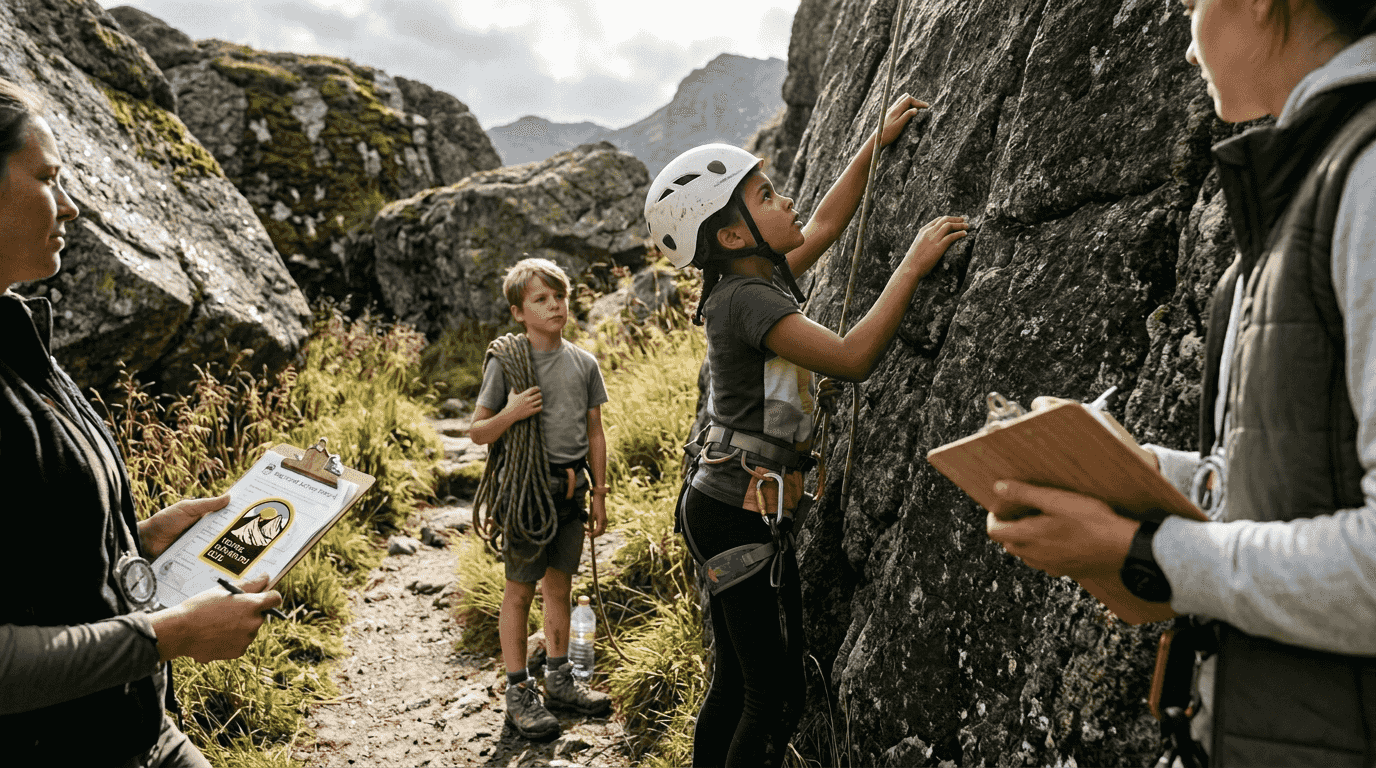
Hiking and wilderness navigation develop self reliance and environmental awareness. Children learn to read terrain, use maps and compasses, and work together to reach destinations. These experiences foster appreciation for nature and physical fitness.
Orienteering combines physical activity with mental challenge. Teams must navigate unfamiliar territory using maps and strategic thinking. This activity enhances spatial reasoning, decision making under pressure, and collaborative planning.
Kayaking and water sports require coordination, strength, and water safety knowledge. Paddling together in tandem kayaks or rafts demands synchronized effort and clear communication. These activities also teach environmental stewardship for aquatic ecosystems.
Team problem solving games present groups with challenges requiring creative thinking and cooperation. From building structures with limited materials to completing obstacle courses together, these activities reveal leadership potential and teach conflict resolution.
Adventure activities like ropes courses, hiking, and orienteering build essential life skills that extend far beyond camp.
Pro Tip: Choose camps offering activity variety so your child can discover new passions rather than focusing exclusively on familiar interests.
Comparing popular adventure camp activities: benefits and considerations
A direct comparison helps you assess which activities align best with your child’s personality, current abilities, and growth goals.
| Activity | Age Range | Primary Benefits | Physical Demand | Team Focus |
|---|---|---|---|---|
| Ropes Course | 10 to 17 | Confidence, fear management | Moderate to High | Medium |
| Rock Climbing | 8 to 17 | Problem solving, perseverance | High | Low to Medium |
| Hiking | 8 to 17 | Endurance, nature appreciation | Moderate | Medium |
| Orienteering | 10 to 17 | Navigation, strategic thinking | Moderate | High |
| Kayaking | 12 to 17 | Coordination, water safety | Moderate to High | Medium to High |
| Team Games | 8 to 17 | Communication, leadership | Low to Moderate | Very High |
For introverted children, activities like rock climbing or individual hiking challenges provide personal achievement opportunities without constant group interaction. These kids often thrive when they can process experiences internally before sharing with others.
Extroverted children typically excel in team games, group kayaking expeditions, and collaborative orienteering challenges. They draw energy from social interaction and often emerge as natural encouragers and motivators.
Physically adventurous kids might gravitate toward high ropes courses, challenging climbs, and intense multi day hiking trips. These experiences satisfy their need for adrenaline while teaching risk assessment and personal limits.
Children seeking intellectual challenge often enjoy orienteering’s strategic elements, problem solving games requiring creative thinking, and activities combining physical and mental demands.
Short adventure camps can have significant growth impacts even in condensed timeframes, making them ideal for first time campers or busy family schedules.
Consider these activity specific factors:
- Ropes courses require overcoming fear of heights and trusting safety equipment
- Rock climbing demands upper body strength and problem solving patience
- Hiking needs endurance and comfort with extended outdoor exposure
- Orienteering combines physical fitness with map reading skills
- Kayaking requires swimming ability and comfort on water
- Team games suit all fitness levels but demand social engagement
Choosing the best adventure camp activities for your child’s growth
Making the final selection requires honest assessment of your child’s current state and desired development areas.
-
Evaluate your child’s genuine interests, not what you wish they enjoyed. A reluctant climber gains nothing from forced participation, while an enthusiastic hiker thrives on trail challenges.
-
Identify specific growth areas you hope camp will address. Does your child need confidence building, social skill development, physical fitness improvement, or leadership experience?
-
Research camp safety records, staff credentials, and emergency protocols. Qualified instructors with wilderness first aid certification and activity specific expertise ensure proper supervision.
-
Review staff to camper ratios for different activities. High risk activities should have lower ratios, typically one instructor per six to eight participants.
-
Discuss activity options with your child to build excitement and ownership. When kids help choose their experiences, they invest more effort and embrace challenges.
-
Balance familiar comfort with new experiences. Including one or two known activities alongside novel challenges creates security while promoting growth.
-
Consider the camp’s overall philosophy and how activities support stated goals. Adventure based learning integrates fun and education for holistic youth development.
Verify that the camp tailors activities to individual readiness levels. Quality programs assess each child’s abilities and adjust challenges accordingly rather than forcing everyone through identical experiences.
Pro Tip: Schedule a call with camp directors to ask how they handle children who struggle with specific activities and what alternative options exist for those who need different challenges.
Experience the best international adventure camps with Young Explorers Club
Now that you understand how to evaluate adventure camp activities, you’re ready to explore programs that embody these principles.
Young Explorers Club offers international summer camps in Switzerland designed specifically to foster personal growth through adventure. Our programs combine the activities discussed throughout this guide with expert instruction, proven safety protocols, and an international community of young adventurers.
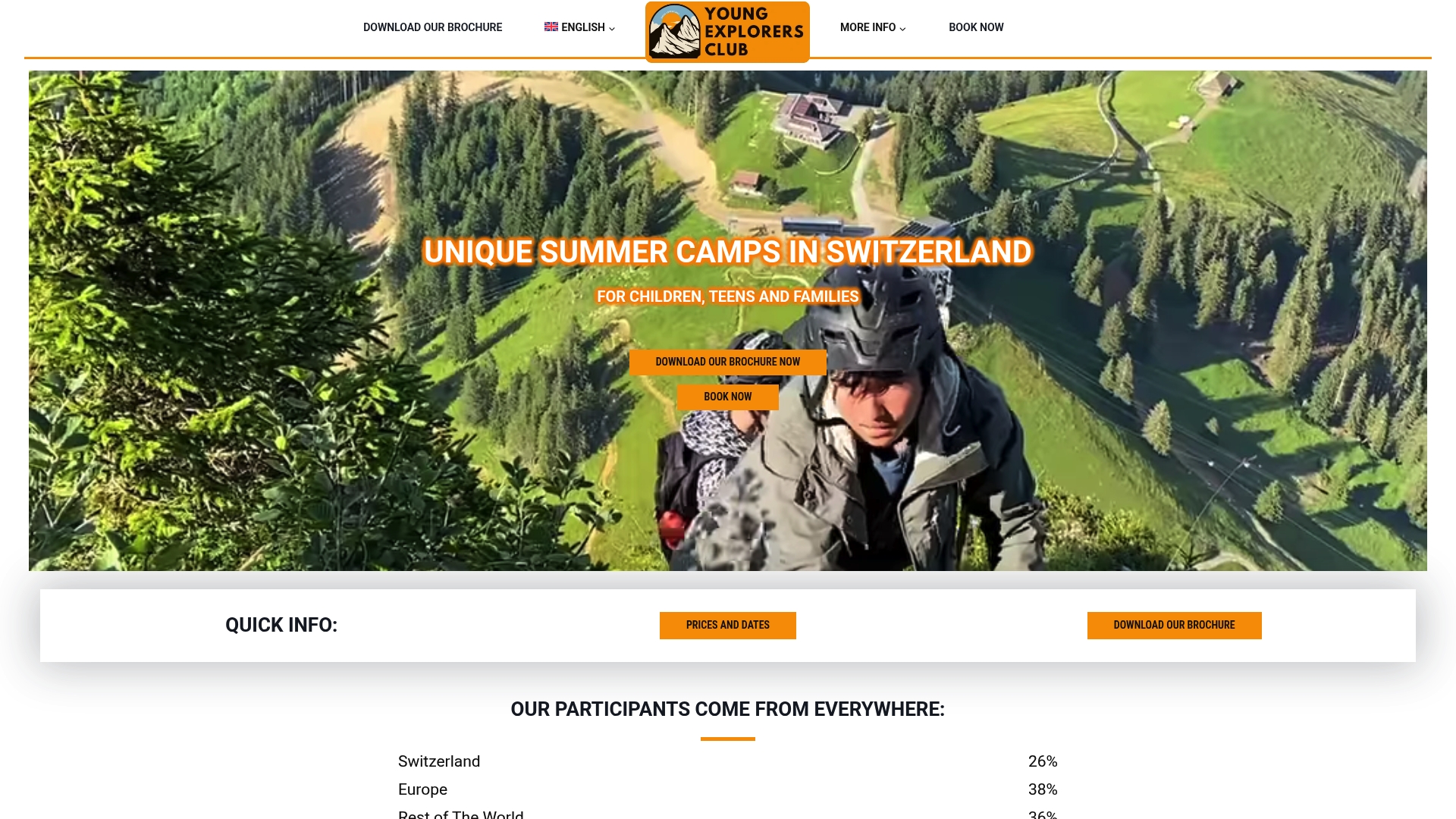
Our weekly activities in Vaud provide flexible options for families seeking shorter commitments, while our comprehensive summer camp for teens delivers immersive multi week experiences. Every program balances physical challenge with educational value, ensuring your child returns home with new skills, lasting friendships, and increased confidence. Explore all our summer camp Switzerland options and discover which adventure awaits your young explorer.
FAQ
What are common adventure camp activities for kids aged 8 to 17?
Typical activities include ropes courses, rock climbing, hiking, kayaking, orienteering, and team building games. Most camps tailor these experiences to different age groups and skill levels, ensuring appropriate challenges for both younger children and older teens.
How do adventure camp activities benefit children’s personal growth?
Adventure activities build confidence by helping children overcome fears and accomplish challenging goals. They develop teamwork through collaborative problem solving, enhance resilience by teaching kids to persist through difficulty, and cultivate leadership skills as participants take turns guiding their peers.
Are adventure camps safe for children?
Reputable adventure camps maintain excellent safety records through qualified staff, comprehensive training, and strict protocols. Instructors hold certifications in their activity specialties plus wilderness first aid, and camps conduct thorough risk assessments before each activity.
What should I consider when choosing adventure camp activities?
Evaluate your child’s interests, physical abilities, and developmental goals first. Then assess camp safety measures, staff qualifications, and how well the program’s philosophy aligns with your family values. Consider the social environment and whether activities promote the specific skills you hope your child will develop.
How can I help my child get the most out of their adventure camp experience?
Encourage openness to trying new activities even when they seem intimidating. Discuss specific goals before camp so your child has clear intentions, then debrief afterward to process experiences and identify lessons learned. Avoid pressuring for perfection, instead celebrating effort and growth regardless of outcomes.