

Program Overview
We deliver structured adventure—outdoor play, expeditions, ropes courses and water activities—that builds children’s confidence. These activities expose kids to managed risk, give clear feedback and offer short mastery moments. Those moments boost self-efficacy, resilience, social skills and physical competence. When programs combine progressive difficulty, autonomy (challenge by choice), brief debriefs and SMART goals over an 8–12 week progression while tracking outdoor minutes (about 120 minutes/week to align with the CDC‘s 60 minutes/day target), they drive measurable gains. That approach commonly yields a 10–20% rise in self-efficacy and higher retention when teams add strong safety measures and inclusive adaptations.
Core Components
Activities
- Outdoor play for free exploration and physical activity.
- Guided expeditions to teach navigation, planning and teamwork.
- Ropes courses to provide controlled, progressive risk.
- Water activities with structured safety protocols and skill-building.
Instructional Design
- Progressive difficulty—tasks become incrementally more challenging to produce repeatable mastery experiences.
- Autonomy (challenge by choice)—participants choose their level of engagement to support ownership and motivation.
- Short debriefs—immediate, focused reflection to reinforce learning and transfer.
- SMART goals across an 8–12 week progression to create measurable improvement.
Measurement & Assessment
Mixed Measurement Approach
- Self-report scales for perceived self-efficacy and resilience.
- Outdoor minutes tracking (target ~120 minutes/week) to align with activity guidelines.
- Observational rubrics capturing leadership, risk management and collaboration behaviors.
- Qualitative reflections to understand participant experiences and contextual factors.
Safety & Inclusion
Risk Management
- Managed risk with clear safety protocols, appropriate staff-to-child ratios, PPE and emergency plans.
- Strong safety measures are linked to higher retention and better outcomes.
Inclusion
- Practical accommodations to ensure genuine participation (adaptive equipment, modified tasks, sensory supports).
- Intentional adaptations so all children can access mastery experiences and build confidence.
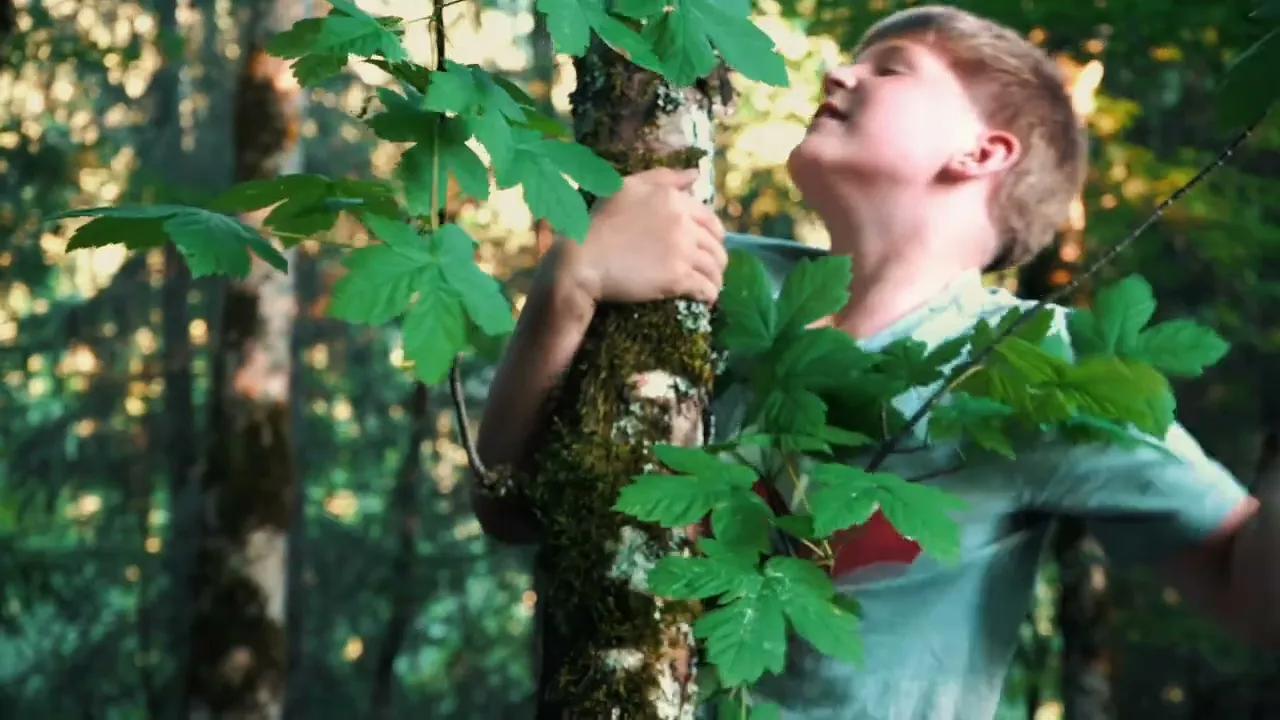 Watch on YouTube
Why Adventure Builds Confidence
The CDC guideline calls for 60 minutes per day of moderate-to-vigorous physical activity (CDC guideline). Yet typical recreational screen time sits at 7 hours 22 minutes for teens (Common Sense Census, 2019). Spending at least 120 minutes per week in nature is associated with better health and wellbeing (White et al., Scientific Reports, 2019) — this is an association, not automatic causation.
Challenging, hands-on adventure experiences — outdoor play, expeditions, ropes courses and water activities — directly build confidence by producing measurable gains in self-efficacy, resilience, social skills and physical competence. We, at the young explorers club, design programs that close the gap between passive screen hours and active, intentional outdoor time so kids get the specific experiences that build confidence.
How adventure creates confidence
Adventure exposes kids to safe risk and clear feedback. Mastery comes from trying, failing, adjusting and succeeding. Short, repeatable wins increase self-efficacy quickly. We structure sessions so each child encounters challenges they can overcome with effort. That creates a chain of successes that changes how they see themselves.
Social dynamics matter. Group expeditions and team tasks force communication, leadership and trust. Peers model problem-solving and persistence, which boosts social skills and normalizes setbacks. We coach facilitators to give targeted praise for effort and strategy rather than innate ability. That framing builds a growth mindset and durable confidence.
Physiology plays a role too. Physical exertion and exposure to nature reduce stress and sharpen focus. We monitor activity to align with the CDC guideline while also aiming for weekly nature exposure consistent with the evidence (White et al., Scientific Reports, 2019). Programs that combine physical challenge with reflection improve both skill and mood — you can see the effects on mental well-being after a day outdoors.
Practical setup tips we apply:
- Progress the difficulty in small steps so chances of success increase early.
- Use brief debriefs after each challenge to turn experience into learning.
- Let kids make choices and lead tasks; autonomy accelerates confidence gains.
- Encourage risk management, not risk avoidance; teach how to assess hazards and accept manageable risk.
Key activities that build confidence
We focus on several activity types that reliably improve confidence and the underlying skills:
- Outdoor play: Unstructured exploration builds creativity, balance and basic motor competence. Start with 20–30 minute daily play sessions and increase variety.
- Expeditions/hikes: Multiday or longer hikes teach planning, endurance and problem-solving. Set clear objectives and rotate leadership roles.
- Ropes courses/climbing: Vertical challenges create intense mastery experiences. Use graded routes and focus feedback on technique.
- Water activities: Canoeing and swimming demand coordination and trust; pair new learners with experienced buddies.
- Team challenges: Problem-solving races and orienteering foster communication and collective efficacy. Debrief to highlight specific contributions.
We pair these activities with intentional reflection and skill coaching so each child leaves with concrete evidence of progress.
Developmental Benefits: Social, Emotional, Cognitive and Physical Gains
Emotional: Play supports emotional development (Ginsburg, Pediatrics). At the Young Explorers Club, we use adventure and mastery experiences to raise self-esteem and foster leadership. We set achievable challenges and encourage peer cooperation so kids can feel competent and seen. For confidence-building, we design activities that let participants progress at their own pace and step into leadership roles. We give process praise that highlights effort and strategy rather than innate skill, which strengthens persistence and leadership identity. I also embed short reflection moments so kids can name what they learned and own their growth — and we link this to measurable boosts in self-esteem.
Social: Risky, cooperative play supports social competence (Brussoni et al. 2015). I let groups tackle managed challenges that require communication, turn-taking and shared decision-making. We teach kids to assess and accept manageable risk instead of removing every hazard; that creates real opportunities for negotiation, empathy and peer leadership. Practical programming includes group problem-solving tasks where roles rotate, so shy participants get practice leading and outspoken kids learn to listen.
Cognitive / Attention: Green outdoor activities have been linked to improved attention and reductions in ADHD symptoms compared with built settings (Kuo & Taylor 2004). I use focused nature tasks — scavenger hunts, observation challenges and map-based missions — to strengthen sustained attention and executive function. We structure tasks with clear goals, short checkpoints and escalating complexity so kids practice planning, working memory and flexible thinking. These green-time exercises work as active cognitive breaks that sharpen attention for later tasks.
Physical: Adventure activities help children meet the CDC’s 60 minutes per day recommendation and cut sedentary time. I program progressive skill work — balance drills, climbing techniques and paddling practice — to improve fitness, coordination and motor skills. We break skills into small, achievable steps and celebrate each milestone, which builds bodily confidence and reduces fear of new physical challenges. Parents notice better balance, stamina and willingness to try new sports after consistent exposure.
Practical strategies I use to build confidence
Use the following actions in your sessions to convert developmental gains into lasting confidence:
- Scaffolded mastery: Break a skill into steps, offer immediate feedback, then add difficulty.
- Rotating leadership roles: Assign short leader duties so every child practices decision-making and public-facing competence.
- Managed risky play: Set clear safety limits but allow choice and consequence within activities.
- Green-focused attention tasks: Include scavenger hunts and observation games to boost attention and problem solving.
- Process praise routines: Praise strategies and persistence rather than labels like “smart” or “natural.”
- Progressive motor drills: Schedule balance, climbing and paddle sessions that build motor skills and bodily confidence.
https://youtu.be/
Types of Adventure Activities That Build Confidence (by age and goal)
At the Young Explorers Club we match activity types to specific confidence skills and age readiness. Below I list each activity, its objective, recommended session length and a simple progression ladder. I also note low-cost alternatives you can run locally.
Activity categories and age-appropriate plans
Low-risk exploratory (nature walks, scavenger hunts / forest school)
-
Objective: spark curiosity, sharpen observation, introduce low-stakes risk-taking.
-
Session length: Ages 3–6: 15–30 minutes; Ages 7–11: 45–60 minutes; Ages 12+: 60–120 minutes.
-
Progression ladder:
-
Guided short loop with prompts for observation.
-
Paired scavenger task with simple choices.
-
Small-group self-directed mini-exploration with a shared report-back.
-
-
Low-cost alternative: park scavenger hunts.
Skill-based progressive (hiking, basic climbing, kayaking, orienteering)
-
Objective: build competence, mastery and problem solving.
-
Session length: Ages 3–6: short supervised tries (15–30 minutes); Ages 7–11: 45–90 minutes; Ages 12+: multi-hour sessions.
-
Progression ladder (example — hiking/orienteering):
-
0.5–1 km guided trail with map introduced.
-
1–3 km paired route-finding with simple navigation.
-
Group route planned and executed by participants.
-
-
Practical tip: introduce orienteering basics early; we use maps and waypoints to make learning visible.
-
Low-cost alternative: local pond paddling with rented kayaks or improvised map tasks in a park.
-
I often point families to resources on how mountain sports like hiking build resilience.
Group challenge experiences (ropes course, cooperative team challenges, camping expeditions)
-
Objective: develop leadership, communication and social confidence.
-
Session length: Ages 3–6: short cooperative games (15–30 minutes); Ages 7–11: 45–120 minutes; Ages 12+: multi-hour to overnight.
-
Progression ladder:
-
Team games with rotating roles and adult facilitation.
-
Low ropes or cooperative challenge with peer-led problem solving.
-
Full group challenge where participants design strategy and debrief.
-
-
Low-cost alternative: improvised ropes challenge with spotters and clear safety rules.
Longer expeditions / wilderness trips (multi-day backpacking, canoe trips)
-
Objective: build sustained self-reliance, planning skills and resilience.
-
Session length: Ages 3–6: not recommended; Ages 7–11: short overnight with heavy adult support; Ages 12+: day-long to multi-day with progressive responsibility.
-
Progression ladder (example — backpacking):
-
Day hike 3 km with individual gear responsibility.
-
8–12 km group navigation with shared leadership tasks.
-
Overnight trip with participant-led route choice and camp routines.
-
-
Low-cost alternative: backyard camping that practices gear setup and meal planning.
-
Parents can read about how camps build self-esteem through achievement.
Practical scheduling rules I follow: keep sessions short and playful for preschoolers, increase complexity and duration for school-age kids, and offer regular weekend practice for teens. I recommend repeating skills weekly or biweekly to convert small wins into lasting confidence.
Designing Progressive, Measurable Adventure Programs
We, at the young explorers club, design programs that balance safety, challenge, and clear progress. I use the principle of challenge by choice so every child decides their risk level while coaches scaffold skills stepwise. Sessions include a short debrief lasting 5–10 minutes to anchor learning and prompt reflection.
Program length and progression
Program length matters. I recommend 8–12 weeks because many evaluation studies use 6–12 week interventions; selecting at least 8–12 weeks gives time for measurable changes in self-efficacy and social outcomes to appear. Progression should be explicit: define milestone skills, map them across sessions, and build in repeat practice so success becomes observable.
Goals and individual planning
SMART goals sit at the center of individual planning. I have each participant write at least one SMART goal and revisit it mid-program. A concrete example is: “Lead a trail navigation for 15 minutes by week 6.” That format creates clear assessment points and enables targeted coaching.
Measurement approach
I combine quantitative and qualitative measurement so outcomes are credible and actionable. Quantitative tools include pre/post assessment scales like the Rosenberg Self-Esteem Scale or short self-efficacy measures, plus objective behaviour counts (minutes outdoors aiming for 120 minutes/week or progress toward CDC 60 minutes/day), and program metrics such as attendance and retention. Observational measures use a simple 1–5 observational rubric to rate initiating social interactions and leadership behaviours. Qualitative inputs come from reflection journals, parent and teacher feedback, and short exit interviews. I triangulate these sources to detect trends and to guide adaptive changes mid-term.
Benchmarks and interpretation
Set realistic benchmarks and report uncertainty. A reasonable target is a 10–20% increase in self-efficacy scores after 8–12 weeks. Expect that 50%+ participants may report feeling “more confident” on post-program surveys, but always present confidence intervals and baseline distributions. Use attendance and retention to interpret effect sizes: low attendance can mask real gains.
Behavioural and perceived change
I track both behaviour and perceived change. Behavioural targets include minutes outdoors per week and completion of progression milestones. Perceived targets use pre/post assessment shifts. Observational rubrics let me quantify leadership initiation and risk-management across sessions so change isn’t only self-reported. For program promotion, retention and attendance rates serve as business KPIs and as fidelity checks.
Sample 8-week curriculum, measurement tools, and rubrics
- Week 1: Baseline assessments and low-risk exploratory session; set SMART goals and introduce the concept of challenge by choice.
- Week 2: Skill introduction (navigation and climbing basics); 5–10 minutes debrief and reflection journaling.
- Week 3: Small progressive challenge; assign a leadership role and conduct a brief mid-program check-in.
- Week 4: Group challenge focused on team problem-solving; observational rubric checkpoint for collaboration and leadership.
- Week 5: Progressive skill session with focused individual milestone practice.
- Week 6: Longer outing or mini-expedition; administer mid-program self-efficacy survey.
- Week 7: Peer-led activities emphasizing transfer of skills to new contexts.
- Week 8: Final expedition/challenge; run post-program assessments (Rosenberg Self-Esteem Scale or short self-efficacy scale), short exit interviews, and review SMART goals.
Weekly quantitative measures
- Pre/post assessment scores (self-efficacy, self-esteem).
- Minutes outdoors (aim for 120 minutes/week).
- Attendance rate and retention rate.
- Completion of progression milestones.
Observational rubrics (examples)
- Leadership initiation (1 none — 5 frequently leads and delegates).
- Risk-management (1 avoids all risk — 5 appropriately assesses and manages risk).
- Collaboration (1 poor — 5 excellent).
Sample pre/post survey items (short)
- “I feel confident leading a group on a short outdoor activity.” (1–5)
- “I try new physical challenges outdoors.” (1–5)
- “I spend at least 120 minutes/week outdoors.” (yes/no + minutes)
Qualitative tools
- Weekly reflection journals.
- Parent/teacher feedback forms.
- Brief exit interviews focused on perceived change and goal attainment.
Benchmarks, targets, and KPIs
- Aim for a 10–20% increase in self-efficacy scores after 8–12 weeks.
- Expect 50%+ of participants to report feeling “more confident” on post-program surveys; always calculate confidence intervals and report baseline variability.
- Operational KPIs: monitor attendance and retention each session; flag participants below 75% attendance for targeted outreach.
For behavioural motivation insight, connect measured outdoor time to broader outcomes like perseverance by linking program messaging to research on perseverance: perseverance

Safety, Risk Management and Inclusion
We, at the Young Explorers Club, frame adventure activities using a clear risk-benefit approach. Research like Brussoni et al. 2015 shows risky play links to physical and social gains. Inevitable risks exist, but we balance those benefits against actual injury probabilities and adopt managed risk rather than risk elimination. This lets children learn confidence while we keep exposures reasonable and planned.
Practical safety checks and protocols
Use these operational checks every time you plan an outing:
- Adult-to-child ratios: follow 1:6–1:12 depending on activity intensity and group age.
- Personal protective equipment: require PFDs for water, helmets for cycling and climbing, and spotters for any vertical work.
- Emergency readiness: carry a charged communication device, have a written emergency plan, list designated emergency contacts, and know nearest access points.
- Medical preparedness: bring a stocked first-aid kit and ensure at least one leader has up-to-date first-aid certification.
- Environmental checks: run weather checks before and during activities and cancel or modify if conditions raise risk beyond planned mitigation.
- Documentation and training: keep role assignments clear, log equipment inspections, and review evacuation routes with the whole group before starting.
We treat these checks as minimum standards, not optional extras. Leaders get briefings and sign-offs before higher-risk sessions. We also rotate spotters and double-check gear at staging areas.
Accessibility, inclusion and reasonable accommodation
I make inclusion a practical part of program design. Activities get adapted for sensory differences and mobility limitations. Offer choices like shorter routes, tactile maps, quieter start areas, and peer buddies. Ensure cultural relevance by consulting families and offering alternative tasks that reflect different experiences. Provide clear schedules and visual supports for neurodivergent children. We document reasonable accommodation requests and act on them promptly so participation is real, not symbolic.
We link participants to learning outcomes and resources that reinforce confidence. For example, our curriculum connects to how camp builds self-esteem, which helps leaders explain why adaptations matter.
Tools for leaders
Give leaders two simple tools they can use on the fly:
- One-page risk checklist template: covers gear, ratios, weather, comms, first-aid, and evacuation.
- Activity Risk-Benefit matrix: scores likelihood against benefit and lists mitigation steps; use it to decide whether to proceed, modify, or stop an activity.
Keep copies with field packs and upload filled forms to your program folder after each session.
Always check local and regional standards for legal and insurance specifics and required certifications. We verify liability coverage, confirm instructor credentials, and align our policies with regional regulations before any overnight or high-risk activity.

Programs, Gear, and Practical Tips for Parents, Teachers and Program Leaders
Recommended programs, essential gear, and a 4‑week starter plan
Below I list trusted program partners with one-line descriptions, followed by gear you can print and hand out, a short starter plan, and ready debrief prompts you can use right away.
Program and partner recommendations:
- Outward Bound — multi-day expeditionary programs emphasizing leadership and resilience.
- National Outdoor Leadership School (NOLS) — skills-based backcountry leadership courses.
- Scouts (Boy Scouts/Girl Scouts) — age-graded outdoor skill progression and badges.
- American Camp Association (ACA) — camp quality standards and research on youth outcomes.
- Project Adventure — curricula for challenge-based group learning.
- Forest School initiatives — child-led outdoor learning and play.
- Children & Nature Network — research and local program links.
Essential gear checklist by activity (printable):
- Daypack, appropriate footwear, weather-appropriate clothing and layered options.
- First-aid kit, headlamp/flashlight, whistle, map and compass.
- Child-sized life jacket (PFD) for water activities; helmets for cycling and climbing.
- Sunscreen, refillable water bottles, small repair kit and extra socks.
- Seasonal extras: insulated layers for cold, sunhat and bug spray for warm months.
Note: Include Leave No Trace basics and orienteering tools on every checklist.
Four-week starter plan (simple):
- Week 1 — 30–45 minute low-risk outdoor exploration; set one small SMART goal.
- Week 2 — 45–60 minute skill session (map basics or basic climbing); 5–10 minutes debrief.
- Week 3 — 60–90 minute group challenge (scavenger hunt or team task); assign small leadership roles.
- Week 4 — Short overnight or longer daytime outing if age-appropriate; post-trip reflection and reassess goals.
Ten ready-to-use debrief prompts (use 5–10 minutes after activities):
- What was a moment you felt proud of?
- What was hard and how did you handle it?
- What did you learn about teamwork?
- What would you try differently next time?
- What new skill did you practice?
- How did you keep yourself safe?
- Who helped you and how?
- What surprised you?
- How did nature make you feel?
- What’s a goal for next time?
Suggested local partnerships and program quality checks:
- Partner with parks departments, outdoor retailers (REI classes), and community centers.
- Verify instructor certifications and ACA standards before enrolling or hiring.
Practical tips, scripts, and scheduling for habit formation
We start small and build. Short wins matter. Aim for consistent exposure — target 120 minutes/week of cumulative nature contact to form routines. Keep sessions regular; weekly meets work best.
Use process praise and normalize failure as part of learning. Speak to effort and strategy rather than fixed traits. Try these quick scripts:
- “I noticed how you kept trying different ways — that persistence really helped.”
- “You made a plan and adjusted when the trail got tricky; great strategy.”
- “Thanks for helping the team decide — that was good leadership.”
For fast debriefing with kids use this parent/teacher script: “Let’s share one thing you did well and one thing to try next time — 1–2 minutes each.” It keeps reflection brief and focused.
When choosing programs or curricula, ask about specific outcomes like resilience, orienteering, and adventure therapy elements. Check for ACA alignment and practical skills progression. For child-led programs consider Forest School methods. For frameable skill curricula look at Project Adventure or Scouts.
Safety and progression rules I follow:
- Start with skills demonstrations and supervised practice.
- Increase challenge gradually and keep tasks achievable.
- Use helmets, PFDs, and first-aid readiness as non-negotiable.
- Teach Leave No Trace habits early and repeat them.
We also watch for emotional responses and connect activities to mental well-being. Short, consistent adventures build confidence quickly when paired with clear praise, regular debrief, and predictable routines.


