Best Summer Camps In Switzerland For 2025: Complete Guide
Best summer camps in Switzerland 2025: top adventure, language, arts & sports for ages 4–18. Compare prices, regions, safety, booking tips.
Complete Guide to the Best Summer Camps in Switzerland — 2025
We’ve compiled a complete guide to the best summer camps in Switzerland for 2025. It ranks leading providers and regions and summarizes camp types — adventure, language immersion, arts, sports and academic enrichment. Target ages run from 4–18. Typical weekly price bands are shown below, and practical selection benchmarks cover staff‑to‑child ratios, instructor qualifications, standard inclusions, regional activity strengths, and visa and insurance needs. We recommend booking early for peak July sessions to lock specific dates and niche activities.
Key Takeaways
- Camp types and ages: Adventure, language-immersion, arts, sports and academic programs cover ages 4–18. Sessions usually run 1–6 weeks.
- Price benchmarks: Day camps typically CHF 200–600 per week. Residential stays commonly CHF 900–3,500+ per week. Expect extra fees for transfers, gear and insurance.
- Regional strengths: Interlaken and Verbier excel at high-adrenaline adventure. Lake Geneva shines for language, arts and watersports. Zurich and Lucerne focus on tech, STEM and day options. Ticino offers Italian immersion. Zermatt provides boutique high‑alpine programs.
- Selection and safety criteria: Check staff-to-child ratios (see recommended ratios below). Verify instructor credentials, medical support and written emergency procedures.
- Booking and logistics: Confirm what’s included, study cancellation terms and ask for itemized invoices. Budget for deposits of 20–30%. Buy travel and medical insurance and arrange transfers well before peak July.
Camp Types and Ages
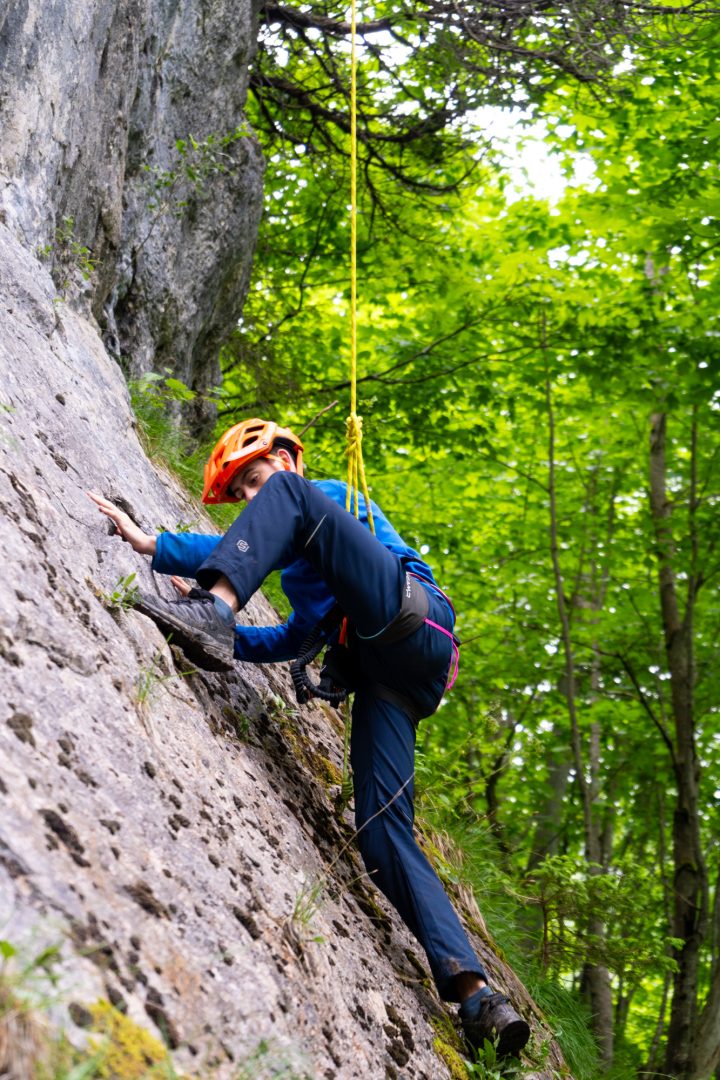
- Adventure camps: Hiking, climbing, white-water and high-rope courses — popular in Interlaken, Verbier and Zermatt. Best for ages 9–18.
- Language-immersion: Intensive English, French, German and Italian programs with local homestays or residential options — prominent around Lake Geneva, Zurich and Ticino. Suitable for ages 6–18.
- Arts and performance: Music, theatre, visual arts and media workshops — strong around Lake Geneva and major cities. Ages 7–18.
- Sports camps: Football, tennis, sailing and watersports — lakeside regions and mountain resorts. Ages 4–18, depending on sport.
- Academic and STEM: Robotics, coding, and academic enrichment often run as day camps in Zurich, Lucerne and larger towns. Ages 8–18.
Price Benchmarks
Use these as planning guides. Exact prices vary by provider, week, accommodation standard and included activities.
- Day camps: CHF 200–600 per week.
- Residential camps: CHF 900–3,500+ per week, with boutique alpine programs at the top end.
- Extras: Transfers, special equipment, optional excursions and mandatory insurance can add significantly to the total cost.
Regional Strengths
- Interlaken & Verbier: High-adrenaline adventure and mountain sports.
- Lake Geneva: Language immersion, arts, and watersports.
- Zurich & Lucerne: Tech/STEM camps, day-camp networks and easy transport links.
- Ticino: Italian-language immersion and milder climate.
- Zermatt: Boutique high-alpine programs and small-group experiences.
Selection and Safety Criteria
Prioritize these checks when comparing providers.
- Staff-to-child ratios: We recommend 1:6 for ages 4–8, 1:8–10 for ages 9–13, and 1:10–15 for teens.
- Instructor credentials: Verify qualifications, first-aid/CPR certification and background checks.
- Medical support: Onsite medical staff or clear access plans to local healthcare; written medication procedures.
- Emergency procedures: Written evacuation and incident-response plans; clear guardian contact protocols.
- Insurance and visas: Confirm required travel, medical and activity insurance; non‑EU/EEA families should check visa requirements early.
- Inclusions: Ask what is covered (meals, accommodation, equipment, excursions) and request an itemized invoice.
Booking and Logistics
- Book early: Popular July sessions fill fast; reserve specific weeks and niche activities well in advance.
- Deposits and cancellation: Budget for 20–30% deposits. Read cancellation and refund policies carefully.
- Transfers: Arrange airport or train transfers ahead of time; some camps require private transfers at extra cost.
- Packing and gear: Check camper packing lists — alpine and watersport camps often require specialist equipment.
- Insurance: Purchase comprehensive travel and medical insurance that covers activities and emergency repatriation.
Final Recommendations
Match the camp type to your child’s interests and maturity, prioritize programs with strong safety standards and clear inclusions, and book early to secure preferred weeks. For families travelling from abroad, confirm visa and insurance requirements well before departure.
Quick Picks: Best Swiss Summer Camps for 2025 — Top Choices by Family Need
Quick comparative signals
We highlight the key decision points so you can pick fast. Target age range: 4–18. Day vs residential: expect day camp CHF 200–600/week and residential camp CHF 900–3,500+/week. Typical price band runs from budget municipal day options through mid-range multiactivity to premium boutique programmes. Activity focus splits roughly into adventure, language immersion, arts, and academic enrichment. For a quick overview of options across regions and styles, check our Best summer camps guide.
Top camp picks — one-line pitch, ages, sample price signal
- Les Elfes International (Verbier) — family-friendly multiactivity international camps with strong outdoor focus; ages 7–17; mid-range to premium pricing. (keyword: “Les Elfes Verbier summer camps”)
- Institut auf dem Rosenberg — boutique, high‑end summer programmes in academics and arts with very small cohorts; ages mid‑teens; premium pricing. (keyword: “Institut auf dem Rosenberg summer programmes”)
- St. George’s International School (Montreux) — established international school summer courses offering language and academic tracks; day and residential options; good middle band pricing.
- Leysin American School / Leysin Summer Program — mountain school vibes with expedition-style outdoor options and mountain boarding; ages 12–18; mid-range to premium residential weeks.
- Aiglon College (Chesières‑Villars) — outdoor leadership and activity-focused boarding programmes emphasizing resilience and team skills; ages 13–18; premium residential.
- Local municipal day camps and sports clubs (Zurich, Lausanne, Genève) — lower-cost day options ideal for younger kids and short weeks; ages 4–12; day camp CHF 200–600/week.
For comparison clarity, we list the standout fit for common family priorities in single lines to speed decisions:
- Best for languages: Lake Geneva programs offer strong French/English immersion.
- Best for adventure: Interlaken and Verbier deliver canyoning, climbing, paragliding, and MTB.
- Best for boutique/premium: Institut auf dem Rosenberg.
- Best for family-friendly multiactivity: Les Elfes (Verbier).
- Best for boarding + leadership: Aiglon College and Leysin American School.
- Best for budget day options: municipal day camps and sports clubs in Zurich, Lausanne, and Genève.
Why Switzerland Is a Top Summer‑camp Destination in 2025
We, at the young explorers club, pick Switzerland for camps because its facts add up to practical advantages for families and program directors. Switzerland has a population of 8.78 million, an area of 41,285 km², and 4 national languages (German, French, Italian, Romansh). Those numbers mean camps can be small and focused or large and international, all inside a compact country.
The landscape sells itself. The Alps, 1,000+ lakes and high‑altitude terrain let me design programs that mix low‑altitude lake days with high‑alpine adventures. Kids can learn paddle skills one day and try via ferrata the next. That variety shortens travel time between contrasting activities and increases safety by staging progression properly.
Transport and safety make logistics simple. Swiss airports — Zurich, Geneva, Basel — give direct international access, and the rail network links airports to mountain valleys with predictable timetables. I plan transfers that minimize waiting and missed flights. Switzerland’s strong healthcare and safety rankings mean quick emergency access and high medical standards — a major reassurance to parents and insurers.
Language and culture are a built‑in advantage. With 4 official languages and a multilingual population, camps can offer real immersion in French, German, Italian and English. We hire staff who switch languages naturally, so kids pick up vocabulary in context, not just in a classroom.
Summer seasonality is predictable. Most programs run one to six weeks, with summer camps mid‑June to late August (peak July). That lets families plan around school calendars and gives operators predictable demand patterns. Peak July bookings mean early registration is smart if you want specific dates or niche activities.
Switzerland beats many other options on travel time and program diversity. European families get shorter journeys than transatlantic trips. The compact size cuts transfer times from airport to camp compared with larger countries. Multilingual immersion (French/German/Italian + English) offers a broader cultural mix than many single‑language camps.
Practical advantages to weigh
- Logistics: predictable train schedules, reliable road access, and short transfers from major hubs reduce day‑of stress.
- Safety & healthcare: emergency services and clinics are accessible in most regions; I recommend camps that publish on‑site medical provisions.
- Activity range: alpine hiking, lake sports, mountain biking and climbing can all be scheduled within short travel windows.
- Language immersion: choose programs that advertise multilingual staff or split sessions by language level for faster progress.
- Session planning: book early for July; flexible one‑ to six‑week options match varied family needs.
- Cost vs value: higher operating costs reflect quality infrastructure and safety — parents often accept a premium for peace of mind.
For families who want a streamlined decision path, see our guide to choose the best summer camp which explains how to match goals, duration and language options.

Types of Camps, Who They Suit, and How to Compare Options
Camp types and who they suit
We separate camps into clear categories so families can match goals to programs quickly. For active, risk‑tolerant kids aged roughly 10–17, Adventure/Outdoor options deliver canyoning, climbing and paragliding with focused safety systems. Families wanting mountain-specific choices can explore an adventure camp Switzerland for examples of standard itineraries and instructor profiles.
We recommend Language Immersion if the goal is measurable CEFR progress. These programs combine intensive daily classes with social activities in the target tongue — French, German or Italian plus English — and work best for motivated learners who want structured practice. When you see claims about CEFR gains, ask for provider assessment data.
We encourage parents of sporty kids to look at Sports camps for tennis, soccer, alpine sports and MTB. These focus on skill progression with clinics and tournaments. Age groups vary by sport; younger kids often get basics while teens enter performance tracks. We find disciplined coaching and clear testing benchmarks separate the good from the average.
We place Academic/Enrichment camps (STEM, leadership) for ages 12–18. They rely on workshops, project work and assessment milestones. Artistic teens do very well at Arts & Music or Equestrian programs that combine daily practice with showcases or competition prep. Boarding and Summer Schools mix academic curricula with residential life for families seeking an immersive experience.
We note typical operational norms across categories: age ranges 4–18, durations 1–6 weeks, and staff-to-child ratio 1:6–1:15 depending on age and activity.
How to compare — benchmarks, metrics, and due diligence
Use these comparison metrics when you shortlist programs:
- Age range (confirm actual groupings)
- Languages of instruction and support for non‑native speakers
- Duration options and module flexibility (many camps offer 1‑2 week modules and multi‑week discounts; remember durations 1–6 weeks)
- Price per week and what that covers
- What’s included (meals, laundry, airport transfers)
- Group size and % international participants
- Staff-to-child ratio 1:6–1:15 with clear ratios for younger children versus teens
- Staff qualifications and certifications (mountain guides, lifeguards, teacher credentials)
- Cancellation and refund policy
- Sample daily schedule (typical example: 09:00–12:00 activities, 12:00 lunch, 13:30–16:30 workshops/mini‑trips, evening group time)
- Medical and insurance requirements
We treat “price per week” as a headline figure but examine inclusions closely. A lower weekly fee can mask mandatory extras for transfers or specialist gear. We also check the % international participants to understand language mix and social dynamics.
We insist providers prove claims about learning outcomes. Requests we make include documented CEFR assessment practices for language courses and measurable progression plans for sport skill levels. For specialist adventure activities, we require to see instructor credentials and linked evidence of experience — for example, certified mountain guides, IFMGA or equivalent, and up‑to‑date lifeguard or rescue training.
We advise confirming operational benchmarks before you book: typical staff ratios, age ranges 4–18, and flexible durations 1–6 weeks. We also look at sample daily schedules to ensure the rhythm fits your child. Finally, we recommend asking for a recent parent handbook or contract excerpt so medical, insurance and cancellation terms arrive in writing.
Top Swiss Regions for Summer Camps — What Each Region Offers
We map the top regions so you can pick the right fit fast.
Regional breakdown
Here’s what each region offers; regional climate shorthand: average July temp 18–22°C in the Swiss Plateau; alpine 5–15°C.
-
Interlaken / Jungfrau Region — Best for high‑adrenaline adventure sports like canyoning, rock climbing and paragliding. Elevation: Interlaken ~568 m. Expect Swiss Plateau summer temps around 18–22°C, with alpine zones cooling to 5–15°C. Travel time: about 2 hours by train from Zurich Airport. Typical price level: mid‑range to premium depending on provider. One‑line pitch: Best for high‑adrenaline adventure modules and quick access from Zurich.
-
Verbier / Valais — Best for mountain multisport programmes, MTB and zip‑lines, plus bilingual French/English camps. Nearest airport: Geneva (~2 hours by car or train). Mountain settings mean many activities at alpine temperatures (5–15°C) though valley days hit the Plateau range. Typical price level: mid‑range to premium. One‑line pitch: Best for mountain multisport programmes and bilingual camps.
-
Zermatt / Matterhorn — Best for high‑alpine activities and smaller premium residential camps in a car‑free village. Note rail access via Täsch; plan transfers accordingly. Expect predominantly alpine temps of 5–15°C even in July. Typical price level: premium. One‑line pitch: Best for boutique, high‑alpine experiences and scenic mountain immersion.
-
Lake Geneva (Lausanne/Montreux) — Best for language immersion (French/English), music and arts, and water sports on the lake. Nearest airport: Geneva (~30–60 minutes). Most camps sit on the Plateau with July temps 18–22°C. Typical price level: ranges from day to mid‑range residential. One‑line pitch: Best for language immersion, arts and watersports near Geneva.
-
Zurich / Lucerne region — Best for urban camps, tech/STEM and short day programmes; international boarding schools nearby supply extra options. Travel time: immediate access from Zurich Airport. Weather is Plateau typical at 18–22°C, with cooler microclimates up in nearby hills. Typical price level: day to mid‑range. For planning help, see how to choose the best summer camp in Switzerland. One‑line pitch: Best for tech, academic and short day programmes with easy transport links.
-
Ticino (Lugano/Melide) — Best for a Mediterranean feel, Italian language immersion and lots of water sports. Nearest airport: Lugano with strong rail links; travel from Zurich or Geneva takes roughly 2–3 hours by train depending on route. Expect warmer, Plateau‑level summers around 18–22°C in valleys, with cooler alpine pockets at higher elevation. Typical price level: mid‑range. One‑line pitch: Best for families seeking Italian language immersion and warmer summer weather.
Cost, Booking & Budgeting — Benchmarks for 2025
We, at the young explorers club, set clear expectations so families can plan with confidence. Typical Swiss camp pricing splits into three tiers: day programs, mid-range residential stays and premium residency offerings. Expect transparent billing but still confirm inclusions before you book.
If you want help comparing options, check our how to choose guide for practical selection steps and questions to ask camps. Plan your cash flow around deposits and deadlines. Many operators ask for a deposit 20–30% at booking, with the balance due 6–8 weeks before arrival. Watch for early payment and sibling incentives when you lock dates.
Quick price checklist and common extras
- Price benchmarks: day camp CHF 200–600/week; residential camp CHF 900–3,500+/week. Premium residency often runs CHF 2,000–3,500+ per week depending on facilities and staff ratios.
- Common one-offs: registration fee CHF 50–250; airport transfer CHF 50–300; equipment rental CHF 20–150; excursion and insurance add‑ons are variable and can add several hundred francs.
- Payment terms and discounts: deposit 20–30% at booking; balance due 6–8 weeks prior. Typical incentives include early-bird discount 5–10%, sibling discount 5–15% and multi-week discounts 5–20%.
- Sample family budgets (illustrative): local day camp family (1 child, 2 weeks) — camp fees CHF 400–1,200 plus local travel and extras; two-week residential mid-range (1 child) — CHF 1,800–4,000 plus travel, insurance and transfers; three-week premium programme — CHF 6,000–12,000+ all‑in.
- Booking checklist: confirm what’s included (meals, excursions, laundry, insurance) versus extras; check cancellation and refund rules; verify medical and dietary support; arrange comprehensive travel and medical insurance if not supplied.
- Logistics to factor: transfers, specialist equipment rental, visa or border requirements for non‑residents and any pre-camp testing or forms.
Ask for an itemised invoice before payment. That makes it easy to compare net costs and true value. If dates are flexible, use early-bird windows and multi-week options to reduce per-week spend.
Logistics, Safety & Parent Checklist — Visas, Health, Staff Qualifications, Packing and Questions to Ask
We handle practical details so families can focus on the experience. Switzerland sits in the Schengen Area, so a Schengen visa up to 90 days covers most short camps. Non‑EU/EEA families should check Schengen visa requirements with their consulate well ahead of booking. We recommend confirming arrival airports and transfers; common entry points are the Swiss airports Zurich, Geneva and Basel, and many camps offer paid pick‑ups.
Carry the right health paperwork. EU citizens should bring EHIC/GHIC where applicable. All families must buy private travel/medical insurance that includes repatriation and covers activity risks. Look specifically for travel insurance for adventure activities if the camp lists climbing, white‑water, mountain biking or similar. Keep routine childhood vaccinations up to date and consider a tetanus booster. Camps sometimes require proof of routine vaccines. COVID‑19 restrictions have largely lifted, but confirm the camp policy before travel.
Verify safety and staff credentials before you book. Ask for the exact staff-to-child ratio — typical ranges are 1:6–1:15 — and the age‑specific ratios we recommend:
- 1:6 for ages 4–8
- 1:8–10 for ages 9–13
- 1:10–15 for teens
Confirm activity leaders hold first aid / wilderness first aid certificates and that background checks (DBS or local equivalent) are completed. Request written emergency evacuation plans, proof of insurance coverage, the nearest hospital details, and what language support staff can provide.
Packing essentials and the parent pre‑booking checklist
Below are the items we always tell parents to include, and the questions we insist they ask before finalising a reservation.
Packing highlights:
- Passport and photocopy, plus any visas and consent forms.
- Medication in original packaging with signed permissions and dosage notes.
- Layered clothing; remember alpine nights can be 5–10°C cooler than daytime.
- Closed‑toe activity shoes and spare trainers.
- Sunscreen, swimwear, refillable water bottle and a small daypack.
- Electronics: confirm the phone policy — limited in residential camps; bring chargers and a basic camera if allowed.
Questions to ask before booking:
- What is included in the price? (meals, excursions, laundry)
- Exact staff-to-child ratio and staff qualifications (first aid / wilderness first aid, background checks DBS or local equivalent)
- Cancellation policy and refund timeline
- Health care arrangements and nearest hospital
- Phone/communication policy and emergency contact procedure
- Sample daily schedule and sleeping arrangements
- Do you offer airport transfers from Swiss airports Zurich, Geneva, Basel and are there transfer fees?
I advise allowing time for logistics. Arrange visas, insurance and medical forms several weeks before departure. Confirm arrival logistics, authorised pickup arrangements and whether the camp will provide daily photos or weekly reports. Ask how they handle emergency calls and whether staff speak the necessary languages for your child. For a shortlist of recommended options, see our best summer camps.
Sources
Swiss Federal Statistical Office — Population and population structure
Switzerland Tourism — Summer in Switzerland: Activities & Regions
MeteoSwiss — Normal values: Climate in Switzerland
Swiss Federal Office of Public Health (FOPH) — Travel health and vaccinations
European Commission — Schengen visa and EU visa policy
Swiss Federal Railways (SBB) — Travel information and timetables
Swiss Travel System — Swiss Travel Pass and regional travel
Zurich Airport — Official airport information
Geneva Airport — Official airport information
EuroAirport Basel-Mulhouse-Freiburg — Official airport information
Institute for Economics & Peace (IEP) — Global Peace Index
OECD — Health at a Glance: Europe