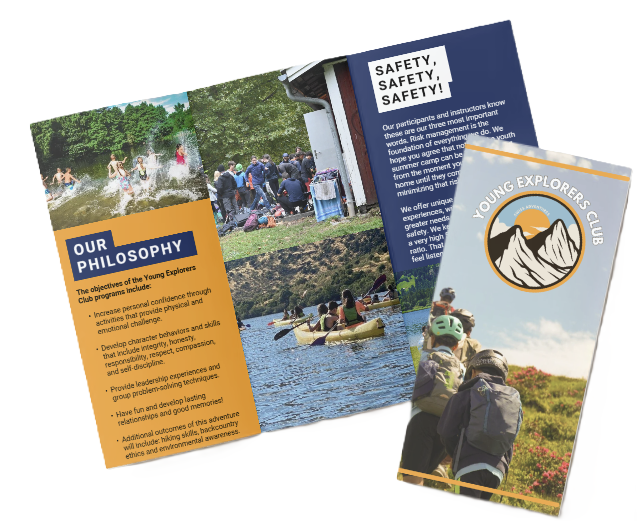
Camps That Inspire Curiosity And Exploration
Curiosity-driven camps mix STEM, outdoor play and mentorship to boost physical health, attention restoration and social-emotional growth.
Camps that spark curiosity
Camps that spark curiosity mix focused physical activity, guided inquiry and free play. We’ve found they deliver measurable gains in physical health, restored attention and social-emotional skills. Diverse program types—from STEM and maker tracks to outdoor, arts, language, leadership and service-learning—use project-based work, field studies, mentorship and risk-positive routines. They deepen skills and track outcomes with rubrics and pre/post measures.
Key Takeaways
Core benefits
- Camps pack concentrated active minutes and outdoor time. They boost physical health and help restore attention. These totals often exceed typical out-of-school activity.
Program focus and outcomes
- Targeted formats focus activities to hit specific goals (for example: STEM → problem-solving; outdoor → ecological literacy; arts → creative confidence; language → proficiency; adventure → resilience).
Drivers of curiosity
- Key drivers include inquiry prompts, multi-day projects, hands-on maker stations, field studies, near-peer mentorship, free-choice time and structured risk-taking.
Measuring impact
- Measure impact with mixed methods: pre/post surveys, project rubrics, observation checklists and portfolio artifacts. Treat findings as directional and specific to each program.
Safety and quality
- Prioritize safety and quality. Include staff screening and certifications, maintain age-appropriate staff-to-camper ratios, keep clear protocols and enforce low screen time.
We, at the Young Explorers Club, favor simple, practical data-collection tools to track outcomes and inform ongoing program improvement.
Why Camps Matter: Big Picture Impact
We, at the Young Explorers Club, see camps as concentrated engines of health, learning, and social growth. More than 11 million children attend camp annually in the United States (American Camp Association). Those programs span overnight/residential camps, day camps, specialty camps (STEM, arts, language), and adventure/outdoor leadership programs—each offering distinct rhythms and learning opportunities.
Health and activity impact
Children and adolescents should get at least 60 minutes of moderate-to-vigorous physical activity daily (CDC). Camps routinely exceed that guideline. A typical full-day camp often schedules 90+ minutes of structured physical activity plus extra unstructured play and outdoor time, so a week at camp can deliver far more concentrated active minutes than regular out-of-school days.
Compare a single full day at camp to a typical out-of-school day:
- Full day at camp (8–10 hours): commonly provides 60–180 minutes of organized physical and outdoor activity.
- Typical out-of-school block (2–4 hours): often includes far less structured active time and more sedentary activities.
We recommend families consider the activity profile as much as logistics. Day camp vs residential camp choices affect daily structure: day camps concentrate activity within daylight hours, while residential camps extend social and skill-building time into evenings.
Social, cognitive and practical returns
Camps give kids real responsibility, social negotiation practice, and hands-on problem-solving. We watch campers develop leadership, resilience, and curiosity faster than in many other settings. Specialty camps deepen focused skills—STEM programs build iterative thinking, arts camps expand creative risk-taking, and language camps accelerate fluency through immersion. Outdoor settings amplify those gains by offering novel challenges and sensory learning; see our discussion of outdoor learning for how nature boosts retention and engagement.
When advising families, we look for these program signals:
- Clear daily routines that balance structured skill-building with free play
- Trained staff and healthy camper-to-staff ratios
- Explicit goals for physical activity and social-emotional growth
- Safe opportunities for age-appropriate challenge and independence
We design our programs to maximize active minutes, foster teamwork, and offer measurable learning pathways so kids come home healthier, more confident, and eager to explore.

Types of Curiosity-Driven Camps (and what each delivers)
We design each camp type to spark questions and give kids the tools to answer them. Our descriptions focus on activities, measurable outcomes, and how daily time is typically divided so parents and educators can compare options quickly.
STEM & Maker camps
We center activities on hands-on projects, coding, robotics, and engineering challenges. Typical projects include building a solar oven and programming a robot to navigate a maze. Camp days are usually 60% project-based work and 40% instruction and troubleshooting. Typical outcomes include stronger problem-solving skills and a higher interest in STEM careers. We often point families toward familiar models like iD Tech and Camp Invention when they want intensive tech pathways.
Outdoor & Environmental / Nature camps
We take kids outside for wilderness skills, conservation work, and citizen science. Common activities include water-quality testing and iNaturalist biodiversity surveys. We prioritize field time—about 75%—with 25% reserved for reflection and skill sessions. The outcomes we track are attention restoration and ecological literacy. We also make sure campers get plenty of structured time in nature to deepen observational skills and calm focus.
Arts & Design camps
We mix visual arts, music, theater, and design thinking so creative practice is constant. Programs often culminate in a puppet-theater production or a maker-design showcase. The studio/practice block is roughly 60% of the day, with 40% for critique and public-facing showcases. Outcomes include greater creative confidence and practical design skills. For teams looking to see how camps encourage creative problem-solving, we point to models that emphasize iteration and feedback.
Language & Cultural Immersion camps
We run immersive language blocks each day that range from 50–80% of camp time, combined with cultural projects and games. Daily routines include conversational practice, song and storytelling, and a cultural project week. Results we aim for are improved language proficiency and broadened global citizenship. Immersion works best when every part of the day reinforces the target language and context.
Adventure & Leadership camps
We borrow proven challenge curricula from NOLS and Outward Bound-style models. Activities include low- and high-ropes elements, expedition skills, and leadership curricula. Most days feature significant adult-guided challenge time paired with structured daily reflection. We measure gains in resilience, teamwork, and leadership capacity. These camps suit older kids who thrive with physical challenge and clear leadership goals.
Community Service / Service-Learning camps
We blend exploration with civic engagement through habitat restoration, local infrastructure projects, and reflective civic assignments. Each day mixes active service with debrief and planning. Typical outcomes include heightened civic awareness and tangible, project-based impact that campers can point to. We make sure projects connect to local community needs and learning goals.
Quick comparisons to help you choose
- STEM & Maker — Activities: robotics, coding; Time split: 60/40 project/instruction; Outcomes: problem-solving, STEM interest.
- Outdoor & Environmental — Activities: citizen science, wilderness skills; Time split: 75/25 field/reflection; Outcomes: attention restoration, ecological literacy.
- Arts & Design — Activities: studio practice, theater; Time split: 60/40 studio/critique; Outcomes: creative confidence, design skills.
- Language Immersion — Activities: daily immersion blocks, cultural projects; Time split: 50–80% immersion; Outcomes: language proficiency, global citizenship.
- Adventure & Leadership — Activities: ropes, expeditions, leadership; Time split: challenge-heavy with reflection; Outcomes: resilience, leadership.
- Service-Learning — Activities: civic projects, restoration; Time split: mixed service and debrief; Outcomes: civic awareness, project impact.
We adapt elements from programs like YMCA camps, 4-H, and Girl Scouts to build progression paths so campers can move from introductory experiences to multi-week intensives. If you want camps that both spark curiosity and deliver clear skill gains, ask us about how we combine elements from multiple camp types into multi-track options.

Evidence of Benefits — Cognitive, Social, Emotional, Physical
We see consistent patterns across the research and program literature showing camps support growth on multiple fronts. Social-emotional gains are especially well documented. The American Camp Association reports camp experiences are associated with improvements in self-confidence, independence, teamwork, and interpersonal skills. Those changes tend to emerge from repeated practice in small-group settings, peer-led challenges, and scaffolded risk-taking.
Nature-based and outdoor learning also link to measurable cognitive benefits. A body of nature exposure research suggests regular outdoor activity supports attention restoration and boosts components of executive function, like working memory and cognitive flexibility. Short, repeated doses of outdoor time during a camp day often translate into better on-task behavior and quicker recovery from mental fatigue.
Academic and motivational outcomes show promise in several lines of summer and out-of-school program literature. RAND and summer learning studies indicate that intensive programs and well-structured camps can support retention of learning and raise youth interest and motivation in STEM and creative subjects. Gains differ by program model and student group, so these are reported as program-specific trends rather than universal effects.
Physical-health benefits are direct and practical. Camps deliver concentrated blocks of physical activity and extended outdoor time that help many children meet the CDC recommendation of roughly 60 minutes of moderate-to-vigorous activity per day. The day-to-day routine at camp—hikes, games, hands-on exploration—creates sustained movement that school schedules often fail to provide.
How these findings translate into practice
Below are clear, actionable implications based on the evidence above; use them when planning or choosing a program.
- Prioritize programs that mix free play, guided challenges, and small-team projects to foster self-confidence, independence, and teamwork.
- Opt for schedules that include repeated outdoor sessions across the day to maximize attention restoration and executive-function gains.
- Choose camps with hands-on STEM or arts modules if you want to support summer learning benefits and sustained motivation.
- Look for programs that structure daily movement blocks—this increases the likelihood campers reach CDC-aligned physical activity targets.
- Ask camps about intentional social-emotional curricula or assessment; programs that track pre/post changes can show program-specific effects.
We encourage families to view evidence as directional. Results vary by age, program intensity, staff training, and baseline skills. For a deeper read on why families should consider summer programs, see our page on summer camps and explore research on time in nature for more detail on attention and cognitive benefits.

Program Elements That Specifically Inspire Curiosity and Exploration
We, at the Young Explorers Club, build program elements that put questions before answers and action before lectures. I balance clear structure with open-ended space so campers can test, fail, iterate and celebrate real learning.
Core program elements
Below I list the element, why it sparks curiosity and practical guidelines for delivery.
-
Inquiry-based learning — I launch the day with open prompts and encourage experimentation. Use daily 30–60 minute “mystery challenges” that prompt hypothesis testing and iterative tweaks. Counselors ask open questions, record hypotheses and let campers design small tests.
-
Project-based and challenge-based activities — I run multi-day projects that require planning, prototyping and reflection. Schedule 60–120 minutes per day for each project, with checkpoints and a final showcase. Make the showcase public to boost accountability and pride.
-
Hands-on / maker experiences — I prioritize physical prototyping and experimentation at maker stations. Keep staff-to-camper ratio at 1:8–1:12 for hands-on STEM stations so safety and coaching stay tight. Supply diverse materials and rapid cycles of try–fix–improve.
-
Field-based exploration — I send groups out for hikes, water testing, fossil digs and habitat mapping. Aim for daily outdoor blocks of 60–180 minutes depending on age and track weekly outdoor hours to ensure consistency. I link these outings to classroom questions so outdoor time feeds projects and hypotheses; see research on outdoor learning for program design tips.
-
Mentorship and near-peer teaching — I structure small groups with junior leaders and counselors as role models and co-learners. Near-peer instructors model curiosity, share failures and scaffold risk-taking without solving problems for campers.
-
Unstructured play and reflection time — I build at least one daily 30–60 minute window for camper choice and self-directed exploration. That time lets ideas incubate and gives space for plain discovery that structured tasks can’t produce.
-
Risk-positive environments — I design structured opportunities to attempt challenging tasks, paired with clear safety protocols and post-activity debriefs. I teach campers to assess risk, articulate trade-offs and learn from outcomes.
Measuring curiosity and growth
I measure impact with mixed methods that stay practical for program staff. Use a short pre/post survey that includes a direct item such as “I enjoy figuring out how things work” rated on a Likert scale to track shifts in attitudes. Pair that with project rubrics that assess persistence, iterative design and problem solving; score demonstrations on clarity of hypothesis, evidence gathered and degree of revision. Add observational checklists for counselor behavior—track frequency of open-ended questioning, documented feedback moments and time spent in co-inquiry. Collect showcase artifacts and brief camper reflections as qualitative evidence.
I recommend quarterly review cycles: analyze trends, adjust session timings (e.g., increase mystery challenge to 45–60 minutes if curiosity plateaus) and align staff training to improve questioning techniques.

Daily Schedule Templates & Sample Activities (Concrete Examples)
We, at the young explorers club, build daily templates that balance inquiry, play and reflection. Below are concrete examples you can adapt by age, risk level and learning goals.
Sample full-day template (demonstrative)
- Arrival / warm-up — 15–30 minutes: quick check-ins, movement games, team signals to set tone.
- Morning inquiry block — ~90 minutes: hands-on investigation with a clear driving question, rotating stations and simple data capture.
- Outdoor exploration — 60–180 minutes (age-dependent): fieldwork, species spotting, and active games that reinforce the morning inquiry. We pair this with principles of outdoor learning.
- Lunch / free play — 45–60 minutes: unstructured social time plus optional quiet zones for reading or sketching.
- Afternoon project block — 60–120 minutes: prototyping, iterative builds and focused teamwork with checkpoints and mini-assessments.
- Reflection / campfire or showcase — 20–40 minutes: group reflections, data sharing, and skill highlights.
- Daily camper-choice — 30–60 minutes: self-directed exploration, maker tables, or elective micro-workshops. We always protect at least 30 minutes for choice.
Suggested activity durations by age (quick guide you can copy into schedules):
- Younger campers (K–2): 20–30 minute activities, frequent transitions, high staff ratio and movement breaks.
- Elementary (grades 3–5): 30–60 minute blocks, mixed guided and independent tasks.
- Older campers (middle/high): multi-hour project stretches, deeper reflection and peer-led teaching opportunities.
Project timeline, outdoor micro-schedule and adaptation notes
Five-day STEM project timeline — example you can run with small groups:
- Day 1 — design & team formation: introduce challenge, brainstorm, sketch solutions and assign roles.
- Day 2 — prototyping: build low-fidelity models, run simple checks and document failures.
- Day 3 — testing: field-test prototypes, collect quantitative and qualitative data, and log observations.
- Day 4 — iteration and troubleshooting: prioritize fixes, improve materials and refine data collection methods.
- Day 5 — final showcase and reflection: public demo, peer feedback, and written or oral reflection on learning gains.
Outdoor camp micro-schedule — example day built for active field science:
- Morning navigation skills training (60–90 minutes): map-and-compass drills and team relays.
- Midday citizen-science data collection (90 minutes): targeted surveys or transects.
- Late-afternoon nature journaling & reflection (30–45 minutes): prompts for sensory observation and evidence-based claims.
Insert a flexible snack/rest window between intense blocks.
Adaptation and safety notes you should apply every session:
- Scale complexity of materials, instructions and assessment rubrics by age.
- Increase staff oversight and proximity for younger groups; assign explicit adult-to-child ratios for water or high-mobility activities.
- Adjust safety protocols and equipment: PPE, first-aid kits, floatation devices and compliance with local regulations.
- Use quick formative checks — spot quizzes, exit tickets, or demo moments — to verify learning and inform the next day’s plan.
Measuring Curiosity & Program Impact; Safety, Staffing, Tools, and Example Programs
Evaluation Metrics & Impact
We, at the young explorers club, track a concise set of core metrics that show program quality and learning growth. I report attendance and retention rate, camper-to-staff ratios, hours of outdoor time per week, and the percentage of the schedule devoted to hands-on projects. I pair those administrative metrics with pre/post measures of curiosity, interest, and self-efficacy.
Key quantitative indicators I use include:
- Percent of campers reporting increased curiosity
- Percent demonstrating improvement on problem-solving rubrics
- Average daily active minutes captured via logs or wearables
I design evaluations with a baseline (pre-camp) survey, an immediate post-camp survey, and a 3-month follow-up to check durability. I combine quantitative surveys with qualitative interviews and focus groups for nuance. Validated constructs I recommend are intrinsic motivation, scientific curiosity, growth mindset, and self-efficacy. A realistic program benchmark is a 15–25% increase in self-reported curiosity from pre to post; programs can adjust this target after local validation.
I collect qualitative evidence too: camper testimonials, project portfolios, video documentation of exploration, and counselor observations. When I share metrics I always label sample sizes and timeframes (for example, “N=120 campers in summer 2023”) and state the year and source of any externally cited findings. For context on program outcomes and why camp experiences matter, see Why summer camps.
Safety, Staffing & Tools
Below are the essentials I enforce for safe, effective delivery.
- Staff screening and certifications: background checks for all staff; CPR/First Aid certification; activity-specific certifications (lifeguard, belay, etc.); mental-health supports and clear emergency action plans.
-
Ratios by activity:
- General supervision: 1:10–1:15 for older kids
- Hands-on STEM stations: 1:8–1:12
- High-risk adventure: 1:6 or better
I always verify ratios against local/state standards and ACA guidance.
- Daily health protocols: sun and hydration procedures, medication administration logs, and clear communication with caregivers.
-
Technology and procurement:
- Camp management and health platforms: CampDoc, CampMinder, UltraCamp, or Sawyer
- STEM kits: Arduino, Raspberry Pi, LEGO Mindstorms, and Makey Makey
- 3D printers: Prusa, Creality for prototyping
- Field-data and citizen-science apps: iNaturalist, eBird and sensors/data-loggers from Vernier
- Data collection tools: wearable trackers or activity logs to measure active minutes; standardized rubrics for problem-solving; simple CCTV or phone video for portfolio evidence where permitted.
- Screen-time policy: limit scheduled screen time to no more than 30% for curiosity-driven programs, reserving tech for facilitation and documentation rather than passive consumption.
I draw inspiration from models that demonstrate measurable outcomes:
- NOLS for expedition leadership
- Outward Bound for resilience through challenges
- Camp Invention for hands-on invention
- iD Tech for coding depth
- YMCA camps for breadth
- 4‑H for youth development
- Girl Scouts camps for leadership and community skills

Sources
American Camp Association — Research Library: The Value of Camp & ACA research
Centers for Disease Control and Prevention — How much physical activity do children need?
RAND Corporation — Making Summer Count: How Summer Programs Can Boost Children’s Learning
Psychological Science — The Cognitive Benefits of Interacting With Nature (Berman, Jonides & Kaplan, 2008)
MDRC — Project-Based Learning: A Literature Review
iNaturalist — Explore and share observations of plants and animals
eBird — An online birding database for recording and sharing observations
CampDoc — Health, medical and emergency documentation for camps
CampMinder — Camp management software and camper records
Arduino — Home: open-source microcontroller platform for hands-on projects
Raspberry Pi Foundation — Teach, learn, and make with Raspberry Pi
Vernier — Data-collection technology and sensors for science education