Cultural Exchange Programs For Swiss Kids
Swiss cultural exchanges for kids: host-family, camps, semester/year options: fast language gains, intercultural skills, funding & safety tips.
Overview
Cultural exchange programs give Swiss children immersive language and cultural experiences. They extend the country’s multilingual foundation into real-world communication and practical social skills. Programs range from short camps and host-family stays to semester and year exchanges, virtual projects and volunteer placements. We recommend pairing placements with clear safeguards, insurance and planning to secure measurable language gains, stronger intercultural competence and lasting international networks.
Key Takeaways
1. Host-family immersions and integrated school placements
Host-family immersions and integrated school placements accelerate language learning. Many programs report about one CEFR level gained per intensive term. They also develop practical social skills and increased independence for participants.
2. Match program type to age and goals
Choose the program format based on age and learning goals:
- Short camps: 1–4 weeks — suitable for younger teens.
- Summer immersions: 1–8 weeks — good for language boosts and cultural exposure.
- Semester exchanges: 3–6 months — ideal for deeper language progress and school integration.
- Academic-year exchanges: 9–10 months — best for the strongest academic recognition and social integration.
- Virtual and volunteer options: Flexible alternatives for older teens and adults.
3. Major providers and funding sources
Explore reputable providers and funding routes. Start applications early and apply to multiple options:
- Movetia — Swiss exchange grants and support.
- AFS — long-established student exchange organization.
- YFU — Youth For Understanding placements.
- Rotary — scholarships and local club support.
- Erasmus+ — European funding for eligible youth and school partnerships.
- Eurodesk and AIESEC — information and volunteering routes.
Recommendation: Start with Movetia grants, Erasmus+ support and Rotary scholarships as primary entry points. Check eligibility early and apply to multiple routes to increase chances.
4. Legal and safety essentials
Lock down the legal and safety aspects well before departure. Key items to confirm:
- Passport and visa requirements for the destination country.
- Verify cantonal recognition of schooling to ensure credit transfer.
- Buy comprehensive medical and repatriation insurance — we recommend CHF 50,000–100,000 coverage minimum.
- Vet host families and run background checks on adults in the household.
- Name a 24/7 emergency contact and establish local support contacts.
5. Use an objective comparison framework
Compare programs using weighted criteria to choose the best fit:
- Safety (background checks, emergency procedures).
- Cost/value (total cost, included services, local living expenses).
- Educational recognition (credit transfer, language certification).
- Program duration and expected language gains.
Timing: Plan 6–12 months ahead for longer placements, and apply early for grants and host-family confirmation.
Final recommendation
Pair placements with clear safeguards, comprehensive insurance, and a measurable learning plan. With proper preparation — especially attention to safety, funding and school recognition — exchange programs can deliver substantial language progress, enhanced intercultural skills and enduring international networks.
Why cultural exchange matters for Swiss kids
We highlight the Swiss context because it shapes how exchange works. Switzerland counts about 8.7 million people; children and adolescents (≈ ages 0–19) make up roughly 20% of that number. Four national languages coexist: German 63%, French 23%, Italian 8% and Romansh 0.5% (Swiss Federal Statistical Office). That multilingual reality gives Swiss families a head start, but exchange programs add a different kind of depth.
Exchanges push children beyond passive exposure. They confront different national varieties (Swiss‑German vs Standard German, regional Francophone or Italian cultures) and force real-world language use. They also sharpen pragmatic skills — how to open conversations, read social cues and adapt registers. We encourage families to consider programs that combine classroom learning with host-family immersion so language acquisition becomes habitual and social.
Core benefits
- Improved intercultural competence — Participants learn to recognize cultural patterns, reduce bias and show more empathy in mixed groups.
- Measurable language improvement — Immersive placements speed language acquisition; example: many programs report a gain of 1 CEFR level after an intensive semester or year.
- Stronger likelihood to study or work abroad — Former participants often add international experience to CVs and university applications, which signals global citizenship.
- Everyday problem solving and independence — Living in a host family and attending local school forces practical adaptation and boosts confidence.
- Long-term friendships and networks — Sustained ties across borders make future mobility and collaboration more likely.
Swiss families often assume local multilingualism covers everything. Exchanges broaden that assumption. They expose children to different registers, accents and cultural expectations that Swiss schooling may not reproduce. Compared with monolingual-destination stays, genuine exchanges prioritize sustained use of the target language across school, family and community life, not just classroom drills.
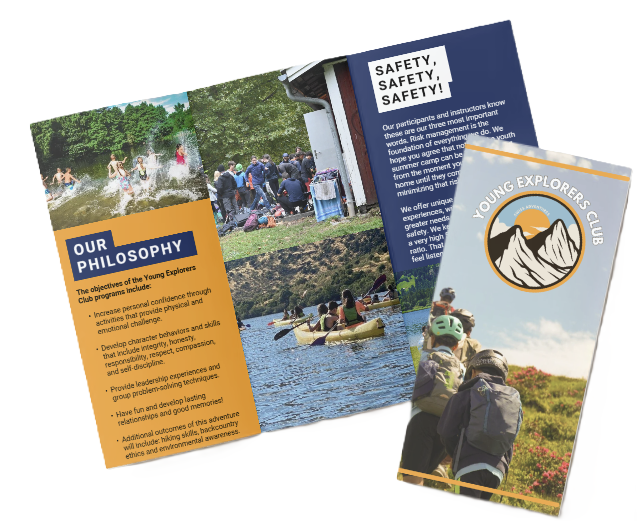
We, at the young explorers club, design programs to reinforce intercultural competence and measurable language gains. We recommend looking at mixed-language or bilingual camps that combine daily interaction with guided reflection. Practical tip: choose stays with local host families and integrated school days if your priority is fast, lasting progress in both language and cultural fluency.

Types of cultural exchange programs and who they’re for
We, at the young explorers club, map the main program types Swiss families ask about. Each option matches different ages, goals and budgets, so I break them down with practical pointers.
Short-term youth exchanges / camps (short-term 1–4 weeks)
Duration: 1–4 weeks. Ages: 12–18. These are great for first-time international exposure. Younger teens (12–15) benefit from general social confidence and basic language practice; older teens choose specialist tracks (STEM, arts, sports). Swiss examples include Rotary short camps and Movetia-supported short projects. We recommend short-term 1–4 weeks for a low-risk test of independence.
Host-family home-stay holidays & summer language immersion
Duration: 1–8 weeks. Ages: 12–18. Ideal candidates are motivated learners seeking concentrated language immersion and daily practice with a host family. Programs vary from private summer offerings to AFS short immersions and YFU short programs. For families prioritising rapid language gains, a host family stay gives real-world conversation hours and cultural nuances — check our guidance on cultural immersion for what to expect.
School group exchanges / bilateral school partnerships
Duration: 1–3 weeks or a single school term. Ages: 10–18. These work best for classes aiming to mix curricular goals with cultural exchange. Movetia-supported school partnerships and Eurodesk-facilitated projects are common Swiss routes. We suggest schools align pre-visit lessons to get measurable curriculum value out of short visits.
Semester exchange (semester 3–6 months)
Duration: 3–6 months. Ages: 15–18. The ideal candidate is academically mature and ready to adapt to a foreign school system. Semester exchanges deliver measurable language gains and a deeper cultural grasp. Popular Swiss providers include AFS Switzerland, YFU Switzerland and Rotary. We advise thorough host-family screening and a plan for re-integration at return.
Academic year exchange (year 9–10 months)
Duration: 9–10 months (full school year). Ages: 15–18. This is the most intensive option for academic and linguistic development. AFS Switzerland, YFU Switzerland and Rotary Youth Exchange run established programs for this duration. We encourage families to budget for higher costs and provide ongoing emotional support over the year.
Virtual exchanges / e-twinning projects
Duration: weeks–months. Ages: 12+. These are remote and suit students who want international collaboration without travel or who want prep before a physical exchange. Schools often use Movetia/Eurodesk facilitation and Council of Europe projects. We use virtual exchange as a bridge to live programs and for building project-based language practice.
AIESEC / volunteer programs
Duration: weeks–months (variable). Ages: 18+. These target older teens and young adults seeking international volunteering and leadership experience. AIESEC placements are the typical Swiss entry point. We see strong personal growth when participants choose roles that match their skills.
Quick reference
- Short-term 1–4 weeks | age 12–18 | commitment/cost: low–moderate (CHF 300–2,000)
- Host family / immersion 1–8 weeks | age 12–18 | cost: low–moderate (CHF 500–3,000)
- School group 1–3 weeks | age school-age | cost: low–moderate
- Semester 3–6 months | age 15–18 | cost: moderate (CHF 2,500–7,000)
- Year 9–10 months | age 15–18 | cost: higher (CHF 6,000–12,000+)
- Virtual weeks–months | age 12+ | cost: low
Major Swiss and international providers and official programs
Movetia — the Swiss agency for exchange and mobility in education and training — serves as the national contact point for school partnerships, teacher mobility and short exchanges. We recommend Movetia for school-based projects because it covers school-age learners and adult educators, and Movetia grants are available for eligible school projects. Eurodesk provides youth mobility information and practical guidance; we turn to Eurodesk when families ask for funding signposting and placement options.
AFS Switzerland runs semester/year and short-term exchanges, typically for 15–18 year olds; local chapters sometimes offer scholarships. YFU Switzerland offers similar semester and short stays for 15–18 year olds, with partial scholarships or financial assistance depending on the chapter. Rotary Youth Exchange supports short-term and full-year programs for teens, and many districts provide full or partial Rotary scholarships through local clubs. AIESEC focuses on volunteer and internship placements for participants 18+, usually funded by participant fees though limited mobility support can be found. The Council of Europe and the European Youth Portal provide frameworks, guidance and routes to funding for youth exchanges across Europe.
I place Erasmus+ at the center of project-level funding discussions because Switzerland participates as an associated country; there are partial grants and project support available (Erasmus+ budget €26.2 billion (2021–2027)). We often pair Erasmus+ opportunities with Movetia or local NGO partners to increase chances of successful applications.
Funding and contact notes — quick practical checklist
For straightforward action steps I use this checklist when advising families and schools:
- Scholarships: Movetia | Rotary | Erasmus+ — primary funding streams to explore first.
- Contact Movetia: for school-based and teacher mobility applications and detailed grant rules.
- Ask Eurodesk: for youth-facing information, application signposting and local funding leads.
- Approach AFS Switzerland or YFU Switzerland: for high-school exchange placements and chapter-level aid.
- Reach out to Rotary clubs early: for district scholarship opportunities tied to Rotary Youth Exchange.
- Consider AIESEC: for older teens seeking internships or structured volunteer placements.
- Use the European Youth Portal: resources for additional guidance on eligibility and cross-border projects.
For program inspiration and outcomes, we share practical examples on our page about multicultural camps, which often dovetail with exchange objectives and help students build language and intercultural skills.

Costs, scholarships and funding
We, at the young explorers club, break costs into clear categories so families can plan with confidence. Prices vary by program length, accommodation and extras. I’ll list typical ranges, common add-ons, funding sources and a compact calculator you can use immediately.
Typical costs and extra charges
Below are the usual program-fee bands and common additional expenses you should budget for.
- Short-term exchanges / summer camps (1–4 weeks): CHF 300 – CHF 2,000 (depends on board, travel)
- Language-immersion summer programs (1–4 weeks): CHF 500 – CHF 3,000
- Semester exchange (3–6 months): CHF 2,500 – CHF 7,000 (program fee; excludes flights)
- Full academic year (9–10 months): CHF 6,000 – CHF 12,000+ (program fees; host-family vs boarding affects cost)
- Long-term volunteering / private boarding: highly variable; some up to CHF 20,000+
Typical additional costs to add to the program fee:
- International flights: CHF 200–1,500
- Insurance (health & repatriation): CHF 100–600
- Visa fees (if applicable); pocket money; local transport
I recommend using the following quick formula to estimate the final cost:
Total = program fee + flights + insurance + visa + pocket money + local transport
Funding sources: Movetia grants can reduce costs for school exchanges; amounts vary by call, so check current listings. Erasmus+ and Council of Europe youth mobility schemes offer partial funding for many projects; note that Erasmus+ has a large program budget—€26.2 billion (2021–2027). Rotary scholarships often cover full or partial year exchanges in many districts. These three are the most practical starting points when you’re looking for funding: Movetia, Erasmus+, Rotary.
Practical example & tips
Example calculation: a 3-month semester to France might look like this — program fee CHF 3,000 + flights CHF 150 + insurance CHF 150 = CHF 3,300 total. That figure matches real-world listings and helps you set expectations.
If you want help comparing options or narrowing summer camp picks, check this guide to choose the best summer camp and use it as a checklist while you apply for grants. I encourage parents to apply early for grants, keep receipts for reimbursements, and factor a 5–10% buffer for unexpected costs.
Eligibility, legal, insurance and safeguarding requirements
We, at the young explorers club, make eligibility and legal checks a priority before any cultural exchange. I outline the essentials you must confirm so families and providers stay compliant and kids stay safe.
Passport & visa checks: Swiss passport holders enjoy broad visa-free travel for short stays within the EU/Schengen area and many other countries. Longer school stays or non-Schengen destinations may still require a visa or residence permit. Always confirm destination-specific rules well ahead and keep a copy of the travel document plan. Include “passport & visa checks” in your pre-departure review so nothing is missed.
Compulsory schooling (cantonal rules): Cantons set the rules for compulsory schooling. Parents should verify recognition of a year or semester abroad with their cantonal education office long before departure. Cantonal variation can determine whether an exchange counts toward compulsory schooling and affect re-entry requirements or exam eligibility.
Health coverage & insurance: EHIC / European Health Insurance may cover temporary healthcare costs for stays inside EU/EFTA, but entitlements change and must be verified before travel. For longer stays I recommend full medical insurance plus repatriation coverage. Plan for at least CHF 50,000–100,000 emergency coverage to cover medical evacuation or repatriation; label this as medical evacuation CHF 50,000–100,000 in your policy search. Check policy exclusions for adventure activities and chronic condition management, and carry printed policy numbers and emergency claims instructions.
Safeguarding & vetting requirements: I expect providers to implement clear safeguarding steps before placing a child. Mandatory items include:
- Host-family vetting and selection processes
- Police check / background checks on adults in regular contact with the child
- Home visits where practicable and professional references for host families
- A documented safeguarding policy that families can read in advance
- A confirmed 24/7 emergency contact from the provider available to Swiss families
I stress transparency. We require providers to share background-check documentation and a named Swiss contact who can liaise with cantonal authorities if needed. Keep digital and paper copies of all vetting paperwork.
Actionable parental checklist (must-complete items)
- Passport validity (≥ 6 months from return date)
- Visa / residence permit (if required)
- Confirm academic recognition with cantonal education office
- Obtain travel & health insurance (include repatriation coverage CHF 50,000–100,000)
- Vaccination checks & medical records
- Guardianship letter if required by destination
- Police check / background check (if required by provider)
- Designate Swiss contact person and confirm provider 24/7 emergency contact
For extra guidance on selecting an appropriate program, consult our short guide to choose the best camp before you commit.
How to choose the right program: comparison framework, timeline and practical tips
We, at the Young Explorers Club, use a compact comparison checklist to judge programs side-by-side. Score each item on a 1–10 scale, annotate notes, then weight scores by priority to produce a final ranking.
Comparison criteria checklist — evaluate these for every program
- Program type & duration: Confirm whether it’s a short camp, semester exchange, or host-family stay. Match program length to your child’s current commitments and maturity.
- Age suitability & selection criteria: Check minimum/maximum ages and any auditions or interviews. Prefer providers with clear, published selection rules.
- Costs and what is included/excluded: Break down tuition, meals, accommodation, activities, local transport, and optional extras. Ask for a sample invoice.
- Insurance & medical coverage specifics: Verify emergency medical coverage, evacuation, pre-existing condition clauses, and how claims are handled.
- Language support & educational credit recognition: Confirm instruction language, tutoring availability, and whether credits or certificates transfer back to Swiss schools.
- Safeguarding & emergency procedures: Request staff-to-student ratios, DBS/police checks, onsite medical staff, and written emergency protocols.
- Alumni outcomes & references: Ask for alumni contact details, read post-program reports, and request recent reference letters.
Recommended scoring template: Safety 25% | Cost/value 20% | Educational recognition 20% | Language opportunity 15% | Provider reputation 10% | Logistics/support 10%. This comparison framework helps compare programs objectively and quickly.
Timing and application milestones you should track
- Plan 6–12 months ahead, especially for semester or year programs.
- Applications open early; many year programs close 9–12 months before start — apply early.
- Visa and residence permits: allow 2–3 months processing for many non-EU destinations.
- Medical and insurance arrangements: finalize at least 1 month before travel.
- Flight and host-family confirmations: lock these once your child’s place is confirmed.
Documents to collect before you apply or travel
- Passport
- Birth certificate
- School records
- Medical records
- Insurance information
- Parental consent
- Police record checks (if required)
Packing essentials — my concise 10-item checklist
- Passport/ID and photocopies (stored separately).
- Travel adaptor suited to the destination.
- Local currency and a debit card.
- Prescriptions and a small supply of basic medicines.
- Travel insurance documents and an emergency contact sheet.
- Phone and portable power bank.
- Basic school supplies (notebook, pens).
- Weather-appropriate clothing layers.
- Comfortable shoes suitable for walking.
- Small first-aid kit with blister plasters.
Practical tips for parents and students — straightforward advice I give regularly
- Communication: Set a plan for check-ins. Use a smartphone with roaming or buy a local SIM. Budget CHF 10–40/month for many European destinations.
- Money management: Preload a debit card and teach your child basic spending tracking. Keep a small emergency cash reserve.
- Health: Confirm immunizations and bring printed medical summaries. Ensure the provider accepts your insurance or has clear claim processes.
- Reintegration: Schedule a debrief session after return. Allow time for reverse culture shock. Help your child frame exchange experiences on CVs and university applications.
- References: Collect an official reference from program staff before departure; ask alumni for candid feedback.
Sample comparison example (apply the scoring template above)
- Program A: 3-month host family in France — Safety 23/25; Cost 16/20; Education 16/20; Language 14/15; Reputation 8/10; Logistics 8/10 = total 85/100.
- Program B: 2-week summer language camp UK — Safety 24/25; Cost 18/20; Education 10/20; Language 11/15; Reputation 7/10; Logistics 9/10 = total 79/100.
If you’re weighing Swiss summer options specifically, read our short guide to choose the best for background on camp selection and local considerations.

Sources
- Swiss Federal Statistical Office — Population and languages
- Movetia — Exchange and mobility in education and training
- European Commission / Erasmus+ — Erasmus+ programme (2021–2027)
- AFS Switzerland — AFS intercultural programmes
- YFU Switzerland — YFU programme overview
- Rotary International — Youth Exchange
- European Youth Portal — Youth mobility and exchange information
- Council of Europe — Youth (youth exchanges and mobility)
- OECD — Education at a Glance
- D. K. Deardorff (ed.) — The SAGE Handbook of Intercultural Competence
- AIFS — Study Abroad Research and Outcomes
- Eurodesk Switzerland — Youth mobility information