Summer Camp In Switzerland With English Instruction: Language Options
English summer camps in Switzerland: 1–8 week immersion, CEFR placement, English-only options, activities & safeguarding by Young Explorers
Summer camps in Switzerland — English programs
Summer camps in Switzerland offer English programs that range from language-only immersion to bilingual and multilingual streams. They usually run one to eight weeks. Camps mix focused classroom time (15–35 hours per week) with supervised activities. Settings include day camps, residential sites and university campuses. Providers place learners by CEFR band using pre-course and on-arrival tests. Many enforce speaking practice through English-only zones or language buddies. Costs and intensity change with region, accommodation and included excursions. We’re the Young Explorers Club, and we recommend checking placement testing and English-use policies before booking.
Key Takeaways
- Instruction models: English-only immersion sits alongside bilingual and multilingual options. Programs commonly use communicative, task-based and CLIL methods. Class sizes usually range from 8 to 15 students.
- Teaching load and outcomes: Expect 15–35 class hours per week, depending on stream. Intensive four-week courses often advertise progress of about one to two CEFR sublevels. We recommend realistic expectations and pre/post testing to measure gains.
- Formats and cohorts: Choose from language-only, multi-activity, university summer schools and private residential camps. Participants usually range from 8 to 17 years old. Camp sizes vary from about 30 to over 500.
- Safety and staffing: Classroom ratios typically sit around 1:8–1:12. Overall supervision often runs 1:6–1:12. Staff hold recognized qualifications, undergo safeguarding checks and follow documented medical and emergency procedures. We advise confirming staff-to-participant ratios for activities.
- Costs and selection criteria: Price bands run roughly CHF 200–600 per day for day camps, CHF 1,200–4,500 for residential stays and CHF 3,000–6,500 for premium programmes. Ask for a full price breakdown, teacher CVs, accreditations and activity certifications before you book. We’re happy to help review documents and shortlist options.
Quick Facts: What to Expect
Program types & lengths
I’ll summarize the program formats you’ll find and the common durations. Here are the main options and what each delivers:
- Language-only camps — Focused classroom time and language practice; typical class hours are higher and groups stay small.
- Multi-activity camps with English classes — Combine hikes, sports and creative projects with daily lessons; good for balanced immersion.
- University-based summer schools — Campus life, larger cohorts and intensive streams; often higher-end facilities.
- Private residential camps — Smaller cohorts, extended supervision and often more personalized schedules.
Most programs run 1–8 weeks, with 1, 2, 3 and 4-week sessions common. Many providers let you mix modular sessions so you can extend or shorten stays. For a clear English-focused option, see our English camp.
Sizes, supervision, hours and costs
We serve a wide range of families and age groups. Typical participant ages run from 8–17 years, and programs usually split cohorts into 8–12, 13–15 and 16–18 groups so activities and language levels match. Camp sizes vary a lot. Expect 30–500+ participants: language-only and private camps often host 30–120 campers, while university summer schools can reach 150–500+. Classroom groups stay compact, usually 8–15 students, which speeds progress and allows active participation.
We set student-teacher ratios for classroom work around 1:8–1:12. Overall supervision on site typically lands between 1 staff : 6–12 campers depending on age and activity risk. That keeps activities safe and gives teachers room to coach.
Teaching time depends on the program’s focus. Language-focused programs usually offer 15–25 class hours per week. Intensive streams push 25–35 hours weekly. Expect practical, communicative lessons plus integrated project work.
Costs reflect format, accommodation and excursions. Day camps commonly fall in the CHF 200–600 per week range. Residential options typically run CHF 1,200–4,500 per week. High-end university programs often start higher, roughly CHF 3,000–6,500 per week. Location, room standard and included exams or excursions drive price differences.
For quick comparative examples, note these typical patterns:
- Day camps: 30–120 participants, common 1–2 week options, lower cost and minimal overnight stays.
- Language-only/private residential: 30–200 participants, 1–4+ week options, concentrated classroom time (15–35 hrs/wk).
- University summer schools: 150–500+ participants, 2–4 week intensive tracks, higher-end campus facilities and costs (CHF 3,000–6,500/week).
Expect variability by campus type — urban versus alpine settings change logistics and excursion access. Accommodation quality, whether exams or special excursions are included, and how intensive the exam prep is will alter hours and fees. We recommend matching program intensity and group size to your child’s learning style and energy level so they progress and enjoy each day.
Language Options, Teaching Methods, Placement and Certification
Instruction models and methodologies
We offer three common instruction models: English-only immersion, bilingual, and multilingual.
Immersion camps expect English in class and social contexts and often enforce English-only zones or dining-hall rules.
Bilingual programs pair English classes with lessons or electives in local languages, so campers practice both academic skills and daily communication.
We rely on age-appropriate methodologies. For young children we use Total Physical Response (TPR) and games to build vocabulary and confidence. For mixed-age groups we apply Communicative Language Teaching (CLT) and task-based learning so learners use language for real outcomes. For older teens we integrate CLIL and project-based tasks that mix content and language learning. We adjust pacing and feedback to match CEFR bands from A1 to C2.
Timetables, placement and outcomes
Below are practical timetables and syllabus examples we use to plan intensive weeks.
- 15 hrs/week: Mon–Fri 09:00–12:00 (3 hrs/day)
- 20 hrs/week: Mon–Fri 09:00–12:00 + Tue/Thu 14:00–15:30
- 25 hrs/week: Mon–Fri 09:00–12:30 + 2 afternoons exam/skills
- 30–35 hrs/week (intensive): 09:00–12:30 + daily 14:00–16:00 workshops/exam practice
A typical classroom time split we use looks like this:
- Speaking 25–35%
- Grammar 15–25%
- Vocabulary 20–30%
- Pronunciation 5–10%
- Exam practice 10–20%
We place learners by a clear flow:
- Pre-course online test
- Paperwork and level information sent to parents
- On-arrival oral/placement test
- Final group assignment by CEFR band (A1–A2 beginners, B1–B2 intermediate, C1+ advanced)
We recommend asking camps how they enforce English outside class—examples include English-only meals, language buddies, and staff modeling. We also tell parents whether exam-prep hours count within the total weekly hours or are optional add-ons.
For exam preparation we run Cambridge KET/PET/FCE and IELTS streams. Exam-focused tracks commonly allocate 10–20 hours/week to targeted practice, integrated into the timetable above. Our CEFR-aligned curriculum targets measurable outcomes; intensive 4-week courses often advertise an average gain of 1–2 CEFR sublevels after four weeks.
We, at the Young Explorers Club, support families choosing the right model and recommend reviewing whether speaking practice is enforced beyond classes. For a focused English experience see our page on English camp in Switzerland for program examples and placement details.

Where to Go: Regions, Access and Typical Activities/Excursions
Regions and camp character
We place English-language programs across Switzerland’s main hubs so families can pick the vibe that fits their child. Geneva and Zurich deliver city-based camps with stronger cultural and institutional content — museums, UN or company visits, and easy public-transport access.
Lucerne and Interlaken sit at the interface: lake-and-mountain settings that balance city tours with outdoor adventure. Zermatt/Valais and Ticino focus on alpine and Mediterranean-flavored outdoor programs, often on smaller, rustic campuses. For high-end mountain experiences consider St. Moritz and the Engadin area for premium alpine facilities and winter-style offerings. For a quick overview of our English options see our English camp in Switzerland page.
We recommend families weigh trade-offs: urban camps have easier airport transfers and larger, internationally mixed cohorts; alpine camps offer more adventure sports, scenic immersion, and usually smaller groups. We always urge parents to request activity risk assessments and staff qualifications before booking.
Activities, excursions and travel logistics
Here are the practical patterns you can expect and the most common activities we run:
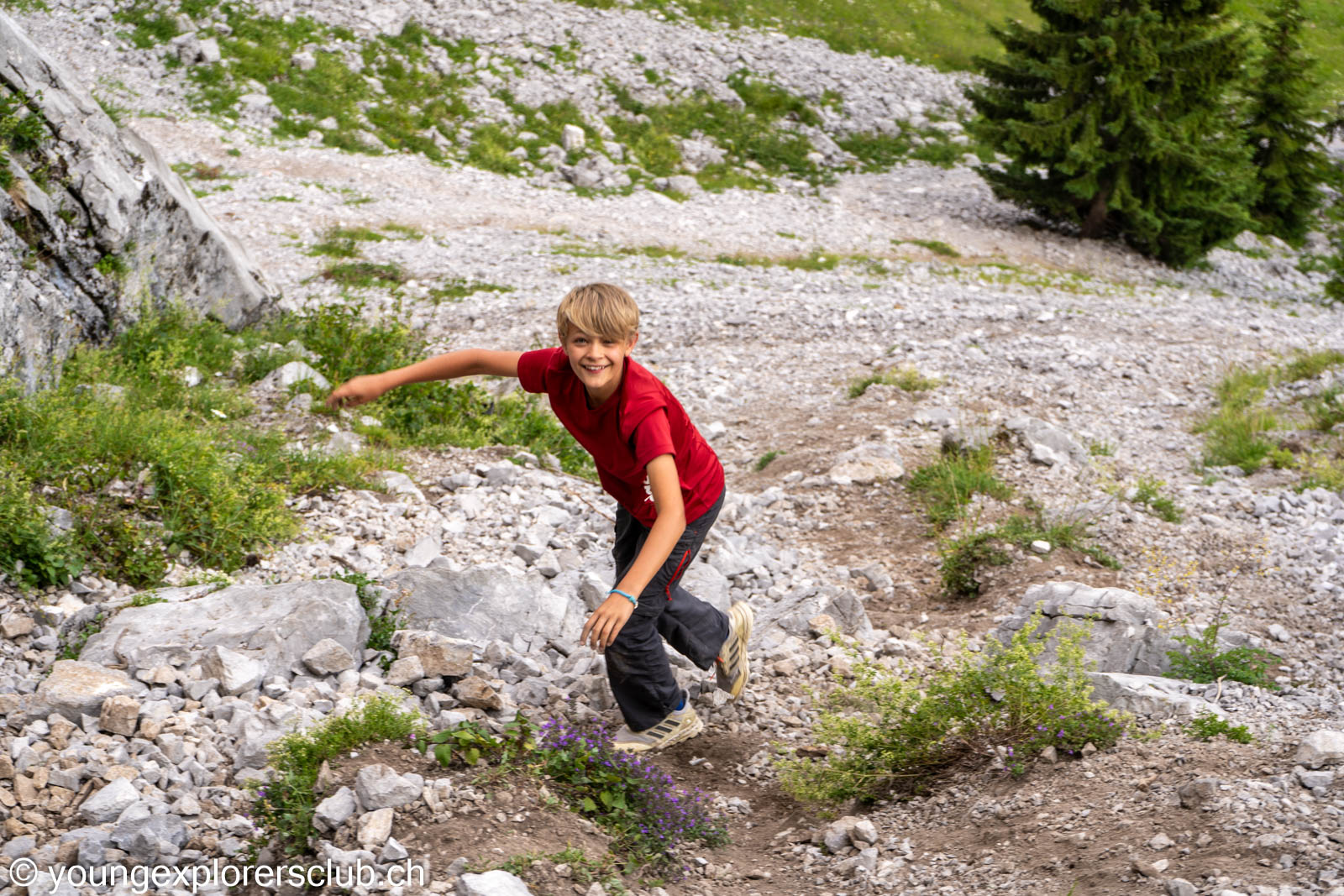
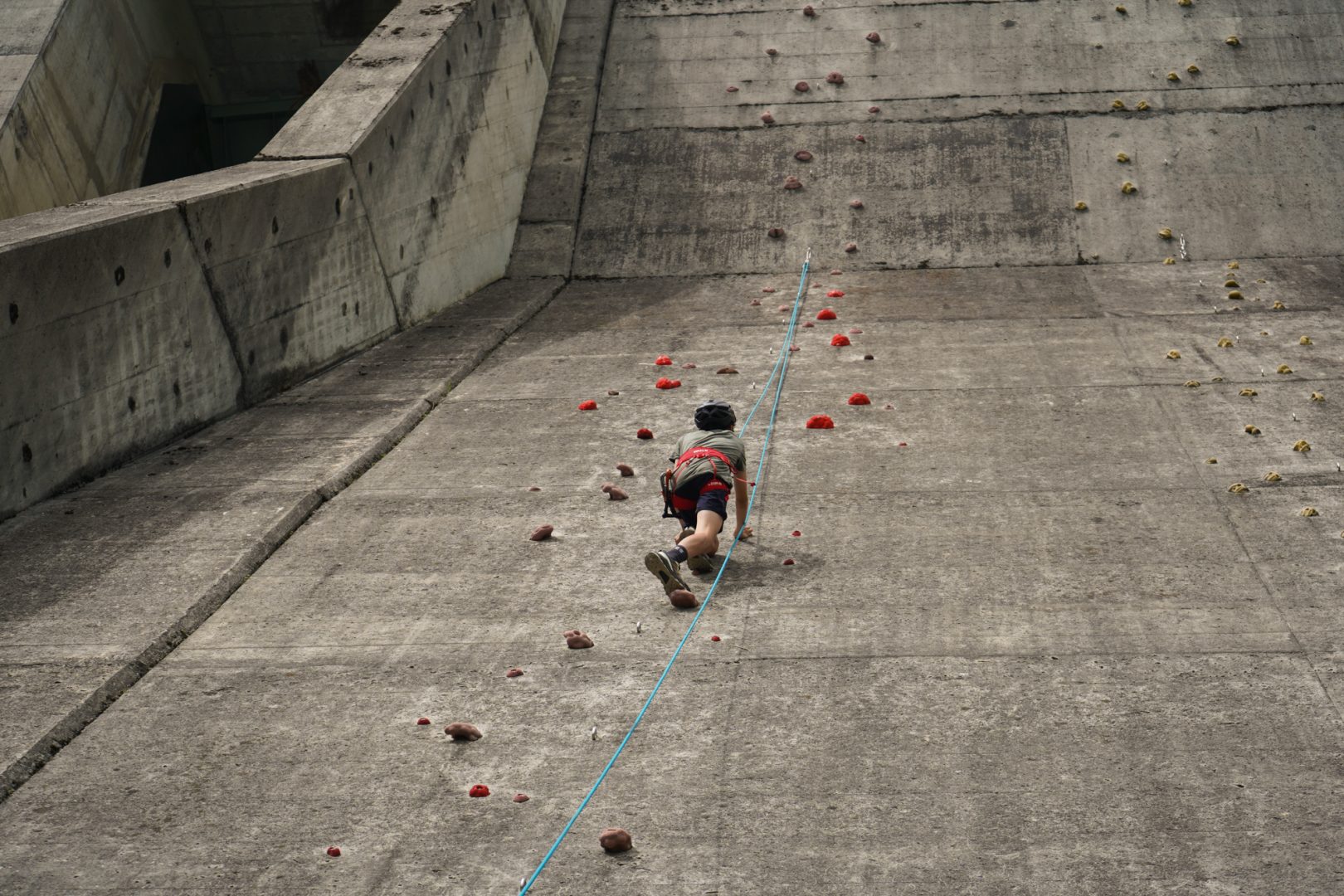
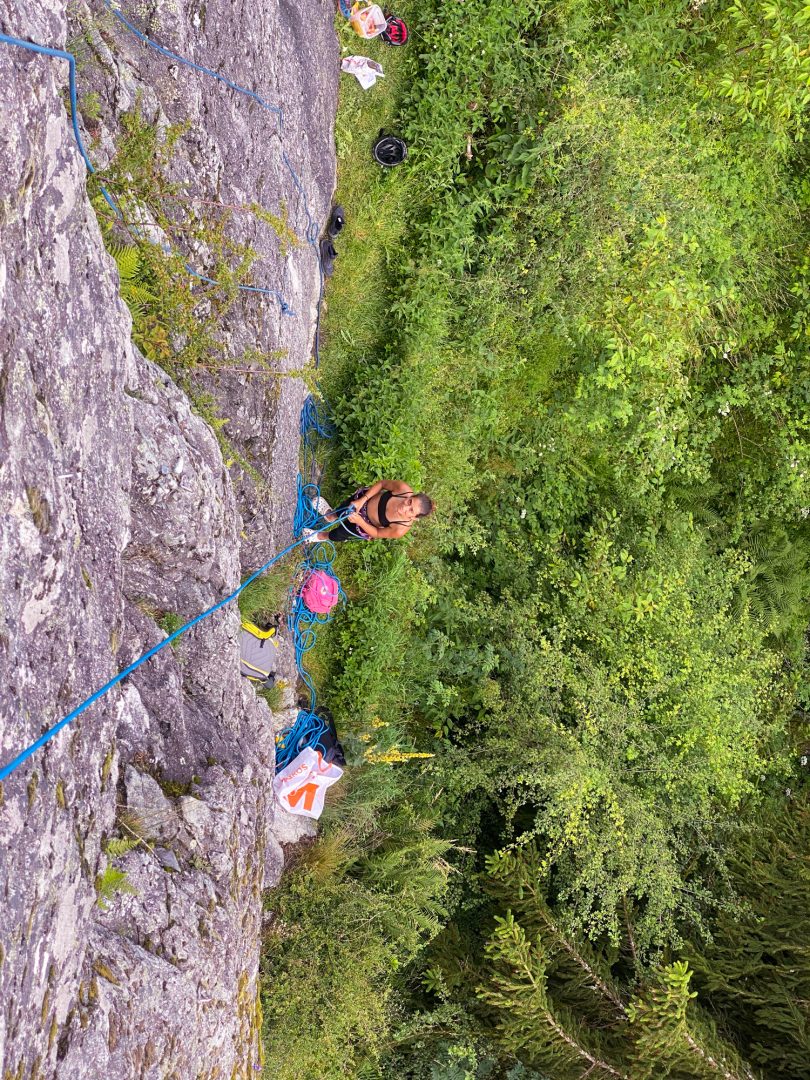
- Typical activities: hiking, sailing, climbing, mountain biking, cultural trips.
- Excursion rhythm: weekly half-day activities plus 1–2 full-day weekend trips per session. Common full-day highlights include Jungfraujoch, the Matterhorn region or a Lake Geneva cruise.
- Regional examples: Interlaken — canyoning and zipline; Lucerne — lake cruises and city walking tours; Geneva — museums, UN visits and industry trips; Zermatt/Valais — glacier hikes and high-mountain treks.
- Transport & access: nearest international hubs are Zurich (ZRH), Geneva (GVA), Basel (BSL) and Lugano (LUG). Most camps sit 1–3 hours from major airports via Switzerland’s efficient rail network; we handle detailed transfer options for every booking.
I also advise families to confirm these operational details before you commit: frequency of excursions (weekly half-day and one full-day every 1–2 weeks is typical), exact transport arrangements, staff-to-camper ratios, and certifications for adventure sports. If you need help weighing regions and program fit, our guide on how to choose right camp walks through the key questions to ask.

Daily Life, Accommodation, Meals and Supervision
Typical day and schedule
I set clear rhythms so families know what a normal day looks like. Sample day schedule I use in our programs:
- 09:00–12:00 — lessons (focus on communicative English and project work)
- 14:00–17:00 — activities (sports, arts, mountain excursions)
- 19:30–21:00 — evening workshops or language clubs
Class hours vary by stream. Expect 15–35 hours per week depending on intensive or activity-led options. I recommend checking the weekly breakdown before booking so you match learning intensity with your camper’s goals. Evening workshops build speaking confidence and give useful homework prompts for language portfolios.
Accommodation, meals and supervision
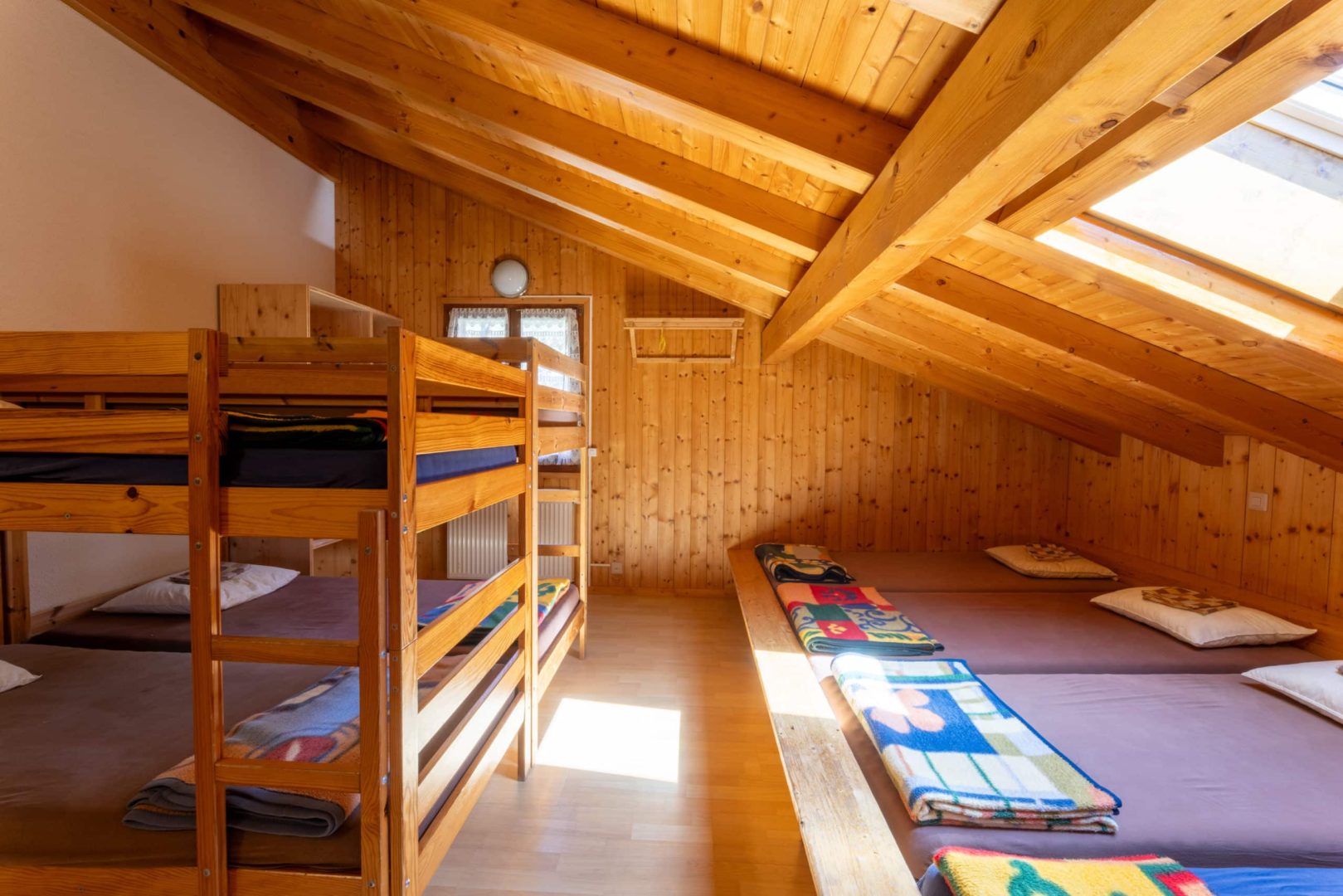
We, at the Young Explorers Club, offer several residential choices: shared dorms, chalets, host families and hotel rooms. Typical residential arrangements are twin or triple dorm rooms (usually 2–6 per room) with 24-hour resident staff. Premium programs provide private chalets or hotel-style single/double rooms. Host family stays are less common but available for immersion seekers.
Full board is normally included in residential programs. Most camps handle special diets — allergies, vegetarian, halal — once you give advance notice. I always tell parents to request sample menus and the camp’s allergy policy before arrival.
Supervision and safeguarding are non-negotiable. Staffing ratios are generally:
- Overall: 1:6–1:12
- Classroom: 1:8–1:12
- Younger cohorts: 1:4–1:6
Night supervisors and resident staff are on duty overnight. Curfews are age-based and enforced; roommate selection follows age and gender guidelines to keep living groups balanced. I advise asking providers specific details on roommate allocation, curfew and phone policies, pastoral contact procedures and emergency contacts.
Pastoral care is built into daily life. Expect structured homework time, teacher feedback and language portfolios to track progress. If you want a deeper program overview, check our page on the English camp for Switzerland for program types and practical details:

Staff Qualifications, Safeguarding and Health & Safety Requirements
We require English teachers to hold TEFL/TESOL/CELTA or an equivalent degree, and we expect lead instructors to have education or linguistics qualifications. Our instructors complete regular professional development and we keep records of certifications and classroom-observation feedback.
Activity staff must carry up-to-date first-aid, lifeguard and certified-guide qualifications. Mountain guides need region-specific credentials and water-safety staff must hold recognised certificates; we insist on proof of those licences before any high-risk activity runs. Providers should also show revalidation dates and evidence of scenario-based training for rescue and evacuation.
Safeguarding checks are non-negotiable. We carry police/DBS background checks, maintain a written child-protection policy and log staff safeguarding training. Emergency medical plans must be in place with either an on-site nurse/doctor or a clear on-call arrangement and transfer protocol to local healthcare. Reporting lines, incident logs and parental notification procedures are documented and part of staff induction.
Health documentation and insurance requirements are strict. We ask for vaccination records and a completed medical form for every camper. Travel insurance that covers medical treatment, repatriation and activity-specific risks is strongly recommended or required; we suggest a minimum medical coverage of EUR/CHF 100,000 and include repatriation, but final limits should match your provider’s rules. Confirm current COVID and other health policies before travel; we update protocols to reflect local regulations and public-health advice.
I will list the practical documents and answers parents should request before committing to a programme. Ask for the following items and review them carefully:
Ask for these documents
- Staff qualification list and sample CVs for English teachers and lead instructors.
- Copies of activity-staff certifications (first aid, lifeguard, mountain-guide, water-safety).
- Pre-camp induction and ongoing training schedules, including safeguarding refreshers.
- Written child-protection policy and recent staff training records.
- Sample emergency procedures and evacuation plans, with nearest-hospital distance and typical transfer time.
- Proof of on-site or on-call medical cover (nurse/doctor agreement).
- Required health forms and current vaccination-policy details.
- Travel insurance requirements and recommended minimum coverage (medical + repatriation + activity).
- Confirmation of the current COVID/health policy that will be active at travel.
We, at the young explorers club, run an English camp and can share sample documents on request to help you verify standards.

Costs, Comparisons and How to Choose the Right Program
We, at the young explorers club, break costs into clear bands so families can compare quickly. Typical price ranges run: day camps CHF 200–600 per week; residential programs CHF 1,200–4,500 per week; and high-end/university programs CHF 3,000–6,500 per week. Deposits usually sit between 10% and 30%. Keep in mind CHF 1 has been roughly USD 1.05–1.15 in recent years, so verify current rates before booking.
Switzerland tends to cost 20–50% more than comparable UK/US programs because staffing, accommodation and activities run higher here. That premium often buys smaller class sizes, stronger supervision and alpine safety standards, but you should confirm exactly what’s included.
Key comparison criteria we check every time include cost-per-week, hours of tuition per week and student–teacher ratio. Also confirm accreditation, teacher qualifications, and which extras are bundled—meals, transfers, excursions and insurance influence total value. International mix matters for language practice; many Swiss camps attract 30–70% international participants, which increases peer-language opportunities and cultural exchange.
Budget / Mid-range / Premium snapshot
- Budget: CHF 200–1,200/week. Expect about 15 hours’ tuition per week, shared dorms, international mix around 30–50%, and fewer included excursions.
- Mid-range: CHF 1,200–2,800/week. Typical offer is 20–25 tuition hours, twin/triple dorms or small chalets, international mix 40–60%, and one or two excursions included.
- Premium: CHF 3,000–6,500/week. Usually 25–35 tuition hours, hotel rooms or private chalets, international mix 50–70%, with multiple excursions and extras bundled.
Example mid-range 2-week budget (sample)
- Tuition & board (2 weeks): CHF 3,200
- Insurance (travel/medical/activity): CHF 120
- Flights (round-trip, near-Europe): CHF 300–800
- Transfers/local travel: CHF 80–200
- Pocket money & extras: CHF 150–300
Estimated total: CHF 3,850–4,620
I recommend you always ask for a full price breakdown so optional charges don’t surprise you. Calculate cost-per-teaching-hour and compare staff:camper ratios for both day and night. Look for accreditation such as EduQua, IALC or Cambridge, and ask what percentage of teachers hold TEFL/CELTA or relevant degrees. If you want program options, check our English camp in Switzerland for examples and placement models.
Decision checklist — ask for these specifics
- Exact classroom hours per week and how groups are formed
- Class sizes and student–teacher ratios (day vs night)
- Teacher qualifications and accreditation names
- Percentage international vs local participants
- List of included excursions, transfers and meals
- Certified lifeguards/guides and staff emergency procedures
- Nearest hospital distance/time and medical provisions
- Dietary/allergy handling protocols
- Clear cancellation, refund and insurance policies
Appendix: Copy-pasteable Checklist (JSON)
We, at the young explorers club, keep this JSON checklist ready so you can request full program details from providers. Compare entries against our English camp in Switzerland information to spot gaps quickly.
How to use
Use the checklist to email programs or paste into a document before booking. Follow these quick steps:
- Copy the JSON block below.
- Paste into an email or shared doc and fill each “answer” field.
- Ask providers to attach CVs, certificates or PDFs where noted.
{
  "checklist": [
    {
      "question": "Exact classroom hours per week",
      "answer": ""
    },
    {
      "question": "Class sizes and grouping method (CEFR bands)",
      "answer": ""
    },
    {
      "question": "Teacher qualifications: TEFL/TESOL/CELTA or degree (ask for CVs)",
      "answer": ""
    },
    {
      "question": "Accreditations (EduQua, IALC, Cambridge etc.)",
      "answer": ""
    },
    {
      "question": "Student-teacher ratio in class and overall supervision (day/night)",
      "answer": ""
    },
    {
      "question": "Percentage international vs local students",
      "answer": ""
    },
    {
      "question": "Detailed price breakdown: tuition, board, excursions, transfers, insurance",
      "answer": ""
    },
    {
      "question": "Deposit amount and refund/cancellation policy",
      "answer": ""
    },
    {
      "question": "Accommodation type and roommate selection procedure",
      "answer": ""
    },
    {
      "question": "Sample weekly menu and allergy/dietary policy",
      "answer": ""
    },
    {
      "question": "Number and type of included excursions and frequency (half-day/full-day)",
      "answer": ""
    },
    {
      "question": "Activity risk assessments and staff certifications (first aid, lifeguard, mountain guide)",
      "answer": ""
    },
    {
      "question": "Nearest hospital and estimated travel time",
      "answer": ""
    },
    {
      "question": "Emergency procedures and on-site medical capacity (nurse/doctor on-call)",
      "answer": ""
    },
    {
      "question": "Required vaccination records and medical form details",
      "answer": ""
    },
    {
      "question": "Travel insurance requirements (min CHF/EUR 100000 medical + repatriation + activity coverage)",
      "answer": ""
    },
    {
      "question": "Staff training schedule (pre-camp induction, safeguarding refresher)",
      "answer": ""
    },
    {
      "question": "COVID/health policies in effect at time of travel",
      "answer": ""
    }
  ]
}
https://youtu.be/seKxX3KbGYw
Sources
Swiss Federal Statistical Office — Language distribution and national languages
MySwitzerland — Summer camps in Switzerland
EduQua — Quality label for continuing education: standards and certification
British Council — English language learning in Europe
Cambridge Assessment English — English qualifications: guide for schools
State Secretariat for Migration (SEM) — Entry and residence: Schengen short-stay rules
Federal Office of Public Health (FOPH/BAG) — Health and safety guidelines for youth camps
International Association of Language Centres (IALC) — Directory and accreditation standards
SBB Swiss Federal Railways — Travel by train in Switzerland
ch.ch — Entry and stay in Switzerland (visa and travel information)