Switzerland With Teenagers: Activities They’ll Love
Switzerland for teens: short train hops to Alps, lakes and city thrills—ziplines, SUP, Jungfraujoch. Young Explorers Club ideas & safety tips
Switzerland: perfect for teen-focused day trips
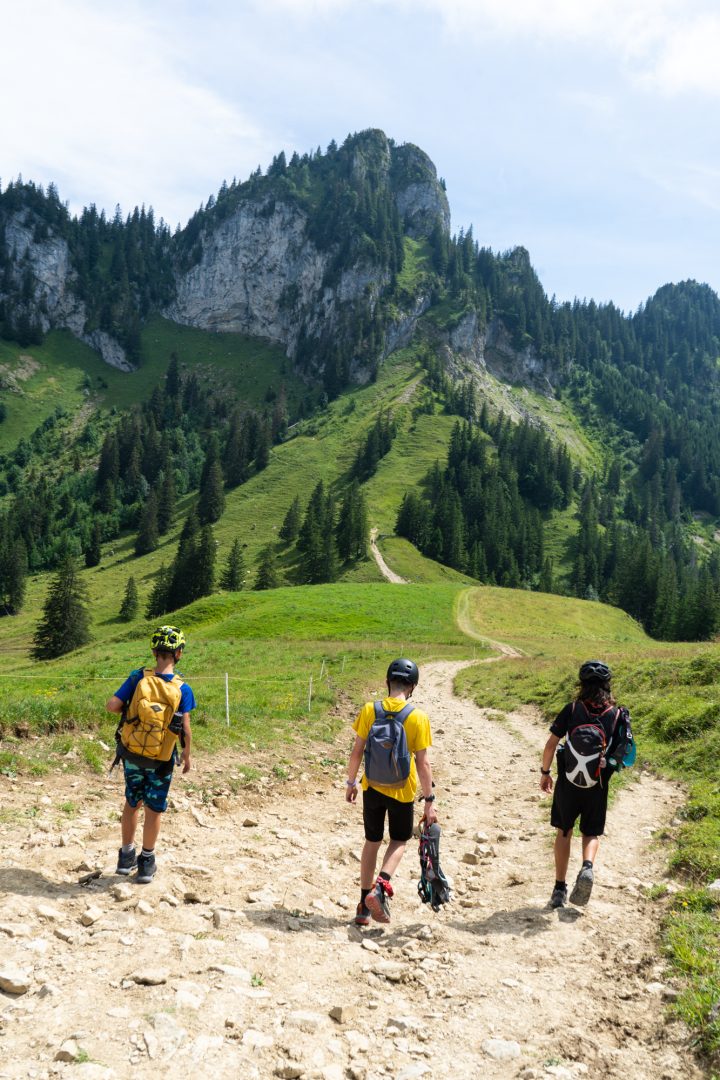
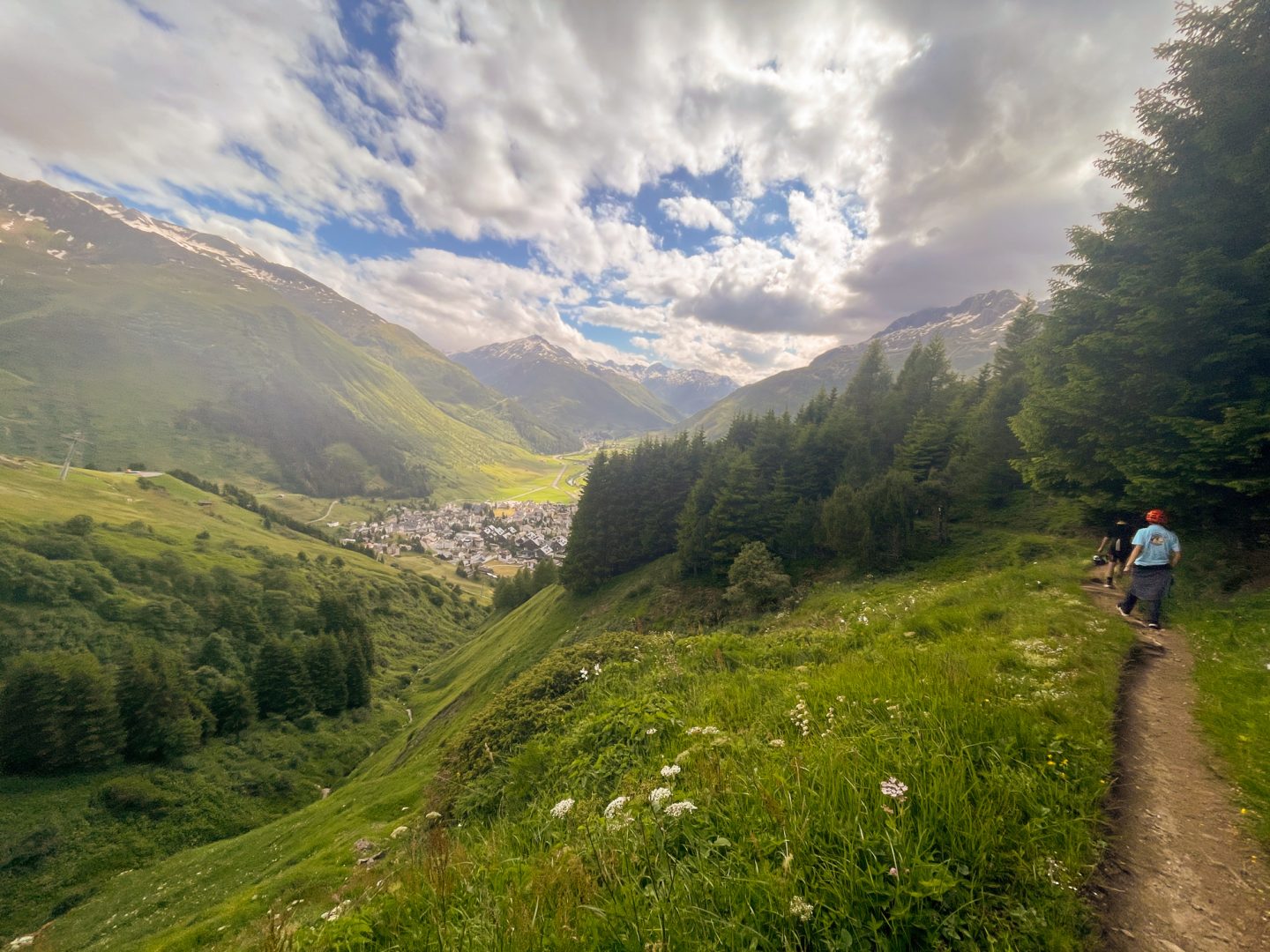
Switzerland‘s compact size and frequent trains pack high Alpine peaks, lakes and multilingual cities into short transfers. That makes it perfect for teen-focused day trips. You can mix high-altitude thrills, water sports and hands-on cultural stops. We, at the Young Explorers Club, recommend routes that balance excitement and downtime.
Top activity ideas
Alpine adrenaline
Grindelwald First ziplines and alpine coasters deliver high-speed fun with excellent alpine views. Summits such as Titlis and Jungfraujoch offer glacier experiences and viewpoints that feel like being on top of the world.
Water and canyon adventures
Lake SUP and kayak outings suit calmer days, while canyoning offers a more adrenaline-packed aquatic challenge—both are great for active teens.
Winter options
Snowparks, sledging runs and beginner-friendly ski areas make Switzerland accessible and fun in winter months.
Hands-on culture and museums
Interactive and science museums in cities can be slotted into travel days to balance outdoor activity with indoor learning and rest.
Planning, passes and safety
Transport options
Match transport coverage to your plan: use a Swiss Travel Pass for multi-city or museum-heavy trips, a Half‑Fare Card for local flexibility, or single tickets for point‑to‑point travel.
Safety essentials
Prioritise safety and planning: check age and weight limits for activities, pack layered gear, program emergency numbers and carry insurance that covers mountain rescue. Important emergency numbers to save in your phone: 117 / 144 / 118 / 112.
Key takeaways
- Switzerland’s small footprint and frequent trains let you combine mountains, lakes and city museums in single-day or short itineraries.
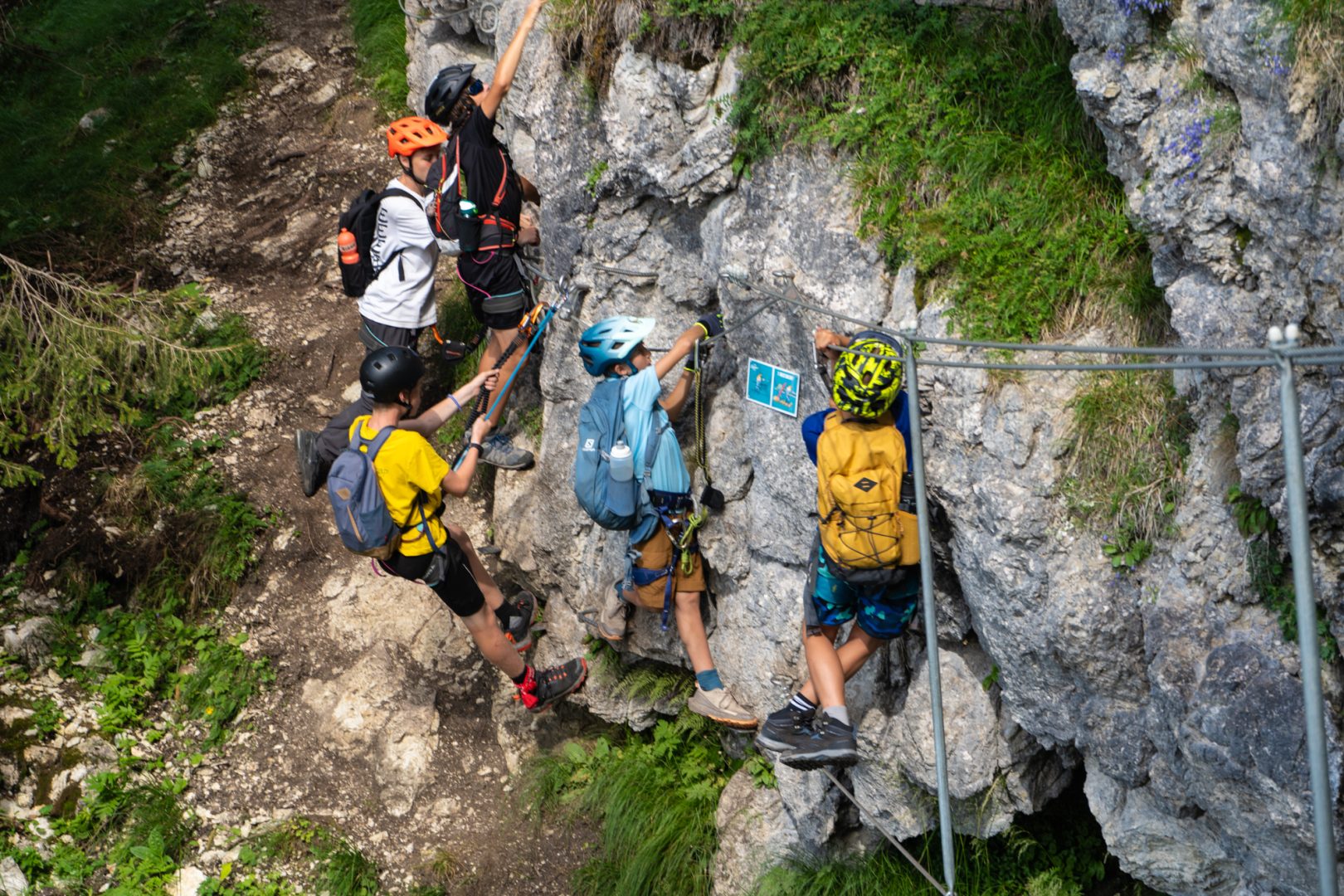
- A wide range of teen-friendly activities exists: ziplines, alpine coasters, via ferrata, canyoning, SUP/kayak, snowparks and interactive museums.
- Match transport coverage to your plan: Swiss Travel Pass for multi-city or museum-heavy trips, Half‑Fare Card for local flexibility, and single tickets for point‑to‑point travel.
- Prioritise safety and planning: check age and weight limits, pack layered gear, program emergency numbers (117/144/118/112) and carry insurance that covers mountain rescue.
- Build balanced itineraries—one high‑altitude day, one lake or town day and one activity day—and involve teens in choosing the main highlights.
Sample balanced 3‑day itinerary
-
Day 1 — High altitude: Morning train to a mountain summit (Titlis or Jungfraujoch), short glacier walk or viewpoint, easy mountain lunch and return for downtime in the afternoon.
-
Day 2 — Water and towns: Lake SUP or kayak in the morning, relaxed lakeside picnic, afternoon in a picturesque town with a hands-on museum.
-
Day 3 — Activity day: Adventure park, canyoning or Grindelwald First for ziplines and alpine coaster—finish with an easy village stroll and reward treat.
Final tips
Involve teens in choosing the main attractions to boost buy-in and energy. Pack adaptable clothing, confirm booking and limits before arrival, and use travel passes to simplify logistics. With sensible planning and attention to safety, Switzerland offers a compact, varied and memorable playground for families and teens.
Quick snapshot: Why Switzerland works for teens
Switzerland packs huge variety into a small footprint: 41,285 km² of land, roughly 8.7 million people, and the Swiss franc (CHF) as currency. German, French, Italian and Romansh are official languages, so teens get a taste of different cultures in short train hops. We, at the Young Explorers Club, use these facts to plan days that mix city cafés, mountain summits and lake swims without long transfers.
The mountains define the experience. About 60% of the country is mountainous (Alps plus Jura). You’ll find 48 peaks above 4,000 m, the highest being Dufourspitze at 4,634 m and the iconic Matterhorn at 4,478 m. Big-name excursions like Jungfraujoch and Titlis sit within easy reach of major towns, so high-altitude thrills fit into half-day or full-day itineraries.
Top reasons teens click with Switzerland (short, practical points)
Below are concrete reasons Swiss trips keep teenagers engaged, with tips we apply on trips.
- Dramatic peaks for social media and photos: Alpine peaks like Dufourspitze 4,634 m and the Matterhorn create instant wow shots. I recommend sunrise or late-afternoon light for better photos and fewer crowds.
- Quick, reliable transport: Trains are fast and frequent. Teens prefer short transfers. We plan routes with one-seat journeys wherever possible to keep energy up.
- Adventure options for every comfort level: Options range from easy mountain railways (Jungfraujoch, Titlis) to multi-day hikes and via ferrata. Offer choices and let teens pick the challenge.
- Lakes and water activities: Warm-weather days can include swimming, paddleboarding or lakeside relaxing after a mountain morning. We pick spots with safe access and lifeguard-friendly beaches.
- Compact mix of city and nature: You can have espresso in Zurich and be on an Alpine ridge the same afternoon. That variety keeps teens curious and prevents boredom.
- Clear safety and infrastructure: Mountain rescues, well-marked trails and excellent public services reduce parental worry while letting teens test limits. I still brief groups on mountain weather and easy gear checks.
- Year-round appeal: Winter brings skiing and sledging; summer brings hiking and canyoning. I build itineraries that balance action and downtime so teens don’t burn out.
- Learning without lectures: Museums, science centers and glacier railway rides turn into hands-on learning moments. We fold short learning stops into active days to keep engagement high.
We often nudge families toward a flexible approach: one high-altitude day (Jungfraujoch or Titlis), one lake or town day, and one activity day like mountain biking or a ropes course. For planning ideas and kid-friendly options that scale with age, check our family trip page and adapt activities to your teen’s energy and interests.
Getting there and getting around: passes, trains and emergency basics
We plan routes around efficient public transport. The Swiss Travel Pass gives unlimited travel on consecutive days across national trains, regional buses and most boats, plus free entry to 500+ museums. That pass works best when you hop between cities, visit lots of museums, or include major scenic trains and boat trips in one trip. The Half-Fare Card cuts fares by 50% on most public transport and mountain railways; it’s ideal if you want flexibility and only occasional long journeys.
SBB (Swiss Federal Railways) runs the dense, high-frequency network that makes family travel easy. Regional services connect villages and resorts; intercity trains link major hubs. Trains run reliably and stations are well signed. We recommend booking scenic services like the Glacier Express segment or making reservations in advance during high season. For big-ticket climbs—think Jungfraujoch (Top of Europe)—factor mountain-railway supplements and reservation rules into your cost comparison.
Emergency info is essential. Program these numbers into every phone: Police 117, Ambulance 144, Fire 118 and the European emergency 112. Keep a hard copy of local addresses and your accommodation phone. We always have a small first-aid kit and photocopies of passports; that saves time if anything goes wrong.
Choose a pass based on your itinerary:
- Swiss Travel Pass: best for multi-city weeks, frequent museum visits and lots of boat or long-train segments.
- Half-Fare Card: best if you’ll stay local and take occasional mountain or regional rides.
- Point-to-point tickets: often cheapest for minimal travel or a single return trip.
An example makes the choice simple: a family who rides up to Jungfraujoch and spends a week including a Glacier Express leg will likely save with a Swiss Travel Pass, since it covers many connections and museum entries that add up fast. If your teens prefer one base and day trips, the Half-Fare Card plus a few point-to-point fares can be the better deal. Always check current pass prices and age rules before booking; children under six travel free but Junior and family discount bands change, so confirm the latest rules.
Quick checklist before you leave
Use this short checklist so transit and safety run smoothly:
- Decide whether a Swiss Travel Pass, Half-Fare Card or point-to-point tickets fits your itinerary.
- Check current pass prices and age rules; confirm child discounts and Junior policies.
- Validate or activate passes as required and reserve seats for scenic trains where needed.
- Program emergency numbers 117 / 144 / 118 / 112 into phones and leave contacts with a responsible adult.
- Pack printed confirmations and a small first-aid kit; carry copies of passports and insurance details.
- If you want inspiration for activities that suit teens, see our family trip in Switzerland.

Top must-do adventures for teens: mountains, coasters, ziplines and more
We pick experiences that make teens grin, scream and want to go again. Switzerland packs short bursts of adrenaline and scenic highs into day trips that work for families and seasoned young adventurers alike.
Peak attractions — fast, high and scenic
Grindelwald First gives a concentrated hit of thrills near Interlaken: the First Flyer zipline rockets riders over alpine scenery, the First Glider simulates a hang-glider glide, and the First Cliff Walk hugs a dramatic ridge — all perfect for teens who want both speed and photos.
Titlis delivers a different kind of wow. The Titlis Rotair rotating cable car climbs to the Titlis summit; at Titlis 3,238 m you’ll find the Titlis Cliff Walk, a summit suspension bridge that feels huge but is well engineered for visitors. For a serious altitude experience take the Jungfraujoch train to the Top of Europe — Jungfraujoch 3,454 m — where the Ice Palace and year-round snow activities keep energy levels high even in summer. Mount Pilatus thrills with the steepest cogwheel railway in the world; the line hits a maximum gradient of 48% and the ascent itself is part of the attraction.
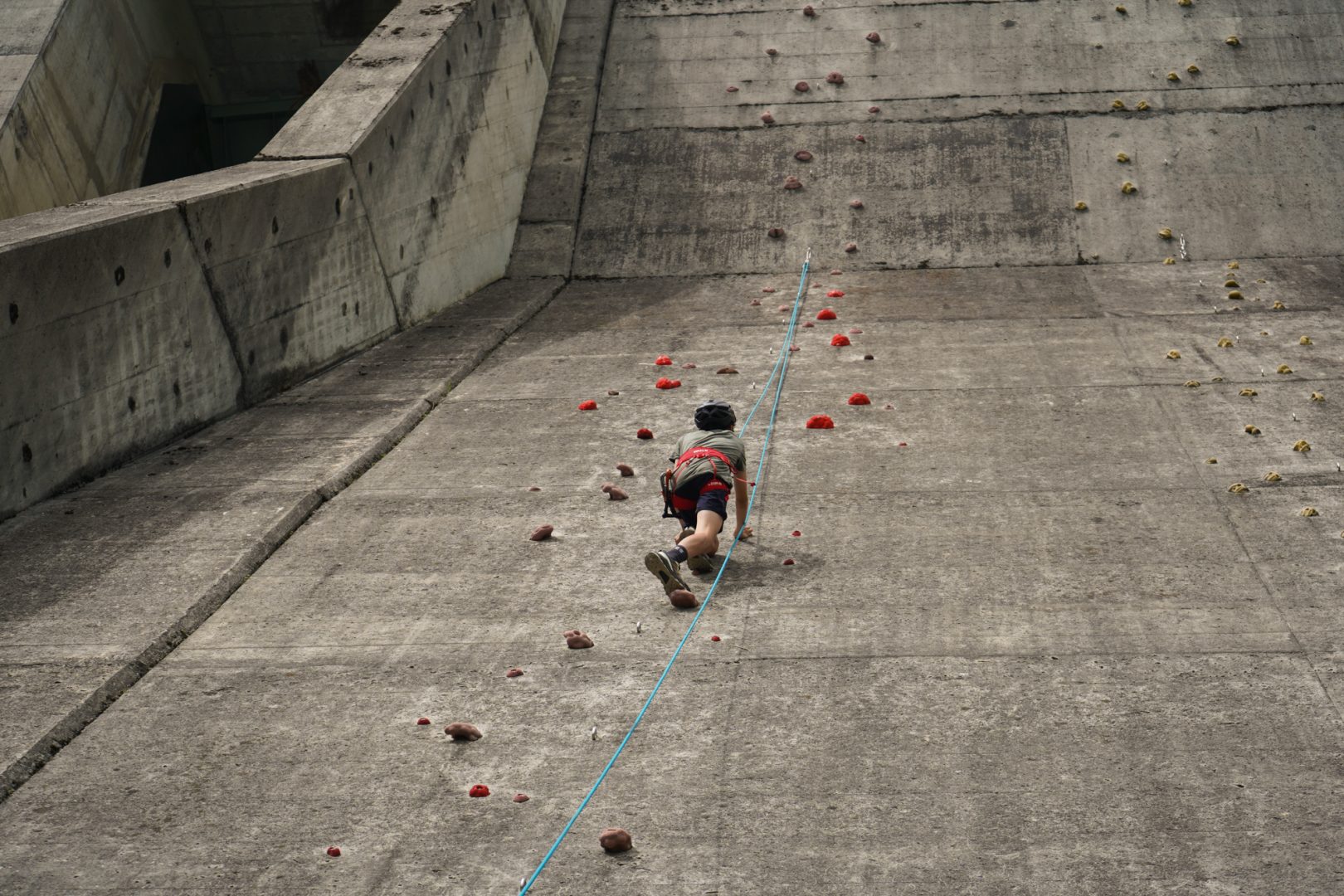
Family-accessible via ferrata routes let older kids try protected climbing without full expedition logistics. Put cliff walk and via ferrata on the same shortlist if your teens like exposure but need good safety systems. Alpine coasters and long summer toboggan runs — Frutigen is one example — deliver repeatable fun: you control the speed, there are brakes, and the views keep everyone engaged. Combine an alpine coaster run with a short hike and you’ve got a half-day that satisfies both thrill-seekers and scenic-strollers.
Water complements the mountains. I recommend canyoning and rafting for teams that want wet, technical fun; top regions include Valais, Grisons and Interlaken. For calmer lake days try wake parks, SUP or kayak on Lake Lucerne, Lake Zurich or Lake Geneva. For routes that mix lakes and summits check out From lake to summit for ideas that keep teens engaged across terrains.
Practical tips & safety
Below are concise rules we follow to keep adventures fun and safe:
- Check attraction rules before you go: many ziplines and alpine coasters enforce age, height and weight limits.
- Dress for altitude: summit platforms around 3,000+ m can be cold and windy; layer up and bring a windproof.
- Footwear matters: sturdy trainers or light hiking boots improve grip on cliff walks and via ferrata approaches.
- Book guided water sports: canyoning and rafting in Valais, Grisons or Interlaken are technical; pick certified guides and confirm experience requirements.
- Manage altitude: schedule a gentle first day if you plan Jungfraujoch or Titlis to reduce altitude effects.
- Bring ID and insurance details: operators often require them, and quick access speeds processing in case of incident.
- Reserve peak-season slots: Titlis Rotair and Grindelwald First get busy midday; an early slot means quieter trails and better photos.
We pick activities that balance risk and reward, and we always brief teens on what to expect before they step onto a zipline, cliff walk, or alpine coaster.

Winter sports and snowparks teens love
Laax sits at the top for freestyle teens — one of Europe’s largest snowparks and a true freestyle hub. We, at the young explorers club, send snowboarders and skiers there for the parks, the rails and the progressive features. Verbier and Zermatt offer huge terrain and high-alpine snow that keeps the season long. Davos-Klosters gives a mix of groomers and fun parks, while St. Moritz brings style, altitude and long runs.
The ski season runs roughly December–April, with high-alpine resorts sometimes opening from November into May. Lift ticket pricing varies a lot by resort size, so plan accordingly. Equipment rental is affordable if you book early — expect rental costs around CHF 25–50/day for skis or a snowboard. Group lessons, teen-specific coaching and freestyle camps are widely available at the major resorts; they’ll accelerate progress and keep motivation high.
I recommend matching the resort to the teen’s goals and level. Choose these focus points when you plan:
- Learning pace: pick resorts with dedicated beginner zones, slow lifts and gentle nursery slopes for first-timers.
- Freestyle appetite: choose park-focused resorts like Laax for rails, jumps and coached sessions.
- Off-piste interests: head to Verbier or Zermatt for freeride terrain and guide-led options.
- Season length: pick higher-altitude resorts if you want snow in early November or late April.
Practical comparisons, costs and quick tips
Below are concise points to help pick the right place and save money:
- Ski pass ranges: expect small-resort day passes roughly CHF 40–70; major resorts CHF 70–100+.
- Rental: skis/board rental usually CHF 25–50/day; book online for discounts and guaranteed sizes.
- Lessons: group lessons are cheaper; teen-specific camps cost more but give faster gains and park coaching.
- Park vs. beginner terrain: Laax excels for freestyle; Davos-Klosters balances parks and cruisers; Zermatt and Verbier suit advanced freeride.
- Safety gear: always include a helmet and consider wrist guards for snowboarders; buy or rent avalanche safety kit only if you’ll go off-piste.
- Booking tip: pre-book rentals and lessons for peak-season weeks to secure slots and often lower prices.
We also arrange multi-activity options that combine on-snow coaching with off-slope activities. Consider adding a session with a park coach for teens who want to progress fast. For family planning and age-friendly options, check our suggestions for family activities and ways to keep everyone engaged during a winter trip.

City, indoor and cultural experiences that click with teenagers
We, at the Young Explorers Club, focus on high-energy, hands-on places that keep teens curious and moving. I recommend mixing a big interactive museum with bite-sized indoor activities so you never run out of options or energy.
Top interactive spots and city indoor options
Below are the places I send families to first — quick notes on appeal and time required:
- Swiss Museum of Transport (Lucerne) — a massive interactive museum where teens can drive simulators, explore trains and planes; plan a half-day to full-day visit.
- Technorama (Winterthur) — a hands-on science centre with experiments teens love; allow about 2–4 hours.
- FIFA World Football Museum (Zurich) — great for football fans; interactive displays and memorabilia.
- Maison Cailler chocolate factory — a sensory tour that ends with tastings; an easy win for chocoholics.
- Gruyères cheesemaking demonstrations — watch production and sample fresh cheese.
- City indoor activities — trampoline parks, indoor climbing gyms, escape rooms and VR centres in Zurich, Geneva and other cities offer flexible, weather-proof fun.
Pick one major visit and pepper the schedule with a few quick indoor stops to keep variety high and transit low. Buy a Swiss Travel Pass (500+ museums) if you plan multiple museums — it often covers entry and saves time at ticket desks.
Practical tips: timing, food and culture
I suggest these timing and cost guidelines to plan realistic days. Museums like Technorama fit into a half-day. Bigger sites such as the Swiss Museum of Transport can fill a whole day if your teens want to try every simulator.
Expect the following food price ranges as a rough guide:
- Snack/pastry: CHF 6–12
- Casual lunch: CHF 15–25
- Mid-range dinner: CHF 25–60
- Coffee: CHF 3–5
Try local dishes — fondue and raclette are musts for the full Swiss experience. Service charges are usually included; leaving a small tip is appreciated but not mandatory. You’ll find multilingual signage and menus in tourist areas, which makes ordering and getting around straightforward.
For more family-focused ideas and to plan city-versus-outdoor days, see our suggestions for a family activities and how a family trip can mix culture with adventure.
https://youtu.be/oBnHz4C4SfI
Planning, safety, gear, where to stay, budgets and sample itineraries
We build plans that match teen energy, parental peace of mind, and Swiss logistics. At the young explorers club we pick accommodations with easy train links, kitchens when you want to self-cater, and free Wi‑Fi so teens stay connected.
Accommodation, bookings and budgets
We mix options to suit every group and wallet. Typical price ranges are:
- Youth hostel dorm bed: CHF 25–50
- Budget hotel double: CHF 100–150/night
- Mid-range family room: CHF 150–300/night
- Mountain-hut bunks: CHF 20–60 per person/night
Book Swiss Alpine Club huts 1–3 months in advance for high season. Keep bookings near train stations when possible to cut taxi costs. I suggest planning one big-ticket activity a day and filling the rest with free hikes or lakeside time; that balances excitement and cost.
We recommend the Swiss Travel Pass if you’ll use trains and boats frequently. Regional guest cards and family discounts shave costs further. Snacks typically run CHF 3–6; expect a low-budget teen to need roughly CHF 60–90/day and a moderate family CHF 150–300/day. For family inspiration, consider a short family trip itinerary that mixes city museums and mountain days.
Three sample itineraries you can adapt:
- 3‑day High‑Impact: Day 1 Lucerne + Swiss Museum of Transport; Day 2 Mount Pilatus (cogwheel railway max gradient 48%) or Titlis (3,238 m); Day 3 Interlaken/Grindelwald First (zipline/cliff walk).
- 7‑day Adventure Mix: Zurich or Geneva + museum; Lucerne + Pilatus; Interlaken + Grindelwald + Jungfraujoch (3,454 m); Zermatt for Matterhorn views (Matterhorn 4,478 m) with an optional lake day.
- 10‑day Deep Dive: add Davos/Laax for bike parks, St. Moritz, Valais canyoning and a Glacier Express scenic leg.
Safety, tech and packing
We always check weather and hazard bulletins before leaving. Consult MeteoSwiss and local avalanche reports in winter. Altitude discomfort can start above about 2,500 m; Jungfraujoch sits at 3,454 m so plan acclimatisation: stay hydrated and avoid hard exercise on day one. Carry travel insurance that covers mountain rescue and medical evacuation. Keep emergency numbers handy:
- Police: 117
- Ambulance: 144
- Fire: 118
- European emergency: 112
Below are essentials I insist families pack and apps I rely on:
- Layered clothing and a warm mid‑layer for 3,000+m summits
- Waterproof jacket and sturdy hiking shoes
- Helmet for biking
- Sunglasses and sunscreen SPF 30+
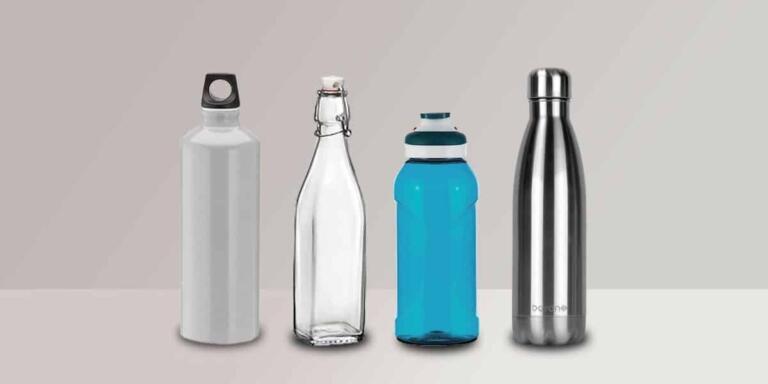
- Reusable water bottle and power bank
- Swiss Type J plug adapter and phone charger
- Daypack, passport copy, and printed travel insurance details
- Recommended apps:
- SBB Mobile
- MySwitzerland / Switzerland Tourism
- MeteoSwiss
- SwissTravelSystem info
- Komoot or Outdooractive
- Google Maps / Maps.me and WhatsApp
We balance safety and fun, and we adjust gear lists for season and activity so teens stay comfortable and parents stay calm.

Final practical reminders for travellers
We, at the young explorers club, always tell families to check age/weight limits before you book any attraction. Confirm limits for zip lines, via ferrata, bike rental sizes and cable-car cabins, and check refund policies if a teen grows out of gear.
Double-check the Swiss Travel Pass and regional passes for current pricing and validity windows before you commit. Plan transit days around pass coverage and compare single-ticket costs for any isolated trips. Keep printed or screenshot copies of pass confirmations.
Involve teenagers in choosing one or two big activities so they feel ownership of the trip. Let them pick a major highlight—via ferrata, a summit hike, or an e-bike loop—and schedule chill time right after. Balance adrenaline days with social and low-effort afternoons in hostel common rooms or lakeside hangs; that mix keeps spirits high and energy steady. For extra ideas about family planning, see family travel.
Pack layered clothing for high-altitude stops. Temperatures can drop fast above the treeline and sun can be intense at the same time. Include a light insulated jacket, wind shell, base layers and a hat. Bring a small medical kit and a portable battery for phones.
Carry travel insurance that explicitly covers mountain rescue and helicopter evacuation. Read the policy details so you know altitude limits, activity exclusions and the claims process. Share emergency contacts with your teens and set a simple check-in routine when anyone heads off alone.
Quick checklist
Here are the essential actions I recommend before you go:
- Check age/weight limits for each booked activity.
- Verify Swiss Travel Pass or local pass pricing and validity.
- Involve teenagers in picking 1–2 main activities.
- Balance activities: alternate high-adrenaline and relaxed days.
- Pack layers for high-altitude stops and sun protection.
- Buy travel insurance that covers mountain rescue and repatriation.
- Save digital copies of tickets, insurance and emergency numbers.
Sources
Swiss Federal Statistical Office — Key figures on Switzerland
Switzerland Tourism (MySwitzerland) — Family travel
Swiss Travel System — Swiss Travel Pass
Swiss Travel System — Half Fare Card
SBB (Swiss Federal Railways) — Timetables & tickets
Jungfrau Railways — Jungfraujoch – Top of Europe
Titlis Rotair / Engelberg tourism — Titlis Cableway
Pilatus-Bahnen — Pilatus cogwheel railway
Swiss Alpine Club (SAC) — Mountain huts and safety
MeteoSwiss — Weather and avalanche bulletins
Swiss Museum of Transport (Lucerne) — Visitor information
Technorama (Winterthur) — Visitor and exhibit information
Maison Cailler (Nestlé) — Chocolate factory tour details
Laax Snowpark — Laax snowpark information
Swiss Youth Hostels (Hostelling International Switzerland) — Accommodation and family options