The Safety Standards Of Summer Camp In Switzerland Explained
Swiss summer camps: Young Explorers Club enforces federal+canton rules, permits, staff checks, first aid, lifeguards, ratios and CHF2–5M cover.
Swiss Summer Camp Safety Framework
Overview
Swiss summer camps operate under a two-tier safety framework that combines federal public-health and SUVA insurance rules with canton-specific youth and camp regulations. Operators must secure permits, pass inspections and provide clear insurance disclosures. At the Young Explorers Club, we enforce four safety pillars: regulatory compliance; qualified staff with background checks and training; health and medical readiness; and site and activity safety. We also publish staffing ratios, first-aid and lifeguard requirements, emergency plans and parent-facing records.
Four Safety Pillars
- Regulatory compliance — meet federal and canton rules, obtain necessary permits and keep inspection certificates.
- Qualified staff — maintain staff CVs, criminal-record extracts and documented training.
- Health and medical readiness — parental consents, locked medicine storage, isolation and outbreak plans, and allergy-action procedures.
- Site and activity safety — risk assessments, activity controls and appropriate lifeguard or mountain-guide certifications.
Key Takeaways
- Regulatory scope: Camps must meet federal health and SUVA insurance standards as well as the canton’s rules. Check local permit, curfew and registration requirements before you book.
- Safety pillars: Operators should demonstrate the four pillars: regulatory compliance; qualified staff with CVs, criminal-record extracts and training; medical readiness; and site and activity controls.
- Staffing and certification benchmarks: Expect ratios from 1:6 to 1:15 depending on age. Plan at least one Erste Hilfe 16h first-aider per group. Use SLRG lifeguards for water and SAC or Swiss Guides for mountain programs.
- Medical and food safety: Obtain written parental consent for medications and keep medicines in locked storage. Maintain isolation and outbreak plans and clear allergen action procedures. Control temperatures: hot at or above 60°C; cold at or below 5°C.
- Records and insurance: Keep and share personnel files, inspection certificates, incident logs, emergency plans and the insurer name and policy limit. Aim for a benchmark policy limit of CHF 2–5 million to reassure parents.
https://youtu.be/MutNdlfq42Q
Quick facts & executive summary
We, at the Young Explorers Club, follow the Swiss safety framework: federal public-health and insurance rules (FOPH, SUVA) plus each canton’s youth and camp regulations. Our four pillars are Regulatory compliance (federal + canton), Qualified staff (ratios, background checks, training), Health & medical readiness (first aid, meds, hygiene) and Site & activity safety (water, mountains, facilities, fire). Always verify the canton-specific rules — e.g., Canton Zurich vs. Canton Valais may differ on curfew, permit processes and minimum staffing. For detailed local guidance see canton rules.
Immediate takeaways and actions
- Camps must comply with federal health/insurance standards and the specific canton’s youth/camp rules, publish insurer and limits, keep staff and health records and complete canton-mandated inspections and permits.
- We require camp operators to maintain up-to-date staff training records, background checks, and proof of required insurances on file and visible for parents.
- Parents should ask for staff-to-child ratios, staff certifications and background-check policy, medical readiness (first-aid coverage, medication procedures), and the camp’s liability insurance limits.
Operational priorities we enforce
We check each site for activity-specific controls and ensure operational readiness through training, documentation and designated medical leads.
- Lifeguard cover and safety craft for open water; certified lifeguards for pools.
- Route risk assessments for mountain outings and clear supervision plans.
- Pool fencing and supervised changing areas.
- Clear fire plans and regular drills.
- Verified staff qualifications and frequent refresher training.
- Logged medical forms, up-to-date emergency contacts and designated on-site medical leads for every group.
Quick facts
Here are headline figures for rapid reading:
- Typical staff-to-child ratios (industry benchmarks):
- Ages 3–5: 1:6
- Ages 6–8: 1:8
- Ages 9–12: 1:10
- Ages 13–15: 1:12
- Teens/low-risk programs: ~1:15
- First Aid: Swiss Red Cross “Erste Hilfe 16h” recommended; at least one staff with Erste Hilfe 16h per group (Swiss Red Cross).
- Lifeguard: pool 1:25 (certified SLRG lifeguard); open water 1:10–1:15 plus safety craft (SLRG).
- Food safety: hot food ≥ 60°C; cold food ≤ 5°C.
- Toilet ratio (overnight camps): 1:8–1:12.
- Liability insurance benchmark: CHF 2–5 million.
- Bathing water: “excellent” typically E. coli < 100 / 100 mL.
We document these metrics for every session and make them available to parents on request.

Legal and regulatory framework, inspections and certifications
Dual structure and key agencies
We, at the young explorers club, treat Swiss regulation as a two-tier system: federal rules set broad public-health, occupational-safety and environmental baselines, while cantons enforce and expand those rules for youth programs and overnight stays.
At the federal level, I reference the Federal Office of Public Health (FOPH), the Federal Office for the Environment (FOEN), the Federal Office for Civil Protection (FOCP) and SUVA for national employee-insurance and workplace-safety expectations. These agencies define the minimum health, hygiene and environmental standards camps must meet.
Cantons pick up the day-to-day enforcement. I contact the canton youth services or education office to confirm local requirements early in planning. Cantonal authorities handle youth-protection law, overnight registration, event permits and criminal-record checks for staff. For example, a Strafregisterauszug is required for staff working with minors in most cantons. Local permit processes vary — Canton Zurich and Canton Valais may differ on curfew rules, paperwork and minimum staffing — so you must compare canton rules before committing to dates or locations. For a practical primer on licensing and registration, I point operators to guidance on camp regulations.
Inspections, certifications and practical steps for operators
We run inspections and audits as part of our normal workflow and expect the same from partners. Cantonal facility inspections are common, and many cantons publish inspection certificates or require camps to keep corrective-action logs after an inspection. Voluntary certifications increase parental trust and often simplify approvals. I recommend pursuing affiliations and partnerships such as:
- Swiss Red Cross for first-aid and emergency procedures.
- SLRG for water-safety and lifeguard standards.
- SAC/Swiss Guides for mountain programs and route safety.
- Membership in the Swiss Camps Association to demonstrate broader quality commitments.
I advise operators to act on these practical steps:
- Name every canton where you plan to operate and contact the canton’s youth services or education office before booking.
- Register overnight camps with the cantonal youth welfare/education department when required, and prepare a fire-safety plan for submission.
- Keep criminal-record checks (Strafregisterauszug) and staff background documentation current and on file; see detailed notes on background checks for camps.
- Store inspection certificates, permits and corrective-action logs centrally and display a parent-facing summary at sign-in.
- Build partnerships with recognized organizations (SLRG, Swiss Red Cross, SAC) to cover activity-specific risks and to speed local approvals.
We maintain tight records and present concise permit summaries to parents at drop-off. Camps that display certification badges and inspection summaries reduce questions and increase enrolment confidence. In many cantons, camps open to overnight stays must register with the cantonal youth welfare/education department and produce a fire-safety plan, so I treat that requirement as a planning checkpoint rather than an afterthought.

Staffing levels, supervision, qualifications and background checks
We, at the Young Explorers Club, set and monitor staffing so safety never slips. I’ll outline the ratios you should expect, how we adjust for special needs and high-risk activities, the certifications we require, and the records we keep. I’ll also give parents the exact questions to ask.
Benchmarks and parent checklist
Below are the industry benchmarks we use as minimum ratios — I expect camps to meet or beat these figures:
- Ages 3–5: 1 staff : 6 children.
- Ages 6–8: 1 : 8.
- Ages 9–12: 1 : 10.
- Ages 13–15: 1 : 12.
- Teens / low-risk programs: ~1 : 15 (or higher only for low-risk supervision).
I lower ratios for special-needs groups and high-risk activities. Expect one-to-one to one-to-four support for children with significant needs. For water, mountain, climbing or high-ropes sessions, add qualified supervisors on top of base ratios.
Parents should bring these questions with them; they cut through vague answers and force clarity:
- Can you show staff CVs and certificates?
- How many first-aiders are onsite and what are their certifications (Erste Hilfe 16h)?
- Do you run background checks (Strafregisterauszug) and keep them on file?
- What lifeguard and activity-specific certifications do supervising staff hold?
These checks give immediate reassurance. I also post an anonymized training summary on our site so parents see staffing credentials before arrival.
Qualifications, checks and recordkeeping
I require a criminal-record extract (Strafregisterauszug) for every staff member who works with minors; most cantons mandate this. We run additional identity and reference checks, and I encourage you to confirm this yourself via our staff background checks page: staff background checks.
Certifications I insist on include Erste Hilfe 16h first-aid training — at least one certified first-aider per group and preferably one per 10–20 participants. For aquatic supervision we demand SLRG lifeguard certification. Mountain programs must be led by SAC- or Swiss Guides-certified leaders. Kitchen staff hold HACCP or equivalent local food-hygiene training. Every staff member completes child-protection and safeguarding training before contact with children.
I keep full personnel files onsite during sessions. Each file contains a CV, certificates, the Strafregisterauszug, a signed job description, and a training log with renewal dates. We track expiries and schedule retraining proactively. I publish a visible, anonymized training summary on the camp site so parents can verify coverage without exposing personal data.
Operational tips I follow:
- Stagger staff breaks to preserve ratios.
- Assign floaters who can cover sudden absences.
- Add extra supervisors for arrival, meal times and transitions, when risks spike.
- For high-risk sessions assign an additional qualified supervisor specifically for that activity; ratios during those sessions reflect the higher staffing need.
If you want a quick check during registration, ask to see the number of certified first-aiders and lifeguards, and where the full personnel files are stored during the camp. I’ll provide those records and make sure you feel confident about the people looking after your child.

Health, medical readiness, sanitation, food safety and allergies
At the Young Explorers Club, we ensure clear medical staffing and coverage.
To meet standards we assign at least one qualified first-aider per group and arrange professional medical cover for camps with more than 50 campers or remote activities.
We document clinic response times and list the nearest clinic by name; common remote-max response is 30–60 minutes.
For medications we require written parental consent and secure drugs in a locked medicine cabinet.
Our staff uses a medication log signed at each administration and we keep this consent language in the camper file: “I authorize camp staff to administer the following prescribed medications to my child as directed. I confirm dosage schedule and provide any storage instructions.”
Following FOPH guidance, we manage infectious illness with clear isolation plans and outbreak reporting (FOPH).
Handwashing stations sit near food-preparation zones and toilet areas to cut transmission.
We set a defined isolation plan for any contagious case and notify parents promptly.
We meet sanitation benchmarks including a toilet-to-child ratio 1:8–1:12 for overnight camps, adjusted for age and gender.
A potable water supply must be available with clearly labeled drinking points.
We explain more on our medical care page.
Kitchen staff complete HACCP or equivalent local food-hygiene training and maintain strict temperature controls: hot food 60°C or above; cold food 5°C or below.
We document allergy action plans for children with severe allergies and train staff to use epinephrine auto-injectors; accessible EpiPens are stored onsite where appropriate.
Meals carry clear allergen labels and we operate separate preparation protocols for allergen-free meals.
Our team practices immediate response drills for anaphylaxis and logs all incidents in the camper file.
We ask parents to provide key documents and supplies before arrival.
Parent checklist
We ask parents to provide the following items:
- Allergy action plan and any clinician instructions.
- Written parental consent for medications and up-to-date medication in original packaging.
- Emergency contact details and participant insurance information.
- Any special storage or dosing instructions to add to the medication log.
We share weekly summaries with families; for example: “This week: 8/60 campers with documented nut allergy; 3 staff trained in anaphylaxis response.”
Activity-specific safety: water, mountains, high-risk events, facilities and fire safety
Water and swimming safety
We, at the young explorers club, align our protocols with national camp safety standards and Swiss guidance. I set clear rules for every aquatic activity and enforce them without exception.
Below are the operational benchmarks I require for swim sessions and open water:
- Pool supervision: 1 certified lifeguard per 25 swimmers (SLRG standard).
- Open-water supervision: 1 lifeguard per 10–15 swimmers plus dedicated safety craft (rescue boat, throw-lines) and shore lookouts.
- Water-quality: we follow FOEN/FOPH bathing-water classifications; “excellent” normally corresponds to E. coli <100 / 100 mL (FOEN/FOPH).
- Swim testing: deep-water entry requires a swim test; non-swimmers must use flotation devices and remain paired via a buddy system.
- Cold-water precautions: treat water below 18°C as higher risk — shorten sessions, increase lifeguard density and stage gradual cold-water entry.
I train staff on active supervision, whistle protocols and emergency throw-line retrieval. Lifeguards maintain rescue-ready gear and a documented rotation so vigilance never lapses.
Mountains, high-ropes, facilities and fire safety
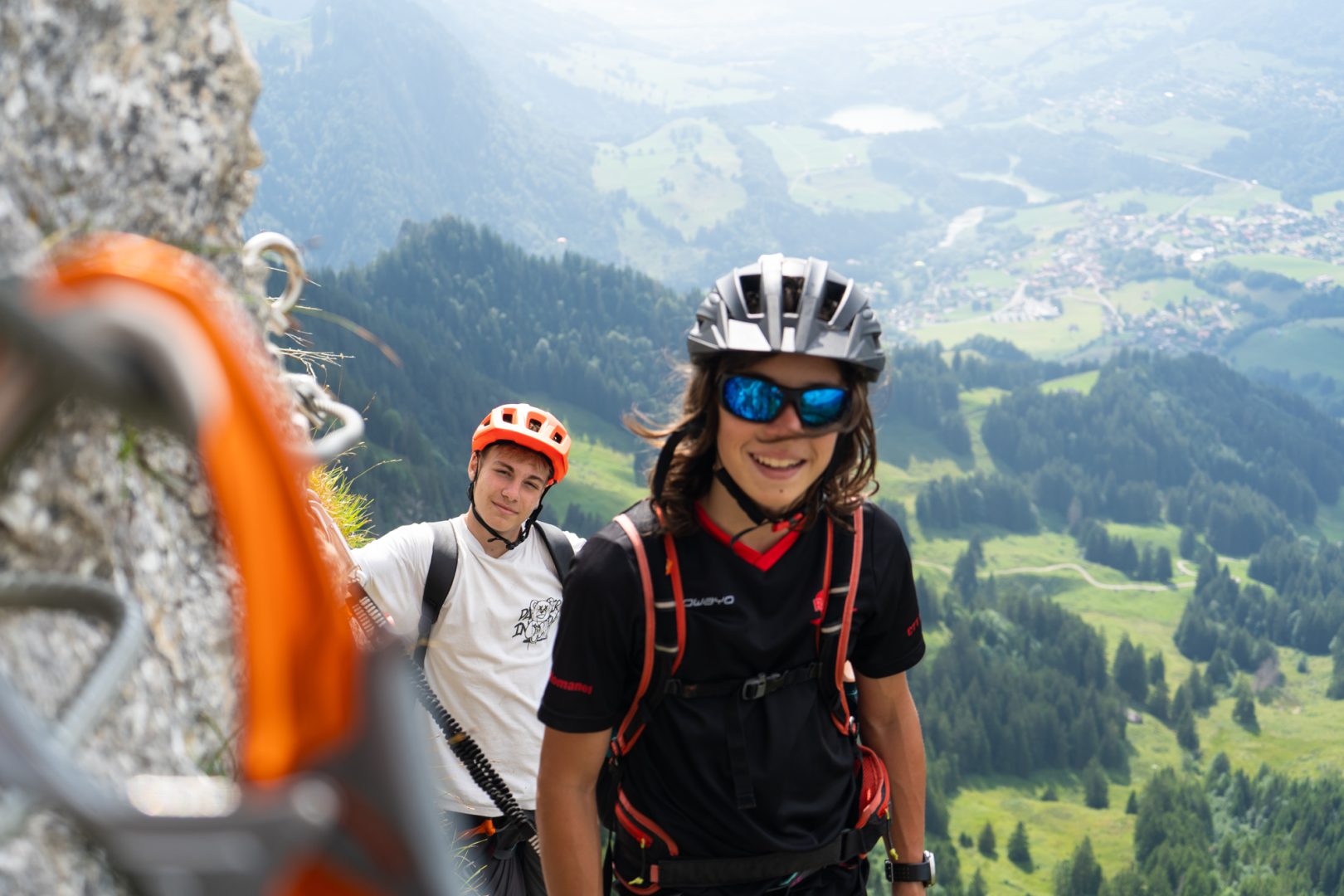
I require certified SAC/Swiss Guides for alpine routes and formal written risk assessments for any mountain program. Rope and high-rope courses must comply with EN standards for equipment, inspection intervals and certified inspectors. I mandate redundant belay systems and documented inspection logs before each session.
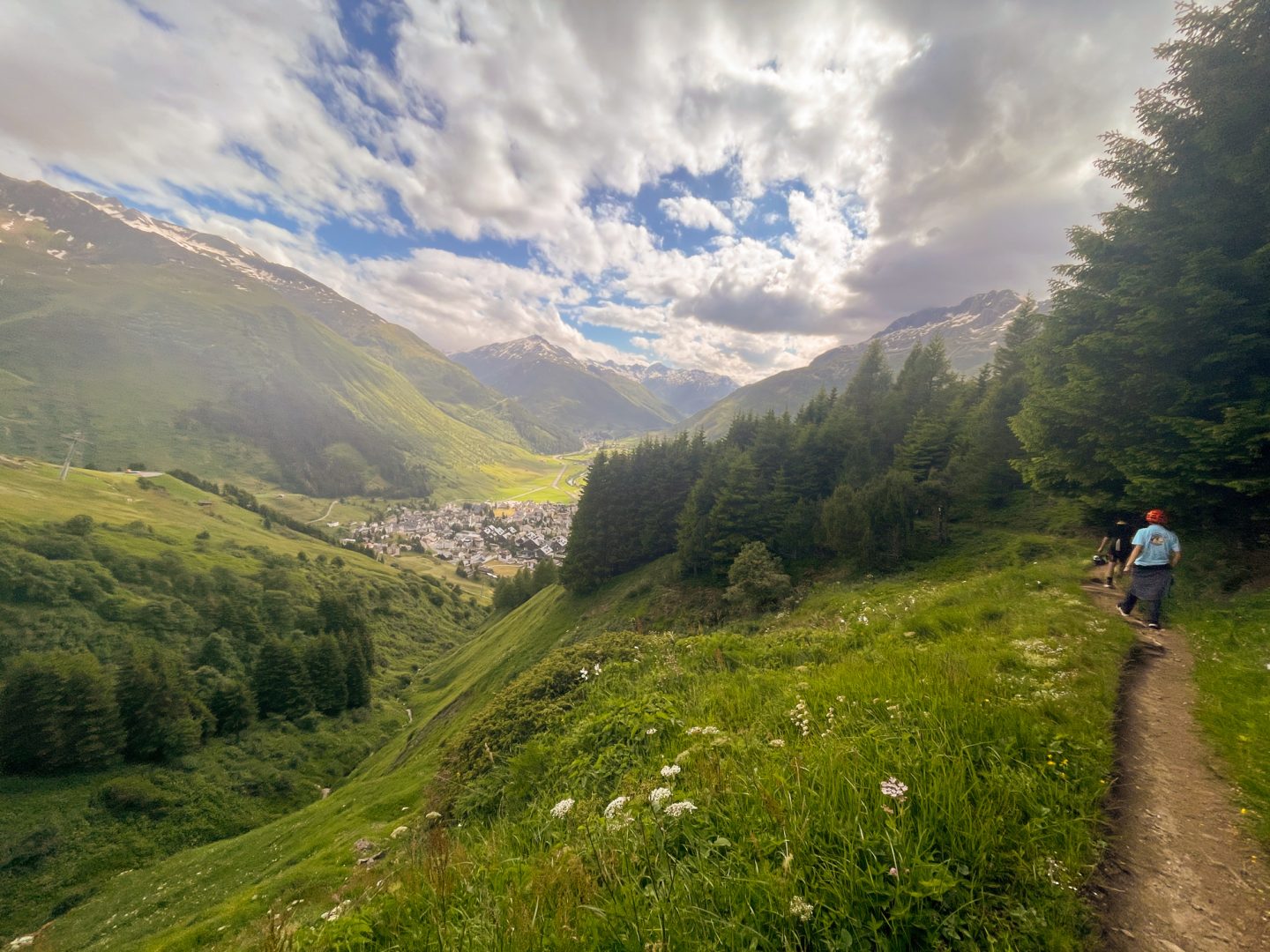
Transport and weather planning are non-negotiable. I include avalanche awareness for high-altitude programs and a defined emergency extraction plan specifying helicopter versus ground evacuation windows.
Day-hike risk assessments follow a consistent template covering:
- Route and difficulty
- Hiking times
- Mobile coverage
- Nearest evacuation point
- Nearest clinic
- Estimated response time
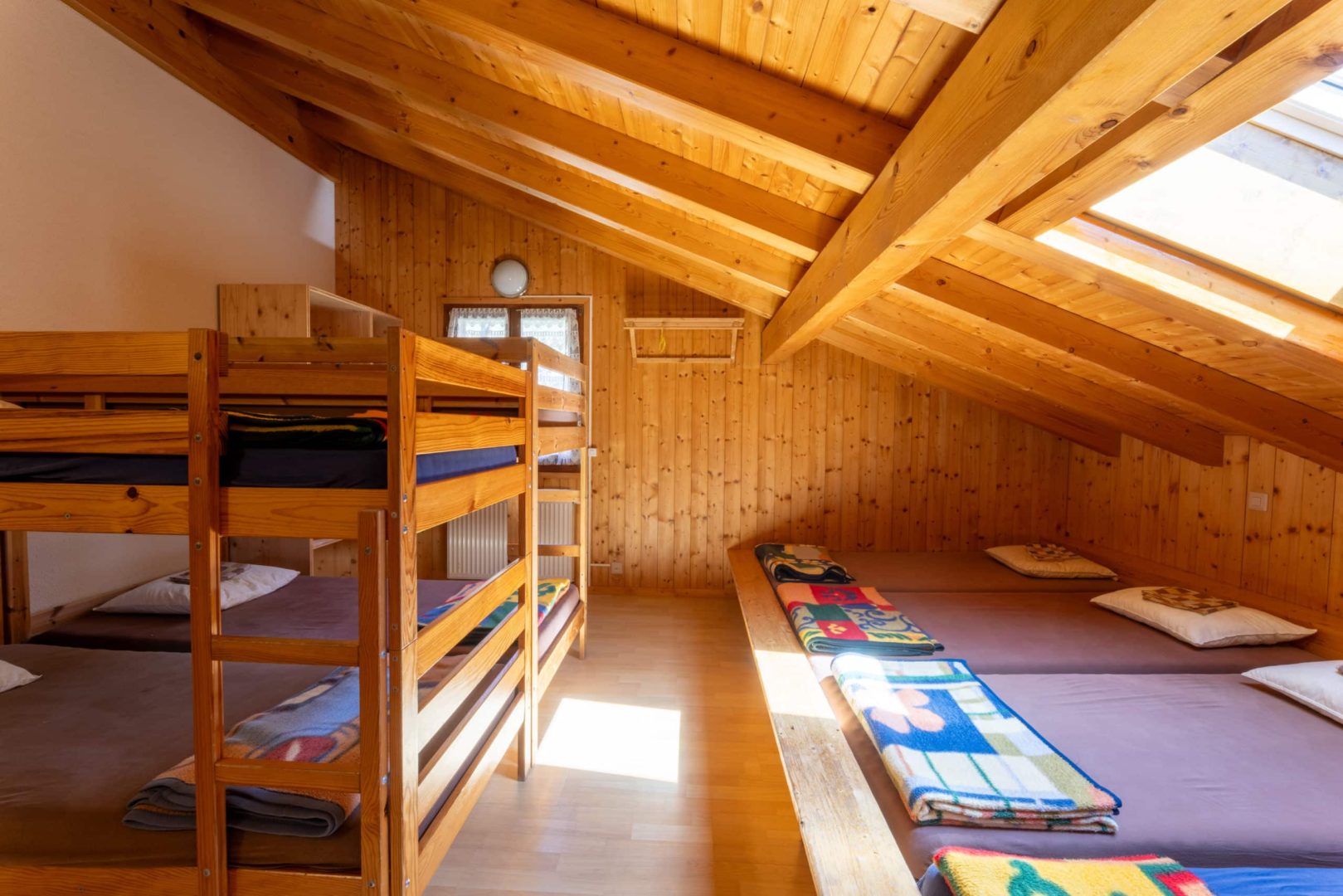
For sleeping and facilities, I follow space and fire guidance. Dormitory planning targets 4–6 m² per child in sleeping areas. Fire safety measures include:
- Multiple exits
- Clearly marked escape routes
- Smoke detectors in sleeping zones
- Accessible fire extinguishers
- Mandatory fire evacuation drill at the start of each session
Many cantons require building inspection and registration for overnight youth accommodation; I keep a building-safety checklist that records number of exits, maximum occupancy and date of last inspection.
I audit all activity plans, keep emergency contact protocols up to date, and run scenario drills so staff respond fast and confidently.
Emergency planning, incident reporting, insurance, recordkeeping, parental communication and practical parent checklist
Emergency planning, incident logging and escalation
We, at the Young Explorers Club, keep a written emergency plan that covers medical emergencies, fires, severe weather, lost child scenarios, evacuation routes and natural disaster response. Every camp site has visible evacuation maps, a designated medical area and at least one on-call senior staff member who coordinates drills and reviews the plan each season. I train staff on how to use the plan and keep a simple incident-report template available for quick use.
Every event gets recorded in an incident log. Each entry includes date/time, persons involved, a concise account of actions taken and the outcome. Staff complete the template at the scene; the camp director reviews and signs off within the same shift if possible. We follow this escalation timeline: staff → camp director → parents → authorities. For guidance on emergency contacts and parent notification practices see our emergency contact.
Notification timelines are strict. I require immediate notification for serious or life‑threatening incidents. For non-life-threatening events we notify parents within 24 hours, though I recommend immediate contact when there’s any doubt. We keep a secure copy of each notification and the corresponding incident log.
Insurance, recordkeeping, parental checklist
Below I list the items I expect parents to ask about and the records camps should hold. Use these questions before enrollment and bring requested paperwork on arrival.
- Ask for the name of the liability insurer and the policy limit; common benchmark limits are liability insurance CHF 2–5 million.
- Confirm SUVA accident insurance coverage for employees and whether participant insurance is required or recommended from parents.
- Request staff-to-child ratios for your child’s age group and the number/certification of first-aiders on site.
- Check lifeguard certifications and lifeguard ratios for water activities.
- Ask for the latest inspection date and copies of permits or licenses.
- Provide a completed medical form, emergency contact, signed consent form(s) for medical treatment, outings, swimming, photos/video use and transport.
- Deliver an allergy and medication briefing in person at drop-off and leave labelled medication with staff alongside a brief written protocol.
Use this sample phrasing when emailing programs: “Please confirm staff-to-child ratios for my child’s age group, list of first-aid/lifeguard certifications on site, and the name of your liability insurer and policy limit.”
I keep these records securely: staff files (CVs, certificates, Strafregisterauszug), camper files (medical form, emergency contact, consent form), incident logs, training logs and inspection certificates. Data protection matters. Store sensitive records in secure storage and limit access to authorised staff only. Check canton rules for retention period; staff records are commonly kept 5–10 years — confirm the local requirement.
Quick reference — repeat for easy scanning:
- Typical staff-to-child ratios: 1:6 / 1:8 / 1:10 / 1:12.
- First Aid: Erste Hilfe 16h.
- Lifeguard ratios: 1:25 (pool) and 1:10–1:15 (open water).
- Food temperatures: hot ≥ 60°C, cold ≤ 5°C.
- Toilet ratio: 1:8–1:12.
- Bathing water E. coli: < 100 per 100 mL.
We keep incident-report templates, parental notification logs and consent forms ready at reception every day. I insist camps publish basic insurance details and emergency procedures in parent materials so you can check liability insurance CHF 2–5 million benchmarks and SUVA compliance before you enrol.
Sources
Federal Office for the Environment (FOEN / BAFU) — Bathing Water Quality in Switzerland
Federal Office for Civil Protection (FOCP / BABS) — Emergency Planning for Public Events and Camps
SUVA (Swiss Accident Insurance Fund) — Prevention and Insurance for Outdoor Activity Providers
Swiss Lifesaving Society (SLRG) — Lifeguard and Water-Safety Guidelines
Swiss Red Cross — First Aid Course (16‑hour) and First‑Aid Guidelines for Youth Organizations
Swiss Alpine Club (SAC) — Guidelines for Mountain Activities with Youth Groups
Swiss Federal Statistical Office (FSO / BFS) — Statistics on Children and Youth Services
Canton of Zurich — Youth Accommodation and Summer‑Camp Regulations
Canton of Valais (Valais/Wallis) — Regulations for Youth Camps
Jugend+Sport (J+S) — Youth Sports Safety and Training Standards