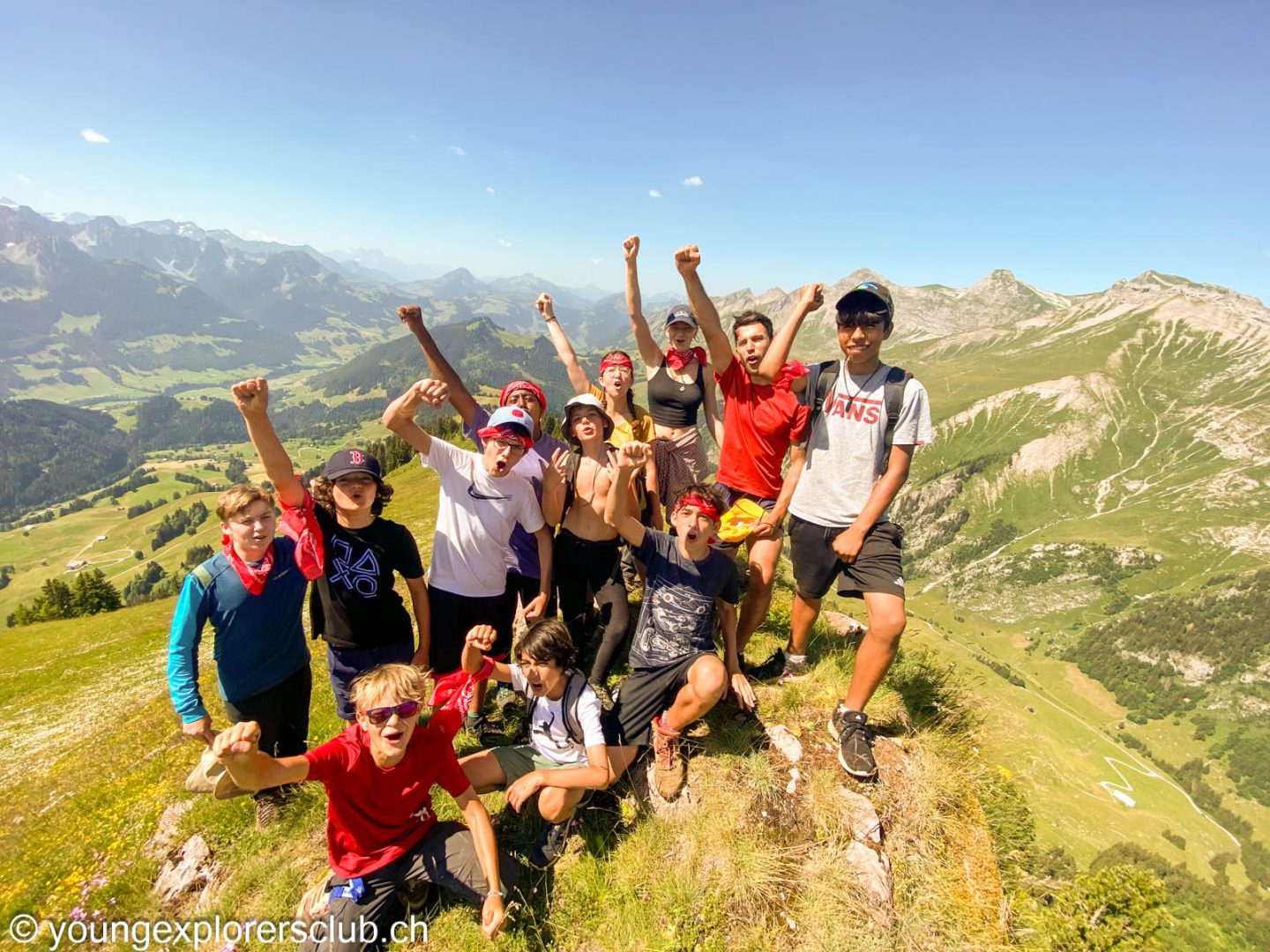
Three-week Summer Camp In Switzerland: Maximum Immersion
Young Explorers Club: 21-day residential language immersion in Switzerland for ages 10-17, 35-55 hrs/week, CEFR-aligned gains (1/3-1 level).
Young Explorers Club — 21-Day Residential Language Immersion in Switzerland
The Young Explorers Club runs a 21-day residential immersion language camp in Switzerland for learners aged 10–17. The program combines structured classroom instruction with activity-based practice to accelerate progress in a safe, supervised setting.
Program Structure
The schedule pairs focused morning lessons with practical, project-based afternoons. Weekly delivery amounts to approximately 35–55 contact hours per week (roughly 120–165 total hours over the full program), typically achieved by 4–6 hours/day of direct instruction plus guided practice. Classes are kept small, and progress is measured with CEFR-aligned assessments.
Learning Outcomes
With full attendance and active participation, students typically gain about one-third to one full CEFR level (for example, A1→A2 or A2→B1). Actual results depend on individual engagement, initial level, and consistency during the program.
Daily Rhythm & Excursions
Each day generally pairs focused morning classes with afternoon project-based practice. The schedule includes 1–3 full-day excursions per week so students can use the target language in real-world contexts and cultural settings.
Safety & Supervision
Safety is a priority: typical staff-to-camper ratios range from 1:6–1:10. All staff undergo background checks and hold first-aid credentials. The site maintains on-site medical cover and formal emergency plans to handle incidents promptly.
Cost & Enrollment
Typical program fees range from CHF 2,500–7,000 for the three-week session. Enrollment requires a deposit plus documentation and pre-arrival steps:
- Deposit to secure a place.
- Submission of health and insurance documents.
- Completion of a placement test before arrival.
- Non-EU students: allow additional time for a Schengen visa if required.
Key Takeaways
- 21-day residential immersion delivering 35–55 contact hours/week (≈120–165 total); combines 4–6 hours/day of direct instruction with substantial guided practice.
- Realistic learning gains: about 1/3 to 1 full CEFR level improvement (e.g., A1→A2 or A2→B1), dependent on attendance and engagement.
- Daily rhythm: focused morning classes paired with afternoon project-based practice; 1–3 full-day excursions/week to contextualize learning.
- Safety & supervision: staff-to-camper ratios typically 1:6–1:10, mandatory background checks, first-aid credentials, on-site medical cover and emergency plans.
- Cost & enrollment: CHF 2,500–7,000 for three weeks; enrollment requires a deposit, health/insurance documents and a placement test. Non-EU students should allow time for Schengen visas.
https://youtu.be/9np4fAZwE5Y
Program at a Glance (21 days, daily schedule, who it’s for)
We run a 21-day, three-week residential language immersion program that puts language use at the center of daily life. At the Young Explorers Club, we structure each day for maximum practice: typically 8–10 hours of planned activity, including 4–6 hours of direct language instruction or immersion-driven practice. The format supports full immersion and steady skill gains over the three-week period.
Daily schedule
Below is a compact sample day that reflects the program rhythm and learning intent:
- Morning — 3 hours: focused language class with interactive drills and pronunciation work.
- Midday: lunch and short cultural briefing or rest.
- Afternoon — 3 hours: activity-based practice (project work, guided conversation, language-in-context tasks like cooking, sport instruction, or field projects).
- Evening: cultural program or host-family time: guided film nights, local excursions, or homestay interaction that reinforces vocabulary and social fluency.
Daily intensity varies by age band and program focus, but participants can expect at least 4–6 hours per day devoted to active language use, plus informal practice built into meals, sports and excursions.
Who it’s for and session logistics
The 3-week camp fits learners aged 10–17, with cohorts often split into age bands such as 8–12 and 14–18 where available. Sessions typically accommodate 30–80 campers, which keeps groups social but focused. Residential full-board stays are our standard format; we also offer a homestay option and limited day-camp alternatives at some locations. Programs commonly run 2–6 sessions each summer; exact dates and capacities are published in the camp brochure.
We recommend this 21-day format for students who want concentrated progress, consistent practice, and cultural exposure. Families can read more about the residential experience and daily life in our residential experience, and find practical packing guidance on what to pack for camp in Switzerland in our what to pack guide.
https://youtu.be/4yjhBlgkw1U
Language Immersion, Curriculum and Measurable Outcomes
We, at the young explorers club, run an immersion model that balances classroom rigor with practical use. Programs deliver 20–30 hours/week of formal classroom instruction plus 15–25 hours/week of guided practice embedded in activities, giving learners 35–55 contact hours/week. That intensity yields about 120–165 total immersion hours over a typical three-week session, a range I use when planning outcomes and marketing materials.
I design two primary delivery models. All-day immersion uses the target language for most waking hours: lessons, meals, activities and cabins. Mixed-language models concentrate core hours in class while bilingual staff handle safety briefings and sensitive issues; this keeps learners comfortable without diluting exposure. Residential stays amplify daily contact time and social language use—see our residential experience for how extended exposure boosts gains.
Example 3‑week syllabus
Below is the week-by-week plan I use to convert hours into measurable progress:
- Week 1 — Survival language, phonetics and foundational grammar; placement tasks and orientation activities that establish baseline speaking and listening ability.
- Week 2 — Fluency-building through content-based projects (local culture, science, environmental topics); task-based language practice in teams and excursions.
- Week 3 — Final projects and presentations, exam-style practice tests, intensive cultural immersion and consolidation of productive skills.
Classroom logistics matter. I cap classes at 8–12 students, with a hard maximum of 15, to keep interaction high and feedback immediate. Small groups let tutors push productive output and scaffold at the right rate.
Assessment and documentation are part of the learning contract. I use CEFR-aligned pre-tests for placement and post-tests to quantify gains, plus continuous formative checks during projects. Every camper receives a certificate of completion that lists contact hours and documents the level gain observed on our CEFR-aligned progress test. I report levels across the CEFR scale (A1–C1) so families see an industry-standard benchmark.
Set expectations realistically. For a three-week intensive with 35–55 hours/week, a reasonable claim is a 1/3 to 1 CEFR level improvement, depending on starting level and engagement—examples include A1→A2 or A2→B1 for many motivated learners. I make that conditional on attendance, active participation and follow-up practice.
Practical tips I recommend to maximize gains:
- Arrive with clear goals from the pre-test; that focuses study and practice.
- Choose the all-day option if rapid conversational progress is the priority.
- Use project time to produce tangible outputs you can reuse after camp (portfolio pieces, recordings, presentations).
Short case example: Maria, age 15, started at A2 on her pre-test. After three weeks averaging 35–50 hours/week of immersion and structured practice, her post-test reflected B1-level competency in conversational tasks and an improved score on our CEFR-aligned progress assessment. That kind of result is what I aim for across cohorts, and it’s what families can expect when they combine high attendance with engaged practice and our focused curriculum.
Activities, Excursions and a Sample 3-Week Itinerary
We, at the young explorers club, build programs that balance outdoor adventure, water sports and cultural learning so language practice happens in context. Programs typically aim for 40–60% outdoor/adventure, 20–40% cultural or academic content, and 10–20% free/social time to let language sink in during rest and play.
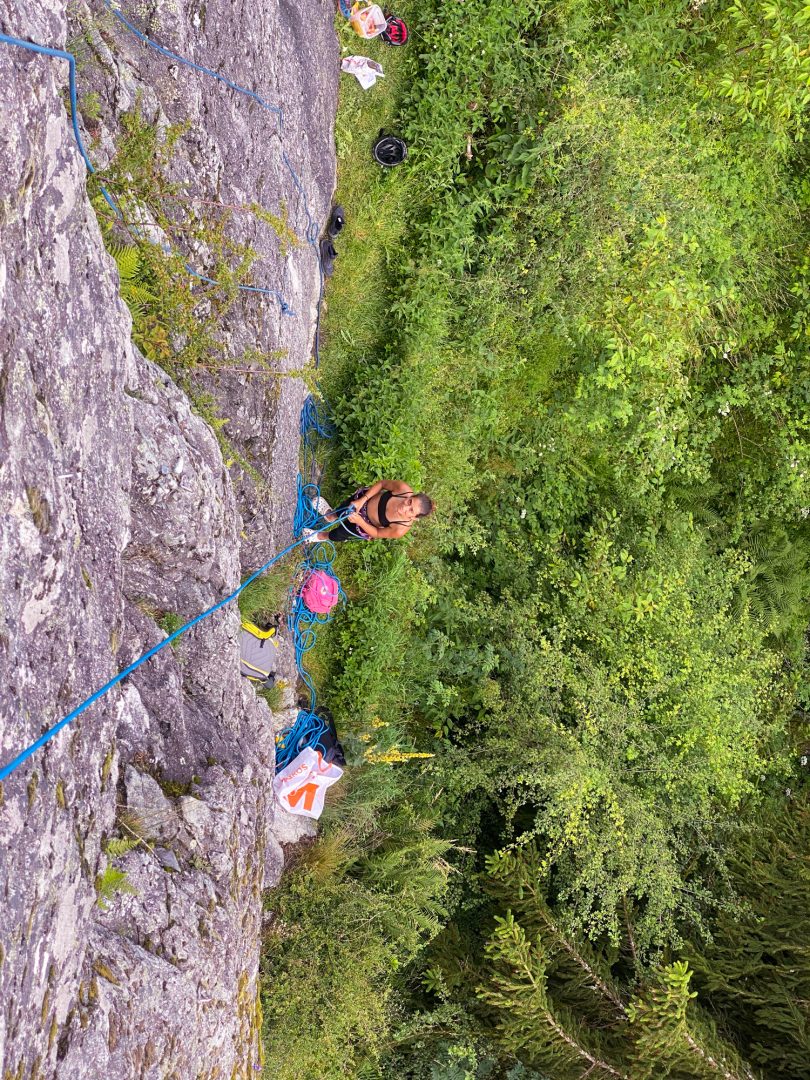
Programs run 1–3 full-day excursions per week plus 1–2 half-day local trips. Hiking, ropes courses, climbing, via ferrata and lake paddle sessions are staples. Glacier summer skiing is possible in select alpine locations, and I often schedule castle and market visits for cultural immersion. High-risk activities keep a 6:1 instructor:camper ratio; general guided hikes operate at 8–12:1. Instructors hold climbing credentials aligned with UIAA/IFMGA basics and water-sports staff carry national lifeguard or LSV-equivalent certification. I require activity-specific qualifications before any expedition.
Weekly structure and immersion totals are practical and measurable.
- Week 1: focuses on orientation plus roughly 20 hours of formal language tuition (commonly 4 hrs/day × 5 days) with afternoons reserved for local hikes, low-risk activities and evening cultural practice.
- Week 2: shifts to content-based language projects with 20–25 hours of instruction and at least one full-day excursion; afternoon sport sessions and project work count toward guided practice hours.
- Week 3: centers on presentation and assessment with 10–15 concentrated instruction hours, 1–2 major excursions (for example, a Jungfraujoch/glacier visit where available), and a closing ceremony. That sample itinerary yields about 140–165 total immersion hours over three weeks (formal classes plus guided practice).
I place language tasks into every excursion so students use skills in real situations. For guidance on residential logistics and daily life, see residential camp life, and if you’re packing for three weeks, check what to pack for a compact list.
Representative week — day-by-day sample
Below is a typical weekday and weekend layout we use; times are exact in many sessions and flexible for weather or learning needs.
- Monday–Friday: 08:30–12:00 language class (3.5 hrs incl. short breaks); 12:00–13:30 lunch/free; 13:30–17:00 activities or project-based practice (3.5 hrs); 17:00–19:00 free/rest; 19:00–21:00 cultural practice, host-family time or language games.
- Saturday: 08:00–18:00 full-day excursion with embedded language tasks and guided practice.
- Sunday: Morning free; afternoon local cultural visit and social time.
I recommend families expect a rhythm of intense mornings, active afternoons and evening social language practice. Staff-to-camper ratios, certification standards and the excursion cadence make this level of immersion safe and effective while keeping the schedule lively and adaptable.

Accommodation, Food, Daily Life and Practical Packing Essentials
Accommodation and supervision
We at the Young Explorers Club house campers in a mix of options: shared dormitories (4–8 per room), chalets, student residences, small hotels, or host families. Staff stay on-site 24/7 and enforce curfews, with lights-out commonly set between 22:00–23:00 for younger campers. I keep supervision ratios transparent: staff-to-camper daily supervision usually ranges from 1:6–1:10 depending on age — younger groups typically 1:6, older teens 1:8–10.
I expect practical services like laundry every 7–10 days. Wi‑Fi is usually available but limited to encourage maximum immersion; device rules often restrict evening or daily windows for phone and Internet use. I require staff to carry an emergency contact phone at all times so parents can reach the team quickly.
Daily life is structured to balance language practice, activities, and downtime. Rooms are shared to boost social and language interaction. Host family stays are an option for deeper cultural practice and one-to-one language exposure.
Meals, tech policy, packing essentials and pocket money
We provide 3 meals/day plus snacks to keep energy high during full activity days. Typical menus include:
- Breakfast: muesli, bread, fruit.
- Lunch: a packed lunch for excursions or a hot midday meal at base.
- Dinner: a hot main course with salad and fruit.
I enforce a limited-device policy to support language immersion. Campers use personal devices in scheduled windows only; staff supervise any evening access. I recommend using offline language practice and group activities instead of screens. For emergencies, staff carry a phone so campers don’t need constant online access.
Use the checklist below as a practical packing guide; consult our what to pack page for further detail.
- Passport and a photocopy, travel insurance details.
- Prescription medications with clear instructions and spare copies of prescriptions.
- Layered clothing for alpine weather: base layers, fleece, and a warm jacket.
- Hiking boots with ankle support and broken-in soles.
- Swimwear and quick-dry towel.
- Small daypack for excursions and packed lunches.
- Type J adapter (Switzerland) for chargers and devices.
- Rain jacket and lightweight waterproof shell.
- Sunscreen and a reusable water bottle.
- Pocket money: a modest amount — CHF 100–300 for a three-week stay.
I advise packing with shared dorm life in mind: compact items, labeled clothes, and lockable small bags for valuables. Choose durable gear that dries fast and packs light to ease transfers between chalets or residences. Keep prescription meds in original packaging and hand them to staff at arrival so we can manage dosing and storage.
We organize clear arrival and departure checklists, and we brief families on device and curfew rules before camp. That way, campers settle faster and make the most of three weeks of full immersion.
Safety, Staffing, Health, Legal Compliance and Emergency Plans
Staffing, credentials and on-site safety
We keep ratios tight: staff-to-camper 1:6–1:10, with younger groups at the lower end to guarantee closer supervision. Our staffing model mixes full-time residential leaders, language teachers and activity instructors so every child has consistent adult contact. Leaders must hold criminal background checks and childcare or education qualifications. First aid certification is mandatory — we accept Swiss Red Cross first aid or Heartsaver qualifications (Swiss Red Cross). Language instructors hold teaching degrees or TEFL/TESOL/CELTA certificates. Outdoor instructors carry activity-specific credentials aligned with UIAA/IFMGA standards where applicable (UIAA/IFMGA).
Daily supervision pairs certified staff with assistants, and we run scenario-based training before every session. Each site appoints designated emergency officers who manage drills, communications and liaison with local authorities. Evacuation procedures and emergency response plans sit in writing on-site and in digital form for families to review. We publish nearest-hospital details and realistic transfer times for each alpine site so families know what to expect.
Health protocols, legal compliance and required documents
I follow national public-health guidance and require programs to align with the Swiss Federal Office of Public Health for hygiene, vaccination and outbreak response (Swiss Federal Office of Public Health). Camps provide on-site medical cover: small camps use a visiting nurse or medical practitioner; larger sites staff a resident medic. Ambulance and response-time estimates are recorded in the camp emergency plan; typical alpine transfers run about 25–45 minutes depending on terrain.
Below are the documents and insurance items families must supply before arrival:
- Copy of passport and current ID.
- Proof of travel and medical insurance (travel medical insurance required).
- Vaccination records and any public-health forms.
- Completed parental consent and emergency contact forms.
- Medication instructions, dosing schedules and packaging details.
- Allergy action plans or special medical directives.
We usually include basic liability and accident cover at camp, but families should purchase separate travel medical coverage for overseas care and repatriation. For packing specifics and how to label medications, consult our what to pack guidance.
We run routine emergency drills — fire, mountain evacuation and severe-weather response — and review outcomes to improve procedures. Incident reporting and follow-up are documented and shared with parents. If a medical evacuation is needed, the on-site emergency officer coordinates with local EMS and the nearest hospital; timelines and the facility name are published per camp so families can verify proximity in advance.
https://youtu.be/MO0jS3NJzys
Price, Enrollment, Travel Logistics and Value Comparison
We, at the Young Explorers Club, lay out costs and steps plainly so families can decide quickly. Typical price for a three-week residential immersion camp in Switzerland ranges from CHF 2,500–CHF 7,000 (approx. USD 2,700–7,500) depending on inclusions like excursions or private rooms. A representative package most often includes:
- Tuition (language instruction)
- Accommodation
- Three meals per day
- Scheduled excursions (1–3 per week)
- Laundry
- Local transport
International flights, travel/medical insurance, personal spending money and visa fees are normally not included.
Price details, discounts and cancellation
Below I summarize standard financial terms and common discounts:
- Early-bird discounts: commonly 5–10% if booked more than 90 days in advance.
- Sibling discounts: often 5–10%.
- Need-based support: many programs reserve about 5–10% of places for scholarships.
- Deposit: typically CHF 400–800 to secure a place; balance due 8–12 weeks before arrival.
- Cancellation: policies differ by program and are stated in booking terms; travel insurance is recommended to cover cancellation.
Use these rules of thumb when budgeting: a mid-range example of CHF 4,200 for three weeks with roughly 140 immersion hours works out to about CHF 30 per immersion hour. That metric helps compare value across options.
Enrollment, travel logistics and comparisons
Enrollment is straightforward: complete the application form, pay the deposit, upload health and vaccination records, then take a placement test. Non‑EU/EEA students who require a Schengen visa should apply 6–8 weeks before travel to avoid delays. Major international gateways are Geneva, Zurich and Basel; typical airport transfer times to camps run 45–180 minutes depending on location. I advise booking transfers through the camp where possible to simplify arrival.
Compare value versus alternatives:
- Urban language schools: offer lower cost per formal class hour but deliver fewer full-immersion hours, less outdoor adventure and limited cultural depth.
- Online courses: cost far less but provide reduced social interaction, less speaking practice and reduced cultural immersion.
We also point families to our packing list to streamline logistics and reduce last-minute purchases.
https://youtu.be/seKxX3KbGYw
Sources
Swiss Federal Statistical Office — Tourism in Switzerland
Federal Office of Public Health (FOPH) — Travelling and health
Institute for Economics & Peace — Global Peace Index
American Camp Association — Research & State of the Camp Industry
European Commission — Learning languages
Bialystok, E.; Craik, F. I. M.; & Luk, G. — Bilingualism: consequences for mind and brain
State Secretariat for Migration (SEM) — Visa
SBB CFF FFS — Timetable & connections (Swiss Federal Railways)