Why adventure activities matter for kids’ growth
Discover how adventure activities at summer camps build confidence, resilience, and lifelong skills in children aged 8-17 through safe, structured outdoor challenges.
Many parents see adventure activities as simple entertainment, a way to keep kids busy during summer. Yet these experiences do far more than fill time. Adventure activities at summer camps actively shape how children develop confidence, resilience, and social skills that last well beyond the program. This guide explains why these outdoor challenges matter for your child’s personal growth and how they build capabilities that translate into everyday life.
Table of Contents
- Key takeaways
- What are adventure activities and how do they support child development?
- The psychological and social benefits of adventure activities for kids
- Choosing the right adventure summer camp for your child
- How adventure activities build lifelong skills beyond summer camp
- Discover adventure camps that transform your child’s growth
- FAQ
Key Takeaways
| Point | Details |
|---|---|
| Confidence and resilience | Adventure activities build confidence and resilience through progressively challenging supervised tasks that encourage children to push past fears. |
| Social skills and teamwork | Team based activities such as group problem solving and obstacle courses help kids communicate, trust peers, and collaborate toward shared goals. |
| Experiential problem solving | Experiential learning means children learn by doing with immediate feedback that strengthens decision making and adaptable thinking. |
| Safe risk taking | Safe risk taking exposes children to manageable challenges under supervision, teaching risk assessment and a growth mindset. |
What are adventure activities and how do they support child development?
Adventure activities encompass structured outdoor experiences that challenge children physically, mentally, and socially. These include rock climbing, hiking, team obstacle courses, survival skills workshops, kayaking, and group problem-solving challenges. Unlike passive entertainment, these activities require active participation, decision-making, and often collaboration with peers. The structured nature distinguishes them from unstructured play, as trained instructors design experiences to progressively build skills while maintaining safety.
Experiential learning forms the foundation of how adventure activities support development. Children learn by doing rather than listening to lectures or reading instructions. When a child navigates a climbing wall, they experience immediate feedback about their choices, physical capabilities, and emotional responses to challenge. This direct engagement creates stronger neural pathways and deeper understanding than traditional classroom learning. Adventure education fosters confidence, social skills, and personal growth through structured challenges that require real-time problem-solving.
The developmental benefits span multiple areas simultaneously. A single rope course challenge builds physical strength and coordination while requiring trust in teammates and instructors. Children practice communication as they encourage peers, develop leadership when guiding others through obstacles, and build resilience when facing fears. These overlapping benefits make adventure activities uniquely powerful for holistic child development. Each challenge presents an opportunity to practice skills that transfer directly to school projects, family dynamics, and future workplace environments.
Safe risk-taking represents a critical component often misunderstood by parents. Risk-managed adventure activities expose children to manageable challenges under expert supervision. A child attempting their first zip line experiences genuine nervousness but operates within carefully controlled safety parameters. This controlled exposure teaches children to assess risks, manage fear, and push past self-imposed limitations. The experience builds a growth mindset where challenges become opportunities rather than threats.
Pro Tip: Choose programs that balance fun with structured learning by asking about instructor qualifications, safety protocols, and how activities connect to developmental goals. Quality camps articulate clear learning objectives for each adventure activity rather than simply offering entertainment.
The psychological and social benefits of adventure activities for kids
Nature immersion during adventure activities significantly reduces stress and anxiety in children. Research shows that outdoor activities improve mental health and reduce anxiety in children through multiple mechanisms. Natural settings lower cortisol levels, the body’s primary stress hormone. Physical activity releases endorphins that improve mood and create feelings of accomplishment. Time away from screens and academic pressure allows mental rest that many children desperately need. Parents often report that children return from adventure camps noticeably calmer and more centered.
Teamwork during adventure activities creates social bonds that differ from typical friendships. When children work together to build a shelter, navigate a trail, or complete a group challenge, they depend on each other in meaningful ways. This interdependence builds trust and empathy as children recognize how their actions affect teammates. A child who struggles on a hiking trail learns to accept help gracefully. The peer who offers encouragement develops compassion and leadership. These interactions create friendship foundations based on mutual support rather than shared interests alone.
Emotional regulation improves dramatically through adventure experiences. Children face frustration when activities prove difficult, fear when attempting new challenges, and disappointment when initial attempts fail. With instructor guidance, they learn to recognize these emotions, understand them as normal responses, and develop coping strategies. A child who panics halfway up a climbing wall practices breathing techniques, receives encouragement, and discovers they can calm themselves and continue. This emotional toolkit transfers directly to test anxiety, social conflicts, and other life stressors.
Self-esteem grows through authentic achievement rather than participation trophies. When a child completes a challenging hike or masters a new skill, they know they earned the accomplishment through effort and persistence. This genuine success builds intrinsic motivation and self-belief that external praise cannot replicate. Children develop an internal voice that says “I can handle difficult things” rather than seeking constant validation from adults.
Adventure activities provide children with real challenges that build genuine confidence. Unlike controlled classroom environments, outdoor experiences require children to adapt, problem-solve, and persist through discomfort. These authentic struggles create resilience that shapes how children approach future obstacles throughout their lives.
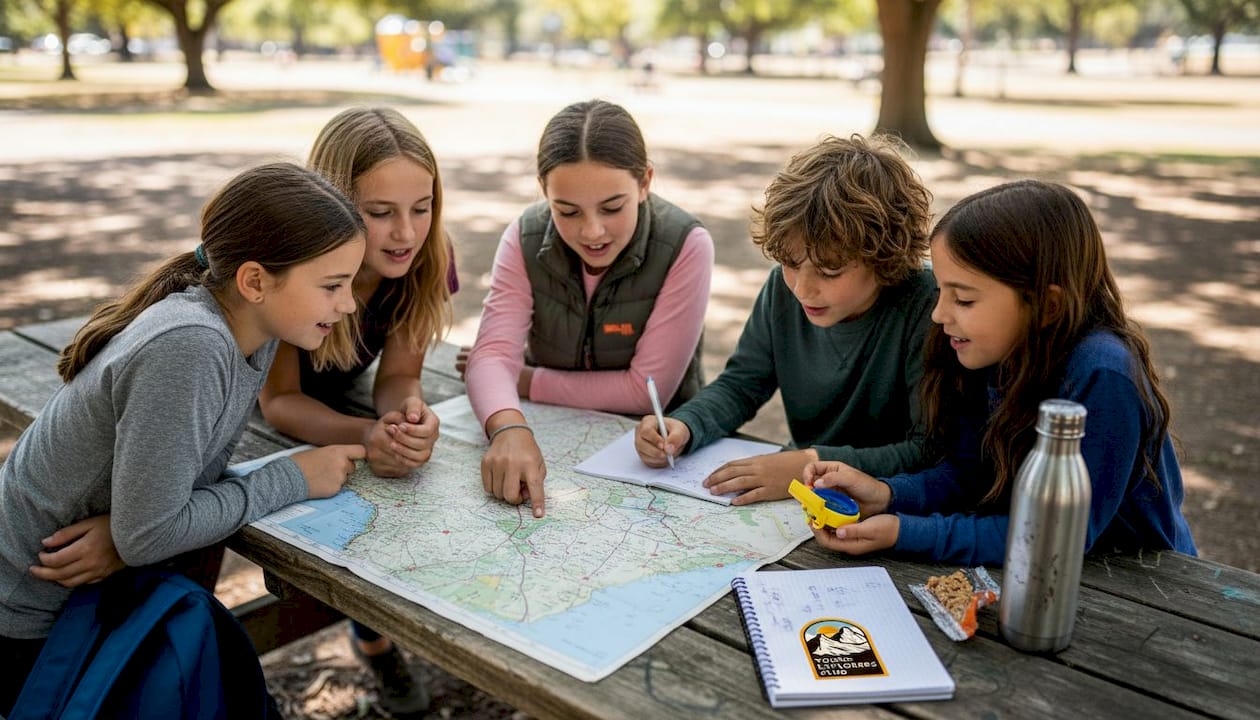
Communication skills develop naturally during group adventures. Children must articulate needs, listen to teammates, negotiate solutions, and provide clear instructions. A group navigating with a map and compass must communicate effectively or face consequences. These high-stakes interactions teach communication importance in ways that classroom discussions cannot match. Children who struggle with social skills often thrive in adventure settings where shared goals create natural conversation opportunities and reduce social pressure.
Choosing the right adventure summer camp for your child
Selecting a quality adventure camp requires evaluating multiple factors beyond marketing materials and attractive photos. Safety standards should top your priority list. Quality camps maintain current certifications, employ staff with wilderness first aid or higher medical training, and conduct regular safety audits. Ask specific questions about instructor-to-child ratios, emergency protocols, and how the camp manages medical situations. Risk-managed adventure preserves safety while maximizing developmental benefits through careful planning and expert supervision.
Qualified staff make the difference between entertainment and transformative experiences. Look for camps that employ instructors with relevant certifications in their activity areas, such as climbing instruction, wilderness leadership, or outdoor education. Experience working with children matters equally. An expert climber without child development knowledge may run safe activities but miss opportunities to facilitate growth. The best instructors blend technical expertise with understanding of how children learn and develop through challenge.
Age-appropriate challenges ensure children feel stretched but not overwhelmed. A camp designed for teenagers will frustrate and potentially endanger younger children. Conversely, activities too simple for older kids waste their potential and bore them. Quality camps offer tiered programs that match developmental stages. Eight-year-olds need different supervision, instruction styles, and challenge levels than fifteen-year-olds. Ask how camps differentiate programming across age groups and what specific activities each age range experiences.
Follow these steps to evaluate camp suitability for your child’s unique personality and needs:
- Assess your child’s current comfort level with outdoor activities and social situations to establish a baseline
- Research camps that specialize in your child’s interest areas while offering opportunities to try new activities
- Review safety credentials, staff qualifications, and parent testimonials focusing on developmental outcomes
- Contact camps directly to discuss your child’s specific needs, fears, or areas for growth
- Involve your child in the decision process to build investment and reduce anxiety about the experience
| Camp Feature | What to Look For | Why It Matters |
|---|---|---|
| Safety protocols | Current certifications, trained medical staff, documented emergency procedures | Ensures physical safety while building parental confidence |
| Staff qualifications | Activity certifications plus child development training | Balances technical skill with developmental understanding |
| Learning focus | Clear articulation of skills and growth areas each activity targets | Transforms entertainment into purposeful development |
| Adventure variety | Multiple activity types allowing exploration and skill building | Engages different interests while building diverse capabilities |
| Supervision approach | Appropriate ratios with balance of guidance and independence | Supports growth through challenge while maintaining safety |
Pro Tip: Look for camps that encourage kids to try new things through progressive skill development rather than throwing children into advanced activities immediately. Quality programs build confidence through achievable steps that lead to bigger challenges.
Risk management practices demonstrate camp quality and should factor heavily into your decision. Effective camps don’t eliminate risk but manage it thoughtfully. They conduct regular equipment inspections, maintain detailed safety protocols, and train staff in risk assessment. Ask how camps handle situations where a child feels too scared to attempt an activity. Quality programs respect individual boundaries while gently encouraging growth, never forcing participation. This approach builds trust between children and instructors, creating an environment where kids feel safe taking calculated risks.
How adventure activities build lifelong skills beyond summer camp
The capabilities children develop through adventure activities extend far beyond the camp experience into academic, social, and future professional contexts. These transferable skills shape how children approach challenges throughout their lives. Confidence built by completing a difficult hike translates into willingness to attempt challenging math problems or try out for sports teams. The resilience developed when falling off a climbing wall and trying again helps children persist through academic setbacks or social disappointments.
Adventure activities help children develop confidence and problem-solving skills useful throughout life by creating authentic challenges that require real solutions. Unlike simulated classroom problems, outdoor challenges present genuine obstacles with natural consequences. A group that fails to properly secure their tent faces a wet night. This immediate feedback loop teaches cause and effect more powerfully than any lecture. Children internalize lessons learned through direct experience in ways that shape future decision-making.
Key lifelong skills nurtured through adventure activities include:
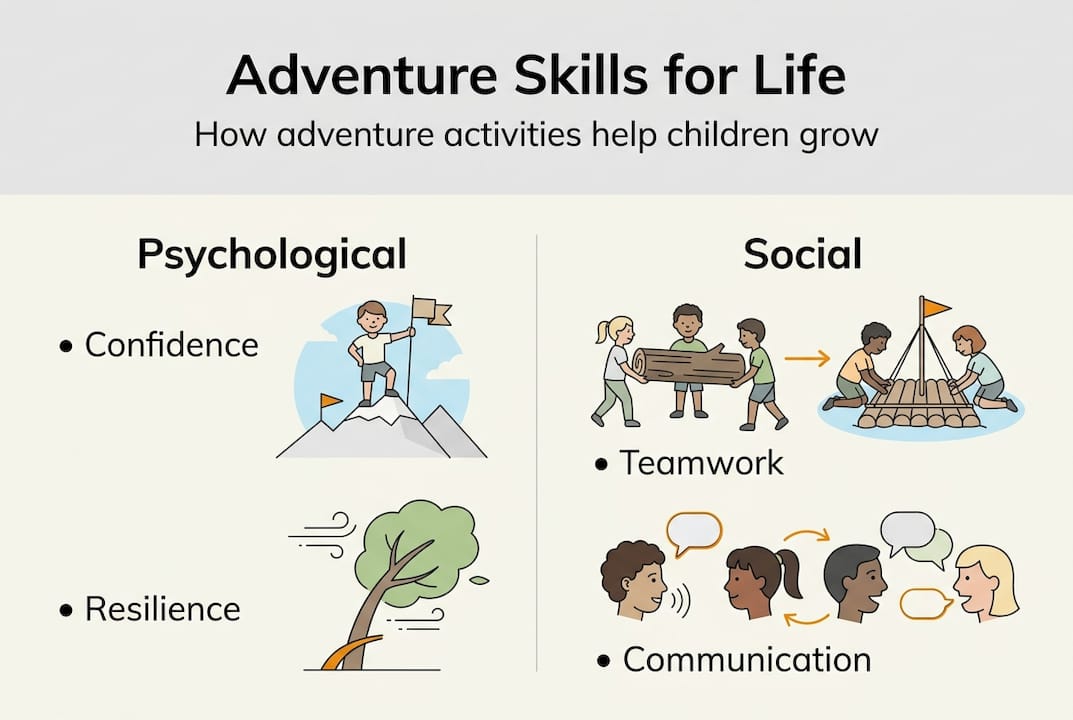
- Confidence to attempt unfamiliar challenges and trust in personal capability to learn new skills
- Resilience to persist through difficulty, failure, and discomfort without giving up
- Teamwork abilities including communication, compromise, and recognition of individual strengths within groups
- Leadership skills such as decision-making, responsibility for others, and inspiring peers through example
- Adaptability to changing conditions, unexpected obstacles, and situations outside personal control
- Critical thinking for assessing situations, weighing options, and making informed decisions under pressure
Academic performance often improves following adventure camp experiences. Teachers report that returning students show increased focus, better collaboration with classmates, and greater willingness to tackle difficult assignments. The growth mindset developed through outdoor challenges helps children view academic struggles as opportunities to learn rather than evidence of inadequacy. A child who persisted through a difficult hike applies that same determination to mastering a challenging subject.
Social settings benefit from adventure-developed skills as well. Children practice reading social cues, managing conflicts, and building genuine friendships during camp activities. These experiences create social confidence that helps children navigate school dynamics, family gatherings, and eventually workplace relationships. The empathy developed by supporting struggling teammates translates into compassion for peers facing personal challenges.
Future workplace success increasingly depends on capabilities that adventure activities naturally build. Employers value problem-solving, teamwork, adaptability, and leadership more than technical knowledge alone. A child who learns to stay calm during a challenging river crossing develops stress management skills valuable in high-pressure careers. The collaboration required for group navigation exercises mirrors project team dynamics in professional settings.
Pro Tip: Encourage journaling or reflection after camp experiences to deepen learning and help children articulate how adventure lessons apply to everyday situations. Ask specific questions like “How did you handle frustration during the climbing activity?” or “What did you learn about working with people different from you?” This reflection process strengthens neural pathways and makes skill transfer more intentional.
The independence fostered through adventure activities represents perhaps the most valuable lifelong benefit. Children learn to assess their own capabilities, make decisions without constant adult input, and take responsibility for outcomes. This self-reliance serves them throughout adolescence and into adulthood as they navigate increasingly complex life decisions.
Discover adventure camps that transform your child’s growth
Young Explorers Club offers specialized programs designed to build the confidence, independence, and skills your child needs through carefully structured adventure activities. Our Switzerland-based camps serve children and teens aged 8 to 17 with experiences ranging from mountain biking and climbing to survival skills and multisport adventures. Each program balances challenge with safety, ensuring your child grows through manageable risks under expert supervision.

Our camps that encourage kids to try new things provide the perfect environment for personal development through outdoor challenges. Whether your teen needs a confidence boost through our summer camp for teens or your family wants ongoing adventure through our club weekly activities in Vaud, we create experiences that develop lifelong capabilities. Our bilingual environment adds language learning to the adventure, giving children additional tools for future success.
FAQ
What types of adventure activities are suitable for children aged 8-17?
Age-appropriate activities vary by developmental stage and individual maturity. Younger children aged 8 to 11 thrive with introductory hiking, basic climbing walls, team building games, and nature exploration that builds foundational skills. Teens aged 12 to 17 can handle more challenging experiences like advanced rock climbing, longer treks, zip-lining, kayaking, and complex problem-solving courses. Quality camps assess individual readiness and offer tiered challenges within age groups, ensuring each child faces appropriate difficulty levels. All activities should be risk-managed with proper safety equipment and trained supervision regardless of intensity.
How do adventure camps ensure safety during risk-based activities?
Camps maintain safety through multiple overlapping systems that manage risk without eliminating challenge. Trained guides with relevant certifications lead all activities and conduct regular equipment inspections. Strict supervision ratios ensure adequate adult oversight for each child’s safety. Safety gear including helmets, harnesses, and life jackets meets current standards and fits properly. Risk-managed adventure safety protocols include detailed risk assessments before activities, clear emergency procedures, and staff trained in wilderness first aid or higher medical certifications.
What lasting benefits will my child gain from attending an adventure camp?
Children develop capabilities that extend well beyond the camp experience into all life areas. Confidence grows through authentic achievement, helping children approach future challenges with self-belief. Resilience built by persisting through difficult activities translates into academic persistence and emotional strength during setbacks. Teamwork and communication skills improve social relationships at school and home. Leadership abilities emerge as children guide peers and take responsibility. Problem-solving and adaptability developed outdoors help children navigate unexpected situations throughout life. These benefits of adventure camps shape how children view themselves and their capabilities for years after camp ends.
How can I prepare my child for their first adventure camp experience?
Preparation reduces anxiety and sets children up for success. Discuss what to expect including activities, living arrangements, and daily schedules so children feel informed. Address fears directly by acknowledging nervousness as normal while emphasizing safety measures and support systems. Involve your child in packing and planning to build investment in the experience. Practice relevant skills like hiking or basic camping at home to build familiarity. Most importantly, frame camp as an exciting growth opportunity rather than a test, emphasizing that trying new things matters more than perfect performance. Share your own stories of overcoming challenges to normalize struggle as part of learning.
Recommended
- What Is Adventure Education: Guide For Parents Of Kids
- Activités D’aventure Et Estime De Soi Chez L’enfant | Young Explorers Club Switzerland
- Why Singaporean Families Value Risk-managed Adventure | Young Explorers Club Switzerland
- Helping Kids Build Confidence Through Adventure | Young Explorers Club Switzerland