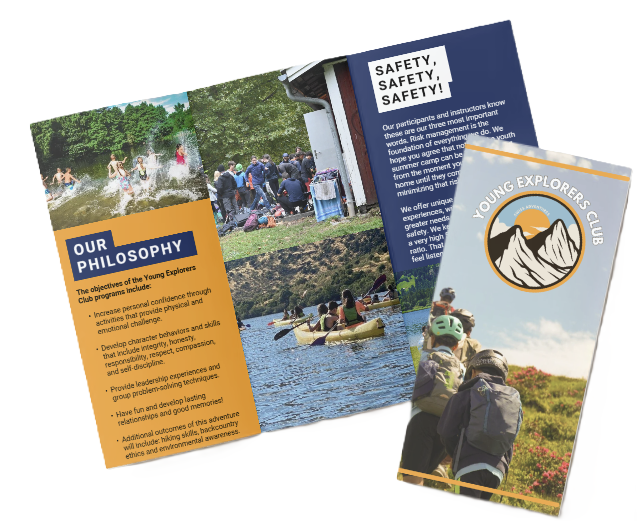

Digital Detox Camps In Switzerland
Digital detox camps Switzerland: off‑grid Swiss Alps retreats with device lockboxes, nature therapy and measurable gains in sleep, mood & focus.
Digital Detox Camps in Switzerland — Young Explorers Club
Overview
We, at the Young Explorers Club, note Switzerland’s near-universal internet access and 90–95% smartphone ownership. Daily screen time often exceeds three hours, which fuels demand for structured digital detox camps located in Swiss natural areas. Programs serve families, companies and luxury travellers and range from single-day resets to week-long stays. They commonly use clear tech windows or device lockboxes, incorporate nature-based activities, and track measurable outcome metrics. Staff prioritise safety and accessibility to support better sleep, mood and attention.
Key Takeaways
- High demand: About 95% of households have internet and 90–95% of people own smartphones. Many average more than three hours of screen time daily, driving interest in Swiss digital detox retreats across demographics.
- Formats and pricing: Day programs run CHF 50–200; weekend retreats CHF 250–900; week-long camps CHF 1,200–3,500. Family, corporate and luxury options vary by capacity and included services.
- Program design: Successful camps set clear tech windows or use device lockboxes, follow time-blocked schedules of hikes, forest bathing, mindfulness and creative workshops, and train staff to manage withdrawal symptoms.
- Evidence and outcomes: Supervised short-term screen reduction paired with nature exposure and mindfulness often improves sleep onset, mood and attention. Results usually last a short while and don’t replace clinical care.
- Safety and booking checklist: Verify staff certifications and ratios; request written emergency and satellite communication plans; confirm medical and accessibility accommodations, liability insurance and clear cancellation and inclusion policies before booking.
Formats and Pricing
Available formats include single-day resets, weekend retreats and week-long camps. Pricing typically falls into these ranges:
- Day programs: CHF 50–200
- Weekend retreats: CHF 250–900
- Week-long camps: CHF 1,200–3,500
Family, corporate and luxury offerings differ by staff-to-guest ratios, included activities, catering and accommodation level.
Program Design
Effective camps use a combination of practical controls and supportive programming:
- Tech management: Clear tech windows, voluntary lockboxes or supervised device collection.
- Structured schedule: Time-blocked days with hikes, forest bathing, mindfulness, and creative workshops.
- Outcome tracking: Simple pre/post measures for sleep, mood and attention to demonstrate short-term benefit.
- Staff training: Preparation to recognise and manage withdrawal symptoms, plus basic first aid and risk management.
Evidence and Outcomes
Research and program evaluations indicate that short-term supervised screen reduction combined with nature exposure and mindfulness can lead to measurable improvements in sleep onset, mood and attention. These improvements are often temporary and depend on post-program habits; digital detox camps are not a substitute for clinical interventions when underlying mental health or sleep disorders exist.
Safety and Booking Checklist
Before booking, confirm the following to ensure a safe and accessible experience:
- Staff credentials and ratios: Verify qualifications, background checks and staff-to-guest ratios appropriate for the group.
- Emergency plans: Request written emergency procedures including satellite or off-grid communication plans.
- Medical and accessibility accommodations: Confirm they can meet specific medical needs, dietary restrictions and mobility/accessibility requirements.
- Liability and insurance: Ask for proof of liability insurance and clear explanations of responsibility for injuries or incidents.
- Policies: Review cancellation, inclusion and behaviour policies in writing.
Final Notes
Digital detox camps in Swiss natural settings offer a structured way to reduce screen time and reconnect with nature. For meaningful, sustained change, pair short retreats with ongoing digital habits and, when needed, seek clinical support for persistent sleep or mental health concerns.
A Data-Driven Case for Unplugging in Switzerland
Roughly 95% of Swiss households have internet access (Swiss Federal Statistical Office). Smartphone ownership sits between 90–95% (DataReportal). Average daily screen time tops three hours for many age groups (Federal Office of Public Health). Those headline figures make a clear point: near-universal connectivity plus high device use creates real demand for intentional, tech-free time set against Switzerland’s plentiful natural recovery spaces.
Search and booking trends back that up. Interest in search terms like “digital detox”, “wellness retreat” and “off‑grid retreat” in Switzerland has climbed in recent years (Switzerland Tourism; wellness-travel trend reports). That demand shows up across demographics, from families to solo travellers, and it feeds a market for Digital detox Switzerland programs and digital detox camps Swiss Alps. For a concise look at why unplugging matters, see The Importance of Unplugging.
With internet access in roughly 95% of households, we find Switzerland’s digital saturation mirrors other affluent countries, yet its natural landscapes offer an ideal counterbalance.
What the data changes about how we run camps
Below are the practical shifts we make when we design off-grid retreats Switzerland participants will actually use and enjoy:
- We set explicit tech windows. Guests get predictable times for checking messages so they relax without feeling cut off.
- We build short, measurable objectives into each day. Simple goals—like two hours without screens—make progress tangible and repeatable.
- We blend gentle disconnection with high-quality activities. Hikes, nature skills and group challenges replace passive screen time and boost engagement.
- We train staff to manage withdrawal symptoms. Quiet anxiety, FOMO and sleep disruption are common; our leaders use proven calming techniques.
- We measure outcomes with simple metrics. Mood surveys, sleep logs and follow-up bookings show whether a camp supported lasting behaviour change.
- We prioritise accessibility and safety. Off-grid doesn’t mean unreachable—communications and emergency plans stay in place so families feel secure.
Confirm these figures with the Swiss Federal Statistical Office and DataReportal before publication. We, at the young explorers club, design each digital detox camp Swiss Alps program with these numbers in mind so guests get a credible, evidence-informed break from screens.
Types of Digital Detox Camps and How to Choose the Right One
Formats and representative itineraries
Below are common camp formats with a one-line representative itinerary and typical pricing.
-
Day retreats (intro-level): 09:00–17:00 — morning movement, forest bath, mindful lunch, afternoon workshop. Typical price CHF 50–200. Target: beginners, single-day reset.
-
Weekend detoxes (2–3 days): Fri evening arrival, device lockbox, two guided hikes, mindfulness session, departure Sun noon. Typical price CHF 250–900. Representative itinerary: Fri 18:00 arrival & orientation; Sat 07:30–09:00 yoga (easy), 10:00–14:00 guided hike (moderate, 3–6 hours), 15:00–16:00 journaling workshop (60 minutes), 18:30–19:30 group reflection; Sun gentle walk + closing circle + optional re-entry workshop. Group size: commonly 8–20.
-
Week-long camps (5–7 days): progressive unplugging with daily practices and excursions. Typical price CHF 1,200–3,500. Representative itinerary: progressive morning meditations 30–60 min, two full-day excursions (lake or summit), evening reflective practice, final digital-boundary training.
-
Family camps: child-friendly outdoor games, structured device “check-in” periods, parent wellbeing sessions. Typical price and capacity vary; family groups can be larger (20–60+).
-
Corporate/team-building detoxs: team exercises, off-grid strategy workshops, facilitated debriefs; capacity often 20–60+ with tailored liability and confidentiality protocols.
-
Luxury wellness detox programs: spa access, clinician-led therapy, private rooms; prices often exceed standard week pricing.
How to choose — decision factors and booking checklist
Start by weighing length, intensity and group size. Short day retreats (CHF 50–200) are a low-cost intro. Weekends (CHF 250–900) balance time and investment for a solid reset. Full weeks (CHF 1,200–3,500) deliver deeper habit change and guided reintegration. Match intensity (easy/moderate/strenuous) to fitness and mental readiness. Pick locations by preference: mountain for summits, lake for gentler days, lower-altitude for easier access.
Staffing and safety matter. Look for staff-to-participant ratios around 1:8–1:15 and check facilitator credentials — certified meditation teachers and licensed therapists add legitimacy. Verify emergency-trained staff and clear satellite or backup communications. For corporate bookings confirm liability and confidentiality details. Typical group size 8–20 suits intimate work; family or corporate events often run 20–60+.
Check device policy and inclusion details before you book. Know whether camps use full lockboxes or voluntary use, and confirm what’s included — transfers, meals, equipment and any re-entry workshops. Expect seasonal pricing spikes in peak summer and winter ski season; verify current prices with providers.
We recommend you run this quick priority check before committing:
-
Medical accommodations
-
Emergency protocol and satellite/backup communications
-
Facilitator credentials and insurance
-
Published reviews/testimonials
-
Cancellation and refund policy
-
Included transfers/equipment
-
Accessibility for mobility needs
Use our practical guide on how to choose to refine your shortlist.
For targeted searches try keywords like weekend digital detox Switzerland, family digital detox Swiss Alps, corporate off-grid retreat Switzerland and group size 8–20 when comparing options. We advise confirming staff ratios, exact itineraries and the device policy in writing so expectations match the on-site experience.

Best Regions, Altitude and Accessibility: Where Camps Are Located
Regions and camp types
We, at the Young Explorers Club, place camps across distinct Swiss areas so families can pick the experience they want. Below I map core regions to the type of digital detox each supports:
- Valais & Graubünden/Engadin — high-intensity hiking, alpine terrain and real wilderness survival skills; excellent for long ridgeline treks and clear, starry nights.
- Bernese Oberland — classic alpine routes and mixed-ability programs that combine technical hikes with restorative evenings.
- Lake Geneva region (Vaud, Valais) — wellness-focused retreats among vineyards, milder climate and spa amenities for rest and recovery.
- Central Switzerland (Lucerne area) — accessible lakeside retreats with mixed trails that suit families and multi-activity groups.
- Ticino — Mediterranean-tinged climate with gentler hikes and more sun; ideal for lower-impact detox weeks.
- Jura and pre-Alps — lower-altitude terrain for gentle walks, forest immersion and easier family programs.
If you want an extra planning resource, use our guide to choose the best camp as you weigh region, activity level and facilities.
Altitude, climate and practical access
We site most camps between roughly 1,200 and 2,500 m. High-altitude sites (around 1,800–2,500 m) deliver steeper trails, thinner air and exceptional night skies. Lower-altitude lake regions (under ~1,200–1,500 m) give milder weather and more water-based relaxation. Choose altitude based on fitness, age and weather tolerance.
We balance an off-grid feel with reachable logistics. Typical transfer times from Zürich or Geneva run 1.5–3.5 hours. Zurich, Geneva and Basel serve as the main international gateways. Major train hubs connect to regional lines; most camps arrange scheduled transfers or private shuttles from the nearest rail station. I advise verifying these specifics before booking:
- nearest airport and train station;
- typical rail journey time and shuttle schedules;
- seasonal road or pass closures and weather contingency plans for alpine sites.
Season matters. Summer suits long hikes and stargazing. Winter highlights snowy landscapes and indoor-focused mindful programs. We prepare alternate plans for sudden alpine weather and confirm shuttle windows when snow or heavy rain are possible.

Typical Activities, Daily Structure and Sample Itineraries
Core activities
Below are the core components you’ll find on our digital detox camps, with a short description, one-line benefit and intensity label.
- Device lockbox — Secure personal devices on arrival and at key times to reduce temptation; benefits: immediate attention restoration and boundary setting; intensity: easy.
- Guided hike (3–6 hours) — Route-led walks across alpine trails with planned breaks and observation exercises; builds endurance and attention restoration; intensity: moderate to strenuous depending on route.
- Forest bathing (shinrin-yoku) — Slow, sensory immersion in forest settings with guided prompts; reduces stress biomarkers and deepens present-moment awareness; intensity: easy to moderate. See our approach to forest bathing Switzerland forest bathing Switzerland.
- Yoga / morning movement (30–90 min) — Sequenced breath-led movement to wake the body and calm the mind; improves flexibility and relaxation; intensity: easy to moderate.
- Breathwork session (20–45 min) — Short, guided breathing practices for rapid grounding; benefits: quick stress reduction; intensity: easy.
- Journaling workshop (60 minutes) — Structured prompts and silent writing to map values and patterns; clarifies priorities and supports re-entry planning; intensity: easy.
- Nature therapy / eco-therapy session — Facilitated nature-based exercises linking cognition and emotion; boosts mood and cognitive restoration; intensity: easy to moderate.
- Analog creative workshop (painting, disposable-film photography) — Hands-on, screen-free art sessions that encourage play and reduce cognitive load; benefits: creativity boost and cognitive rest; intensity: easy.
Daily structure and sample itineraries
A typical day uses time-blocks to balance movement, engagement and quiet reflection. Morning focuses on embodied practice, mid-morning on longer outdoor exposure, midday rest, afternoon creative processing and evening reflection.
Typical day (time-blocked)
- 07:00–09:00 — Movement or meditation (mindfulness session 45–90 minutes available most mornings).
- 09:30–12:30 — Guided hike or forest activity (planned 3–6 hour hikes on certain days).
- 12:30–14:00 — Mindful lunch and rest.
- 14:30–16:30 — Workshop (journaling workshop 60 minutes or analog creative).
- 18:00–19:00 — Reflective practice or group circle.
- Night — Optional stargazing or quiet time; device access remains limited per schedule.
Sample itineraries (with intensity and participant notes)
-
2-day weekend (moderate): Fri evening arrival & device lockbox; Sat 07:30–09:00 yoga (easy), 10:00–14:00 guided hike (moderate, 3–6 hours including breaks), 15:00–16:00 journaling workshop (60 minutes), 18:30–19:30 group reflection; Sun gentle nature walk + closing circle + optional digital re-entry workshop.
Participant quote: “I slept deeper after the hike,” — weekend camper.
-
7-day deep detox (easy→moderate): Progressive unplugging with daily meditation 30–60 min, two off-site excursions (lake or summit), focused evening reflection and a final re-entry day with boundary-setting training.
Participant quote: “The final day gave me a plan I could actually keep,” — adult participant.
-
Family-friendly sample (easy): Child-friendly outdoor games, screen-free family challenges, parent wellbeing sessions and structured device ‘check-in’ periods.
Participant quote: “Our kids played for hours; we reconnected,” — parent.
Practical notes
We label fitness level on each listing so families and solo participants can choose appropriately. Pack hiking boots, layered clothing, water, a journal and a disposable-film camera if you want analog photography. We at the young explorers club recommend checking gear lists and medical notes before arrival to match route intensity and age-appropriate activities for a safe, restorative stay focused on mindfulness retreat Swiss Alps and analog workshops.

Health, Evidence and Participant Outcomes (Research-backed Benefits plus Testimonials)
Research highlights and evidence
Below I summarize the main study types and what they imply for short-term detox camps.
- Social media reduction: limiting social media to about 30 minutes per day produced statistically significant decreases in self-reported depression and loneliness over three weeks (Hunt, M. G., Marx, R., Lipson, C., & Young, J., 2018). This was a randomized controlled trial and shows measurable short-term mental-health benefit.
- Blue light and sleep: reducing evening device use improves sleep latency and perceived sleep quality through lower blue-light exposure and reduced cognitive arousal. This mechanism is supported by physiology and experimental research (Harvard Health).
- Nature and forest bathing: immersion in forests has been linked to lower cortisol and reduced blood pressure across multiple peer-reviewed reviews and controlled studies; physiological experiments and observational trials back these effects.
- Mindfulness practice: randomized trials and meta-analyses indicate mindfulness lowers stress and sharpens attention and emotional regulation, though effects vary with program length and population.
Practical implications: Short, supervised reductions in screen time tend to yield quick gains in mood and sleep. Combining nature exposure and brief mindfulness accelerates those effects. I recommend setting realistic daily limits and pairing them with structured outdoor and mindful activities.
Participant outcomes, case data and caveats
Many camps collect subjective metrics; here are the typical patterns we see and report.
- Reported reductions in screen time often range from 30–60% in the first week (participant-reported outcome; camp self-report data).
- Improvements commonly noted: faster sleep onset, less evening rumination, and clearer daytime attention (self-report).
Case example (anonymized): a group of 12 weekend participants showed mean self-reported screen time drop from 210 minutes/day pre-camp to 95 minutes/day at one-week follow-up; participants also reported better sleep onset and reduced evening rumination (anonymized participant-reported data).
We emphasize balance and realistic expectations. Benefits are likely but vary by individual and context. Short detoxes produce measurable, mainly short-term changes in sleep, mood and perceived attention. They aren’t a substitute for clinical mental-health treatment. We always refer participants with clinical symptoms to licensed professionals. For guidance on ongoing support and how camps affect wellbeing, see our page on camp mental wellbeing.

Safety, Regulations, Packing Checklist and Pricing Essentials
We run programs that prioritise clear emergency plans, medical access and transparent pricing. We require camps to publish emergency communication protocols — on-site staff with a satellite phone or explicit emergency phone access — and to state how families will be reached.
We insist on medical and disability accommodations, weather contingency plans, and recommended insurance such as mountain rescue Switzerland coverage where terrain demands it. We check compliance with Swiss cantonal safety regulations and confirm corporate retreats hold liability insurance and clear privacy practices for any workshops with personal disclosures.
We expect staff first-aid and medical training, written evacuation plans, and an accessibility statement for participants with additional needs.
Checklists: participants and organisers
Use the following participant checklist when packing and preparing. I’ve formatted it for printing and quick ticks.
Participant medical & packing checklist:
- Completed participant medical form
- Emergency contact provided
- Mountain rescue / travel insurance confirmed (recommend mountain rescue coverage if required)
- Medication plan and prescriptions packed
- Appropriate footwear (hiking boots)
- Layered clothing (base, insulating, waterproof)
- Refillable water bottle
- Journal and pen
- Headlamp
- Basic first-aid kit / personal meds
- Binoculars (optional)
- Pre-set auto-replies and emergency contact on phone
- Pre-download maps/itineraries (if needed)
Safety & logistics checklist for organisers
Verify the camp provides written confirmation for each item:
- Emergency communication method and satellite-phone access
- Staff certifications and first-aid/medical training
- Evacuation and weather contingency plans
- Accessibility accommodations and participant medical screening
- Cancellation, deposit and refund policy
- Liability insurance and privacy protocols for retreats
Digital-prep steps we recommend you complete before arrival
- Set out-of-office and add an emergency contact
- Share the retreat coordinator number with family and work contacts
- Pre-download maps, itineraries and offline documents
- Upload critical files to a secure cloud and note access instructions
Pricing and booking essentials
Typical pricing ranges reflect duration and service level: day programs CHF 50–200; weekend retreats CHF 250–900; week-long programs CHF 1,200–3,500. Luxury or clinician-led programs can cost more. Value drivers you should confirm include included meals, equipment, transfers, therapy sessions and spa access.
Sample weekend cost breakdown (CHF 450 total):
- Accommodation: CHF 120
- Program fee: CHF 150
- Meals: CHF 80
- Transfers: CHF 100
Booking tips we use and recommend:
- Ask about early-bird and group discounts
- Confirm deposit, seasonal pricing and cancellation policy in writing
- Request written emergency and medical protocols to build trust
- If you need help choosing, see our guide on how to choose the best camp to compare inclusions and safety standards.
Keywords covered: participant medical screening, digital detox packing list Switzerland, what to pack for Swiss Alps detox, digital detox cost Switzerland.
Sources
Swiss Federal Statistical Office — Information society
DataReportal — Digital 2024: Switzerland
Federal Office of Public Health (FOPH) — Mental health (Psychische Gesundheit)
World Health Organization — Guidelines on physical activity and sedentary behaviour
Harvard Health Publishing — Blue light has a dark side
Statista — Tourism in Switzerland
Switzerland Tourism — Wellness & Spa
University of Zurich (Digital Society Initiative) — Digital Society Initiative
National Center for Biotechnology Information — Forest bathing and health: a review