Exploring Swiss Culture Through Camp Activities
Language-immersion camp in Switzerland: Alpine activities, Swiss culture, music, crafts & food for kids with native staff and strict safety.
Overview
My camp programs introduce Swiss culture through language immersion and hands-on Alpine activities. They prioritize exposure to the country’s German, French, Italian and Romansh distribution. I pair that with traditional music, crafts and regional culinary workshops to build language, practical and cultural skills. Operations follow native‑speaker staffing, age‑appropriate progressions, strict safety and emergency protocols, and measurable assessment targets to ensure inclusion, environmental stewardship and consistent program quality.
Key Takeaways
Balance language immersion with cultural enrichment
I group learners by proficiency, assign native‑speaker counselors, and keep Swiss German and Romansh separate from Standard German instruction—presenting them as distinct cultural modules. This prevents confusion between dialect and standard forms while preserving regional identity.
- Grouping: proficiency-based cohorts
- Staffing: native‑speaker counselors for each language
- Module design: dialects taught as cultural modules, not merged with standard instruction
Feature Alpine skills and environmental education with a clear progression
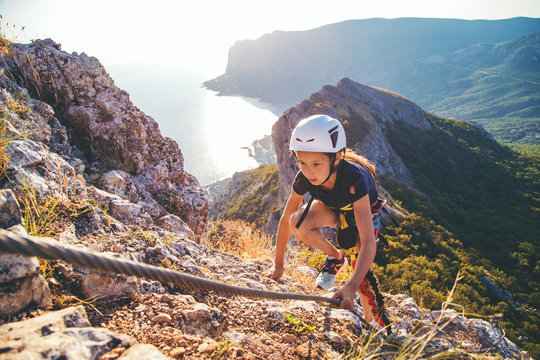
Progression moves from day hikes and route-finding to more technical routes for older or more experienced campers. Activities use certified guides, defined ratios, and documented targets.
- Progression example (ordered):
- Intro walks: local trails, map basics
- Day hikes: longer distances, graded difficulty
- Scrambling/technical: rope skills, exposed terrain (age-appropriate)
- Safety staffing ratios: typically 1:6–1:12 depending on activity and age
- Documentation: day-hike targets, route plans, weather contingencies
Deliver hands-on cultural modules
Workshops include alphorn, yodeling, folk dance, traditional crafts and festival simulations. Each module is adapted for safety and engagement with measurable outcomes.
- Safety adaptations: instrument and activity-specific precautions
- Timing: short, focused workshops with rotation schedules
- Engagement metrics: participation rates, performance counts, completion rates
Teach regional cuisine with supervised tasting and cooking
Culinary stations emphasize regional recipes adapted for camp, with clear portioning, allergy procedures and designated allergen‑free prep zones.
- Tasting & cooking: supervised stations and simple, camp-friendly recipes
- Allergy management: clear labeling, separate prep zones, trained staff
- Portioning: child-friendly servings and recipe cards for take-home learning
Use measurable program design and local partnerships
I run pre/post surveys, maintain skill checklists and attendance logs, set benchmarks for satisfaction and learning, and collaborate with Swiss safety and conservation organizations to ensure standards and local relevance.
- Assessment tools: surveys, checklists, attendance, performance metrics
- Benchmarks: satisfaction targets, language proficiency goals, skill attainment
- Partnerships: local guides, safety bodies, and conservation groups for authenticity and compliance
YOUTUBE VIDEO
Language Immersion and Communication at Camp
I set language goals around the real distribution of tongues in Switzerland: German 62.3%, French 22.8%, Italian 8.1%, Romansh 0.5% (Federal Statistical Office, 2020). That snapshot guides which languages I prioritize, how I staff, and which cultural activities get prominence. If you’re planning a language immersion camp, I recommend mapping camper profiles early—home language, proficiency, and interest—so groups form quickly and stick to clear learning aims.
I separate dialect exposure from formal instruction. Beginners learn Standard German; I introduce Swiss German and regional variants as cultural enrichment—conversation corners, guest speakers, and local-student exchanges. I keep Romansh visible in signage and theme-days to honor its presence, even if groups are small.
Group structure, staffing, and practical materials
Below are the operational rules and activity ideas I use to run effective multilingual programming:
- Grouping by ability: beginner / intermediate / advanced. Day-camp language groups: 8–15 children. Residential cabins: 10–20 per language stream.
- Counselor staffing: at least one native-speaker counselor per language group. For day groups I assign one lead/native-speaker plus one assistant per 8–15 children. General day-camp supervision follows a 1:8–1:12 ratio; use smaller ratios (1:4–1:6) for focused language tutoring.
- Dialect policy: teach Standard German in formal lessons; schedule Swiss German exposure sessions separately as cultural activities to prevent learner confusion.
- Activity toolkit I deploy:
- Language exchange buddies paired across proficiency levels for weekly conversation goals;
- Bilingual activity stations where crafts, sports, or science happen under target-language prompts;
- Immersion meal tables with menu-only language rules for set periods;
- Theme-days (Romandy day, Ticino day) and multilingual signposting across camp;
- Conversation circles led by native counselors and local guest speakers to boost authentic listening practice.
- Visual and printed materials: produce a pie-chart stat card and a regional language map for cabins and staff rooms. Prepare laminated phrase-cards, tri-lingual signage, and a pocket cheat-sheet of key classroom phrases.
- Keywords to include in camp materials:
- multilingualism
- language immersion camp
- Swiss German
- Romansh
- language exchange
I repeat the core operational figure: at least one native-speaker counselor per language group, with sample group sizes of 8–20 depending on day or residential format.
Alpine Outdoor Activities, Environmental Stewardship and Safety
I structure programs around the fact that the Alps cover roughly 60% of the Swiss territory. That geographic reality shapes daily choices, teaching points, and risk planning. I prioritize activities that connect kids and teens to alpine culture and landscape: hiking, via ferrata, rock climbing, mountain-biking, snowshoeing, skiing, mountain-hut visits and supervised alpine grazing demonstrations. I also build environmental lessons into every outing.
Core activities, progression and day-hike targets
Below I list core activities and a practical progression framework that scales by age, elevation gain and time estimates.
- Core activities to feature
- Hiking (family trails to high-alpine ridgelines)
- Via ferrata and rock climbing (intro lines to guided multi-pitch)
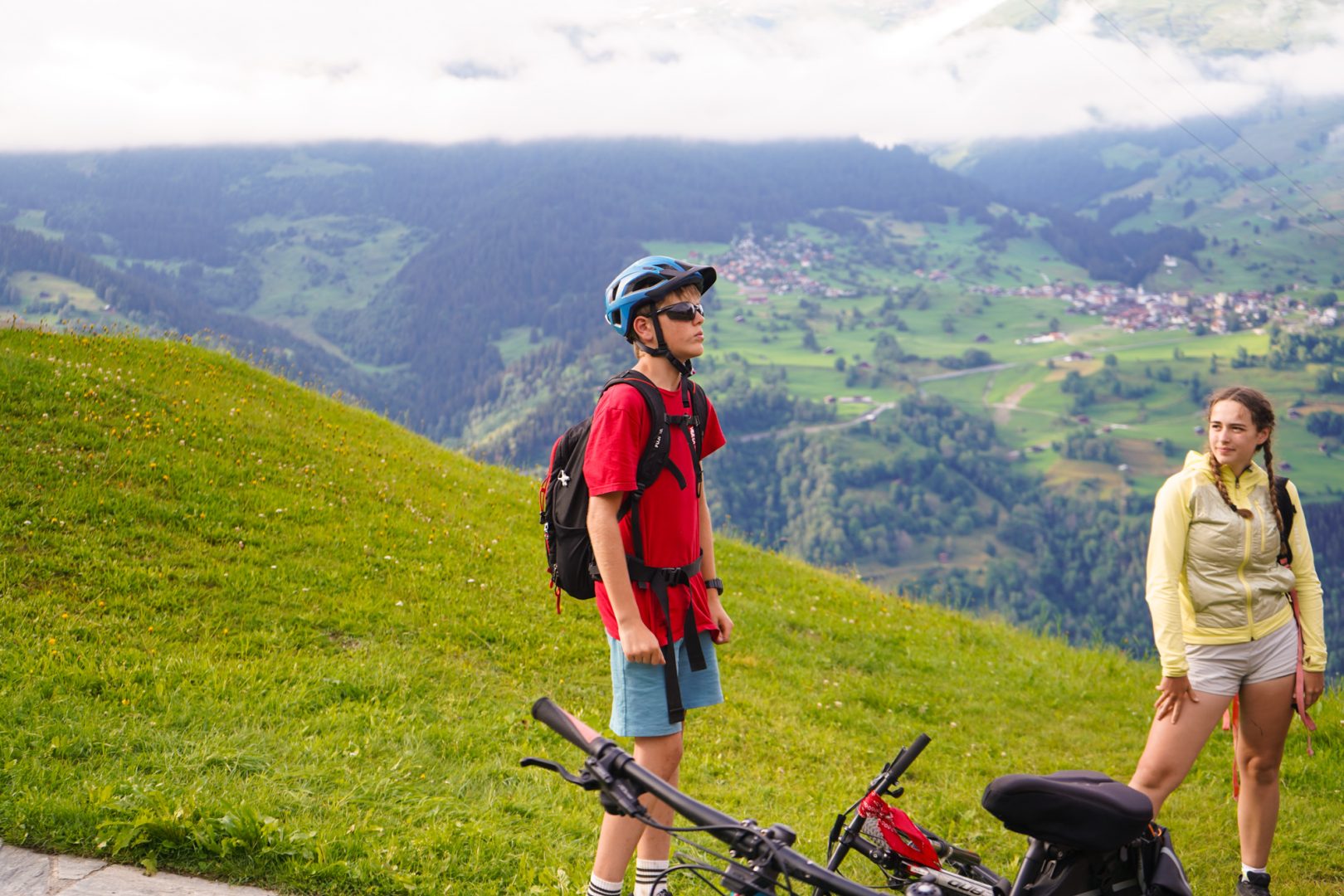
- Mountain-biking (forest singletrack to alpine cols)
- Snowshoeing and skiing (guided winter routes)
- Mountain-hut visits and alpine grazing demonstrations (meet shepherds and learn livestock rotation)
- Day-hike progression (distances, elevation gain, time)
- Children (ages 7–12): distances 3–8 km.
- Easy: 3–4 km, elevation gain 100–250 m, 1.5–2 hours.
- Moderate: 5–6 km, 250–450 m, 2.5–3.5 hours.
- Advanced: 7–8 km, 450–700 m, 4–5 hours.
- Teens (13–17): distances 8–15 km.
- Easy: 8–10 km, 300–600 m, 2.5–3.5 hours.
- Moderate: 10–12 km, 600–1,000 m, 3.5–5 hours.
- Advanced: 12–15 km, 1,000–1,500 m, 5–7 hours.
- Progression path: start easy, add distance or elevation in successive outings, then add technical exposure (via ferrata/rock) with certified guides.
- Children (ages 7–12): distances 3–8 km.
- Alpine-safety targets
- Plan turnaround times and buffer for weather. I expect average hiking speeds of 3–4 km/hr on easy terrain, and slower on steep or technical ground.
- Always model conservative time estimates for children.
I refer program designers to model residential and day formats such as Camp Montana for inspiration; I find their structure helpful for integrating skills and culture.
Staffing, ratios and technical support
I set counselor-to-child ratios by activity risk. For off-trail alpine work I recommend 1:6 to 1:10 depending on difficulty. For general day-camp activities I use 1:8–1:12. For overnight and high-alpine routes I tighten ratios to 1:6–1:10. I always include:
- certified mountain leaders or guides on technical routes
- first-aid–trained counselors (Wilderness First Aid or equivalent)
- avalanche-awareness instructors during winter programs
Emergency planning and legal logistics
I register emergency plans with local rescue services and brief all staff on protocols. Swiss Air-Rescue (REGA) is the primary aerial rescue partner I reference for alpine evacuations. I verify canton-specific youth regulations and overnight rules before each outing. For insurance I require Swiss residents to have mandatory Swiss health insurance. Foreign campers must show travel/medical insurance and proof at registration.
Environmental education and citizen science
I integrate hands-on stewardship with local biodiversity lessons. I reference the Swiss Glacier Monitoring Network for glacier retreat figures and recommend consulting their latest data when publishing program materials. Practical citizen-science goals I set per camp are modest and achievable:
- Run 3 transects per camp and aim to record at least 10 taxa.
- Suggested projects: phenology transects, insect/pollinator surveys, water-quality testing in alpine streams, and simple glacier/ice-melt observations with photographic logs.
These projects teach observation, data hygiene and long-term monitoring techniques. I use photographic steps, GPS waypoints and simple datasheets so kids can see change year-to-year.
Logistics, partnerships and site use
I use local mountain infrastructure as a backbone: mountain huts, SAC routes and established trails minimize impact and increase safety. I partner with the Swiss Alpine Club (SAC) and Pro Natura for stewardship modules and access to trained volunteers. I emphasize Alpine safety, mountain hut etiquette, alpine flora identification and a clear discussion of glacier retreat in program briefings.
Cultural Skills: Music, Dance, Crafts and Festival Simulations
I run focused modules that put alphorn, yodel and Schwyzerörgeli at the center of hands-on learning. Demonstrations and short workshops show technique and context: alphorn demonstrations, yodel workshops, Swiss accordion sessions, Ländler folk-dance instruction, and Schwingen demonstrations framed as cultural demos. I schedule 45–90 minute sessions for younger children and plan 1–3 hour workshops or rehearsals for teens and advanced groups to allow rehearsal and performance preparation.
I integrate festival practices into safe, creative activities. Simulations include a symbolic Sechseläuten “Böögg” parade without burning, an Alpabzug costume parade with mock cows and cowbells, Fasnacht mask-making and a small street-parade re-enactment, plus adapted elements from Unspunnen and the Federal Yodel Festival so campers can experience pageantry without risk. I encourage campers to try yodeling early; short warm-ups build confidence before a mixed-ability ensemble performs at closing events.
Workshop schedule, materials and metrics
Below are practical items I use when planning modules, plus ways I measure engagement.
-
Typical session breakdown:
- warm-up (10–15 min)
- demo (15–30 min)
- hands-on practice (20–60 min)
- group rehearsal or craft finishing (10–45 min)
- mini-performance or share-back
I adapt for age; younger campers get shorter practice blocks.
-
Craft projects and tools:
Woodcarving, Scherenschnitt paper-cutting, cowbell decorating and small wood projects. I supply child-safe carving knife sets or carving gouges for supervised older children, sandpaper, wood blanks, non-toxic paints, paper-cutting scissors and templates.
-
Safety and training:
I require PPE (gloves, eye protection) and run a beginner knife-safety session before any tool use. I monitor tool-based craft sessions closely and set strict age limits for knife use. I keep an emergency kit and clear workspace rules visible.
-
Festival-safe adaptations:
A mock Boogg figure for a quiet parade, decorated faux cows and a cowbell procession for Alpabzug, mask-making stations for Fasnacht and small-group parades with staff-led routes to avoid crowds and fire hazards.
-
Engagement metrics to record:
- number of campers who try yodeling
- number who perform at the closing ceremony
- percent reporting greater cultural understanding after music or craft sessions
- number of crafts completed per week
- I log # participants per module and % performing in the final event.
-
Suggested reporting:
Use short post-module surveys with 3–5 questions on enjoyment and cultural understanding. Combine survey data with attendance and performance rosters to produce a weekly summary that highlights trends and improvement areas.
I often link program signup and pre-camp prep pages; see my guide for your first summer camp for practical checklists and family tips.
Food, Cooking Activities and Regional Culinary Learning
I teach Swiss food through hands-on tasting and simple cooking that highlights regional identity. I introduce signature dishes — fondue, raclette, rösti, bratwurst, Bündner Nusstorte and muesli — and explain how recipes shift across language regions. I point out that Switzerland boasts “over 450 varieties of Swiss cheese” (cheese organizations) and use that fact to spark curiosity during cheese tastings.
I break regional differences down and pair each with a practical activity:
- Swiss-German: focus on a raclette night. I run a controlled raclette grill station, show slicing technique, and guide campers through traditional accompaniments like pickles and new potatoes.
- Romandy (French-speaking): teach tartes and simple sweets. I demo an easy fruit tart and have campers assemble mini tartes to learn local pastry styles.
- Ticino (Italian-speaking): run a polenta workshop and a sweets session that highlights Ticinese flavors and simple cornmeal textures.
- Alpine/central traditions: offer a fondue experience demo for communal dining and a rösti & muesli workshop that ties breakfast and comfort food into seasonality and local grains.
Recipes and technique stay camp-friendly. I emphasize short ingredient lists, basic equipment and safety-minded prep so younger campers can participate meaningfully without risk.
Recipes, portioning and supervision
I use clear rules for quantities, equipment and allergies to keep sessions safe and scalable:
- Portioning:
- Fondue: approximately 200–250 g cheese per person.
- Raclette cheese: 150–200 g per person.
- Plan a 10–15% buffer for seconds or sampling.
- Supervision and equipment safety:
- Require adult supervision for all open-heat tasks.
- Use supervised fondue forks and raclette grills fitted with safety covers or non-stick plates for youth sessions.
- Place heatproof mats and keep a first-aid kit near cooking stations.
- Allergy and dietary procedures:
- Collect dietary and allergy information at registration.
- Provide alternative menus (vegetarian, vegan, gluten-free, nut-free) and pre-portion allergen-free servings.
- Label all serving stations clearly and maintain an allergen-free prep zone with separate utensils.
I design activities so every camper engages, learns and stays safe. I adapt recipes to be vegetarian or dairy-free where needed and demonstrate swaps (e.g., plant-based cheeses for a fondue-style dip).
I use several hands-on engagement formats that are easy to run at camp:
- Cheese-tasting stations
- Simple camp-friendly cheese-making demos
- Regional tasting quizzes
- Cooking rotation stations where small groups cycle through a rösti station, a tart assembly table, a polenta pan and a raclette grill.
I keep records during each session.
For assessment I run short pre/post taste surveys and a cultural-knowledge scoring sheet. I measure the percentage of campers who like each regional dish before and after the activity, then note changes in preference and knowledge. Those metrics let me quantify learning outcomes and refine menus the next session.
I often link these lessons to broader programs and recommend pairing them with other family-focused offerings; see my guide to family activities for ideas. The goal is a memorable fondue experience, a successful raclette night and a lively cheese-making workshop for kids Switzerland can be proud of.
Program Design, Assessment, Partnerships, Inclusion and Marketing
I plan each day as a set of focused learning blocks that mix language with hands-on Alpine culture. Mornings pair language immersion with an Alpine skill (navigation, weather reading, basic mountain safety). Afternoons shift to crafts and food workshops (cheese-making basics, herb foraging demos). Evenings recreate festivals with music and song—yodeling or alphorn introductions followed by a low-pressure performance. For older campers I schedule 90–120 minute modules; for younger kids I keep sessions to 45–60 minutes and build in active breaks.
I write every session with three layers: clear learning objectives, a practical activity, and a quick formative check. Learning outcomes I target include basic language skills (simple greetings and vocabulary), cultural knowledge (identify 3 regional traditions), and practical Alpine skills (basic navigation). I use station rotations and paired practice to keep language modules active. Safety and pacing reflect typical day-hike distances (children 3–8 km; teens 8–15 km) and counselor-to-child ratios (recommended 1:6 to 1:10).
I assess progress with simple, repeatable tools so data stays useful and actionable. My core assessment toolkit contains pre/post surveys, short language quizzes, skill checklists for Alpine tasks, and performance counts (for example, number of campers who can yodel a phrase). I track module attendance with logs to measure engagement. I set these example benchmarks to evaluate success exactly as stated: 80% camper satisfaction; 60% participation in at least 3 cultural modules; 30% improvement in language quiz scores. For citizen science modules I aim for 3 transects per camp and to record 10 taxa as a minimum reporting target.
I recommend linking program pages to a trusted camp directory like Swiss culture camp to improve visibility and conversion. I also capture these program metrics every session to report to partners and funders: number of participants, age ranges, language groups, percentage participation in cultural modules, satisfaction scores, and skill-improvement percentages.
Partnerships, inclusion checklist and marketing essentials
Partnerships to approach:
- Swiss Federal Statistical Office (FSO)
- Federal Office for the Environment (FOEN)
- Switzerland Tourism
- Pro Natura
- Swiss Alpine Club (SAC)
- Pfadibewegung Schweiz (Swiss scouting)
- Schweizer Jugendherbergen (Swiss Youth Hostels)
- Switzerland Cheese Marketing
- Swiss Folklore Music associations
- Swiss Glacier Monitoring Network
- REGA (Swiss Air-Rescue)
Inclusion and logistics checklist:
- Collect dietary/allergy info at registration and prepare alternative menus.
- Plan accessible trail options and clearly mark difficulty levels.
- Verify canton-specific regulations for overnight stays and permissions.
- Ensure travel insurance for foreign campers and confirm local emergency contacts.
- Establish REGA coverage protocols and brief staff on emergency evacuation steps.
Marketing, SEO and messaging guidance:
Primary keywords and long-tail phrases to use:
- Swiss culture camp
- Switzerland summer camp
- Alpine activities for kids
- Swiss food camp
- language immersion Switzerland
- yodeling workshop
- alphorn workshop
- Swiss traditions in camps
- family-friendly cultural camps Switzerland
- multilingual summer camps Swiss Alps
- cheese-making workshop for kids Switzerland
Include these exact phrases in promotional copy where appropriate:
- “Population: 8.7 million (Switzerland)”
- “Alps cover roughly 60% of the Swiss territory”
- “German 62.3%, French 22.8%, Italian 8.1%, Romansh 0.5% (Federal Statistical Office)”
- “over 450 varieties of Swiss cheese”
- typical day-hike distances (children 3–8 km; teens 8–15 km)
- counselor-to-child ratios (recommended 1:6 to 1:10)
- data-collection targets for citizen science: 3 transects per camp, record 10 taxa
- operational benchmarks: 80% camper satisfaction; 60% participation in at least 3 cultural modules; 30% improvement in language quiz scores
Reporting and quality control:
- Log attendance by module and language group daily.
- Run quick daily satisfaction checks and aggregate weekly.
- Map assessment outcomes against the benchmarks above and flag modules below target for revision.
Sources:
Swiss Federal Statistical Office (FSO) — (no article or blog post title provided)
Federal Office for the Environment (FOEN) — (no article or blog post title provided)
Swiss Glacier Monitoring Network — (no article or blog post title provided)
Switzerland Tourism — (no article or blog post title provided)
Pro Natura — (no article or blog post title provided)
Swiss Alpine Club (SAC) — (no article or blog post title provided)
Pfadibewegung Schweiz (Swiss Scouting) — (no article or blog post title provided)
Schweizer Jugendherbergen (Swiss Youth Hostels) — (no article or blog post title provided)
Switzerland Cheese Marketing — (no article or blog post title provided)
Swiss Folklore Music associations — (no article or blog post title provided)
REGA (Swiss Air-Rescue) — (no article or blog post title provided)