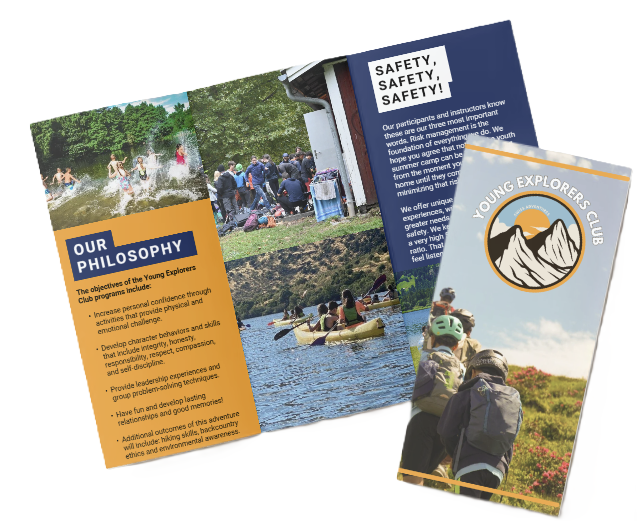
First-time Camper Guide: Everything Parents Need To Know
First-Time Camper Guide — Young Explorers Club parent checklist for kids’ camping: health, water, sun, insect & wildlife safety, packing tips.
First-Time Camper Guide — Young Explorers Club
We, at the Young Explorers Club, built this First-Time Camper Guide as a focused checklist for parents. It helps families prepare kids for safe, successful trips.
Key Takeaways
The following high-level actions will keep your trip organized and safer for everyone.
-
Complete health paperwork and medical plans:
- Confirm routine immunizations before departure.
- Get written authorization for all medications and provide clear action plans for asthma and allergies.
- Give camp medical staff labeled medications and duplicate health forms.
-
Prioritize water, sun, and insect safety:
- Require USCG-approved life jackets and active adult supervision for any water activity.
- Use SPF 30+ sunscreen and reapply often.
- Apply insect repellent (DEET up to 30% per directions) and treat clothing with permethrin.
-
Follow weather, fire, and wildlife precautions:
- Use the 30–30 lightning rule and seek shelter when necessary.
- Keep campfires at least 10 feet from tents, and always have water and a shovel nearby.
- Store food in bear-resistant canisters or follow proper hang or vehicle storage methods.
-
Pack core gear wisely:
- Pick sleeping bags rated below expected low temperatures and choose pads with the right R-value.
- Plan about 1 L of water per child per half day.
- Bring power banks or a satellite messenger for remote trips.
- Keep a parent kit with first-aid supplies and spare medications in a waterproof container.
-
Match trip type and routines to your child:
- Pick day or overnight outings based on age and readiness.
- Respect car-seat and travel time limits.
- Run short trial separations to reduce homesickness.
- Use a 48-hour timeline and a top-10 grab list to simplify departure and return.
Sample 48-Hour Timeline
- 48 hours before: Finalize health forms, pack duplicate copies, and verify medications.
- 24 hours before: Check weather, confirm gear (sleep system, life jackets, sunscreen), and charge electronics.
- Day of departure: Do a final gear check, prepare the parent kit, and review safety rules with your child.
- Return day: Replenish supplies and note any medical follow-ups or lost items for next time.
Top-10 Grab List (Quick Pack)
- Sleeping bag (rated for expected lows)
- Sleeping pad (appropriate R-value)
- Water bottle (plan ~1 L per child per half day)
- USCG-approved life jacket (if applicable)
- Sunscreen SPF 30+ and hat
- Insect repellent (DEET) and permethrin-treated clothing
- First-aid kit and labeled medications in a waterproof container
- Extra clothing and rain shell
- Headlamp or flashlight with spare batteries
- Power bank or emergency communicator (satellite messenger)
If you want, I can convert this into a printable checklist or a one-page packing sheet tailored to your child’s age and the trip length.
Critical Health & Safety Essentials to Do Before You Go
Vaccinations, paperwork, and medication handling
We, at the Young Explorers Club, confirm every camper has routine immunizations and that “vaccination up-to-date” status matches their pediatric schedule (MMR, Tdap, varicella; COVID‑19 if applicable). Get a written physician or parent medication authorization for all prescription and over‑the‑counter medicines. Prepare an action plan for chronic conditions such as asthma or severe allergies and give a copy to camp medical staff.
Before departure, give camp two copies of completed health forms and keep one set in a waterproof parent kit. Camps commonly require medications to be labeled and kept in original containers. Pack epi‑pens and inhalers with corresponding allergy/asthma action plans and make sure staff know where they are stored.
Include these must-have items in your parent waterproof kit and hand a labeled set to camp medical staff:
- Adhesive bandages (various sizes), wound‑cleaning wipes, and antibiotic ointment
- Oral antihistamine (children’s dosing) and an extra emergency epi‑pen if your child is allergic
- ACE wraps, blister care (moleskin), and a digital thermometer
- Duplicate inhaler with spacer if used, plus written asthma action plan
- A clear, signed medication authorization and two photocopies of health forms
Add these items to your summer packing list and keep one waterproof copy with you and another with camp staff: a list of medications with doses/times, allergy notes, and the physician contact.
Water safety, sun/insect protection, and remote communication
Treat water as a high‑risk activity. Require a USCG‑approved life jacket for boating and water play, and keep an adult within arm’s reach of young or inexperienced swimmers. Enroll children in swim lessons early; water‑adjustment programs can begin around 1 year, with more formal lessons by age 4+. Supervision and practice reduce risk.
Set clear routines for hydration and sun protection. Use sunscreen SPF 30+ and apply it 15–30 minutes before sun exposure, reapplying every two hours and after swimming or heavy sweating. For insect protection, follow AAP guidance: DEET up to 30% is considered safe for children older than 2 months. For older kids consider picaridin or oil of lemon eucalyptus, and treat clothing with permethrin only (not directly on skin).
Plan for remote medical access and teach every child the emergency plan. Know the nearest medical facility and the camp evacuation protocol; remote sites can be 30+ minutes from care. Pack a whistle for each child, headlamps, and charged battery banks. For true backcountry trips, consider a satellite messenger such as the Garmin inReach Mini and document expected response times and primary/alternate emergency contacts so staff and parents can act fast.

Weather, Fire & Environmental Hazards Parents Must Know
We, at the Young Explorers Club, treat weather and outdoor hazards as non-negotiable planning items. Always assume lightning can strike 10 miles away and follow the 30–30 rule: seek shelter if the time between lightning and thunder is under 30 seconds and wait 30 minutes after the last thunder before resuming activities. Check forecasts 48 and 24 hours before departure and use a NOAA/NWS alert app (NOAA/NWS) for real‑time watches and warnings.
Keep campfires controlled and visible. Place the fire at least 10 feet from tents and away from low‑hanging branches. Make sure you have water and a shovel at the campfire and never leave a fire unattended. Teach older kids how to fully extinguish a fire and have a small foldable shovel in your camp kit.
Cold, wet conditions can be deceptively dangerous. Children lose heat faster, so recognize that hypothermia risk below 50°F when wet increases sharply in breezy or rainy weather. Dress in layers, keep spare dry clothing in waterproof sacks, and rotate damp garments out quickly. Conversely, watch for heat exhaustion and heat stroke on hot days; hydrate proactively, limit midday exertion, and cool children with damp cloths if they become overheated.
Wildlife interactions are mostly about prevention. Many parks require a bear-resistant canister. Where the hang technique is allowed, hang food 10–12 feet high and 4–6 feet from the trunk; otherwise keep food in your locked car or in camp food lockers. Always check camp- or park-specific policies before departure, since bear canister and food-storage rules vary by park. Store scented items (toothpaste, sunscreen, trash) with food or in the car to avoid attracting animals.
Bugs, ticks, and plants cause a lot of avoidable problems. Do daily tick checks because tick transmission 36–48 hours is typical before Lyme disease risk rises. Teach campers the rhyme “leaves of three, let it be” to identify poison ivy and similar plants. For repellents, use DEET up to 30% on exposed skin per product directions and treat outer layers with permethrin for clothing following the label instructions. Check treated clothing for efficacy year-round and reapply permethrin as recommended.
Quick action checklist and packing musts
Below are compact, actionable items I expect every parent to pack or confirm before the trip:
- Weather alerts: Verify forecasts 48 and 24 hours out and enable a NOAA/NWS alert app.
- Shelter planning: Plan shelter options and drill the 30–30 rule with kids before arrival.
- Campfire safety: Position the fire at least 10 feet from tents, keep water and a shovel handy, and never leave flames unattended.
- Cold-weather gear: Pack extra layers and waterproof bags because hypothermia risk below 50°F when wet is real.
- Heat precautions: Schedule water breaks and shade time to prevent heat illness.
- Food storage: Bring a bear canister when required or plan for proper 10–12 foot hang technique or car storage.
- Tick prevention: Perform daily tick checks and remind kids of “leaves of three, let it be”.
- Insect protection: Carry insect repellent (DEET up to 30%) and wear or treat clothes with permethrin.
For a full equipment breakdown and specific items I always put in my kit, consult our summer packing list.
Gear & Packing Essentials
We prioritize a compact core kit that covers shelter, sleep, food prep, first aid and personal safety. Pack or buy these family items:
- tent
- sleeping bags and pads
- cooking gear
- Adventure Medical Kits first‑aid
- layered clothing
- sun and insect protection
- lighting
- water containers
- navigation
- parent kit with meds and tools
Sleeping systems & warmth
Follow sleeping bag temperature rating guidance and choose a bag rated 5–15°F below the expected low. For three‑season family camping, a 20°F–30°F bag fits most kids in moderate climates. Select sleeping pads by R‑value: car camping pads with R≥1–3 work fine; for cool nights pick R≥3. Add a closed‑cell foam pad under thin inflatable pads for extra insulation.
Water & power
Plan at least 1 liter per child per half day for normal activity, and more in heat. During high exertion hydrate every 20–30 minutes. Bring a battery bank 10,000–20,000 mAh to recharge phones and devices; for backcountry comms consider a Garmin inReach Mini.
What to buy vs borrow
Buy personal and safety items—sleeping bags, USCG‑approved life jackets, child PFDs and first‑aid kits. Rent or borrow bulky gear like tents and stoves for one‑off trips; renting can save 50–80% on single uses. Pack duplicates of critical items (socks, diapers, warm hat), use waterproof stuff sacks, and keep a designated parent kit with prescriptions, pain relievers, duct tape, multi‑tool and minor repair items. For a quick checklist, consult our summer packing list.
Printable packing checklist (by age)
-
Infant:
- diapers & wipes (duplicates)
- formula plus cooled storage and a bottle cooler/ice pack
- extra onesies and a warm hat
- AAP room‑sharing guidance for sleep 6–12 months (AAP)
- labeled meds and infant first‑aid items
-
Toddler:
- 2–3 outfit changes
- layered outerwear
- favorite comfort item
- kid‑size sleeping bag
- small headlamp
- sun and insect protection
- labeled meds
-
School‑age:
- 2–4 changes
- insulated midlayer
- sleeping bag 20°F–30°F
- sleeping pad
- refillable water bottle
- snacks
- whistle
- small first‑aid kit
-
Teen:
- All school‑age items plus extra food portions
- navigation device or phone charger
- appropriate daypack
Product callouts — exact names and why
- REI Half Dome 2 Plus: roomy, durable and well‑vented for family tenting.
- Coleman Sundome 4: budget car‑camping option that stands up to casual use.
- Big Agnes Copper Spur HV UL: lightweight family versions for faster hikes.
- REI Trailbreak 20; Marmot Trestles 30; Kelty Cosmic 20: reliable three‑season sleeping bags for varying budgets.
- Therm-a-Rest NeoAir XLite; Klymit Static V2; Nemo Roamer: sleeping pads covering ultralight to cushy comfort.
- MSR PocketRocket 2; Jetboil Flash; Coleman Classic Propane Stove: compact, proven camp stoves for groups and solo cooks.
- Petzl Tikka; Black Diamond Spot 350: dependable headlamps kids and parents can trust.
- Osprey Poco AG; Deuter Kid Comfort; Osprey Ace/Jet: carrier packs that balance comfort and safety for young riders.
- Stohlquist Kids Classic PFD; O’Neill Youth USCG‑approved PFD: properly sized flotation for water play.
- Adventure Medical Kits Mountain Series: comprehensive first‑aid essentials for outdoor injuries.
- Garmin inReach Mini; Anker 10,000–20,000 mAh power bank: satellite comms and on‑trail power for peace of mind.
Choosing Your Trip: Camp Types, Ages, Travel & Cost Expectations
We, at the young explorers club, break choices into overnight vs day and into how your family actually travels and sleeps. Pick the trip type that fits energy levels, travel tolerance and your budget. Day camps reduce separation and often cost less. Overnight camps build independence but demand more time and expense.
Camp types, age guidance and session lengths
Here are the practical options and quick suitability notes:
- Family car camping: works from infancy with planning; good for short drives and flexible schedules.
- Tent camping: easier for toddlers 3+ who can sleep through brief noises; gear is lower cost.
- RV camping: comforts of home; best when you want long drives with kids who need routine.
- Glamping: minimal setup, higher price, useful if you want nature without heavy gear.
- Day camp (sports, STEM, arts): usually runs weekly sessions; ideal for younger kids or staggered schedules. (ACA)
- Overnight/sleepaway camp (residential): many camps set minimum ages at 7–8 years; check ACA accreditation. (ACA)
- Specialty camps (wilderness, adventure, competitive sports): choose by maturity and prior experience.
- Session lengths: day camps often run weekly sessions; overnight sessions commonly 1–4 weeks. (ACA)
Follow age minimums and accreditation closely. ACA accreditation signals that the camp follows standard safety and staffing practices. Use local participation data to match session length to your child’s readiness. (ACA)
Car travel and in-vehicle safety matter as much as the camp choice. Follow AAP/AAA guidance for seating and trip planning. Keep infants rear-facing until at least age 2 and use the correct convertible seat. Move to boosters only when the child fits the seat manufacturer’s height and weight; many regions require a booster until about 4’9″ (145 cm). (AAP/AAA) Limit driving segments for young children to 2–4 hours and plan stops every ~2 hours to stretch, change, and reset moods. (AAP/AAA)
Plan costs honestly so you aren’t surprised. Expect day camp to run roughly $100–$400 per week and overnight options roughly $300–$1,500+ per week. Budget for basic gear:
- Tent: $70–$300
- Sleeping bag: $40–$200
Also add hidden fees such as transportation, equipment rentals, activity surcharges and optional trip insurance. Factor in laundry, phone cards, and travel to/from camp.
For packing advice and a simple checklist that matches Swiss-style outdoor camps, see our summer packing list which highlights must-haves and rental vs buy decisions.

Food, Sleep & Emotional Prep for Kids (practical routines parents can use)
We, at the young explorers club, set simple routines parents can copy so meals, sleep and feelings stay predictable. Keep plans compact, practical and repeatable so kids feel secure and you stay organized.
Meal planning, portions and storage
Use the following quick checklist when you pack food and plan meals:
- Plan for 3 meals + 1–2 snacks per day and balance carbs, protein and fats for energy.
- Estimate roughly 1–1.5 pounds of food per person per day for car camping; for active teens/adults plan ~2,500–3,500 kcal/day and scale down portions for younger children.
- Prefer pre-cooked, easy-to-reheat items and single-serve snack packs to reduce waste and speed mealtimes.
- For infant feeding: pre-measure formula, bring frozen ice packs and insulated coolers, or use ready-to-feed packs to simplify nighttime feedings.
- Protect food and wildlife by using bear-resistant canisters where required and storing food 100+ feet from tents in the backcountry; use car storage or park lockers when available and always follow park/NPS rules.
Sleep safety, routines and emotional prep
We follow AAP guidance on infant sleep: room-share for 6–12 months and avoid bed-sharing in tents (AAP). Expect nighttime temps to drop 10–20°F; pack a sleeping bag rated for the low end plus a familiar blanket or sleep toy to keep routines consistent. We recommend keeping the same bedtime sequence you use at home—quiet wind-down, brief story or song, and the comfort item—so kids recognize the pattern even in a new place.
Homesickness affects many kids; try these practical steps to prepare emotionally:
- Plan trial separations (short overnight stays) so children practice being away from caregivers.
- Pack a reassuring parent letter for the child to read at drop-off or during a homesick moment.
- Normalize homesickness and give simple tools: a short coping plan, a favorite object, and a set check-in routine.
- Confirm phone rules early—overnight camps often limit access—so set expectations and arrange alternatives like scheduled calls, letters or a one-time video message to reduce anxiety.
For deeper guidance on preparing feelings and expectations, see our guide to prepare emotionally.
48-Hour Sample Timeline & Quick-Reference Checklists for First Trips
48‑hour timeline, quick rules, and grab‑and‑go checklist
We, at the young explorers club, recommend a compact plan that keeps gear, safety, and simple routines front and center. Follow this timeline and checklists to reduce last-minute stress and make that first family trip smooth.
Timeline (start the evening before)
- Day 0 — evening before: Pack main gear and pre-assemble any meals you’ll heat on site. Charge batteries for headlamps, phones, and GPS. Check paperwork and prescriptions; put labeled meds and the medication authorization in an easy-to-reach pocket. Double-check life jackets for fit and that they’re USCG-approved.
- Day 1 — arrive midday: Aim to arrive by midday to set up in daylight. Pitch shelter, arrange sleeping systems, and let kids explore a short radius of the site. Fit life jackets, teach spot boundaries, and take a family-friendly hike. Establish an evening routine (wash hands, lay out clothes, calm-down activity) and perform first-night clothing and sleep checks so everyone sleeps in proper layers.
- Day 2 — low-to-moderate activity and exit: Keep activities short and manageable. Do a short day‑hike, then break camp before midday if you’re packing out. Repack wet items in plastic bags and do a quick gear inventory before leaving.
Activity distances by age (use terrain and pace to adjust)
- Toddlers: 0.5–1 mile.
- School‑age kids: 1–3 miles.
- Teens: 3–6+ miles.
For short hikes, aim for 1–3 miles for kids depending on age and terrain. Plan explicit turn-around points and build in rest and snack stops.
Quick rules and emergency basics (teach these early)
- Always carry water, shelter, a way to heat food or water, and adequate layers.
- Teach kids to stay within sight and verbal range of adults.
- Teach the whistle signal: whistle 3 blasts if separated — practice it at the campsite.
- Never approach wildlife; observe from a safe distance.
- Wear shoes on trails and near water; flip‑flops are for the beach only.
- Keep a list of emergency contacts and the nearest ranger station or clinic.
One‑page last‑minute “top 10” grab list (one bag to reach before you leave)
- Water (extra bottles or a filtered system)
- Shelter (tent, tarp, or family hammock)
- Heat source (stove and fuel or approved fire kit)
- Labeled meds + medication authorization
- USCG‑approved life jacket for each child
- Whistle for each child (and spare)
- Headlamp (spare batteries)
- Spare layers (insulating + rain layer)
- Food and snacks (easy, high‑calorie options)
- First-aid kit essentials (bandages, tape, antiseptic, blister care, allergy meds)
Trip recommendations and debrief
- Start with an intro trip of 1–2 nights. That length gives families time to practice routines without fatigue.
- After you return, debrief: do a short chat with the kids about what worked, what didn’t, and what gear to swap.
Make note of food portions, sleep layering, hike distances, and any routine changes for next time.
For extra prep and packing ideas, I recommend checking our summer packing list to tighten your kit before you go. For tips on helping kids make friends quickly at camp or preparing emotionally for overnight stays, the linked guides offer focused advice and checklists.

Sources
American Academy of Pediatrics — Safe Slumber in Tents and Sukkahs
American Camp Association — For Parents / Parent’s Guide to Camp
Centers for Disease Control and Prevention — Preventing Drowning
Centers for Disease Control and Prevention — Tickborne Diseases of the United States (Lyme disease)
National Weather Service — Lightning Safety (30‑30 Rule)
National Park Service — Food Storage & Bear Safety
Consumer Product Safety Commission — Camping Safety Tips
REI Co-op — How to Pack for an Overnight Camping Trip
REI Co-op — How to Choose a Tent
Adventure Medical Kits — What to Include in a First‑Aid Kit
Garmin — inReach Mini Product Page