A Parent’s Guide to Summer in Switzerland: Camps, Adventures & Activity Planning
Plan a family summer in Switzerland: top lakes, mountain camps, age-friendly activities, safety tips, packing lists and ready itineraries.
Planning a family summer in Switzerland can be both thrilling and a little overwhelming — from warm lakes and alpine meadows to mountain lifts and bilingual camps. This guide gives busy parents a clear, practical roadmap: quick facts, top destinations, camp choices, age-specific activities, safety notes, packing checklists and sample itineraries. Use this as your one-stop reference to plan confidently, stay safe and maximise fun for every child.
Quick Facts & Overview — Fast Facts for Parents Planning Summer in Switzerland
Climate, lakes and regional differences
We see Switzerland as three playgrounds in summer: warm lowlands, cool alpine valleys and lake-shore havens. Expect average July daytime temperatures in the lowlands of roughly 18–25°C, while high alpine valleys are commonly 5–10°C cooler. Weather can change fast in the mountains, so plan for sun, showers and a chilly evening even in July.
Typical lake water temperatures in July–August vary by lake and depth. Expect:
- Lake Geneva (Lac Léman): around low‑20s °C at the surface in late July/early August
- Lake Zurich: roughly 19–22°C in peak summer
- Lake Lucerne: generally 18–21°C
- Alpine lakes (Brienz/Thun/Lago Maggiore upper basins): often cooler, 15–19°C
We recommend checking local bath temperatures before planning swim-heavy days — some families bring wetsuits for younger kids or nervous swimmers on cooler lakes. In Ticino (Lugano, Lake Maggiore) you’ll usually find warmer air and water than in the Bernese Oberland or Engadine.
Practical planning: holidays, costs, transport, emergency numbers and quick checklist
Here are the key facts parents need to lock in plans quickly.
- Cantonal school holidays — Many cantons run roughly 6–8 weeks of summer holiday between late June and mid‑August, but exact windows differ by canton. Always check the cantonal school calendar early when booking camps or childcare. Choose the best summer camp
- Summer camps & prices — Day-camp prices typically range from about CHF 200–600 per week depending on activities, age groups and location. Overnight/week-long residential camps commonly range from CHF 500–1,500 per week. Expect higher prices for English-speaking programmes, specialist sports camps or mountain-base stays.
- Public transport basics — Children under 6 usually travel free on SBB and many regional services when accompanied. For older kids, look into youth discounts, regional family cards and the Swiss Travel Pass options — verify current rules on the SBB website before you travel.
- Health & emergency numbers — 144 for ambulance, 117 for police and 112 as the EU-wide emergency number all work across Switzerland. For poisoning or chemical exposure, call the national poison centre at +41 44 251 51 51. Carry your EHIC/GHIC or private insurance card and your child’s allergy/medication details.
- Language regions & bookings — Camps, activity listings and municipal services are usually provided in the canton’s main language (German, French or Italian). We advise booking language-sensitive programmes early if you need English-speaking supervision.
- Age-appropriate tips — Babies/toddlers: prioritise shaded lake beaches, later morning outings and short hikes with stroller-friendly trails (Luzern and many lakeside promenades fit well). Primary-school kids: look for day camps with water, climbing and local nature programmes. Teens: seek multi-day outdoor adventure camps (mountain biking, climbing, canoeing) or language immersion weeks.
- Booking & budgeting actions — Reserve camp spots 3–6 months ahead for July peak weeks. Factor in extra costs: activity equipment rental, picnic lunches, childcare top-ups and transport fares. Use regional municipal offers for discounts—many towns subsidise local children’s camps for residents.
- Safety & packing — Pack layers, sun protection, quick-dry swimwear and a basic first-aid kit. Register kids’ allergies and emergency contacts with camps and carry a parent authorisation form if you’ll be splitting duties. For extra guidance, see our tips for parents. For a full list, see our summer packing list.
Best Family-Friendly Summer Destinations in Switzerland — Lakes, Mountains & Cities for Kids
We pick destinations that balance shallow swimming, short adventures and easy logistics. Families want warm water for toddlers, lift rides and museums that actually engage kids. Below are places we return to with children and why they work.
Top spots by type — where to go and what to expect
Use this quick guide to choose based on age, transport and activity level.
- Lake Geneva (Lac Léman) — Geneva, Montreux, Vevey. Great for lakeside promenades, boat trips and family-friendly festivals. Deep water means cooler swims early in summer; pick sheltered bays for toddlers. Train-friendly and good for stroller access along promenades.
- Lake Lucerne (Vierwaldstättersee) — Lucerne, Weggis, Vitznau. Shallow bays and lots of child-friendly beaches warm earlier; frequent ferries keep travel fuss-free. Cogwheel and boat combos make day trips easy. Rigi and Pilatus lifts have family facilities and stroller access on main platforms. See our 7-day family itinerary.
- Lake Zurich — Zurich city beaches (Strandbäder), boat rides and splash parks. Urban convenience means supervised swims at main baths during summer. Combine with Technorama in Winterthur for a science day out (hands-on exhibits aimed at school-age kids) and public transport links are excellent.
- Lakes Thun & Brienz — Interlaken gateway, castle visits and gentle paddleboarding. These are higher and fed by glaciers so water stays cool; plan water play for warm afternoons and opt for supervised beaches where available. Rail access is excellent; parking can be tight in peak season.
- Engadine (St. Moritz, Pontresina) — High alpine valleys, easy lakes and flat family trails. Elevation 1,700–1,800 m; alpine air and shallow lakes make for safe toddler paddling. PostBus and Rhaetian Railway reach most villages; some lifts have stroller-friendly platforms.
- Valais (Zermatt, Saas-Fee, Verbier) — Sunny, dry summers. Valley floors sit lower (1,100–1,600 m) and get milder weather. Car needed for some places; Zermatt is car-free so arrive by train. Many mountain gondolas and funiculars welcome families — check each operator for stroller/wheelchair access.
- Bernese Oberland (Grindelwald, Wengen, Lauterbrunnen) — Classic mountain villages with family lifts. Harder Kulm in Interlaken offers a short funicular ride to panoramic views and a playground at the top. Schynige Platte runs a nostalgic train with easy alpine garden trails for little feet. See our family-friendly hikes in the Bernese Oberland for age-appropriate routes.
- Cities with great day-trip potential — Zurich, Geneva, Lausanne, Bern. Each city pairs museums with outdoor play: Technorama (Winterthur) and the Swiss National Museum (Zurich) run family workshops and interactive trails. Lausanne’s Olympic Museum and Geneva’s natural history museum both schedule kids’ programmes in summer. Find city museum options collected here child-friendly museums.
- Rivers & artificial bathing lakes — In cities and towns you’ll find lidos, public baths and artificial lakes that warm quickly and often have lifeguards and shallow children’s areas. These are ideal for toddlers and families avoiding alpine cold water.
Practical planning tips we follow:
- Toddlers: choose sheltered bays, supervised beaches and lidos; bring a pop-up sun shelter and water shoes.
- School-age kids: pick easy via ferrata, beginner via-hikes and lift-accessed viewpoints (Harder Kulm, Schynige Platte, Rigi) that let you turn back anytime.
- Transport: travel by train when possible: SBB and regional rail reach most lake towns and mountain bases. Rent a car for remote Valais valleys or if you need flexible timing with small kids.
- Language: check language of instruction: French in Romandy, German in most central and eastern cantons, Italian in Ticino. Book day camps and kids’ workshops in the region’s language or confirm English options in advance.
- Accessibility: confirm stroller and wheelchair access on lifts and boats before you go; many operators list accessibility but policies vary by route.
- Bookings: book popular lakeside campsites and lift tickets early for July–August weekends.
Choosing the Right Summer Camp in Switzerland — Day Camps, Residential Camps & Language Camps
Camp types, age ranges and staffing you should expect
We break camps into four common types and outline who they suit.
- Day camps — short daytime programmes for local families, typically ages 3–12 years; ideal for preschoolers and primary-school children who sleep at home.
- Mini camps — very short stays or half-day programmes for 3–6 year-olds to build confidence in a group setting.
- Residential (overnight) camps — multi-day or week-long stays, most often for ages 8–16 years and great for independence, multi-day hikes and alpine skills.
- Bilingual / English camps — camps that deliver activities in English, or bilingually (English + DE/FR/IT) — popular near Geneva, Zurich and international-school hubs.
We recommend checking staff-to-child ratios and qualifications before you book. Typical ratios are:
Preschool groups: 1:4–1:6; older children: 1:8–1:12.
Ask whether leaders hold:
- First aid and paediatric emergency training
- Activity-specific certifications (canoeing, climbing, mountain-biking instruction)
- Safeguarding/child-protection training and valid background checks per cantonal rules
Costs, schedules, language options and common activities
We suggest practical checks and give typical figures and timetables so you can compare options.
Costs — expect to pay roughly CHF 200–500 per child per week for day camps and CHF 700–1,600 per child per week for residential camps, depending on location, activities and included meals/equipment. Weekly prices rise in high-season mountain resorts.
Typical daily timetable for day camps:
- 08:30–09:00 arrival and warm-up games
- 09:00–12:00 morning activity block (hike, climbing tuition, water sports)
- 12:00–13:00 lunch and quiet time
- 13:00–15:30 afternoon workshops or free-play
- 15:30–16:30 snack, wrap-up and pick-up
Residential weekly rhythm often includes an arrival Sunday, full activity days (morning skills + afternoon expedition), an optional rest day and departure the following Saturday.
Language of instruction — many camps operate in the local cantonal language: German in Zurich/central Switzerland, French around Geneva/Lausanne, Italian in Ticino. English-speaking and bilingual camps cluster around international schools and tourist regions (Geneva/Lausanne, Zurich, Lucerne, Zermatt/Verbier). For bilingual options in your area see bilingual camps Switzerland.
When assessing language fit, ask organisers:
- Which language is used for safety briefings and emergency communication?
- Are staff bilingual, and how is language support provided in mixed groups?
- Do activity descriptions match the language skills promised to parents?
Common activities and provider requirements — you should confirm that activity leaders hold recognised qualifications for high-risk sports:
- Hiking and alpine routes: leaders with mountain-guiding experience and route-specific risk assessments
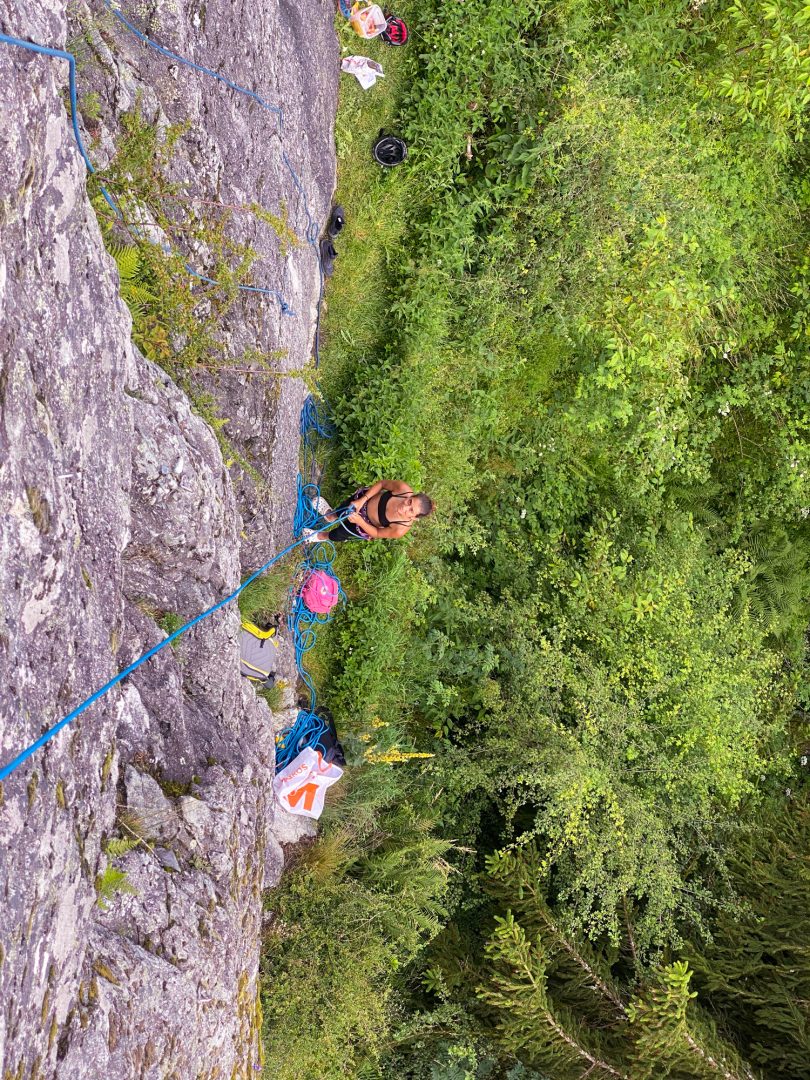
- Climbing: indoor/outdoor instructors with climbing coach certificates and top-rope/belay certifications
- Canoeing and paddle sports: certified paddlesport coaches and on-water rescue training
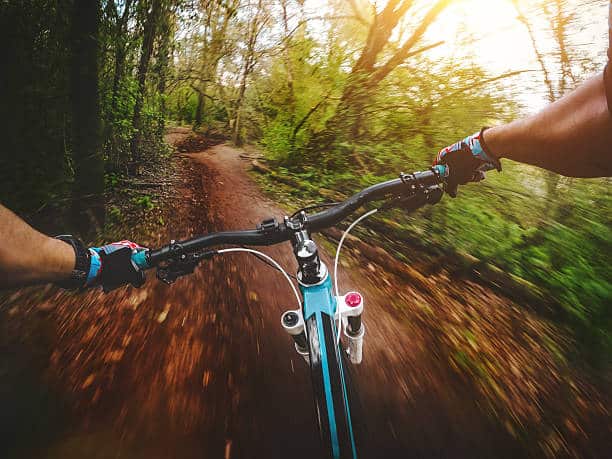
- Mountain biking: skills coaches with group-management and first-aid competence
We also recommend checking whether camps have public liability insurance and a clear emergency plan that references local emergency numbers and nearest hospital.
For help narrowing options by region, costs and language, visit kids camps Switzerland guide and for activity ideas to prepare your child check child-friendly outdoor activities.
Planning Summer Adventures by Age — Activities for Babies, Toddlers, School-Age Kids & Teens
Age-by-age practical plans
We plan days around sleep, energy and weather when travelling with little ones. For babies and infants, keep rhythms predictable: morning walks, a sheltered picnic lunch and naps in a shaded spot. Choose swim spots with a gentle shoreline and stay within arm’s reach for water safety. Use a well‑ventilated carrier and limit continuous time in a carrier; follow recommended carrier weight limits and maximum hike time per day for infants/toddlers. We avoid long exposed ridgelines and hot midday sun when infants are on our backs. In Switzerland we often pick lakeside promenades (Lake Geneva, Lake Zurich or along the Aare in Bern) or short valley trails for day trips.
Toddlers (1–4 yrs) thrive on variety and sensory play. We combine short, gentle hikes with playground stops, splash ponds and petting farms. Aim for single activity blocks of 1–2 hours with quiet time between. Recommended activity durations: 30–90 minutes for hikes, 20–45 minutes at playgrounds, and short picnic rests. Choose stroller-friendly paths such as easy lakeside promenades or forest tracks — see stroller-friendly trails for examples in Flims, Rigi and Lucerne. For uneven mountain paths, use a framed backpack carrier and follow maximum recommended daily elevation gains by age to avoid overloading toddlers.
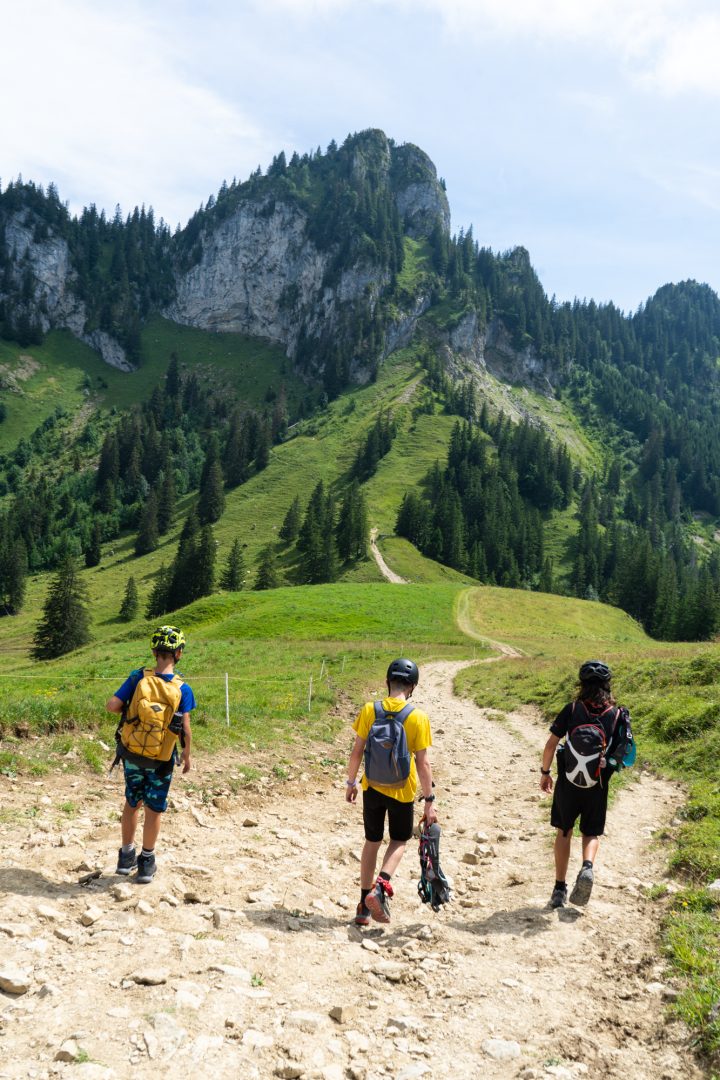
School-age kids (5–12 yrs) can handle longer days and new skills. We introduce family mountain hikes on T1–T2 trails and try easy via ferrata sections with appropriate family gear. Swiss Alpine Club trail grading runs T1 (hiking) to T6 (alpine difficulty); for families with small children we recommend T1–T2, and reserve T3+ for experienced older kids and teens. Popular family routes include Rigi Kulm walks, the easy paths around Grindelwald First and accessible sections of the Bernese Oberland. Lake sports like stand-up paddleboarding and beginner sailing sessions work well as half-day activities. For overnight hut stays we choose family-friendly SAC huts with bunks and simple facilities — see overnight hut stays.
Teens (13–17 yrs) want challenge and independence. We plan multi-day treks, climbing sessions and mountain biking tours that build skills and responsibility. Good teen programs run in regions like Valais (Zermatt area), Engadin and the Jungfrau region. Verify certification requirements for climbing and white‑water activities and book providers who require youth-specific qualifications and safety briefings. For climbing and via ferrata we encourage progressive exposure: single-pitch sport climbs, then multi-pitch routes with guide supervision. For white-water, start with grade I–II descents and ensure guides hold appropriate Swiss or international certifications.
Mixing ages: sample itineraries and quick tips
We use short, clear blocks when mixing age groups. Below are sample activity durations and compromise itineraries to balance energy levels and interests.
- Paddling: 1–3 hrs — morning session for little ones, extended session for older kids.
- Half-day mountain train + playground: 3–4 hrs — ride up (30–60 min), short hike or alpine playground, picnic, return by train.
- Multi-day hut trek for teens: 2–4 days — choose T2–T3 stages and book bunks in advance.
- Toddlers: 30–90 min hikes with frequent rests and a playground or petting farm stop.
- Babies: multiple short outings with nap-friendly locations and shaded rest areas; limit continuous carrier time.
We use these practical tactics on family trips:
- Split the day: one adult does a longer technical activity with older kids while the other leads a gentle nearby option for younger children.
- Rotate leaders: alternate who takes the “adventure” shift so everyone gets time with teens and toddlers.
- Pack modular gear: lightweight carriers, small daypacks, and compact first-aid tailored to each age.
- Book certified providers for higher-risk activities; confirm youth qualifications and group ratios before paying.
Day Trips & Outdoor Activities — Hiking, Lakes, Biking, Adventure Parks & Wildlife
We plan day trips so families can get outdoors without overstretching little legs or packing too much kit. We focus on easy, grade-appropriate hikes, safe water fun, child-friendly cycling and thrilling-but-safe rope courses, plus quiet wildlife experiences that teach respect for nature.
Swiss trail grading runs from T1 (easy, hiking path) to T6 (alpine, technical). For families, we recommend sticking to T1–T2: well-marked paths, stable ground and no exposed scrambling. Choose routes with short distances, steady but modest elevation gain and clear turnaround points. Find more options in our family-friendly trails.
Water play is a summer staple. We look for supervised beaches, gradual entry points and local water-quality updates. Lake swimming and stand-up paddle-boarding are great for confident swimmers; for younger children we prefer buoyancy aids in shallow supervised zones. Rivers offer excitement — guided rafting or family-friendly kayak tours usually set minimum ages and equip everyone with helmets and lifejackets.
We fit cycling to the child’s ability. Quiet paved trails, gravel forest tracks and purpose-built family routes work best. Child seats, trailers and tag-along bikes let younger kids join. E-bikes extend range and can level hills, but local regulations affect who can ride and how fast you should go.
We approach adventure parks, rope courses and via ferrata with caution and planning. Many parks offer junior courses for ages 4–8 and progressively harder lines for older kids. For wildlife we pick low-impact viewing, bring binoculars and follow seasonal timing to maximise sightings while protecting animals.
Practical family-friendly T1–T2 hikes and quick checklists
Below are day-hike examples and short safety checklists to help plan outings.
- Rigi Panoramaweg — gentle ridge walk with panoramic views, ~4–6 km, elevation gain ~200–300 m (round trip). Perfect for stroller-capable sections and snack stops.
- Easy Aletsch viewpoints (Betten–Fiesch area) — short, level paths to glacier viewpoints, ~2–4 km, minimal gain. Choose the lower trails for pre-schoolers.
- Oeschinensee family loop (Kandersteg) — lakeside trail with moderate surfaces, ~3–5 km, elevation gain ~150–200 m. Bring layers; mountain lakes stay cool.
- Lake Zurich promenade & Uetliberg partial routes — flat sections for cycling and scooting, distances adjustable, very child-friendly.
- Flumserberg family trails — cable car access to alpine meadows and short theme trails for kids, 1–3 km options.
- Checklist: sun protection, refillable water, simple first-aid, trail snacks, spare socks and a lightweight rain layer.
- Water-safety checklist: child lifejackets for non-swimmers, shoes for rocky shores, check supervised beach/lifeguard hours and local water quality before entering.
- Rafting/kayak guidelines: guided family trips commonly require ages 8–12 for white-water sections; operators provide helmets, buoyancy aids and wetsuits when needed.
- E-bike considerations: choose trails marked as suitable for pedelecs or mixed traffic, use lower assistance in village zones, and check minimum age requirements for minors on e-bikes in Switzerland before hiring or buying.
We always check lifeguard coverage and drowning statistics for planned beaches and river sections to decide whether to use a supervised swim spot or stick to shallow entry points. Swim season varies by lake and altitude; many popular lowland lakes reach comfortable temperatures from June to September, though higher alpine lakes stay colder and are seasonal.
For biking with children we recommend:
– Use a child seat for toddlers and trailers for toddlers who nap; switch to tag‑along or junior bikes when pedal skills improve. Keep daily distances short and include playground or ice-cream stops.
– For e-bikes, prefer cargo or long‑tail models to carry toddlers safely. Check batteries, do a short test ride on flat terrain and agree on simple hand signals with older kids.
When booking adventure parks pick venues with junior courses and harness systems that don’t require advanced climbing technique. We bring gloves, closed shoes and a spare tee for sweaty kids. For via ferrata choose beginner routes with secure fixed lines and consider hiring a guide for children who are new to exposure.
Wildlife tips we use:
– Marmot activity peaks June–September. Watch quietly from a distance at alpine meadows and explain not to chase or feed animals.
– For bearded vultures and raptor watches pick early morning walls and follow local hide etiquette. Carry binoculars and keep voices low.
– Join guided flora walks at visitor centres to learn safe picking rules and seasonal highlights.
For route planning and up-to-date rules consult regional tourism offices, bring printed fallback maps, and bookmark our lake day trips and biking routes for ready-made itineraries and rental tips.
Accommodation, Transport & Logistics — Where to Stay & How to Get Around with Kids
Choosing family-friendly accommodation
We pick places that make daily life with kids easy and give us a base for adventures. Popular lakeside towns (Montreux, Lake Lucerne, Lake Geneva) and alpine hubs (Interlaken, Grindelwald, Zermatt, Engelberg) often book 3–6 months ahead; camps may fill even earlier.
Look for these practical features when booking:
- Kitchenette or full kitchen — saves money and lets you stick to routines for babies and fussy eaters.
- On-site laundry or washing machine — essential for multi-day hikes or long stays.
- Ground-floor or elevator access and stroller storage — helpful with toddlers and lots of gear.
- Family rooms or interconnecting rooms — simpler bedtime management for small children.
- Playground or safe outdoor space on-site — kids can burn energy without a long commute.
- Flexible check-in/out and luggage drop — useful for late trains or mountain transfer days.
- Baby equipment available (travel cot, highchair) — call ahead to reserve these items.
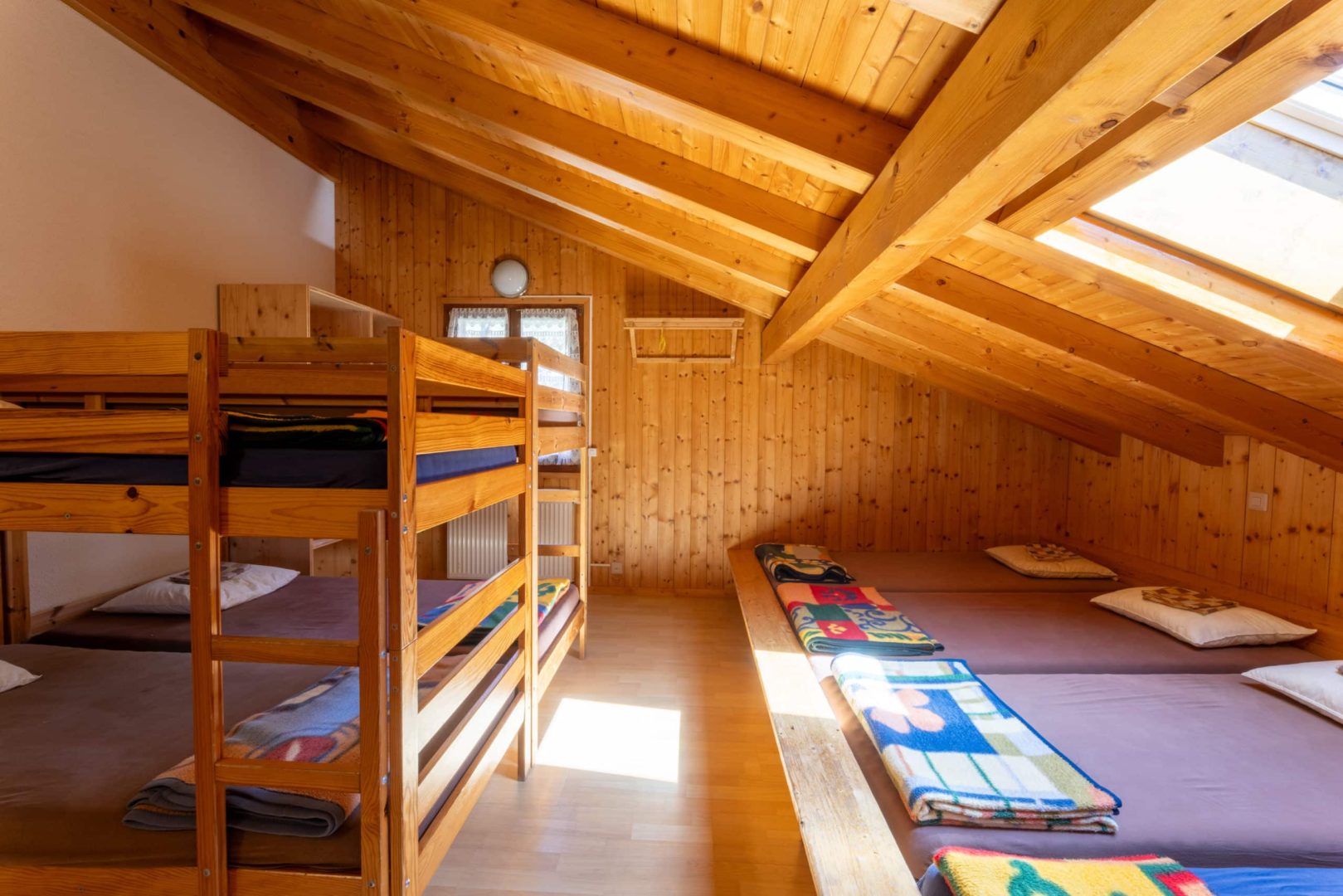
- Mountain huts: book the right hut — some SAC huts offer family rooms or smaller dorms, but facilities are basic and meals are communal; choose valley huts or family-friendly refuges for toddlers.
We always check cancellation policies and whether the property lists accessibility features if we travel with a stroller or wheelchair. For remote cabins and huts, confirm sleeping arrangements and the distance from the nearest road or lift.
Getting around, packing and practical logistics
We plan travel around the SBB network, PostBus connections and mountain lifts. Children under six often travel free on many Swiss public-transport services, which makes short hops simple. Regional ferries on Lake Geneva, Lake Lucerne and Lake Zurich add scenic routes that kids love.
Train and PostBus notes we use:
- Reserve seats on popular intercity routes in summer; take mountain-side regional trains to reach places like Grindelwald, Lauterbrunnen and Zermatt.
- Bikes can be carried on most regional trains and many mountain railways, but rules and costs vary by service and time of day; check SBB and the local operator before you board.
- Exact Youth and family pass rules vary and should be checked for each trip. PostBus reaches high villages and trailheads where trains stop — it’s often the final leg to huts and alpine villages.
Mountain lifts open in summer with most operating roughly from late May to October, though each lift has its own schedule so we always verify dates for the specific cable car or gondola we need. Many lifts offer family discounts or children’s prices — confirm those deals when booking online or at the valley station.
Packing and car logistics we never overlook:
Swiss car seat law requires children under 12 years or shorter than 150 cm to use an approved child restraint system in cars and taxis; please ensure you bring or rent the correct seat for your child’s age, height and weight. For flights into Switzerland or long drives, we bring a compact travel car seat or reserve a hire-car seat from the rental company.
Strollers: compact umbrella strollers are easiest for trains and lifts. We fold them on platforms and use stroller ramps where available. Check carriage rules for bulky pushchairs on regional trains in advance.
Luggage forwarding: when we plan multi-day hikes or switch hotels frequently, we use luggage-forwarding services to simplify transfers — this keeps trail days lightweight. For bike trips, confirm bike carriage or consider bike transport services when lifts are busy.
Accessibility and baby/toddler facilities influence where we stay and play. Many Swiss stations, larger hotels and visitor centres (for example in Lucerne, Zurich and Interlaken) provide changing rooms, bottle-heating facilities and family restrooms. We prioritise flat promenades and parks — the Montreux lakeside, Lucerne’s Reuss-side paths and Interlaken’s Hohematte are all stroller-friendly.
For mountain-hut stays with small children, we choose huts with short approach paths, family rooms and pre-booked meals to avoid late-night logistics; otherwise, we plan valley-based day trips that return before naptime.
Book well ahead during July–August for lakes and alpine resorts, pack a compliant child seat or rental plan, and confirm lift and train bike rules before departure.
Practical Planning & Packing — Checklists, Itineraries & Seasonal Prep
Sample itineraries, packing lists and seasonal planning for Swiss summers
Below are three ready-to-use family itineraries with daily time estimates and travel time placeholders, followed by age-based packing checklists, food and weather planning tips, and a simple booking timeline.
-
Lake-focused: Geneva & Lake Annecy loop (3 days)
- Day 1: Geneva — morning at Lake Geneva promenade, afternoon Musée d’histoire naturelle; easy stroller-friendly routes; 3–4 hours active time.
- Day 2: Drive Geneva → Montreux (via Lausanne) — boat on Lac Léman, Chillon Castle stop; travel time Geneva→Montreux by car or train; 4–6 hours including boat.
- Day 3: Montreux → Annecy (France) — lake beach time and ice creams, return to Geneva; half to full day depending on crossing border lines.
- Age tips: babies — shade and sun hat; toddlers — swim shoes; school-age and teens — water-sports gear.
-
Mountain-focused: Interlaken & Jungfrau region (7 days)
- Day 1: Arrive Interlaken, settle in, easy lakeside walk; 2–3 hours.
- Day 2: Day trip to Grindelwald First — cable car up, short alpine trails; allow 5–7 hours incl. lifts; check lift schedules in advance.
- Day 3: Jungfraujoch or Schynige Platte excursion — full day.
- Day 4: Rest day with short hike around Lake Brienz; 2–4 hours.
- Days 5–7: Choose two half-day hikes suitable for kids (e.g., Faulhorn ridge for older kids), plus local playgrounds and pool time; plan morning starts to avoid storms.
- Age tips: babies — alpine stroller or carrier; toddlers — short flat hikes with frequent breaks; teens — longer summits and via ferrata with guide.
-
Mixed: Valais & Lake Geneva family loop (14 days)
- Days 1–3: Lausanne and Lavaux vineyards (kid-friendly vineyard walks, boats on the lake); 3–5 hours/day.
- Days 4–7: Zermatt base — village, Gornergrat day trip, easy glacier views; reserve mountain railway seats early.
- Days 8–11: Saas-Fee or Aletsch region — glacier playgrounds, easy family trails; mountain restaurants often open midday only, so pack lunch for remote days.
- Days 12–14: Return via Sion and local lakes, fun swim stops; travel times between major hubs in Valais.
- Age tips: babies — altitude awareness and extra feeds; toddlers — bring favourite snacks for longer transfers; school-age & teens — include one ‘challenge’ day like via ferrata with a guide.
Use these quick packing checklists by age — print or download for trips: packing checklist families.
- Universal items: swimwear, sun hat, SPF 50+ sunscreen, insect repellent, layered clothing, lightweight rain jacket, basic first-aid, reusable water bottles, snacks, picnic blanket.
- Babies: travel bassinet or cosycot, extra formula/expressed milk, sterilising wipes, nappies, sunproof stroller cover, portable changing mat.
- Toddlers: favourite snacks, nappies or potty seat, lightweight carrier, splash shoes, simple toys and colouring pack, child-sized life jacket for boating.
- School-age: trail shoes, swim goggles, compact binoculars, headlamp, small daypack, allergy meds if needed.
- Teens: charged power bank, waterproof jacket, quick-dry layers, hiking poles, permit/ID for adventure activities where required.
Food, restaurants and mountain logistics — a few practical notes:
Supermarkets (Migros, Coop, Denner) are widespread and great for breakfasts, picnics and kid-friendly ready meals. Many family-run mountain restaurants have limited hours and are often open only midday (closed evenings), so we pack picnic supplies for remote hikes and check schedules before leaving. Children’s menus are common in towns and tourist hubs; in small villages expect simpler options. For remote alpine cabins, carry extra snacks and a lightweight stove if you plan longer days.
Weather and sun at altitude — plan actively:
We layer clothing: base layer, insulating mid-layer, windproof shell. UV exposure rises with altitude — bring SPF 50+ and broad-spectrum protection; UVA/UVB intensity increases noticeably at higher elevations. Thunderstorms build in the afternoon in many alpine valleys; they can be frequent in summer, so we plan morning hikes and schedule lower-elevation or indoor activities for afternoons. Use the official forecast and local guides for up-to-date thunderstorm timing.
Booking timeline & quick checklist:
- Book camps and popular family accommodation 3–9 months in advance (peak July/August). Mountain huts, speciality adventure camps and international English camps may require booking 6–12 months early.
- Reserve seasonal lifts, mountain rail seats and lake ferry tickets ahead when possible; check seasonal timetables before travel.
- Pack permits or activity waivers for guided adventures; arrange childcare or camp spots early for bilingual or English-speaking programs.
Safety & Health Considerations — Mountain, Water & Sun Safety for Families
Mountain safety, trails and emergencies
We pick routes in Switzerland that match our family’s fitness and experience. Swiss trails use the T1–T6 system; we use it to choose safe, age-appropriate hikes and to plan realistic daily progress.
Quick guide to match trails and family ability, plus practical limits we follow:
- T1 (hiking): easy, stroller-possible on many valley walks — great for toddlers and prams.
- T2 (mountain hiking): clear single-track, some roots/rocks — suitable for confident 5+ children with breaks.
- T3 (demanding): steeper sections, sure-footedness needed — avoid for under-10s unless short sections.
- T4–T6 (alpine): exposed, requires rope/experience — attempt only with trained guides and teens with prior alpine skills.
- Recommended maximum daily elevation gains: young children (under 8) 300–500 m/day, older children 500–800 m/day, teenagers up to ~1,000 m/day.
- Plan for extra time and more breaks on T2–T3; always plan a turn-back time and an easier escape route to the valley or cable car.
We watch for early signs of altitude sickness and manage ascents conservatively. Acute mountain sickness can start above about 2,000–2,500 m; we therefore plan gradual climbs, overnight below higher elevations when possible, and prioritise hydration and rest.
If someone is injured, lost, or becomes seriously unwell we follow a simple emergency flow: stop, secure the scene, treat obvious injuries, call for help with exact location, and send one calm person to get assistance if safe. Emergency numbers are 144 (medical), 112 (EU emergency), and 117 (police). We carry a charged phone, offline map, and a portable power bank.
Mountain rescue and evacuation can be complex and costly. We always check that our travel insurance covers helicopter rescue and cross-border evacuations, and we keep our policy details and emergency contact card in each pack.
Water, sun, insect risks and healthcare access
We take simple measures to reduce risks around lakes, sun and bugs throughout Switzerland.
At major lakes such as Lake Geneva, Lake Zurich and Lake Lucerne many popular beaches have seasonal lifeguards, but coverage varies by site and municipality — we always check local signage and only swim in supervised areas when possible. For non-swimmers and younger kids, we insist on lifejackets approved for Europe and close adult supervision.
Sun protection needs special attention in the Alps. UV intensity increases roughly 10% per 1,000 m of altitude, so we use SPF 50+ sunscreen, broad-brim hats, and long-sleeve UV shirts for kids on high trails or glaciers. Plan hikes earlier or later in the day to avoid peak UV and heat.
Ticks thrive in lowland meadows, forests and the Jura foothills. We use long trousers, tuck socks into boots, apply insect repellent on exposed skin, and check children at the end of each day; remove ticks promptly with a proper tick tool. Follow local advice for region-specific prevention.
Mosquitoes are a seasonal nuisance by still waters and marshy spots; we bring DEET or picaridin-based repellents suitable for children and use mesh covers for strollers and sleeping areas.
Healthcare access varies sharply between cities and remote valleys. Pharmacies and paediatric services are abundant in Zurich, Geneva and Lausanne; rural chalets and small villages may only have a GP or emergency station. We note locations of major paediatric emergency centres ahead of travel and carry insurance and prescription information.
Swiss residents must have mandatory health insurance; visitors should buy comprehensive travel insurance that explicitly covers mountain rescue, helicopter evacuation, and repatriation. We also check consent and liability rules for minors: some providers require written parental consent for certain activities or medical treatments, and some high-risk activities need permits or guide qualifications — confirm these before booking.
Multi-Lingual & Cultural Considerations — Navigating German, French & Italian Regions with Kids
Language map, camps and essential phrases
We know Switzerland’s linguistic map matters for planning: roughly 65% German-speaking, 23% French-speaking and 8% Italian-speaking, so we tailor choices by canton and activity. Canton Zurich, Bern, Aargau and most of central Switzerland run German; Vaud, Geneva, Neuchâtel and Jura are French; Ticino and parts of Graubünden use Italian. Signage is usually in the region’s standard language (Hochdeutsch in German areas), while locals often speak dialects, so plain standard phrases work best.
Before listing quick phrases, we suggest carrying a small printed card with emergency wording and dietary notes in the local language and keeping offline translation apps ready.
- My child is lost
- German: Mein Kind ist verloren.
- French: Mon enfant est perdu.
- Italian: Mio figlio è perso.
- Where is the toilet?
- German: Wo ist die Toilette?
- French: Où sont les toilettes?
- Italian: Dov’è il bagno?
- Allergies — nuts, eggs
- German (label): Allergien: Nüsse, Eier.
- French (label): Allergies: noix (fruits à coque), œufs.
- Italian (label): Allergie: frutta a guscio, uova.
- Call an ambulance
- German: Rufen Sie einen Krankenwagen!
- French: Appelez une ambulance!
- Italian: Chiamate un’ambulanza!
We verify these simple phrases for everyday use; still, we recommend locals or camp staff confirm pronunciation if tense situations arise. Remember Swiss emergency numbers: 144 (ambulance), 117 (police) and 118 (fire); 112 also works across Europe.
When choosing camps, consider the language policy up front. Ask:
- What language(s) are used for daily instructions and for safety briefings?
- Are there bilingual counsellors or English-speaking staff for ages under 8?
- Does the camp offer immersion blocks (half-day or residential) and recommended ages?
Swiss regions with strong immersion offerings: Zurich/Bern (German), Vaud/Geneva (French) and Ticino (Italian). For bilingual camp listings see best summer camp in Switzerland.
We always advise packing a laminated allergy card in the local language, photographing the child for quick ID, and leaving a written consent for medical care with camp staff. Book camps early—slots in popular bilingual programmes fill fast, especially for ages 6–12.
For festivals, dining and museums contact organisers ahead about language support; many family programmes list whether sessions run in French, German, Italian or English—see family programmes and tips for parents for region-specific tips.
FAQ — Parents’ Most Asked Questions About Summer in Switzerland
Below are quick answers we give parents most often when planning summer with kids in Switzerland.
Fast practical answers — logistics, age-specific tips, safety, booking & health
Read the short Q&A bullets for urgent planning; follow links for full guides.
- When are Swiss summer school holidays? Most cantons schedule 4–6 weeks of summer break between late June and mid-August, but exact weeks vary by canton. We always check each canton’s calendar before booking.
- Are there English-speaking summer camps in Switzerland? Yes. We find bilingual and English-only camps around Geneva, Zurich, Vaud (near Lausanne) and the Bernese Oberland. Typical ages are 5–17; day camps often start at 3–4 years. Browse regional listings at English-speaking camps Switzerland.
- What is the best month for lake swimming with children? July–August give the warmest surface temperatures across Lago Maggiore, Lake Geneva and Lake Zurich. We still check the specific lake’s weekly temps before planning long swims — see best time to visit Swiss lakes.
- Are mountain hikes safe for toddlers? They can be. We stick to T1–T2 trails (well‑maintained paths, short exposure) and keep stages to 1–2 hours for preschoolers. Bring frequent rests, a child carrier for steeper bits, and extra layers for sudden weather changes.
- Do children travel free on Swiss public transport? Children under 6 usually travel free with a paying adult. Older kids often need child fares or a family card linked to certain passes. We check SBB rules and local transport sites for exact age cutoffs before travel — see Swiss public transport with kids.
- What vaccinations or health measures should travellers consider? Ensure routine childhood vaccines are current. For long hikes in tick country, consider tick‑borne encephalitis (TBE) vaccination if you’ll be in endemic zones. Always check Swiss health guidance and carry a basic first‑aid kit.
- How far in advance should I book camps and family accommodation? Popular July weeks often fill 3–6 months ahead. Mountain huts, speciality adventure camps and international English camps can require booking 6–12 months early. We recommend booking sooner if you need weekend dates or multi-family accommodation.
- What to do in case of a mountain emergency? Call 144 (ambulance/mountain rescue) or REGA at 1414 for air rescue; give exact location (Alpine pass, GPS coordinates, nearest hut). Teach older kids to stay put, wrap up warm, and use a whistle (three blasts = distress).
- Can my child use an e-bike or electric scooter? Low‑power e‑bikes (assist to 25 km/h) are treated like regular bicycles and are fine for responsible teenagers. Faster S‑Pedelecs require registration, a number plate and a moped license. Rules for electric scooters vary locally; check municipality rules and always require helmets for minors.
- How do I manage food allergies on hikes and at camps? Prepare allergy cards in German/French/Italian and English, pack an emergency kit (auto‑injector if prescribed), and inform camp staff in writing before arrival. Confirm meal plans and label snacks clearly.
- Are mountain huts suitable for families with small children? Some huts welcome families; others have steep access or dormitory sleeping. Pick lower‑altitude huts with private rooms or reserve nearby family‑friendly inns when travelling with toddlers.
- What car seat rules apply in Switzerland? Children under 12 years or shorter than 150 cm must use an appropriate child restraint (booster or car seat). Bring a travel‑certified seat and check installation before long drives.
- Can I bring a pet to camps or huts? Most children’s camps don’t allow pets; a few family-run huts permit dogs (often on leash). Arrange pet sitters or kennels well in advance if a provider bans animals.
- How do I read Swiss trail grading? Trails marked T1–T6 indicate technical difficulty: families should stick to T1 (easy paths) and T2 (mountain paths) for young children. Maps and signage show the grading on official hiking maps.
- Do camps provide medical care or administer medication? Many camps have first‑aid‑trained staff and a nurse for larger programs, but they don’t act as doctors. Fill consent and medication forms, label doses clearly and leave detailed care instructions when registering.
Conclusion & Next Steps
Ready to plan your family summer? Use this guide to prioritise safety, choose age-appropriate activities and book early for peak weeks. Start by checking your canton’s school holiday dates, reserving camp spots and confirming lift/ferry timetables. Keep a lightweight, practical packing list and verify travel insurance covers mountain rescue and medical evacuation.
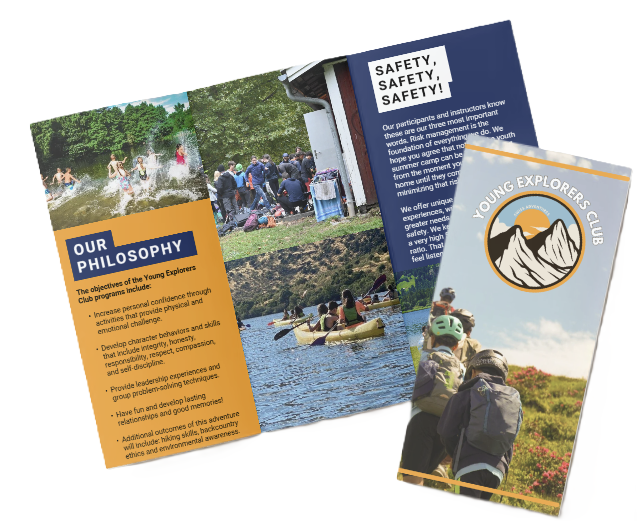
If you’d like personalised help, explore our detailed regional guides and camp listings for English-speaking options and family itineraries at Young Explorers Club. Book early, plan for flexibility, and enjoy a summer filled with safe adventures and lasting family memories.
Call to action: Visit our guides to compare camps, download packing checklists and view recommended family itineraries: https://youngexplorersclub.ch/. Ready to start? Book camps and accommodation now to secure your preferred July–August dates.