
Best Time To Visit Switzerland With Kids
Switzerland family guide: June–Sept for lakes & hiking; Dec–Mar for reliable skiing. Book peak weeks early or pick shoulder months to save.
Overview
Seasons at a glance
June–September gives the best family-friendly weather for hiking, warm lakes and long daylight.
December–March brings reliable snow and the strongest skiing options, plus ski schools and snow play.
Crowds, prices and booking
Peak crowds and higher prices hit mid‑July–August and around Christmas–New Year. Don’t wait to book popular family rooms, trains and mountain activities months ahead, or pick shoulder seasons for lower costs.
Planning tips
We, at the Young Explorers Club, recommend planning itineraries by altitude and child age to manage acclimatization and packing.
Key Takeaways
- Best family months: June–September for warm days, lake swimming and easy alpine railways.
- Best snow months: December–March for reliable skiing, sledging and family ski schools.
- Peak crowds/prices: mid‑July–August and Dec 24–Jan 2 — book 2–6 months for summer and 3–9 months for high-demand ski weeks.
- Shoulder seasons (Apr–May, Oct–Nov): quieter, cheaper, ideal for museums, chocolate factories and lowland sightseeing.
- Altitude and kids: acclimatize above ~2,500 m, bring layers, sun protection and a child carrier; match activities to age groups.
Quick answer
We, at the young explorers club, recommend June–September for the most family-friendly weather and activities. For reliable snow and skiing, choose December–March. Best months: June, July, August, December, January, February, March. Peak season hits mid-July–August and Christmas–New Year. Shoulder season months are April–May and October–November. See our family trip guide for planning tips.
Season quick-comparison
Below are short, practical metrics to help you pick dates quickly.
-
Summer (June–September): best for hiking, lakes and long daylight. Weather predictability: good. Daylight: about 16–17 hours around mid-June. Crowd level: high in mid-July–August. Family activities: lake swimming, easy alpine railways and playgrounds. If you want warm water and long days, favour July; if you want fewer people, pick June or September.
-
Winter (December–March): best for skiing and snow play. Weather: cold with reliable snow at most resorts. Daylight: about 8 hours around mid-December. Crowd level: high at Christmas–New Year and during February sportferien. Family activities: ski schools for kids, sledging and indoor thermal baths.
-
Shoulder seasons (April–May, October–November): quieter and cheaper but weather is variable. Best for museums, chocolate factories and lowland sightseeing. Crowd level: low. If you prefer lower prices and flexible plans, these months work well.

Weather & climate by region and season (practical numbers and altitude effects)
We, at the Young Explorers Club, break Swiss weather into three practical zones: lowland cities, alpine resorts, and high alpine peaks. Each zone behaves differently by season and altitude, so planning choices change fast as you gain height.
Lowland cities (Zurich, Geneva, Lucerne)
Lowland daytime highs run roughly Jan ~0–4 °C and Jul ~22–25 °C. Zurich, for example, averages about Jan ~1 °C and Jul ~24 °C. Summers bring long, warm days and a higher chance of afternoon thunderstorms between June and August. I recommend scheduling outdoor family activities in the morning and keeping a lightweight rain jacket handy for sudden storms.
Alpine resorts (Zermatt, Interlaken, Jungfrau region)
Resort elevations temper summer heat: expect daytime highs around ~15–20 °C. Nights are noticeably colder. Winter at resort elevations is reliably snowy, and winter lows often sit well below freezing. You’ll see large daily swings as sun, shade and altitude change through the day. Pack layers and plan high-mountain hikes for the early day when conditions are most stable.
High alpine peaks
Peaks stay cold year-round and weather can flip quickly. Air is thinner and UV far stronger, so sunscreen and hydration are non-negotiable. Use the altitude rule of thumb: temperature drops about 6.5 °C per 1,000 m. For example, climbing from a 400 m town to a 2,400 m pass typically cuts the temperature by roughly 13 °C. That difference changes clothing, pace and safety planning for kids.
Daylight and precipitation
Daylight swings widely: roughly ~8 hours around mid-December to ~16–17 hours around mid-June. Summers bring more afternoon storms in the lowlands and foothills (June–August), so I plan the day’s main outdoor activities for the morning and leave afternoons flexible. Snow and stable cold dominate winter at higher elevations, so winter sports windows are reliable but dress warm for long evenings.
Quick climate snapshots
- Zurich/Geneva (lowland): Jan avg high ~1 °C, Jul avg high ~24 °C — warm long days, higher thunderstorm risk in afternoons (Jun–Aug).
- Interlaken/Zermatt (alpine resorts): summer highs ~15–20 °C; much colder nights; winter reliably snowy at resort elevations.
- High alpine peaks: significantly colder year-round; very large altitude-related weather swings; thin air and stronger UV.
I recommend checking MeteoSwiss for precise charts and short-term forecasts before finalizing trip plans. For tips on clothing and gear, see our what to pack guide — layers, sun protection and waterproofs will cover most Swiss-weather surprises.

Crowds, prices and booking guidance (seasonality, how far ahead to book, expected savings)
We watch two clear demand spikes each year: mid-July–August (European school holidays) and the main ski season in late December–February. Christmas and New Year see especially high demand around Dec 24–Jan 2, when resorts and family hotels fill fast and special-event pricing kicks in. Expect busy trains, crowded cable cars and longer waits at popular attractions during these windows.
Accommodation and transport prices rise with those crowds. Peak dates typically push room and lift prices above summer shoulder months and autumn. Typical price variation: peak vs shoulder season price differences often in the 20–40% range (estimate for planning). Use that estimate to set realistic budgets for families. For exact historical numbers, verify with the Swiss Federal Statistical Office or current booking-platform data before locking in plans.
When deciding how far ahead to book, consider destination popularity and flexibility. Popular alpine towns and ski resorts require more lead time than lakeside or lesser-known valleys. If you plan a family trip in Switzerland, assume earlier bookings for rooms that accept children and for required equipment.
Booking timeline and quick tips
- Peak booking windows: reserve 2–6 months ahead for summer; 3–9 months ahead for popular ski resorts at Christmas.
- Summer specifics: reserve 2–6 months ahead for popular destinations like Interlaken, Zermatt and lakeside resorts to secure family rooms and activities.
- Ski-season specifics: reserve 3–9 months ahead for popular ski resorts and Christmas weeks; top weeks around Dec 24–Jan 2 often need the longest lead time.
- Book family rooms, ski equipment and key trains/cable cars well in advance for peak periods — children’s gear and stroller-friendly cabins sell out quickly.
- Consider shoulder-season stays (late spring, mid-September–October) to capture lower prices and fewer crowds; you’ll often get better room choices and easier train reservations.
Practical advice that saves time and money: lock the dates first, then bundle lodging and major transport where you can. Many hotels offer family packages that include lift passes or equipment discounts; those sell out early in peak weeks. Reserve refundable or low-penalty options if your dates might shift.
I recommend simple comparison checks before booking: compare a family hotel in Interlaken for an August week versus an October week to see actual savings, then validate those numbers with the Swiss Federal Statistical Office or current platform rates. Factor in extras such as ski-storage fees, child equipment rental, and peak-season train supplements — they add up fast.
We schedule key reservations in this order for peak travel:
- Lodging that takes families and includes breakfast or kitchenette options;
- Major intercity or scenic train seats and any saver fares;
- Lift tickets, cable-car windows and equipment rentals;
- Special activities with limited capacity (guided hikes, rope courses, summer camps).
If dates are fixed, accept slightly higher prices and book far ahead. If you can shift by a few weeks, plan for shoulder-season travel to cut costs and avoid crowds without sacrificing scenery or child-friendly experiences.

Family-friendly activities by season and age group (with key mountain altitudes)
Summer (June–September)
Gentle alpine railways and cable cars are ideal for families: they deliver big views with minimal effort. Ride options include Pilatus (2,132 m), Rigi (1,798 m) and the Gornergrat Railway terminus (3,089 m). Those stops are perfect for short walks, picnic spots and playgrounds that kids can handle without long climbs.
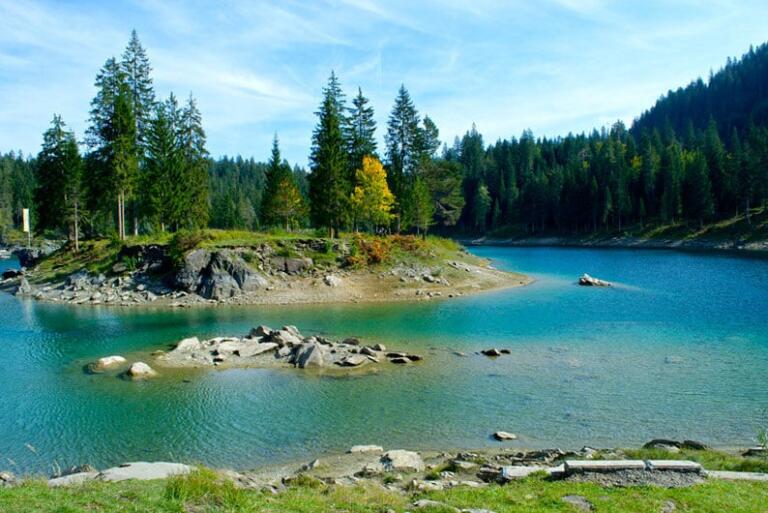
Lake swimming is a staple: Lake Geneva, Lake Zurich and Lake Lucerne warm up nicely and have supervised beaches or lidos. Plan for shade, swim vests for younger kids and quick towel changes. I suggest booking scenic rides in advance on busy weekends and aiming for mid-morning departures to avoid crowds.
Winter (December–March)
Focus on gentle slopes and play areas for first-time snow users. Beginner ski areas and family ski schools run group lessons for ages 3–4 up; many resorts offer sledging runs and snow tubing parks for a fun break from skis. For warm downtime try indoor pools and thermal baths — Leukerbad is an excellent option for relaxed family bathing.
High-altitude attractions are accessible by train or cable car: Jungfraujoch “Top of Europe” (3,454 m) and Matterhorn Glacier Paradise (3,883 m) give dramatic snow and ice experiences without technical mountaineering. Dress in layers, expect cooler temperatures at altitude and allow time to acclimatize if you plan a high stop on the same day as arrival.
Shoulder seasons (April–May and October–November)
When weather is variable, I recommend city and indoor options. Museums such as the Swiss Museum of Transport appeal to all ages, while Zurich Zoo, indoor science centers and chocolate factories keep kids busy regardless of rain. These months are ideal for relaxed sightseeing and shorter queues. Carry a small umbrella and comfortable shoes for stroller routes in town.
Age-group suitability and practical notes
- Toddlers: pick short, stroller-friendly city walks and lakeside play areas. Many mountain trails are not suitable for strollers — bring a child carrier for alpine walks. Choose attractions with sheltered toilets and changing facilities.
- Age 5–10: aim for easy family hikes, beginner slopes and ski school, plus railways and cable cars to mid-altitude viewpoints. These kids handle visit durations of two to four hours; Gornergrat (3,089 m) and Pilatus (2,132 m) work well with brief on-site walks.
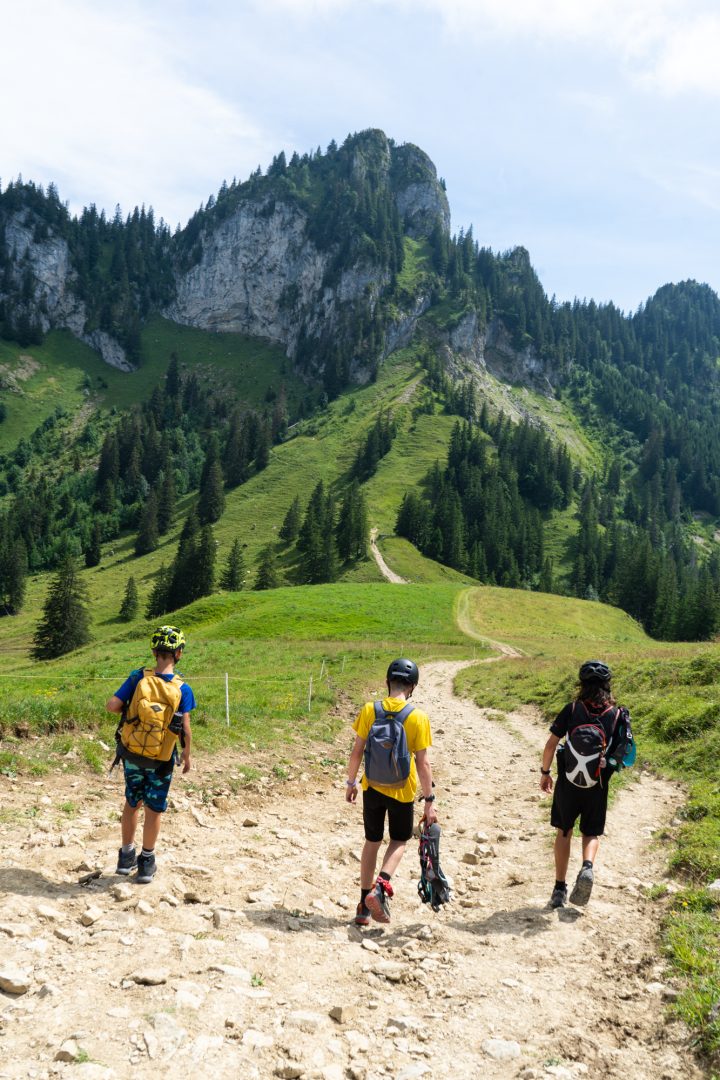
- Teens: give them longer hikes, mountain biking and full-day alpine excursions. High-altitude viewpoints such as Jungfraujoch (3,454 m) and Matterhorn Glacier Paradise (3,883 m) suit older kids who cope with altitude and long days.
Practical tips I use when planning family days
- Book ski school and mountain railway seats early for holiday periods.
- Monitor altitudes on the itinerary; factor in extra rest for high stops.
- Keep food and water handy; children tire faster at altitude.
- Pack a lightweight child carrier for any trail above lake level.
- Check opening times for summer mountain rides — some close for maintenance in early season.
Attraction quick reference
- Jungfraujoch — 3,454 m; stroller access: no (train to station, limited flat paths); recommended minimum age: 6+ (altitude effects); typical visit time: 3–5 hours.
- Matterhorn Glacier Paradise — 3,883 m; stroller access: no (glacier areas and lifts); recommended minimum age: 8+; typical visit time: 2–4 hours.
- Gornergrat — 3,089 m; stroller access: limited (station areas flat; trails uneven); recommended minimum age: 5+; typical visit time: 2–4 hours.
- Pilatus — 2,132 m; stroller access: good at summit platforms and restaurants; recommended minimum age: 4+; typical visit time: 2–3 hours.
- Rigi — 1,798 m; stroller access: good on summit promenades; recommended minimum age: all ages (easy access); typical visit time: 1–3 hours.
For help planning routes and packing lists, consult our family trip in Switzerland page.

Transport, passes, safety and altitude health (practical rules and emergency info)
At the young explorers club, we plan family travel around simple rules that keep kids safe and logistics smooth. Swiss public transport is highly reliable, so I base most itineraries on trains and cableways rather than long car drives. Trains report punctuality figures often above 90% (Swiss Federal Railways / SBB statistics), so connections usually work as advertised.
Passes and discounts
I always check passes before booking. Swiss Travel Pass + Swiss Family Card = free travel for children under 16 with a pass holder. Regional passes and discount cards also exist for many mountain railways and can cut ticket costs for cable cars and local buses. Buy passes in advance if you expect multiple train or mountain trips; children’s travel rules are strict but generous, so carry the Swiss Family Card document with you.
Car travel and child-safety rules
Cars are useful for remote spots, but child safety laws matter. Children under 12 or shorter than 150 cm must use an appropriate child restraint — check the latest legal specifics before travel. I recommend you bring your own car seats when possible, or pre-book rental seats from reputable companies. Stations and towns are mostly stroller-friendly, but some alpine stations have limited lift access. Confirm station accessibility and platform transfer routes before you arrive.
Altitude health and practical precautions
Altitude risk rises above approximately 2,500 m. Above that threshold, moderate altitude sickness becomes possible. Watch for these symptoms:
- Headache, nausea, dizziness
- Fatigue or unusual tiredness
- Kids showing decreased activity or poor appetite
I follow a few simple rules:
- Acclimatize for 1–2 days before very high excursions. Take it easy on the first day at altitude.
- Keep children well hydrated and fed with familiar snacks.
- Avoid heavy exertion immediately after ascent. Plan short walks first and save longer hikes for when everyone feels fine.
- If symptoms appear, descend to lower elevation and rest. Consult a doctor if symptoms worsen or breathing gets difficult.
Emergency and medical logistics
Pharmacies (Apotheke / Pharmacie) are common, though many close Sundays; larger towns usually offer 24-hour services. I pack a small medical kit with pediatric-appropriate items and prescriptions.
- Small medical kit: pediatric pain/fever relief, rehydration salts, plasters, any personal prescriptions
- Locate the nearest Apotheke / Pharmacie and check opening hours before you set off
- Keep travel insurance cards and pediatric medical info in your phone and a paper copy
Quick emergency numbers and checks
- Emergency ambulance: 144
- Police: 117
- Fire brigade: 118
- EU emergency: 112 (also works)
- Locate nearest Apotheke / Pharmacie and its opening hours before you set off
- Keep travel insurance cards and pediatric medical info in your phone and a paper copy
Practical tips I always use
- Download local timetables and ticket apps for offline access. Trains and many cableways update real-time status.
- Reserve mountain-cableway seats on busy days or school holidays.
- Carry a compact, light-weight car seat cover or travel booster if you’ll rent seats locally.
- For route inspiration and family-friendly alpine planning, check our family trip for ideas.
I keep plans flexible. Kids’ pace decides the day. Small precautions save big headaches, and Switzerland rewards relaxed schedules with safe, reliable travel and unforgettable views.

Packing, budgeting and practical family tips (checklists, costs and daily planning figures)
We pack by layers: a moisture-wicking base, an insulating mid-layer, and a waterproof outer shell. I always remind families that sun is stronger at height. UV protection: SPF 30–50 recommended at altitude. Bring a compact sun hat and sunglasses for every child. For a full packing run-down see our packing guide.
We sort transport gear by activity. Stroller vs carrier: bring a carrier for alpine hikes; ‘Kinderwagen-friendly’ routes exist but are limited. We recommend a sturdy stroller with larger wheels for cobbles and train platforms, plus a comfortable child carrier for summit walks. Reserve or check route descriptions before you go; some valley trails work well with a pram, most mountain trails do not.
We keep documents and money simple. Currency: Swiss franc (CHF). Carry some cash and a contactless card that works abroad. European residents should bring EHIC/GHIC or full travel health insurance details and store digital copies. We also store photocopies of passports and emergency contacts separately from originals.
Daypack checklist for kids
Use this checklist each day before you leave the accommodation — quick checks save long detours later:
- Spare clothes per child (including socks and a light rain jacket).
- Snacks and portioned treats to avoid meltdowns.
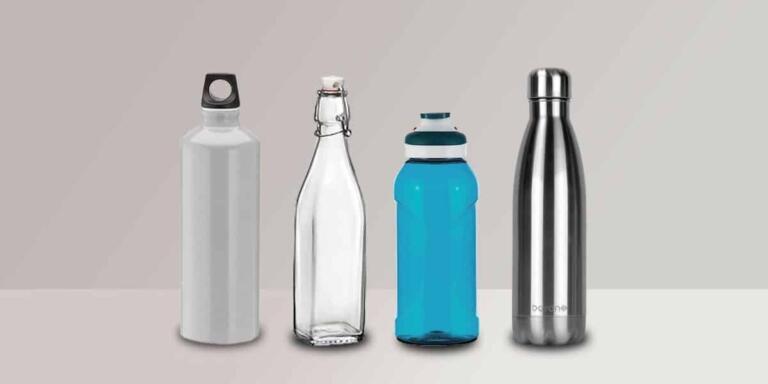
- Water bottles (refillable) and a small thermos for hot drinks.
- Kid-specific medications, plus paracetamol/ibuprofen in child doses.
- Small first-aid items: plasters, antiseptic wipes, blister pads.
- Sunscreen and sun hats — reapply midday on sunny hikes.
- Lightweight map or downloaded offline route and a portable phone charger.
Budgeting & sample daily costs
We plan for higher prices than many European neighbours. Example mid-range planning figures for a family of four (approx.):
- Hotel (mid-range family room): CHF 150–350/night.
- Restaurant family meal: CHF 60–150+.
- Grocery basics (one week): CHF 80–200 (approx.).
- Plan a buffer: expect transport and attractions to add to daily totals; add 10–20% above your base estimate.
We also use concrete savings tactics:
- Opt for self-catering several nights to reduce restaurant costs.
- Buy picnic items from supermarkets for day trips.
- Check family discounts at museums and cable cars.
- Consider a Switzerland Travel Pass to save on trains and many ferries for multi-day travel.
- Visit in shoulder months for lower rates and quieter trails — our family activities guide highlights options that suit off-peak dates.
Reserve key tickets ahead (trains, popular cable cars, camp sessions). Pack an adapter, small medicines, and hospitality confirmations. Those steps make daily planning smooth and keep the trip fun for everyone.

Sources
MeteoSwiss — Swiss climate in figures
Swiss Federal Statistical Office — Tourism statistics
Switzerland Tourism (MySwitzerland) — Family holidays in Switzerland
Swiss Travel System / SwissPass — Swiss Family Card
Jungfraujoch — Jungfraujoch – Top of Europe
Matterhorn Glacier Paradise — Matterhorn Glacier Paradise
Gornergrat Railway — Gornergrat Railway (Gornergrat Bahn)
Swiss Federal Office of Public Health (BAG) — Health information and guidance
BFU (Swiss Council for Accident Prevention) — Child restraint systems / Kindersitze
ch.ch — School holidays (School holidays by canton)