Creating Lasting Memories At Swiss Summer Camps
Swiss summer camps in the Alps: language-immersion combining German/French/Italian conversation, outdoor skills and certified safety.
Overview
We run Swiss summer camps that use the Alps, compact transport links and multilingual regions to create immersive, skill-building experiences. Programs pair outdoor education with conversational practice in German, French and Italian. They use altitude-aware pacing, progressive skill blocks and certified supervision across day, residential and specialty formats. Campers gain confidence, memorable adventures and measurable language or outdoor-skills progress.
Key Takeaways
- Leverage Switzerland’s alpine landscapes and efficient transport to build language-immersion outdoor programs. Conversation happens during activities.
- Design itineraries with altitude-aware pacing and acclimatisation days. Publish max-altitude limits and schedule transfer windows clearly to protect health and cut fatigue.
- Offer diverse formats: day, residential, family, language, adventure and STEM/arts. Sessions usually run 1–4 weeks. Group campers by developmental stage, roughly ages 6–17.
- Deliver progressive skill blocks: teach, practice, then guided challenge. Combine hiking, climbing, biking and water sports. Add community evenings to cement memories and boost confidence.
- Prioritise transparency and preparedness. Publish staff certifications and ratios. Collect medical forms and require insurance that covers mountain rescue. Provide clear packing lists and report measurable safety and sustainability metrics.
Program Design
Altitude-aware pacing
Plan for acclimatisation days, limit daily ascent, and communicate max-altitude limits to families. Clear transfer windows and staged itineraries reduce fatigue and medical risk.
Progressive skill blocks
Structure learning in three phases: teach, practice, then guided challenge. Sequence activities so campers build technical competence while practicing target languages naturally during tasks.
Safety & preparedness
Publish staff certifications and ratios, collect up-to-date medical forms, and require participant insurance that explicitly covers mountain rescue. Provide detailed packing lists and measure program-level safety and sustainability outcomes.
https://youtu.be/seKxX3KbGYw
Why Swiss Summer Camps? Alps, Languages and Safety
We choose Switzerland because its mix of high mountains, compact transport and cultural variety magnifies every youth camp. We run language-immersion programs that pair outdoor education with conversational practice, taking advantage of the country’s 4 official languages so kids hear and use German, French or Italian during activities and excursions. For a clear view of daily life at camp, see what kids should expect and plan with that rhythm in mind.
We plan routes knowing the terrain shapes everything. The Alps cover approximately 60% of Switzerland and the country’s mean elevation is ~1,350 m, so we factor altitude, trail grade and transfer times into every itinerary. We adjust group size, pace and rest stops to match the extra energy children use on uphill sections and to reduce fatigue during longer transfers to alpine valleys.
We put seasonality at the core of scheduling. The main camp months: June–August, and we concentrate our highest-elevation outings in July when alpine passes clear. We brief parents that average July temperatures on the Swiss Plateau are about 18–24°C while mountain valleys and alpine zones run noticeably cooler, so we encourage layered clothing, sun protection and waterproofs for sudden mountain weather.
We treat safety as non-negotiable. We consult the Global Peace Index (Institute for Economics & Peace) when framing national risk context and we use local emergency services and mountain rescue standards for operational checks. We also factor population density—Switzerland’s population ~8.7 million (2023)—into transfer planning so remote days still link to solid infrastructure and medical backup.
We design language-immersion with practical goals: kids acquire phrases through games, meal-time conversation and local cultural stops rather than isolated classroom drills. We pair that approach with outdoor education methods that promote confidence on trails, map-reading, environmental awareness and simple leadership tasks.
Practical checklist for parents and planners
Below are concrete items we always cover before departure:
- Clothing: we require layered garments, light insulating mid-layers and a reliable waterproof—mountain temperatures shift fast.
- Fitness and pacing: we assess activity intensity so we can scale hikes and via ferrata routes for different ages.
- Altitude awareness: we teach basic signs of altitude effects and include acclimatisation days in higher camps.
- Transport and timing: we build longer transfer windows into itineraries because alpine approaches often take more time than flat routes.
- Documentation and health: we collect emergency contacts, local GP info and allergy plans, and we confirm quick access to regional healthcare.
- Camp goals: we set realistic language targets and outdoor-skills milestones so families see measurable progress.
We position every program to be family-friendly while still offering genuine adventure. We balance challenge with safety, and we communicate clear expectations on gear, daily rhythm and language focus so parents can support campers before arrival. We train staff in both multilingual supervision and alpine-first aid so language immersion and mountain activities run smoothly and confidently.
Camp Types, Ages and Typical Program Lengths
Core formats we offer and who they suit
- Day camps: Local, high-energy programs for families who want daily pick-up and drop-off. Great for city kids and visitors seeking short stays and focused skills.
- Residential (overnight) camps: Classic multi-night stays with communal living, evening programs and progressive skill paths—ideal as a first true independence step; think residential camp Switzerland experiences.
- Family camps: Weekend or week-long mixed-age stays where parents join activities and kids try new skills alongside adults.
- Language-immersion camps: Classroom work combined with cultural excursions and conversation sessions for rapid progress; perfect for language camp Geneva/Lausanne placements.
- Adventure & alpine sports camps: Focused on hiking, climbing, canyoning and ropework, often staged near mountain hubs.
- STEM/outdoor education camps: Project-based learning that blends field science, navigation and maker challenges.
- Arts & equestrian camps: Creative tracks and horse programs that emphasize craft, routine and animal care.
We sell most sessions in clear blocks, so parents can plan easily. Typical camp durations are 1–4 weeks, and most programs are sold in 1-, 2- and 4-week blocks. I recommend parents ask each option for week-by-week sample itineraries so they can compare outcomes and daily rhythm—sample itineraries reveal how skills build, how meals and rest are scheduled, and how free time is balanced with instruction.
We design age grouping around development rather than just birthdays. Typical age ranges: 7–17 cover the bulk of our programs. Specialized junior tracks can start at ages 5–7, and teen leadership tracks target 15–17+ with roles in planning and supervision.
Use these practical splits when choosing a program:
- Ages 6–9 (young explorers): Focus on shorter hikes, frequent supervision and familiar routines.
- Tweens 10–13: Plan for skills progression, multi-activity days and peer-group challenges.
- Teens 14–17: Expect longer excursions, leadership responsibilities and overnight alpine trips.
Residential adventure camp in Interlaken: We run a multi-day basecamp with guided hiking, canyoning and high-ropes, layered skill sessions that ramp up each week, and an optional Matterhorn day trip for older teens—an authentic adventure camp Interlaken experience that builds confidence and technical skill. adventure camp Interlaken
Language-immersion camp in Lausanne: We pair French immersion with cultural excursions around Lake Geneva, morning classroom sessions and active afternoons for sports and conversation practice—ideal if you’re choosing a language camp Geneva/Lausanne option.
Day camp in Zurich focused on watersports: We offer half-day and full-day tracks for sailing, SUP and lake swimming, built for local families and visitors who want concentrated lake time and flexible daily routines—an efficient day camp Zurich choice.

Signature Activities, Regions and a Sample Week
Core activities and planning
I plan programs that mix core adventure skills with clear safety metrics. Below I list typical signature activities and the operational details we monitor on every trip:
- Hiking, with routes chosen inside an altitude range of 400–3,000 m and pacing adjusted for age and acclimatization.
- Mountain biking and technical trail sessions with graded routes for different skill levels.
- Via ferrata and climbing, always with harness, helmet, and a max altitude stated for each excursion.
- High ropes and climbing walls for confidence-building and core strength.
- Canyoning where water levels, weather and group experience determine feasibility.
- Lake activities (swimming, sailing, SUP) and kayaking; sailing sessions on Lake Geneva ~580 km² typically run 2–4 hours with beginner sessions for ages 8+.
- Guided canoe/kayak tours and supervised open-water swims with designated safety boats.
I always flag a program’s max altitude before departure and run mandatory briefings on mountain safety, weather interpretation and emergency procedures. We use progressive skill blocks: teach technique, practice under supervision, then offer guided challenges. For alpine days I factor in extra rest, snack breaks, and slower ascent rates for younger campers. I also schedule language or arts workshops of 45–90 minutes to balance exertion and recovery.
Sample week and daily rhythm
- Day 1 (Arrival): orientation, kit check, safety brief, short acclimatization hike (2 hrs), evening campfire.
- Day 2 (Lake Day): morning sailing or SUP (2–4 hrs), lunch + rest, afternoon workshop (60 mins), supervised free time, stargazing.
- Day 3 (Skills Block): morning climbing clinic (2–3 hrs), midday rest, afternoon high ropes (1–2 hrs), evening group games.
- Day 4 (Alpine Hike): guided hike within 400–3,000 m limit for the group, full safety briefing, paced 3–5 hours total active time, arrival with prize moment.
- Day 5 (Adventure Choice): mountain biking or canyoning in the Verzasca Valley, skill refresh session, language hour.
- Day 6 (Iconic Visit): sunrise viewpoint or day in Zermatt for Matterhorn views or a Jungfrau region outing for a classic alpine basecamp experience; conservation talk if visiting Swiss National Park.
- Day 7 (Wrap-up): light morning activity, certificate ceremony, feedback circle.
Typical daily core active time runs 3–5 hours split into a morning skills block (2–3 hrs) and an afternoon activity (1–2 hrs). Meals and rest are fixed windows to aid recovery. I weave in supervised free time and evening community programs — campfire songs, certificate ceremonies and reflection — so memories stick long after camp ends. For planning inspiration and regional choices see our notes on hiking Switzerland and why families choose Interlaken camps.

Costs, Value, Logistics, Staff and Safety Standards
Pricing and what’s included
We present clear price bands so families can plan. Typical ranges are: Day camps CHF 150–600/wk, Residential CHF 700–3,500/wk. Fees normally cover program tuition, meals and accommodation for residential stays, basic equipment hire, supervised excursions and some transfers. Optional extras can include special excursions, personal equipment or extended transfers. For a practical overview of camp price Switzerland and budgeting, see our guide on summer camp planning.
The core items fees usually cover are:
- Program tuition and daily activities
- Meals (special diets accommodated where requested)
- Accommodation (for residential weeks)
- Basic equipment hire (helmets, harnesses, kayaks, etc.)
- Supervised excursions and standard transfer slots
We recommend families budget for optional extras, incidental medical charges and any extended transfer times.
Staffing, safety, transport and rescue
We keep staff-to-camper ratios tight, commonly 1:6–1:10 depending on age and activity. Staff hold CPR/first-aid and outdoor leadership certifications, and we follow SAC/Swiss Alpine Club guidance for mountain routes and safety briefings. That combination ensures strong supervision and practical mountain-aware decision making.
Transport planning focuses on major gateways: Zurich, Geneva and Basel, with excellent rail links via Swiss Federal Railways. Camps publish transfer windows and nearest-hospital details so parents can check local transfer times and on-site emergency contacts. We advise parents confirm published transfer windows and ask about late-arrival options.
Mountain and air rescue services operate nationally — for example, Rega (Swiss air rescue) — and camps must state whether rescue costs are included or will be family-borne. The country’s low-risk profile also helps; see Global Peace Index for broader context on national security and travel safety.
Practical recommendations I use with families:
- Confirm staff-to-camper ratio for your child’s age and chosen activities.
- Ask for copies of staff certifications and emergency procedures.
- Verify whether rescue or helicopter costs are included in the fee.
- Note published transfer windows and nearest-hospital contact info.
I make transparency a priority so families see the true camp value Switzerland offers. Clear pricing, certified staff and published logistics reduce surprises and let parents focus on the experience.
Health, Permits, Insurance, Accessibility and Sustainability
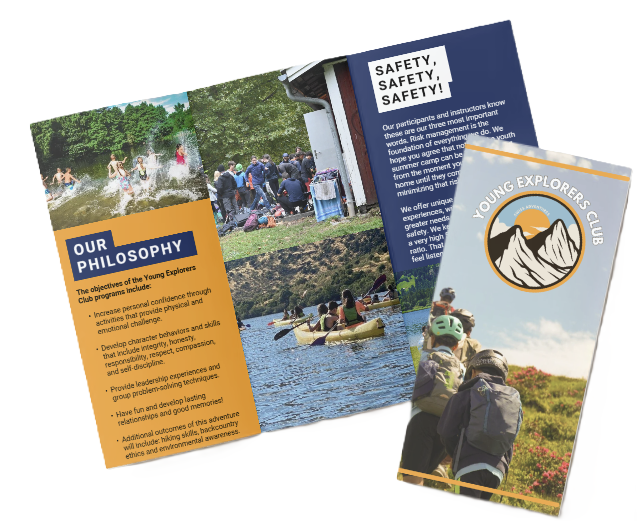
We, at the Young Explorers Club, require clear medical documentation before campers arrive. Follow WHO and Swiss national public-health guidance on vaccinations; there are no mandatory shots specifically for Switzerland beyond routine immunizations. Camps will ask you to complete a camp medical form and to upload emergency contacts and notes on special diets during registration. Include any chronic conditions, medications, and allergy action plans on that form.
Ineffective or missing paperwork delays enrollment and limits activity access. Upload documents early and confirm receipt with camp staff. If your child needs medication administration at camp, add written instructions and consent on the medical form.
Insurance and rescue coverage must be explicit. I recommend comprehensive medical and travel insurance that covers repatriation and mountain rescue. Camps typically require proof of insurance at registration. Ask each program whether mountain rescue costs are included or if families must cover them. Many camps advise separate top-up coverage for alpine rescue — for example Rega (Swiss air rescue). Label your policy and keep a digital copy accessible.
High-risk activities require extra permissions. Alpine climbing or high-route activities may require additional parental consent waiver and proof of ability or experience. Camps often request prior experience logs or run pre-camp assessments. Provide recent photos of equipment and brief notes on previous climbs if requested. If your child lacks experience, ask about pre-camp training options.
Inclusion and accessibility vary by site. Many camps accept children with mild physical or learning support needs, but accommodations differ by program. Common practices I see include targeted staff training, increased staff-to-camper ratios for inclusion, and optional one-on-one support for an extra fee. Ask each camp for documented inclusion policies, examples of past accommodations, and written plans for behavioral or mobility support. If your child uses adaptive gear or requires a support worker, notify the camp during registration so we can plan staffing and logistics.
Sustainability is a growing priority and should be measurable. Camps increasingly use local food sourcing, waste separation, low-impact trail practices and energy efficiency measures. Don’t accept vague claims. Request concrete metrics such as the percentage of local food sourcing or composting rates and examples of energy-saving measures on-site. These figures tell you whether a program is a truly sustainable camps Switzerland option or just using green language.
For program structure and daily life details, see what kids should expect.
Checklist for parents
- Completed camp medical form with immunization record and allergy plans.
- Signed parental consent waiver for high-risk activities.
- Proof of travel insurance Switzerland with repatriation and mountain rescue coverage.
- Statement from policy clarifying mountain rescue Switzerland coverage or confirmation of family responsibility.
- Experience logs or certificates for alpine or climbing activities (if applicable).
- Emergency contacts and digital copies uploaded during registration.
- Documentation of any support needs and requested accommodations for inclusive camps Switzerland.
- Written sustainability claims you want verified (e.g., % local food sourcing, composting rate).
Packing Lists, Seasonal Advice, Booking Deadlines and Key Metrics to Watch
Packing essentials — a compact, age-appropriate checklist
We, at the young explorers club, keep packing simple and practical. The alpine climate and active days demand layers, labeled gear and a small daypack for hikes.
Use the Swiss camp packing list linked below for more context, and follow this base checklist as a starting point:
- 3–4 base layers (thermal tees/long-sleeves)
- 1 waterproof jacket
- 1 pair waterproof trousers
- 2 pairs hiking socks + extra everyday socks
- 1 pair sturdy hiking boots (well-broken-in)
- 1 pair trainers for camp activities
- Sunhat, sunglasses and high-SPF sunscreen
- Swimwear and quick-dry towel
- Personal water bottle (clearly labeled)
- Small daypack for daily hikes or excursions
- Basic toiletries in a small bag
- Labeled medication kit with instructions if needed
Label everything. We recommend using sewn or iron-on name tape for clothing and a permanent marker for bottles and shoes. Refer to our Swiss camp packing list for age-specific variations and kit add-ons.
Weather, electronics, bookings and transparency metrics
Mountain weather in Switzerland changes fast. Expect temperature swings of 10–15°C between valley and alpine zones, even in summer. I advise packing thermal layers and waterproofs, and planning for chilly evenings at altitude.
Electronics and connectivity need clear rules. Many high-elevation sites have limited Wi‑Fi and poor cell coverage. I recommend a simple device policy:
- One basic device allowed for scheduled calls; games consoles discouraged.
- Label chargers and devices.
- Set daily call windows so families know when to reach campers.
- Teach campers to use the site’s emergency contact methods — radios or staffed phone lines — before arrival.
Encourage offline activities: card games, journals and nature skills fill time and reduce lost-device stress.
Booking timing is predictable. Early-bird bookings open January–March for summer; many camps fill by April–May. Expect a typical camp deposit of 20–30% to secure a place. Ask about the camp deposit policy up front and keep a copy of the payment terms.
Financial aid exists. Look for scholarships, bursaries and reduced-fee places and note their application deadlines early in the year. Use “camp scholarship Switzerland” in searches and contact the camp directly about eligibility; I find camps publish these options on their enrollment pages.
I urge camps to publish simple transparency metrics so families can compare options quickly. Useful metrics to request or expect:
- Enrollment metrics: total campers per season, international vs domestic split %, most popular age group (camp enrollment stats)
- Satisfaction metrics: NPS or a clear “% of parents who would rebook”
- Safety metrics: number of incidents per season (tracked) and first-aid calls (camp safety statistics)
Presenting these as simple charts or a dashboard makes decision-making easier. We use easy-to-read visuals for seasonal trends, capacity and incident logs so families see the data at a glance.
Practical final tips: book early if you want specific weeks or cabins, keep receipts for deposits, and verify the camp’s emergency plan and contact schedule before departure.

Sources
Switzerland Tourism — Facts & Figures
Swiss Federal Statistical Office (FSO) — Population
UNESCO World Heritage Centre — Switzerland
Institute for Economics & Peace — Global Peace Index
Swiss Alpine Club (SAC) — Mountain safety guidance
Rega (Swiss Air-Rescue) — REGA
World Health Organization (WHO) — International travel and health
Lonely Planet — Switzerland travel
Interlaken Tourism — Official travel guide